

Practical 3-Day Itinerary and Travel Guide for Virginia Beach, VA
A no-nonsense 3-day plan for Virginia Beach covering the boardwalk, First Landing State Park, seafood spots, transit tips, and airport connections.
Three days here lets a traveler mix the Oceanfront boardwalk, natural areas at First Landing State Park, local seafood and a quieter beach in Sandbridge without feeling rushed.
Expect two very different moods. One is the Oceanfront corridor along Atlantic Avenue with the boardwalk, arcades, seasonal vendors and loud summer nights; the other is quieter residential stretches, the maritime working waterfront at Rudee Inlet and the wooded trails of First Landing State Park. The boardwalk is the city's calling card and draws most visitors, but traffic, parking and loud weekend crowds are part of that picture in summer.
Many visitors arrive picturing a single continuous beachfront experience and are surprised by how quickly the environment changes once leaving the Oceanfront. This place suits people who want a clear beach day mixed with one long walk or a short hike, plus at least one evening of straightforward seafood and a calmer night in Town Center or Sandbridge.
Practical expectations matter: car time, sun protection, and realistic walking distances make for a better trip than trying to pack too many attractions into one day. The next sections outline a realistic route map and specific practical notes to keep the days manageable.
Is 3 days in Virginia Beach enough?
Yes — three days is enough to see the Oceanfront, First Landing State Park, Rudee Inlet, and a quieter beach like Sandbridge with time left for a museum or Town Center. The caveat: skip trying to cover Norfolk museums and full-day excursions to Richmond in the same trip.
Who This Guide Is For
Best for travelers who like a mix of beach time and light outdoor activity, families, and regional weekenders. Not ideal for those who want an urban museum crawl or a packed nightlife schedule on every night.
Local Tips for Virginia Beach
Practical details that most travel sites skip — specific to Virginia Beach.
- Neptune Statue sits at 31st Street and Atlantic Avenue on the Oceanfront — a common photo spot but expect crowds mid-day in summer.
- First Landing State Park charges a vehicle entry fee (around $8 per vehicle for non-residents) and is reached via Pleasure House Road; plan 30–40 minutes from the Oceanfront by car.
- Hampton Roads Transit (HRT) runs local buses to the Oceanfront; use the 'HRT' or 'mTicket' mobile app for fares — single-ride local buses are about $1.75 and a day pass is often available on the app.
- Sandbridge is approximately a 20–30 minute drive south of the Oceanfront and has no real public transit link late evening; plan parking and return drives accordingly.
- Town Center at Corporate Landing Parkway and Arboretum Place has paid garages and a concentration of restaurants and chain hotels; many visitors use it as an alternative base to the Oceanfront.
How This Guide Was Prepared
This guide treats Virginia Beach as a coastal metro with two faces: the high-traffic Oceanfront and a set of neighborhood experiences inland and south that most short guides ignore. Many guides over-focus on the boardwalk and Neptune statue and skip practical bits like transit limits, parking realities, and how to fit in First Landing and Sandbridge without wasting time. This guide was prepared through a structured research that combines destination research, geographic context, itinerary planning logic, and content review.
Plan Your Stay in Virginia Beach
Use this itinerary as your starting point, then compare areas to stay, transport options, seasonal timing, and realistic daily costs before booking.
Why Visit
This place is one of the few coastal metro areas where a three-mile beach boardwalk, a state park with dunes and maritime forest, and working fishing inlets sit within a short drive. The Oceanfront boardwalk and Neptune Statue provide the classic beachfront experience with restaurants, bike rentals and evening performances on the sand.
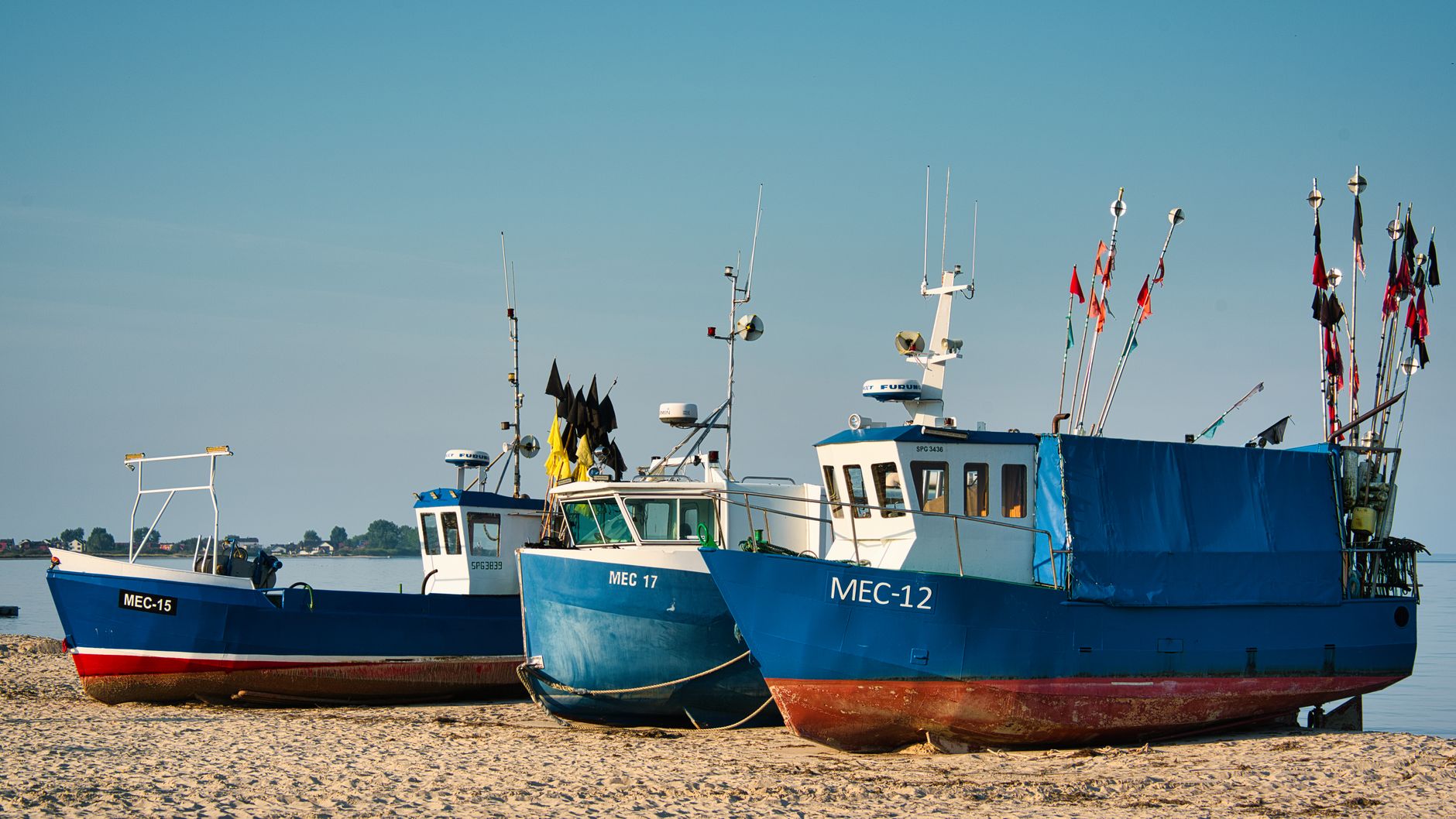
First Landing State Park offers immediate access to long, shaded trails and a different seaside landscape than the Oceanfront; hiking there feels like a nature day without a long drive. Rudee Inlet is where charter fishing and dolphin-watching boats launch: booking a short cruise or a morning fishing trip provides a practical way to see local marine life.
Town Center supplies a calmer alternative with restaurant variety, movie theaters and urban-style hotels that avoid meter stress at the Oceanfront. Sandbridge gives a quieter residential beach option for people who prefer less nightlife and wider stretches of sand.
Quick Planning Tips
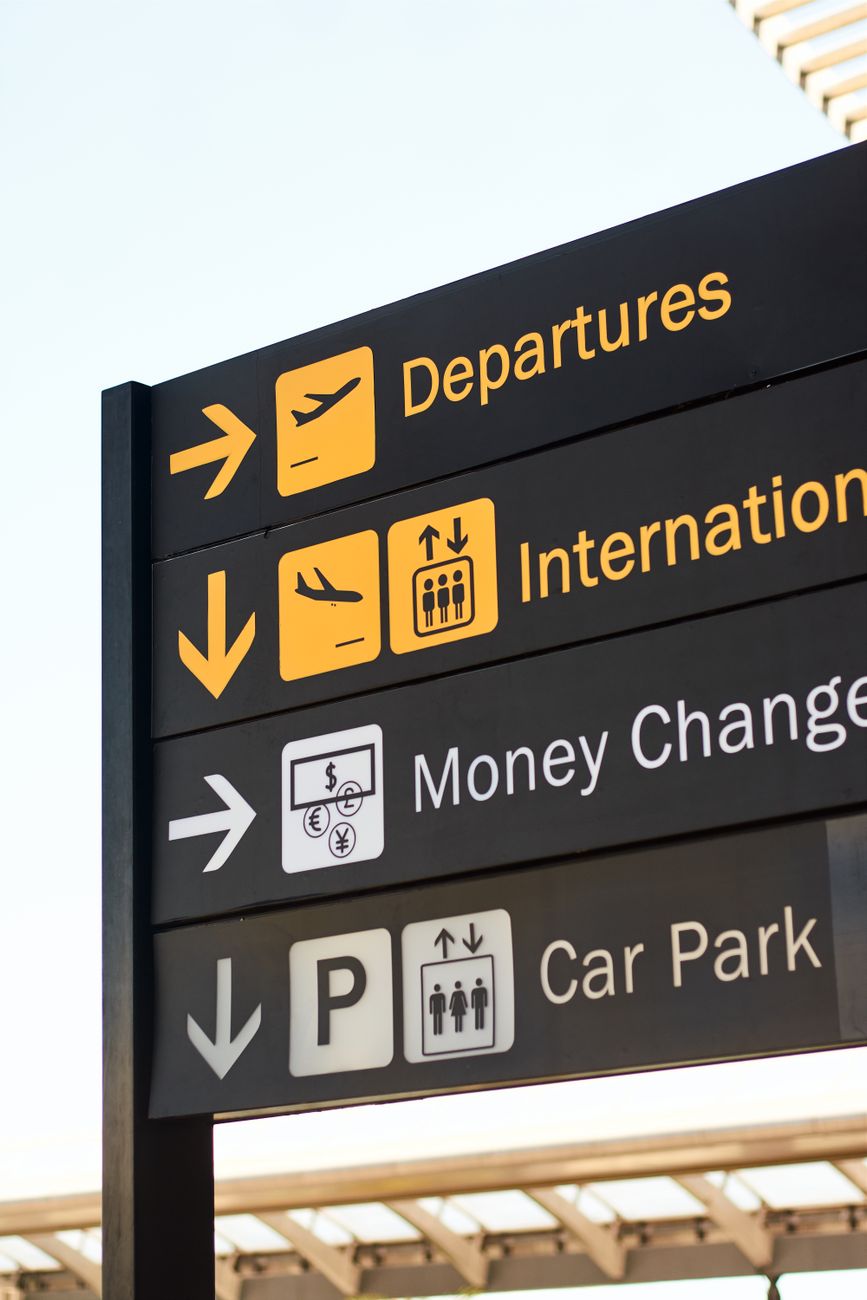
Arrival by air is typically via Norfolk International Airport (ORF); the drive to the Oceanfront is about 20–25 minutes depending on traffic and costs around $25–40 by taxi or rideshare. Amtrak and regional rail stop in Newport News and Norfolk; the latter requires a bus or rideshare to reach the Oceanfront.
Local payment: many beachfront vendors accept cards but bring small cash for meter kiosks and small food stands. Use the HRT mobile ticketing app for bus fares to avoid fumbling with cash on board. Parking is a major planning point: Oceanfront meters and private lots fill early in summer; pre-book a garage when possible or plan to park in Town Center and take a short drive or taxi to the beach.
Avoid packing a single itinerary that depends on bus connections late at night — bus frequency drops after 10pm. Reserve any popular restaurants and boat tours a few days ahead if traveling Friday–Sunday in peak season.
Day 1
Morning: Start at the Virginia Beach Boardwalk near 3rd Street. Stroll or bike — rental stands around 3rd–8th Streets rent bikes by the hour. Expect a slow-moving crowd on summer weekends. Allow 60–90 minutes if stopping for photos at Neptune Statue (31st Street) and a coffee.
Late morning: Walk north along the boardwalk to Rudee Inlet (about 15–25 minutes from the 31st Street area if walking steadily). At Rudee Inlet, watch charter boats and consider a 60–90 minute dolphin-watching cruise; booking shows departure times from the Rudee Inlet dinghy basin.
Lunch: Eat at Waterman’s Surfside Grille at 16th Street for classic local blue crab cakes and she-crab soup; prices midday typically $16–28 for entrees. Allow 45–60 minutes for a relaxed lunch and to avoid peak noon lines.
Afternoon: Head to the Virginia Aquarium & Marine Science Center (about 5–10 minutes by car from Rudee Inlet, or a short local bus). Plan 2–3 hours for the aquarium exhibits, the bay and otter displays; adult admission is typically around $20–30.
Evening: Return to the Oceanfront for sunset on the beach then pick an ocean-facing spot for dinner. For a quieter night, walk two blocks inland to Pacific Avenue for bars and smaller eateries with shorter waits.

Day 2
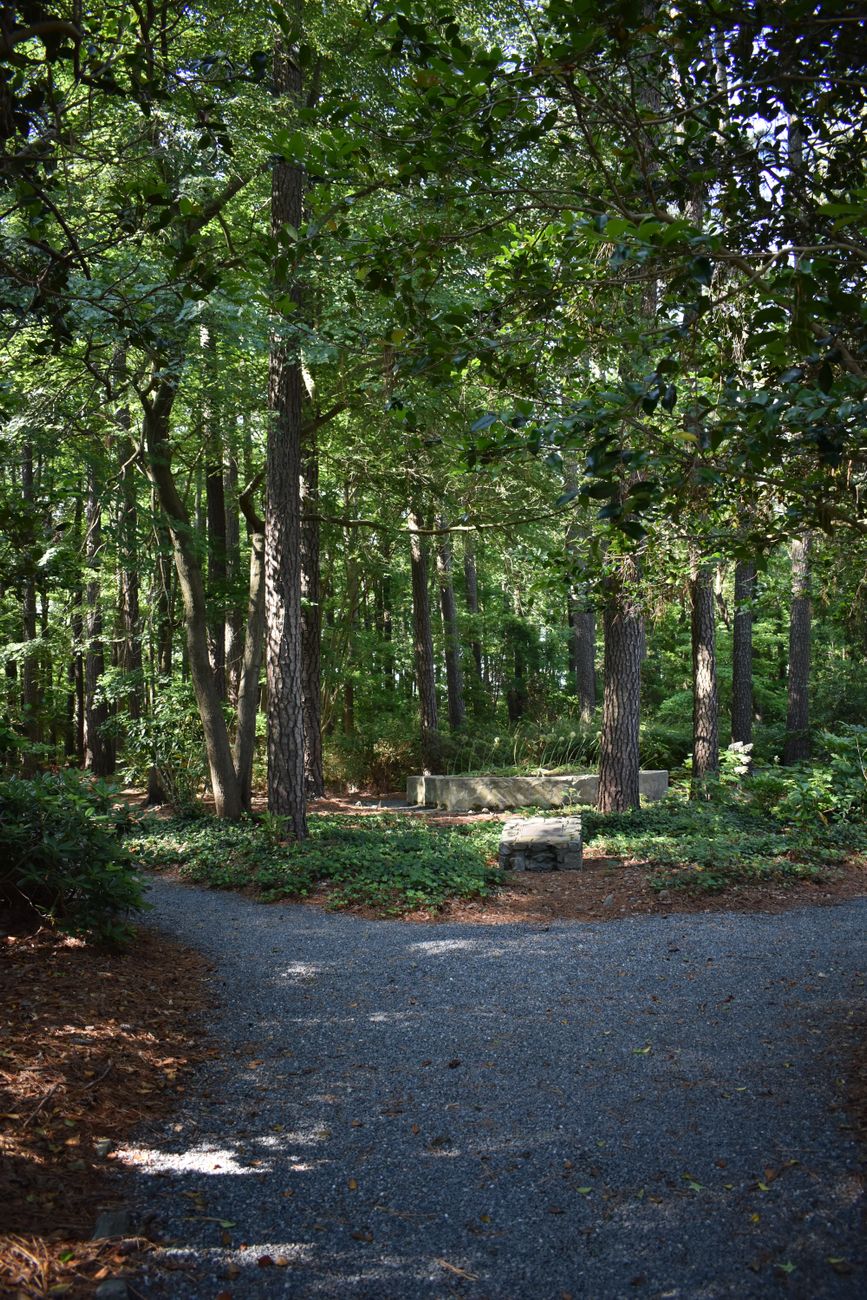
Morning: Drive or take a rideshare to First Landing State Park via Pleasure House Road; expect a 25–35 minute drive from the Oceanfront depending on traffic. Enter the park and do the Cape Henry Trail or Seashore Trail for 1.5–2.5 hours surrounded by dunes and maritime forest. Bring water and insect repellent and note the vehicle entry fee at the gate.
Lunch: Pack a picnic or stop at Duck Donuts near the Oceanfront for a quick snack and coffee if returning; Duck Donuts has made-to-order donuts starting at around $3 each.
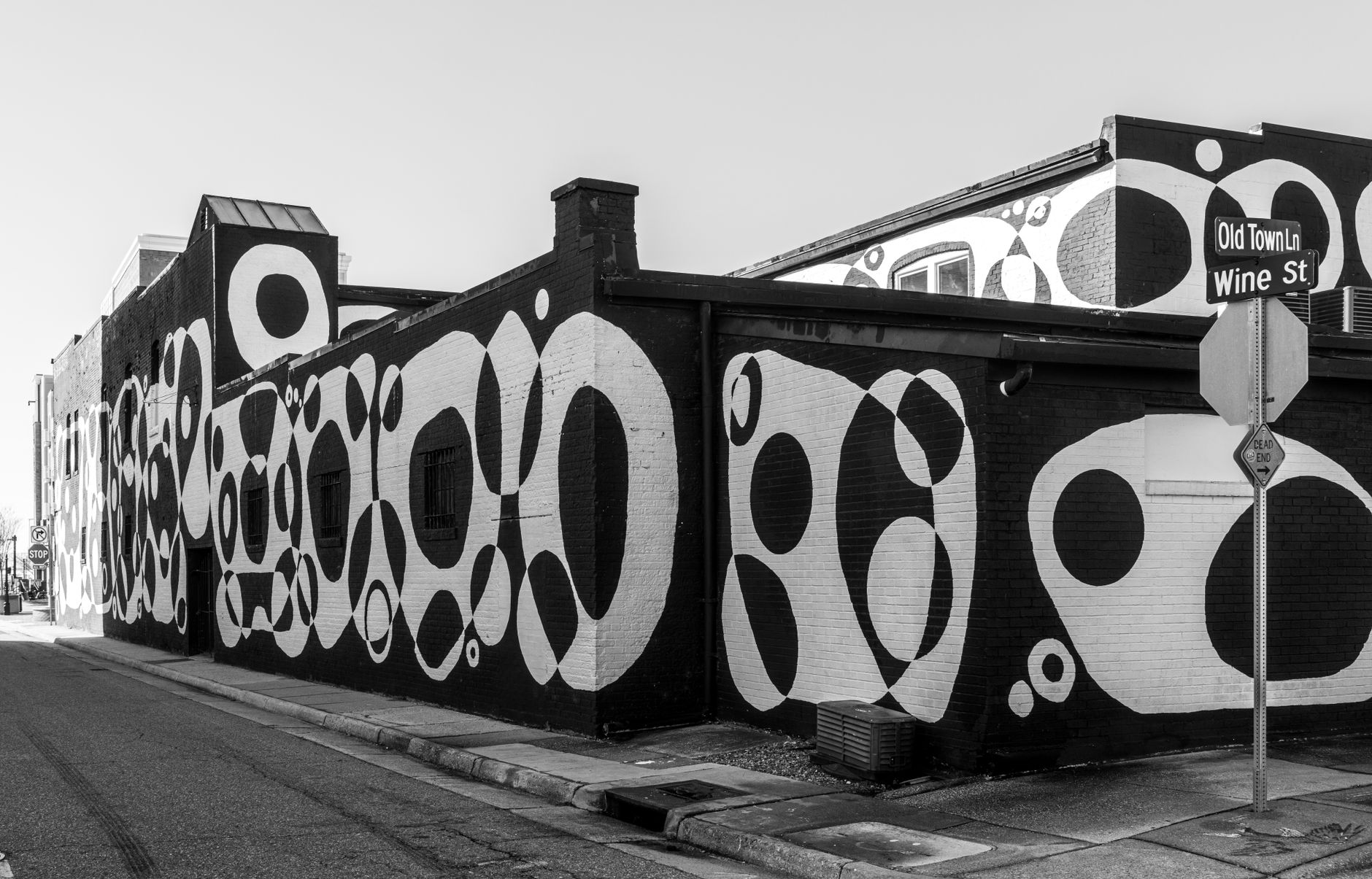
Afternoon: Visit Cape Henry Lighthouse at Fort Story (drive from First Landing about 10–15 minutes). The lighthouse offers quick historical context and views; climbing hours and entry fees vary, so check the Fort Story visitor center. After the lighthouse, head to the ViBe Creative District along Pacific Avenue for murals and local galleries — an easy 15–20 minute drive back toward the Oceanfront.
Evening: Dine at a Rudee Inlet seafood restaurant like Tidewater Grill for local fish and oyster options or try a waterfront casual spot for sunset. Finish with a relaxed walk on the quieter northern section of the boardwalk or a local craft beer in Town Center if staying inland.
Day 3
Morning: Check out of accommodation and choose either Sandbridge for a quiet morning beach stretch or Town Center for a late breakfast and shopping. Sandbridge is about 20–30 minutes south of the Oceanfront and provides a broad, residential beach experience with fewer vendors.
Late morning: If choosing Sandbridge, park at the public lot and walk to the beach; pack a cooler and expect minimal food service immediately on the sand. If choosing Town Center, eat at Commune in Town Center or a local café; Town Center offers calmer streets and is an easy place for last-minute shopping and a coffee.
Afternoon (if catching a flight): Allow 45–60 minutes to drive to Norfolk International Airport from the Oceanfront or Town Center, more during rush hour. Return rental cars with extra time; airport security can be busy mid-afternoon. For an afternoon flight, plan a late morning beach visit or a short stop at the Military Aviation Museum in nearby Pungo if time allows — it's roughly 20–30 minutes inland.
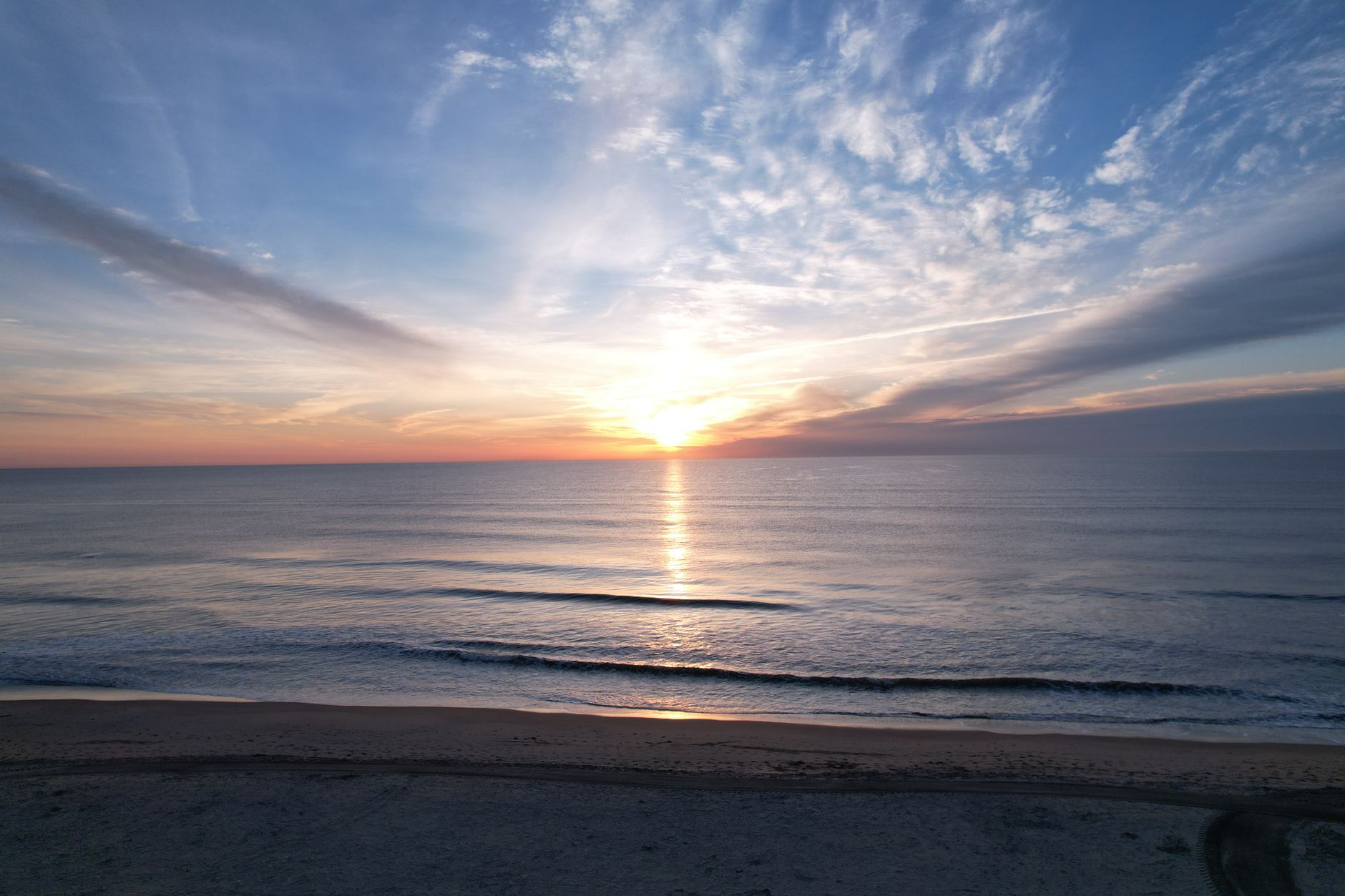
Evening recommendation if staying late: Finish with a sunset at Sandbridge or a last walk on the Oceanfront followed by a quick seafood dinner; avoid scheduling both a long museum visit and a beach morning on the same half day.
Best Local Experiences
ViBe Creative District mural walk and local galleries along Pacific Avenue provide an accessible art route distinct from the Oceanfront entertainment; look for First Fridays events on the ViBe calendar. Rudee Inlet fishing charters and dolphin-watching boats depart daily and offer short trips from the dinghy basin; small-group cruises last 60–90 minutes.
Visit the Virginia Aquarium & Marine Science Center for otters, touch tanks and the shark exhibits; the 4D theater adds a short show if timed correctly. First Landing State Park trails, including Cape Henry Trail, give dune and forest options without leaving the city limits. Sandbridge Beach delivers calmer sand and better sunrise views; it’s a local family beach with rental houses and fewer bars.
Attend a boardwalk concert or seasonal event at Neptune’s Park on 31st Street if dates align. For a museum experience away from the Oceanfront, check the Military Aviation Museum in Pungo for restored aircraft and flight demonstrations on select weekends.
Where to Stay
Oceanfront (Atlantic Avenue and 3rd–40th Streets): Suits first-time visitors who want immediate beach access and nightlife. Expect hotel nightly rates in summer ranging from $150–350 USD (approximately €135–320) depending on proximity to the sand and amenities. Parking and noise are trade-offs.
Town Center (Corporate Landing Parkway, Arboretum Place): Suits travelers who prefer quieter nights, chains, and easy restaurant options. Hotels are often $100–200 USD per night (roughly €90–180) and offer easier parking and lunchtime options for business-style travelers or families avoiding meter stress.
Sandbridge (Sandbridge Road and Seashore Drive): Suits people seeking a quieter residential beach and rental-house experience. Nightly rates for vacation rentals vary widely; expect $150–400 USD per night in peak season (about €135–360) for houses that sleep several people. Few hotels are directly on Sandbridge; most lodging is rental homes.
Food and Drink
She-crab soup: A creamy, slightly spiced crab bisque served across seafood restaurants; try Waterman’s Surfside Grille or local Wharf spots. Expect $6–10 for a bowl.
Blue crab/crab cakes: Local blue crab and crab cakes are available at Waterman’s and Rudee Inlet restaurants; a crab cake entree runs about $15–30. Seasonality matters — crab is best June–October.
Oysters on the half shell: Served raw or roasted at Rudee Inlet spots like Tidewater Grill; prices vary but expect $2–3 per oyster locally at happy hour or $12–20 for a half-dozen.
Boardwalk snacks: Nathan’s-style boardwalk hot dogs, funnel cakes and local soft-serve are available along Atlantic Avenue; plan $5–12 per snack depending on portion.
Breakfast option: Commune in Town Center or local cafés near the ViBe District offer breakfast sandwiches and locally roasted coffee; expect $8–14 for a cooked breakfast.
Dinner recommendation: For a sit-down seafood dinner, pick Waterman’s, Tidewater Grill or Rockafeller’s; entrees typically run $18–35. Carry cash for small vendors and tipping; most restaurants accept cards.
Getting Around
Hampton Roads Transit (HRT) operates local buses that serve the Oceanfront, Town Center and routes to Sandbridge on limited schedules; common routes include the 20/21 series for the Oceanfront corridor. Use the HRT or mTicket mobile apps to buy fares and check schedules. The Tide light rail runs in Norfolk but does not reach the Oceanfront.
Single local bus fares are roughly $1.75; day passes and multi-ride options are available via the app. Taxis and rideshares (Uber/Lyft) are widely used for point-to-point travel; airport taxis from ORF to the Oceanfront run about $25–40 depending on time and traffic. Bike rentals on the boardwalk are hourly and useful for short trips along Atlantic Avenue.
Driving is the most flexible option for visiting First Landing, Cape Henry Lighthouse and Sandbridge. Note that buses run less frequently late evening and Sunday service can be reduced, so plan rideshare or driving for late-night returns.
Best Time to Visit
Summer (June–August) delivers warm beach weather with highs commonly 80–90°F (27–32°C) and busiest crowds. Expect crowded boardwalks, full parking and higher hotel rates in July and early August.
Shoulder seasons (May and September): Offer warm water and air temperatures ranging 65–80°F (18–27°C) with lower crowd levels and better hotel deals. September often has warm water but fewer events and more available tables at popular restaurants.
Spring (April–May) and fall (late September–October) are the best value months for lower prices and cooler hikes at First Landing; temperatures range from the 50s–70s°F (10–25°C). Winter brings quieter streets, intermittent cold snaps and lower lodging rates, but many seasonal vendors are closed.
Budget and Practical Tips
Typical daily budget (per person) in USD and approximate EUR: Accommodation: $100–200 (USD) / €90–180 for a mid-range hotel; beachfront premium pushes this higher in peak season. Food: $40–75 (USD) / €36–68 for three meals including one mid-range seafood dinner. Transport: $10–30 (USD) / €9–27 including occasional rideshare or bus fares and short taxis. Entry fees: Aquarium $20–30 (USD) / €18–27; First Landing vehicle fee around $8 (USD) / €7.
Tipping: Standard U.S. norms apply — 15–20% at sit-down restaurants, $1–2 per drink at bars, and $2–5 for valets and hotel porters. Bring sun protection and a small cooler for beach days; ice chests are useful but check local rules on glass containers.
Practical money tip: many smaller beachfront vendors accept cards but add a credit-card minimum; keep $20–50 in small bills for meter kiosks, beach vendors and tips. Book key activities like aquarium tickets and boardwalk bike rentals in the morning to avoid midday lines.
FAQ
How safe is the Oceanfront area at night?
The Oceanfront is heavily trafficked in summer but pickpocketing and alcohol-related incidents increase after midnight; stay in well-lit areas and avoid walking alone late at night.
Is public transport useful for getting around?
HRT buses cover the main corridors including the Oceanfront and Town Center; use the HRT or mTicket apps for schedules and mobile fares. Frequency drops late nights and Sundays.
Is a city card or tourist pass worth buying?
No widely used single ‘Virginia Beach card’ covers attractions; buying individual tickets for Virginia Aquarium, dolphin cruises and private tours is more practical unless a bundled hotel package is offered.
Can the Tide light rail take visitors to the Oceanfront?
No — the Tide runs in Norfolk and does not reach the Oceanfront; connecting buses or rideshares are necessary from Tide stations.
Are beaches free to use?
Yes, public beaches are free, but parking, dunes access paths and some state park areas have fees or paid parking. Sandbridge and the Oceanfront have public access points with paid parking nearby.
What is the best way to get from Norfolk International Airport to the Oceanfront?
Taxis and rideshares take roughly 20–30 minutes and cost about $25–40 depending on traffic; local buses are possible but slower and require transfers.
Are there good options for family activities in poor weather?
Yes — the Virginia Aquarium, Military Aviation Museum in Pungo, and indoor arcades and small museums near the boardwalk offer alternatives for rainy days.
Is it necessary to rent a car for three days?
Not strictly necessary if staying at the Oceanfront and planning limited excursions, but a car is strongly recommended for First Landing, Sandbridge and flexible beach or lighthouse visits.
Conclusion
A three-day stay produces a clear and manageable mix: one day for the Oceanfront and aquarium, one for First Landing and Cape Henry, and one for Sandbridge or Town Center depending on interests. Most visitors will remember the contrast between lively boardwalk hours and the quiet, tree-lined trails at First Landing.
If time is limited, prioritize a morning at First Landing and a sunset on the Oceanfront; these two experiences show the most distinct sides of the area in a short stay. Practical planning around parking and transport makes the difference between a stressful trip and a relaxed long weekend.
How this guide was prepared
This guide was prepared through a structured research that combines destination research, geographic context, itinerary planning logic, and content review.