
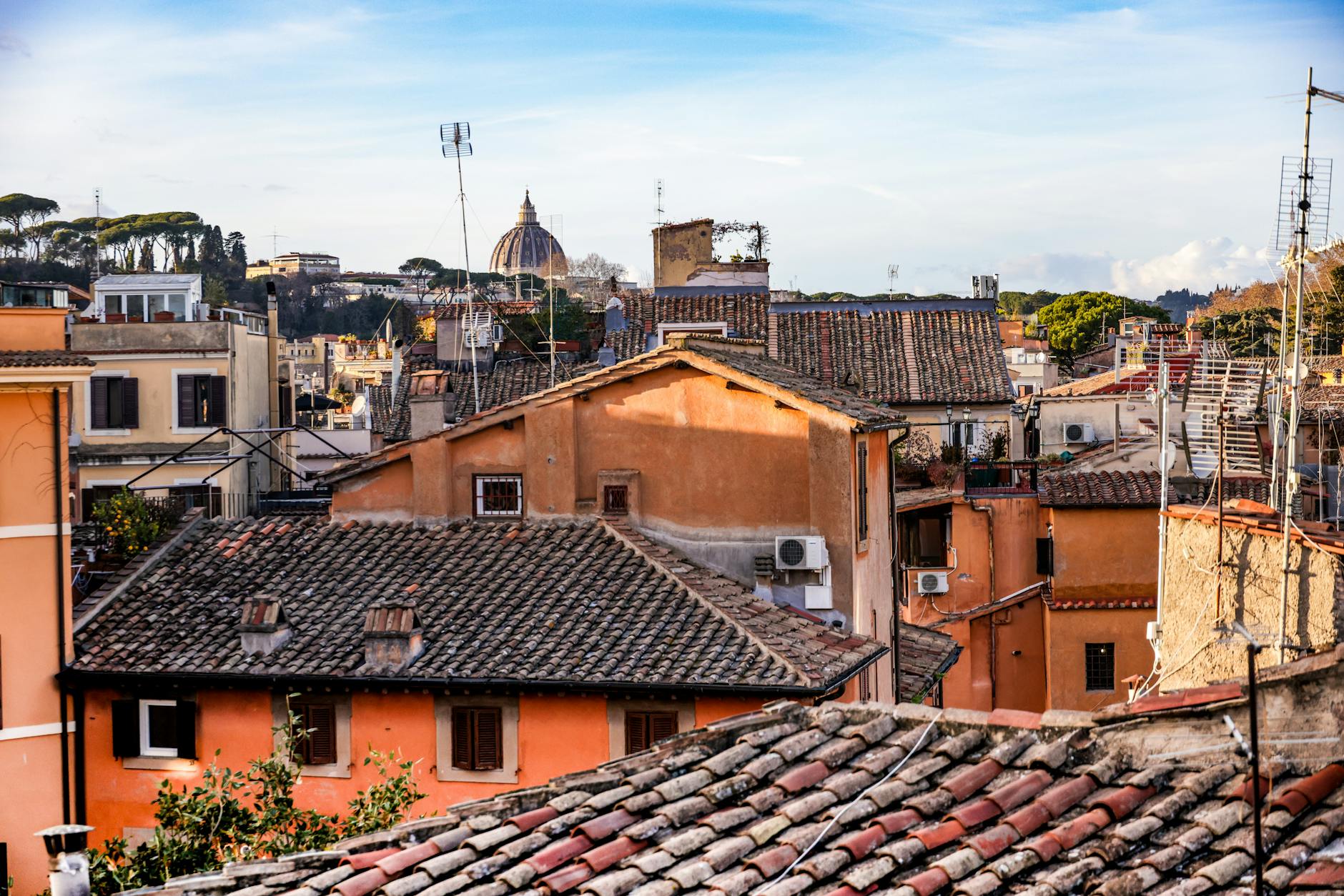
Responsible Travel in Rome — Practical Tips to Support Local Life
Sensible, low-impact advice for visiting Rome responsibly: where to stay, how to book, local etiquette, transport realities, and sustainable day-trip options that complement a 3 days in Rome itinerary.
Stay central in people-scaled neighborhoods (Monti, Trastevere, Prati, Testaccio), walk as much as possible, and use trains for nearby day trips. Book timed-entry tickets for the Colosseum and the Vatican in advance, aim for early morning or late afternoon visits, and favor small local eateries over tourist traps.
Short checklist:
– Reserve Colosseum + Palatine and Vatican timed tickets.
– Choose a neighborhood with low car access (Monti, Trastevere, Prati, Testaccio).
– Use regional trains for Orvieto, Perugia, Cortona and a ferry via Naples to Ischia.
– Bring a refillable bottle; use public fountains (nasoni).
This page is a practical support sheet for travelers using our main 3 days in Rome guide. It focuses on choices that reduce environmental impact, channel spending to local businesses, and make your short visit calmer and more authentic.
You’ll find neighborhood recommendations, booking tips for high-demand attractions, real transport realities (ZTLs, strikes, train options), and sustainable day-trip ideas to nearby towns such as Orvieto, Assisi, Perugia, Cortona and the island of Ischia.
What This Page Helps You Decide
- Where to stay to balance convenience and local life.
- Which attractions to book ahead and when to visit them.
- How to get between Rome and nearby destinations with the least impact.
- Which neighborhoods to prioritize for food, nightlife, and daytime wandering.
- Which local businesses and sustainable tour operators to favor.
Use these decisions to tweak the pace and routing suggested in our 3 days in Rome guide, adding a low-impact day trip or swapping a rush-hour museum visit for a relaxed neighborhood stroll.
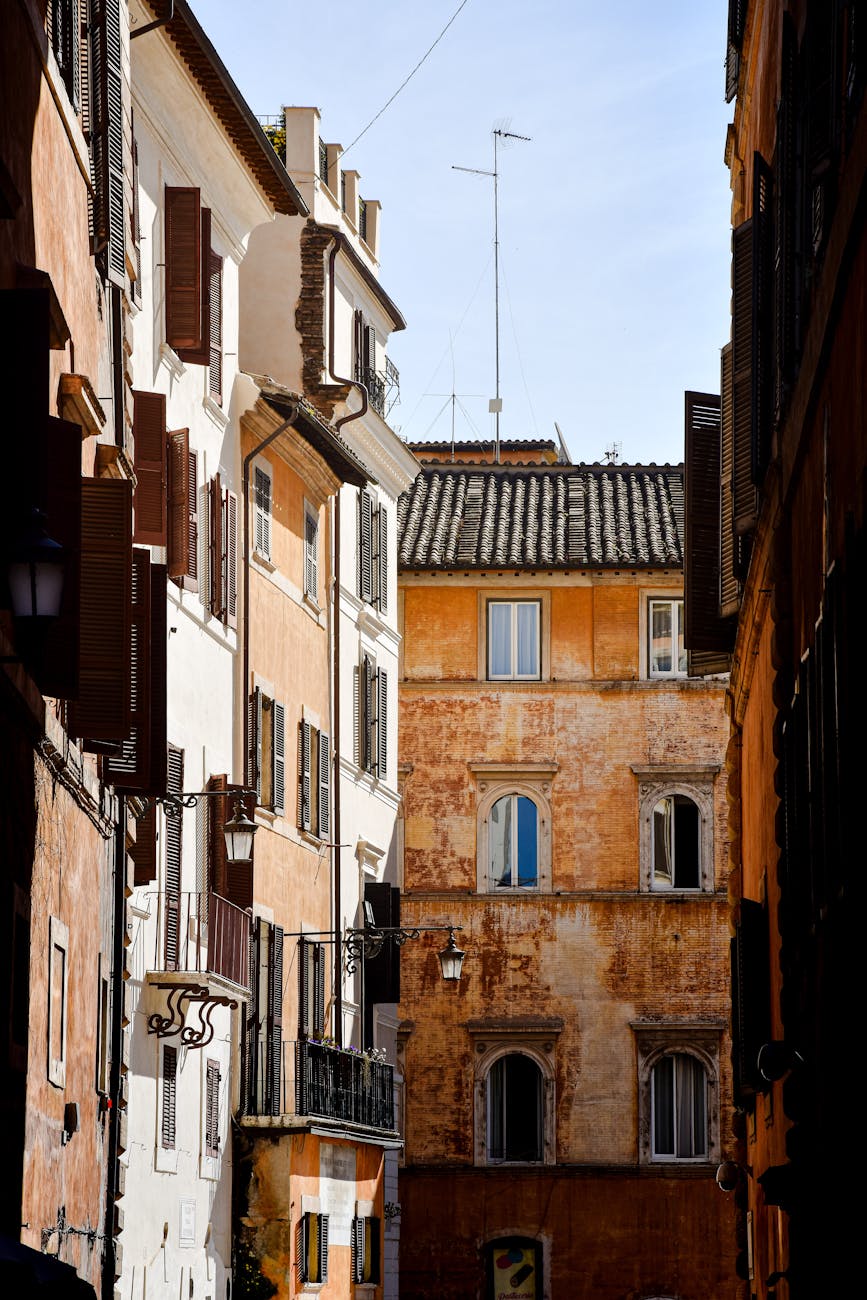
Top Recommendations
1) Choose the right base
– Monti: walkable to Colosseum and Forum; independent shops and quieter at night than historic center.
– Trastevere: best for evening dining and lively streets; expect noise after 10pm.
– Prati: calm, near the Vatican, good for families and quieter meals.
– Testaccio: authentic markets and food culture, good for food-focused travelers.
2) Booking and timing
– Book the Colosseum + Palatine and Vatican Museums online with timed entry. Early morning slots reduce crowds.
– Reserve dinner at small osterie in Trastevere or Testaccio, especially on weekends.
3) Move responsibly
– Walk or cycle short distances; use metro/tram/bus for longer legs. Avoid driving—Rome’s ZTLs (limited traffic zones) are strictly enforced.
– For nearby cities, take regional trains (Orvieto ~1h from Termini; Perugia ~2h; Cortona via Camucia TER). Reach Ischia with a train to Naples then a ferry—avoid flying.
4) Spend locally
– Buy produce and snacks at Campo de' Fiori or Testaccio market stalls.
– Choose artisanal souvenirs, food items, or locally made ceramics; avoid items made from protected stone or animal products.

Local Context
ZTLs and traffic: Many central neighborhoods restrict cars between certain hours. If you’re driving, register hotel details and confirm access with them. Illegal entry can lead to fines that arrive months later.
Transport reality: Metro has three lines (A, B, C) with gaps in coverage; buses and trams complete routes but can be slower in traffic. Trains to Orvieto, Perugia, and other towns depart from Termini or Tiburtina—buy regional tickets ahead or on the Trenitalia/Italo apps.
Seasonal patterns: Peak crowds July–August; shoulder months (April–May, September–October) offer better light, milder temperatures, and fewer crowds. Some attractions and restaurants close for holidays in August—check ahead.
Local etiquette and money: Dress modestly in churches. Tipping is modest and appreciated for table service but not mandatory. Small vendors may prefer cash for low-value purchases; cards are fine at most restaurants and museums.
Safety: Pickpocketing is the most common issue—keep valuables secure, especially on crowded buses, at Termini, and at popular sights like the Trevi Fountain.
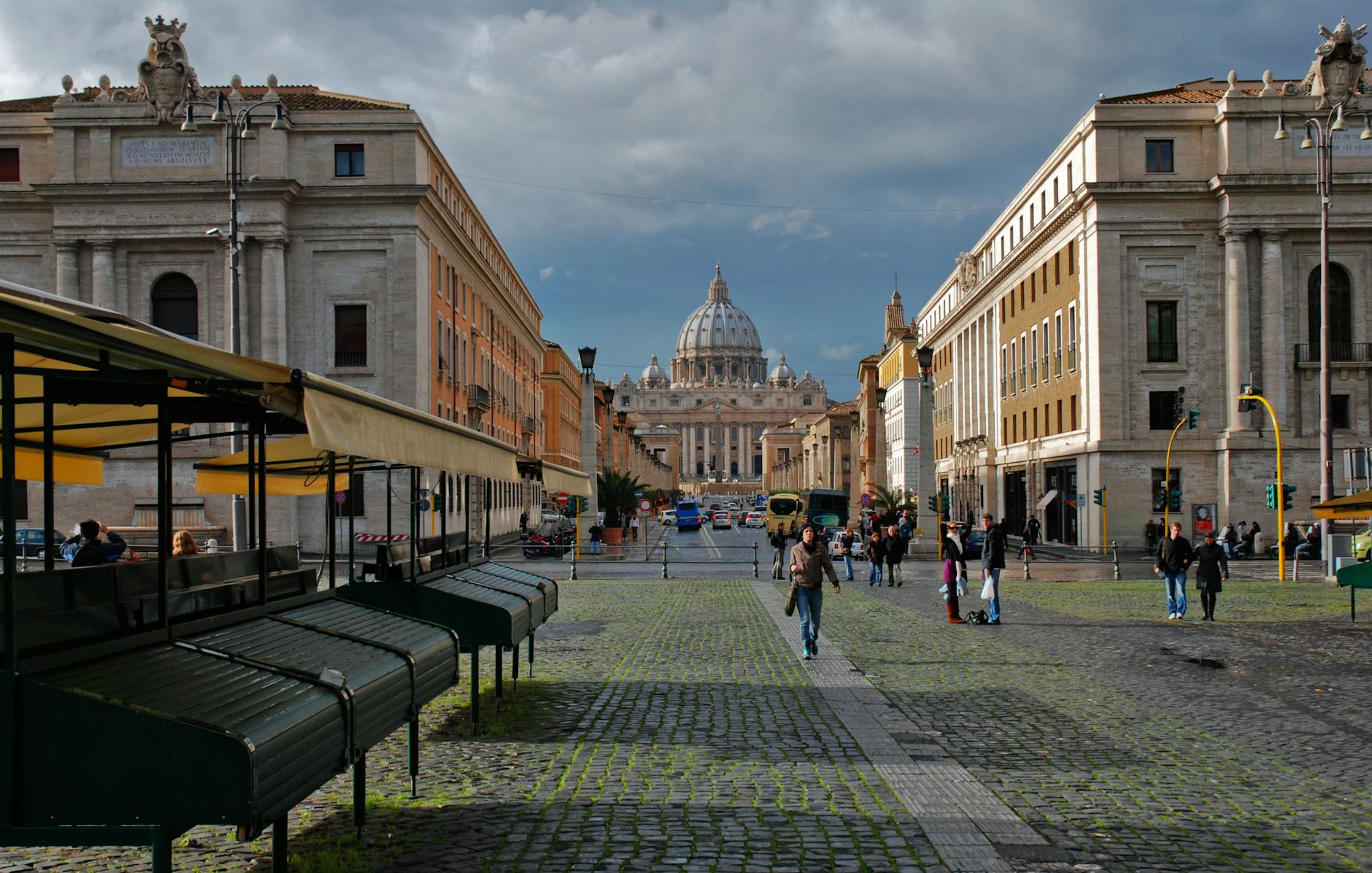
How to Choose Well
Picking a neighborhood:
– If you want maximum walking: Monti or Centro Storico.
– For evening dining that supports locals: Testaccio or Trastevere.
– For quieter family stays near the Vatican: Prati.
Choosing tours and tickets:
– Prefer certified small-group walking tours led by local guides over large bus tours.
– Book timed-entry tickets for major museums and the Colosseum days in advance.
– Consider a morning visit to Villa Borghese or the Galleria Borghese reservation to avoid crowds.
Selecting day trips:
– Orvieto: quick regional train, walkable hilltop center—good for a half- to full-day trip.
– Assisi/Perugia/Cortona: reachable by regional trains; opt for trains over buses where possible.
– Ischia: train to Naples + ferry; combine with an overnight to reduce rush and carbon intensity of day-trips.
Practical booking advice:
– Use Trenitalia or regional services and validate paper tickets if required.
– Reserve tables for dinner on weekends. For very popular restaurants, book weeks ahead.

Responsible and Local-First Tips
- Favor public transport and walking; avoid renting cars for central Rome.
- Refillable bottles: Rome’s nasoni (drinking fountains) are widespread—bring a bottle to avoid single-use plastic.
- Eat locally: choose family-run trattorie, markets, and bakeries. Ask hosts for neighborhood favourites rather than dining immediately beside tourist sites.
- Support local guides and businesses: book tours with community-minded operators and buy souvenirs from craftspeople.
- Respect sacred spaces: cover shoulders and knees when entering churches; take photos only where allowed.
- Low-impact day trips: take regional trains to Orvieto, Perugia, Assisi, Cortona; for Ischia take the train to Naples and the ferry, stay overnight rather than make a rushed day trip.
- Avoid animal exploitation: skip photo ops with street animals or rental animals that appear mistreated.
Small gestures like carrying loose change for café purchases, using less energy in small hotels, and packing a reusable bag make a cumulative difference.
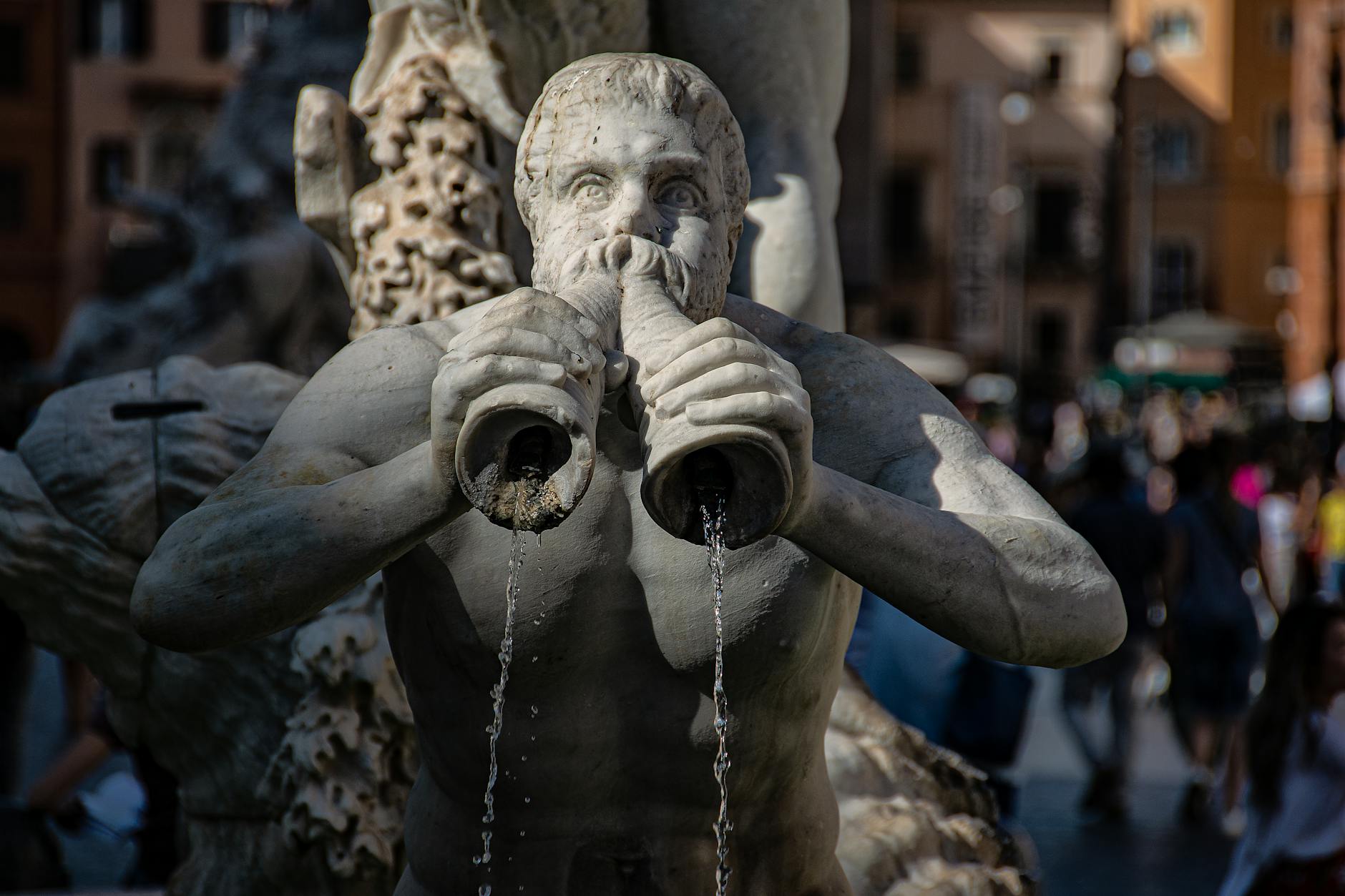
Common Mistakes to Avoid
- Not booking Colosseum or Vatican tickets in advance — they sell out and lines are long.
- Booking hotels without checking ZTL access if you plan to drive.
- Eating at restaurants directly adjacent to major monuments where quality and impact on local businesses are lower.
- Trying to cram every sight into a single day — choose depth over quantity, especially on a 3-day visit.
- Underestimating walking time between sites; Rome’s attractions are dense but streets are often slow.
- Assuming all small vendors accept cards—carry a small amount of cash for markets.
- Making Ischia a same-day return from Rome—prefer an overnight to reduce rush and travel emissions.
FAQ
What neighborhood is best for a responsible 3-day stay?
Monti balances walkability and independent shops; Prati is calm and family-friendly near the Vatican; Testaccio offers an authentic food scene. All are well placed for public transport and support local businesses.
How do I get from Rome to Orvieto, Assisi, Perugia, Cortona and Ischia sustainably?
Prefer regional trains: Orvieto is about an hour from Roma Termini; Perugia ~2 hours by regional/Intercity; Cortona is reached via Camucia-San Giovanni; Assisi is on regional lines from Roma Termini with one change. For Ischia, take a train to Naples (Circumvesuviana or high-speed) then a ferry—avoid flights.
Are Roma Pass or tourist cards worth it for a 3-day itinerary?
It depends on your priorities. If your 3-day plan includes multiple paid museums and public transport use, a Roma Pass can save money and provide skip-the-line benefits. For a focused itinerary (Colosseum + Vatican + a couple of museums), reserve timed tickets individually—compare costs.
What should I know about ZTLs and driving in Rome?
ZTLs restrict private-car access in many central areas during set hours. Hotels can sometimes register your car to permit brief entry. If you don’t need a car, leave it outside central Rome and use public transport—driving adds fines, stress, and emissions.
Any etiquette tips for churches and neighborhoods?
Dress modestly in churches, keep voices low, and avoid eating inside sacred spaces. In neighborhoods, respect residents by moderating noise after 10pm and choosing cafes or restaurants that serve local customers, not just tourists.
Conclusion
Rome rewards a calm, locally minded pace. Combine the highlights in our 3 days in Rome guide with one low-impact day trip by regional train or an overnight to Ischia to spread benefits to other communities. Prioritize walking, book key tickets ahead, and choose small-scale businesses to make your visit both richer and more responsible.
Plan the Rest of Your Trip
This page works best alongside the main itinerary and the other planning pages for Rome.