
3 Days in Biarritz — Practical Itinerary, Costs & Tips
A practical three-day plan for Biarritz with transit tips, neighbourhood routes, realistic costs and what to skip to make the most of a short trip.
A no-nonsense 72-hour plan for surf, markets, and coastal walks in Biarritz, with transit details, realistic prices and neighbourhood-by-neighbourhood routing.
A first impression often splits between hotel promenades and a working port. Expect elegant Belle Époque façades along Avenue de l'Impératrice and a compact town where surf shops, fishmongers and patisseries sit side by side. The mood switches quickly from holiday noise in July and August to a quieter, locally focused pace in shoulder months.
Crowds concentrate on Grande Plage, the Promenade and the stretch from the Casino to Villa Belza; away from those strips the town has regular markets, residential streets and surf rituals that start at dawn. Practical surprises include tide-driven access to stretches of sand, a small airport with limited connections (BIQ) and a bus network (Chronoplus) that links Bayonne and Anglet as well as the town centre. This guide assumes walking and short bus hops rather than a rental car for a realistic weekend plan.
Is 3 days in Biarritz enough?
Three days gives time to cover the main beaches, the Rocher de la Vierge, the Cité de l'Océan and a market-based food tour while fitting in a surf lesson or a spa session. Day trips to Bayonne or inland Basque villages will have to wait for a longer stay.
Who This Guide Is For
Best for active travellers who want coastal walks, surf or seafood and who prefer compact itineraries. Not a good fit for travellers seeking a long countryside base or lively late-night clubbing.
Local Tips for Biarritz
Practical details that most travel sites skip — specific to Biarritz.
- Les Halles de Biarritz on Place Georges Clemenceau is busiest Saturday morning; fish stalls close around 13:00 so go early for oysters and live seafood.
- Use the Chronoplus bus network for local hops (Bayonne-Anglet-Biarritz). Single tickets are bought on board or via the Chronoplus app and usually cost about €1.50–€1.70.
- Cité de l'Océan tickets are around €10–€12; buy a morning slot to avoid the busiest afternoon hours and combine with the Roche de la Vierge walk nearby.
- Biarritz Pays Basque airport (BIQ) is 3–4 km from the centre; a taxi runs about €20–€30 to the Grande Plage, while TER trains connect Bayonne station to Biarritz for regional arrivals.
- Street parking in the centre is controlled by pay machines (look for 'Horodateur') and short-stay bays; multi-storey Indigo or Vinci car parks are a safer option in summer.
How This Guide Was Prepared
Biarritz mixes a working port, serious surf culture and grand 19th-century hotels; many guides focus only on the Grande Plage or hotel façades. This guide treats the town as a real place people live in—covering market routines, tide dependence for beach access, public transport links and where crowds concentrate during summer. This guide was prepared through a structured research that combines destination research, geographic context, itinerary planning logic, and content review.
Plan Your Stay in Biarritz
Use this itinerary as your starting point, then compare areas to stay, transport options, seasonal timing, and realistic daily costs before booking.
Why Visit
The coastline offers surf culture and walkable cliffs with views of the Spanish coast; the Côte des Basques and Grande Plage provide very different wave conditions and photographic outlooks. The markets and seafood scene are unusually strong for a town this size: Les Halles de Biarritz supplies local fishmongers, oyster sellers and small plate vendors geared to lunchtime crowds.
A compact museum set includes Musée de la Mer (aquarium and seal displays) and the interactive Cité de l'Océan, both geared to shorter visits and suitable if weather turns. The town also has a genuine spa and thalassotherapy tradition centred on Hôtel du Palais for those who want a restorative break between walks and surf lessons.
Quick Planning Tips
Fly into Biarritz Pays Basque (BIQ) for short transfers to the centre or use TER trains to Gare de Biarritz from Bayonne and Bordeaux. Carry euros; many small stalls and markets at Les Halles prefer cash and some bus drivers still ask for exact change. Avoid assuming every beach has parking or lifeguards; check local tide charts (maree) and lifeguard flags before swimming.
Book surf lessons and Cité de l'Océan time slots in advance during July–August. One planning mistake to avoid is trying to pack Bayonne and the Basque interior into a single 72-hour window—both deserve full days of their own.
Day 1
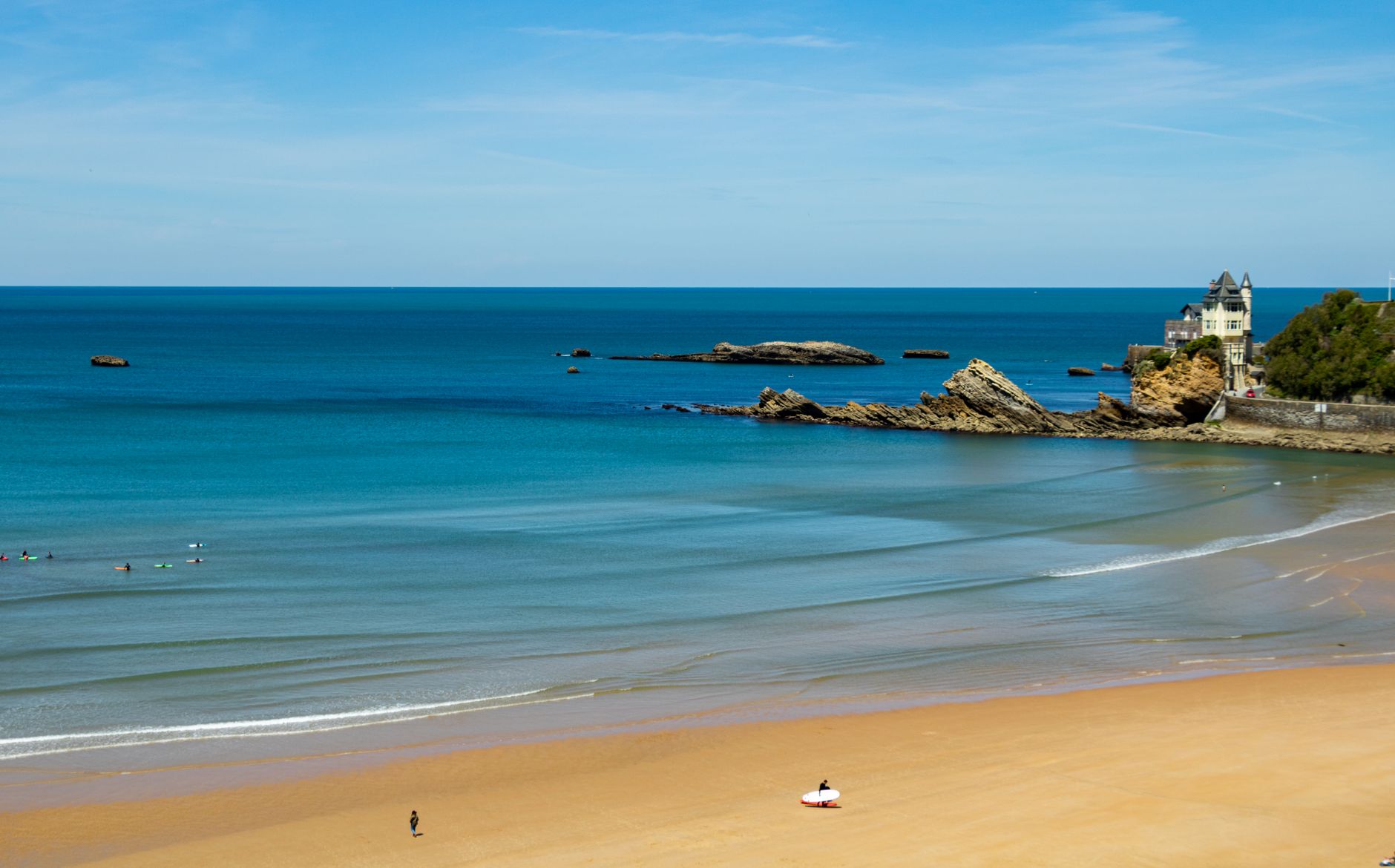
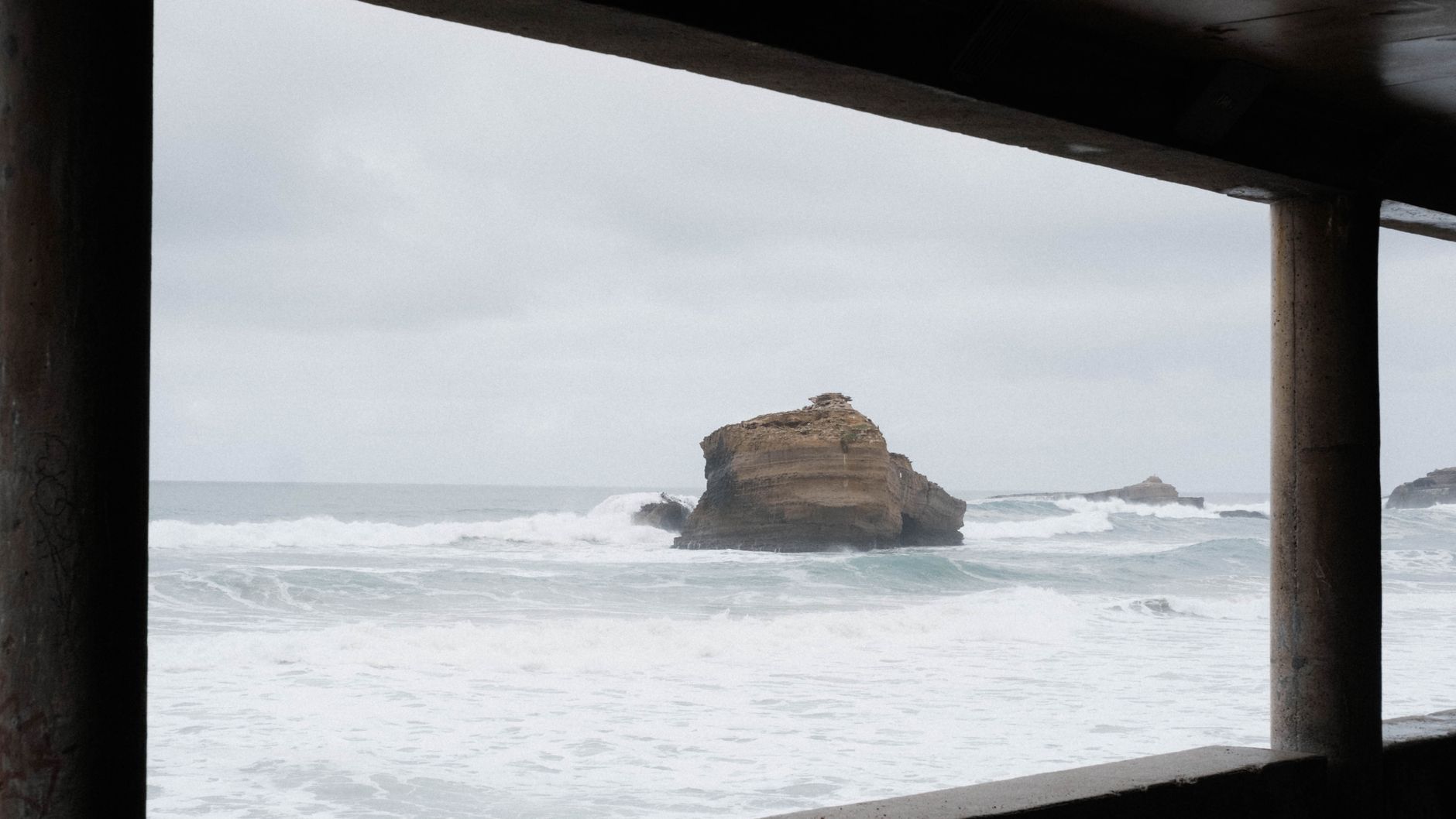
Morning: Start at Grande Plage for a coastal walk and coffee. Grande Plage opens to the promenade and is a 5–10 minute walk from Gare de Biarritz. Walk east along the Promenade du Clairi to Rocher de la Vierge; the walk from the beach to the rock is about 15 minutes and includes steps and lookouts.
Late morning: Visit Musée de la Mer (Aquarium) beside the Rocher; expect 45–90 minutes and an entry fee around €8–€12. Lunch: Les Halles de Biarritz on Place Georges Clemenceau for oysters, grilled sardines or a seafood plate—arrive before 13:00 for best selection and lively market stalls.
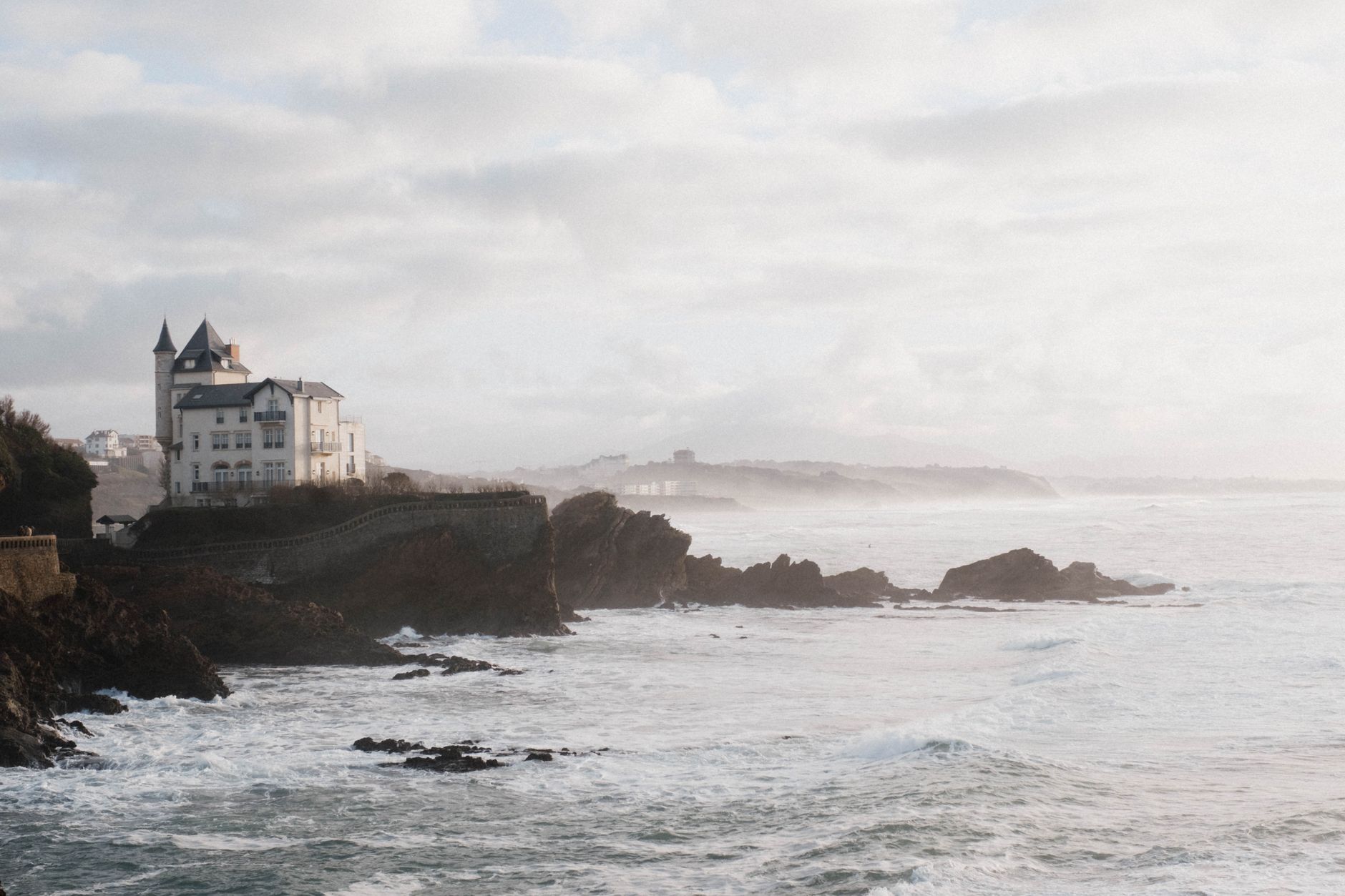
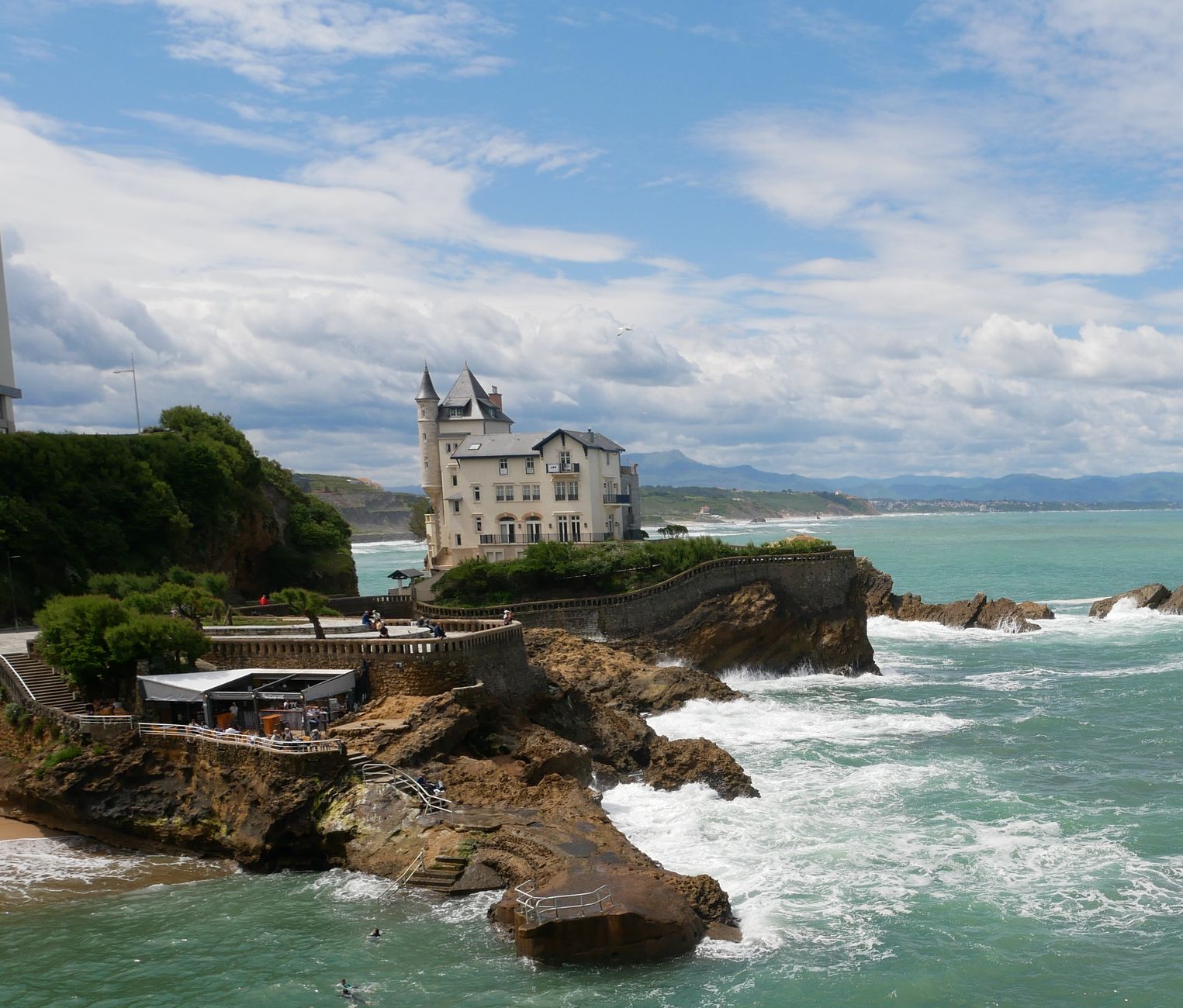
Afternoon: Stroll to Villa Belza and the small beaches below; from Les Halles it is a 10–15 minute walk via rue Gambetta. Include a visit to Port des Pêcheurs to see local boats and try a café terrace. Evening: Head to a sunset viewpoint at Phare de Biarritz or the cliff path above Côte des Basques; dinner at a seafood restaurant on the port closes out the day.
Day 2
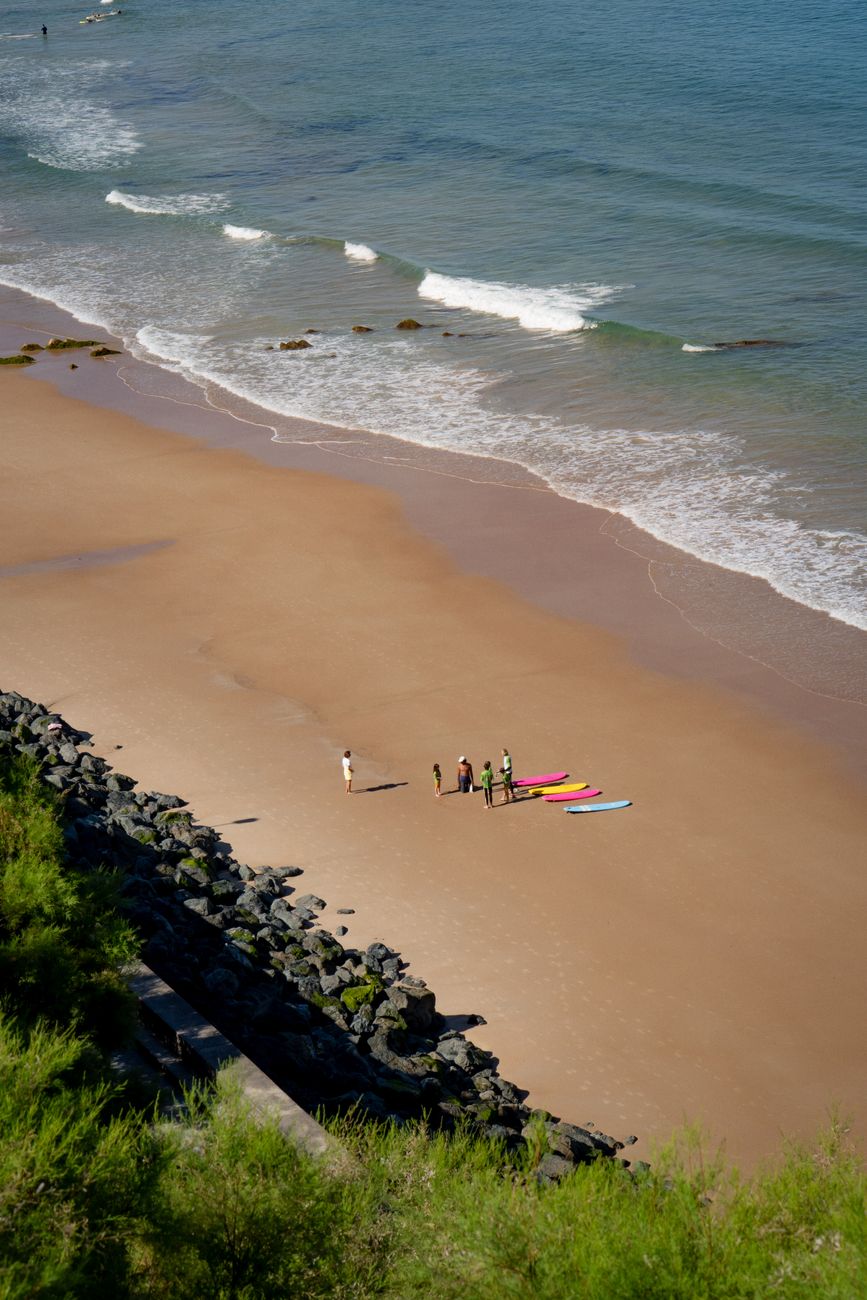
Morning: Book a surf lesson at Côte des Basques or with one of the schools on Milady Beach; the walk from central hotels to Côte des Basques is 15–25 minutes or a short Chronoplus bus ride. Lessons usually include wetsuit rental and run 1.5–2 hours; book morning slots when winds are lighter.
Midday: Recover with lunch in the Port Vieux area—smaller, calmer water and family-friendly cafés a 10–15 minute walk from Côte des Basques. After lunch visit Cité de l'Océan for immersive exhibits about waves and surf science; allow 1.5–2 hours and arrive at opening if possible to avoid school groups.
Afternoon and evening: Explore rue Gambetta and small boutiques, then take a short walk to the Hôtel du Palais area for a look at the faҫade and manicured gardens. Dine in the town centre or try a Basque pintxo crawl if energy allows.
Day 3
Morning: Take a slower start with coffee and gâteau Basque from a pâtisserie near Les Halles, then walk the coastal path toward Milady Beach or the Marinella stretch for different viewpoints. If luggage is a concern, store bags at Gare de Biarritz lockers or a private left-luggage service; allow extra time for collection before train or flight.
Late morning: Visit Port des Pêcheurs for a light seafood lunch or a last market browse; the port is 10–15 minutes on foot from the main square. If catching an afternoon flight, leave the town centre at least 60–90 minutes before scheduled boarding to account for summer traffic; taxi from the centre to BIQ is usually 15–25 minutes depending on traffic.
Afternoon option: If time allows and travel schedules permit, fit in a final walk to the Phare de Biarritz for sea views and photos. Prioritise based on tide and transport connections so the return leg is calm rather than rushed.
Best Local Experiences
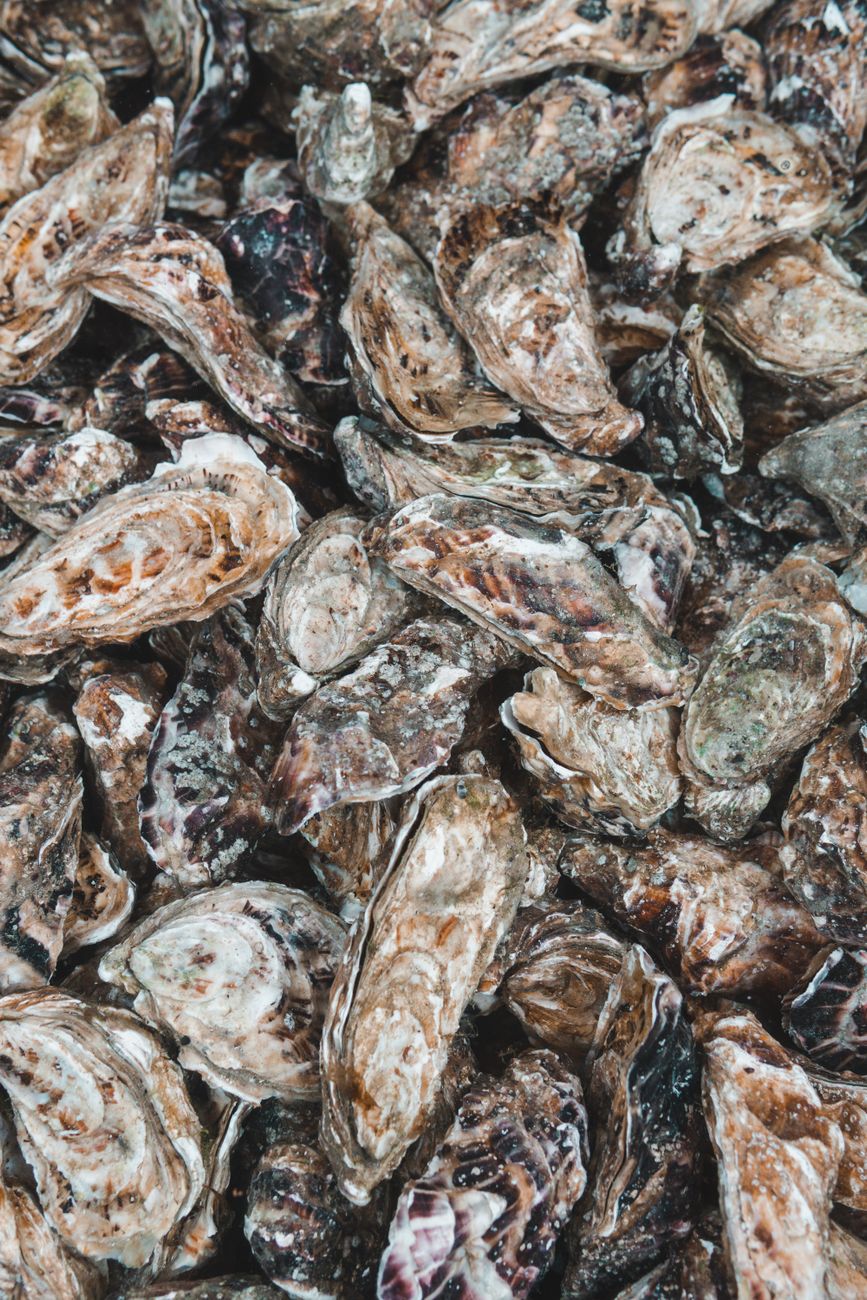
Les Halles de Biarritz market on Place Georges Clemenceau for breakfast oysters, local cheeses and morning bustle. Surf lessons at Côte des Basques with a local school for beginners and better waves for more experienced surfers at La Grande Plage and Milady.
Thalassotherapy or spa sessions at Hôtel du Palais for seawater treatments and short packages that fit a weekend. Evening pintxo crawl on rue Gambetta and around the port for small Basque-style plates served standing or at compact bars. A short morning walk to Rocher de la Vierge at low tide reveals rock pools and seals visible from the cliff path when seas are calm.
Where to Stay
Centre-Ville / Les Halles: Suits food-focused travellers who want shops and cafés nearby. Walking distance to Les Halles, rue Gambetta and Grande Plage. Typical nightly rates: €100–€220 (≈ $110–$240) depending on season and hotel class.
Port des Pêcheurs / Port Vieux: Suits families and those who prefer a quieter evening near seafood restaurants and calm water. Close to the aquarium and small beaches. Typical nightly rates: €90–€190 (≈ $100–$210).
Côte des Basques / Milady: Suits surfers and active travellers who want early beach access and a younger, more informal scene. A 10–25 minute walk to the town centre. Typical nightly rates: €70–€160 (≈ $80–$180), with cheaper guesthouses and surf hostels available.
Food and Drink
Gâteau Basque: A dense cake filled with pastry cream or black cherry jam; good versions at Miremont patisserie near the town centre for about €3–€5 per slice. Piperade: Tomato and pepper stew often served with fried eggs or ham; order at local bistros and brasseries for €8–€14.
Plateau de fruits de mer (seafood platter): A selection of oysters, prawns and whelks best ordered at Port des Pêcheurs or a market stall; expect €25–€50 for a two-person sharing plate. Chipirons à la plancha (grilled baby squid): Found at fish-oriented restaurants near the port for €12–€20.
Basque cider and Irouléguy wine: Local cider is often poured from height at cider bars; a bottle or a glass at a restaurant runs €3–€6 per glass. Breakfast option: café et croissant at a local café or Miremont for €3–€6. Street-food and quick eats: crêpes and galettes from stands or small crêperies around Les Halles for €3–€8.
Getting Around
Modes: Chronoplus buses for local trips across Bayonne-Anglet-Biarritz, TER Nouvelle-Aquitaine regional trains to Bayonne and other towns, local taxis and bicycles or walking for short hops. There is no metro or tram network. Single Chronoplus tickets are generally about €1.50–€1.70 bought on board or via the Chronoplus app; check the app for updated fares and timetables.
Day passes and multi-trip tickets exist seasonally; SNCF Connect handles regional train bookings. Taxi fares from Biarritz Pays Basque airport to the centre run roughly €20–€30 depending on luggage and traffic. For real-time planning, use the Chronoplus app and SNCF Connect; local bike rental shops provide hourly rates for short rides.
Best Time to Visit
Summer (June–August): Warm weather with daytime highs around 22–27°C, busiest time with high prices and crowded beaches. Book accommodation and lessons well in advance for July and August. Late spring / early summer (May–June) and early autumn (September–October): Mild temperatures from about 15–22°C, fewer crowds and better value on hotels and surf school bookings.
Winter (November–February): Cooler, around 8–14°C, with bigger Atlantic swell appealing to experienced surfers; many tourist businesses operate reduced hours. Shoulder months provide the best balance between decent weather and manageable crowd levels for a three-day visit.
Budget and Practical Tips
Daily budget example per person on a mid-range plan: Accommodation €80–€150 (€90–€170 USD), food €30–€60 (€33–€66 USD), local transport €3–€10 (€3.5–€11 USD), museum/entry fees €10–€25 (€11–€28 USD). Expect to spend more in July–August and during festivals. Many restaurants include service (service compris) on the bill; small round-up tips for table service or good guides are appreciated but not compulsory.
Carry small euros for markets and bus drivers; credit cards are widely accepted at restaurants and hotels but smaller stalls prefer cash. Check tide times before planning beach or cliff walks and confirm opening hours for museums as off-season timetables vary.
FAQ
Is Biarritz safe for solo travellers?
Yes; daytime areas and main promenades are generally safe. Standard street-smarts apply after dark, and keep valuables secure on crowded beaches.
How do I get from Biarritz airport to the centre?
Taxis to the Grande Plage take about 15–25 minutes and cost roughly €20–€30; some shuttle or bus options link BIQ to Bayonne and the town centre—check schedules in advance.
Are there trains to Bordeaux or Toulouse?
TER trains link Gare de Biarritz with Bayonne and Bordeaux; longer national routes may require a transfer at Bayonne. Use SNCF Connect for timetables and fares.
Is a city tourist card worth buying?
There is no widely used universal city card for most visitors; buying tickets individually for Cité de l'Océan and Musée de la Mer is usually more economical for a three-day stay.
Can beginners surf safely here?
Yes, but book a lesson at Côte des Basques or a certified school and heed instructors about currents and tides. Conditions vary by season.
What are typical museum entry fees?
Expect €8–€12 for Musée de la Mer and about €10–€12 for Cité de l'Océan; special exhibits may cost more. Check each museum's website for seasonal rates.
Conclusion
Three days provide enough time to get a clear sense of the coastline, the surf scene and the market-driven food culture while keeping travel time minimal. Visitors tend to remember the contrast between morning market bustle and late-afternoon surf routines, plus a scenic walk to Rocher de la Vierge.
If time runs short, prioritise Les Halles for a market lunch and a single surf lesson or a short visit to Cité de l'Océan—those two elements capture the town's main appeal better than trying to squeeze in day trips inland.
How this guide was prepared
This guide was prepared through a structured research that combines destination research, geographic context, itinerary planning logic, and content review.