

Where to Stay in Rimini — Practical, Local-First Neighborhood Guide
Decide where to stay in Rimini with practical advice on neighborhoods, transport, booking timing, and sustainable choices. Ideal as a companion to the 3 days in Rimini itinerary and day trips to Riccione, Ravenna, Cattolica and Cesenatico.
Compare Marina Centro, Centro Storico, Borgo San Giuliano, Miramare and Viserba by vibe, walk times, and when to visit. Tips for low-impact stays, booking windows, and easy day trips from your base.
Quick Answer
Compare Marina Centro, Centro Storico, Borgo San Giuliano, Miramare and Viserba by vibe, walk times, and when to visit. Tips for low-impact stays, booking windows, and easy day trips from your base.
Who This Page Is For
This page is for travelers planning a stay in Rimini who want clearer decisions about where to stay, local logistics, timing, budgeting, and practical trip planning.
How This Page Was Prepared
This page was prepared through a structured editorial workflow that combines destination research, geographic context, and practical travel-planning review.
Plan the Rest of Your Trip
Use this page together with the full itinerary and the related planning pages below to make better booking, timing, transport, and budget decisions.
Short recommendations by traveler priority:
- Best for beach and nightlife: Marina Centro — wide promenade, easy beach access, many hotels and family-run pensioni.
- Best for history and walking: Centro Storico — near Arch of Augustus and Tempio Malatestiano, quieter at night.
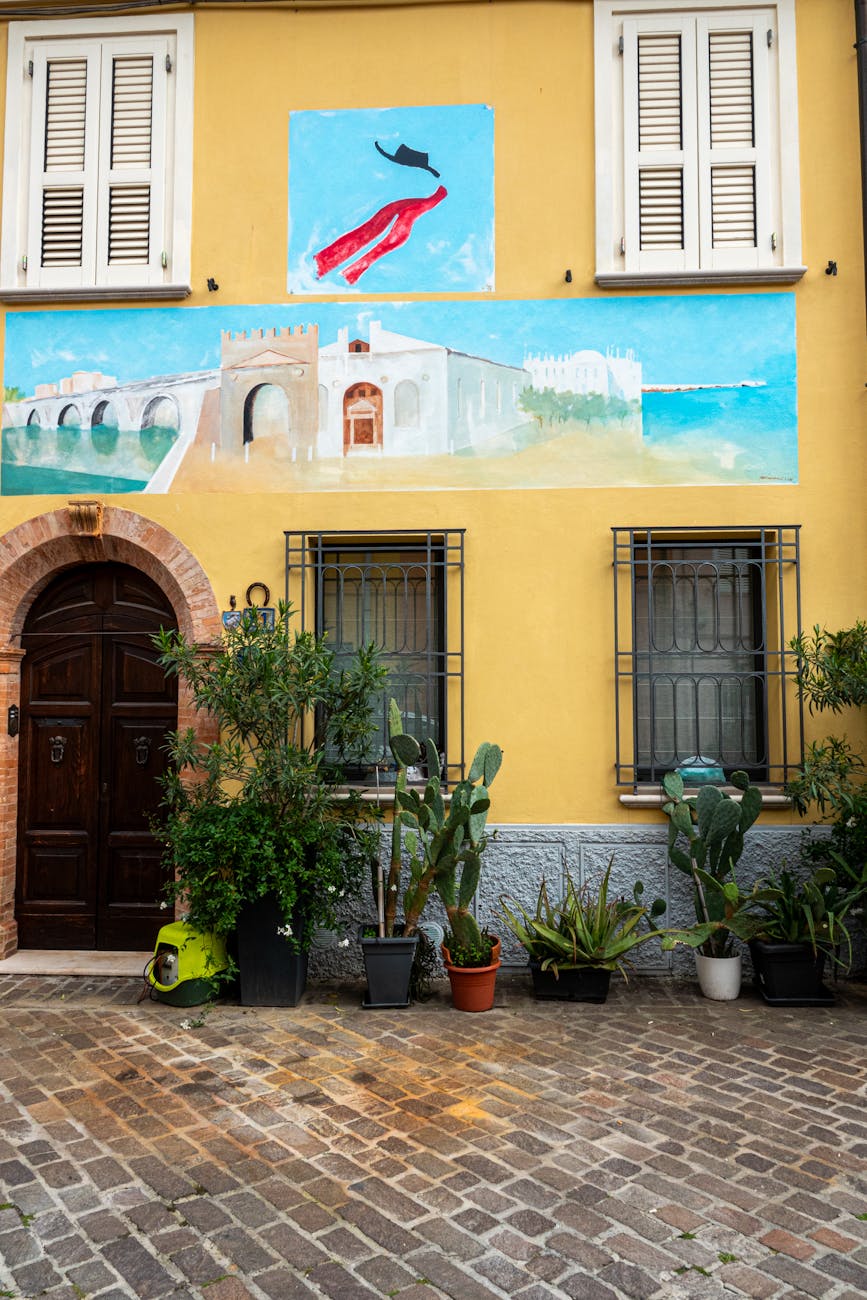
- Best for local authenticity: Borgo San Giuliano — painted fishermen’s houses, trattorie and mellow evenings.
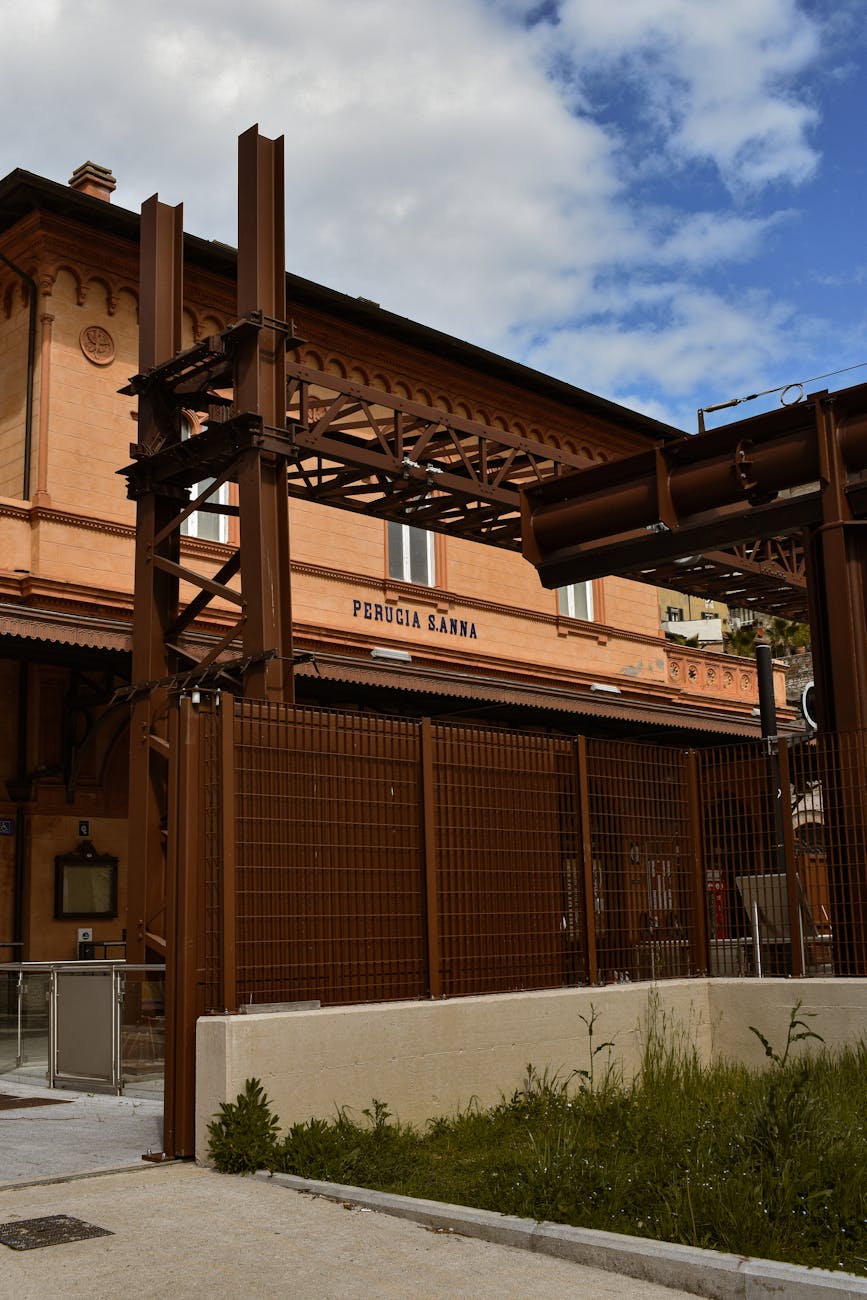
- Best for arrivals and trade fairs: Miramare — near Federico Fellini Airport and Rimini Fiera.
- Best budget and quieter beaches: Viserba — local beach life with lower prices.
If you only have three days, base yourself in Marina Centro or Centro Storico and use the 3 days in Rimini guide for daily logistics and day trips.
Rimini is a compact city where beach life, Roman remains and colorful fishing alleys sit within short walkable distances. Choosing the right neighborhood sets the tone for your trip: decide whether you want quick beach access, an authentic neighborhood feel, or a historic centre to explore between meals. This page supports the practical decisions for your stay and complements the practical itinerary in the 3 days in Rimini guide.
What This Page Helps You Decide
Use this page to choose a neighborhood based on:
- Distance to the beach and how many minutes you want to walk each day.
- Proximity to the train station for day trips to Ravenna, Cesenatico, Cervia, Riccione and Bologna.
- Type of accommodation: beachfront hotel, family-run B&B, or apartment for longer stays.
- Travel season and whether you prefer shoulder-season calm or full-summer energy.
It also tells you what to book in advance, local transport realities, and how to keep your stay low-impact and locally beneficial.
Top Recommendations
Neighborhood picks with practical pros and cons:
- Marina Centro
- Pros: Immediate beach, lively promenade, many hotels and family-run pensioni, good nightlife.
- Cons: Busy in August, higher prices, noisy late evenings.
- Who it suits: short stays focused on sun and sea, families who want facilities.
- Centro Storico
- Pros: Walkable to Roman sites and local markets, more restaurants that open year-round, cobbled streets.
- Cons: Limited beachfront access (10–20 minute walk) and some ZTL (limited-traffic) streets.
- Who it suits: cultural visitors using the 3 days in Rimini itinerary, couples who prefer quieter nights.
- Borgo San Giuliano
- Pros: Most authentic local dining, colorful facades, excellent for slow evenings and photography.
- Cons: Small streets, fewer hotels — consider booking a B&B early.
- Who it suits: food-focused travelers and photographers.
- Miramare
- Pros: Close to the airport and trade fair, good-value hotels, quieter beaches.
- Cons: Farther from Centro Storico (15–20 minutes by bus or short taxi), less evening activity.
- Who it suits: business travelers and those flying in late.
- Viserba
- Pros: Local atmosphere, cheaper beach cabins out of peak crowds, family-friendly.
- Cons: Fewer tourist services, better with a car or willingness to use regional buses.
- Who it suits: budget travelers and families seeking calmer beachfronts.
Local Context
Seasonal patterns:
- Peak season: mid-July to late August — expect crowded beaches and higher prices. Book beachfront rooms and restaurants well in advance.
- Best shoulder months: May–June and September–October — warm days, quieter beaches, open restaurants and easier bookings.
- Winter: some beachfront businesses close; the Centro Storico remains active with local life.
Transport realities:
- Rimini has a well-placed train station with frequent regional trains to Ravenna, Cesena, Riccione and Bologna. Trains are often the fastest option for day trips.
- Federico Fellini Airport (Miramare) is close; regular shuttle buses and taxis connect the airport to city neighborhoods.
- Public buses and shared bikes are practical within the city; driving is unnecessary unless you plan to explore the inland countryside.
Local etiquette and practicalities:
- Churches expect modest dress; remove hats inside.
- Tipping is appreciated but modest—round up or leave 5–10% for sit-down meals.
- Many small restaurants and wine bars are family-run; booking a table in the evening is common in high season.

How to Choose Well
Match your priorities to neighborhoods and room types:
- If you prioritize beach time and short walks to sunbeds, choose Marina Centro or Viserba.
- If you value museums, markets and evening walks without the beach noise, choose Centro Storico.
- For the most local dining experience and photography, choose Borgo San Giuliano.
- If you arrive late or attend Rimini Fiera, consider Miramare for convenience.
Booking tips:
- Reserve beachfront rooms and family rooms several months ahead for July–August.
- For shoulder season, look for flexible cancellation and smaller hotels or B&Bs that support local families.
- Check whether your accommodation participates in beach stewardship or plastic-reduction programs if sustainability matters to you.
Practical checklist before booking:
- Confirm distance to the beach in minutes by foot, not just "beachfront" labelling.
- Ask about air conditioning if traveling in summer.
- Check access restrictions for vehicles (ZTL) if you plan to drive.
Responsible and Local-First Tips
Small choices that benefit the local economy and environment:
- Stay in family-run guesthouses or small hotels where your money directly supports local families.
- Eat at neighborhood osterie and the covered market rather than only tourist promenades; try piadina and local seafood from trustworthy vendors.
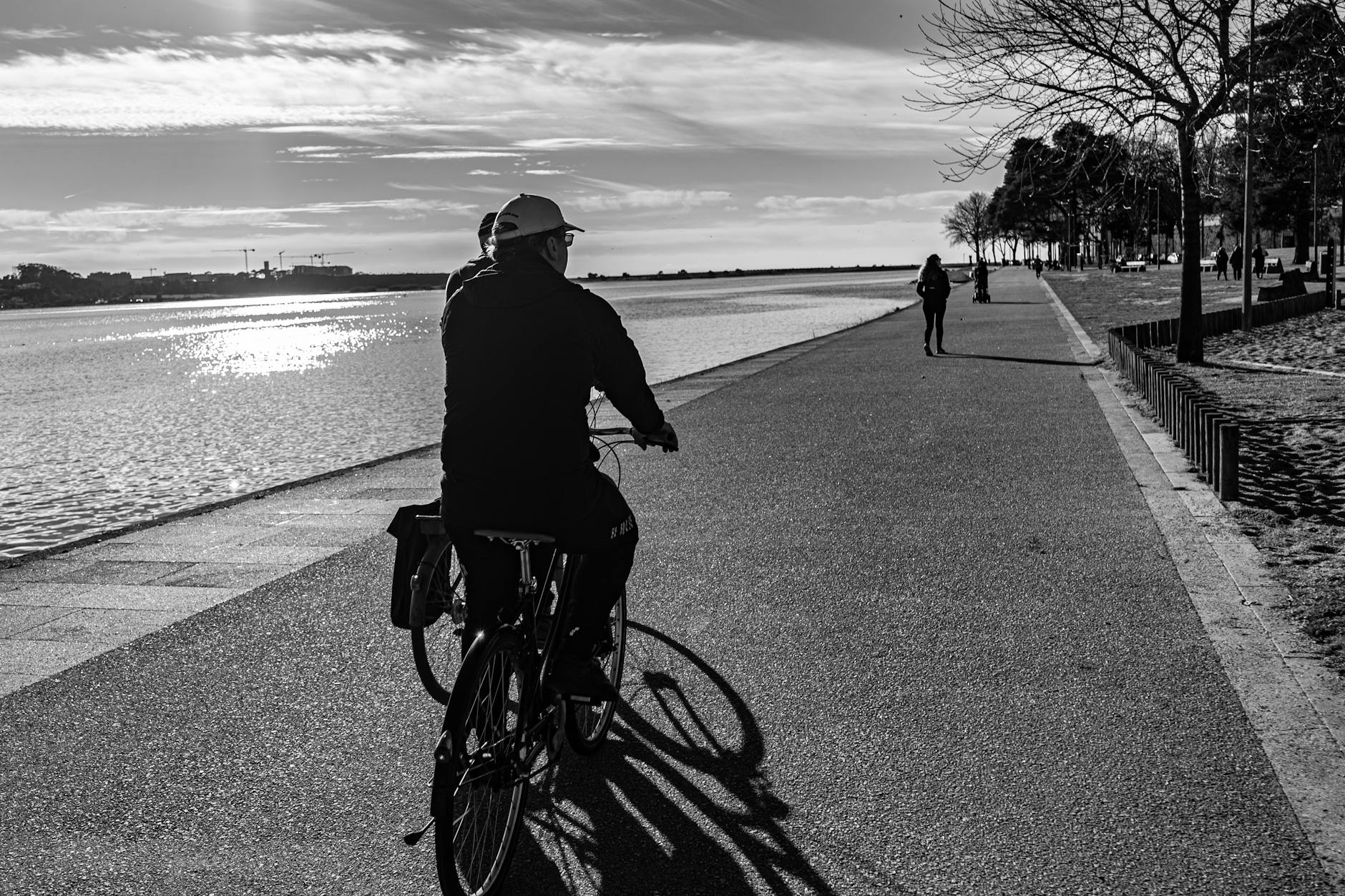
- Use public transit, shared bikes, or walk short distances to reduce congestion and emissions.
- Avoid peak-weekend check-ins in August when local services are strained; choose shoulder-season dates where possible.
- Consider places with beach-club partnerships that demonstrate dune protection or refuse management.
Day trips that support local economies:
- Take a short regional train to Ravenna for Byzantine mosaics, or a bus ride to Cesenatico for its fishing port and market. These trips are quick, low-impact, and spread tourist income across the region.

Common Mistakes to Avoid
- Booking a central hotel without checking ZTL (limited-traffic) rules if you plan to arrive by car.
- Choosing beachfront in August without verifying air conditioning or soundproofing — nights can be noisy.
- Assuming the whole coastline is the same — Riccione and Cattolica have different vibes and prices; consult the 3 days in Rimini guide for day-trip ideas.
- Ignoring the train schedule for day trips; regional trains fill quickly on Saturdays in summer.
- Overlooking family-run B&Bs and small restaurants because of polished hotel branding; many of the best local experiences are modest and require pre-booking.
FAQ
Which neighborhood is best for a three-night itinerary?
For a short visit follow the 3 days in Rimini guide and base yourself in Marina Centro for beach access or Centro Storico for a more cultural rhythm. Both let you day-trip to Ravenna or Riccione easily by train.
Is Rimini walkable from the train station to the beach?
Yes. Rimini's main train station is a 10–20 minute walk to Centro Storico and about 20–30 minutes to Marina Centro depending on walking speed. Local buses and taxis fill gaps if needed.
When is the best time to book to avoid crowds?
Book early for July–August. For lower crowds and pleasant weather, aim for May–June or September–October and you can often find better rates and open local businesses.
Are there sustainable accommodation options in Rimini?
Yes. Look for small, family-run hotels and guesthouses, places that advertise beach stewardship, and properties that minimize single-use plastics. Booking platforms sometimes list sustainability features—confirm directly with the host.
Is it worth staying in Rimini and day-tripping to Riccione or Ravenna?
Yes. Rimini is a convenient base with frequent regional trains and buses. Use the 3 days in Rimini itinerary for suggested day trips to Riccione, Cesenatico, Cervia and Ravenna.
Conclusion
Choose a neighborhood that matches how you want to spend your hours: sunbathing and promenades (Marina Centro), evenings and history (Centro Storico), or a quiet, local vibe (Borgo San Giuliano and Viserba). Favor small, locally run accommodations and shoulder-season travel where possible to reduce impact and get better value. Use the 3 days in Rimini itinerary to structure daily routes and to plan day trips to nearby towns like Riccione and Ravenna.
How this guide was prepared
This guide was prepared through a structured research that combines destination research, geographic context, itinerary planning logic, and content review.