
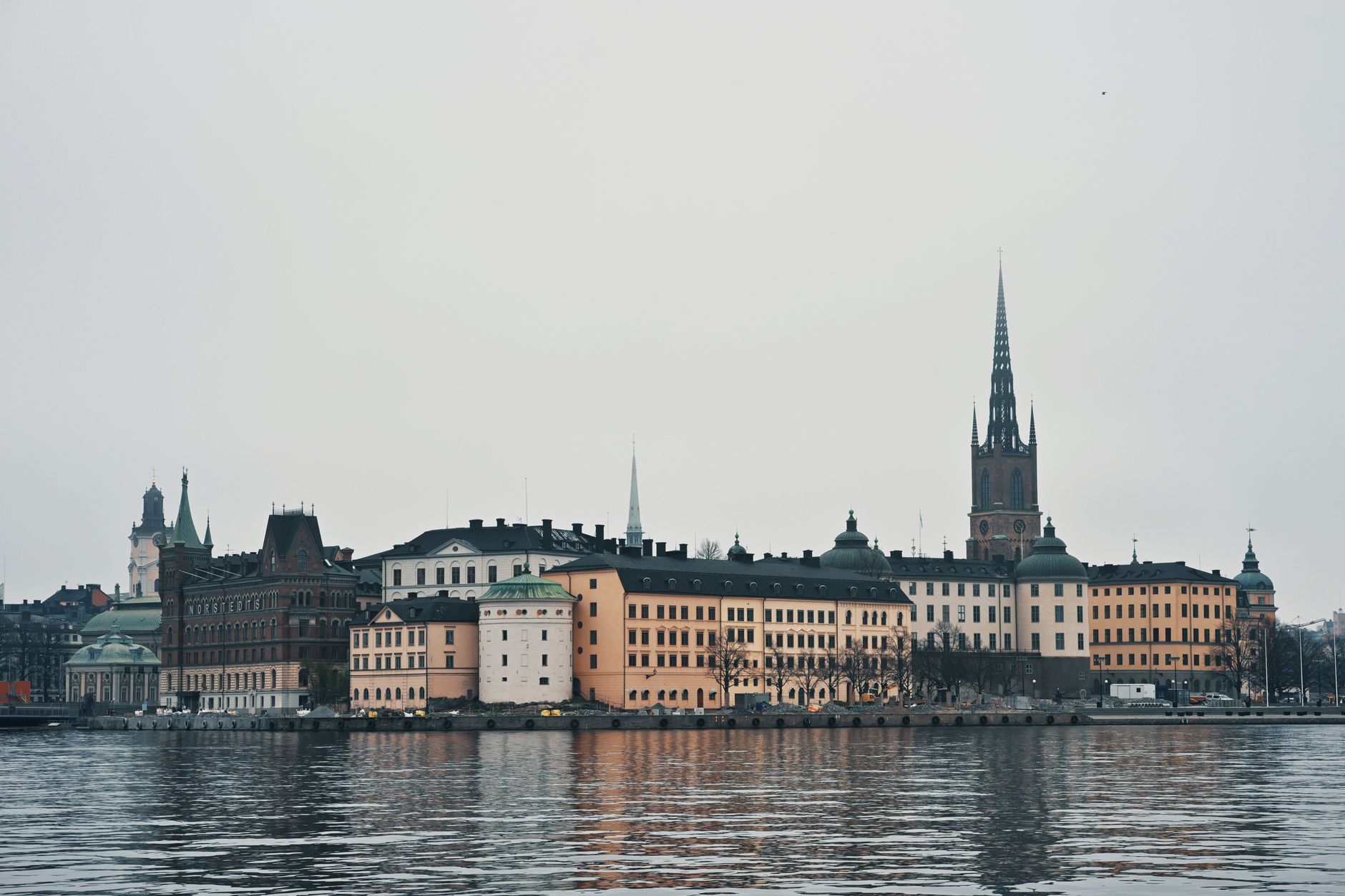
Best Time to Visit Stockholm
When to visit Stockholm for the best weather, light, prices and cultural access. Practical, sustainable guidance for planning a 3-day itinerary, archipelago day trips, and neighbourhood choices.
A practical, low-impact guide to choosing months that match your priorities: long summer days and archipelago cruising, colourful shoulder seasons for fewer crowds, or cosy winters for museums and markets.
Quick Answer
A practical, low-impact guide to choosing months that match your priorities: long summer days and archipelago cruising, colourful shoulder seasons for fewer crowds, or cosy winters for museums and markets.
Who This Page Is For
This page is for travelers planning a stay in Stockholm who want clearer decisions about best time to visit, local logistics, timing, budgeting, and practical trip planning.
How This Page Was Prepared
This page was prepared through a structured editorial workflow that combines destination research, geographic context, and practical travel-planning review.
Plan the Rest of Your Trip
Use this page together with the full itinerary and the related planning pages below to make better booking, timing, transport, and budget decisions.
Late May to mid-June and September to early October offer the best overall balance: long days, mild weather, and fewer international crowds than July. If you want the archipelago at its best, choose June or August for frequent ferries and open cafés. For lower costs and quieter museums, travel in April–May or September–October. Winter (December–February) is for cultural visitors who don’t mind short daylight and want Christmas markets, museum time, and lower rates.
Stockholm stretches across 14 islands and a wide waterfront, so the best time to visit depends on whether you prioritise daylight, calm streets, outdoor access to the archipelago, or low prices. This page gives clear seasonal trade-offs and neighbourhood-level advice to support a short itinerary like our companion 3 days in Stockholm guide, and to help you plan sensible day trips to Gothenburg, Malmö, or Finnish coastal cities like Turku, Espoo, and Tampere.
What This Page Helps You Decide
This page helps you pick months for:
– easy walking and museums (shoulder seasons: May–June, September)
– archipelago day trips and open-air dining (June–August)
– holiday markets, skating, and indoor cultural time (December–February)
It also helps you choose where to stay (Södermalm for local life, Östermalm for food, Gamla Stan for historic proximity) and when to book transport and tours for sustainable, low-impact options. Use the advice alongside the 3 days in Stockholm itinerary to slot activities into the best weather windows or quieter times. Consider nearby cities (Gothenburg, Malmö, Turku, Espoo, Tampere) for rail or ferry extensions during shoulder months.
Top Recommendations
Choose by traveller priority:
– First-time visitors who want good weather and outdoor museums: late May–mid-June.
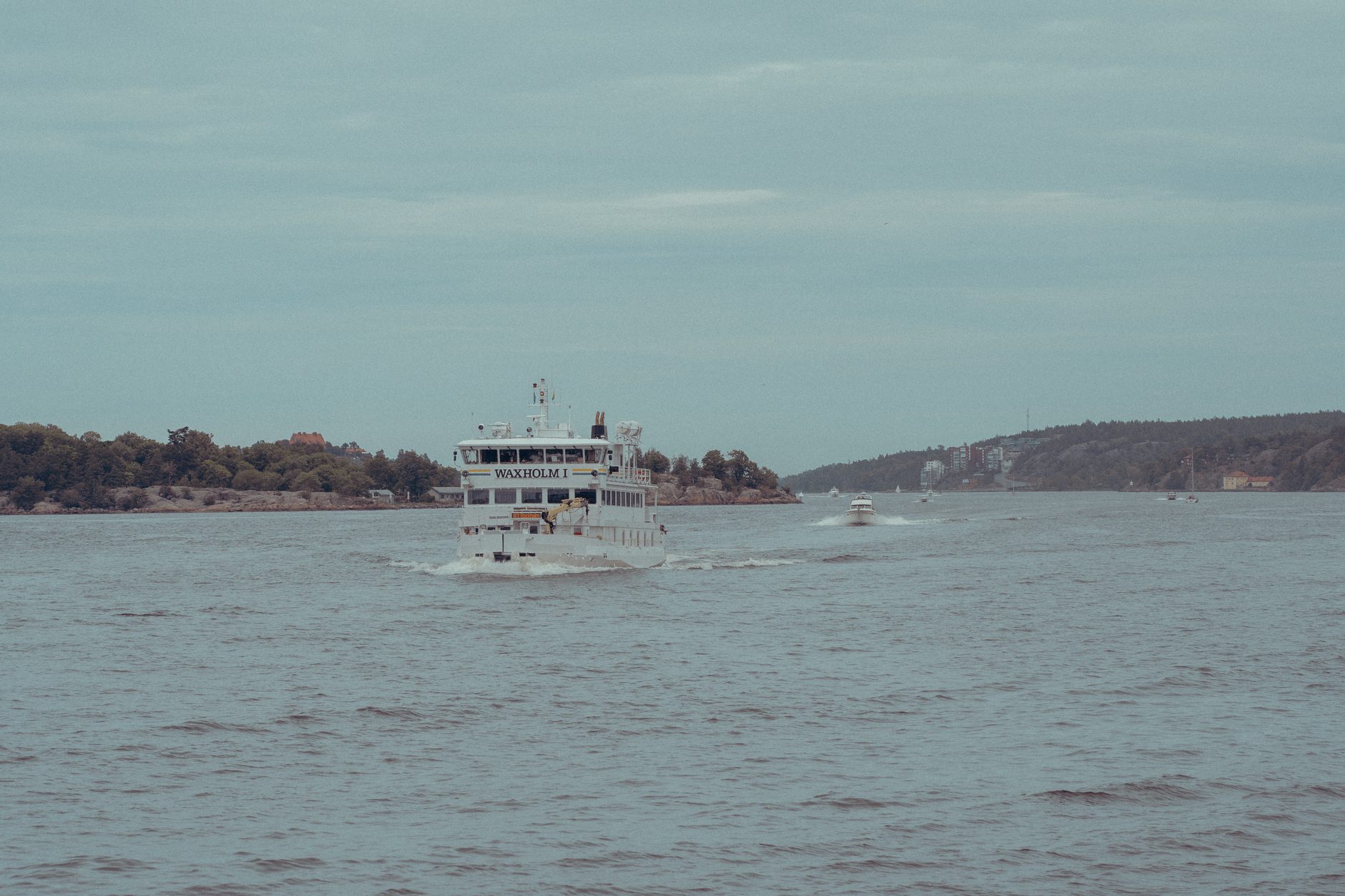
– Archipelago and boating: June–early September; check Waxholmsbolaget schedules and book popular boat trips in advance.
– Fewer crowds and better prices: April–May and September–October (shoulder seasons).
– Winter cultural visit and festive markets: December (Stortorget Christmas Market), January–February for quiet museums and lower rates.
Booking tips:
– Reserve accommodation and any guided archipelago trips well before July and Midsommar (mid-June), when many locals travel.
– Buy a stockholmskort or SL travel card for multi-day public transit use; it’s greener and cheaper than taxis.
– For restaurants, book ahead for dinner Friday–Saturday and during Pride or festival weeks.
Local Context
Daylight and weather: Expect very long days in June (up to ~18–19 hours of light) and short days in December (~6 hours). Winters are cold and damp but rarely extreme; layers and a good waterproof jacket are essential.
Transport realities:
– Stockholm’s public transit (SL) is comprehensive; regional trains and ferries link suburbs and the archipelago.
– Waxholmsbolaget and local ferry operators reduce schedules outside summer—plan trips accordingly.
Neighbourhood notes:
– Gamla Stan: central and historic but touristy; handy for a short stay.
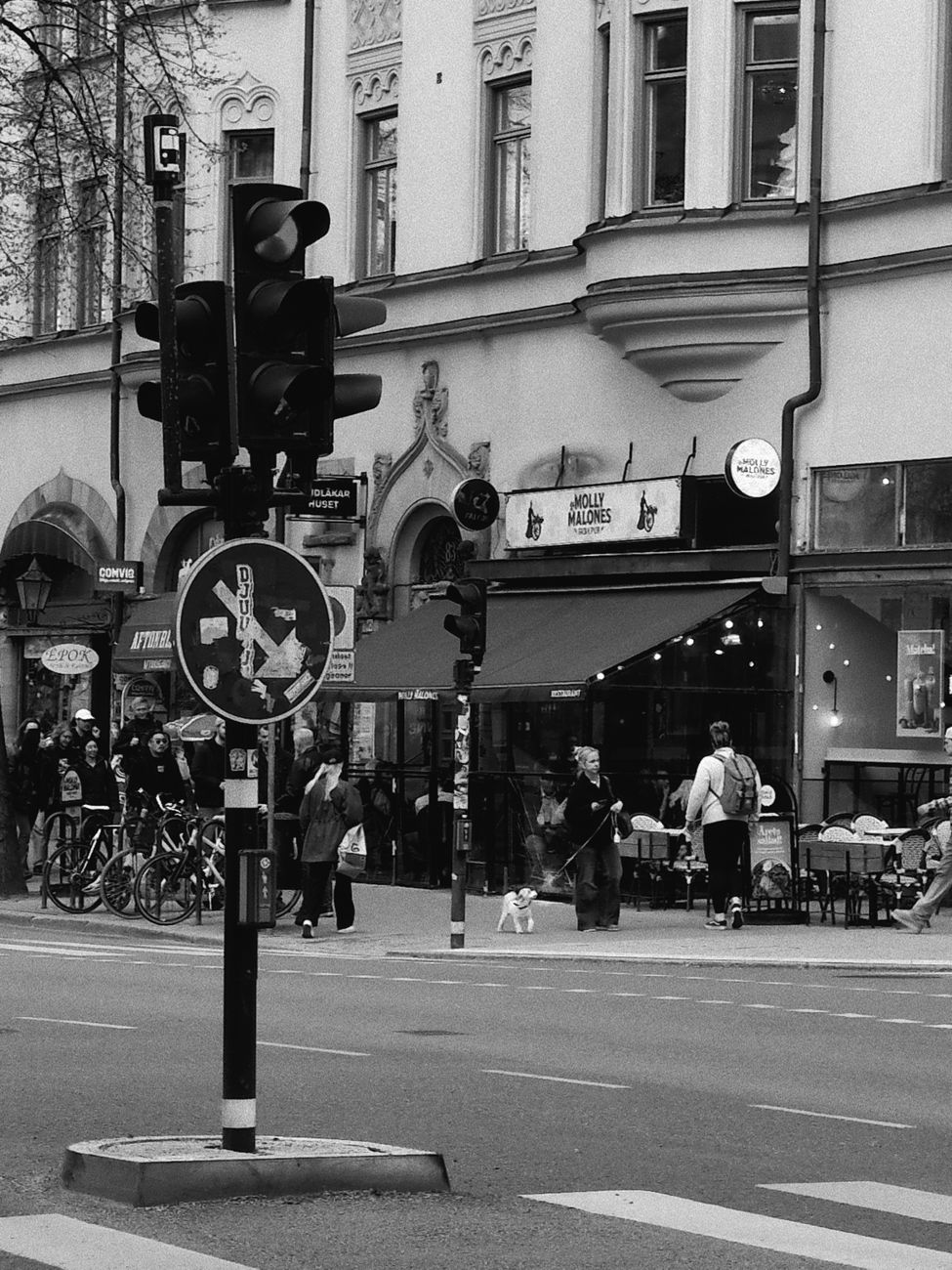
– Södermalm: creative cafés, local shops, good nightlife; a sustainable stay choice for supporting small businesses.
– Östermalm: food-focused, close to museums on Djurgården.
– Djurgården: museums and green space but limited evening dining.
Etiquette and practicalities:
– Swedes queue and value personal space; be quiet on public transit and avoid loud phone calls.
– Tipping is modest: round up or add 5–10% for good service.
– Many shops and restaurants close on public holidays like Midsommar afternoon; plan ahead.

How to Choose Well
Match timing to the pace you want:
– If you want long daylight and lively cafés: pick June or early July but expect crowds and higher prices.
– If you prefer quiet streets and sustainable, local spending: choose May or September—shops and ferries run, but crowds thin and local businesses benefit longer.
– For culture-focused trips or winter markets: December–February with museum visits and cosy cafés.
Accommodation choices by access:
– Stay near Stockholm Central or Kungsholmen for fastest access to train links for Gothenburg and Malmö.
– Choose Södermalm for easy walking to local bars and independent shops; good for authentic neighbourhood spending.
Booking advice:
– Reserve archipelago ferries, popular guided walks, and dinner reservations in shoulder and high season.
– Look for Green Key or local sustainability certifications and small guesthouses to funnel money to local owners.
Responsible and Local-First Tips
Small choices preserve Stockholm’s character:
– Use public transport, bikes, and ferries rather than cars; buy SL multi-day tickets for convenience.
– Eat at neighbourhood markets (Östermalm Saluhall, Hötorgshallen) and small cafés to support local producers.
– Book small-group or local-guide-led archipelago trips instead of large cruise ships.
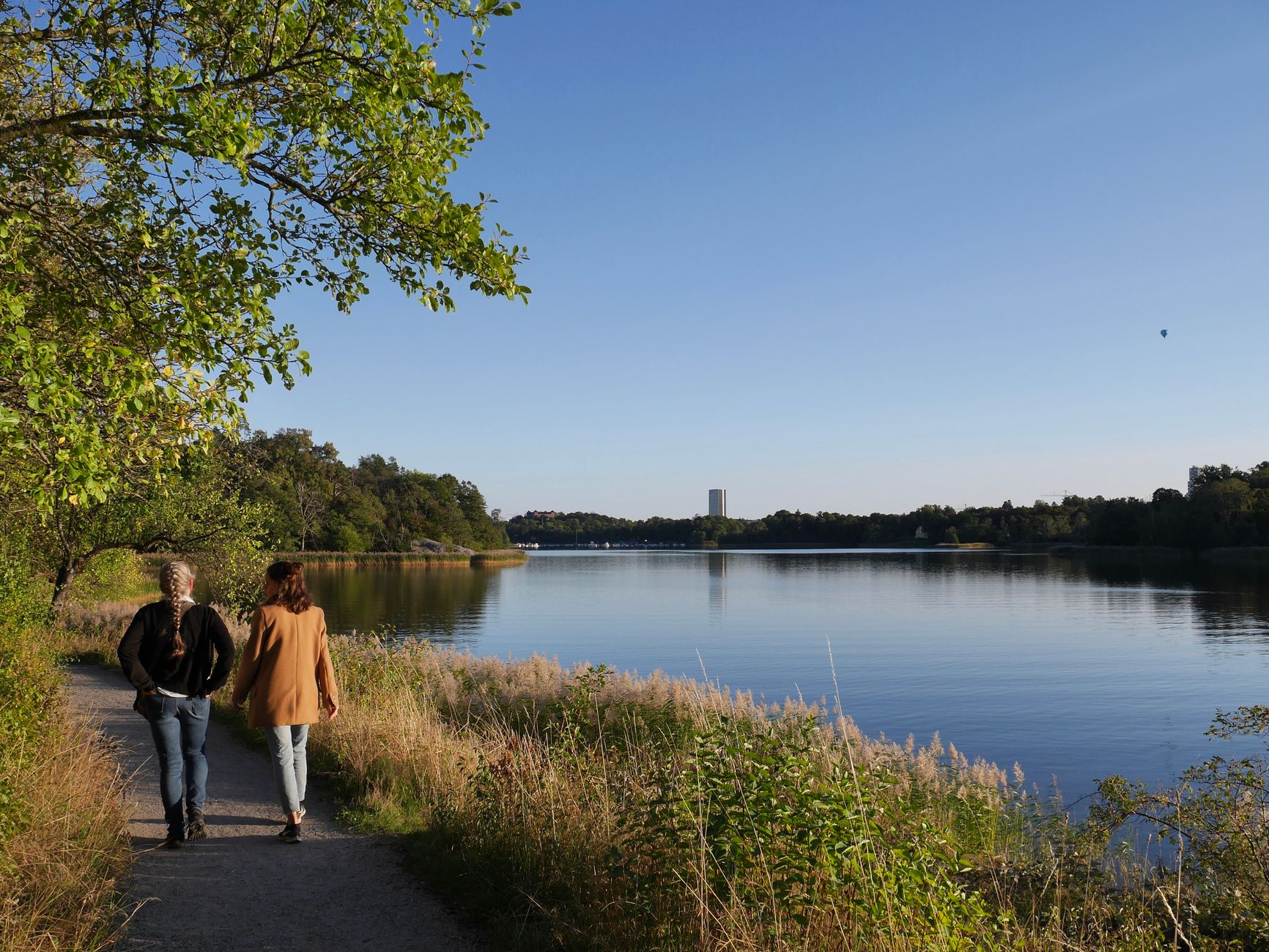
– Avoid walking on fragile shoreline vegetation in the archipelago and follow local wildlife rules; respect private property signs on islands.
– Choose accommodations with clear sustainability practices or family-run hotels; tip and review good local businesses to help them thrive outside peak season.
– Carry a reusable bottle and bag to reduce single-use waste.

Common Mistakes to Avoid
- Underestimating weather variety: pack layers even in summer evenings and bring a waterproof outer layer.
- Assuming ferries run like summer year-round: check seasonal timetables for Waxholmsbolaget.
- Staying only in Gamla Stan for convenience: it’s central but noisy and limits exposure to local neighbourhoods.
- Waiting to book restaurants and archival boat trips in July and around major events (Midsommar, Stockholm Pride).
- Forgetting the local holiday rhythm: many businesses close for Midsommar and during Christmas; plan museum visits on weekdays when possible.
- Relying exclusively on taxis: Stockholm’s public transit is faster and greener for most journeys.
FAQ
When is the best month to visit Stockholm for good weather and fewer crowds?
Late May to mid-June and September are ideal: comfortable weather, longish daylight, and notably fewer tourists than July.
Is July a bad time to visit?
July offers the warmest weather and full ferry services for the archipelago but it’s the busiest and most expensive month—book early or choose shoulder months for a lower-impact visit.
Can I visit the archipelago outside summer?
Yes, but schedules are reduced in spring and autumn and some smaller island cafés close for the season. Reserve longer ferries in advance if travelling in shoulder months.
Where should I stay for a 3-day first visit?
For easy access to the 3 days in Stockholm itinerary, stay near Norrmalm/Kungsholmen for transport links or Södermalm for a more local, sustainable neighbourhood feel. Gamla Stan is central but tourist-heavy.
Are museums open year-round?
Major museums (Vasa, ABBA Museum, Fotografiska, Moderna Museet) are generally open year-round but with shorter winter hours for some venues. Check online before visiting.
How do I get to Gothenburg, Malmö or Finland from Stockholm?
Trains (SJ) and overnight options serve Gothenburg and Malmö; ferries and flights connect to Turku and Helsinki. For sustainable travel, choose daytime trains or overnight ferries where feasible and book rail tickets early for savings.
Any tipping or etiquette I should know?
Tipping is modest—round up or add 5–10% for good service. Be punctual, quiet on public transit, and respectful of queues and personal space.
Conclusion
Pick the season that matches your priorities: long, lively days and archipelago access in June–August; quieter, greener, and lower-impact travel in May and September; cultural, cosy visits in winter. Use public transit, favour local businesses, and slot the recommendations into the companion 3 days in Stockholm itinerary to get the most from neighbourhood walks, museums, and sustainable day trips to Gothenburg, Malmö, or the nearby Finnish cities.
How this guide was prepared
This guide was prepared through a structured research that combines destination research, geographic context, itinerary planning logic, and content review.