
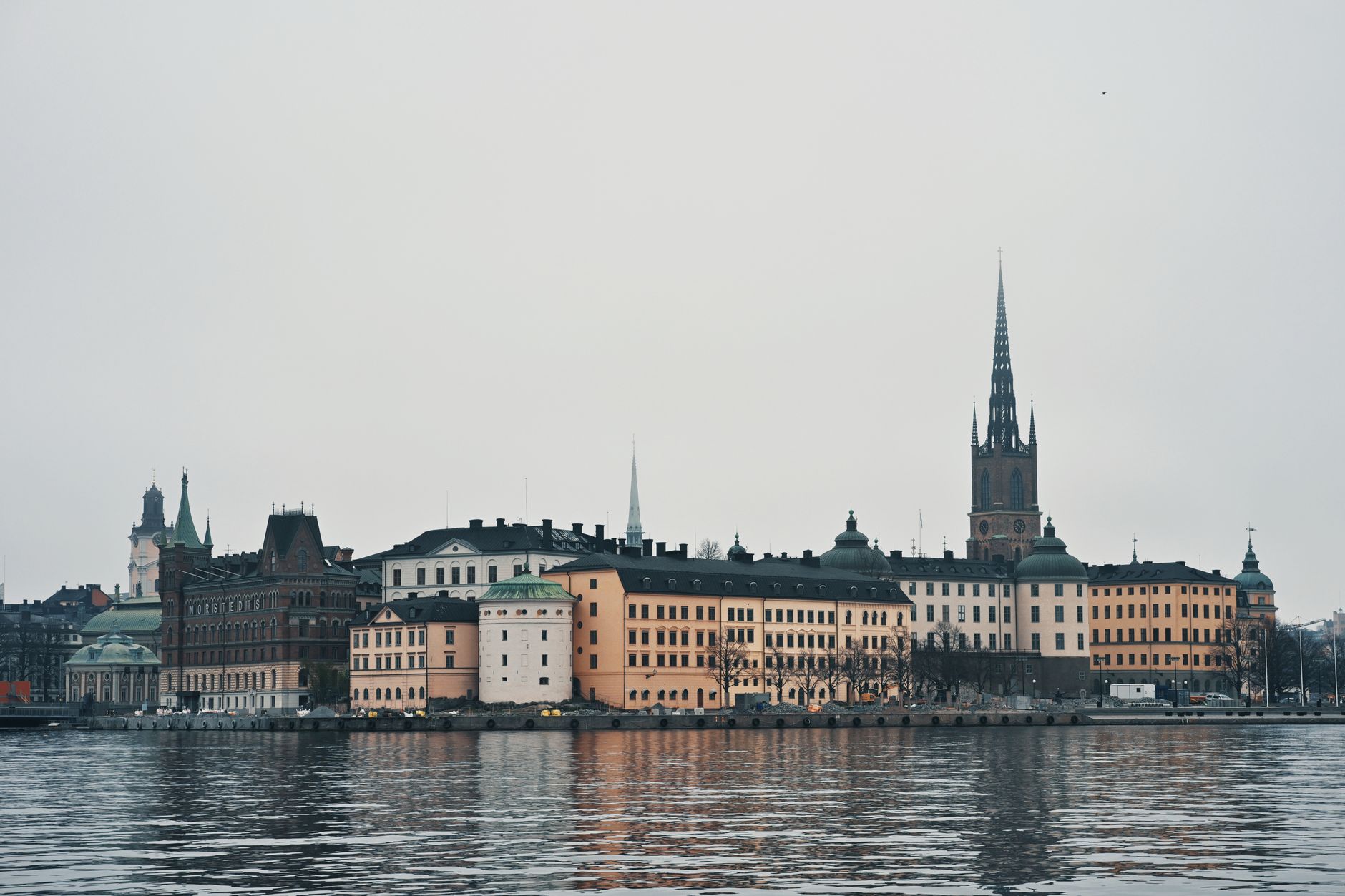
Where to Stay in Stockholm: Neighborhoods, Practical Tips, and Responsible Choices
Practical, sustainable guidance on where to stay in Stockholm by neighborhood, transport access, and travel style. Ideal as a companion to our 3 days in Stockholm itinerary and for planning day trips to Gothenburg, Malmö, or Finland.
Choose the best Stockholm neighborhood for your 3-day plan, budget, and day trips. Practical tips on transport, seasonal timing, short-term rental rules, and local-first choices that keep money in the community.
Quick Answer
Choose the best Stockholm neighborhood for your 3-day plan, budget, and day trips. Practical tips on transport, seasonal timing, short-term rental rules, and local-first choices that keep money in the community.
Who This Page Is For
This page is for travelers planning a stay in Stockholm who want clearer decisions about where to stay, local logistics, timing, budgeting, and practical trip planning.
How This Page Was Prepared
This page was prepared through a structured editorial workflow that combines destination research, geographic context, and practical travel-planning review.
Plan the Rest of Your Trip
Use this page together with the full itinerary and the related planning pages below to make better booking, timing, transport, and budget decisions.
Best overall for first-time visitors: Norrmalm / near Central Station — very walkable for museums and central squares.
Best for local flavor and nightlife: Södermalm (SoFo, Mariaberget) — cafes, secondhand shops, sunset views from Monteliusvägen.
Best for families and green space: Djurgården / Östermalm — museums on the island and roomy parks.
Best budget or longer-stay base: Vasastan or Kungsholmen — quieter streets, good transit links, family-friendly apartments.
Best for luxury and food-focused stays: Östermalm around Östermalmshallen and Strandvägen.
If you’ll catch trains or ferries to Goteborg, Malmö, or Finland, staying near Stockholm Central or T-Centralen saves time.
This page helps you pick where to sleep in Stockholm so your days run smoothly, your travel stays local, and your visit supports low-impact choices. It’s written to pair with our main 3 days in Stockholm itinerary: pick a neighborhood that cuts commuting time to your planned museums, parks, and ferry departures.
Think in terms of walking distance, quick metro or ferry hops, and staying near the Central Station if you plan onward day trips to Goteborg or Malmö by train, or overnight ferries to Turku and other Finnish ports.
What This Page Helps You Decide
Use this guide to decide where to book based on:
– Trip length: short (1–3 days) versus longer stays.
– Mobility: walking-only, public transport, or car-free travel.
– Interests: museums and palaces, food and markets, nightlife, or archipelago access.
– Budget and accommodation type: hotels, eco-certified properties, guesthouses, or licensed apartments.
Practical outcomes: minimize daily transit for your 3-day route, find family- or accessibility-friendly lodging, and choose options that support local businesses.
Top Recommendations
Neighborhood picks with quick reasons and booking notes:
- Norrmalm / Central (Best for first-timers)
- Why: Steps from museums, shopping, Central Station and most metro lines.
- Practical: Book early for summer; choose quiet streets off Kungsgatan.
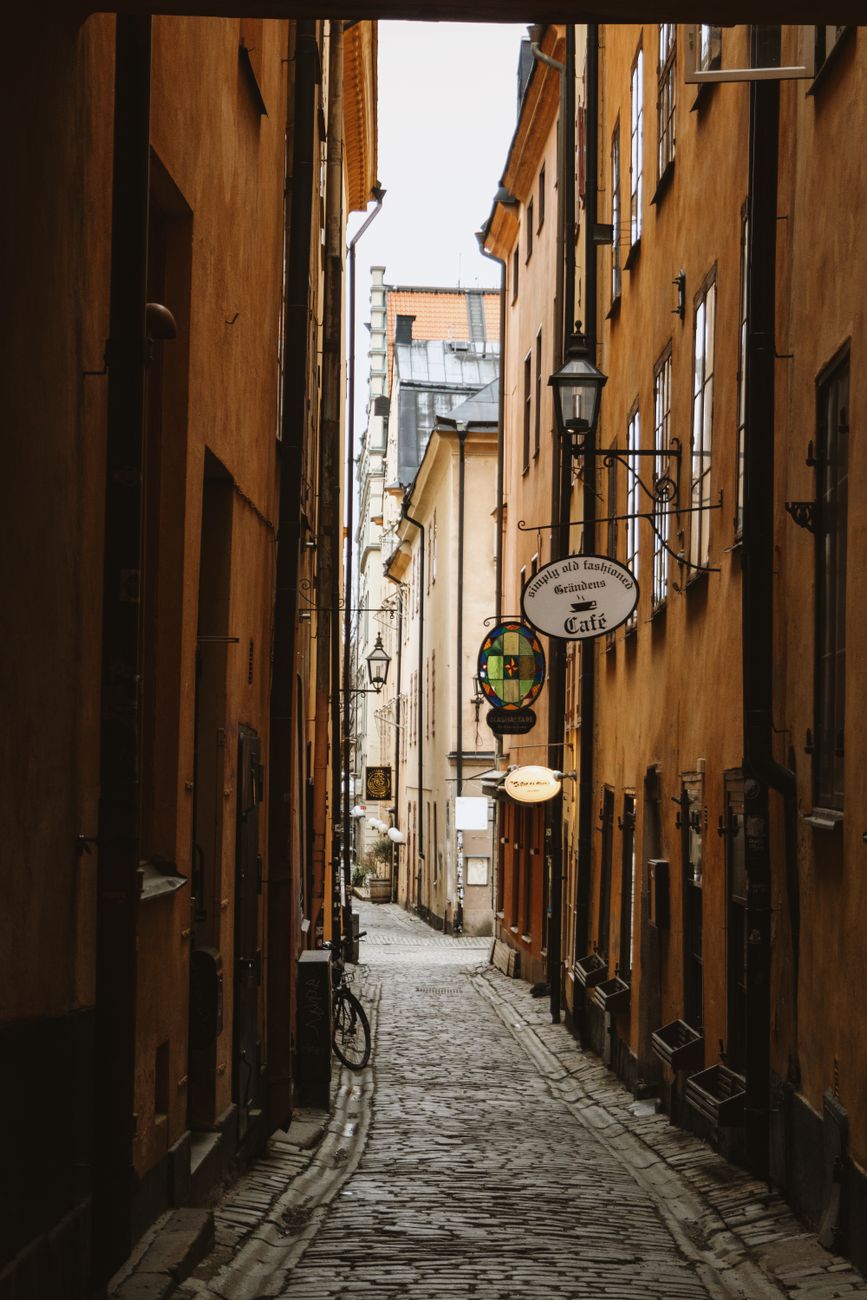
- Gamla Stan (Historic stay)
- Why: Romantic cobbles and palace access; tiny boutique hotels.
- Practical: Rooms can be small and pricier for location; expect stairs and limited elevator access in older buildings.
- Södermalm (Local culture & nightlife)
- Why: Cafés, vintage shops, local restaurants and sunset views; energetic but manageable.
- Practical: Slussen is the transport hub; choose near Medborgarplatsen or Mariatorget for balance.
- Östermalm / Djurgården (Food, museums, families)
- Why: Upscale dining, Östermalmshallen food hall, easy access to Djurgården museums.
- Practical: Good for families who want space; Strandvägen is scenic but pricier.
- Vasastan / Kungsholmen (Budget-conscious, long stays)
- Why: Residential neighborhoods with local bakeries, parks, and lower rates.
- Practical: Short tram/metro rides to central museums; apartments are plentiful for longer stays.
Booking tips
– For a 3-day itinerary, prioritize proximity to T-Centralen or a major metro line to reduce time spent on transit.
– Prefer licensed B&Bs or hotels with visible sustainability certifications to ensure local compliance and lower impact.
– In summer, reserve at least 2–3 months ahead; shoulder seasons (April–May, September–October) often yield better rates and fewer crowds.
Local Context
Transport realities
– Stockholm’s public transport (SL) covers metro, commuter trains, trams, buses and ferries; buy an SL card or use the mobile app for passes.
– Arlanda Express is quickest from Arlanda Airport (20 minutes) but compare to an SL commuter train or airport bus for cheaper options.
– Central Station (Stockholm C) is the hub for long-distance trains to Goteborg and Malmö; ferries to Turku and Åland depart from Stadsgården/ Värtahamnen.
Seasonal patterns
– High season: mid-June through August — long daylight and many tourists.
– Shoulder seasons: April–May and September–October — quieter, better light for walking, and lower prices.
– Winter: December–February — cold with limited daylight; great for museums and fewer tourists but allow extra transit time for snow.
Local etiquette and practicalities
– Sweden is largely cashless; cards and contactless payments are standard.
– Quiet hours in apartments generally start around 22:00; be mindful of noise in residential blocks.
– Recycling is expected; follow sorting rules in accommodations.
– Tipping: small rounding up is fine; tipping is not obligatory.

How to Choose Well
Use these filters when choosing a place to stay:
1) Map your 3-day plan: prioritize neighborhoods that reduce daily commutes to your top 6 attractions from our 3 days in Stockholm guide.
2) Choose transit access: if you rely on public transport, pick a place within a 5–10 minute walk of a metro or major bus stop.
3) Consider timing: for lower prices and better availability, aim for shoulder-season travel.
4) Accommodation type:
– Short stays: central hotels or boutique guesthouses.
– Longer stays: licensed apartments or local-run guesthouses in Vasastan/Kungsholmen.
5) Read recent reviews for noise, elevator access, and proximity to grocery stores or food halls for sustainable meal choices.
6) Check short-term rental rules: prefer licensed listings or hotels to avoid last-minute cancellations if a host’s permit is required.
Responsible and Local-First Tips
Small choices that strengthen the local economy and reduce impact:
– Stay in locally owned hotels, pensions, or certified eco-properties rather than large international chains when possible.
– Eat at nearby food halls and markets (Östermalmshallen, Hötorgshallen, Hornstull market) to support local producers.
– Use SL public transport, jump on a shared city bike, or take archipelago ferries rather than taxis for day trips.
– Book activities with local guides and small companies for walking tours, boat trips, and museum experiences.
– Travel shoulder season to reduce congestion at major sites and keep your visit spread across local businesses throughout the year.
– Pack a reusable cup and bag — many cafés give small discounts for reusable cups and shops charge for single-use bags.
Common Mistakes to Avoid
- Booking the cheapest central room without checking noise or elevator access—older buildings in Gamla Stan can be noisy at night and have steep stairs.
- Ignoring distance to T-Centralen if you plan day trips to Goteborg, Malmö, or ferries to Turku—save time by staying near main rail links.
- Renting an apartment without confirming it’s legally registered—Stockholm enforces short-term rental rules.
- Expecting everything to be open late—many shops and restaurants close earlier than in other European capitals.
- Over-relying on taxis—Stockholm’s public transport is extensive and cheaper; reserve taxis only when necessary.
FAQ
Which Stockholm neighborhood is best for a 3-day first-time visit?
Norrmalm — near T-Centralen and most museums; it shortens travel time across a 3-day plan. Gamla Stan is picturesque but can add walking time if your itinerary uses multiple transport lines.
Is Stockholm safe to walk around at night?
Yes. Stockholm is generally safe; normal urban precautions apply. Stick to well-lit streets, use official taxis at night, and note that public transit night services run but are less frequent.
How should I get from Arlanda to the city center with luggage?
Arlanda Express is the fastest. Cheaper options are commuter trains (Pendeltåg) and airport buses. If you have heavy luggage and multiple people, a taxi may be convenient but costly—compare prices in advance.
Are short-term rentals legal in Stockholm?
Many private rentals require registration or host permits. Book licensed apartments or hotels to avoid cancellations. When in doubt, choose a property that advertises its registration or book via a reputable local host.
Can I rely on public transport to reach museums and ferries?
Yes. SL covers the metro, trams, buses and commuter ferries. For archipelago trips, check departure points (Waxholmsbolaget ferries from Strandvägen/Stadsgården) and seasonal schedules.
When is the best time to book to get good rates?
For summer, reserve at least 2–3 months ahead. For shoulder seasons (April–May, September–October), you can often find better rates and availability with 3–6 weeks’ notice.
Any advice for families?
Choose Djurgården/Östermalm for easy museum access, parks, and roomier family accommodations. Look for family rooms or apartments with kitchenette for flexible meals.
Conclusion
Pick a neighborhood that minimizes transit for your 3-day plan and supports local businesses. For short stays, prioritize proximity to T-Centralen or a main metro node; for a quieter, more local experience, consider Vasastan, Södermalm, or Kungsholmen.
When you’re ready to plan day trips, staying near Central Station makes travel to Goteborg and Malmö easier, and ferry terminals link to Turku, Espoo and Tampere routes. See our 3 days in Stockholm guide for a sample itinerary and neighborhood-based timing suggestions.
How this guide was prepared
This guide was prepared through a structured research that combines destination research, geographic context, itinerary planning logic, and content review.