
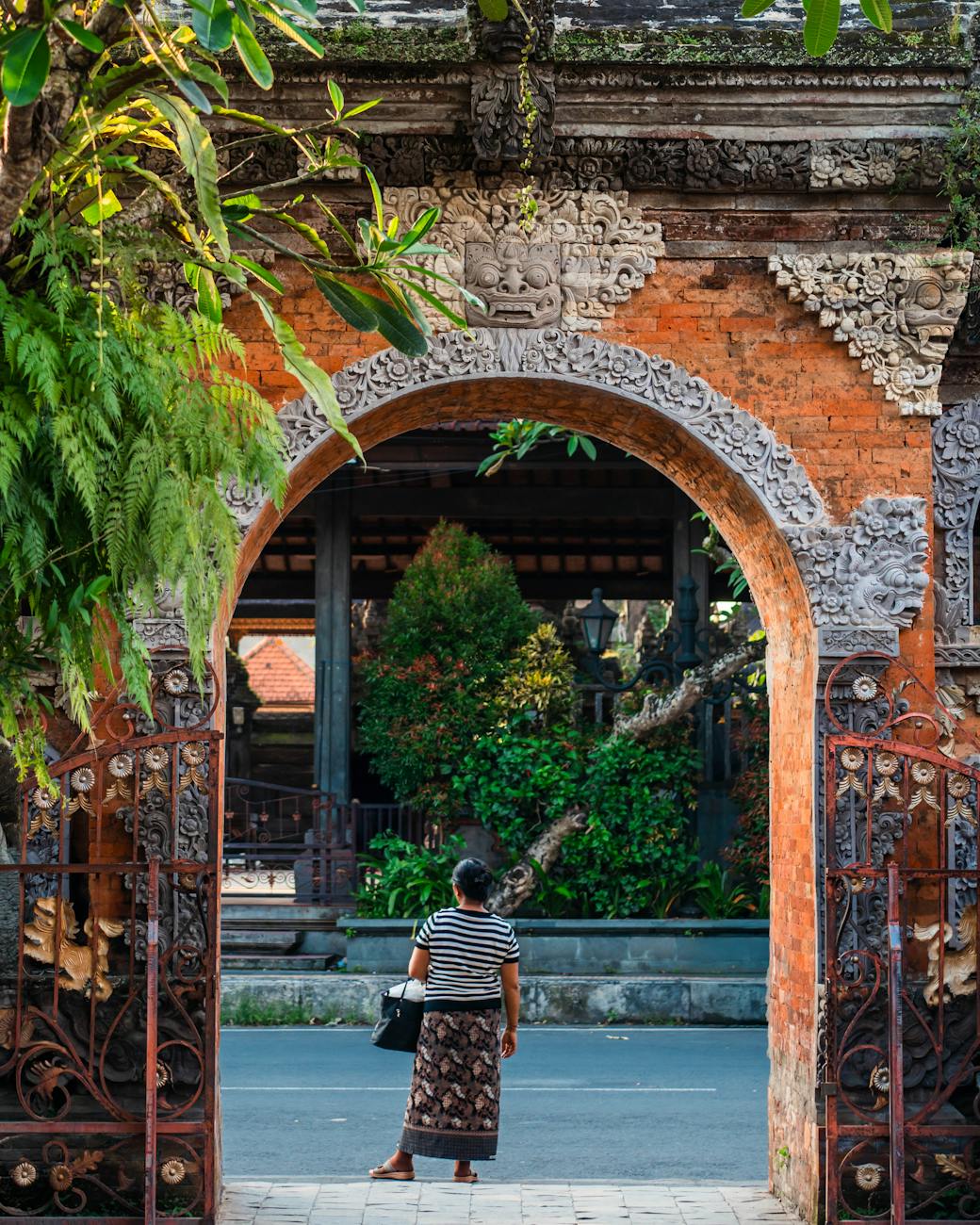
Where to Stay in Ubud — Neighborhoods, Practical Tips, and Responsible Choices
Practical guide to choosing where to stay in Ubud: neighborhood breakdowns, transport realities, seasonal and booking advice, and sustainable, local-first recommendations that pair with our 3 days in Ubud itinerary.
Decide where to stay in Ubud by matching your priorities—central walkability, rice-terrace views, wellness retreats, or a quiet creative neighborhood—while supporting local businesses and minimizing impact.
Quick Answer
Decide where to stay in Ubud by matching your priorities—central walkability, rice-terrace views, wellness retreats, or a quiet creative neighborhood—while supporting local businesses and minimizing impact.
Who This Page Is For
This page is for travelers planning a stay in Ubud who want clearer decisions about where to stay, local logistics, timing, budgeting, and practical trip planning.
How This Page Was Prepared
This page was prepared through a structured editorial workflow that combines destination research, geographic context, and practical travel-planning review.
Plan the Rest of Your Trip
Use this page together with the full itinerary and the related planning pages below to make better booking, timing, transport, and budget decisions.
Where to stay depends on priorities:
- First-time visitors: Central Ubud (near Ubud Palace/Monkey Forest) — walkable, easy access to restaurants and the market.
- Wellness and luxury: Sayan or riverside resorts — quiet, scenic, good for yoga and spa retreats.
- Rice-terrace scenery: Tegallalang or Payangan — best for morning walks but expect narrower roads.
- Creative, quieter vibe: Penestanan and Campuhan — small cafés, artist studios, short scooter ride to the center.
Book well ahead for July–August and Balinese holidays; shoulder months (April–May, September–October) are ideal for lower crowding and greener terraces.
This page helps you choose where to stay in Ubud, with neighborhood-focused options, transport realities, seasonal tips, and sustainable suggestions that feed into our main 3 days in Ubud itinerary. It’s written for travelers who prefer authentic experiences and local-first spending: guesthouses, family-run villas, and small eco-lodges get special emphasis. If you plan to follow the 3-day itinerary, base your first night in central Ubud and then consider a night in Sayan or Tegallalang to reduce daily travel.
What This Page Helps You Decide
Use this page to pick a neighborhood and accommodation style that fits your travel plan and values. It answers:
- Which neighborhood matches your pace (walkable hub vs. quiet retreat).
- How transport and road conditions affect daily logistics.
- When to book for the best availability and low-impact travel.
- How to favor local-owned stays and activities.
If you're following our 3 days in Ubud itinerary, this page helps optimize where to base each night to minimize back-and-forth travel and maximize low-impact experiences.

Top Recommendations
Practical suggestions by traveler type — all options favor small, local operators when possible.
- Best for first-timers: Central Ubud (near Ubud Palace / Jalan Monkey Forest). Walk to restaurants, galleries, and the market. Expect more noise after 7pm near Jalan Monkey Forest; request a room facing away from the street.
- Best for wellness: Sayan and Ubud Ridge-area resorts. Choose villas or boutique wellness centers that source food locally and run composting or water-saving programs.
- Best for rice-terrace views: Tegallalang or Payangan. Look for family-run homestays on the terrace edge and avoid walking on irrigation boundaries (subak) out of respect.
- Best for creatives and quiet cafés: Penestanan and Campuhan. Short scooter or 15–20 minute walk to central Ubud; excellent for guesthouses and artist residencies.
- Best budget: Guesthouses around Jalan Raya Ubud and Ubud outskirts. Prioritize locally owned homestays and small restaurants (warungs) to keep spending in the community.
- Best for families: Peliatan and east Ubud areas with larger villas, garden space, and easier parking for drivers.
Local Context
Neighborhood and transport realities:
- Central Ubud (Ubud Palace, Ubud Market, Jalan Raya Ubud): busiest and most walkable, with the widest choice of restaurants and shops.
- Penestanan and Campuhan: quiet lanes, artist studios, short walks to Campuhan Ridge.
- Sayan and Sayan Ridge: steep lanes, river valley views, often accessed by private car or shuttle.
- Tegallalang and Payangan: scenic but rural; expect narrow, often single-lane roads.
Seasonal patterns:
– Dry season: April–October — easier hiking and clearer views.
– Rainy season: November–March — frequent afternoon showers, slippery paths, and some trekking options limited.
– Shoulder months: April–May, September–October — best balance of weather, fewer crowds, and greener terraces.
Transport tips:
– Gojek/Grab app coverage exists but may be limited in rural pockets; tuk-tuks and bemos are rare. Arrange a hotel transfer or private driver for early-morning activities.
– Scooter rental is common but requires confidence with narrow, winding roads and local traffic norms.
– Walking is practical in the central area but can be hot; bring sun protection and water.
Local etiquette:
– Dress modestly at temples; cover shoulders and knees, and wear a sarong when required.
– Remove shoes at temple entrances and private homes.
– Bargaining in markets is normal, but remain respectful; support fixed-price local craftspeople where possible.

How to Choose Well
A short decision checklist:
1) Match nights to plans: Stay central for your arrival night to orient yourself; move to a quieter area (Sayan or Tegallalang) for deeper relaxation or photography mornings.
2) Prioritize local-run stays: Look for guesthouses, homestays, or small villas owned by Balinese families. Read recent reviews for cleanliness and host engagement.
3) Consider access needs: If you have limited mobility, ask about steps, steep driveways, and elevator availability — many small properties have stairs.
4) Check transport options: If you plan day trips (to Kuta or Yogyakarta connections), confirm pickup options or local drivers; roads in and out of Ubud can bottleneck during peak hours.
5) Balance budget vs. impact: A slightly higher nightly rate at a local homestay can directly support host families and sustainable practices.
6) Booking timing: Reserve for high season and New Year at least 2–3 months ahead; for shoulder season, 2–3 weeks is usually fine but confirm cancellation flexibility.

Responsible and Local-First Tips
Actions that support local communities and reduce impact:
- Choose locally owned guesthouses and family-run villas rather than international chains.
- Eat at warungs and cafes that source produce from nearby farms; ask your host for recommendations.
- Use refillable water bottles; many places provide filtered water stations.
- Respect subak (traditional irrigation) — stick to marked paths and avoid stepping on terrace walls.
- Book local guides for walks, temple visits, and rice-terrace treks. Local guides help keep tourism revenue in the community and know seasonal conditions.
- Opt for fewer transfers: plan multi-activity days to reduce driving and emissions.
- Ask hosts about their sustainability practices (waste separation, energy use) and give preference to properties with clear local benefits.
Common Mistakes to Avoid
Avoid these frequent errors:
- Staying on Jalan Monkey Forest if you want quiet — choose a courtyard room or another street.
- Underestimating travel time to Tegallalang or the airport — narrow roads and traffic can add 30–60 minutes.
- Assuming Gojek/Grab will always be available in rural pockets — pre-arrange pickups when needed.
- Booking only one base for a multi-day plan — consider splitting nights (central Ubud + one night in Sayan or Tegallalang) to reduce daily commuting.
- Choosing the cheapest option without checking who benefits — favor locally owned stays to keep income in the village.
FAQ
Which neighborhood is best for a first night in Ubud?
Central Ubud (near Ubud Palace and Ubud Market) is best for your first night. It’s walkable, helps you get oriented, and puts you near restaurants and transport options for early tours.
Is Ubud walkable?
Yes, central Ubud is very walkable for restaurants, galleries, and the market. Paths to Campuhan Ridge and Penestanan are pleasant walks. For Tegallalang, Sayan, and other rural spots, expect short drives or scooter rides.
Should I rent a scooter in Ubud?
Only if you’re experienced with narrow, often busy roads. Scooter rental is common and economical, but consider hiring a local driver for hilly or long day trips if you want a low-stress option.
How far is Ubud from Ngurah Rai International Airport (Denpasar)?
Drive time is typically 60–90 minutes depending on traffic. Book an airport transfer through your accommodation or a trusted driver, especially for early-morning departures.
When should I book accommodation for Ubud?
For July–August and December–January, book 2–3 months ahead. For shoulder season (April–May, September–October) you can often find good options 2–3 weeks out.
Are there vegan and vegetarian options?
Yes — Ubud has many vegetarian-friendly cafes, juice bars, and restaurants that prioritize local produce. Ask hosts for neighborhood recommendations to support small cafés.
Conclusion
Pick your base in Ubud based on the experience you want: central for convenience, Sayan for wellness, Tegallalang for terraces, or Penestanan for a quieter creative stay. Favor locally owned accommodations and plan at least one night away from the center to slow down and reduce repeated driving. For day-by-day decisions on activities and timing, consult our 3 days in Ubud itinerary. If you’re extending your trip, nearby cities like Kuta, Malang, Surabaya, Yogyakarta, and Semarang each offer different transport options and experiences — ask your host about reliable drivers and regional connections.
How this guide was prepared
This guide was prepared through a structured research that combines destination research, geographic context, itinerary planning logic, and content review.