

Getting Around Chiang Mai — Practical, Low‑Impact Transport Guide
Clear, sustainable advice for moving around Chiang Mai: where to stay, how to reach the city, on‑the‑ground transport options, day‑trip logistics, and booking tips to support local businesses.
A compact, practical guide to walking, cycling, songthaews, ride‑hailing, and intercity connections from Chiang Mai. Designed to support the 3 days in Chiang Mai itinerary with low‑impact, locally minded choices.
Quick Answer
A compact, practical guide to walking, cycling, songthaews, ride‑hailing, and intercity connections from Chiang Mai. Designed to support the 3 days in Chiang Mai itinerary with low‑impact, locally minded choices.
Who This Page Is For
This page is for travelers planning a stay in Chiang Mai who want clearer decisions about getting around, local logistics, timing, budgeting, and practical trip planning.
How This Page Was Prepared
This page was prepared through a structured editorial workflow that combines destination research, geographic context, and practical travel-planning review.
Plan the Rest of Your Trip
Use this page together with the full itinerary and the related planning pages below to make better booking, timing, transport, and budget decisions.
For most visitors: stay in the Old City or Nimman for walkable access; walk or rent a bicycle for short trips; use red songthaews for cheap shared rides; use Grab for point‑to‑point trips with luggage; prebook airport transfers in peak season. For day trips, use licensed minivan services or trains/buses to Chiang Rai, Udon Thani, and Bangkok depending on time and comfort preferences.
This page helps you move around Chiang Mai efficiently while minimizing environmental impact and supporting local businesses. It complements the companion 3 days in Chiang Mai itinerary by focusing strictly on transport choices: where to stay for easy access, short hops inside the city, and reliable ways to make day trips to Doi Suthep and beyond. Practical tips include seasonal travel notes, local etiquette, and how to book safely.
What This Page Helps You Decide
This page helps you choose:
- Where to base yourself depending on the 3‑day plan (Old City for temples and markets; Nimman for cafés and nightlife; Riverside for a quieter stay).
- How to get to and from Chiang Mai Airport and when to prebook.
- Whether to rent a bike or a motorbike for day 2 excursions, and how to do so safely.
- Which public options to use for day trips to Doi Suthep, Chiang Rai, Udon Thani, and onward travel to Bangkok or Si Racha.
If your priority is low impact and local spending, the recommendations below show the easiest on‑the‑ground choices.
Top Recommendations
Where to stay:
- Old City: best for walking to temples, night markets, and many restaurants referenced in the 3 days in Chiang Mai guide.
- Nimmanhaemin: choose this for cafés, boutique shops, and easy access to western-style conveniences.
- Riverside: quieter evenings and pleasant riverside walks.
Daily transport:
- Walk and cycle: the Old City is compact; many temple clusters are within 20–30 minutes on foot. Rent a bicycle from a local shop for mornings when streets are cooler.
- Songthaews (red trucks): cheap, flexible, and locally run. Flag one down on main roads, tell the driver your destination and negotiate a shared or private fare.
- Ride‑hailing (Grab): best for door‑to‑door trips with luggage or late nights when songthaews are scarce.
- Motorbike taxis: efficient for short hops; wear a helmet and use visible ID cards on the driver if possible.
- Tuk‑tuks: useful for short tourist runs; agree price before you get in.
Intercity and day trips:
- Doi Suthep: take a songthaew to the temple base or book a shared minivan from the Old City. Start early to avoid the crowds.
- Chiang Rai and Udon Thani: regular buses and minivans depart from Arcade Bus Station; book in advance in high season or use 12Go.Asia.
- Bangkok: choose a daytime flight for speed, or the overnight sleeper train for an experience and lighter carbon footprint if you prefer rail.
Booking tips:
- Use local operators and book through their offices or reputable platforms that pass revenue to local providers.
- During November–February (cool season) book accommodation and transfers earlier.
- For shoulder season (May–June, September–October) you can often find better rates but check daily weather for monsoon impacts.

Local Context
Neighborhoods and why they matter:
- Old City: grid of narrow lanes, temples, evening markets. Best for first-timers who want short walks between sights.
- Nimmanhaemin: modern, denser nightlife, boutique shopping, and a hub for digital nomads.
- Riverside and Night Bazaar area: tourist services and riverfront dining; expect more traffic at night.
Seasonal patterns and transport realities:
- Cool season (Nov–Feb): busiest and most comfortable—book earlier.
- Hot season (Mar–May): afternoons are best avoided for cycling; mornings are ideal.
- Monsoon (Jun–Oct): afternoon storms can delay buses and open‑roof tours.
Local etiquette and language tips:
- A polite wai or greeting goes a long way when asking drivers for directions.
- Use simple Thai place names; drivers may not read English.
- Bargain sensibly for tuk‑tuks; accept a firm 'no' and move on if the price is unreasonable.
How to Choose Well
Match mode to purpose:
- Short, luggage‑free trips inside the Old City: walk or bike.
- Door‑to‑door with luggage or late at night: Grab or a prearranged airport transfer.
- Group day trips or multiple stops: a licensed minivan or a local small‑group tour from a reputable operator.
- Intercity travel with comfort and time: fly to Bangkok; for lower impact, take the train.
Practical selection criteria:
- Safety: check helmet availability and basic insurance for motorbike rentals.
- Reliability: choose companies with local addresses and good recent reviews.
- Sustainability: prioritize shared public options and local drivers over constantly using private cars.
Booking resources:
- Use Grab for immediate rides.
- Book buses, trains, and some minivans via 12Go.Asia or the State Railway of Thailand website.
- Reserve airport transfers during the high season or if you have an early flight.
Responsible and Local-First Tips
Support locals and protect the environment:
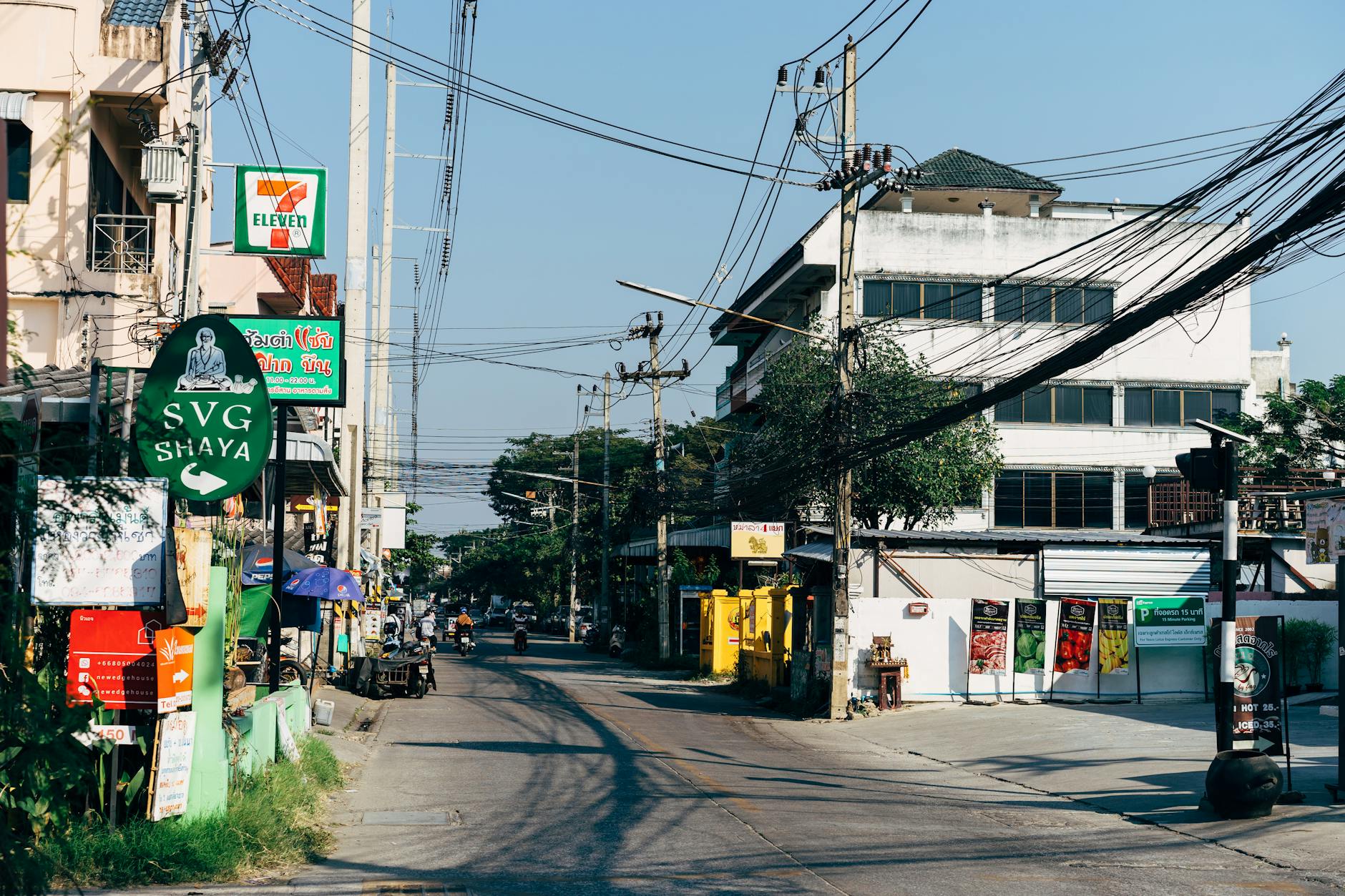
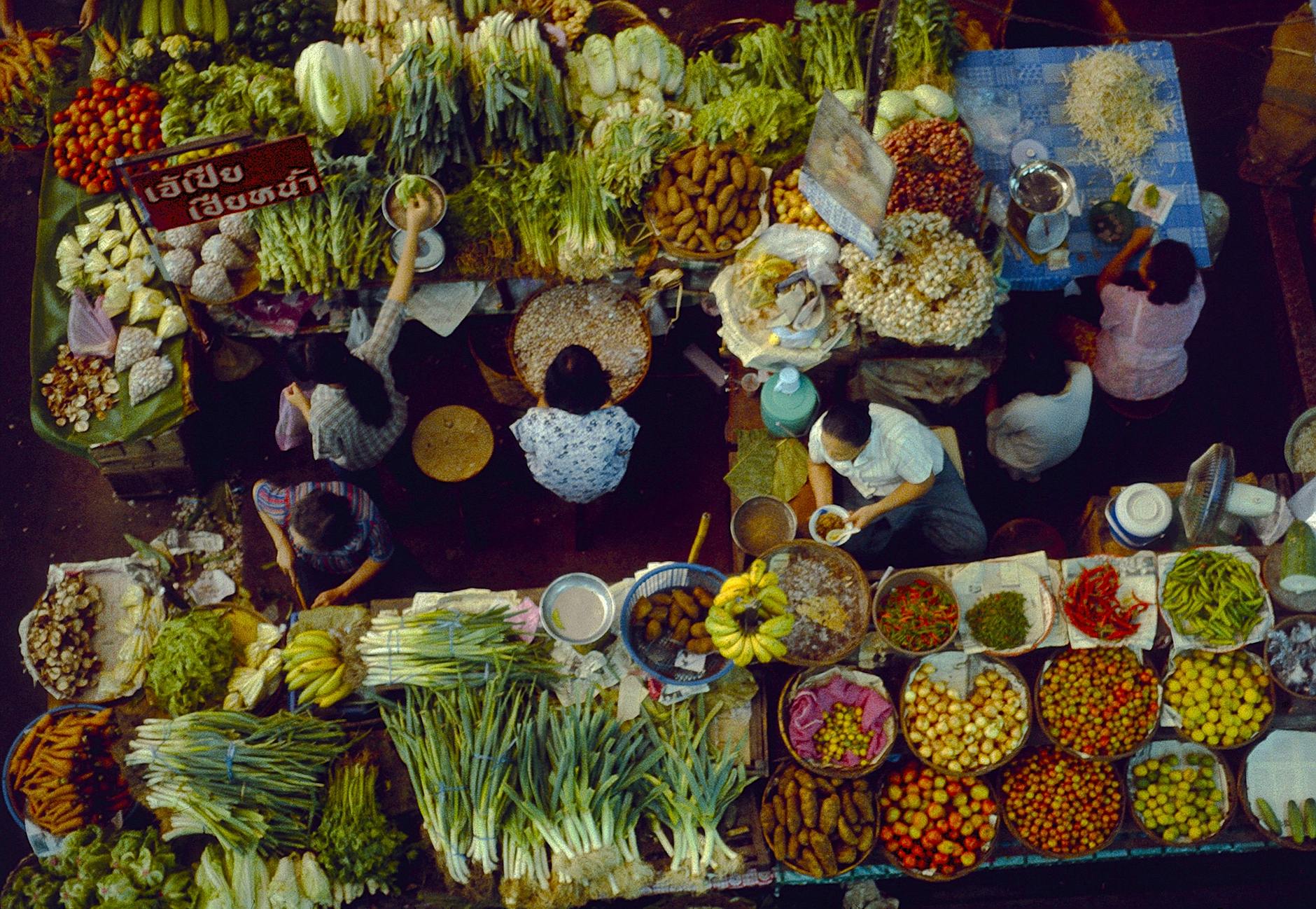
- Spend in local markets and family‑run cafés—Warorot Market and Chiang Mai Gate Market are good for direct community support.
- Choose community‑run bike tours and licensed small operators for temple and nature visits.
- Avoid any animal attractions that exploit wildlife; seek verified sanctuaries that prioritize rescue and rehabilitation.
- Reduce single‑use plastics: carry a refillable bottle and a reusable bag for market shopping.
- Tip modestly when service is excellent; small amounts matter to drivers and guides.
When booking day trips to nearby cities like Chiang Rai or Udon Thani, prefer operators that employ local drivers and guides so revenue stays in the region.
Common Mistakes to Avoid
- Relying only on tuk‑tuks: they can be expensive and inconsistent for longer trips.
- Renting a motorbike without checking condition or insurance: inspect brakes, lights, and ask about helmet policy.
- Waiting until the last minute in high season for airport transfers or popular minivan seats: book ahead.
- Expecting universal card acceptance: many small vendors and some songthaew drivers prefer cash.
- Visiting wildlife venues with unclear welfare standards: research and choose ethical experiences.
Avoiding these missteps will keep your trip smoother and more beneficial to the local community.
FAQ
How do I get from Chiang Mai Airport to the Old City?
The fastest is a metered Grab or prebooked airport taxi booth. Red songthaews also run from the arrivals area at lower cost; agree the fare first for a private ride. Allow extra time during November–February.
Are songthaews safe and how do I use them?
Yes—songthaews are a common local option. Flag one down, tell the driver your destination, and confirm if it's a shared ride. Carry small cash and be ready to ask in Thai for clarity if the driver doesn't speak much English.
Can I cycle everywhere in Chiang Mai?
The Old City is ideal for cycling in the morning. Avoid heavy-traffic roads and midday heat. Consider an e-bike for hills but check battery range and vendor reputation.
What's the best way to day trip to Doi Suthep or Chiang Rai?
For Doi Suthep, a songthaew or a local shared minivan is convenient. For Chiang Rai, use the Arcade Bus Station services or a reputable minivan operator—book in advance during peak season. Refer to the 3 days in Chiang Mai itinerary for suggested timing.
How do I travel onward to Bangkok or Udon Thani?
Flights to Bangkok are frequent and quick. For lower impact, take the daytime or overnight train to Bangkok. Buses and minivans serve Udon Thani; book through certified companies or 12Go.Asia.
Conclusion
Chiang Mai is compact and easy to navigate when you match transport to the task: walk and cycle for short trips, use songthaews and Grab for flexible local movement, and book minivans, buses, or trains carefully for longer journeys. Favor local operators, avoid exploitative wildlife attractions, and plan ahead in the cool season. For a coherent plan of sights and timing, consult the 3 days in Chiang Mai companion guide, and consider onward travel options to Chiang Rai, Udon Thani, Bangkok, Si Racha, or Cha-am with the same local‑first approach.
How this guide was prepared
This guide was prepared through a structured research that combines destination research, geographic context, itinerary planning logic, and content review.