

Getting Around Indianapolis
Practical, honest guide to getting around Indianapolis: public transit, Red Line BRT, Cultural Trail, bike share, fares, and airport transfers.
Clear, specific advice on transit in Indianapolis: IndyGo fares, Red Line route, Cultural Trail cycling, Pacers Bikeshare, and realistic airport taxi and rideshare costs.
Getting around Indianapolis?
Use IndyGo buses and the Red Line BRT for the cheapest, most reliable public transit — single rides are about $1.75 and a day pass runs about $5.00. Expect an Uber/Lyft from Indianapolis International Airport (IND) to downtown to cost roughly $35–45; taxis typically run $50–60.
Who This Page Is For
Designed for short-stay visitors and people on tight schedules who need concrete costs and route choices. Residents or long-stay commuters will need deeper local passes and employer options not covered here.
Key Takeaways for Indianapolis
- IndyGo single-ride fare ~ $1.75 (≈ €1.60); day pass ~ $5.00 (≈ €4.60).
- IndyGo Red Line BRT connects Broad Ripple, Massachusetts Avenue, downtown, and University of Indianapolis with frequent service.
- Indianapolis Cultural Trail is an 8-mile protected bike and pedestrian route linking downtown neighborhoods — useful for short trips by bike.
- Uber/Lyft from IND airport to downtown: about $35–45 (≈ €32–41); taxi flat fares typically $50–60 (≈ €46–55).
How This Page Was Prepared
This page was prepared through a structured editorial workflow that combines destination research, geographic context, and practical travel-planning review.
Plan the Rest of Your Trip
Use this page together with the full itinerary and the related planning pages below to make better booking, timing, transport, and budget decisions.
IndyGo buses are the core public transit option. Expect to pay about $1.75 per single ride and roughly $5.00 for a day pass, payable with cash or the IndyGo mobile ticketing app. The Red Line BRT provides the most frequent north–south corridor, connecting Broad Ripple, Mass Ave, downtown, and the University of Indianapolis.
For airport transfers from IND, rideshare trips typically cost $35–45 and taxis $50–60. Cycling the 8-mile Indianapolis Cultural Trail or using Pacers Bikeshare is often faster than a local bus for short trips inside downtown.
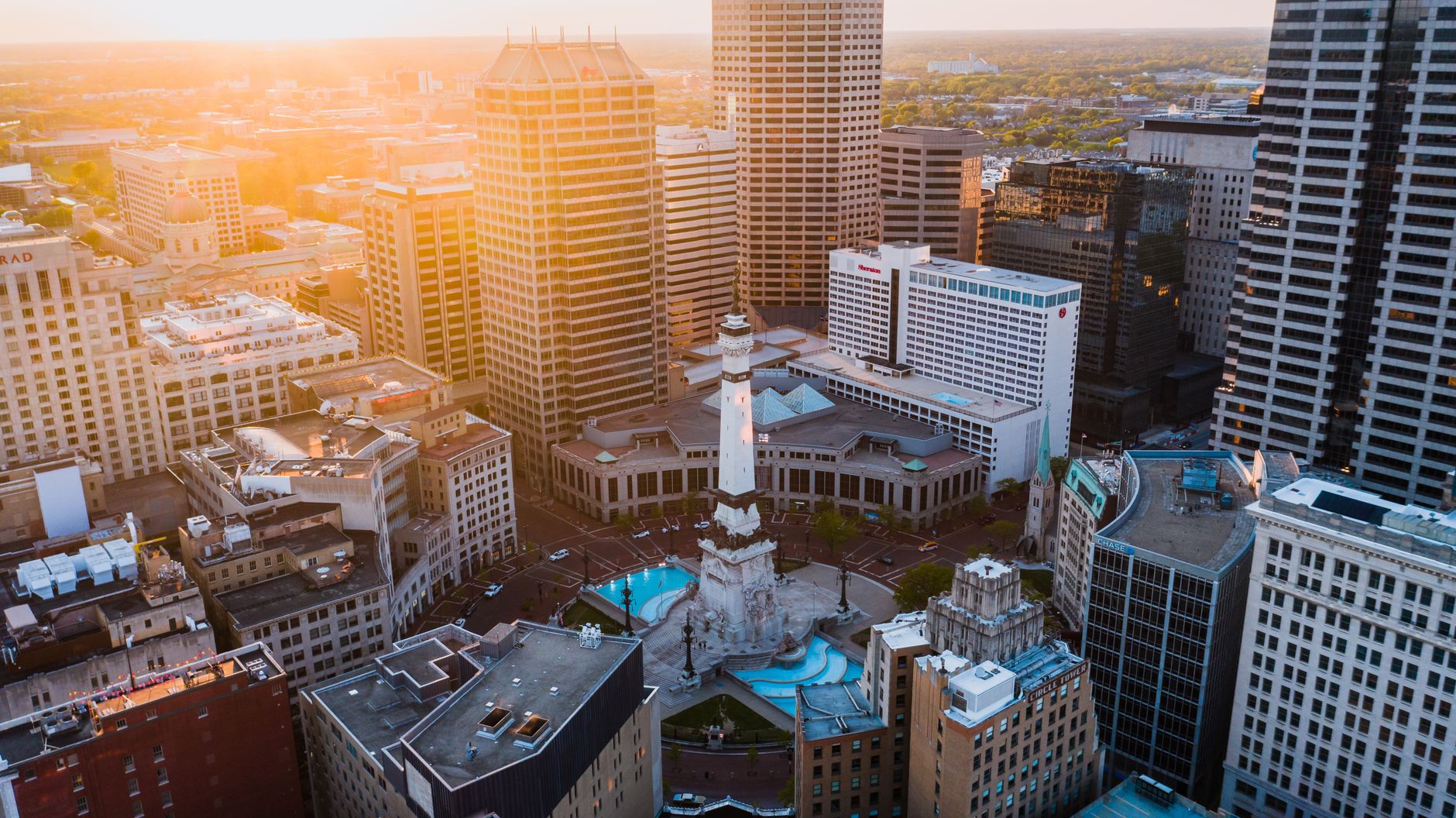
This page answers the single practical question: how to move around Indianapolis efficiently, cheaply, and without unpleasant surprises. Many visitors assume downtown transit options mirror larger rail cities and are disappointed to find a mostly bus-based system centered on IndyGo and a few fast corridors such as the Red Line BRT. Walking works well inside the downtown loop, along Monument Circle, Massachusetts Avenue, and the Canal, but distances expand quickly outside the Wholesale District.
Car rentals, rideshares and buses each have trade-offs. Costs rise during NCAA events, conventions at the Indiana Convention Center, and Indy 500 weekend. The aim here is to provide exact fares, typical taxi/ride-hail ranges from Indianapolis International Airport (IND), bike-share details, and concrete neighbourhood-level walkability so a traveler can plan a single day or link this to the '3 days in Indianapolis' itinerary.
What This Page Helps You Decide
Choose between public transit, cycling, rideshare, or rental car for specific trips: airport to hotel, downtown sightseeing, and neighbourhood hops to Mass Ave, Fountain Square, or Broad Ripple. Exact cost comparisons are provided so a traveler can decide whether a $5 day pass plus IndyGo is cheaper than round-trip rideshare from IND.
Decide whether to rely on walking and the Cultural Trail for downtown errands or to plan for bike-share or rideshare when visiting the Canal, Children's Museum area, or Broad Ripple. This also helps determine when booking a vehicle is worth it — for example, day trips to Carmel, Anderson, or Cincinnati generally require a car.

Top Recommendations
Public transit: Use IndyGo for most trips inside the metro. The Red Line BRT is the fastest north–south corridor and runs roughly every 10–15 minutes on weekdays; connections from it serve Mass Ave and downtown. Regular IndyGo local buses cover east–west routes. Pay fares with cash (exact change), the IndyGo mobile ticketing app (search 'IndyGo' on app stores), or contactless card readers when available.
Fares and tickets: Single-ride fare is approximately $1.75 USD (≈ €1.60). A 24-hour day pass costs about $5.00 USD (≈ €4.60). These apply across IndyGo local buses and the Red Line. Expect price changes at major service updates; use the IndyGo app to confirm before travel.
Airport and taxis: Indianapolis International Airport (IND) is about 15 miles from downtown. Typical rideshare (Uber/Lyft) fares to downtown run about $35–45 USD (≈ €32–41) depending on surge. Metered taxi fares generally range $50–60 USD (≈ €46–55). For groups, pre-booked airport shuttles or rental cars may be cheaper per person.
Walking and cycling: Downtown core around Monument Circle, Canal Walk, and Mass Ave is highly walkable for short itineraries; expect 10–25 minute walks between many attractions. The Indianapolis Cultural Trail is an 8-mile protected bike and pedestrian route linking downtown neighbourhoods and is the best route for short bike trips.
Bike share and micromobility: Pacers Bikeshare provides docked and dockless bikes; typical pricing starts at about $3.00 USD per 30 minutes, with day passes available around $12 USD. Electric scooters appear seasonally; check local rules and parking areas.
Car and regional travel: For trips to Carmel, Anderson, or Cincinnati/Dayton, a rental car or intercity shuttle is more practical. Parking downtown is metered; expect $1.50–$3.00 per hour in many lots. Avoid relying on buses for late-night suburban travel.
Common transport mistake to avoid: assuming buses run late-night or along every corridor. Red Line maintains better frequency, but many local routes reduce service after 9–10pm; plan rideshare or taxi for late arrivals instead.

Local Context
Indianapolis is designed around an automotive grid beyond the downtown loop, so distances between neighbourhoods are often several miles. Downtown neighbourhoods like Wholesale District, Mass Ave, and the Canal area are compact and pedestrian-friendly; Broad Ripple along Westfield Boulevard is a distinct walkable village but about 6 miles from Monument Circle.
Events change transport behavior. The Indy 500 and major conventions at the Indiana Convention Center cause prolonged rideshare surge pricing and crowded public transit. Midwestern weather affects choices: winter brings snow and sporadic service slowdowns, while summer afternoons can be hot and humid — plan indoor waits or use shaded bike routes.
Transit culture: IndyGo has increased frequency in key corridors with the Red Line, but suburban coverage remains sparse. Taxis remain useful for late-night trips or airport connections when rideshare surge is in effect. For regional rail or Amtrak, plan to travel to Cincinnati or Lafayette since Amtrak service into downtown Indianapolis is not currently available.
Safety and timing: Bicycle lanes are present on the Cultural Trail and some downtown streets; outside those areas, cyclists must use regular traffic lanes. Downtown neighborhoods are generally safe during the day; use common urban caution at night and prefer well-lit streets like Massachusetts Avenue.

How to Choose Well
Match mode to trip length: use walking or the Cultural Trail for trips under 2 miles inside downtown; use IndyGo Red Line or local buses for cross-downtown trips; choose rideshare or taxi for late-night or door-to-door convenience. For airport transfers, compare a $5 day pass plus one bus transfer versus a direct Uber — the former is cheaper if multiple trips are planned that day.
Consider time versus cost: a $1.75 IndyGo single ride is low-cost but may take 20–40 minutes across town; rideshare can be 15–25 minutes but costs $35–45 from the airport. For groups of three or more, a taxi or shared rideshare approaches the same per-person cost as a day pass.
Factor weather, luggage, and events: rent a car for day trips to Carmel or Anderson, or if carrying heavy luggage. If planning to be out late after concerts at Gainbridge Fieldhouse or NCAA events, pre-book a ride instead of banking on frequent buses.

Responsible and Local-First Tips
Prioritise public transit and bike-share for short trips to keep spending local on neighborhood businesses. Use IndyGo to reach Mass Ave restaurants like Bakersfield or Bluebeard rather than driving and paying for expensive parking.
Support local mobility vendors: rent bikes from Pacers Bikeshare stations and use local bike shops such as RecycleForce or Indy Bike Kitchen for repairs. When using rideshare, choose pooled options when available and avoid ordering multiple short solo trips; consolidation reduces congestion.
Respect transit workers and drivers: have exact fare when using cash on IndyGo, keep bags off seats during crowded periods, and tip taxi or rideshare drivers appropriately for long or late-night trips. If visiting during big events, book transport early to reduce pressure on drivers and the system.
Common Mistakes to Avoid
Expecting rail where none exists. Indianapolis does not have a commuter rail network into downtown; intercity rail travelers must plan connections via Cincinnati or Lafayette. That often means booking a car or bus for regional legs.
Underestimating walking distances. Downtown attractions can be close, but crossing from downtown to Broad Ripple or the Indianapolis Motor Speedway requires 30–60 minutes by transit or a car. Plan trips with realistic times.
Not checking event schedules and surge pricing. Major events like the Indy 500 or NCAA tournaments create heavy demand; rideshare prices rise and IndyGo buses get crowded. Buy a day pass or arrange airport transfers in advance during event weekends.
FAQ
How much does a single IndyGo ride cost?
A single IndyGo ride costs about $1.75 USD (≈ €1.60). Exact cash on board is accepted and the IndyGo mobile ticketing app can be used.
Is there a day pass for IndyGo and how much is it?
A 24-hour day pass is approximately $5.00 USD (≈ €4.60) and is valid on IndyGo local buses and the Red Line BRT; confirm current prices in the IndyGo app.
What is the fastest way from Indianapolis International Airport (IND) to downtown?
Rideshare (Uber/Lyft) is typically fastest door-to-door at about 25–35 minutes and costs roughly $35–45 USD. Taxis are around $50–60 USD and may take a similar time depending on traffic.
Can visitors use bikes to get around downtown?
Yes. The Indianapolis Cultural Trail links major downtown districts and Pacers Bikeshare provides hourly and day passes. Short trips under 3 miles are often faster by bike than by bus.
Does Indianapolis have Amtrak service downtown?
No. Amtrak does not currently serve downtown Indianapolis; nearest Amtrak stations require travel to cities such as Cincinnati or Lafayette, so plan a bus, car, or rideshare connection.
Are taxis cheaper than rideshare from the airport?
Not usually. Taxis often charge a higher flat fare ($50–60 USD) compared with rideshare estimates ($35–45 USD), but compare in real time since rideshare surge can reverse that.
What transit app should be used in Indianapolis?
Use the official IndyGo app for mobile tickets and real-time bus tracking; general mapping apps (Google Maps, Apple Maps) also show IndyGo routes and stop locations.
Conclusion
The single most important point: rely on IndyGo Red Line and the Indianapolis Cultural Trail for the cheapest, most predictable downtown travel; use rideshare or taxi for late-night or airport door-to-door trips. Budget travelers should plan around the $1.75 single fare and $5 day pass and use Pacers Bikeshare for quick hops.
Link this to the '3 days in Indianapolis' plan by using the Red Line and Cultural Trail for day one downtown exploring, saving rideshare for airport arrival and for any late-evening moves to Broad Ripple or event venues.
How this guide was prepared
This guide was prepared through a structured research that combines destination research, geographic context, itinerary planning logic, and content review.