
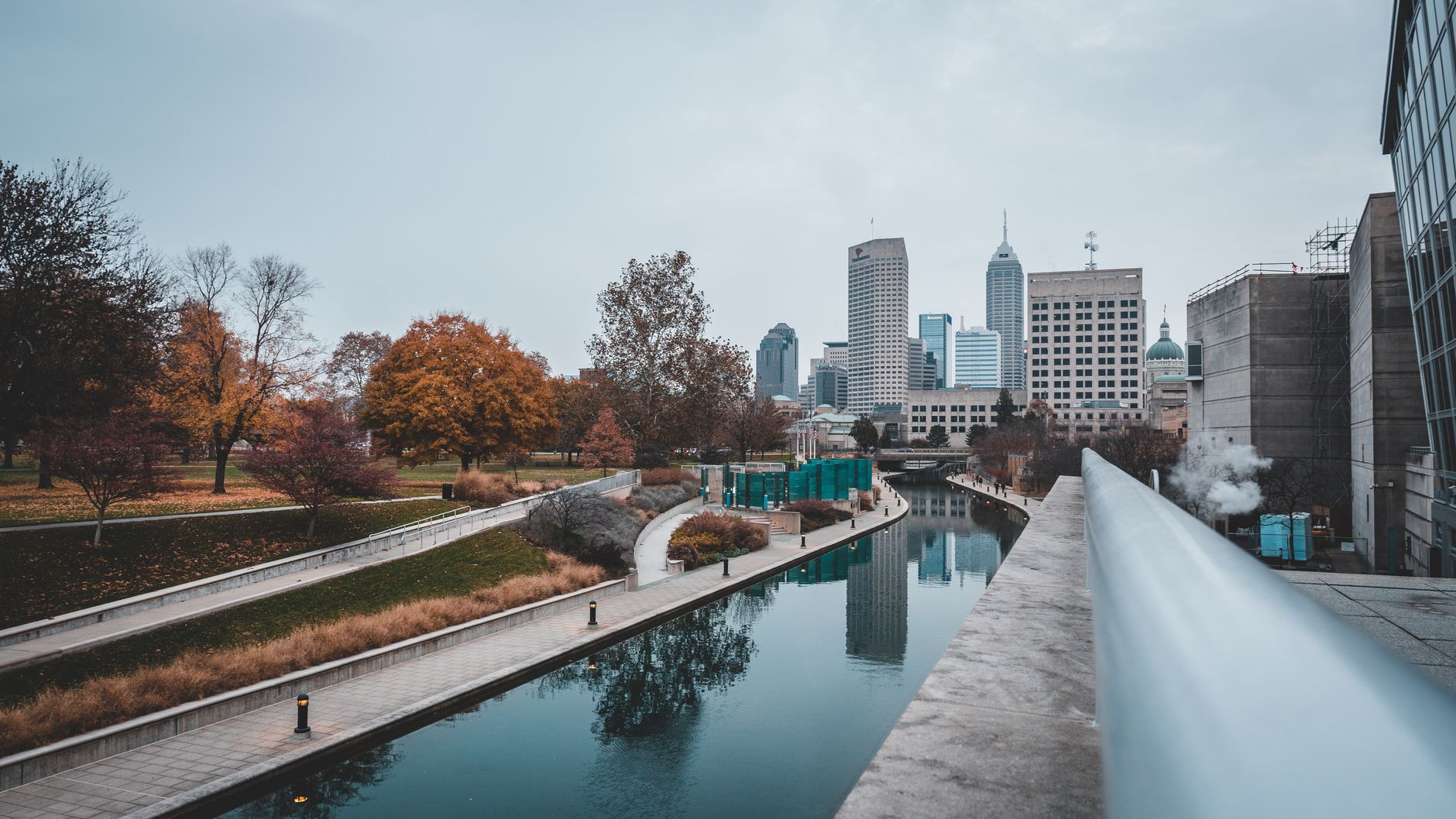
Responsible travel in Indianapolis
Practical, local-first advice for lower-impact travel in Indianapolis: transit, local businesses, season tips, and alternatives to the Indy 500 crowds.
A focused guide to making lower-impact choices in Indianapolis: use IndyGo and Pacers Bikeshare, prioritize local-owned restaurants and markets, and pick times and places that ease crowds and support neighbourhoods.
Responsible travel in Indianapolis?
Use IndyGo (Red Line) and Pacers Bikeshare for most downtown trips — a single IndyGo ride costs about $1.75 and Pacers casual rides start at roughly $3 for 30 minutes. Favor locally-owned spots like City Market, Milktooth, and Bluebeard, and avoid major event weekends at Indianapolis Motor Speedway to reduce impact.
Who This Page Is For
Best for independent travellers who want to reduce car use and spend in locally-owned businesses within Indianapolis. Not aimed at visitors who must attend large events like the Indy 500 or need long-term car rental for rural day trips.
Key Takeaways for Indianapolis
- Use IndyGo Red Line and the IndyGo app; single rides are about $1.75 and transfers are simple at Julia M. Carson Transit Center.
- Pacers Bikeshare is the practical short-trip option along the Monon Trail and downtown; casual rides start near $3 for 30 minutes.
- Avoid Indy 500 weekend in May if seeking low-impact travel; visit Indianapolis Motor Speedway Museum on a weekday or choose Eagle Creek Park or White River State Park as lower-impact outdoor alternatives.
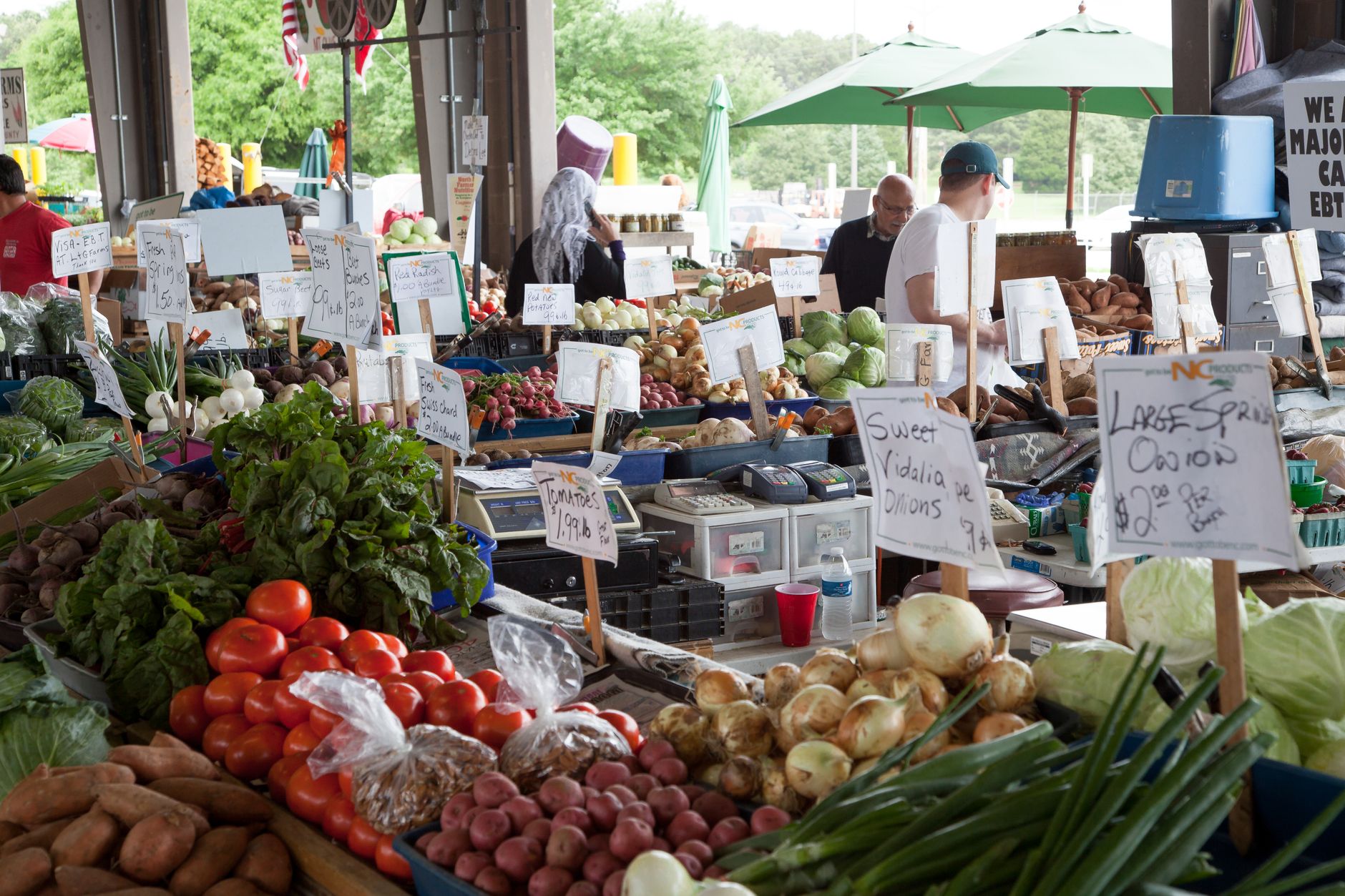
- Buy produce and prepared food at Indianapolis City Market (222 E Market St) or shop at eastern Broad Ripple businesses to keep spending local.
How This Page Was Prepared
This page was prepared through a structured editorial workflow that combines destination research, geographic context, and practical travel-planning review.
Plan the Rest of Your Trip
Use this page together with the full itinerary and the related planning pages below to make better booking, timing, transport, and budget decisions.
Primary low-impact transport choices are IndyGo and Pacers Bikeshare. A single IndyGo ride costs about $1.75; buy fares via the IndyGo app or use the physical fareboxes and validate at Julia M. Carson Transit Center for transfers. Pacers Bikeshare is the best option for short trips on the Monon Trail and around the Canal; casual 30-minute rides typically start near $3. Avoid visiting during the Indy 500 in May if seeking low crowds; instead schedule museums on weekday mornings and use walking or bikes for short neighbourhood trips.
This page answers how to reduce environmental and economic footprint while visiting Indianapolis, with concrete transit options, specific businesses to support, and realistic alternatives to large-event tourism. Many visitors underestimate how easy it is to get around without a car: IndyGo's Red Line and local bikeshare connect key neighbourhoods and attractions. Crowds and costs spike during the Indy 500 and race-season weekends, but alternatives exist that let visitors experience local culture without overwhelming neighbourhood resources. Practical choices like traveling by bus, timing museum visits midweek, and choosing locally-owned restaurants and markets keep spending inside the community and reduce congestion.
What This Page Helps You Decide
Decide whether to rent a car for an Indianapolis stay or rely on public and active transport. Determine which neighbourhoods to prioritise for local spending and which high-traffic attractions to visit off-peak. Choose the best seasons and times to visit museums like the Eiteljorg or Newfields to avoid crowds and transit strain. Pick specific restaurants and markets to support local owners, and select outdoor alternatives to the Indianapolis Motor Speedway on days when large events are scheduled.
Top Recommendations
Use IndyGo for medium-length trips and Pacers Bikeshare for short hops. Download the IndyGo app before arrival, buy a $1.75 single-ride fare or day pass in-app if available, and plan transfers at Julia M. Carson Transit Center. For active transport, rent a bike from Pacers Bikeshare stations near Monument Circle and Broad Ripple; 30-minute casual rides start near $3 and are ideal for Monon Trail segments. Prioritise locally-owned food businesses: have brunch at Milktooth (550 N College Ave), dinner at Bluebeard (653 Virginia Ave), and grab local produce or prepared meals at Indianapolis City Market (222 E Market St). For coffee and light bites in Fountain Square, choose Café Patachou on Massachusetts Ave alternatives like Café Patachou at 1022 E 54th St in other neighbourhoods to spread spending. Avoid the heaviest impact around Indianapolis Motor Speedway during Indy 500 weekend in May; instead visit the Indianapolis Motor Speedway Museum on a weekday or head to Eagle Creek Park for a low-impact outdoor day. When attending arts venues, buy tickets for weekday matinees at Newfields or Eiteljorg to reduce peak demands. Choose accommodations in Fletcher Place, Mass Ave, or near the Canal to walk to museums and restaurants rather than driving. If driving is unavoidable, use ParkMobile to pay parking and pick lots farther from the center to reduce congestion. When shopping, prioritise cooperative or independent sellers at City Market or local boutiques on Massachusetts Avenue rather than national chains.
Local Context
Transit and neighbourhood patterns shape responsible choices. IndyGo expanded service with the Red Line BRT running north-south through downtown and along Meridian Street, making car-free travel possible between Circle Centre/Monument Circle and 66th Street. Pacers Bikeshare fills gaps for first-and-last-mile trips and recreation on the Monon Trail connecting Broad Ripple to downtown. Weather matters: summers (June–August) are hot and humid with frequent storms; plan outdoor activity for morning or late afternoon and carry water. Winters bring icy conditions and occasional light snow; cycling and riverside walking are less reliable from December through February. Popular corridors like Massachusetts Avenue and Fountain Square concentrate restaurants and galleries; those areas handle most tourist spending while residential sections of Herron-Morton and Fletcher Place benefit from visitor dollars when visitors walk or bike rather than drive. Event spikes at Indianapolis Motor Speedway and Lucas Oil Stadium increase demand for short-term rentals and parking, so timing and alternative sites are important for lower impact.
How to Choose Well
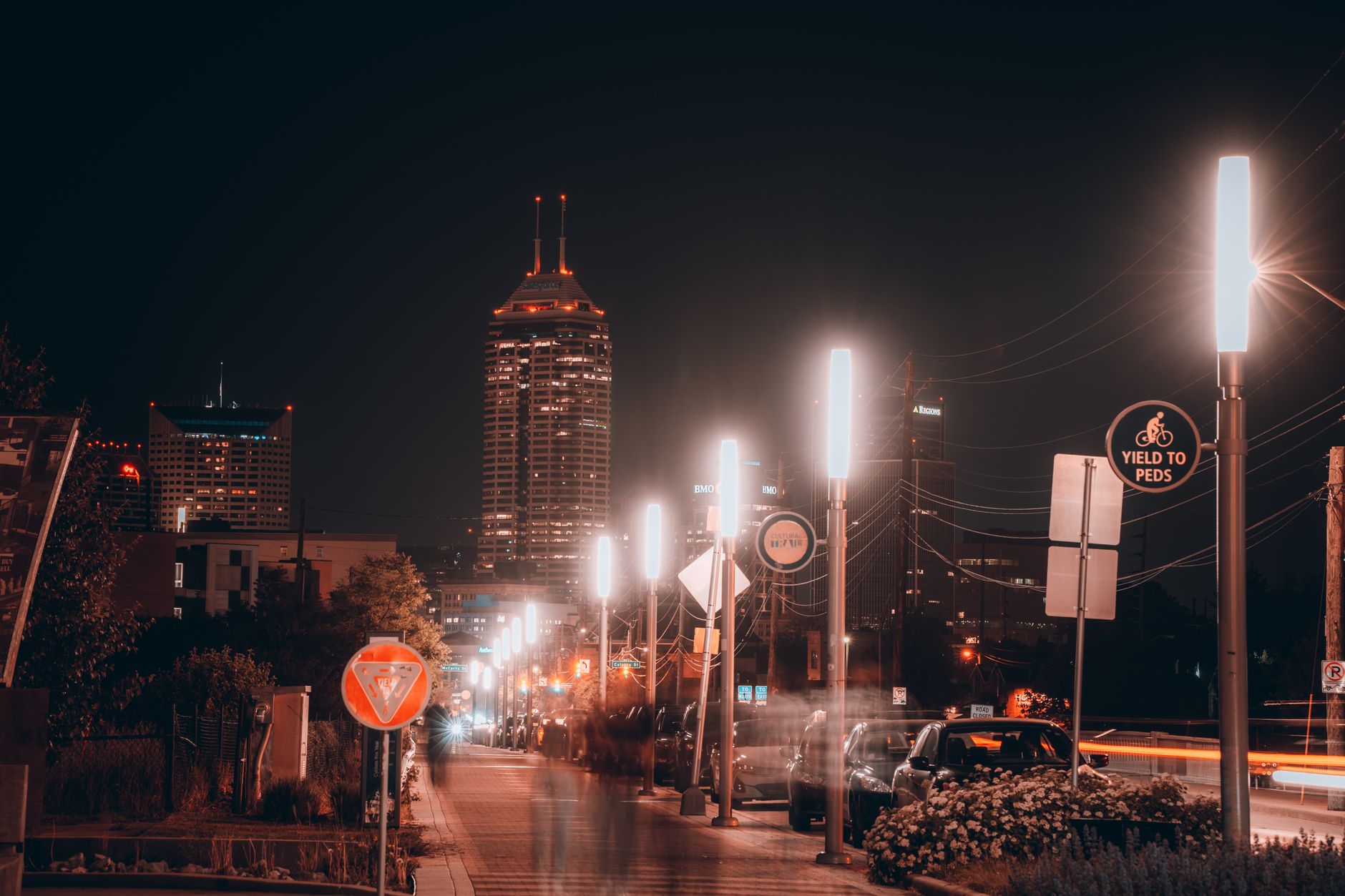
Balance convenience, cost, and local impact when deciding transit and places to visit. Choose IndyGo when crossing longer north-south or east-west distances; the Red Line is faster than local routes and reduces parking needs downtown. Use Pacers Bikeshare for sub-3-mile trips along Monon Trail or between Canal Walk and Mass Ave; short-bike trips minimize emissions and parking stress but are less comfortable in high summer heat. Select accommodation within walking distance of Monument Circle, the Canal, or Mass Ave to cut taxi or rideshare use; nightly parking fees downtown can exceed $15–$25, so a slightly higher nightly rate in a walkable neighbourhood often saves money and emissions. For dining, weigh a short wait at a locally-owned place like Milktooth against chain alternatives with lower local economic benefit. For big attractions, accept slower weekday hours and early morning visits to reduce strain on neighbourhoods and transit.

Responsible and Local-First Tips
Spend deliberately at local, independently owned businesses rather than national chains. Recommended places: Milktooth for brunch, Bluebeard for dinner, The Garden Table in Irvington for farm-focused meals, and Trader's Point Creamery for local dairy products an easy drive west if seeking farm visits. Bring a reusable bottle for canal- and park-side walks; refill at participating cafés like Cafe Patachou or larger venues that allow refills. Use public transit: buy fares in the IndyGo app or show proof at stops and avoid single-occupancy driving downtown. Shop at Indianapolis City Market or Broad Ripple farmers markets on Saturday mornings to support small producers directly. Choose guided local tours run by small operators (for example, walking tours organized through Mass Ave tour companies) instead of big bus tours to keep revenue with local guides. When staying in residential neighbourhoods, keep noise down after 10 PM and use designated trash/recycling procedures posted at short-term rentals to reduce strain on neighbours.
Common Mistakes to Avoid
Relying on car parking downtown during events creates both high expense and neighbourhood impact. Parking lots near Monument Circle and Lucas Oil often charge $10–$40 on event days; plan to use IndyGo Red Line and walk or bike instead. Visiting the Indianapolis Motor Speedway only during Indy 500 weekend leads to extremely long lines, inflated local prices, and pressure on local services; select a weekday museum visit or an alternative outdoor site like Eagle Creek Park. Limiting dining to one corridor like Mass Ave or St. Elmo Steak House can concentrate spending and lengthen waits; spread patronage to places such as Fountain Square, Fletcher Place, and City Market to support a wider set of local owners and reduce congestion at a few hotspots.
FAQ
How much does public transit cost in Indianapolis?
A single IndyGo ride is about $1.75; use the IndyGo app for purchases and real-time tracking.
Is Indianapolis walkable for a 3-day visit?
Yes—stay near Monument Circle, Canal Walk, or Mass Ave to walk or bike to downtown museums and restaurants, reducing the need for a car.
When should visitors avoid the Indianapolis Motor Speedway?
Avoid the last weekend in May (Indy 500) and other major race weekends; expect heavy traffic, sold-out lodging, and large crowds.
Where are good local food markets?
Indianapolis City Market (222 E Market St) and the Broad Ripple farmers market on Saturday mornings are best for local produce and prepared food.
What is the best way to use Pacers Bikeshare?
Use for trips under 3 miles, especially along the Monon Trail; casual 30-minute rides typically start near $3 — check the Pacers app for current pricing.
Are there alternatives to big tourist buses?
Choose walking tours run by local guides on Mass Ave or hire a small private guide from neighbourhood businesses to keep spending local.
Conclusion
The single most important thing to remember is that small choices—using IndyGo and Pacers Bikeshare, visiting museums on weekday mornings, and spending at City Market and locally-owned restaurants—have outsized effects on neighbourhoods and congestion. Plan travel dates outside major racing weekends, book accommodation within walking distance of Monument Circle or Mass Ave, and prioritize weekday or early-morning visits to major museums. For a practical next step, consult the companion 3 days in Indianapolis itinerary and slot museum visits and neighbourhood meals into off-peak times to keep impact low while experiencing the city.
How this guide was prepared
This guide was prepared through a structured research that combines destination research, geographic context, itinerary planning logic, and content review.