
Getting Around Istanbul: Practical, Sustainable Transport for a 3-Day Visit
Essential, practical advice for getting around Istanbul during a short trip. Learn how to use ferries, trams, metro, Istanbulkart, airport transfers, day-trip options to Bursa/Izmir/Ankara/Kusadasi/Bodrum, and low-impact, local-first tips.
Smart, low-impact ways to move between Sultanahmet, Beyoğlu, Kadıköy and the ferry piers. Quick transit tips for a 3-day itinerary plus sustainable day-trip options to nearby Turkish cities.
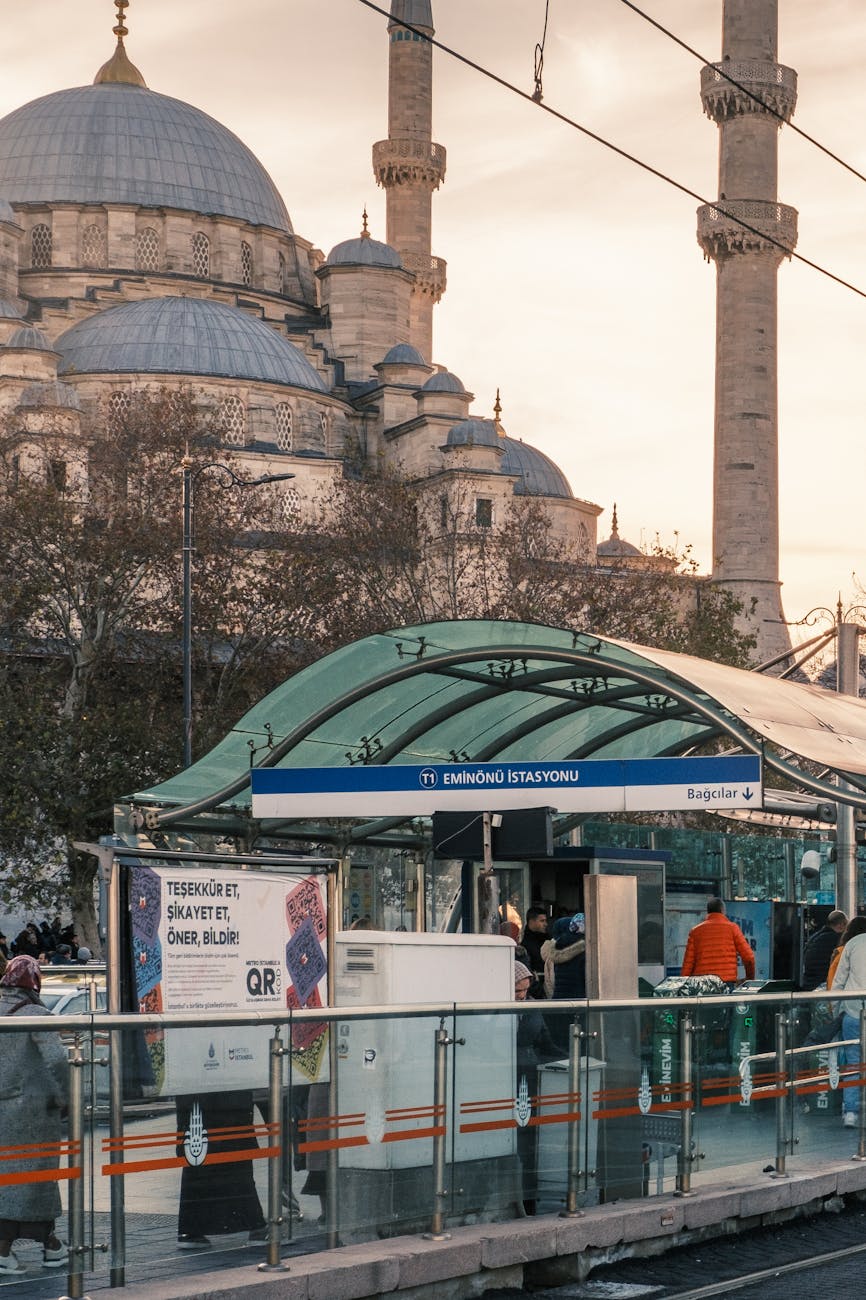
Use an Istanbulkart for most city travel. Combine ferries (European–Asian crossings), the T1 tram in Sultanahmet/Eminönü, the M2/M4 metros for longer hops, and short walks in historic neighborhoods. For airport transfers, use official Havaist/Havabus shuttles or a meter taxi if you have luggage. Ferries are the most scenic and low-impact choice for crossing the Bosphorus; avoid relying on taxis during rush hour.
This page helps you move efficiently and responsibly around Istanbul during a short stay—especially if you are following our 3 days in Istanbul itinerary. It focuses on realistic travel times, neighborhood-by-neighborhood choices, and low-impact options such as ferries, walking, and public transit. Wherever possible the advice favors local businesses, avoids tourist traps, and accepts seasonal realities like summer crowds or winter rain.
What This Page Helps You Decide
This guide will help you choose:
– Where to base for a 3-day itinerary (Sultanahmet for museums, Beyoğlu/Taksim for nightlife and shops, Kadıköy for a local feel).
– Whether to buy an Istanbulkart or use single tickets.
– When to prefer ferries versus Marmaray/metro for crossings.
– How to schedule airport transfers and allow buffer time for traffic.
– Which day trips (Bursa, Izmir, Ankara, Kusadasi, Bodrum) are realistic from Istanbul and how to reach them sustainably.

Top Recommendations
Essential, street-level choices that make a short trip work:
– Buy and top up an Istanbulkart at kiosks in major transport hubs. It saves time and money on ferries, trams, metros and buses.
– Prioritize ferries for short Bosphorus trips (look for regular Eminönü–Karaköy–Kadıköy crossings). Ferries are scenic, low-emission per passenger, and support local waterfront businesses.
– Use T1 tram through Sultanahmet/Eminönü for museum-to-market hops; it’s flat and convenient for the Grand Bazaar and Spice Bazaar.
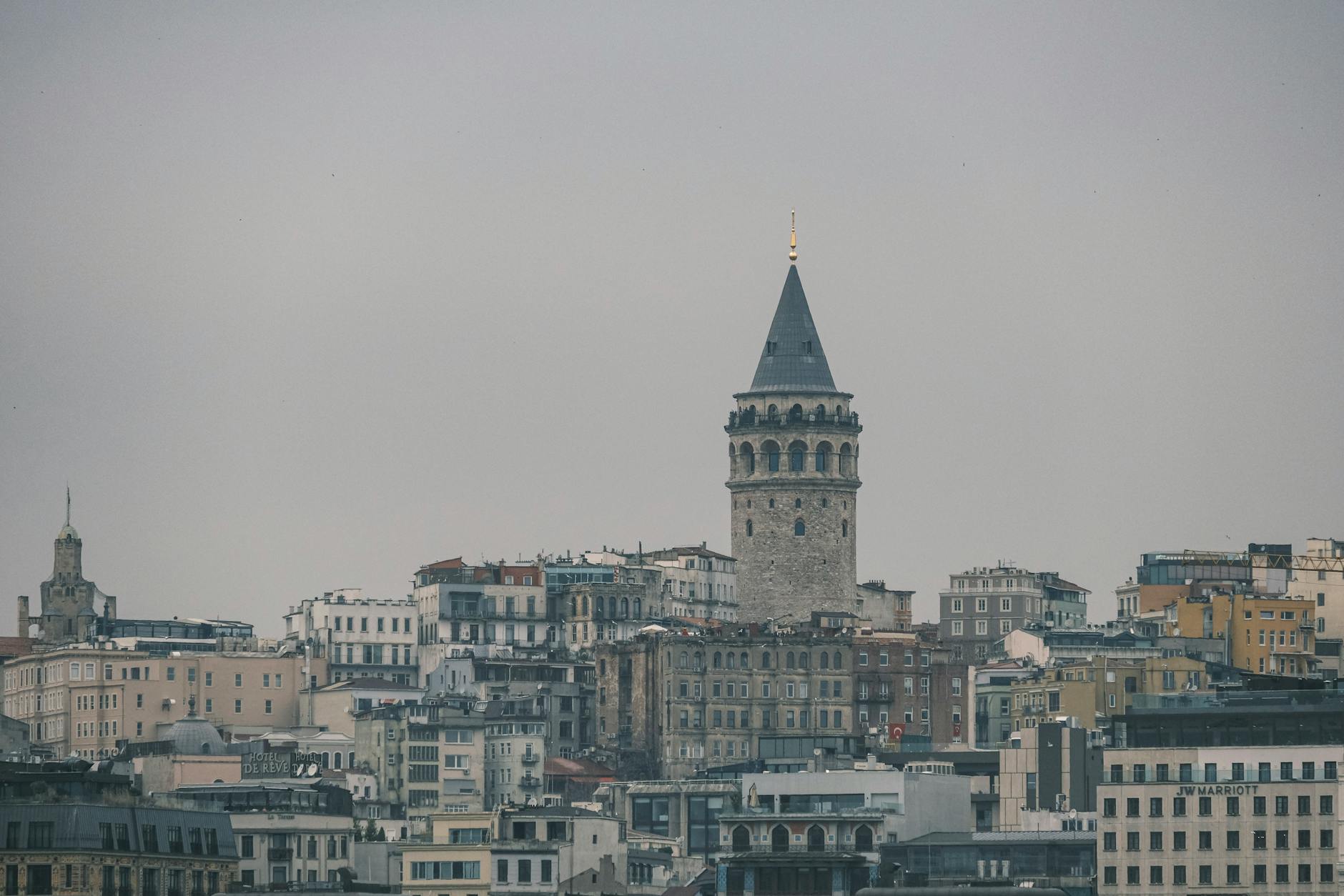
– Walk between nearby sites in Sultanahmet and Galata when possible—these are compact areas best appreciated on foot.
– For airport transfers: allow 60–90 minutes from central Istanbul to Istanbul Airport (IST) off-peak, longer at rush hour; Sabiha Gökçen (SAW) from Kadıköy is usually faster by shuttle.
– For day trips: choose ferry-plus-bus or high-speed ferry where available for Bursa; flights or overnight buses are fastest to Izmir, Ankara, Kusadasi and Bodrum. Check schedules and prefer daytime travel for safety and local economic benefit.
Local Context
Istanbul is built on hills and two continents. Neighborhood realities matter:
– Sultanahmet: compact, museum-dense but crowded in summer. Best for a first-time 3-day stay.
– Beyoğlu/İstiklal/Galata: lively, hillier, great cafes and nightlife; expect more walking and some steep streets.
– Karaköy and Eminönü: waterfront commerce, ferries, and fish restaurants; often busy in the morning and late afternoon.
– Kadıköy and Üsküdar (Asian side): residential markets, affordable eateries, and a calmer pace—take a ferry for a quick local feel.
Seasonal notes:
– Shoulder seasons (April–June, September–November) offer cooler weather, fewer crowds, and better ferry comfort.
– Summer: intense heat and crowds; move early morning or late afternoon.
– Winter: rain and wind on ferries; keep flexible timing and waterproof layers.
Local etiquette and practicalities:
– Carry small change for bazaar stalls, tip about 5–10% in local restaurants when service is good.
– Expect surging crowds around Friday prayers near the Blue Mosque; plan visits around prayer times.

How to Choose Well
Match transport to your priorities:
– Fastest: metro + tram + Marmaray for long east–west moves through traffic-prone corridors.
– Most scenic and local: ferries between European and Asian shores; pick stops that feed neighborhood markets.
– Lowest stress with luggage: official airport shuttles (Havaist/Havabus) or prebooked private transfer if traveling late at night.
– Cheapest and most flexible: Istanbulkart on public transit; use contactless where accepted but carry an Istanbulkart as fallback.
Consider mobility and time: steep streets and cobblestones mean some central sights are easier to reach by tram or funicular if you have mobility limitations.

Responsible and Local-First Tips
Travel choices that benefit local people and reduce impact:
– Take ferries and public transit instead of short taxi rides where practical—this spreads tourist spending across waterfront cafés and neighborhood shops.
– Eat at small lokantas and family-run restaurants rather than international chains; ask locals for recommendations in Kadıköy or Karaköy.
– Buy souvenirs from artisans in Arasta Bazaar or small stalls at the Grand Bazaar supporting local craftspeople; avoid mass-produced trinkets.
– Travel shoulder season when possible—hotels and guides benefit from steadier year-round business.
– Pack a reusable water bottle and shopping bag; many markets and shops encourage reusable items.

Common Mistakes to Avoid
- Trying to drive to central Istanbul yourself: traffic, limited parking, and narrow streets make driving inefficient for short visits.
- Relying solely on taxis during rush hour: meters rise and travel times balloon; use metro/ferry instead.
- Waiting until the last minute to top up an Istanbulkart: machines and kiosks can queue at peak times—keep small change ready.
- Scheduling too many distant day trips in one day: Bursa, Izmir or Ankara take travel time; split long trips across days or choose an overnight option.
- Falling for unlicensed guides at major sites: ask at your hotel for reputable local guides or book through trusted platforms that pay guides fairly.
FAQ
What is the Istanbulkart and where do I buy one?
Istanbulkart is a reloadable contactless pass for most public transport (ferries, trams, metros, buses, funiculars). Buy and top up at kiosks, vending machines at major stops, and some convenience stores. Keep it for future trips or return it at airport kiosks if you want a refund of the balance.
Can I use contactless bank cards on Istanbul transport?
Some lines accept bank cards, but availability varies. Using an Istanbulkart avoids surprises and usually gives a small fare discount.
How long should I allow for airport transfers?
From central areas expect 60–90 minutes to Istanbul Airport (IST) off-peak; during rush hour add another 30–60 minutes. From Kadıköy to Sabiha Gökçen (SAW) allow 40–75 minutes depending on traffic. Shuttles (Havaist/Havabus) are reliable alternatives to taxis.
Are ferries safe in winter and rough weather?
Ferries operate year-round but can be windy and chilly; bring windproof layers. Operators may cancel in extreme weather; keep a flexible schedule.
How do I reach Bursa or Izmir from Istanbul sustainably?
Bursa: many travelers combine a car-free ferry crossing with a short bus or shuttle to Bursa—check daytime schedules and book in advance in high season. Izmir: flights are fastest; overnight buses are a lower-carbon alternative to flying but take longer. For all day trips, prefer daytime travel to support local businesses along the route.
How to avoid taxi scams?
Use official taxis with yellow plates and the meter; insist the driver use the meter, note the license plate if you can, or use the BiTaksi app to book a recorded ride. Keep change ready and avoid verbal flat-rate deals from drivers near tourist sites.
Conclusion
For a 3-day visit, prioritize an Istanbulkart, mix ferries and trams for the best local experience, and base yourself where you want to spend the most time (Sultanahmet for history, Beyoğlu for nightlife, Kadıköy for a local vibe). If you have extra time, plan a mindful day trip to Bursa or a longer transfer to Izmir, Ankara, Kusadasi or Bodrum using scheduled ferries, buses, or flights—book ahead in shoulder season for lower impact and better local benefits. See the companion 3 days in Istanbul itinerary for walkable day plans that pair well with these transport choices.
How this guide was prepared
This guide was prepared through a structured research that combines destination research, geographic context, itinerary planning logic, and content review.