

Getting Around Nice: Practical Transport Guide for 3 Days in Nice
Practical, local-first guide to getting around Nice: walking routes, trams and buses, regional trains to Antibes/Cannes/Marseille, airport transfers, bike options, driving tips and sustainable choices for a 3-day trip.
Clear, scan-friendly advice for moving around Nice during a short stay. Walkable neighborhoods, tram and bus basics, regional trains for coastal day trips, airport transfer options, and low-impact tips tied to a 3-day itinerary.
Quick Answer
Clear, scan-friendly advice for moving around Nice during a short stay. Walkable neighborhoods, tram and bus basics, regional trains for coastal day trips, airport transfer options, and low-impact tips tied to a 3-day itinerary.
Who This Page Is For
This page is for travelers planning a stay in Nice who want clearer decisions about getting around, local logistics, timing, budgeting, and practical trip planning.
How This Page Was Prepared
This page was prepared through a structured editorial workflow that combines destination research, geographic context, and practical travel-planning review.
Plan the Rest of Your Trip
Use this page together with the full itinerary and the related planning pages below to make better booking, timing, transport, and budget decisions.
Walk the seafront and Old Town. Use the tram and Lignes d'Azur buses for most inner-city travel. Take TER regional trains from Nice-Ville station for Antibes, Cannes and Marseille; buses or rental cars only for inland villages. For airport transfers, use the tram line from Nice Côte d'Azur or an airport bus—book taxis in advance for late arrivals. Prefer trains and bikes for lower impact and easier parking.
Nice is compact, sun-facing and layered: a palm-lined seafront, a dense Old Town, a working port and quieter residential hills. For a 3-day visit, most essentials are walkable, but good tram and regional-train links let you add coastal towns like Antibes or Cannes without a car. This page focuses on practical, low-impact ways to move around, and gives booking tips that pair well with our 3 days in Nice itinerary.
What This Page Helps You Decide
This guide helps you choose between walking, tram/bus, train, bike or car for each day of your 3-day Nice plan. Use it to decide:
- How to get from the airport to the city center efficiently.
- Whether to buy single tickets, day passes or regional rail tickets when visiting Antibes, Cannes or Marseille.
- When a rental car makes sense (hinterland/provence day trips) and when it's a burden (Old Town parking).
- How to prioritize low-impact choices and support local businesses en route.
See our 3 days in Nice itinerary for suggested timing and which neighborhoods to pair by day.

Top Recommendations
Essentials for most visitors:
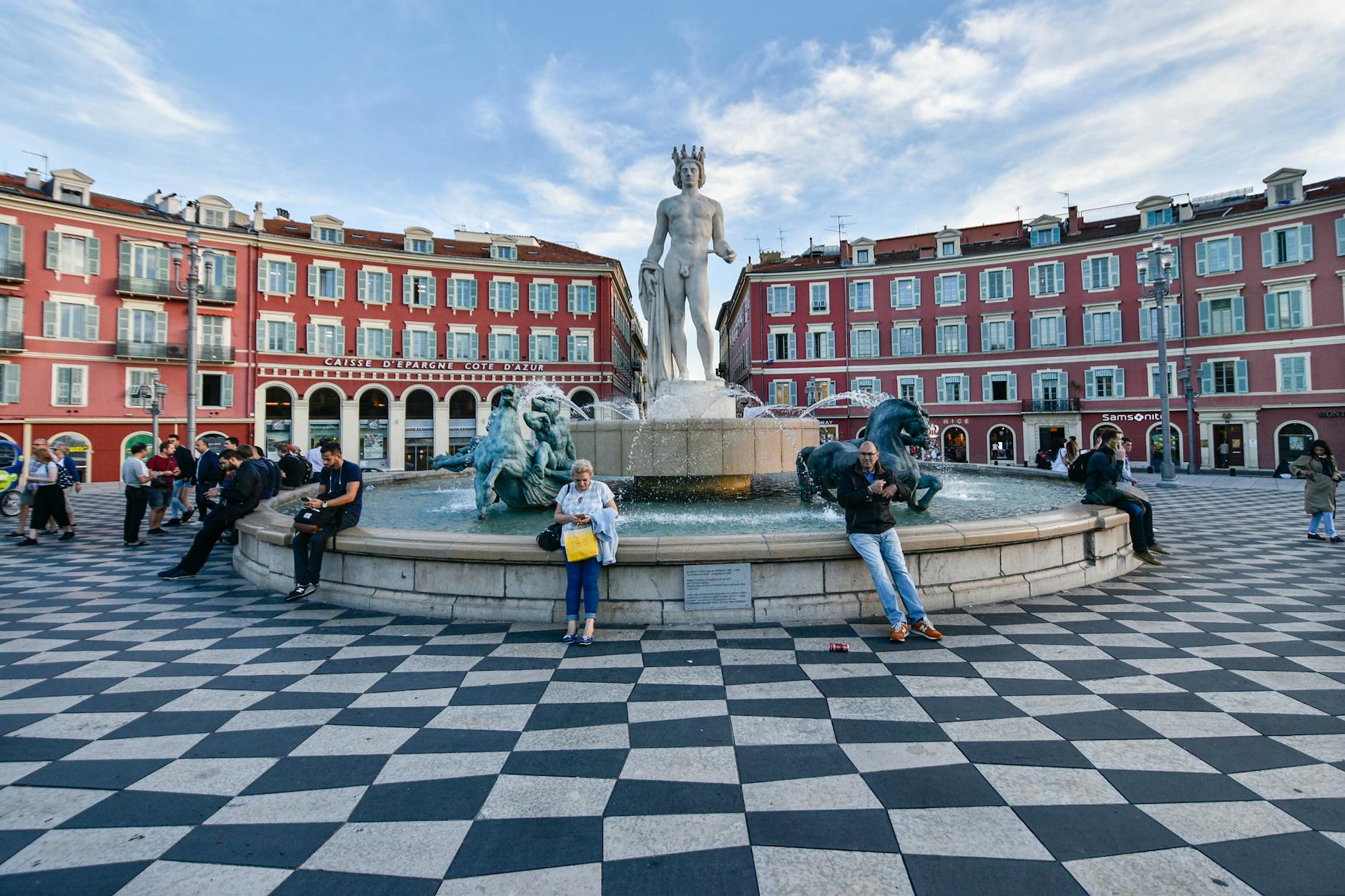
- Walk first: Promenade des Anglais, Vieux Nice, Place Masséna and Colline du Château are within short walking distances.
- Buy Lignes d'Azur tickets before boarding: single, day or multi-day passes are available at machines, kiosks and the app. Validate before you travel.
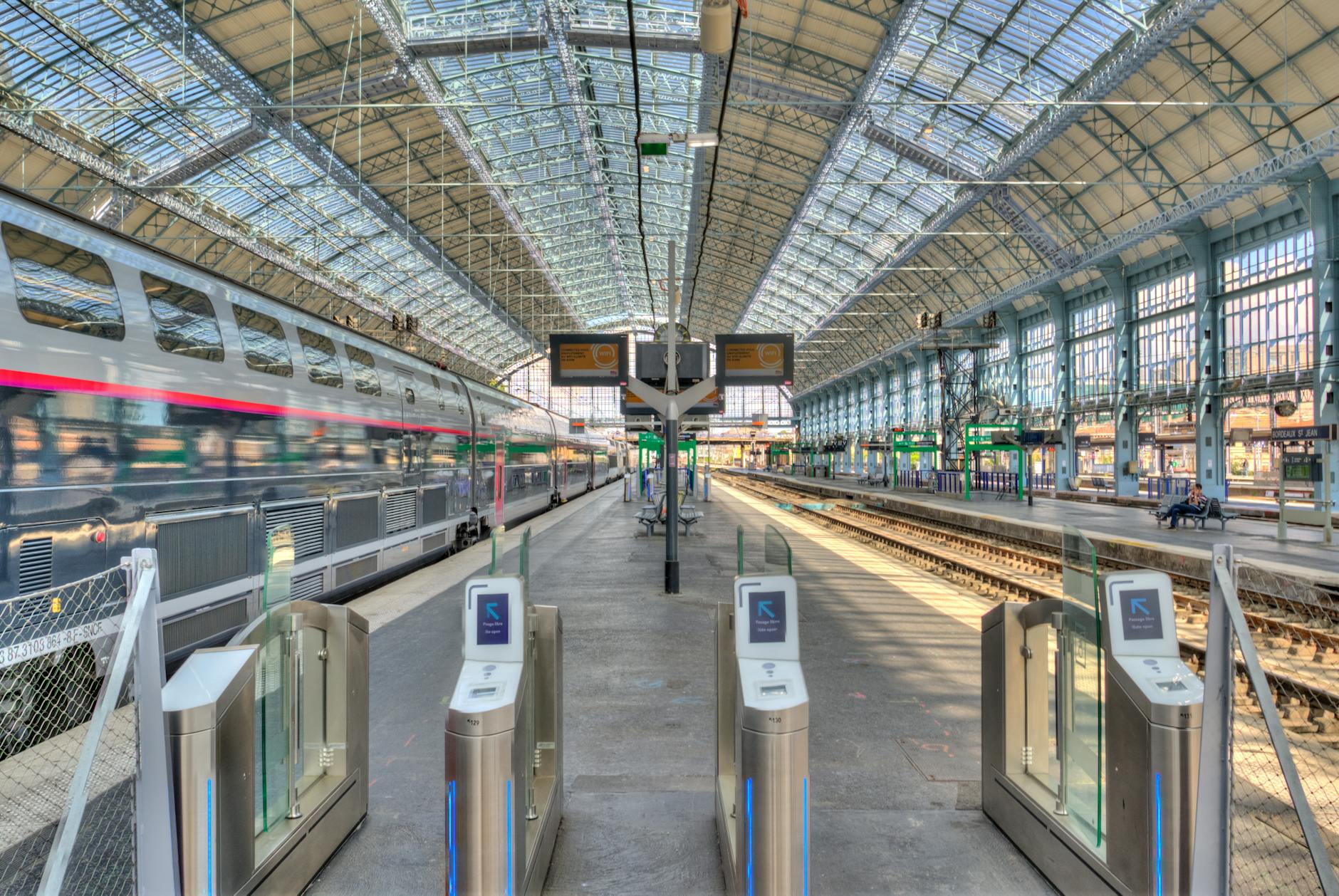
- Use TER (regional) trains from Nice-Ville for Antibes, Cannes and Marseille—they’re frequent and scenic along the coast.
- Take the tram from the airport to the city (check the current route name/number at the airport screens).
- Rent a bike for short trips and local errands; use Vélo Bleu stations or a local e-bike provider.
Practical short wins: carry a small daypack, a collapsible water bottle, and a pair of shoes for pebble beaches.
Local Context
Neighborhood realities:
- Vieux Nice (Old Town): very walkable but narrow, often pedestrianized. Avoid driving; small deliveries and taxi access only.
- Jean Médecin and Masséna: main shopping axis and tram spine with larger stores and tram stops.
- Port Lympia: lively seafood restaurants and ferries; good for early-morning fish markets and sunset walks.
- Cimiez and Liberation: quieter, residential; Liberation market is a strong local food scene on Saturday mornings.
Seasonal patterns:
- High season (July–August): crowded beaches, slower trams and bus boarding; plan earlier mornings or evenings for walking.
- Shoulder seasons (April–June, Sept–Oct): best balance of services, milder weather and fewer crowds—ideal for sustainable travel and day trips.
Local etiquette:
- Greet shop staff and drivers with “Bonjour” or “Bonsoir.”
- Validate transport tickets and keep them until inspection; inspectors fine unvalidated tickets.
- On beaches respect private beach operators’ areas and use public access points.
How to Choose Well
Use these rules of thumb:
- Short distances (under 25–30 minutes on foot): walk. You’ll see more and spend locally.
- 30–60 minutes or across the city: tram or bus—fast, cheap, and frequent on main axes.
- Coastal day trips (Antibes, Cannes, Monaco): take the TER train—cheaper than car parking and better for the environment.
- Inland or rural Provence trips (Aix-en-Provence, some hill villages): consider renting a car for a single day; book parking ahead and choose a fuel-efficient vehicle.
Booking tips:
- Buy regional train tickets on SNCF’s app or at machines; during summer reserve in advance for peak times.
- For airport taxis or private transfers after midnight, pre-book to avoid surcharges and long waits.
- If you’ll use public transit several times, a 1–3 day transport pass saves time and reduces single-ticket plastic.
Responsible and Local-First Tips
Make your travel dollars count:
- Take trains and trams where possible; they reduce emissions and support public services.
- Buy food at Cours Saleya and Liberation markets from local vendors rather than chains.
- Choose small, family-run restaurants in side streets off Vieux Nice for dinner.
- Use bike-share or walk short trips instead of taxis inside the city.
- If driving to villages, stop at local boulangeries, markets and craft shops to spread benefits beyond the town center.
Waste and water:
- Bring a refillable bottle—water fountains and many cafés will refill for free.
- Carry a small bag for trash; dispose at official bins rather than leaving on beaches or cliffs.

Common Mistakes to Avoid
Short, practical warnings:
- Don’t assume taxis are cheaper or faster than trams during peak hours—traffic and surcharges add up.
- Don’t plan to drive into Vieux Nice—streets are narrow and signed for deliveries only.
- Don’t wait to buy train tickets on very busy summer Sundays—machines can queue and trains fill quickly.
- Don’t forget that many Nice beaches are pebbled; bring water shoes if you want comfortable swimming.
- Don’t confuse regional and long-distance ticketing—TER regional trains may not allow seat reservations, while TGV long-distance trains do.
Small planning fixes often save time and money: validate tickets, carry a map, and check tram schedules before peak events.
FAQ
What’s the best way to get from Nice Côte d'Azur Airport to the city center?
The tram link from the airport is cheap and frequent—check the current tram route at arrival screens. Airport shuttle buses and pre-booked taxis are alternatives for large luggage or late arrivals.
Should I buy a transport pass for three days?
If you plan multiple tram or bus trips, a 2–3 day Lignes d'Azur pass usually pays off. For one or two short trips, single tickets or a day pass may be better. Regional trains to Antibes or Cannes require separate tickets.
How easy is it to visit Antibes, Cannes or Marseille from Nice?
Antibes and Cannes are straightforward by TER train—frequent, 20–40 minutes along the coast. Marseille is farther (often 2–3 hours by train); consider an early start and book SNCF tickets in advance for best fares.
Is renting a car necessary?
No for central Nice or the classic coastal day trips—trains and buses cover them. Rent a car for inland villages (e.g., hilltop Saint-Paul-de-Vence) or if you need flexible rural access; reserve parking in advance and pick a fuel-efficient model.
Are bike or e-scooter rentals safe in Nice?
Central seafront and dedicated cycle lanes are bike-friendly. Use designated bike lanes, lock bikes at official stands and prefer Vélo Bleu for short trips. Watch for heavy pedestrian flows in Vieux Nice.
Conclusion
Nice rewards a low-impact approach: walk its core, use trams and regional trains for shore-side day trips, and pick a car only when the destination requires it. Pair this transport approach with our main 3 days in Nice itinerary to structure neighborhoods by day, and use trains to extend easy, sustainable visits to Antibes, Cannes and Marseille. Small choices—market purchases, bike use, validated tickets—help keep Nice enjoyable for locals and visitors alike.
How this guide was prepared
This guide was prepared through a structured research that combines destination research, geographic context, itinerary planning logic, and content review.