

Responsible travel in Porto: reduce impact and support local businesses
Practical, local-first advice for responsible travel in Porto: transport, markets, neighbourhood choices, and concrete ways to support local businesses.
How to travel in Porto responsibly: where to eat, how to use public transport, what to avoid at peak times, and which local businesses to support.
Quick Answer
Use Porto's public transport with an Andante card and take Tram 1 to Foz or the Metro to Trindade instead of taxis; prioritize local markets like Mercado do Bolhão and cooperative businesses in Cedofeita to lower impact. Skip long Ribeira boat tours and use the short Douro ferry across to Vila Nova de Gaia for a cheaper, lower-footprint river crossing.
Who This Page Is For
This page is for travellers planning a 1–5 day visit to Porto who want concrete, low-impact choices and local businesses to support. Day-trippers from cruise ships with very limited time may find only a subset of these suggestions practical.
Key Takeaways for Porto
- Use an Andante reusable card for multi-day travel and validate on Metro and STCP trams to avoid single-use tickets and extra cost.
- Catch Tram 1 from Infante to Passeio Alegre to reach Foz do Douro for a low-impact riverside ride instead of crowded motorboat tours.
- Visit Mercado do Bolhão for local produce and DOP or Taberna dos Mercadores for responsible dining; expect a main course from €9–€18 at modest local restaurants.
- Avoid peak hours at Livraria Lello (11:00–15:00); choose Serralves Museum and Park on weekday mornings for a less crowded cultural visit.
How This Page Was Prepared
This page was prepared through a structured editorial workflow that combines destination research, geographic context, and practical travel-planning review.
Plan the Rest of Your Trip
Use this page together with the full itinerary and the related planning pages below to make better booking, timing, transport, and budget decisions.
Prioritize public transport with an Andante reusable card, use Tram 1 for a riverside ride to Foz do Douro, and favour local markets and small restaurants over large, tourist-focused operators. For river access, use the short Douro ferry between Cais de Ribeira and Vila Nova de Gaia instead of a long commercial tourist cruise; ferries are cheap and take a few minutes.
Plan visits to high-demand sites early weekday mornings: Livraria Lello and São Bento are busiest 11:00–15:00. For culture that keeps revenue in Porto, choose Serralves Museum and Park or small cooperatives and private galleries in Cedofeita and Rua do Bonjardim.
This page answers one specific question: how to visit Porto while lowering environmental impact and directing spend to locally owned businesses. Many visitors underestimate how much footprint is created by short taxi rides, paid tourist attractions that funnel money out of the city, and crowded peak-hour visits that strain local neighbourhoods. Practical, verifiable choices matter: using an Andante transport card, choosing STCP trams or the Metro, buying food at Mercado do Bolhão, and dining at locally owned taverns all make a measurable difference.
This guide avoids vague instructions and gives named businesses, realistic prices, and transit options. Recommendations are focused on a short stay and on behaviours that make a real difference for neighbourhoods such as Ribeira, Baixa, Cedofeita, and Foz do Douro. The goal is a useful companion to the 3 days in Porto itinerary: apply these choices to the main plan to reduce impact and support local owners.
What This Page Helps You Decide
This guide helps decide which transport and attraction choices reduce carbon, crowding, and economic leakage from Porto. Specific trade-offs are covered: when to ride Tram 1 vs a taxi, when to take the Metro from Francisco Sá Carneiro Airport, and when a paid attraction funnels money to local owners versus a larger external operator.
It also helps choose where to eat and buy goods so spending stays in Porto. Decide between a riverside tourist cruise and a short ferry crossing; between Livraria Lello at peak times and visiting Serralves on a weekday; and between a tourist-tied wine tour in Gaia and a local vinho verde tasting in a small Gaia cooperativa.

Top Recommendations
Transport: buy an Andante reusable card at Metro stations or at PortoCampanhã machines and top it up for multi-day travel. Validate the card on Metro, STCP trams, and some buses to avoid single-use tickets. From Francisco Sá Carneiro Airport, take the Metro (Andante valid) to Trindade or São Bento for roughly 30–40 minutes depending on connections; this reduces taxi emissions and is usually faster during peak times.
River and harbour choices: skip long commercial Douro cruises when the goal is a short crossing or view. Use the Douro ferry (Transtejo lines that run short crossings between Cais da Ribeira and Gaia) or ride Tram 1 from Infante to Passeio Alegre to reach Foz do Douro. Both options are lower-impact and keep revenue local.
Markets and food: shop at Mercado do Bolhão for fruit, fish, and small producers. For meals, prioritise locally owned places: Taberna dos Mercadores (Rua dos Mercadores) for small-plate Porto dishes, Adega São Nicolau for regional seafood, and Casa Guedes for a pork sandwich. Avoid chain eateries on Rua de Santa Catarina and the riverside restaurant strip that are often foreign-owned or tourist-run.
Local experiences and alternatives: Livraria Lello draws heavy visitors; visit early or buy a timed ticket that turns into a book voucher, or instead spend time at Serralves Museum and Park (weekday mornings are quiet). For port wine visits, avoid the largest commercial cellars in Gaia during midday; book a small guided tasting at Offley or Quinta dos Corvos, or use a cooperative like Adega de Vila Nova for a shorter, local-focused tasting.
Seasonal and behavioural choices: travel in shoulder months (April, May, September, October) to cut crowd pressure and get cooler but pleasant weather. Walk short distances instead of taking taxis inside Baixa and Ribeira; many streets are narrow and walking preserves air quality and noise levels for residents. For souvenirs, buy from local artisans on Rua Miguel Bombarda or the small stalls at Mercado do Bolhão rather than mass-produced items on the riverside.
Local Context
Porto's topography concentrates visitors into a few narrow neighbourhoods: Ribeira, Baixa, and the bridge area leading to Vila Nova de Gaia. Those streets were built for local traffic, not large tourist flows. Overconcentration at midday increases noise and queuing pressure for residents who use those routes daily.
Public transport is run by Metro do Porto and STCP buses/trams. The Andante card is the standard reusable ticket system across these modes. Many local businesses are small family operations with tight margins; that applies to taverns in Miragaia and fishmongers near Matosinhos. Seasonal visitors spike in July and August; choose shoulder months to reduce pressure on local services and housing markets.
Culinary culture includes francesinha, bacalhau dishes, and petiscos (small plates). Producing and selling port wine is concentrated on the Gaia bank, where several large cellars are tourist-focused but smaller operators and cooperatives still sell direct to visitors. Supporting those smaller operations keeps a larger share of spending in the Porto economy.

How to Choose Well
Start by matching priorities: if lowering emissions is top, prefer Metro and trams and avoid taxis for journeys under 5 km. If economic support for local owners is the goal, prioritise purchases at Mercado do Bolhão, small restaurants in Cedofeita, and cooperative tastings in Gaia.
Weigh time vs impact: a paid tourist cruise on the Douro can take 2–3 hours and funnels money to tour operators; a ferry crossing takes 5–10 minutes and still offers river views while keeping spend local. For cultural visits, a timed ticket at Livraria Lello supports the bookshop but crowds the immediate area; if crowding matters more, buy the ticket and schedule an early visit or choose Serralves for longer free-range green space.
Consider cost trade-offs: local taverns often list mains from about €9–€18; a tourist riverside restaurant may double that for similar dishes. A Metro ride with an Andante card is usually cheaper than a taxi for airport transfers and reduces per-passenger emissions. Choose weekday mornings for popular sites to reduce crowding impact and shorter waits.

Responsible and Local-First Tips
Spend where owners are local: buy fruit, cheese, and jars at Mercado do Bolhão, choose pastry shops like Confeitaria do Bolhão or Padaria Ribeiro over international chains, and buy ceramics from independent makers on Rua das Flores or Rua Miguel Bombarda.
Choose transport that keeps money in the city: use Metro and STCP tram lines and reload an Andante card rather than relying on app-only international ride-hail services for short trips. When booking port wine tastings, prefer small operators (Offley cellars or Quinta dos Corvos) or cooperative producers in Gaia so tasting fees stay with local producers.
Behavioural specifics: visit Livraria Lello with a timed ticket and consume the voucher as a book purchase; avoid blocking sidewalks outside São Bento during peak photo times and step aside for local commuters on Rua de Santa Catarina. If staying in short-term rentals, follow household waste separation rules printed on apartment notices and use reuse options for bottled water — refill at public fountains where available.

Common Mistakes to Avoid
Relying on taxis for short inner-city trips increases cost and carbon. The Metro and STCP cover most central journeys and an Andante card is straightforward to use.
Concentrating visits at Livraria Lello and Cais da Ribeira at midday adds to queues and reduces resident access. Spread visits to early mornings or consider alternatives like a walk through Cedofeita galleries or Serralves Park.
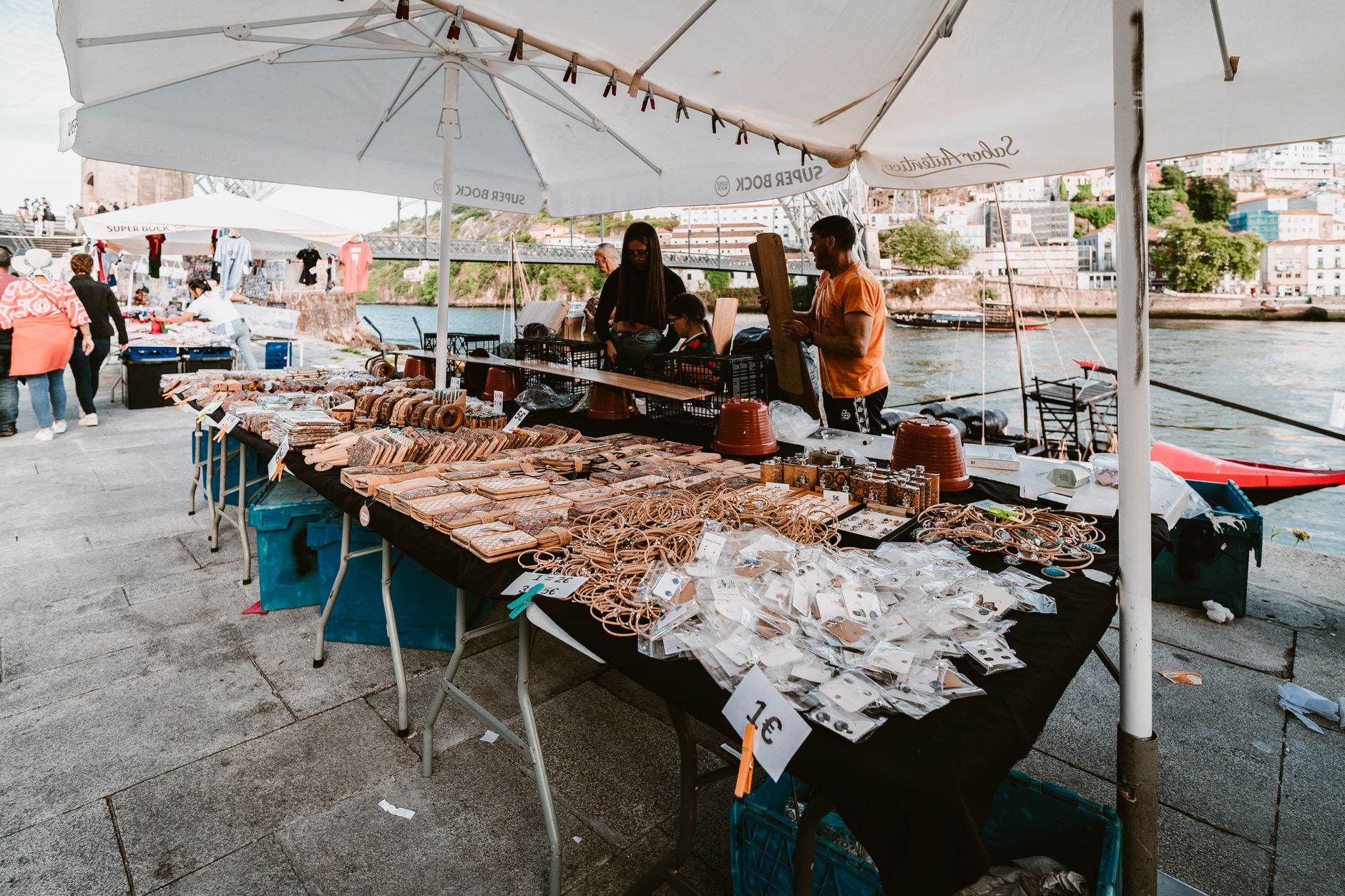
Buying souvenirs from riverside stalls often supports intermediaries rather than Porto artisans. Choose purchases from shops on Rua Miguel Bombarda or the Mercado do Bolhão artisan stalls to keep money with makers and reduce import-driven products.
FAQ
How much does public transport cost with an Andante card?
An Andante reusable card must be purchased (card fee varies by vendor) and then loaded with zone fares; a multi-day top-up is usually cheaper per trip than single paper tickets — check Metro do Porto machines for exact zone pricing.
What's the easiest way from Francisco Sá Carneiro Airport into central Porto?
Take the Metro from the airport to Trindade (transfer if needed) using an Andante card; it takes about 30–40 minutes and is the most reliable option during peak traffic.
Are Douro tourist cruises necessary to see the river?
No. Short Douro ferry crossings and Tram 1 rides provide river views at lower cost and lower environmental impact. Reserve a longer cruise only if the itinerary requires a multi-hour river experience.
When are the least crowded times for Livraria Lello and São Bento?
Early weekday mornings (before 10:30) and late afternoons after 16:00 are typically quieter. Avoid 11:00–15:00 when tour groups peak.
Where to find authentic local food that supports Porto businesses?
Mercado do Bolhão, Taberna dos Mercadores (Rua dos Mercadores), Casa Guedes (Praça dos Poveiros area), and small seafood taverns in Matosinhos are local-first choices.
Is it better to book port cellar visits in Vila Nova de Gaia or in Porto?
Book smaller Gaia operations or cooperatives for tastings that channel money to local producers; large cellars are more tourist-oriented and busier at midday.
Best months to visit to reduce crowding?
April, May, September, and October offer fewer tourists than July–August while still providing mild weather and open services.
Conclusion
One clear rule simplifies responsible travel in Porto: prioritise transport and purchases that keep time and money inside the local economy. Use an Andante card for Metro and tram travel, take Tram 1 or the short Douro ferry for river views, and spend at Mercado do Bolhão and small, family-run taverns such as Taberna dos Mercadores. Plan visits to high-demand attractions outside 11:00–15:00 and prefer shoulder seasons like April or September when possible.
Apply these choices directly to a 3-day Porto plan: replace long tourist cruises with ferries, reserve one Serralves morning instead of a crowded midday at Livraria Lello, and allocate meal budgets to local taverns and markets to ensure the biggest local benefit.
How this guide was prepared
This guide was prepared through a structured research that combines destination research, geographic context, itinerary planning logic, and content review.