
Getting Around Shanghai — Practical, Responsible Transport Advice
How to navigate Shanghai efficiently and sustainably: metro, buses, bikes, taxis, Maglev and high‑speed rail to nearby cities (Suzhou, Hangzhou, Wuxi). Practical tips for the 3 days in Shanghai itinerary and day trips.
Fast, low‑impact ways to move around Shanghai and reach nearby destinations. Clear advice on the metro, public transport card, bike share, airport transfers, and booking high‑speed trains for Suzhou, Hangzhou and more.
Quick Answer
Fast, low‑impact ways to move around Shanghai and reach nearby destinations. Clear advice on the metro, public transport card, bike share, airport transfers, and booking high‑speed trains for Suzhou, Hangzhou and more.
Who This Page Is For
This page is for travelers planning a stay in Shanghai who want clearer decisions about getting around, local logistics, timing, budgeting, and practical trip planning.
How This Page Was Prepared
This page was prepared through a structured editorial workflow that combines destination research, geographic context, and practical travel-planning review.
Plan the Rest of Your Trip
Use this page together with the full itinerary and the related planning pages below to make better booking, timing, transport, and budget decisions.
Use the Shanghai Metro plus a public transport card for most city travel; ride-share or taxi for late nights or luggage. For Suzhou, Hangzhou and other nearby cities, take high‑speed rail from Hongqiao Station. From Pudong Airport, Metro Line 2 or the Maglev to Longyang Road are fastest public options; Hongqiao Airport is directly linked to the high‑speed rail hub. Plan extra time during peak hours and in typhoon season.
This page is a practical transport guide to support your 3 days in Shanghai itinerary and quick day trips to nearby cities like Suzhou, Hangzhou, Wuxi, Ningbo and Changzhou. It focuses on low‑impact, reliable options: the metro for most urban travel, shared bikes for short hops, and high‑speed rail for regional trips. Expect clear English signage on major routes, busy peak hours, and easy digital ticketing. Use this to choose the best mix of comfort, speed and sustainability for your plans.
What This Page Helps You Decide
- How to reach central neighborhoods (People's Square, Bund, French Concession) from Pudong International (PVG) and Hongqiao (SHA).
- Whether to use Metro, taxi/Didi, bike share, Maglev or airport shuttle for specific legs of your trip.
- How to book and time high‑speed trains for day trips to Suzhou and Hangzhou.
- When to favor walking, low‑impact options and local businesses during the 3-day itinerary.
- Practical packing and luggage advice for transfers and stations.
Top Recommendations
1) Buy a Shanghai Public Transport Card (Jiaotong/Shanghai Transportation Card) at metro stations or top up with Alipay/WeChat for easy metro, bus and some taxi payments.
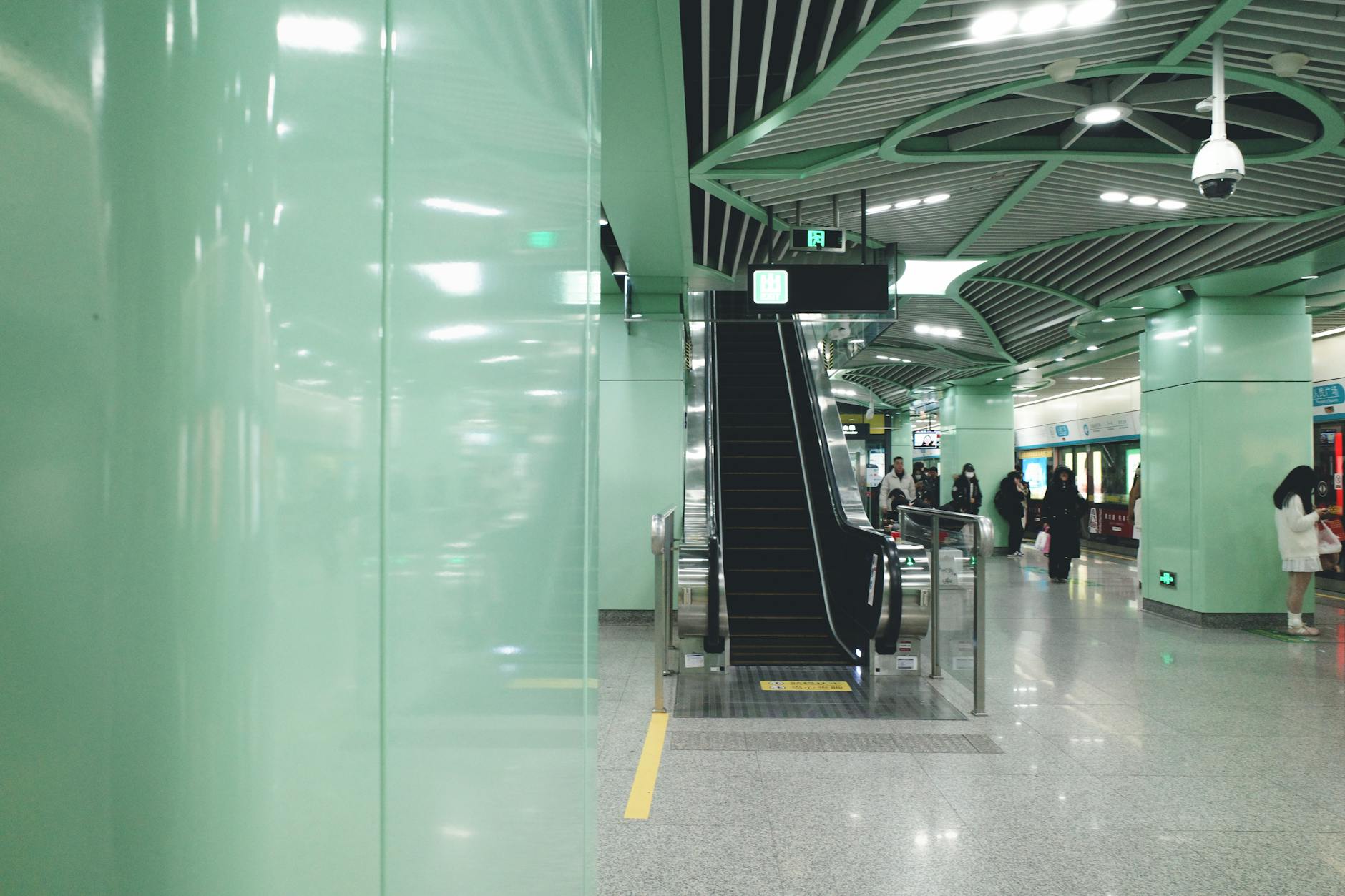
2) Prioritise the Metro for speed, price and coverage. Key lines for visitors: Line 2 (Pudong-People's Square-Hongqiao), Line 1 and Line 10 (Jing'an, Xintiandi), Line 9/11 for Xujiahui and outskirts.
3) Use Hongqiao Railway Station for high‑speed trains to Suzhou, Hangzhou, Wuxi and Changzhou—book via China Railway 12306 app (use passport) or station ticket desks. Allow 45–75 minutes before departure for security and boarding.
4) For short city trips, HelloBike/OFO/Meituan bike share apps work well; rent dockless bikes for French Concession, Former French Concession lanes and parks.
5) Airport options:
– PVG (Pudong): Maglev to Longyang Road (8 minutes, pricier) or Metro Line 2 (cheaper, ~1 hour).
– SHA / Hongqiao: Metro Line 10/2 and direct connection to Hongqiao Railway Station (fast for regional trains).
6) Take official taxis (metered) or Didi for door‑to‑door service; avoid unlicensed drivers. Carry an address in Chinese for your drop‑off.
Local Context
Seasons and crowds: Shanghai is busiest in spring (March–May) and autumn (September–November) for pleasant weather. Summer is hot and humid; typhoon season (late summer/early autumn) can disrupt trains and flights. Weekday peak commute hours (07:30–09:00 and 17:00–19:00) make the Metro and roads very crowded.
Neighborhoods and travel realities:
– French Concession: best explored on foot or by bike; narrow lanes, cafés and boutiques.
– The Bund and Nanjing Road: crowded tourist cores—arrive early or late evening.
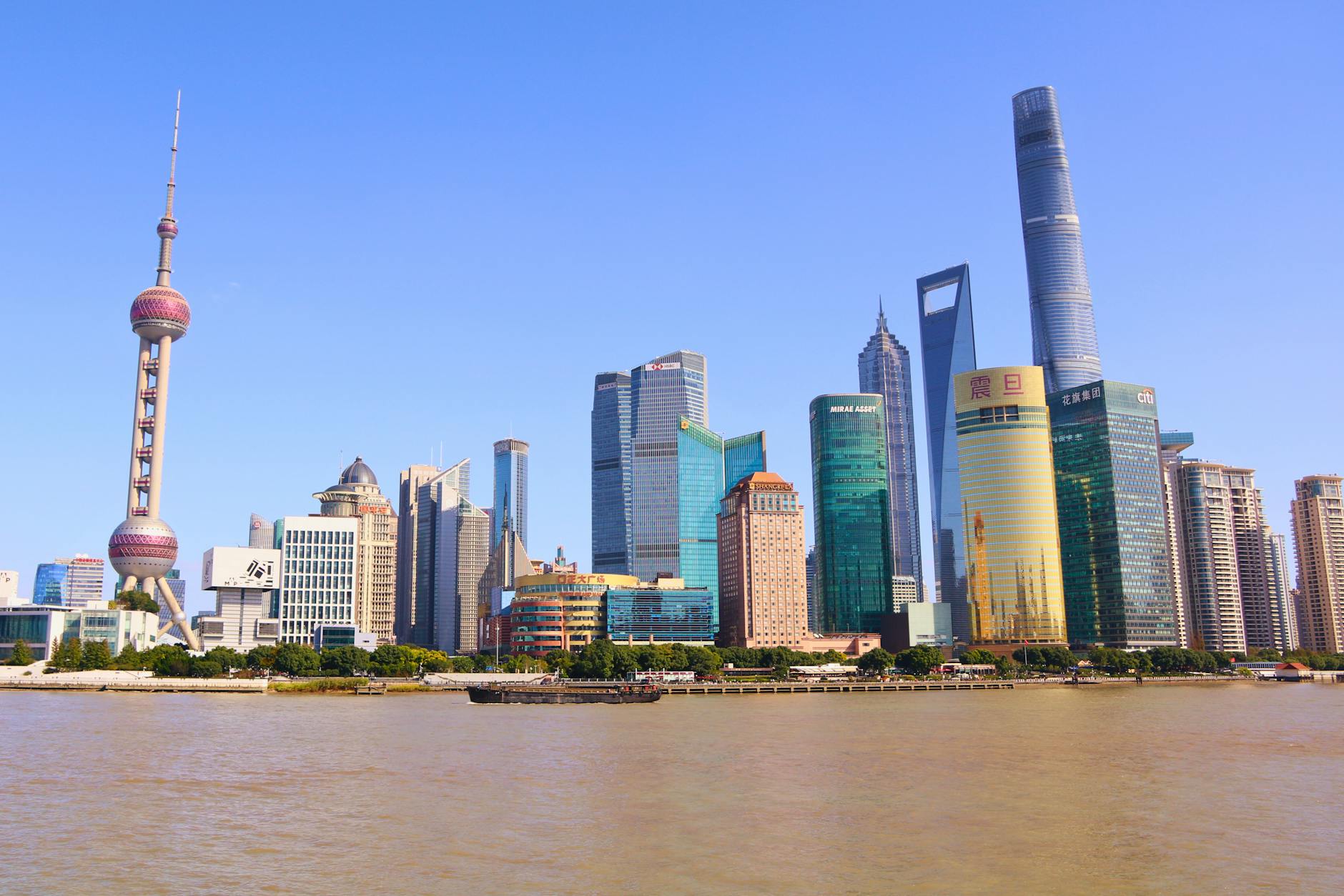
– Pudong (Lujiazui): tall towers, Metro access, but fewer small local businesses; plan return trips by Metro.
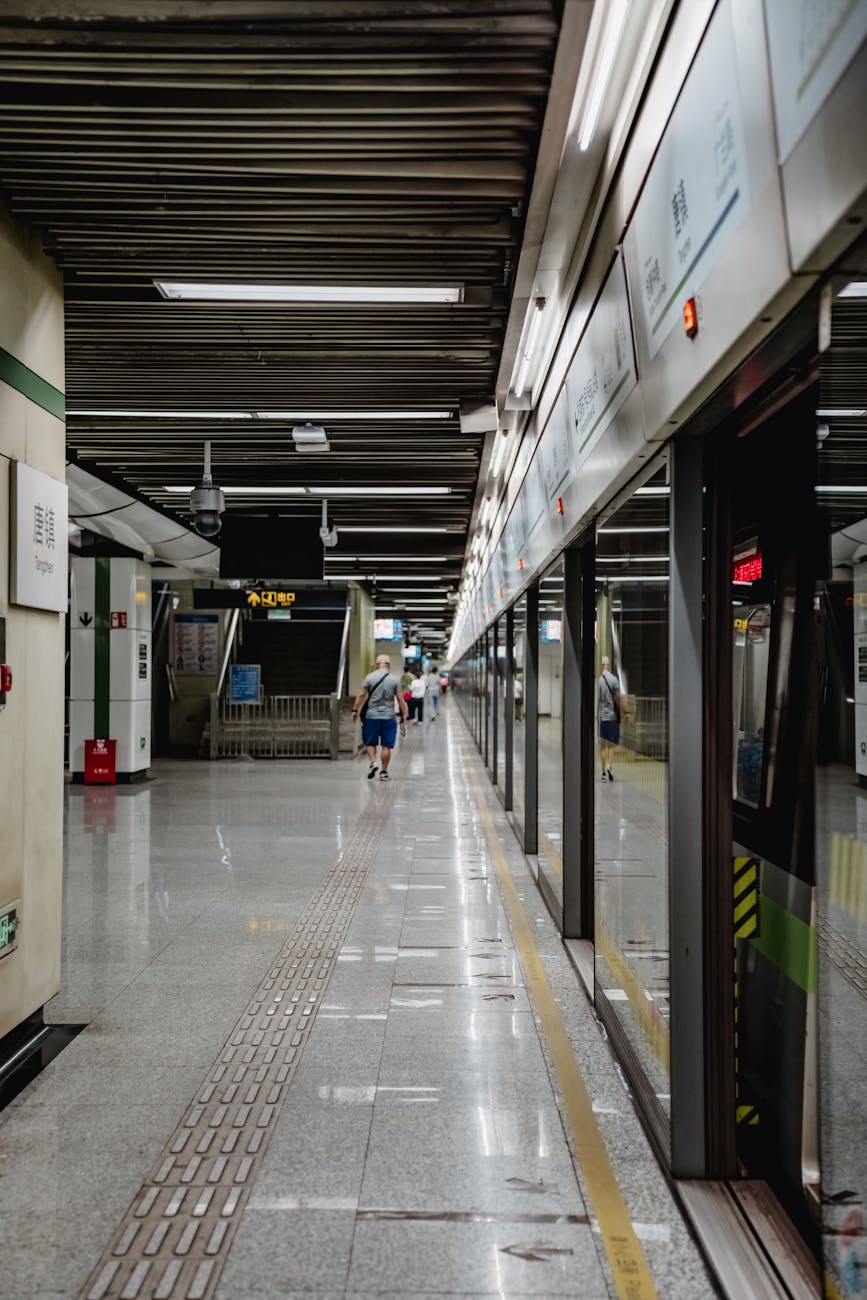
Language and etiquette: English is common at major stations and tourist sites; have key addresses in Chinese for taxis. Queue at platforms, keep voices low on public transit, and offer seats to elderly riders.

How to Choose Well
Match mode to the trip length and luggage:
– Short inner‑city (≤5 km, light luggage): walk or bike. You’ll see more local shops and small vendors.
– Medium city trips (5–20 km): Metro for speed and reliability; taxi if traveling with heavy luggage or late at night.
– Airport to city: For budget, use Metro; for speed with moderate cost and luggage, taxi from Hongqiao; for novelty and speed, Maglev from Pudong if schedules align.
– Day trips: High‑speed rail from Hongqiao for Suzhou/Hangzhou. Book earlier in shoulder seasons to secure preferred departure times.
Also factor in: comfort needs, mobility constraints, group size, and desire to support smaller businesses (choose local cafés and taxis owned by drivers rather than international chains).
Responsible and Local-First Tips
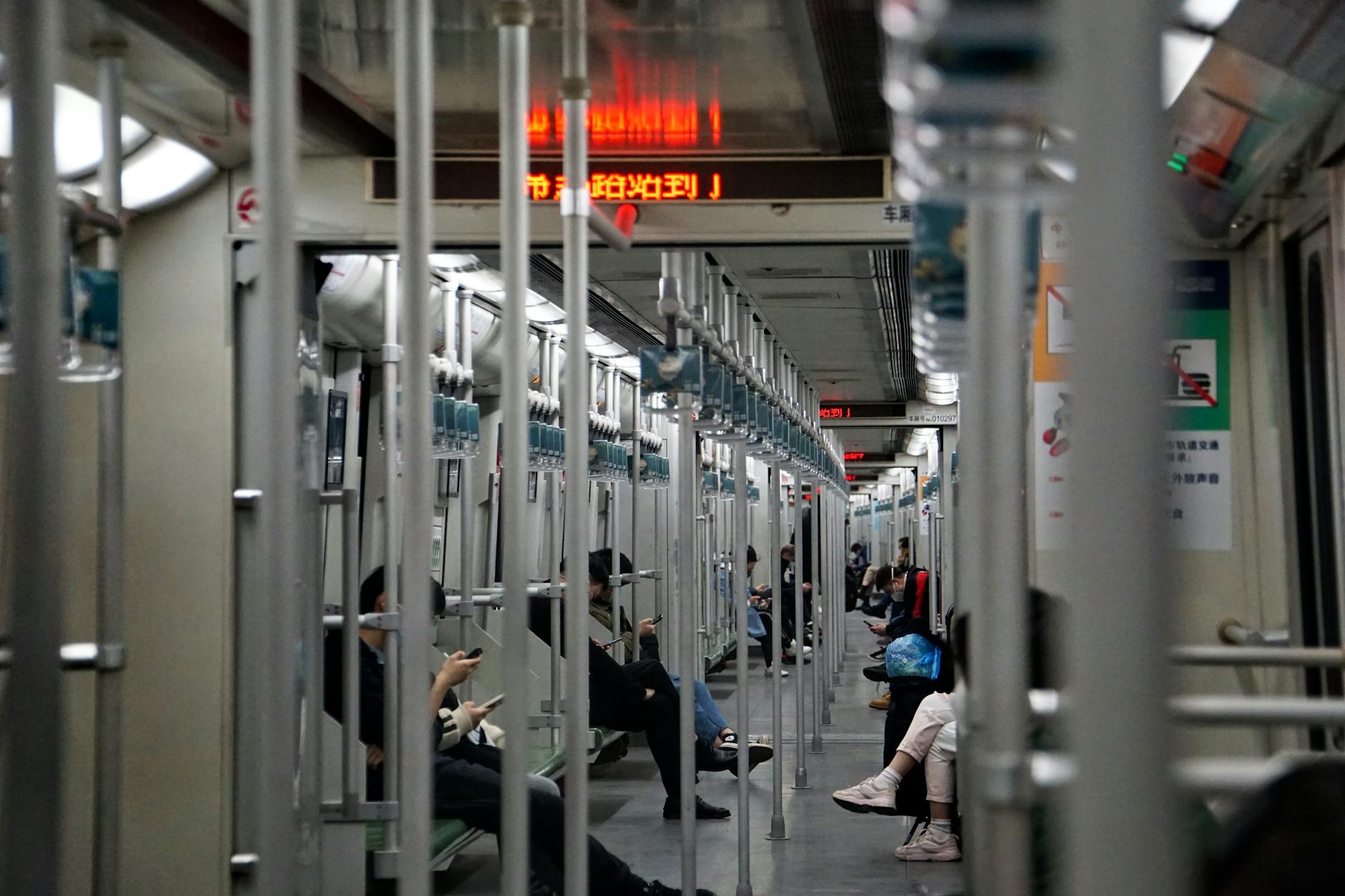
- Use the Metro and bike share to reduce emissions and congestion.
- Shop and eat in neighborhood markets and family‑run restaurants, especially in the French Concession, Jing'an and old lanes near Yuyuan Garden.
- Avoid single‑use plastics by carrying a reusable bottle; many stations have water refill points.
- Respect local norms: queue properly, keep noise down in trains, and follow staff directions during weather disruptions.
- Choose high‑speed rail over domestic flights for regional trips when time allows; it’s lower carbon and supports local rail workers and small station vendors.
- Tip culture: tipping is not expected; instead spend modestly at a local café or buy a souvenir from an artisan vendor.
Common Mistakes to Avoid
- Not getting a transport card: single tickets add friction and waste time.
- Underestimating transfer times at Hongqiao Railway Station and large terminals—arrive 45–75 minutes early for HSR departures.
- Counting on Didi without local verification: set up payment and verify your mobile number before needing a ride.
- Relying on taxis during peak hours: traffic can double travel time—prefer the Metro.
- Carrying oversized luggage into narrow lanes: store big suitcases at station lockers or ask your hotel for early check‑in/drop‑off.
- Ignoring seasonal risks: check weather forecasts in typhoon season for train and ferry cancellations.
FAQ
How do I get a Shanghai Public Transport Card and top it up?
Buy the card at metro station customer service counters or vending machines. Top up at machines, station counters, convenience stores, or via Alipay/WeChat if you have an account. Card works on Metro, buses and some taxis.
Is the Metro easy for non‑Chinese speakers?
Yes—major stations and trains have English signage and announcements. Keep a map or metro app handy for transfers and check exit numbers; stations have multiple exits leading to different streets.
What’s the best way to visit Suzhou or Hangzhou as a day trip?
Take a high‑speed train from Shanghai Hongqiao Station to reach Suzhou in ~25–30 minutes and Hangzhou in ~45–60 minutes. Book via the China Railway 12306 app (passport required) or at station counters. Aim for early departures and late returns to avoid rush hours.
Is the Maglev worth taking from Pudong Airport?
The Maglev is fast (about 8 minutes to Longyang Road) and a neat experience, but it’s more expensive than the Metro Line 2. Use it if you value time savings and novelty; otherwise Line 2 is cheaper and direct for many central locations.
Are taxis and Didi safe and easy to use?
Official taxis are generally safe and metered. Didi is convenient but may require phone verification and a local payment method. Always have your destination in Chinese and an estimated fare in mind.
Any luggage and station tips?
Large stations have left‑luggage services and lockers. For HSR, arrive earlier than you would for flights because of security checks and large crowds. Pack a day bag for station shopping to avoid frequent luggage handling.
Conclusion
For a compact, sustainable Shanghai visit, rely on the Metro, public transport card, walking and bike share for city days, and high‑speed rail for nearby cities. Plan transfers to/from Pudong and Hongqiao with extra time in busy seasons. Use the advice here alongside the 3 days in Shanghai itinerary to schedule efficient days and local experiences, and consult linked guides for Suzhou and Hangzhou day trips when planning connections.
How this guide was prepared
This guide was prepared through a structured research that combines destination research, geographic context, itinerary planning logic, and content review.