
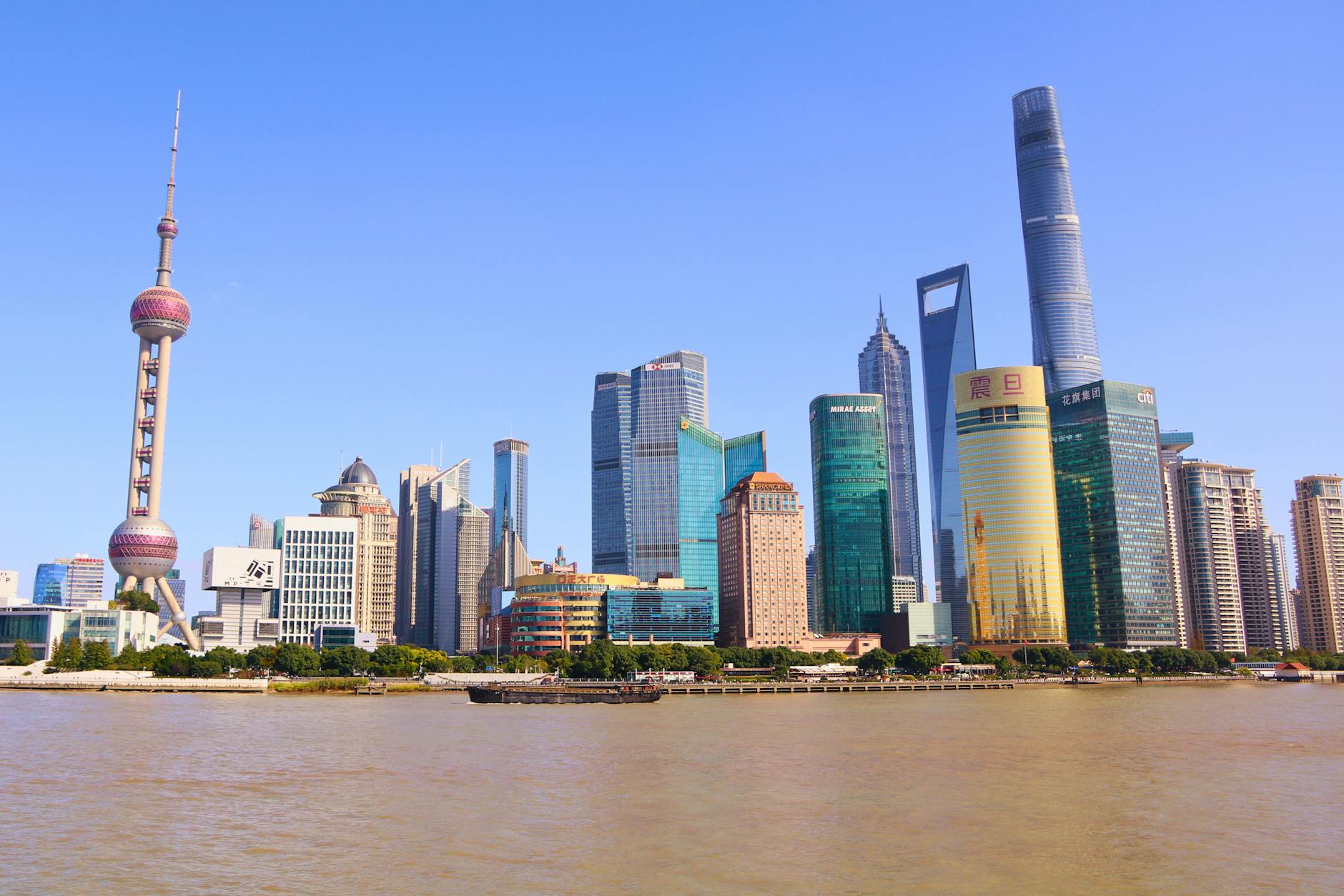
Responsible Travel in Shanghai — Practical Support for a 3-Day Visit
Practical, local-first advice for responsible travel in Shanghai. Learn best neighborhoods, seasonal tips, transport realities, sustainable choices, and day-trip options to pair with the 3 days in Shanghai itinerary.
A concise, practical support page for travelers using the 3 days in Shanghai itinerary. Covers neighborhoods, transport, sustainable tips, seasonal timing, and smart day-trip choices to nearby cities.
Quick Answer
A concise, practical support page for travelers using the 3 days in Shanghai itinerary. Covers neighborhoods, transport, sustainable tips, seasonal timing, and smart day-trip choices to nearby cities.
Who This Page Is For
This page is for travelers planning a stay in Shanghai who want clearer decisions about responsible travel, local logistics, timing, budgeting, and practical trip planning.
How This Page Was Prepared
This page was prepared through a structured editorial workflow that combines destination research, geographic context, and practical travel-planning review.
Plan the Rest of Your Trip
Use this page together with the full itinerary and the related planning pages below to make better booking, timing, transport, and budget decisions.
Best single tip: favor public transport and neighborhood dining over taxis and tourist traps. Quick practical notes:
- Visit in shoulder seasons (March–May, September–November) for milder weather and fewer crowds.
- Buy a Shanghai public transport card (Jiaotong/Shanghai Public Transport Card) for subway and buses.
- Use high-speed rail from Hongqiao to Suzhou, Wuxi, Changzhou or Hangzhou for day trips instead of driving.
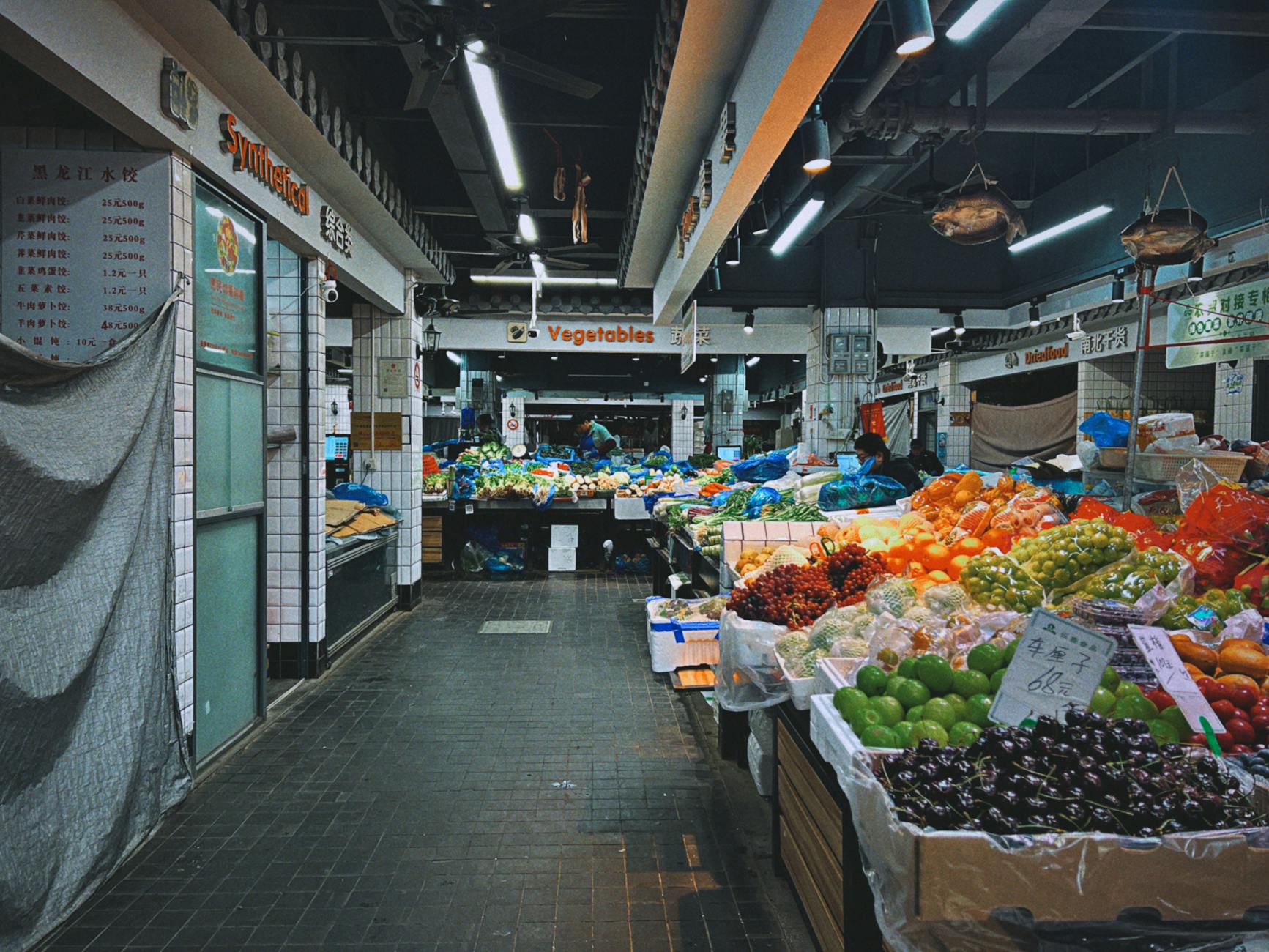
If you’re following the 3 days in Shanghai itinerary, swap a museum morning for a morning market visit to support local vendors and avoid peak crowds in the afternoon.
This page is a compact, practical companion to the main 3 days in Shanghai itinerary. It focuses on making choices that support local businesses, reduce environmental impact, and keep your trip manageable. You'll find neighborhood-level guidance, realistic transport notes, seasonal pointers, and low-impact options for routine decisions like dining, transfers, and short excursions to nearby cities such as Suzhou and Hangzhou.
What This Page Helps You Decide
Use this page to decide:
- Which neighborhoods to prioritize for authentic meals and shops (French Concession, Tianzifang, Jing'an) versus tourist clusters (Nanjing Road, Bund at sunset).
- When to travel: shoulder-season dates, or which hours to avoid on the metro (rush hours 07:30–09:00 and 17:00–19:00).
- How to reach day-trip destinations responsibly: train options and which stations to use (Hongqiao for high-speed rail).
- Which sustainable choices matter most for short urban stays: public transit, refillable water, and small local businesses.
This page is intentionally practical to help you make quick, low-impact choices while following the 3 days in Shanghai guide.
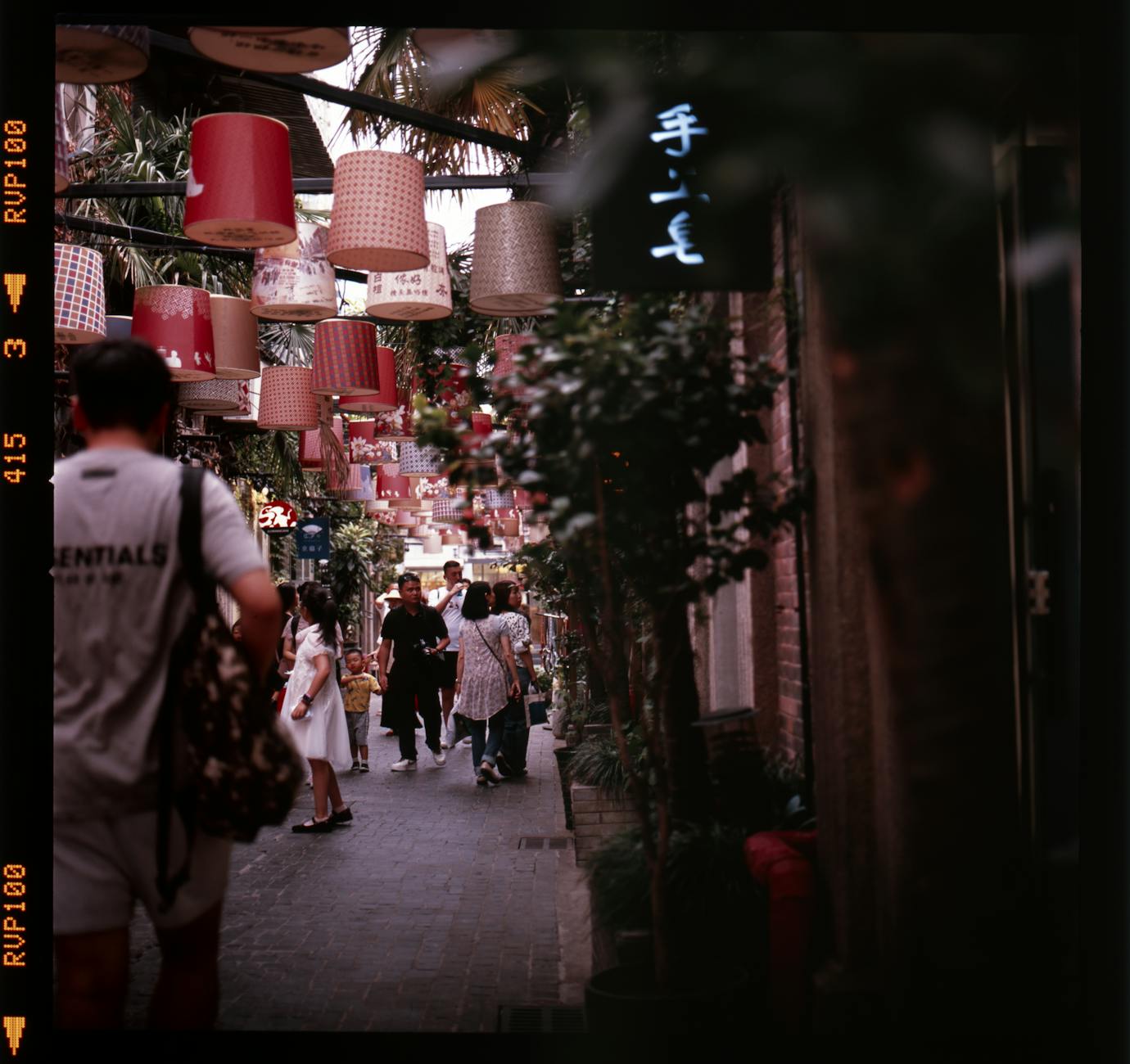
Top Recommendations
Neighborhood and timing picks:
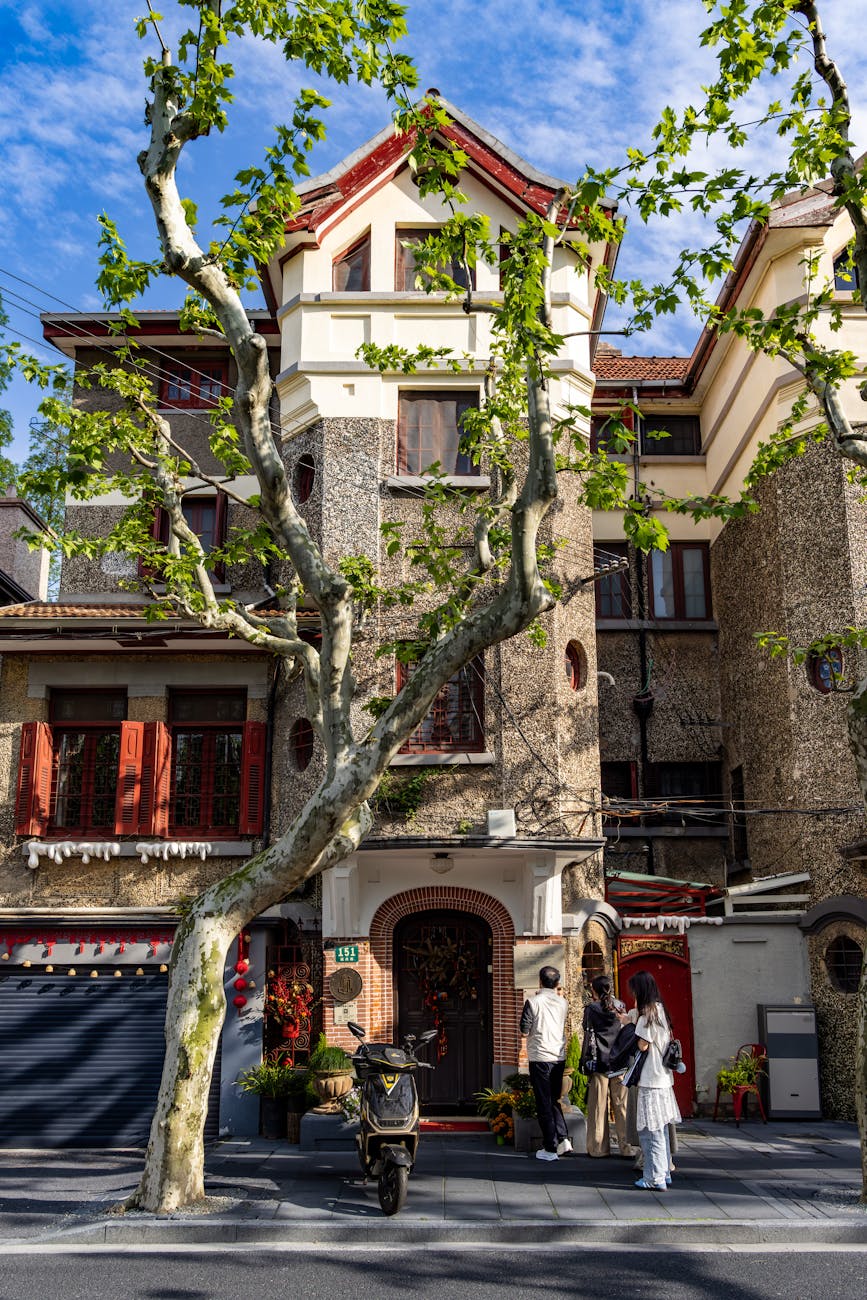
- French Concession (best for cafés, small boutiques, tree-lined walks). Go weekday mornings to avoid weekend crowds.
- Jing'an and Xintiandi (contemporary temples and restored lanes) for a balanced mix of local life and heritage preservation.
- Old City and Yuyuan only early morning or late evening if you want vendors and photography without the midday crush.
Transport and booking:
- Buy a public transport card at metro stations or use a mobile transit card via Alipay/WeChat if set up in advance.
- Book high-speed train tickets early for day trips to Suzhou, Hangzhou or Wuxi—tickets sell out around major holidays.
- For airport transfers, compare cost and emissions: maglev is fast but pricier; metro or shared shuttle are lower-impact choices.
Food and stays:
- Choose family-run restaurants in neighborhoods rather than international chains on Nanjing Road.
- Pick a neighborhood guesthouse or small hotel in the French Concession or Jing'an to channel spending to local staff and suppliers.

Local Context
Practical things about how Shanghai functions:
- Payments: Alipay and WeChat Pay dominate. Some hotels and tourist venues accept international cards; many small vendors prefer mobile payment or cash. Carry some yuan and set up mobile payments if possible.
- Transport: An extensive metro network covers central Shanghai; English signage is common. Taxis are metered; Didi works but requires app registration. Peak-hour crowds are intense—avoid bringing large suitcases on the metro then.
- Accommodations: Many boutique guesthouses operate in older lane houses (shikumen) and channel money directly to local owners.
- Language and etiquette: Basic Mandarin or a translation app helps. Queuing is expected at counters; tipping is not customary. When visiting temples and markets, dress modestly and ask before photographing people.
How to Choose Well
Make choices that reduce impact and support locals:
- Transport: Prefer metro, tram or long-distance high-speed rail. For nearby cities use Hongqiao railway station; trains to Suzhou or Hangzhou are frequent and quick.
- Dining: Look for small, busy neighborhood restaurants, food stalls with active turnover, or listed family-run eateries. Avoid large global chains if your goal is local impact.
- Activities: Book small-group walking tours led by local guides, or workshops with artisans in Tianzifang.
- Timing: Visit major sites early or late to reduce pressure on venues and enjoy better photos and air quality.
Booking tips:
- Reserve popular museums or Shanghai Tower time slots online in advance, especially during national holidays.
- For day trips to Ningbo or Hangzhou, pick train departure times that get you back before metro peak hours to avoid crowded stations.
Responsible and Local-First Tips
Actions that make a real difference:
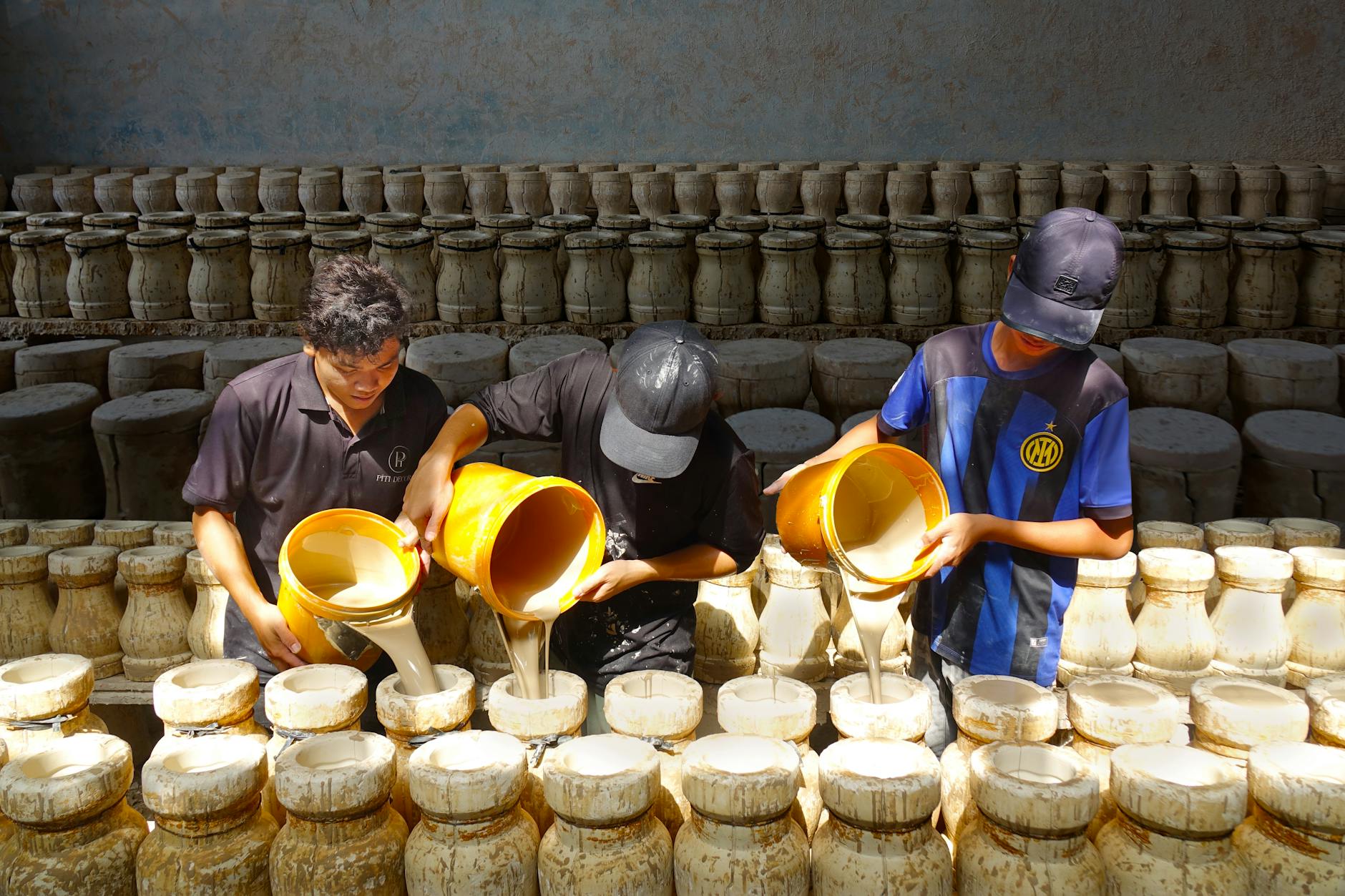
- Support small businesses: prioritize family-run restaurants, independent cafes in the French Concession, and local artisans in Tianzifang.
- Reduce waste: carry a refillable bottle (tap water is not recommended for drinking without treatment), say no to single-use chopsticks or plastic bags when possible, and bring reusable cutlery if you expect takeout.
- Use public transport: the metro and buses reduce emissions and deliver income to the city’s public systems.
- Choose lower-impact souvenirs: buy locally made crafts rather than mass-produced trinkets.
- Respect heritage: follow signage at historic buildings, avoid climbing or leaning on ancient structures, and ask before photographing people in markets or religious sites.
Community-minded behavior:
- Learn a few basic Mandarin phrases and exchange with vendors—this helps small operators more than using translation menus alone.
- If you hire a guide, request fair pricing and consider tipping privately for outstanding local services even though tipping isn’t customary in most places.
Common Mistakes to Avoid
Mistakes that commonly frustrate visitors:
- Relying only on credit cards: many small vendors accept only mobile payment or cash.
- Over-scheduling: trying to see the whole city in one day leads to rushed experiences and supports large tour groups rather than local businesses.
- Ignoring seasonal risks: summers are hot and humid with occasional typhoons; winters are cold and damp—pack accordingly and check forecasts.
- Taking taxis for every short trip: increases cost and carbon footprint and can keep you away from neighborhood life.
- Not checking train logistics: leaving day-trip trains from Pudong Airport is slower; use Hongqiao for high-speed connections when possible.
Avoid these to keep your visit lower-impact and more rewarding.
FAQ
When is the best time to visit Shanghai for fewer crowds and good weather?
The shoulder seasons—spring (March–May) and autumn (September–November)—offer milder temperatures, clearer skies, and fewer domestic tourists than summer or national holiday weeks.
How can I pay like a local?
Set up Alipay or WeChat Pay ahead of arrival if possible. Carry some cash (yuan) for small stalls and buy a Shanghai public transport card for convenience.
Is the maglev worth taking?
The Maglev is fast and novel for the trip between Pudong Airport and Longyang Road, but it’s more expensive than metro. For lower impact and cost, take the metro or airport shuttle.
Which day trips pair well with a 3-day Shanghai itinerary?
Suzhou and Hangzhou are both excellent by high-speed train from Hongqiao (30–60 minutes to Suzhou and about 50–70 minutes to Hangzhou). Wuxi and Changzhou are shorter rail trips. Ningbo is reachable by high-speed rail but is a longer day trip—consider an overnight if you want to explore it well.
Any etiquette tips for markets and temples?
Ask before photographing individuals, avoid loud behavior, queue patiently, and respect any no-photography or no-touch signage in religious sites.
Conclusion
Shanghai rewards travelers who slow down and choose local-first options. Use public transport, eat in neighborhood eateries, and time visits outside peak hours. This support page is meant to pair with the 3 days in Shanghai itinerary: use it to swap a crowd-heavy stop for a market visit, plan a sustainable day trip to Suzhou or Hangzhou, and make choices that benefit local people and the environment. Small decisions—where you eat, how you travel, and which vendors you support—add up to more responsible travel.
How this guide was prepared
This guide was prepared through a structured research that combines destination research, geographic context, itinerary planning logic, and content review.