
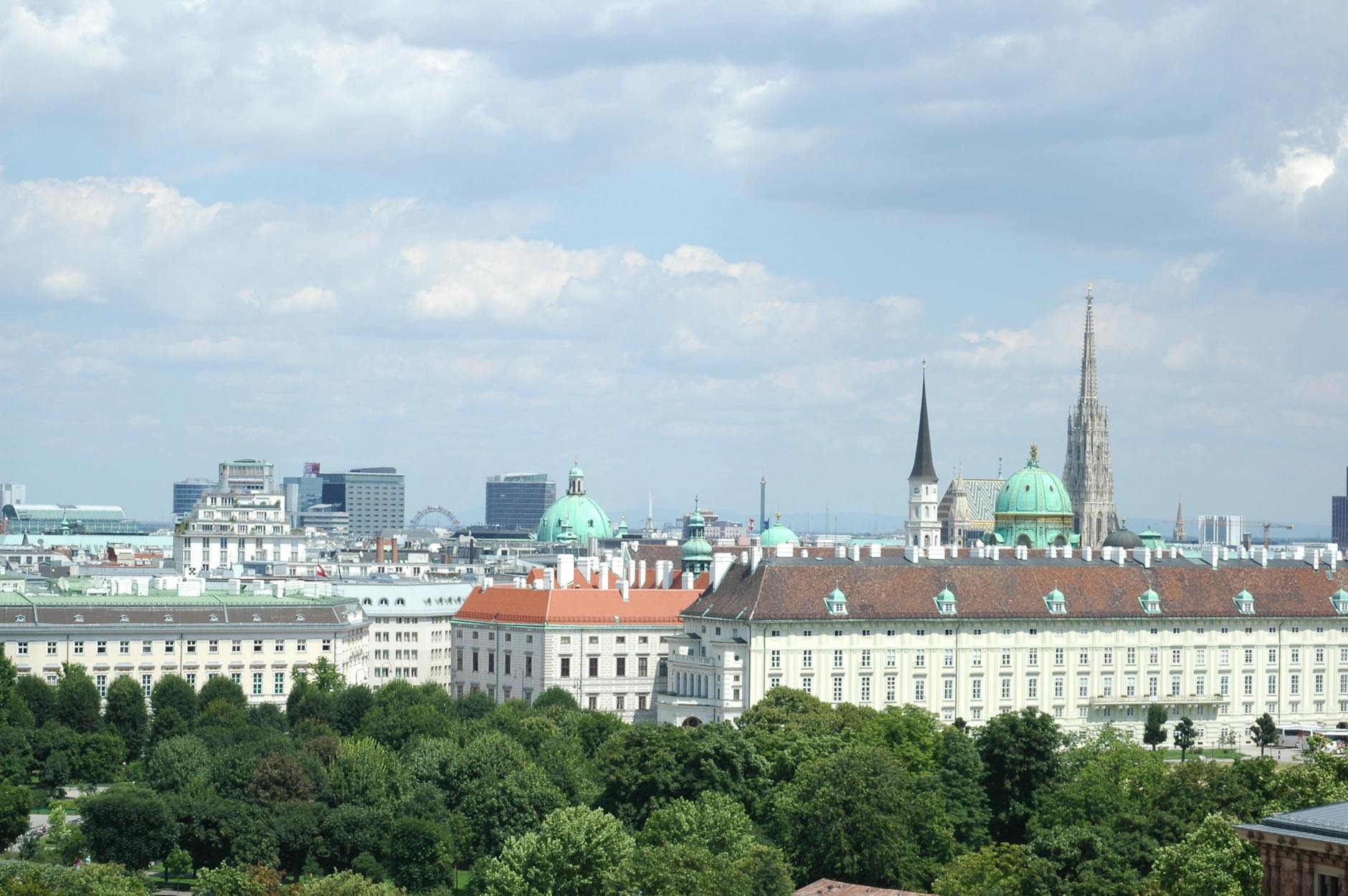
Getting Around Vienna — Practical Transport Guide for a 3-Day Visit
How to move around Vienna efficiently and sustainably during a short stay: U-Bahn, trams, walking, bikes, airport transfers and smart choices for day trips to Bratislava, Budapest, Salzburg and beyond.
For a short, three-day visit: base yourself near a U-Bahn line (Innere Stadt, Neubau/Mariahilf, or near Westbahnhof/Hauptbahnhof), buy a 48- or 72-hour Vienna public-transport pass or use single tickets if you prefer pay-as-you-go, and rely on trams for scenic cross-town trips. Reserve Railjet trains early for longer day trips (Salzburg, Graz, Innsbruck) and take regional trains to Bratislava or Budapest. See the companion 3 days in Vienna guide for site-by-site walking routes and timed museum visits.
This page is a compact, practical guide to getting around Vienna and supports the 3 days in Vienna itinerary. It focuses on realistic travel times, neighborhood choices, and low-impact options so you spend less time figuring out transport and more time seeing museums, cafés and markets. Expect to combine walking, trams and the U-Bahn for most city travel, and regional trains for day trips to Graz, Salzburg, Innsbruck, Bratislava or Budapest.
What This Page Helps You Decide
Use this page to choose:
- Which neighborhood to stay in based on travel time and budget.
- Which transport pass (single tickets vs 48/72-hour vs Vienna Card) matches your plans.
- When to walk versus take a tram or U-Bahn within the central districts.
- How to plan one-day rail trips to Bratislava, Budapest, Salzburg, Graz or Innsbruck.
It also helps you decide sustainable options—bike-share, walking routes, and local operators—so your time in Vienna supports neighborhood businesses and minimizes impact.
Top Recommendations
Practical steps to get around smoothly:
- Buy the right pass: 48- or 72-hour transport tickets are easiest for a 3-day stay. If you plan many museum entries, compare a Vienna City Card to see if discounts offset the extra cost. Always buy tickets before boarding—inspectors run regular checks.
- Base locations:
- Innere Stadt (1st district): best for walking to major sights.
- Neubau / Mariahilf (6th/7th): good cafés, galleries and short tram/U-Bahn hops.
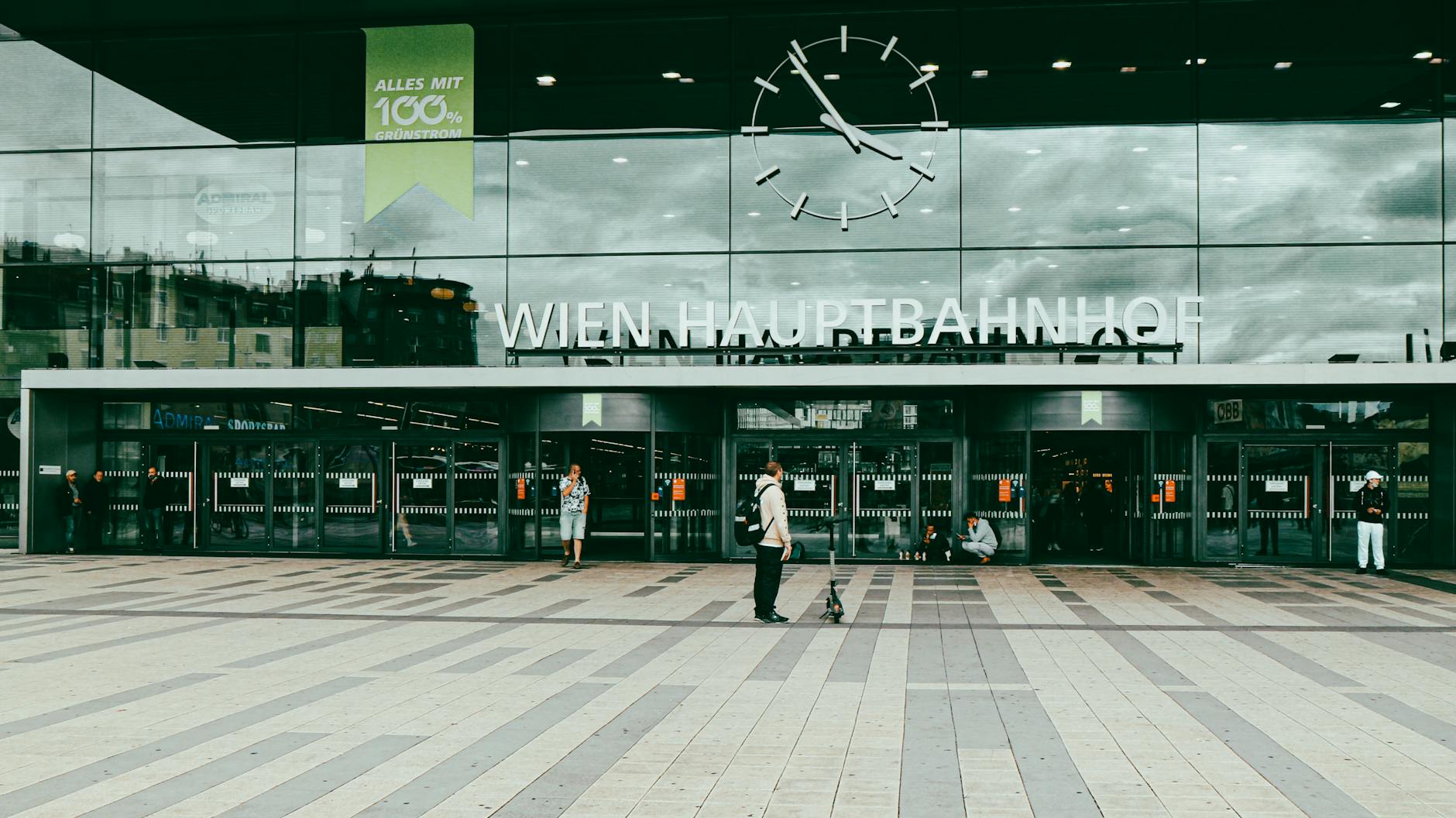
- Near Westbahnhof or Hauptbahnhof: best for early/late trains and budget hotels.
- Use trams for scenic cross-town routes (1, D, 71) and the U-Bahn for speed (U1, U3, U4 cover most sights).
- Airport transfers: S7 regional train or Railjet to Hauptbahnhof/Wien Mitte are reliable. City AirTrain (CAT) is fastest but usually pricier.
- Day trips: book ÖBB Railjet in advance for Salzburg, Graz, Innsbruck. Regional trains and fast buses serve Bratislava and Budapest; allow time for border checks and luggage.
- Cycling and walking: rent a Citybike or local bike shop for short trips; many central streets are pedestrian-friendly and easy to combine with transit.
Local Context
Neighborhoods matter for travel time and atmosphere. The Innere Stadt is compact and highly walkable; Neustadt/Neubau and Mariahilf have independent shops and short transit hops. Leopoldstadt (near Prater) and Landstraße link well to attractions and are often better value for lodging.
Seasonal notes:
– Shoulder seasons (April–May, September–October) offer fewer crowds and more pleasant walking weather.
– Winters are cold; some tram stops and sidewalks can be icy—allow extra time.
Transport realities:
– Vienna’s U-Bahn covers central and many outer districts; trams fill in the surface network and are often faster for short cross-town trips.
– Night service: U-Bahn runs heavily during the day and into the early night; there is continuous weekend-night service on many lines—check schedules for planned works.
Etiquette and rules:
– Purchase a valid ticket before starting your journey; inspectors issue fines for travel without one.
– Keep voices low on public transport and remove backpacks in crowded trams or cafés during peak hours.
– Tipping: rounding up or 5–10% in restaurants is customary; small, local cafés often expect exact change or small rounding.
How to Choose Well
Match transport choices to your itinerary:
- Short city stay focused on core sights: choose a central base and a 48/72-hour transport pass.
- If staying further out or on a budget: pick a neighborhood near a fast U-Bahn line (U1 or U3) to shave minutes off each transfer.
- For two or more day trips by train: book ÖBB Railjet or Sparschiene tickets in advance for best fares. For Bratislava or Budapest, regional trains or international fast trains run frequently; buses are cheaper but slower.
Checklist when booking:
– Confirm check-in times and proximity to the nearest U-Bahn/tram stop.
– Compare total door-to-door travel time, not just on-paper distance.
– Reserve special transfers (CAT, airport taxi) in advance if arriving late at night or with lots of luggage.
Refer to the 3 days in Vienna companion for suggested daily routes that align with specific stations and tram lines.
Responsible and Local-First Tips
Prioritize the local economy and low-impact transport:
- Buy morning bread or snacks at neighborhood bakeries, and eat lunch at a heuriger or family-run heuriger-style spot rather than global chains.
- Use local guides for walking tours—small operators keep earnings in the community and often provide richer context.
- Favor trams, U-Bahn and bike-share over taxis when practical; bikes and walking reduce emissions and reveal neighborhoods you’d miss from a cab.
- Shop the Naschmarkt or Brunnenmarkt for fresh produce and crafts; this supports vendors directly.
- Offset impacts by traveling off-peak when possible and avoiding unnecessary short taxi hops.
Small acts matter: bring a reusable bottle, carry a compact umbrella for sudden showers, and leave reviews for small businesses that served you well.

Common Mistakes to Avoid
Watch for these frequent errors:
- Underestimating walking time: inner-city blocks can be deceiving; allow 15–25 minutes between some sights.
- Relying on taxis for short trips: taxis are convenient but expensive and unnecessary where frequent trams and U-Bahn run.
- Buying the wrong pass: a Vienna Card makes sense only if you’ll use many partner discounts; otherwise a short transport pass is usually cheaper.
- Not booking Intercity or Railjet trains early for day trips: last-minute fares can be much higher.
- Ignoring schedules: weekend-night service patterns differ from weekday timetables—check the current timetable before late-night plans.
FAQ
How do I get from Vienna Airport (VIE) to the city center?
Several options: the S7 regional train is a budget-friendly direct link to Wien Mitte (about 25 minutes). ÖBB Railjet services run to Wien Hauptbahnhof and are faster from some terminals. The CAT (City Air Terminal) is quickest to Wien Mitte but costs more. For late arrivals, pre-booked airport taxis or rideshares are reliable.
Is Vienna easy to walk in for a 3-day itinerary?
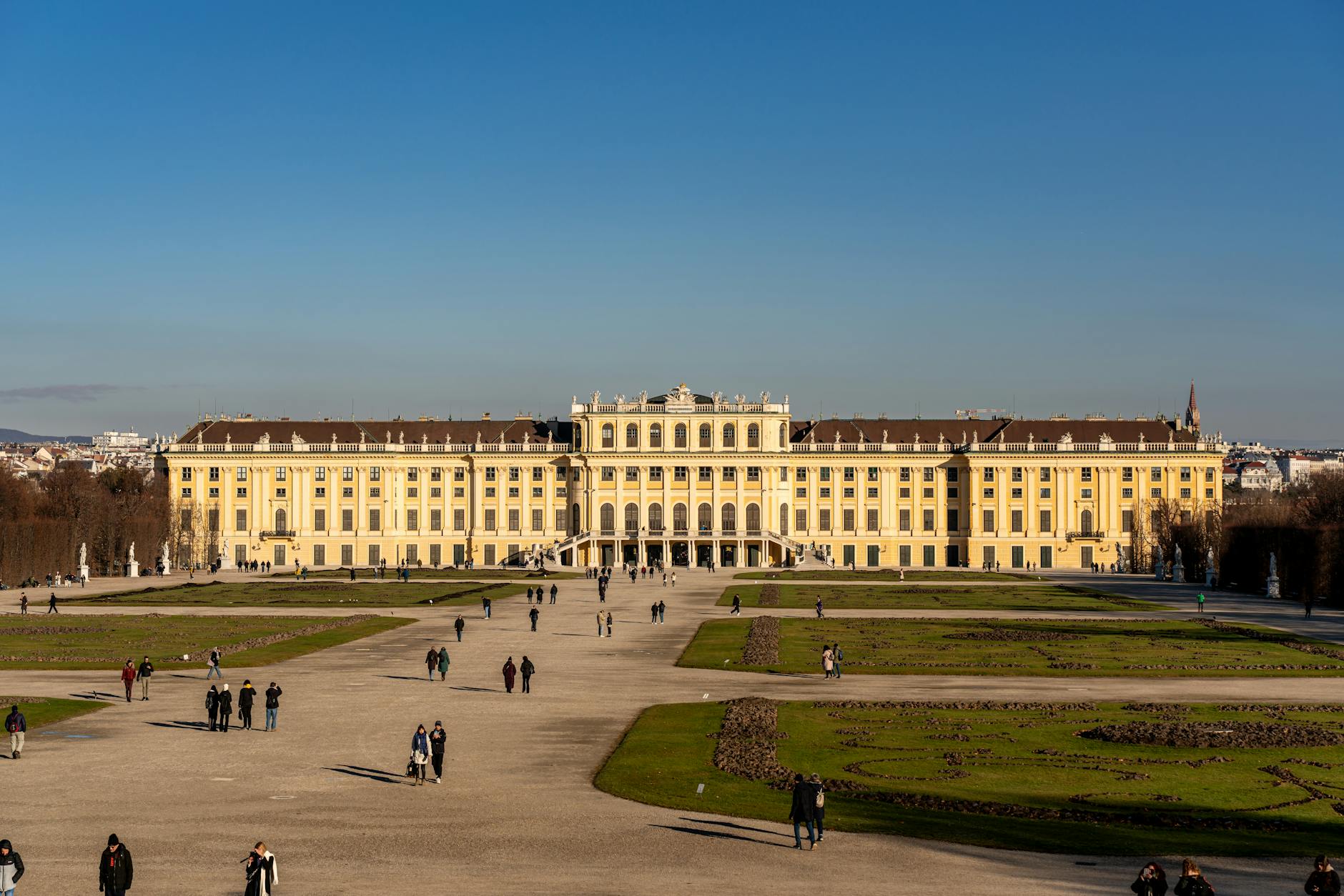
Yes. The main historical core is compact and best explored on foot. Expect short transfers by U-Bahn or tram between clusters of sites (for example, Schönbrunn is a tram/U-Bahn hop from the museum quarter). Use the 3 days in Vienna guide for suggested walkable days.
Do I need to validate my ticket on trams and U-Bahn?
Always buy a valid ticket before you start a journey. Vienna operates a proof-of-payment system and inspectors perform random checks. Keep your ticket until the end of the trip to avoid fines.
What’s the best way to visit Bratislava or Budapest for a day trip?
Bratislava is the easiest short trip—regional trains take about an hour from Wien Hbf or Wien/Nord; buses are also frequent. Budapest is 2.5–3 hours by Railjet; an overnight stay can make the journey less rushed. Book ÖBB or international tickets in advance for best prices.
Should I buy a Vienna City Card or a transport pass for 3 days?
For pure transport, a 48- or 72-hour public-transport ticket is most convenient. The Vienna City Card includes some attraction discounts and is useful if you plan many paid entries and museum shop purchases—compare your intended visits (see 3 days in Vienna) before deciding.
Are shared bikes and scooters a good option?
Yes for short hops and riverside rides. Use Vienna’s official bike-share and reputable rental shops. Stick to bike lanes and park respectfully so you don’t block sidewalks or shop fronts.
Conclusion
Vienna is easy to navigate with a little planning: a central base, the right short-term pass, and a mix of walking, trams and U-Bahn will let you follow the 3 days in Vienna route without stress. Reserve intercity trains early if adding Graz, Salzburg, Innsbruck, Bratislava or Budapest to your trip, and favor local businesses and low-impact transit to make your visit both efficient and responsible.
Plan the Rest of Your Trip
This page works best alongside the main itinerary and the other planning pages for Vienna.