
Getting Around Lima — Practical, low-impact transport advice
How to navigate Lima efficiently and sustainably: airport transfers, buses, Metropolitano and Metro, taxis and apps, walking in Miraflores and Barranco, seasonal timing, and tips that pair with our 3 days in Lima itinerary.
Smart, local-first advice for moving across Lima — from Jorge Chávez Airport to Miraflores, using the Metropolitano and Línea 1, choosing taxis and apps, reading neighborhood travel times, and booking onward buses or flights to Cusco, Arequipa or Trujillo.
Quick Answer
Smart, local-first advice for moving across Lima — from Jorge Chávez Airport to Miraflores, using the Metropolitano and Línea 1, choosing taxis and apps, reading neighborhood travel times, and booking onward buses or flights to Cusco, Arequipa or Trujillo.
Who This Page Is For
This page is for travelers planning a stay in Lima who want clearer decisions about getting around, local logistics, timing, budgeting, and practical trip planning.
How This Page Was Prepared
This page was prepared through a structured editorial workflow that combines destination research, geographic context, and practical travel-planning review.
Plan the Rest of Your Trip
Use this page together with the full itinerary and the related planning pages below to make better booking, timing, transport, and budget decisions.
Best for most visitors: combine walking in compact districts (Miraflores, Barranco), the BRT/Metro corridors for medium-distance moves, and app-based taxis for late nights or where public transit doesn’t go.
Airport transfer: pre-book an app taxi (Beat/Cabify/Uber) or official airport taxi stand; expect 45–60 minutes to Miraflores outside peak traffic. For intercity travel: fly to Cusco or Arequipa for speed; use reputable overnight buses (Cruz del Sur, Oltursa) for budget-conscious travelers.
Plan extra time for rush hour (weekdays roughly 7–9:30 and 17–20).
This page is a focused, practical guide for getting around Lima during a short stay and for linking onward to nearby Peruvian destinations. Its tone favors low-impact choices, local businesses and realistic timing: Lima is a coastal megacity with strong micro-neighborhood personalities, heavy peak-hour traffic, and a few public transit options that are useful once you learn their limits.
If you’re using our 3 days in Lima itinerary, treat this as the mobility companion — how to reach Miraflores and Barranco from Jorge Chávez, how to move between museum and market stops, and how to book buses or flights to Cusco, Arequipa, Puno, Trujillo or Iquitos with confidence.
What This Page Helps You Decide
Use this page to choose the right transport mode for specific moves during a 3-day visit or longer stays.
Decisions covered:
- How to get from Jorge Chávez Airport to Miraflores or San Isidro.
- Whether to rely on Metropolitano or Línea 1 for your neighborhood hops.
- When to walk between attractions in Miraflores and Barranco and when to take a short taxi.
- How to book safe, comfortable long-distance buses or budget flights to linked cities (Trujillo, Cusco, Arequipa, Puno, Iquitos).
For a suggested day-by-day routing and timing, see the linked 3 days in Lima itinerary, which combines these choices into a practical schedule.

Top Recommendations
1) Walk local neighborhoods first. Miraflores (Malecón, Parque Kennedy) and Barranco (bridge, art corridors) are compact and safe during daylight. Walking supports local cafes and galleries.
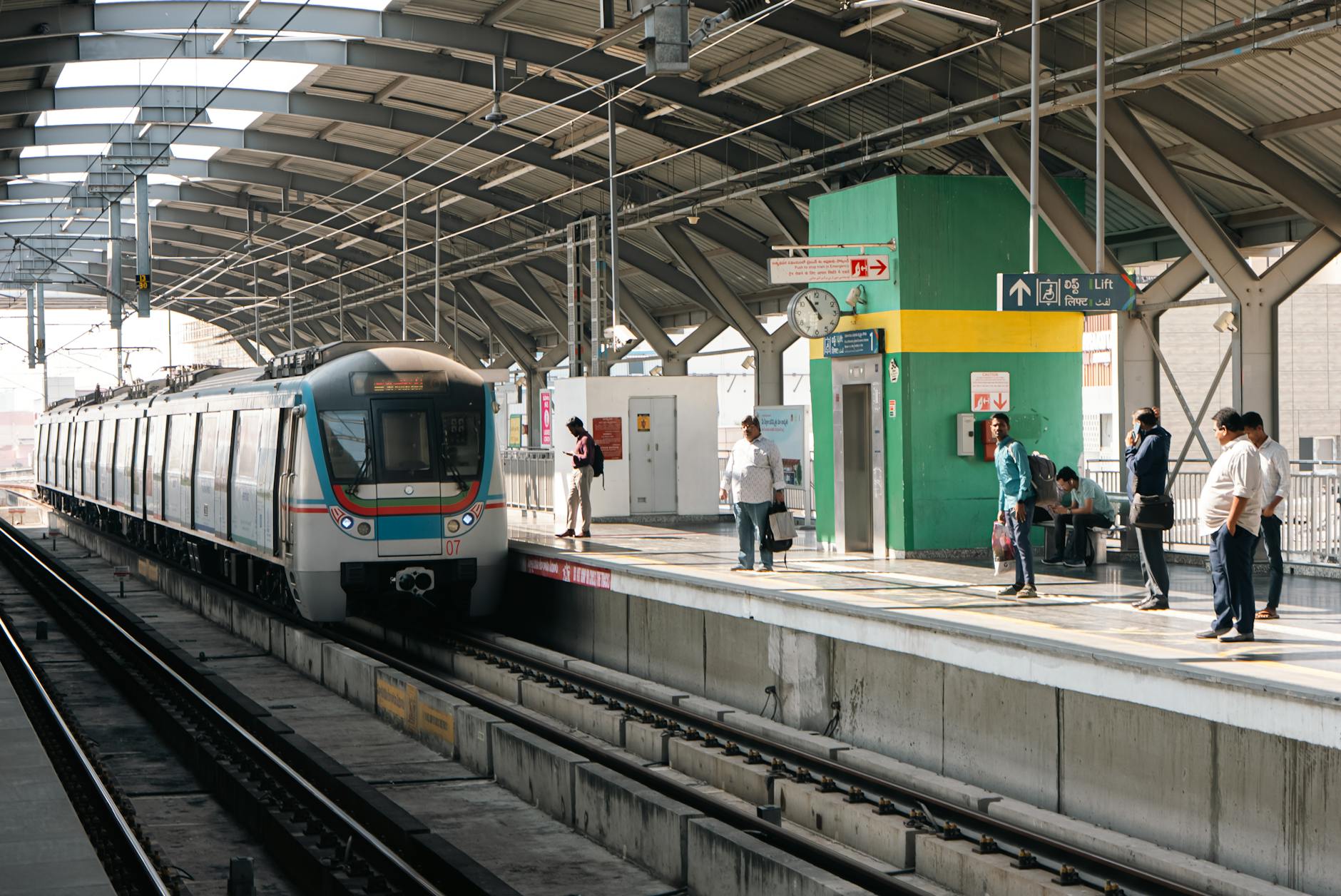
2) Use the Metropolitano BRT and Línea 1 Metro for main north–south corridors. Buy the prepaid card at stations and plan routes in advance; neither system reaches Jorge Chávez Airport.
3) Prefer app-based taxis (Beat, Cabify, Uber) when travelling late, carrying luggage, or moving across districts where buses are complex. They provide price estimates and driver ratings.
4) For long-distance travel, book trusted operators: Cruz del Sur and Oltursa for long-haul buses; local airlines (LATAM, Sky Airline, JetSMART) for fast city hops. Book in shoulder seasons (April–May, Sept–Nov) for lower fares and fewer crowds.
5) Choose community tours and market-based food walks in Surquillo or Barranco to keep spending local and low-impact.
Local Context
Neighborhood notes:
- Miraflores: tourist-friendly, walkable coastal parks, good cafés and galleries. Best base for first-time visitors.
- Barranco: artsy, compact nightlife and galleries; easy on-foot exploration by day.
- San Isidro: business district with parks and restaurants; quieter at night.
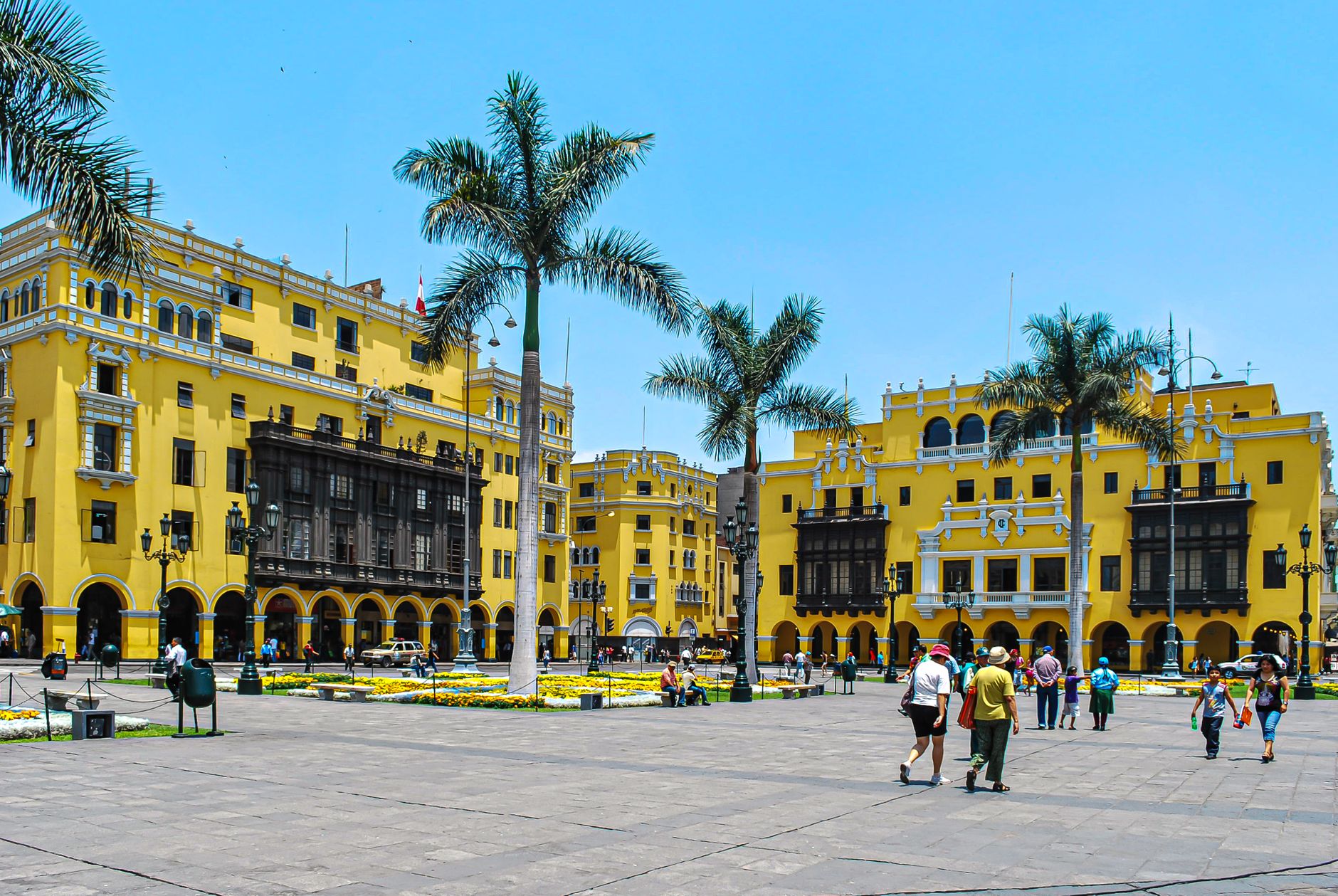
- Centro Histórico: lively during daytime — museums, cathedral and plazas — but less comfortable to walk late.
- Callao: the port area and Jorge Chávez Airport; coastal forts and street art but exercise normal caution.
Seasonal patterns:
- Winter (June–August): cool, overcast garúa with persistent cloud and occasional drizzle — good for museums and restaurants.
- Summer (Dec–March): warmest, sunniest weather — ideal for coastal walks and paragliding off the cliffs.
- Shoulder seasons (April–May and Sept–Nov): lower hotel prices, clearer skies than winter, and easier travel connections.
Transport realities:
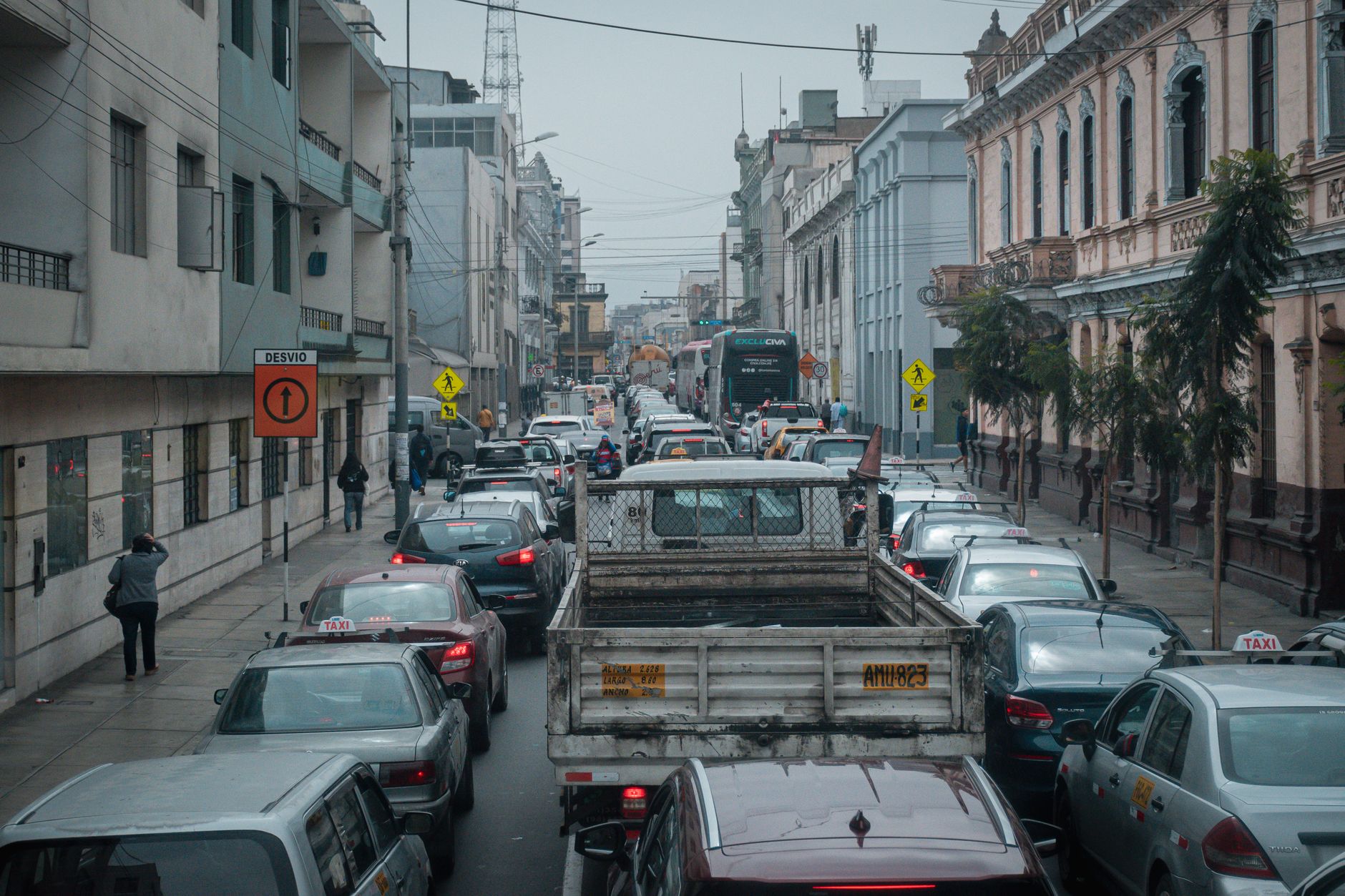
- Traffic: Lima is very congested during weekday rush hours. Always add buffer time for airport transfers and cross-city journeys.
- Coverage: Metropolitano and Línea 1 serve main arteries but do not cover many east–west links; the bus and combi network is extensive but confusing for visitors.
How to Choose Well
Match the option to the move:
- Short, scenic hops within Miraflores/Barranco: walk. You’ll find local cafés, bakeries and crafts if you slow down.
- Downtown to Miraflores (daytime): use Metropolitano or Línea 1 where convenient; otherwise a short app taxi is faster door-to-door.
- Airport-to-city with luggage: pre-book an app taxi or official airport transfer — avoid public buses with large bags.
- Night travel: use app taxis or organized transfers. Avoid walking alone in poorly lit streets after midnight.
- Intercity trips: choose flights for time efficiency (Cusco, Iquitos) and high-quality overnight buses for comfort and budget (Cruz del Sur, Oltursa). Reserve seats early for holidays and July (Peru’s high domestic travel month).
Booking tips:
- Buy Metropolitano/Metro cards at station kiosks and keep small change for local buses and vendors.
- Use official websites or recognized agents to book long-distance buses; avoid paying cash to unknown intermediaries.
- For sustainable choices, favor operators that publish carbon policies or offer direct flights instead of lengthy surface travel when time is limited.
Responsible and Local-First Tips
Support the local economy and lower your footprint:
- Walk and spend: choose neighborhood bakeries, family-run eateries and artisan shops in Miraflores and Barranco rather than multinational chains.
- Use public transit where it’s safe and practical. The Metropolitano and Línea 1 reduce emissions per passenger compared with many taxis.
- Book small-group, locally guided experiences — market tours, cooking classes, or community cultural walks — that return income to neighbourhoods like Surquillo and Barranco.
- Reduce plastic: carry a refillable bottle and ask for filtered water. Many cafés will refill if you ask.
- Time your travel outside peak traffic where possible to reduce idling and emissions.
- If hiring taxis for full-day itineraries, agree on a fair daily rate with the driver and ask if they can recommend local restaurants or shops. Tip modestly for excellent service.
Common Mistakes to Avoid
- Relying on a single mode of transport. Lima’s network is mixed; combine walking, BRT/Metro and apps.
- Assuming Metro/Metropolitano reaches the airport. It doesn’t — plan an app taxi or transfer for arrivals and departures.
- Hailing unmarked street taxis. Unless you know the driver, use an app or the official airport taxi stand.
- Underestimating travel time across districts during rush hours. Leave extra time for flights, trains and tight connections.
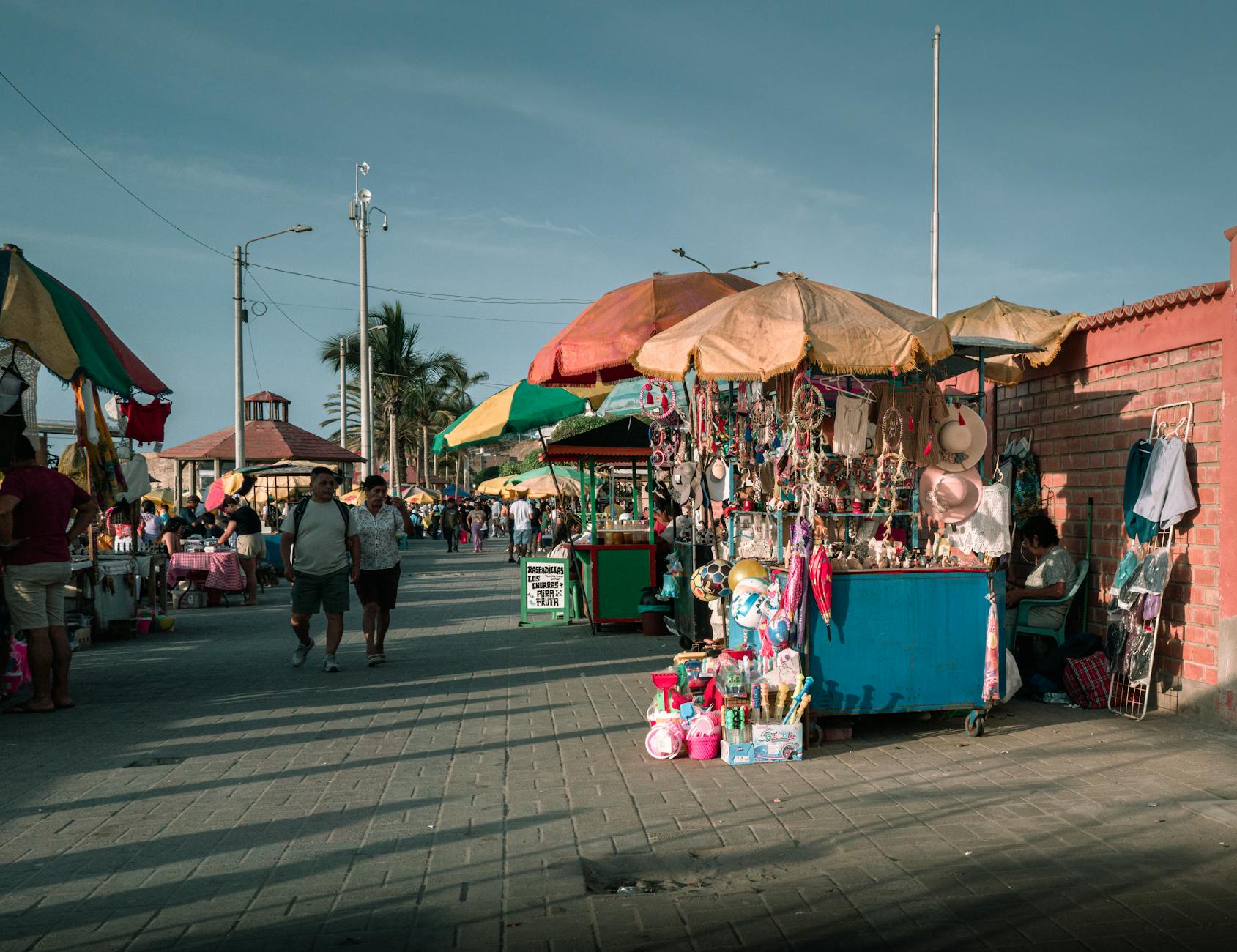
- Skipping market visits. Tourists often go to malls — the best local meals and sustainable spending are in markets like Surquillo.
- Forgetting local etiquette: greet drivers and vendors with buenos días/tardes and handle small transactions with small bills if possible.
FAQ
What’s the fastest, most reliable way from Jorge Chávez Airport to Miraflores?
The most reliable door-to-door option is a pre-booked airport transfer or an app taxi (Beat, Cabify, Uber). Outside peak traffic the trip is about 45 minutes; during rush hour plan for 60–90 minutes. If you prefer public transit, take an official shuttle to a Metropolitano station and continue with a prepaid card, but this adds time and transfers.
Is it safe to use local buses and combis as a tourist?
Local buses and combis are inexpensive but can be crowded, fast and confusing for newcomers. They’re fine for short daytime trips if you’re comfortable with local routines. For clarity, comfort and luggage, use Metropolitano/Línea 1 or app taxis.
How do I get between Miraflores and Centro Histórico quickly?
A taxi app ride typically takes 15–30 minutes depending on traffic. Public transit can be cheaper but slower due to transfers. If your schedule is tight, a taxi is normally the best trade-off between time and cost.
Can I use one card for all Lima transit?
No single card covers every system. The Metropolitano and Línea 1 use a shared prepaid card sold at stations. Local buses use cash. Keep small coins and bills for combis and markets.
What’s the best way to book a bus to Trujillo, Arequipa or Puno?
Book directly on established operator websites (Cruz del Sur, Oltursa) or at official ticket offices. For overnight trips, reserve a seat in advance and choose newer buses with reclining seats and onboard restrooms. Consider flying for long routes if you have limited time.
Any etiquette or tipping rules for taxis and guides?
Tipping is appreciated but not mandatory. For guides, 10–15% is common if service is good. For taxis, round up the fare or add a small tip for luggage or exceptional help.
Conclusion
Lima travel works best when you plan daily moves by neighborhood, allow extra time for traffic, and mix walking with public transit and app taxis. For most visitors on a short stay, base yourself in Miraflores or Barranco, walk between nearby sights, use Metropolitano/Metro for medium-distance corridors, and rely on app taxis for airport transfers or late-night returns.
Pair these choices with our 3 days in Lima itinerary to structure visit timing and day-to-day travel. When you travel, favor local guides, market meals, and small businesses to keep your impact positive and your experience authentic.
How this guide was prepared
This guide was prepared through a structured research that combines destination research, geographic context, itinerary planning logic, and content review.