

Getting Around Lisbon: Practical, Sustainable Transport Advice
How to move around Lisbon efficiently and sustainably—practical tips on walking, trams, metro, trains to Cascais/Setúbal/Coimbra/Algarve, ticketing, safety, and local etiquette to support a 3-day Lisbon itinerary.
Clear, practical guidance for getting around Lisbon during a short trip: how to choose between walking, trams, metro, trains and ferries; where to buy tickets; low-impact choices; and day-trip connections to Cascais, Setúbal, Coimbra and the Algarve.
Quick Answer
Clear, practical guidance for getting around Lisbon during a short trip: how to choose between walking, trams, metro, trains and ferries; where to buy tickets; low-impact choices; and day-trip connections to Cascais, Setúbal, Coimbra and the Algarve.
Who This Page Is For
This page is for travelers planning a stay in Lisbon who want clearer decisions about getting around, local logistics, timing, budgeting, and practical trip planning.
How This Page Was Prepared
This page was prepared through a structured editorial workflow that combines destination research, geographic context, and practical travel-planning review.
Plan the Rest of Your Trip
Use this page together with the full itinerary and the related planning pages below to make better booking, timing, transport, and budget decisions.
Best approach for most visitors: combine walking in central neighborhoods with the metro for longer city legs, trams and funiculars for short scenic hops, and regional trains for day trips. Buy a reusable Viva Viagem card at metro stations, validate every trip, and prefer trains to Cascais and Setúbal instead of private tours when possible. For a 3-day trip, plan two full neighborhoods on foot and one half-day train trip—see our 3 days in Lisbon itinerary for a suggested route.
This page gives practical, low-impact guidance for getting around Lisbon during a short stay and connecting to nearby destinations like Cascais, Setúbal, Coimbra and the Algarve. It is written to support a main itinerary such as our 3 days in Lisbon guide and focuses on everyday realities: hilly streets, cobbled steps, ticket options, peak seasons, and how to choose transport that favors local businesses and reduces your footprint.
What This Page Helps You Decide
Use this page to choose transport by situation:
- Getting between the airport, your hotel, and the main sights
- Whether to walk, take the tram, use the metro, or hail a taxi for a given route
- When to take the train to Cascais, Setúbal, Coimbra, Portimão or Lagos
- If a rental car makes sense for your plans and how to minimize its environmental cost
It also helps with practicalities like ticket types, where to buy them, accessibility tips, and low-impact day-trip choices that support local economies.
Top Recommendations
Actionable steps you can follow immediately:
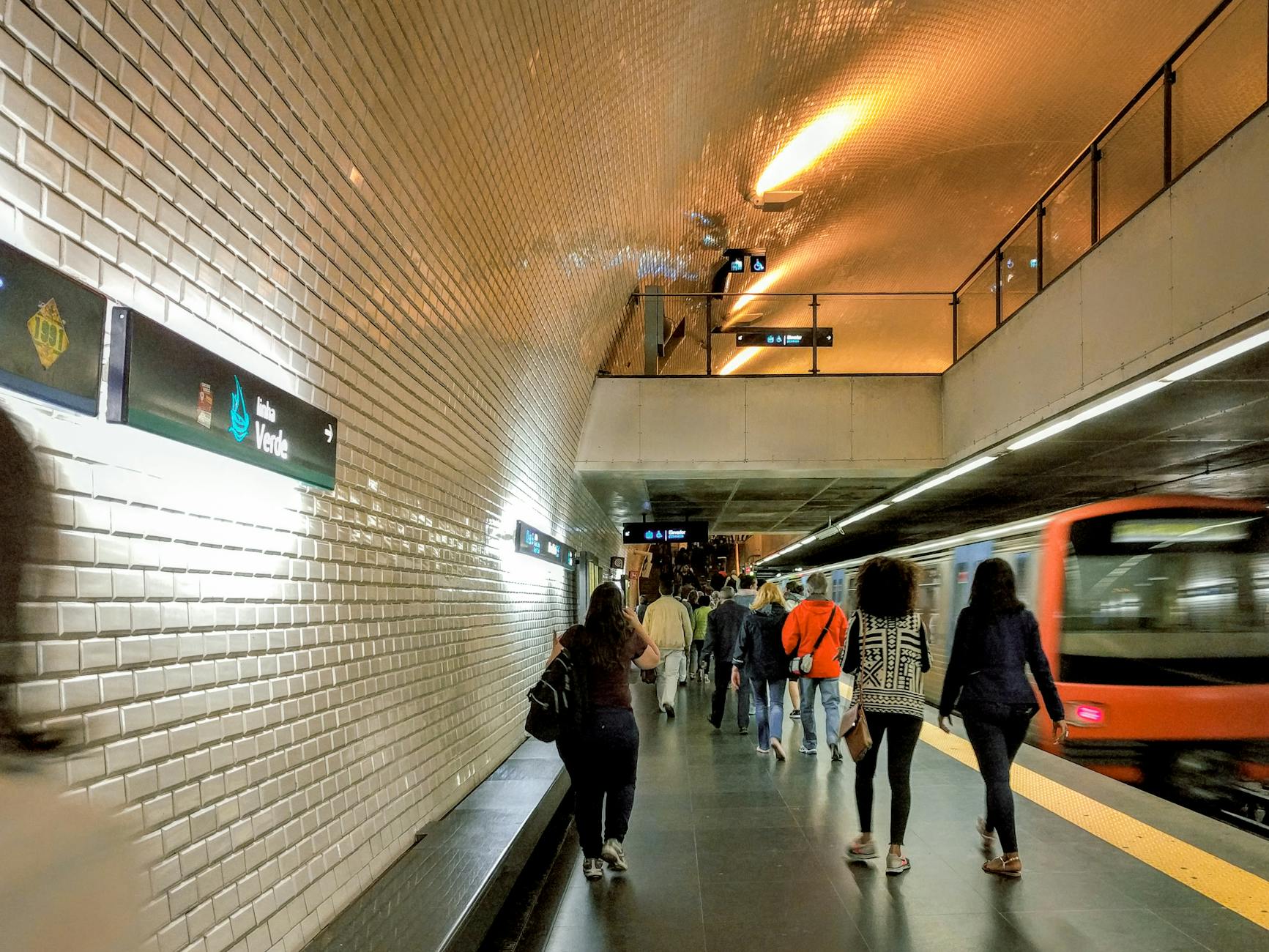
- Buy a Viva Viagem card at any metro station. Load zapping credit or a 24-hour pass depending on how many journeys you anticipate.
- Walk where possible: Baixa-Chiado, Alfama and Bairro Alto are best explored on foot. Expect steep hills and cobbles—wear supportive shoes.
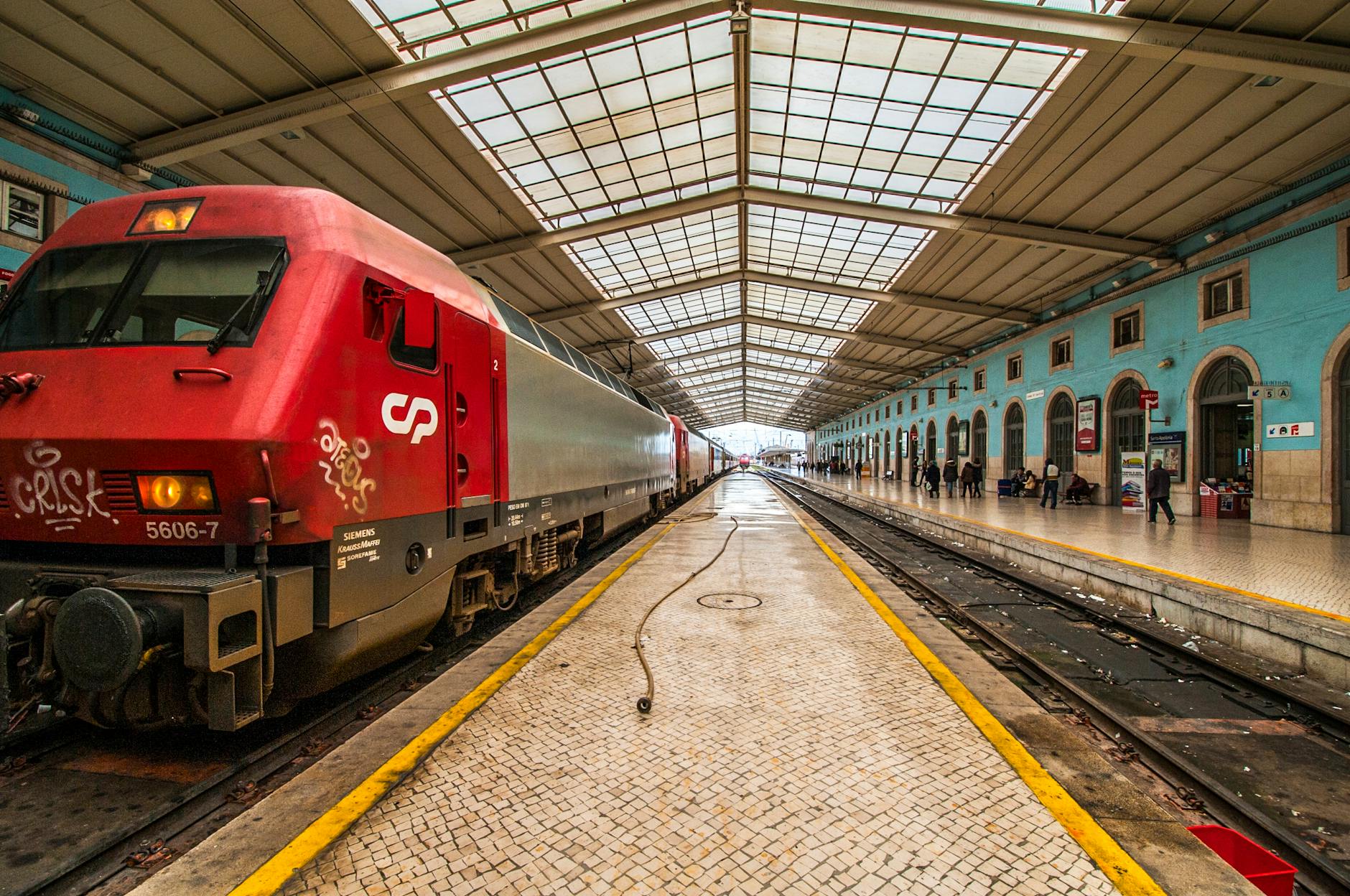
- Take the Cascais train from Cais do Sodré for a reliable seaside day trip (about 40 minutes). Buy return tickets on the platform.
- Use ferries from Cais do Sodré to cross the Tagus to Cacilhas for seafood and views—cheaper and more local than some tours.
- Reserve intercity trains (Alfa Pendular or Intercidades) in advance for Coimbra and Algarve routes on weekends or holidays.
- Prefer metro and trains for longer journeys to reduce carbon footprint versus inner-city taxis; use licensed taxis or rideshares (Uber/FreeNow) late at night when metro stops early.
Local Context
Neighborhood and season realities:
- Alfama and Mouraria: narrow alleys and stairs. Ideal for morning exploration before crowds. Avoid relying on trams here—walking and short taxi hops work better.
- Baixa and Chiado: flatter, grid-like streets with many metro stops and buses. Good base for buying a Viva Viagem card and walking tours.
- Bairro Alto: lively at night but quiet during the day; steep climbs make evenings better by taxi or funicular.
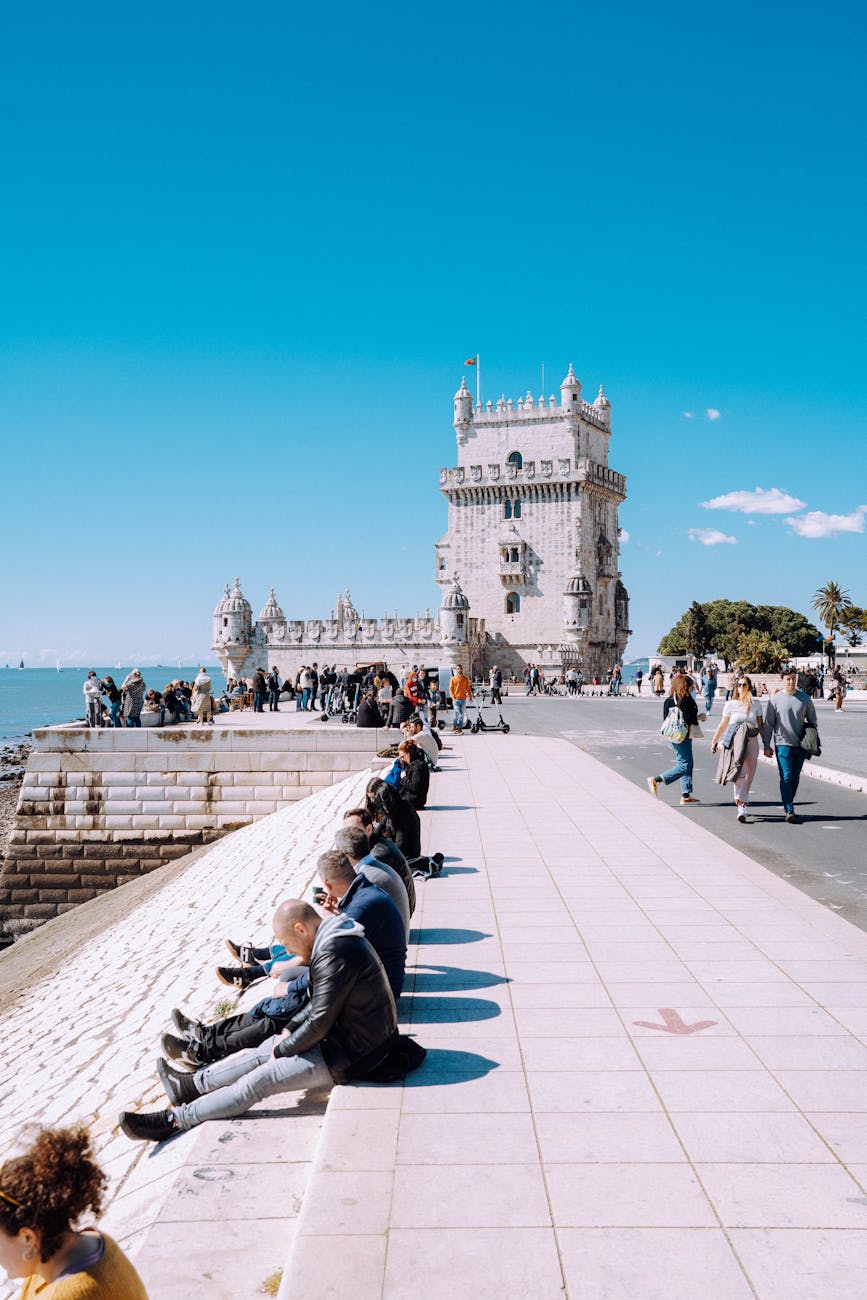
- Belém: spread out; use tram 15, bus, or a rented bike to move between Jerónimos Monastery, Belém Tower and the riverside.
- Seasonal patterns: April–May and September–October have milder weather and fewer crowds; many coastal day trips are more pleasant in shoulder seasons. Summer is busy and hot—book long-distance trains early.
How to Choose Well
Choose transport method based on time, cost, mobility and impact:
- Short urban hops, sightseeing and scenic routes: tram and funiculars. Expect crowds; avoid taking them solely for photos if it displaces local riders.
- Efficient inner-city travel: metro—frequent, fast, and flat. Metro runs roughly early morning until around 01:00; check current schedules before late-night plans.
- Best for day trips: regional trains (Cais do Sodré to Cascais; Santa Apolónia or Oriente for Coimbra and Algarve). Trains support local communities and are lower-impact than flying.
- When to use a car: useful for exploring Arrábida (Setúbal region) or remote Algarve beaches, but avoid driving in central Lisbon. If you rent, choose a smaller vehicle, park outside dense neighborhoods, and book with a local company.
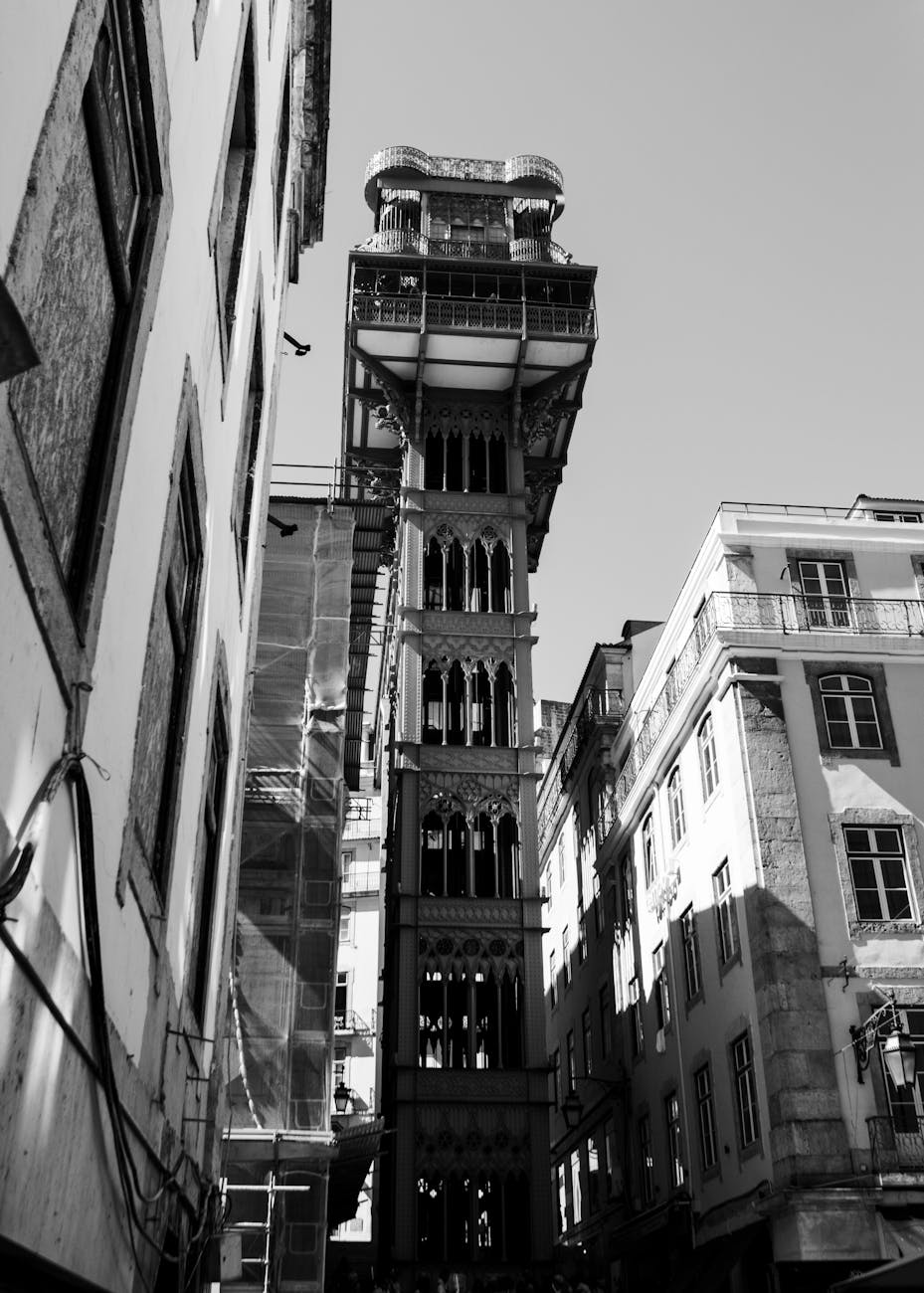
- Accessibility: many historic trams and streets aren’t wheelchair-friendly. Use elevators (Santa Justa, public lifts) and metro stations with step-free access when needed.
If you’re following our 3 days in Lisbon plan, pick walking + metro for days one and two, and the Cascais or Setúbal train for your day three.
Responsible and Local-First Tips
Make choices that support neighborhoods and lower impact:
- Use public transport and regional trains rather than private day tours. Trains to Cascais and Setúbal support local economies and reduce per-person emissions.
- Eat and shop locally near transit hubs—cafés in Alfama, fish restaurants in Cacilhas, markets in Campo de Ourique.
- Avoid overcrowding small streets during peak hours; visit popular viewpoints early morning or late afternoon.
- When taking tours, prioritize small local operators and licensed tuk-tuk companies if you use them. Confirm that drivers are registered and tipped fairly.
- Use reusable water bottle and carry small change; some smaller trams, kiosks and markets prefer cash or single-contact payments.
These choices help distribute tourist spending across neighborhoods rather than concentrating it in a few attractions.

Common Mistakes to Avoid
Mistakes that make trips slower, more expensive, or less pleasant:
- Relying only on tram 28 for photos: it’s congested and often full of tourists. Use it selectively or choose less busy trams and walking routes.
- Not validating tickets: fines are common on metro, buses and trams. Always tap your Viva Viagem card.
- Expecting flat walking throughout the city: Lisbon is hilly—plan routes that use elevators, funiculars or short taxi hops if you want to avoid long climbs.
- Underestimating travel time to day-trip destinations: Coimbra and the Algarve require several hours by train—reserve seats and account for transfer times.
- Renting a car for central Lisbon: parking is limited and expensive. Use rentals primarily for exploring the wider region like Arrábida or rural Algarve.
FAQ
How do I get from Humberto Delgado Airport to central Lisbon?
Airport metro (red line) connects the airport to the city; transfer at Alameda or Saldanha for other lines. Taxis and rideshares are readily available; estimate 15–30 minutes to central Lisbon depending on traffic.
What ticket should I buy for two days in Lisbon?
Buy a Viva Viagem card and either load zapping credit for pay-as-you-go trips or purchase a 24-hour pass for unlimited Carris (buses/trams), metro and elevators. Compare the cost based on how many trips you plan—if you’ll use public transport frequently, the 24-hour pass usually saves money.
Is tram 28 worth taking?
Tram 28 shows historic streets but gets very crowded and slow. If you want the experience, ride early morning or late afternoon, or choose walking for many of the same views. For Belém, use tram 15 or the train.
Can I visit Cascais or Setúbal in a day without a car?
Yes. Cascais is a direct train from Cais do Sodré (about 40 minutes). Setúbal is reachable by train or ferry plus bus depending on route—regional trains and Fertagus services connect Lisbon to Setúbal; check schedules and return times, especially on Sundays.
Should I rent a car to reach the Algarve (Portimão, Lagos)?
Not necessary but sometimes convenient. Trains and buses serve Portimão and Lagos, with travel times around 3–4 hours. Rent a car only if you want to explore remote beaches or small villages; factor in parking and fuel costs.
How safe is public transport at night?
Metro hours are limited (roughly until 01:00); late-night travel is common by taxi or rideshare. Watch for pickpockets on crowded trams and trains and keep belongings secure.
Conclusion
For a short trip, combine walking in neighborhoods with metro and regional trains for day trips. Buy a Viva Viagem card, validate trips, and prefer train travel to nearby cities like Cascais and Setúbal to support local economies. Use this guidance alongside our 3 days in Lisbon itinerary to allocate time wisely: two neighborhood walking days and one day trip are often the most satisfying, low-impact plan.
How this guide was prepared
This guide was prepared through a structured research that combines destination research, geographic context, itinerary planning logic, and content review.