
Miami Beach Travel Budget: Practical Costs, Savings, and Local-First Tips
A concise, practical budgeting guide for Miami Beach travelers who value local spending and low-impact choices. Real cost ranges, seasonal timing, transport realities, and tips to save on lodging, food, and activities while supporting the local economy.
Estimate realistic daily and trip-level costs for Miami Beach, plus tactical ways to lower expenses—choose shoulder-season travel, prefer public transit and bikes, book ahead for peak events, and favor locally run businesses.
Quick Answer
Estimate realistic daily and trip-level costs for Miami Beach, plus tactical ways to lower expenses—choose shoulder-season travel, prefer public transit and bikes, book ahead for peak events, and favor locally run businesses.
Who This Page Is For
This page is for travelers planning a stay in Miami Beach who want clearer decisions about travel budget, local logistics, timing, budgeting, and practical trip planning.
How This Page Was Prepared
This page was prepared through a structured editorial workflow that combines destination research, geographic context, and practical travel-planning review.
Plan the Rest of Your Trip
Use this page together with the full itinerary and the related planning pages below to make better booking, timing, transport, and budget decisions.
Typical daily budget ranges (per person):
– Shoestring: $60–$120 — hostel or budget guesthouse, groceries, walking and public transit, free beaches and parks.
– Moderate: $150–$300 — affordable hotel or rental, some meals out, bike rental, one paid attraction or tour.
– Comfortable: $350+ — boutique or beachfront hotel, regular dining out, paid tours, taxis.
High-season weeks (Dec–Apr, Art Basel, spring break) can double accommodation costs. Book ahead and consider shoulder season (Oct–Nov, May) to reduce prices and crowds.
This page gives compact, actionable budget guidance for a trip to Miami Beach that complements our main 3 days in Miami Beach itinerary. It focuses on what you’ll actually spend and where you can realistically save—without sacrificing local experiences or a low-impact approach. Expect concrete price ranges, seasonal notes, transport realities, and suggestions that direct money to small businesses and community-run experiences.
What This Page Helps You Decide
Use this guide to:
– Pick a realistic daily budget for the length and style of your trip.
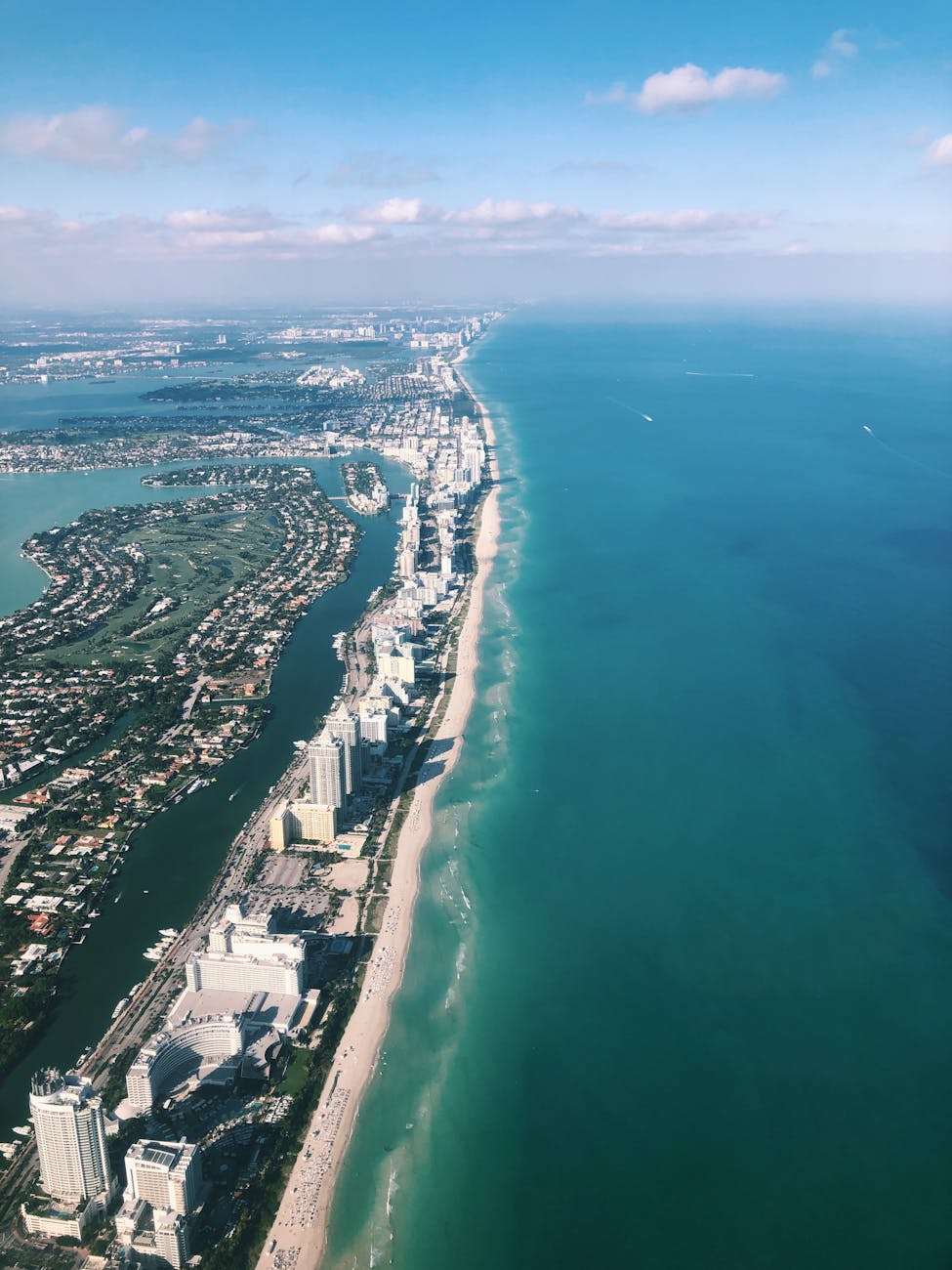
– Decide whether to stay in South Beach, Mid-Beach, or North Beach based on price and vibe.
– Choose transport options (Citi Bike, free trolley, bus, rideshare) with cost trade-offs.
– Know which seasons to target to avoid peak pricing and support lower-impact travel.
It’s designed to support planning your visit as you prepare the 3 days in Miami Beach itinerary and when considering day trips to nearby Miami, Hollywood, Fort Lauderdale, or West Palm Beach.
Top Recommendations
Save money without losing local authenticity:
– Stay outside South Beach for better nightly rates: Mid-Beach or North Beach often have lower prices and local restaurants.
– Travel in shoulder seasons (May or October–November) for milder crowds and lower rates; avoid late December to early April unless necessary.
– Use the free Miami Beach Trolley, local buses (S), and Citi Bike to cut short-trip costs and reduce car use.
– Favor small restaurants, farmer’s stalls, and neighborhood bakeries on Lincoln Road and Espanola Way—better value and local impact.
– Book any beachfront or Art Deco walking tour and popular restaurants at least 2–3 weeks ahead during shoulder season, and 4–8 weeks for high season or Art Basel.
For day trips, compare Brightline/Buses to Fort Lauderdale and West Palm Beach with drive time and parking costs—they can be cheaper when traveling as a solo or pair.
Local Context
Neighborhoods and price dynamics:
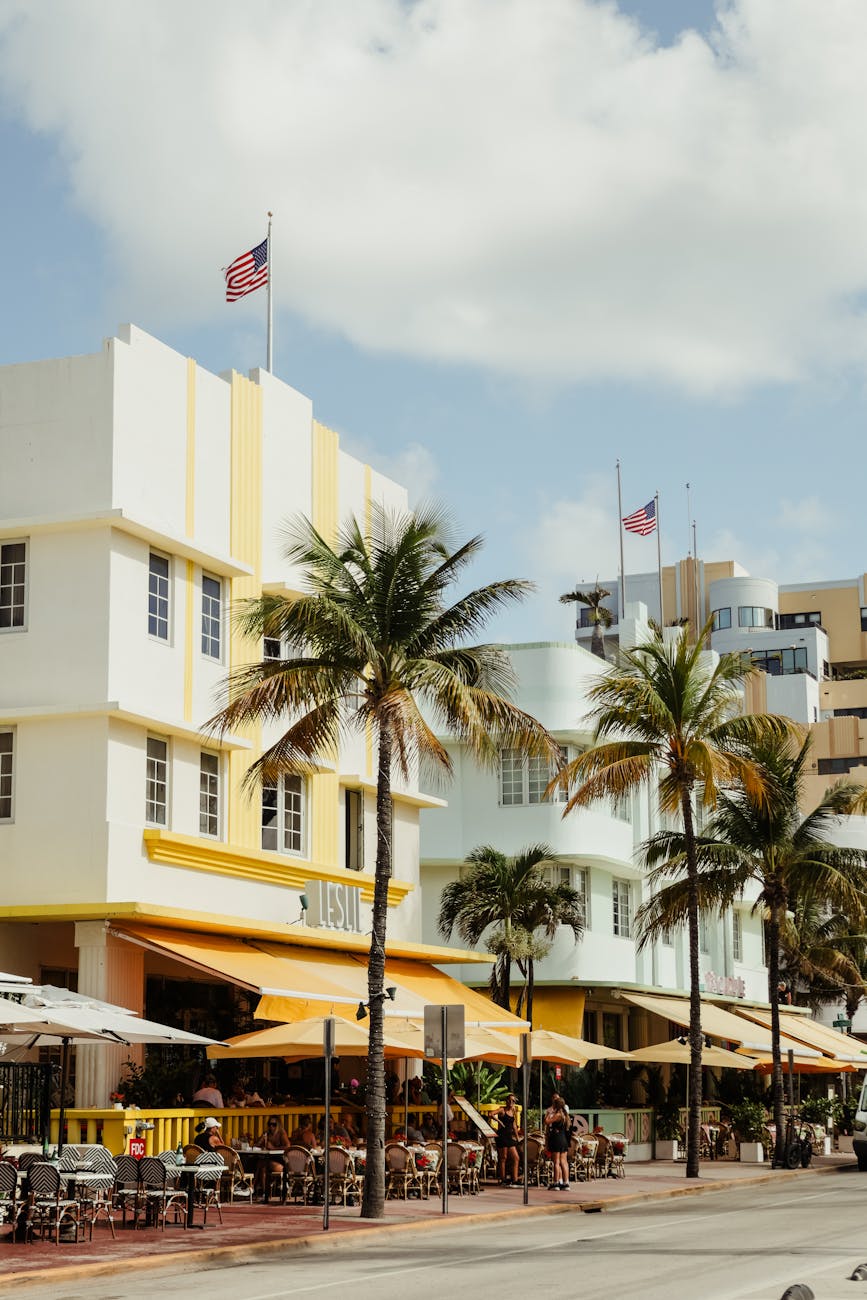
– South Beach: Highest accommodation and dining costs, walkable, iconic beaches, best for first-time visitors who want the classic sights.
– Mid-Beach: Often better value for beachfront hotels with a quieter vibe and easier parking options.
– North Beach: Lowest rates on the island, more residential, local eateries, good for longer stays.
Transport realities:
– Miami Beach has a free trolley network and local buses; rideshares are convenient but surge pricing can be costly during events.
– Citi Bike covers Miami Beach—short rides are cheap and ideal for short hops between beach, Lincoln Road, and South Pointe.
Seasonal notes:
– High season: December–April (dry, comfortable; prices peak).
– Shoulder: May and Oct–Nov (lower rates, fewer crowds).
– Summer & hurricane season: June–November brings heat, afternoon storms, and promotional hotel deals—buy flexible fares and travel insurance if visiting then.
Local etiquette and practicalities:
– Dress casually but respect restaurant dress codes for upscale venues.
– Tipping: 15–20% standard for sit-down meals; tip beach vendors and tour guides when appropriate.
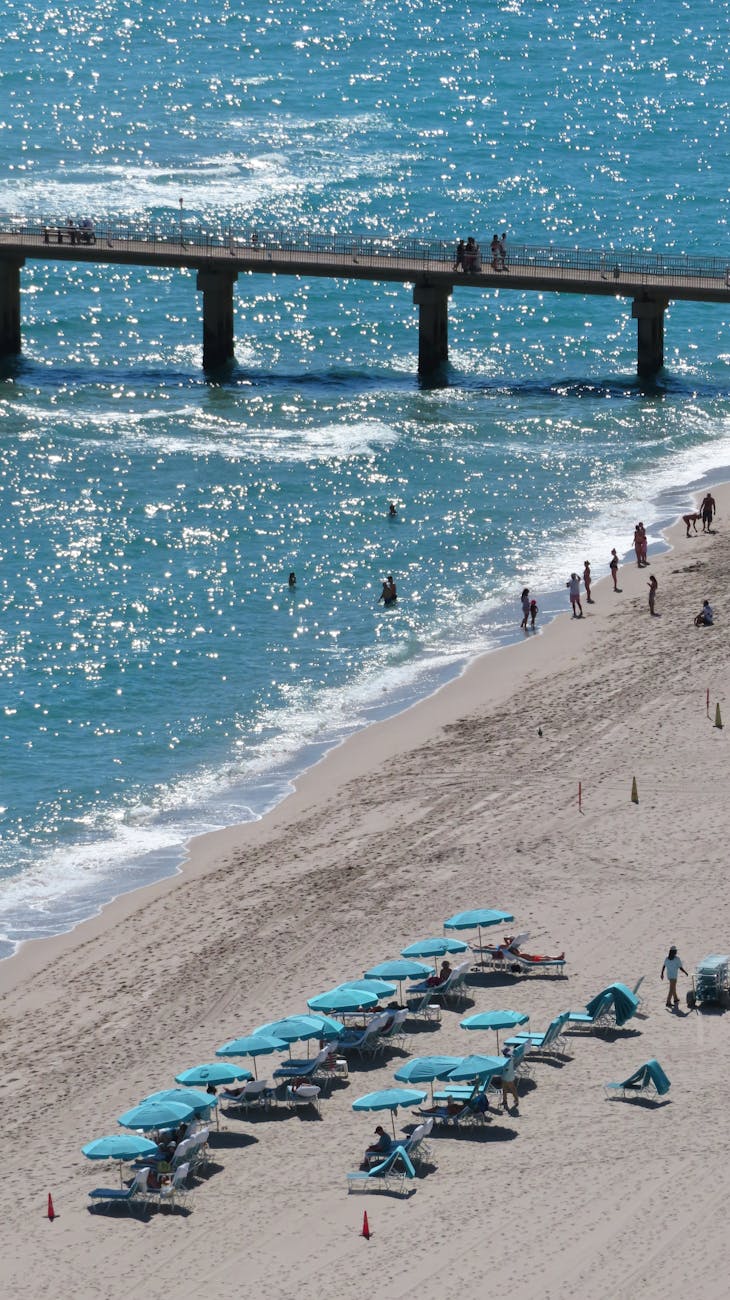
– Beach rules: no alcohol on most public beaches, glass prohibited, follow lifeguard zones.
How to Choose Well
Pick lodging by balancing price, proximity, and transport:
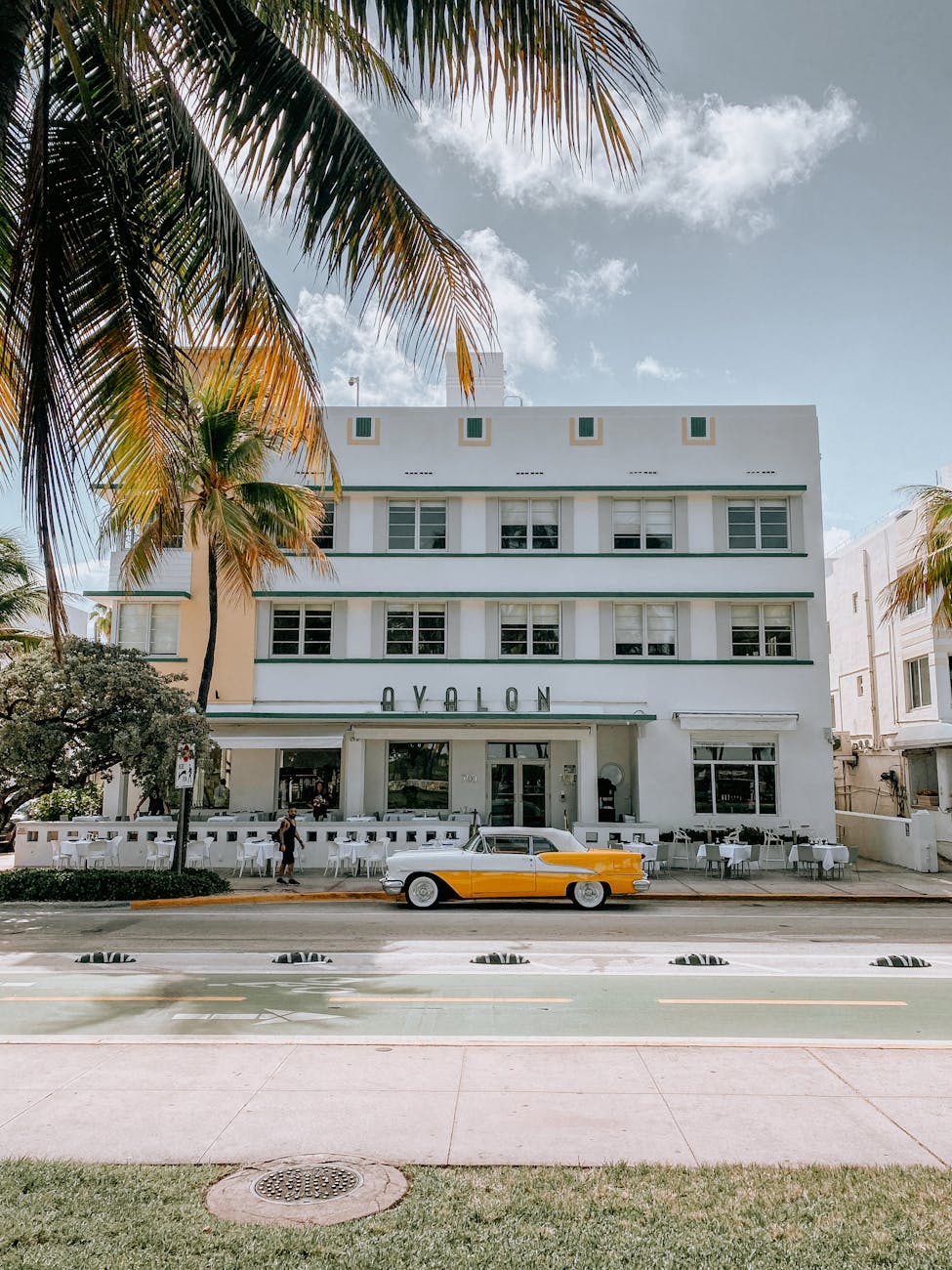
– If your 3-day plan centers on Ocean Drive and Art Deco, stay in South Beach for walkability despite higher rates.
– For lower nightly rates and a calmer stay, choose Mid-Beach or North Beach and use Citi Bike or the trolley to reach attractions.
– If you plan day trips to nearby cities (Miami, Fort Lauderdale, West Palm Beach), factor in transit time: Brightline is fastest between downtowns but adds ticket costs; Tri-Rail plus local transit is cheaper.
Booking tips:
– Check total nightly cost including resort fees, parking, and taxes—these often add 30–40% to the base rate.
– Compare refundable vs nonrefundable rates; during hurricane season or flexible plans, refundable may be worth the premium.
– Look for locally owned guesthouses, boutique hotels, and short-term rentals where fees are transparent and money stays local.
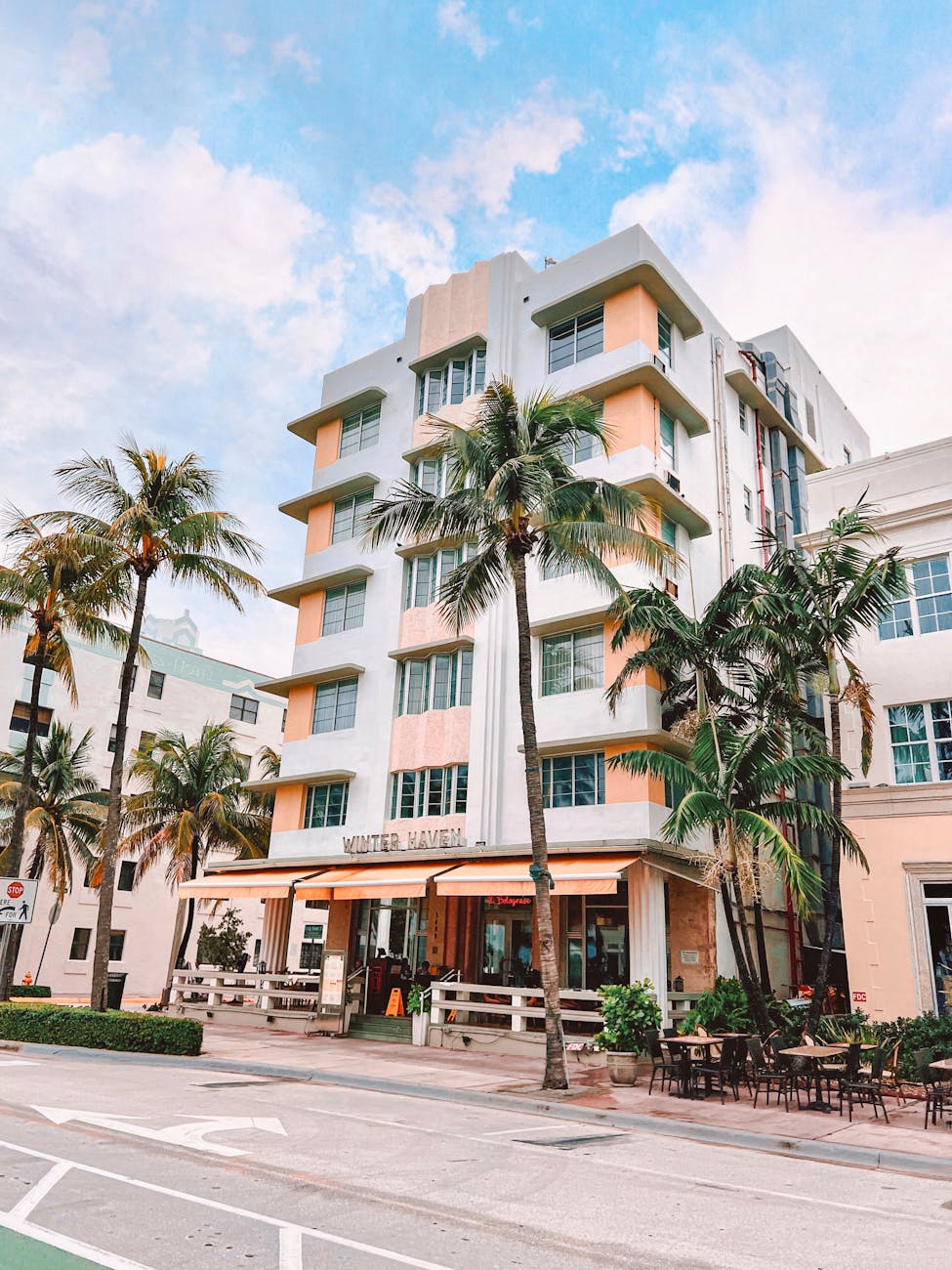
Responsible and Local-First Tips
Practical ways to reduce impact and support the community:
– Travel low-impact: prefer biking, walking, trolley, and bus over short car trips.
– Choose reef-safe sunscreen and avoid trampling dune vegetation; volunteer for or join a short beach cleanup if time allows.
– Eat at family-run restaurants, bodegas, and the Lincoln Road food vendors to direct spending locally.
– Book experiences with local guides and small operators—Art Deco walking tours and neighborhood food walks often use local interpreters and earn community income.
– Reduce single-use plastics: bring a refillable bottle and order tap water when dining.
– Consider offsetting long-haul flights and selecting accommodations with clear sustainability practices.
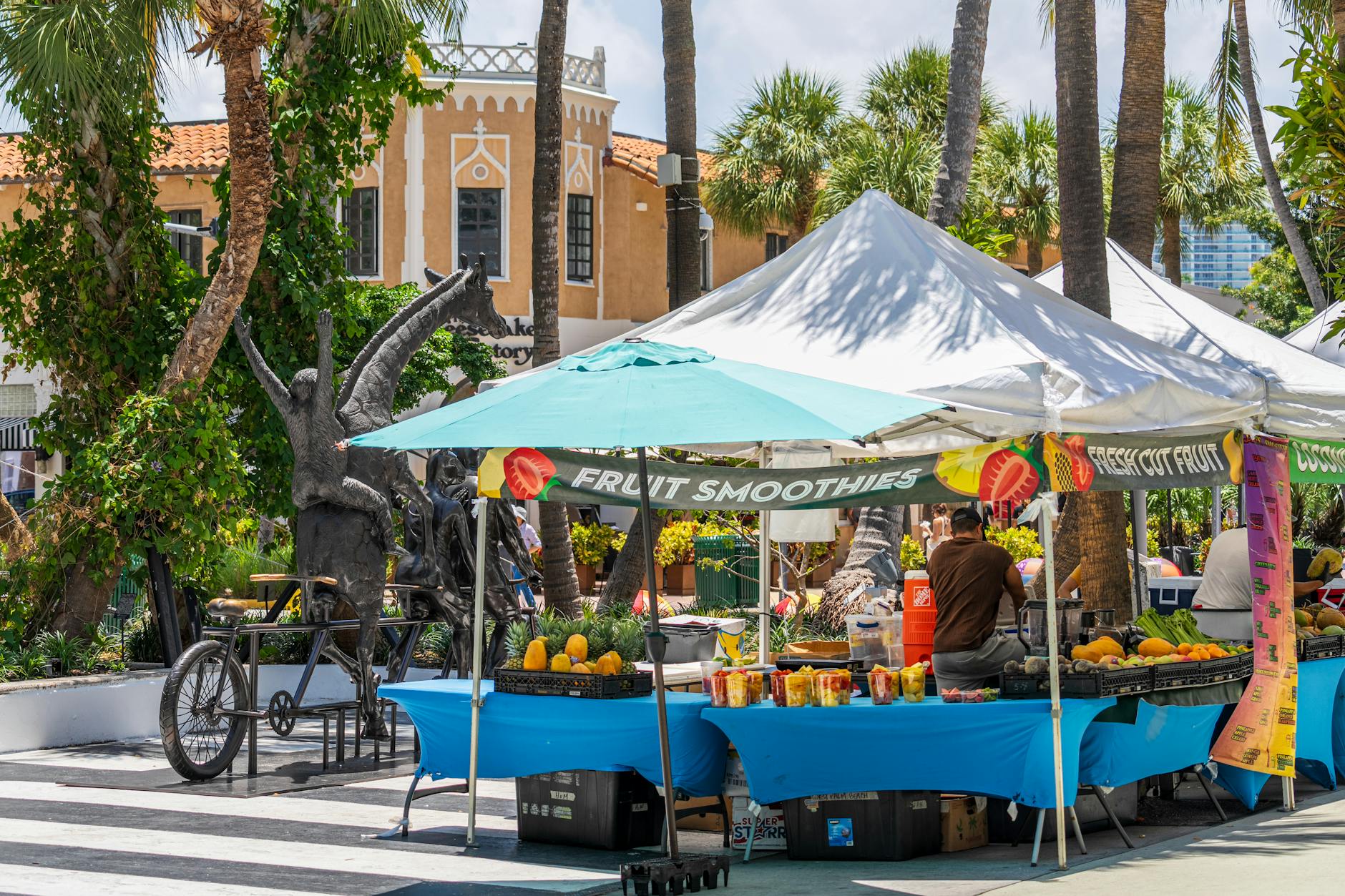
Common Mistakes to Avoid
Mistakes that inflate costs or waste time:
– Underestimating resort fees and parking: always check total nightly cost and parking rates before booking.
– Booking the cheapest beachfront room without checking reviews for noise and extra charges.
– Visiting during Art Basel, spring break, or major conferences without booking weeks or months ahead.
– Relying only on rideshares for short hops—use the trolley, buses, or Citi Bike for quick savings.
– Ignoring weather seasonality: summer storms and hurricane season can affect plans and refund policies.
– Eating only in tourist traps on Ocean Drive—venture to Lincoln Road, Espanola Way, and North Beach for better value and authentic meals.
FAQ
How much should I budget per day in Miami Beach?
Expect $60–$120 for backpacker style, $150–$300 for a moderate visit, and $350+ for a comfortable beachfront stay. Always add a buffer for resort fees and transit.
Is there public transport around Miami Beach and to nearby cities?
Yes. Miami Beach has a free trolley network, local buses, and Citi Bike. For nearby cities, Brightline and Tri-Rail connect Miami, Fort Lauderdale, and West Palm Beach—factor in last-mile transit from stations.
When is the cheapest time to visit?
Shoulder seasons (May; October–November) generally offer lower rates and fewer crowds. Avoid late December–April if you want the best prices.
Can I avoid resort fees?
Sometimes—look for small locally owned hotels, guesthouses, or rentals that advertise no resort fees. Always confirm final price before booking.
How can I prioritize local businesses on a budget?
Eat at neighborhood cafes, buy from markets on Lincoln Road or local bodegas, choose walking or bike tours run by local operators, and book accommodations managed by local owners when possible.
Conclusion
Budgeting for Miami Beach is about choosing the right neighborhood, season, and transport mode. Use Mid- or North Beach to lower lodging costs, travel in shoulder seasons to avoid peak pricing, and favor bikes, trolley, and local businesses to keep spending efficient and community-focused. For a ready plan, pair these budget tips with our 3 days in Miami Beach itinerary and consider day trips to Miami, Hollywood, Fort Lauderdale, or West Palm Beach to broaden your trip without heavy additional expense.
How this guide was prepared
This guide was prepared through a structured research that combines destination research, geographic context, itinerary planning logic, and content review.