

Responsible Travel in Guangzhou
Practical, local-first advice for low-impact travel in Guangzhou: transport, markets, neighbourhood choices, and concrete businesses to support.
How to see Guangzhou responsibly: which neighbourhoods to choose, which local businesses to support, how to use the Metro and bike share, and seasonal choices that cut impact.
Responsible travel in Guangzhou?
Use Guangzhou Metro (buy a Yang Cheng Tong card, deposit 20 RMB) and local bike-share (Meituan/HelloBike ~1 RMB/30 min) to cut taxi use and congestion. Avoid peak summer (June–August) and Chinese New Year crowds; prefer October–December or March–April for cooler, drier weather.
Who This Page Is For
Best for visitors who want practical, low-impact ways to move around Guangzhou, eat locally, and avoid over-touristed attractions. Not aimed at night-clubbers or business travellers who need private cars and strict time schedules.
Key Takeaways for Guangzhou
- Buy a Yang Cheng Tong transport card (deposit 20 RMB) to save time and get Metro fares from 2 RMB
- Avoid the busiest months of June–August and the week around Chinese New Year; prefer Oct–Dec or Mar–Apr
- Skip peak-hour visits to Canton Tower (expect ~150 RMB for the observation deck) and choose Baiyun Mountain or Haizhu riverside walks instead
- Use Line 1, Line 2 and Line 3 on Guangzhou Metro to reach central hubs: Beijing Road, Guangzhou East, and Canton Fair areas
How This Page Was Prepared
This page was prepared through a structured editorial workflow that combines destination research, geographic context, and practical travel-planning review.
Plan the Rest of Your Trip
Use this page together with the full itinerary and the related planning pages below to make better booking, timing, transport, and budget decisions.
The single most useful fact: get a Yang Cheng Tong card (20 RMB deposit) and use Guangzhou Metro for most trips—fares start at 2 RMB and transfers are free within the system.
Combine the Metro with dockless bikes (Meituan or HelloBike, about 1 RMB per 30 minutes) and walk shorter distances to reduce taxi demand. Avoid visiting during June–August and the week of Chinese New Year to reduce energy-intensive cooling and overcrowding.
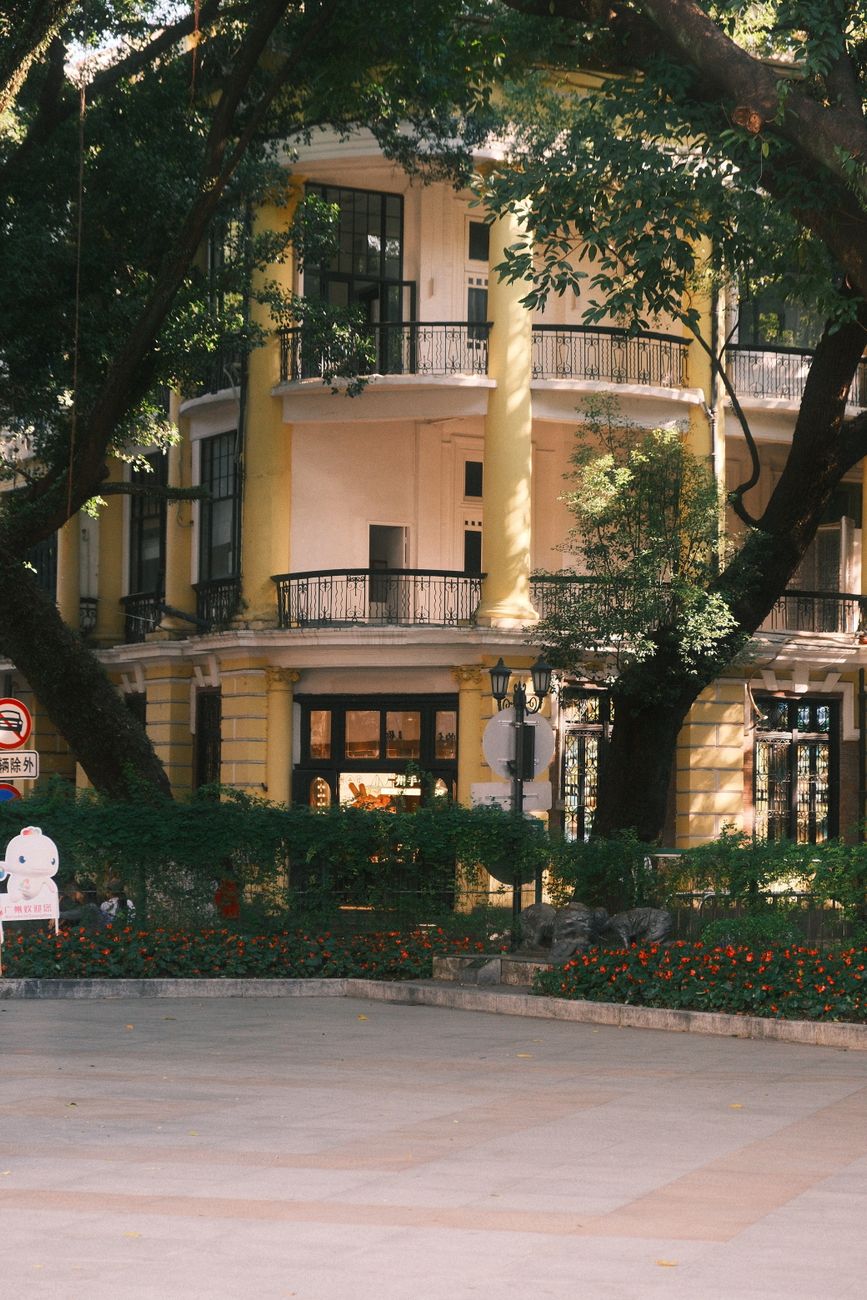
When choosing attractions, swap a sunset visit to Canton Tower for a morning walk on Baiyun Mountain or an early-morning stroll on Shamian Island to see colonial-era architecture without the evening crowds.
This page answers: how to travel through Guangzhou with low environmental and social impact while still seeing the city’s key sites. Many visitors underestimate how quickly short taxi rides, late bookings, and a single over-touristed street can concentrate their spending and strain neighbourhoods.
Guangzhou’s core decisions are transport mode, where to spend on food and crafts, and when to visit. Each choice affects emissions, local livelihoods, and crowding in areas such as Canton Tower and Shangxiajiu.
Practical specifics follow: where to buy a Yang Cheng Tong card, which local restaurants and markets to use, which alternative viewpoints reduce pressure on popular sites, and seasonal timing that reduces energy-heavy travel days.
What This Page Helps You Decide
Decide whether to use Metro, bike-share, or taxis for different days and neighbourhoods. The guidance compares cost and time for trips between key points like Canton Tower, Beijing Road, Canton Fair complex, and Guangzhou South Station.
Choose which food and shopping areas to support: large pedestrian corridors like Shangxiajiu or local businesses such as Taotaoju (陶陶居) and Panxi (泮溪酒家). The page also helps pick the best months to visit and which over-touristed sites to swap for lower-impact alternatives.
Finally, this helps prioritize spending on locally owned businesses and co-ops, and how to sequence visits to reduce backtracking and duplicate transport emissions.
Top Recommendations
Transport: buy a Yang Cheng Tong card at any Metro station (deposit 20 RMB) or top up in the Guangzhou Metro app (广州地铁). Use Metro Lines 1, 2 and 3 for most central trips. Line 3 connects to Baiyun Airport; Line 2 connects to Guangzhou South via transfer at Guomao; expect Metro fares from 2 RMB and plan for 10–30 minutes between central stops. Use Meituan or HelloBike for short hops (about 1 RMB per 30 minutes) — lock bikes on racks on the riverfront and avoid blocking sidewalks.
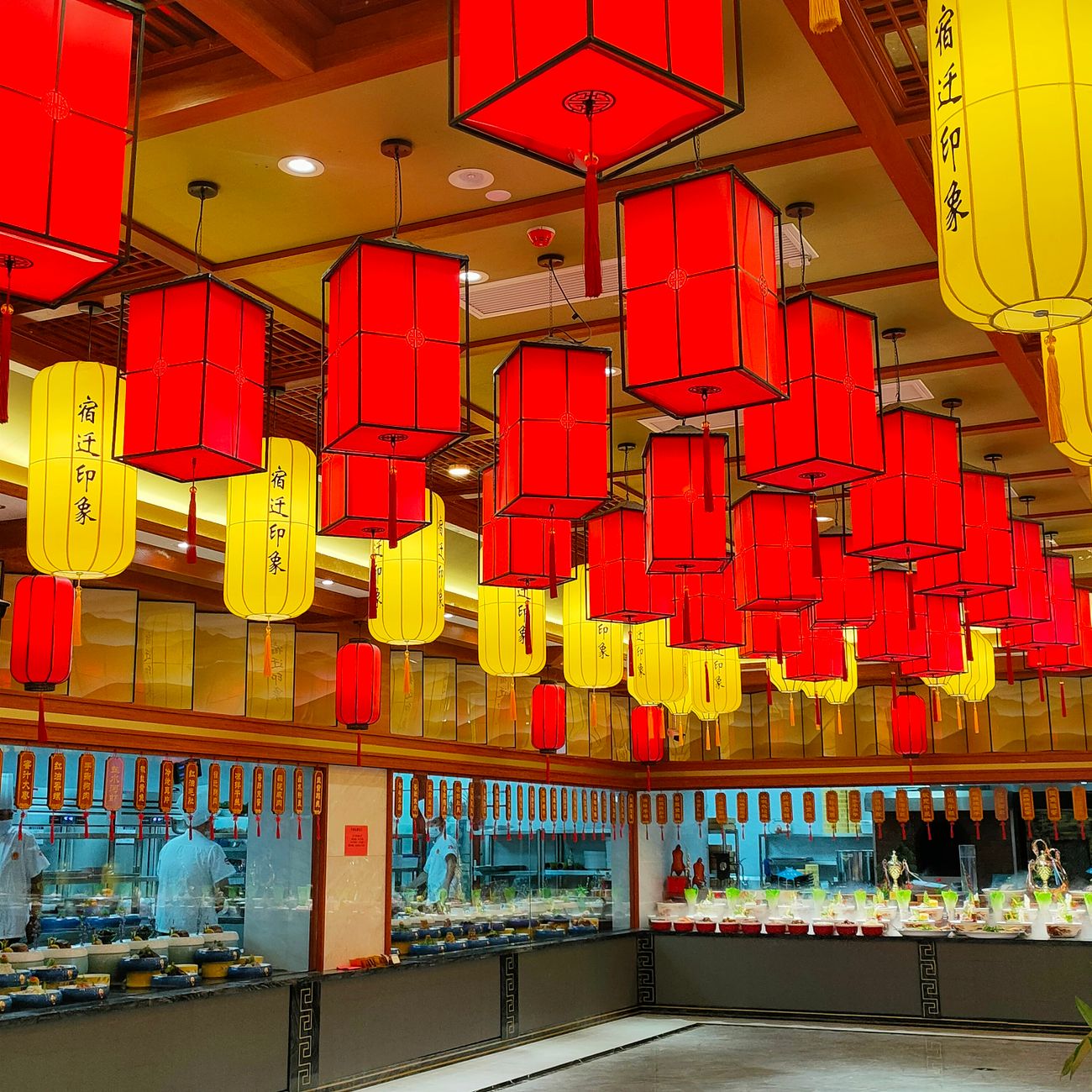
Food and markets: prioritize locally owned Cantonese restaurants with supply chains in Guangzhou. Eat breakfast dim sum at Taotaoju (Beijing Road branch) — typical dim sum is 60–120 RMB per person. For seafood and wholesale produce, shop at Huangsha Aquatic Product Market (near Huangsha Station) early morning to see local supply chains. For medicinal herbs and local produce, visit Qingping Market (Liwan) and buy from small stall owners rather than large wholesalers.
Avoid and replace: Canton Tower observation deck is over-touristed and energy intensive; if skyline views are the goal, use Baiyun Mountain (take Metro Line 2 to Baiyun Park / bus) or the Haizhu riverside walk near Pazhou for lower-impact viewing. Instead of spending exclusively on Shangxiajiu Pedestrian Street, walk through Xiguan neighbourhood lanes east of Lychee Bay and buy crafts at small stores on Wenchang West Road.
Seasonal and behavioural choices: travel Oct–Dec or Mar–Apr to avoid humid heat and typhoon season (Jun–Aug). Schedule outdoor sightseeing for mornings when temperatures are lower and air conditioning use in restaurants is reduced. Book timed tickets for popular sites (Canton Tower, Chimelong) to avoid queuing and the extra emissions from idling taxis.

Local Context
Guangzhou is subtropical: hot, humid summers from May to September and a cooler, drier period from October to December. Summer brings heavy AC use and higher energy consumption at peak times.
Neighbourhoods vary: Liwan and Xiguan (Lychee Bay, Qingping Market, Shangxiajiu) are older commercial hubs served by Line 1 and Line 6. Tianhe (Canton Fair, Zhujiang New Town) on Line 3 and APM has glass towers and heavy commuter flows. Haizhu and Pazhou host exhibition traffic for trade fairs; during the Canton Fair expect crowded hotels and higher taxi prices.
Public transit is extensive. Guangzhou Metro has Lines 1 through 8, Line 3 with an Airport branch, and the APM in Zhujiang New Town. The Yang Cheng Tong card works across metro, buses, and some taxis; WeChat Pay or Alipay are widely accepted for top-ups and shared bikes.
Markets and supply chains: Huangsha Aquatic Market supplies restaurants across Guangdong; Qingping Market handles herbal medicines and minor trade. Supporting stalls and smaller restaurants in these markets helps keep money in local hands rather than large national chains.

How to Choose Well
Weigh time, cost, and local impact. For a 5 km trip inside central Guangzhou, the Metro plus a 10–15 minute bike ride typically costs under 6 RMB and emits less than the equivalent taxi ride. Taxi base fares are faster for door-to-door at night but cost more and concentrate emissions in neighbourhoods.
Trade-offs for attractions: visiting Canton Tower at sunset gives dramatic lights but involves long queues and higher per-visitor energy use; early-morning visits to Baiyun Mountain or Shamian Island give skyline and river views with fewer people and lower lighting needs. For dining, a high-profile restaurant on Shangxiajiu may be convenient but smaller neighbourhood restaurants like Panxi contribute more directly to local supply chains.
When booking accommodation, prefer locally managed guesthouses in Liwan or Haizhu over international chains in Tianhe if price and safety needs are comparable. That choice routes tourist spending to local owners and staff.
Responsible and Local-First Tips
Eat and buy from local operators: have dim sum at Taotaoju or Panxi, buy tea from Guangzhou specialty shops near Beijing Road, and purchase herbs from individual vendors at Qingping Market. These direct purchases support small incomes in Liwan.
Use public transport and shared bikes: top up Yang Cheng Tong (20 RMB deposit) and prefer Metro or bike to short taxi trips. If a taxi is necessary, use DiDi and select shared or economy options where available to reduce empty-running miles.
Time visits to reduce pressure: arrive at popular markets early (6:00–9:00) when local traders operate and crowds are low. Book Canton Fair or Canton Tower tickets with timed entry to avoid long queues that draw additional commercial activity into single streets.

Common Mistakes to Avoid
Relying on taxis for short hops. This increases congestion and costs; instead use Yang Cheng Tong and bikes for trips under 6 km.
Visiting peak attractions during peak hours without booking. Canton Tower and Chimelong parks see intense surges; timed tickets reduce queues and prevent spillover into neighbourhood streets.
Spending only on one pedestrian street. Concentrating all spending on Shangxiajiu or Beijing Road displaces smaller shops. Split purchases: morning at a local market, lunch at a neighbourhood restaurant, and an afternoon craft bought from a small Liwan shop.
FAQ
How much does public transport cost in Guangzhou?
Metro fares start at 2 RMB for short trips; most central rides cost 2–6 RMB. Yang Cheng Tong card requires a 20 RMB deposit and can be topped up at stations or via WeChat Pay.
When is the best time to visit to avoid heat and crowds?
October–December and March–April offer cooler, drier weather and fewer typhoon-related closures. Avoid June–August and the week of Chinese New Year for lower crowds and less intense cooling demand.
Is Canton Tower worth it and is there a lower-impact alternative?
Canton Tower observation deck tickets cost around 150 RMB; for lower impact, visit Baiyun Mountain or Haizhu riverside near Pazhou for skyline views without the evening lighting and queues.
Where to buy local food and crafts responsibly?
Use Qingping Market for herbs and small vendors, Huangsha Aquatic Market for seafood early morning, and neighbourhood shops on Wenchang West Road for crafts. Favor small stall owners over large wholesalers.
Can shared bikes be used across the city and how much do they cost?
Meituan and HelloBike cover central Guangzhou; cost is roughly 1 RMB per 30 minutes. Lock bikes on designated racks and avoid leaving them on narrow sidewalks.
Which Metro lines are most useful for first-time visitors?
Line 1 (east-west through Liwan), Line 2 (north-south) and Line 3 (airport branch to Tianhe) cover most tourist and exhibition areas.
Are English signs common and what apps help with navigation?
Major stations have English signage. Use the Guangzhou Metro app (广州地铁) and Baidu Maps or Amap for routing; WeChat Pay works for card top-ups and bike hire.
Conclusion
The most important thing: use the Metro with a Yang Cheng Tong card and combine it with short bike rides and walking to cut cost and local impact. Time visits for mornings and the Oct–Dec or Mar–Apr windows to avoid energy-heavy summer conditions.
Follow the Top Recommendations to support neighbourhood restaurants and market vendors in Liwan, Huangsha and around Beijing Road. For a practical next step, consult the linked 3 days in Guangzhou itinerary and replace any Canton Tower sunset slot with an early Baiyun Mountain morning visit.
How this guide was prepared
This guide was prepared through a structured research that combines destination research, geographic context, itinerary planning logic, and content review.