

Rochester, MN: A Practical, No-Nonsense 3-Day Guide
Three days in Rochester, MN covers Mayo Clinic sites, downtown Silver Lake, Quarry Hill trails and a nearby county park with clear transit and cost notes.
A compact, realistic 72-hour plan for seeing Mayo Clinic highlights, downtown lakeside walking, one major nature area and a nearby county park without overpacking the schedule.
Expect a city defined by a major medical campus and a compact downtown that mixes office blocks, public plazas and a surprisingly walkable lakeside loop. The mood tilts practical: many residents are clinic staff, patients or students, which makes services reliable but the downtown rhythm different from a tourist-driven place. Visitors often arrive expecting a small college town and are surprised by the scale of Mayo Clinic traffic, the number of available medical services and the quiet pockets of parks and trails within a short drive.
Is 3 days in Rochester enough?
Yes — three days is enough to cover Mayo Clinic highlights, downtown Silver Lake and the Rochester Art Center plus a nature escape like Quarry Hill or Chester Woods. Travelers should accept that long clinic visits or weekday appointments can claim most of a day and that a full exploration of surrounding county parks will require more time.
Who This Guide Is For
Best for travelers combining a short medical trip or conference at Mayo Clinic with sightseeing, and for visitors who prefer easy walking plus one nature day. Not a great fit for people wanting a dense museum crawl or a big-city nightlife weekender.
Local Tips for Rochester
Practical details that most travel sites skip — specific to Rochester.
- Rochester’s airport code is RST; a taxi from RST to downtown typically costs about $25–35 one way and airport shuttles run on demand during scheduled flight hours.
- Buy mobile bus fares via the Token Transit app used by Rochester Public Transit; single rides are around $2 and a full-day pass is typically about $6.
- Mayo Clinic Visitor Center at 200 First St. SW is free and contains public maps and a quiet seating area — useful for families or anyone scheduling a clinic visit.
- Quarry Hill Nature Center on 901 25th Ave SE has marked trails and a small nature museum; there is no municipal parking charge but guided programs sometimes have small fees.
- Downtown farmers market runs Saturdays in warm months at Soldier’s Field Park (check seasonal hours); it’s the easiest place to sample local cheeses and baked goods without leaving central Rochester.
How This Guide Was Prepared
Rochester functions as both a medical campus and a small city with a surprisingly active arts and outdoor scene; many guides treat it only as Mayo Clinic support infrastructure. This guide shows how to balance clinic-related needs with real local neighbourhoods, transit realities and seasonal limits on attractions. This guide was prepared through a structured research that combines destination research, geographic context, itinerary planning logic, and content review.
Plan Your Stay in Rochester
Use this itinerary as your starting point, then compare areas to stay, transport options, seasonal timing, and realistic daily costs before booking.
Why Visit
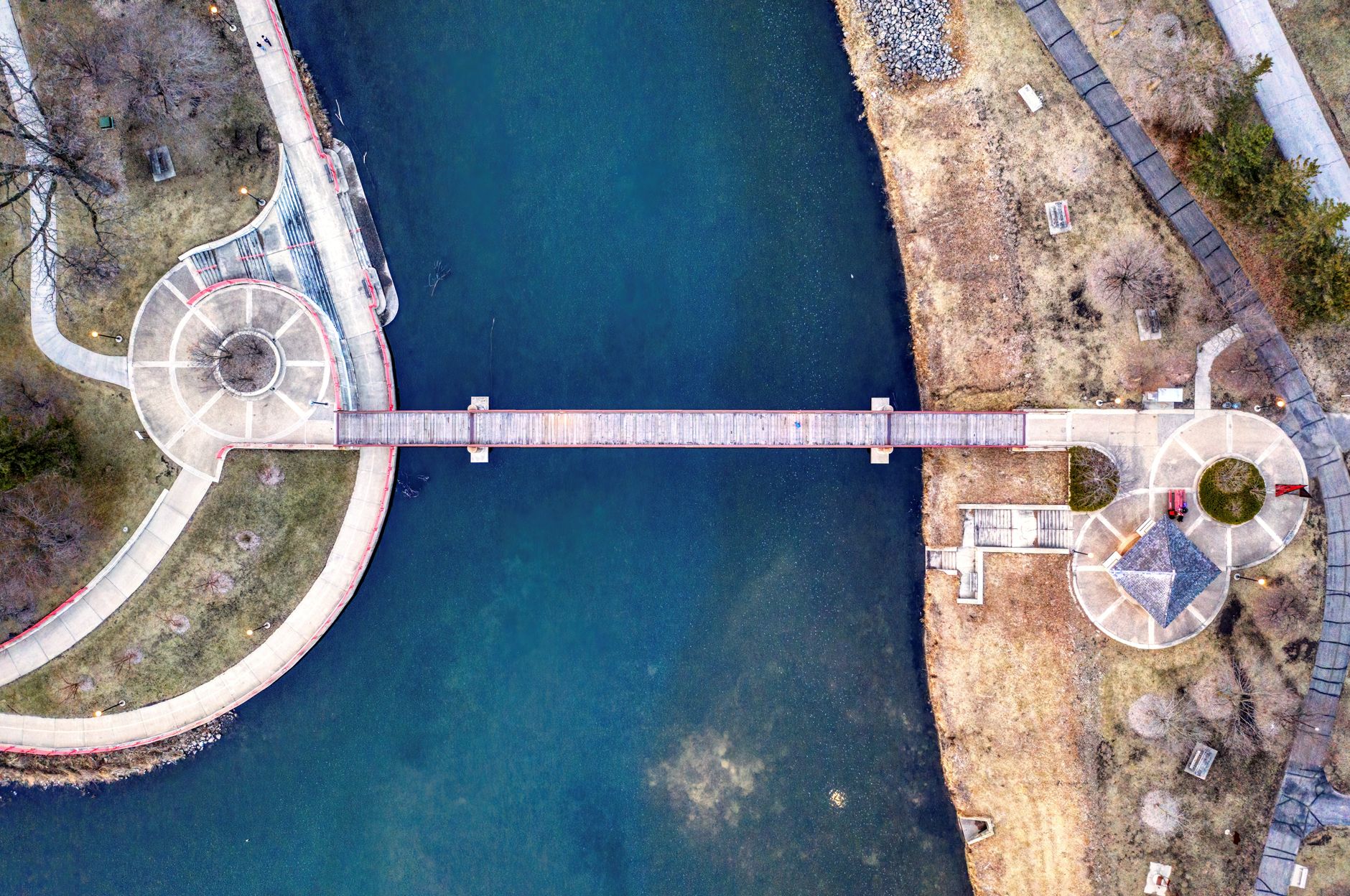
Access to Mayo Clinic is the single most common reason; the Visitor Center, Plummer Building and public art around the campus matter for practical navigation more than sightseeing. The Zumbro River corridor and Silver Lake give short, accessible walks inside the core of town without needing a car. A well-maintained regional park like Chester Woods and an urban nature hub at Quarry Hill allow a contrasting day outdoors within 20–30 minutes of downtown.
Quick Planning Tips
Most flights arrive at RST; taxis are quicker than waiting for a shared shuttle and cost roughly $25–35 to downtown. Use Token Transit on a smartphone for Rochester Public Transit fares to avoid buying paper tickets; validate before boarding. Carry a credit card that works for parking meters and downtown lots — coin meters are rare and many lots enforce paid rates during business hours.
Day 1
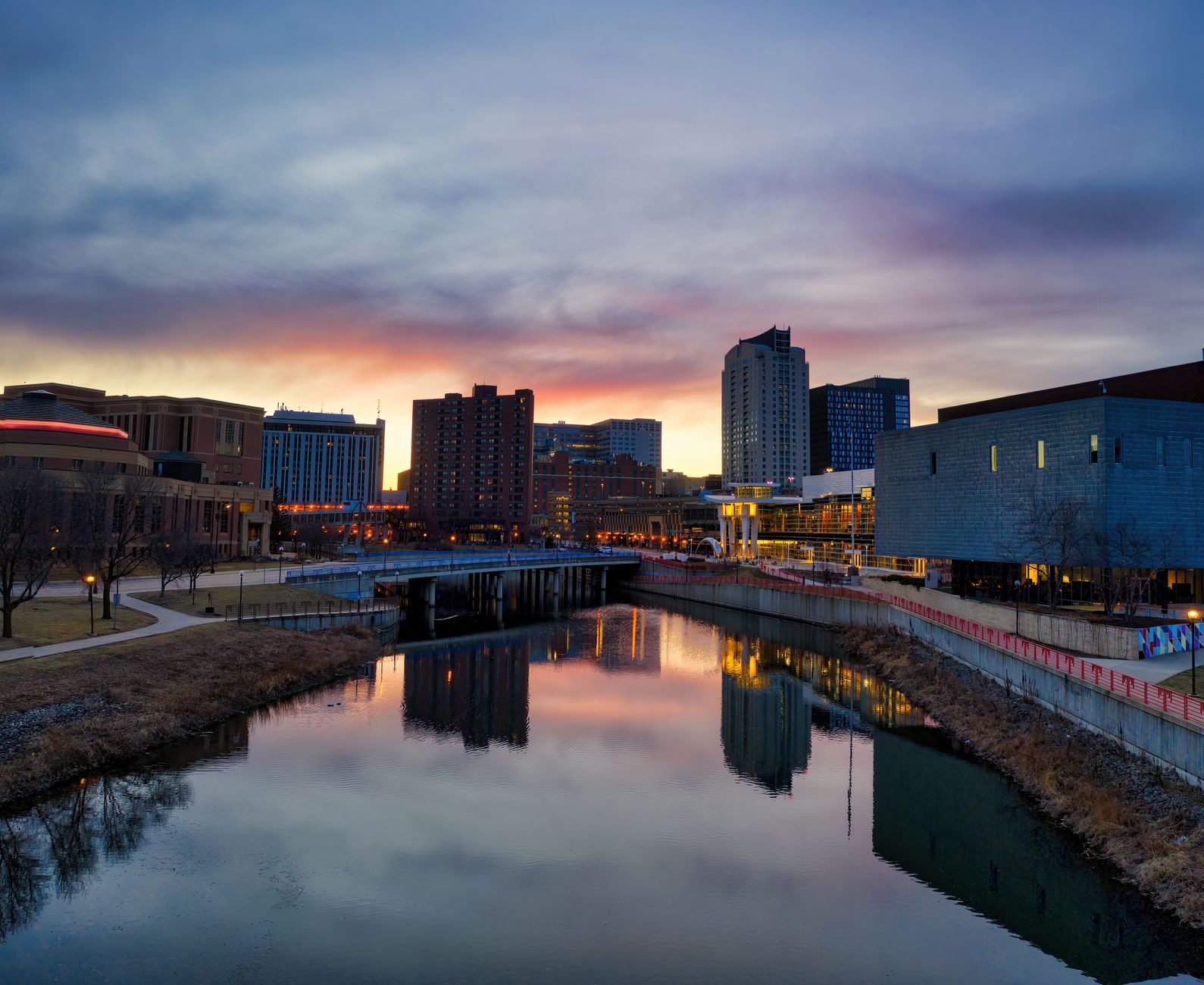
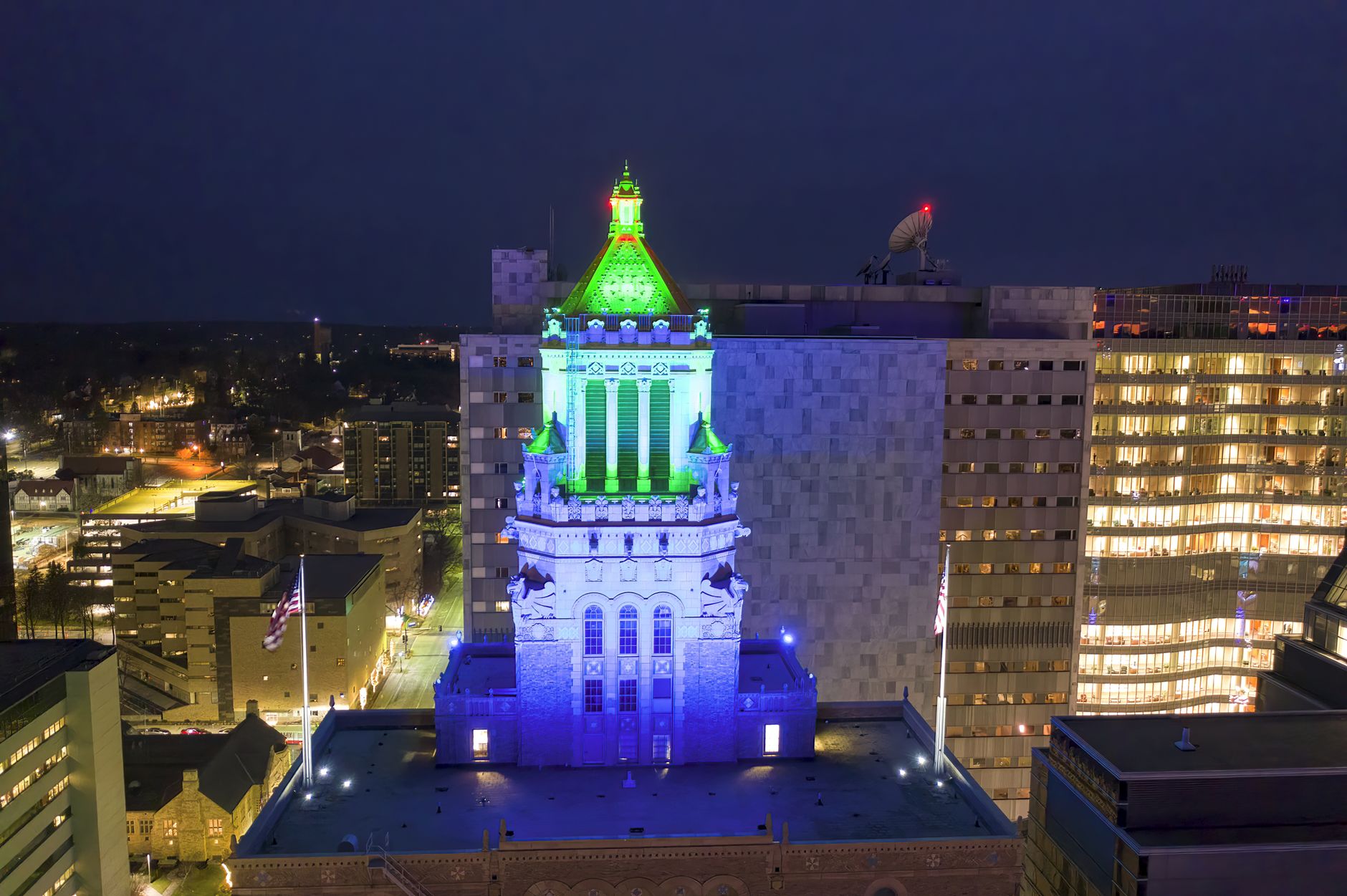
Start at Mayo Clinic Visitor Center on First Street SW for maps and orientation; staff can explain parking, shuttles and building entrances and it’s a short walk from several downtown hotels. Walk 5–10 minutes to the Plummer Building and Gonda Building to view the architecture and public lobbies; allow an hour if planning photos and map-checking. From there walk 8–12 minutes to Silver Lake for the 1.5-mile path around the lake and a coffee stop; the loop is flat and good for light walking.
Day 2
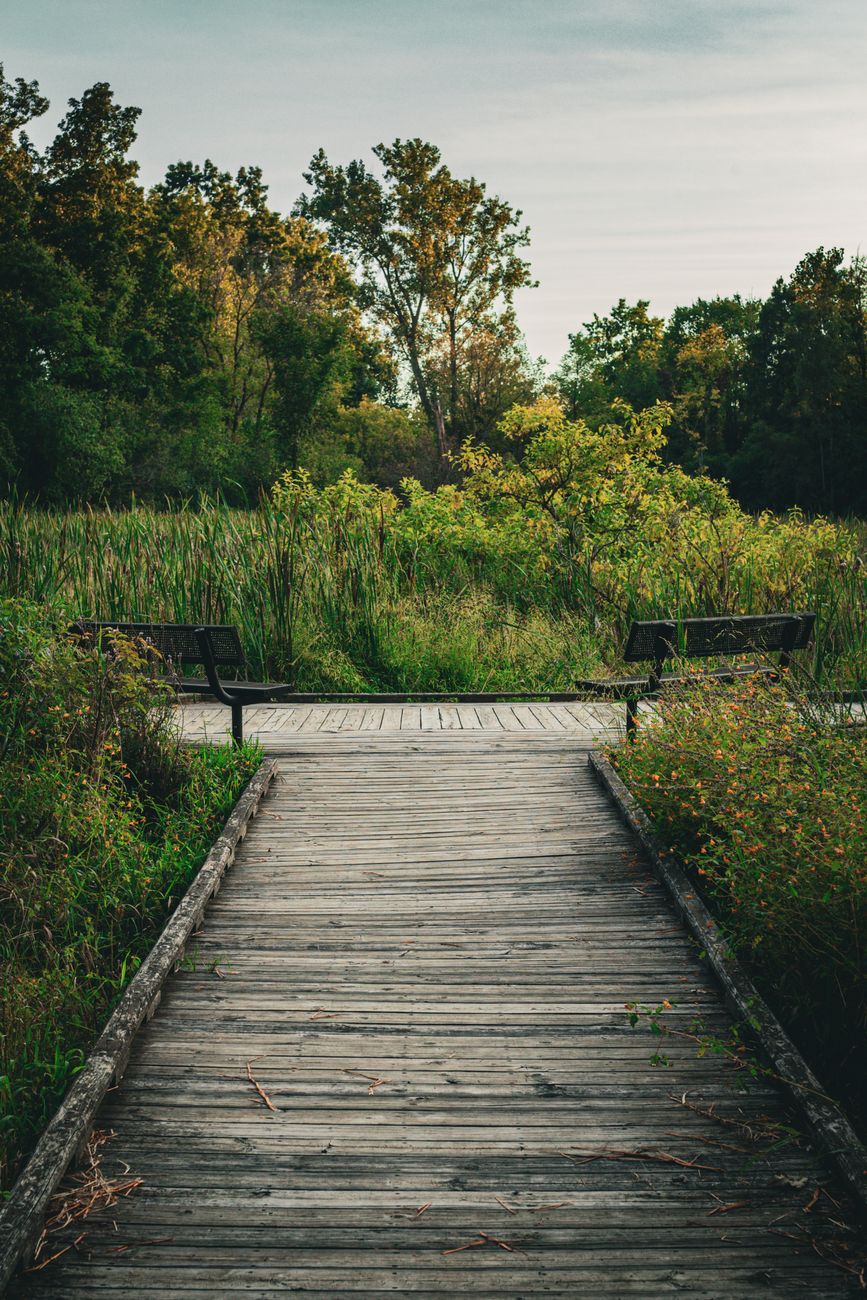
Head east to Quarry Hill Nature Center for a morning of trails and the small interpretive center; allow two to three hours including its boardwalk and short loop trails. Drive or take a local bus toward Mayowood Mansion (seasonal tours) to learn about the Mayo family estate and grounds; tours often run on set schedules so reserve ahead if possible. From Mayowood drive 20–30 minutes to Chester Woods Park for a late-afternoon hike or shoreline views; the park is larger and rougher than Quarry Hill and rewards longer walks.
Day 3
Begin with the downtown farmers market at Soldier’s Field Park if visiting on a Saturday during market season; sample cheeses, breads and prepared foods and use it as a chance to pick up picnic items. Walk or take a short bus ride to the Olmsted County Historical Society site to review local exhibits and any guided tours of historic houses; allow 1–1.5 hours. Spend mid-afternoon at Apache Mall only if shopping is needed — it’s an outlying suburban mall and can be skipped if time is tight.

Best Local Experiences
Saturday farmers market at Soldier’s Field Park in warm months offers a direct look at local producers and ready-to-eat stands. Attend a public program at Quarry Hill Nature Center for guided walks and seasonal displays of local flora and fauna. Take a Mayowood Mansion tour during its open season for a close local-history perspective on the Mayo family and their influence on the town.
Where to Stay
Downtown (Peace Plaza / Silver Lake): Best for short walks to Mayo Clinic buildings, restaurants and the Art Center. Suits visitors who want minimal driving; expect midweek rates roughly $120–200 USD (€110–185) per night depending on season. Mayo Clinic campus area (St. Marys / Gonda corridor): Best for early clinic appointments and hospital visitors; rooms are often pricier and tailored to medical visitors, roughly $140–240 USD (€130–220) per night.
Food and Drink
Minnesota wild rice soup: a creamy broth with wild rice and often chicken; find a reliable bowl at downtown lunch spots or at the farmers market vendors in season for about $6–10. Walleye or pan-fried lake fish: common on local dinner menus; expect $16–30 at midrange restaurants. Kolaches and bakery items: Central European pastries are available at local bakeries and the Saturday market; prices $2–4 per item.
Getting Around
Rochester Public Transit (RPT) runs multiple local bus routes with a downtown Transit Center; most local single fares are about $2 and a day pass roughly $6. Token Transit is the mobile app used for ticketing; download and load funds before boarding to avoid delays. Rideshares and taxis operate from the airport (RST) and downtown; expect a taxi from RST to downtown to cost around $25–35 depending on luggage and time of day.
Best Time to Visit
Peak outdoor season runs May through October when trails, farmers market and outdoor festivals operate reliably. Summer daytime highs are typically 70–85°F (21–29°C) with occasional hot spells; evenings are cooler and comfortable for lakeside walks. Spring can be muddy and unpredictable; late fall brings colorful leaves but shorter daylight and cooler temperatures.
Budget and Practical Tips
Typical daily budget for a midrange traveler: accommodation $100–180 USD (€95–170), meals $30–60 USD (€28–56), local transport $5–15 USD (€5–14) and occasional entry fees $0–20 USD (€0–19). Clinic-related parking or paid lots can add $8–15 USD (€7–14) per day; factor that in if visiting Mayo Clinic. Many museums and the Art Center are low-cost or free; guided tours like Mayowood may charge $8–15 USD (€7–14) per person.
FAQ
Is Rochester safe for solo travelers?
Yes; downtown and residential areas are generally safe during the day but use normal precautions at night and avoid poorly lit streets after late hours.
How do I get from RST to downtown?
Taxi or rideshare is fastest (about $25–35); some hotels provide shuttle service, and a handful of shared shuttles run on scheduled flights.
Is there a city pass or attraction card worth buying?
No widely used city pass exists; most local attractions are low-cost or free, so individual tickets and donations are typical.
Can public transit reach Quarry Hill and Chester Woods?
Quarry Hill is reachable by local bus with limited schedules; Chester Woods is best reached by car for flexibility. Check Token Transit for current route maps.
Are restaurants open late on weekends?
Many close earlier than big cities; expect reduced late-night options after 10pm, especially Sunday and Monday nights.
Do I need to book Mayowood tours in advance?
Yes for peak season and group tours; small tour slots can fill, so reserve online or by phone if possible.
Any safety concerns around Mayo Clinic?
The clinic campus is secure with controlled-entry buildings; follow posted visitor procedures and wear any required badges while inside.
What should I pack for outdoor days?
Layered clothing, waterproof shoes for trails and a daypack for water and snacks during spring and fall when weather changes quickly.
Conclusion
Three days delivers a clear mix: practical clinic access, a downtown lake loop with arts stops and one fuller day in nature. Most visitors will remember how the medical campus shapes the flow of the city and the ease of short outdoor escapes like Quarry Hill or Chester Woods. If time runs short, prioritize the Mayo Clinic Visitor Center plus a Silver Lake walk and one cultural stop — that combination gives both orientation and a feel for the place.
How this guide was prepared
This guide was prepared through a structured research that combines destination research, geographic context, itinerary planning logic, and content review.