
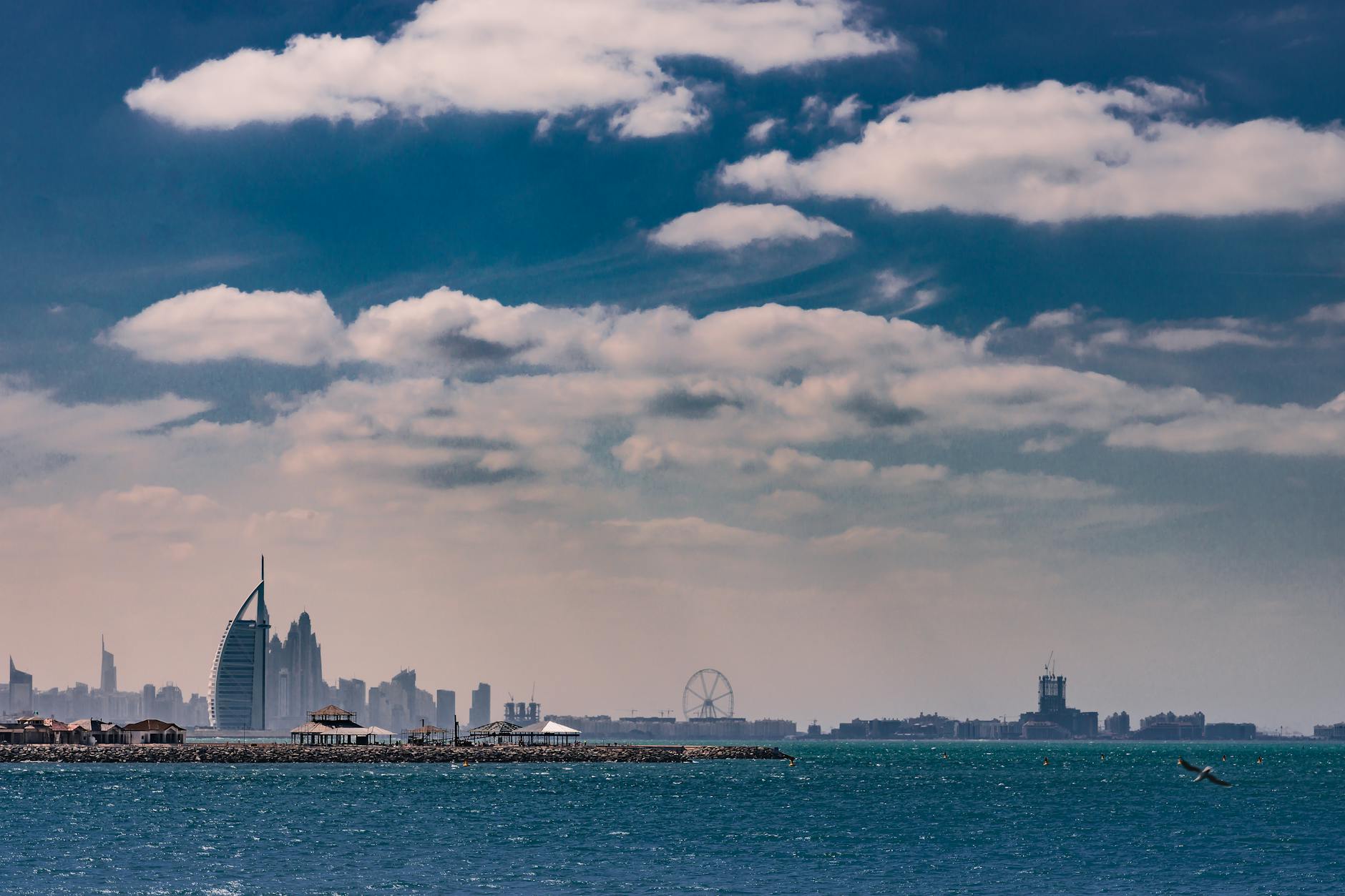
Best Things to Do in Dubai: Practical, Local-First Picks
Practical, low-impact recommendations for the best things to do in Dubai — neighborhoods, transport tips, seasonal advice, and how to use this list with our 3-day Dubai itinerary. Focus on local businesses and sustainable choices.
A compact, search-friendly support page to help travelers pick the best activities in Dubai, match them to neighborhoods and the 3-day itinerary, and make responsible choices that benefit local businesses.
Quick Answer
A compact, search-friendly support page to help travelers pick the best activities in Dubai, match them to neighborhoods and the 3-day itinerary, and make responsible choices that benefit local businesses.
Who This Page Is For
This page is for travelers planning a stay in Dubai who want clearer decisions about things to do, local logistics, timing, budgeting, and practical trip planning.
How This Page Was Prepared
This page was prepared through a structured editorial workflow that combines destination research, geographic context, and practical travel-planning review.
Plan the Rest of Your Trip
Use this page together with the full itinerary and the related planning pages below to make better booking, timing, transport, and budget decisions.
Quick picks for first-time visitors and those using the 3-day Dubai itinerary:
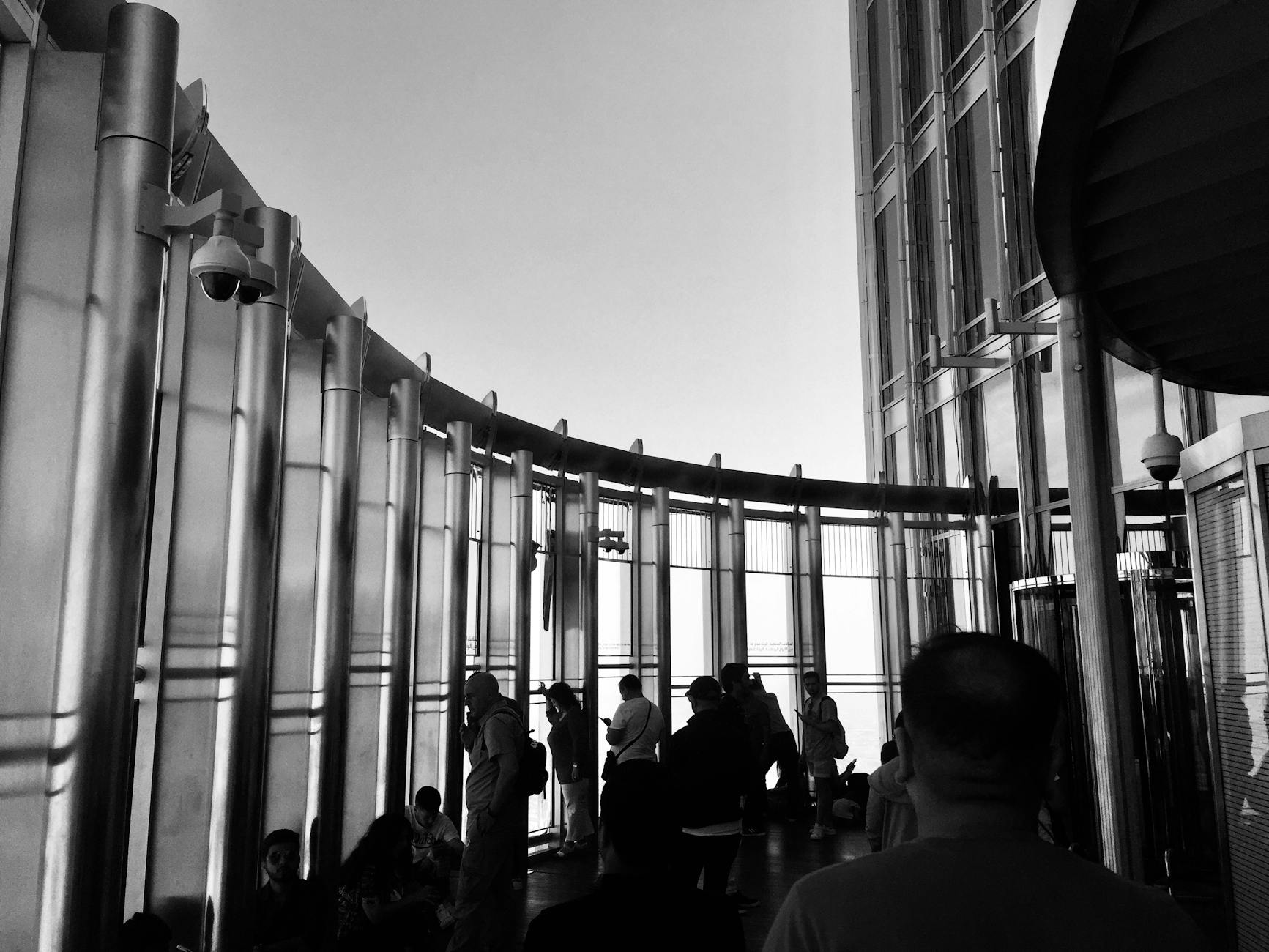
- Must-see: Burj Khalifa observation deck (book in advance) and The Dubai Mall for architecture and connecting transit.
- Best local neighborhoods: Al Fahidi (heritage), Deira/Gold Souk (markets), Jumeirah (beaches and mosques), Dubai Marina/Palm (waterfront modern cityscape).
- Low-impact options: walking Al Fahidi, abra ride across Dubai Creek, public-transport-supported coastlines like Jumeirah Open Beach and La Mer.
- Avoid: trying to cover the city in a single day, visiting mid-July-August in daytime, or booking unlicensed desert tours.
See the 3-day Dubai itinerary for a pre-built plan you can drop these choices into and for linked day-by-day timing advice.
This page pulls together the best, practical things to do in Dubai with an eye to local culture, low-impact choices, and how activities fit into a 3-day trip. Use it alongside our main 3-day guide for scheduling and pacing. Entries are organized by neighborhood, travel realities, and tips for booking and timing so you spend less time planning and more time supporting local businesses and experiences.
What This Page Helps You Decide
Use this page to:
- Choose neighborhood-based activities that fit your pace and the 3-day itinerary.
- Decide when to book popular attractions (Burj Khalifa, desert safaris, museum time-slots).
- Pick low-impact, local-first experiences (heritage walks, small souks, locally run boat trips).
- Identify transport options that save time and reduce carbon compared with private SUVs.
It’s focused on practical decisions: when to go, how to get there, what to reserve, and which vendors to prioritize for local benefit.
Top Recommendations
Neighborhood-by-neighborhood highlights you can slot into the 3-day plan.
Downtown / Business Bay
– Burj Khalifa (best early morning for clearer views and cooler temps). Book the exact time slot in advance.
– The Dubai Mall: for the aquarium, walking routes, and local cafés away from the busiest food courts.
Al Fahidi / Al Seef / Dubai Creek
– Al Fahidi Historic District: free or low-cost heritage walking tours led by local guides.
– Abra ride across the Creek to Deira’s spice and gold souks — cheap, cultural, and low-impact.
Deira and Old Dubai
– Gold Souk and Spice Souk: visit small shops, bring cash, and bargain respectfully.
– Al Ghurair Centre area for older-style Emirati commerce and local bakeries.
Jumeirah and La Mer
– Jumeirah Mosque visit (guided tours available for non-Muslims) and shoreline walks at Jumeirah Open Beach.
– La Mer: beachfront cafes and easier walking than some other coastline areas.
Marina, JBR, Palm
– Marina promenade at dawn or dusk, Palm Jumeirah boardwalk, and a monorail ride to Atlantis (book waterpark times in advance if visiting).
Desert and Outdoors
– Small-group, eco-conscious desert safaris that emphasize conservation and cultural respect.
– Al Qudra lakes for birdwatching and low-impact outdoor time away from the city.
Museums and Culture
– Etihad Museum for recent UAE history and the Dubai Museum for traditional life.
– Alserkal Avenue (Al Quoz) for contemporary art galleries and independent cultural spaces.
Food and Markets
– Eat at family-run Emirati or Levantine restaurants in Deira and Al Fahidi.
– Try street-level bakeries, kunafa shops, and small coffee-roasters rather than only chains.
Practical booking tips
– Reserve Burj Khalifa slots and popular museum tours two weeks ahead during high season (Dec–Feb).
– Book desert safaris and dhow dinner cruises at least a week ahead; verify licensing and group size.
If you prefer a mapped schedule, drop these picks into the 3-day Dubai itinerary where each activity is already routed for time and transport efficiency.
Local Context
Seasonality and crowds
– Peak season is November through March: cool weather and higher prices. Shoulder seasons (Oct–Nov, Feb–Apr) balance weather and fewer crowds.
– Summer (June–August) is extremely hot; favor indoor, air-conditioned attractions or early-morning outdoor activities.
Transport realities
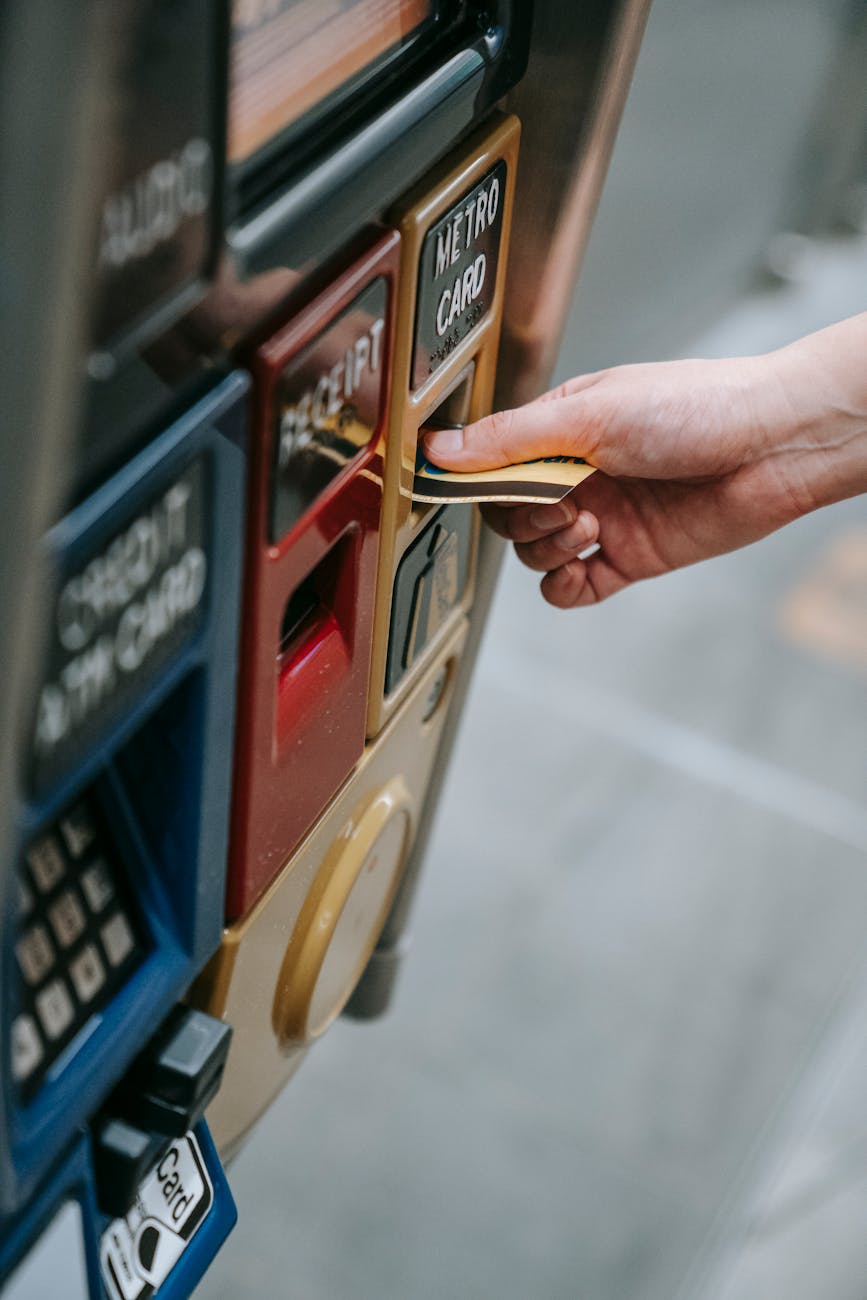
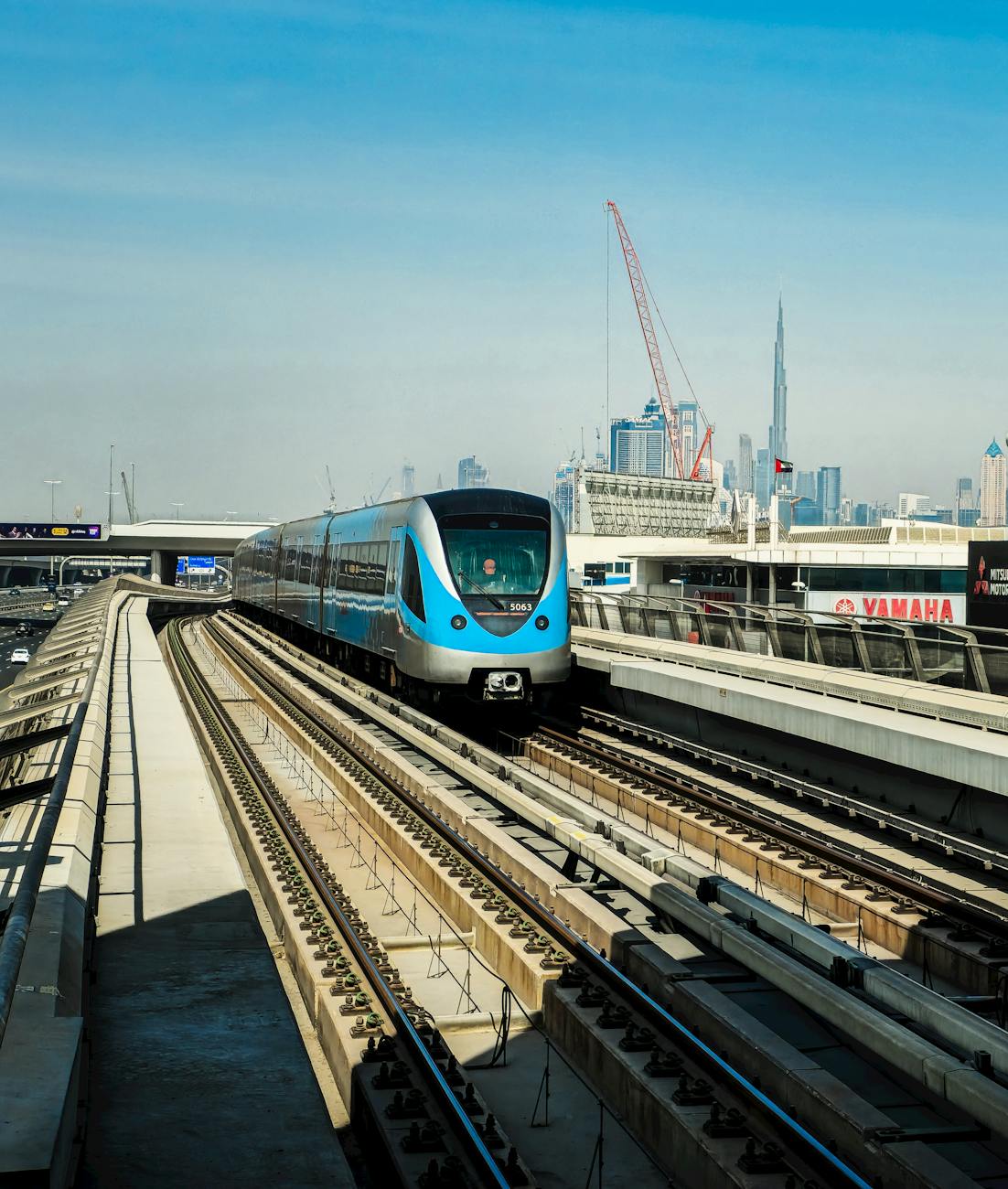
– The Metro, Tram, and Nol card cover many tourist spots; plan routes that use Metro for long legs (Downtown, Marina, Mall of the Emirates).
– Taxis and Careem fill gaps where the metro doesn’t reach (Jumeirah beach stretches, Al Qudra). Expect additional time in road traffic during rush hours.
– Walking is pleasant in Al Fahidi, La Mer, and some Marina stretches; most other districts are car-oriented.
Cultural and etiquette notes
– Ramadan impacts opening hours and dress/timing; show respect by avoiding public eating or loud behavior during fasting hours.
– Dress modestly in heritage areas, mosques, and government buildings; swimwear is fine at beaches and hotel pools.
– Tipping is appreciated but modest: 10–15% where service isn’t included.
Safety and costs
– Dubai is safe by global standards; watch for heat-related risks and stay hydrated.
– Free or low-cost attractions (heritage walks, abra rides, public beaches) can balance splurges like fine dining or theme parks.
How to Choose Well
Match activities to your energy, budget, and the 3-day plan.
If you have one day free in the 3-day itinerary:
– Choose Downtown and Al Fahidi for compact walking plus a Burj Khalifa slot.
If you prefer low-impact and local-first:
– Prioritize Al Fahidi walks, abra crossings, local cafés in Deira, and small-gallery visits in Alserkal Avenue.
If traveling with family:
– Pick one big-ticket attraction (aquarium, waterpark, or desert experience) and keep other days lighter with beach time or parks.
Booking priority list (highest to lowest):
– Burj Khalifa timeslot and major museum guided tours
– Desert safari with licensed operator
– Popular restaurants and Friday brunches
– Dhow dinner cruise during peak season
Ask before you book:
– Is the provider licensed? (desert guides, dhow operators)
– What is the group size and cancellation policy?
– Are cultural experiences run by local hosts and do fees support the community?
Responsible and Local-First Tips
Small choices that direct tourist spending locally and reduce impact:
- Choose local guides and family-run restaurants over international chains when possible.
- Use public transport (Metro, Tram, abra) for major transfers; combine with short taxi rides when needed.
- Prefer small-group desert operators that limit vehicle numbers and follow dune-protection rules.
- Shop mindfully at souks: buy fewer, higher-quality items from known local artisans.
- Avoid single-use plastics: carry a refillable bottle and use refill stations in malls where available.
- Respect cultural practices: be discreet with photography in residential areas and ask before photographing people.
Sustainable alternatives to common high-impact options:
– Swap a long yacht charter for a short traditional dhow cruise or a shared community kayak trip where available.
– Replace theme-park-hopping with visits to public parks, waterfront promenades, and nearby natural areas like Al Qudra.
Supporting the local economy:
– Book experiences run by Emirati or long-term local residents (heritage tours, cooking classes).
– Eat where staff are from the region and purchase souvenirs from accredited craft collectives.
Common Mistakes to Avoid
Practical errors travelers commonly make and how to prevent them:
- Trying to see everything: Dubai is spread out. Focus by neighborhood and use the 3-day Dubai itinerary to pace activities.
- Underbooking high-demand slots: book Burj Khalifa, desert safaris, and Friday brunches in advance for high season.
- Ignoring heat and timing: plan outdoor activities for early morning or late afternoon outside summer months.
- Choosing unlicensed operators: check licenses for desert tours, dhow cruises, and water activities.
- Expecting free cultural access: some museums and guided tours have limited capacity and charge nominal fees — reserve ahead.
- Not checking Ramadan hours: opening times change and daytime eating in public is restricted during fasting hours.
Avoid these and your trip will be smoother, more respectful, and better for local communities.
FAQ
When is the best time to visit Dubai to balance weather and crowds?
The shoulder months (October–November and February–April) offer warm, comfortable weather with fewer crowds than peak winter. December–January is pleasant but busier and pricier. Summer months are very hot and best for indoor activities.
Should I buy a Nol card and use public transport?
Yes. A Nol card (or contactless payment) is the most efficient and affordable way to use the Metro, Tram, and buses. It will reduce taxi costs and is often faster during peak traffic.
How far in advance do I need to book Burj Khalifa or desert tours?
For high season (Nov–Mar), book Burj Khalifa at least two weeks ahead for preferred time slots; desert safaris should be reserved about one week ahead, longer for private or small-group eco options.
Are there low-cost, authentic food options?
Yes. Visit small family-run cafés and bakeries in Deira, Al Fahidi, and Al Qusais. Seek out local recommendations rather than only tourist restaurants; they’re better for local economies and budgets.
Is it easy to walk between attractions?
In heritage areas (Al Fahidi, Al Seef) and parts of the Marina it’s pleasant. Much of Dubai is car-oriented; use the Metro, tram, or short taxis to bridge longer distances, especially in heat.
Any special etiquette I should know?
Dress modestly in heritage areas and when visiting religious sites. During Ramadan, avoid eating or drinking in public during daylight hours out of respect. Always ask before photographing people in residential or market settings.
Conclusion
Dubai rewards travelers who plan by neighborhood, book key slots ahead, and choose experiences that support local people and places. Use this page to pick activities that match your energy and values, then slot them into the main 3-day Dubai itinerary for a smooth, low-impact trip. If you have extra time, consider nearby cities like Sharjah, Abu Dhabi, Muscat, Doha, or Manama for regional extensions that showcase different local cultures and slower-paced alternatives.
How this guide was prepared
This guide was prepared through a structured research that combines destination research, geographic context, itinerary planning logic, and content review.