
Where to Stay in Firenze (Florence): Neighborhoods, Practical Tips, and Sustainable Choices
Practical, local-first guide to choosing where to stay in Firenze. Neighborhood pros and cons, transport realities, ZTL and booking tips, sustainable options, and links to the 3-day Firenze itinerary and nearby day trips.
A compact, walkable city with distinct neighborhoods. This page helps you pick the best place to stay in Firenze based on trip length, budget, mobility needs, and sustainable values—plus practical booking and ZTL advice for stress-free days and easy day trips to Siena, Lucca, and more.
Quick Answer
A compact, walkable city with distinct neighborhoods. This page helps you pick the best place to stay in Firenze based on trip length, budget, mobility needs, and sustainable values—plus practical booking and ZTL advice for stress-free days and easy day trips to Siena, Lucca, and more.
Who This Page Is For
This page is for travelers planning a stay in Firenze who want clearer decisions about where to stay, local logistics, timing, budgeting, and practical trip planning.
How This Page Was Prepared
This page was prepared through a structured editorial workflow that combines destination research, geographic context, and practical travel-planning review.
Plan the Rest of Your Trip
Use this page together with the full itinerary and the related planning pages below to make better booking, timing, transport, and budget decisions.
If you have just a short trip (refer to our 3-day Firenze guide), stay near Santa Maria Novella or the Duomo for the easiest logistics. For a more local feel and artisans, choose Oltrarno (Santo Spirito/Pitti). Budget travelers should look around San Lorenzo and Santa Croce. If arriving by train and planning day trips to Siena, Lucca, or Arezzo, prioritize proximity to Santa Maria Novella station.
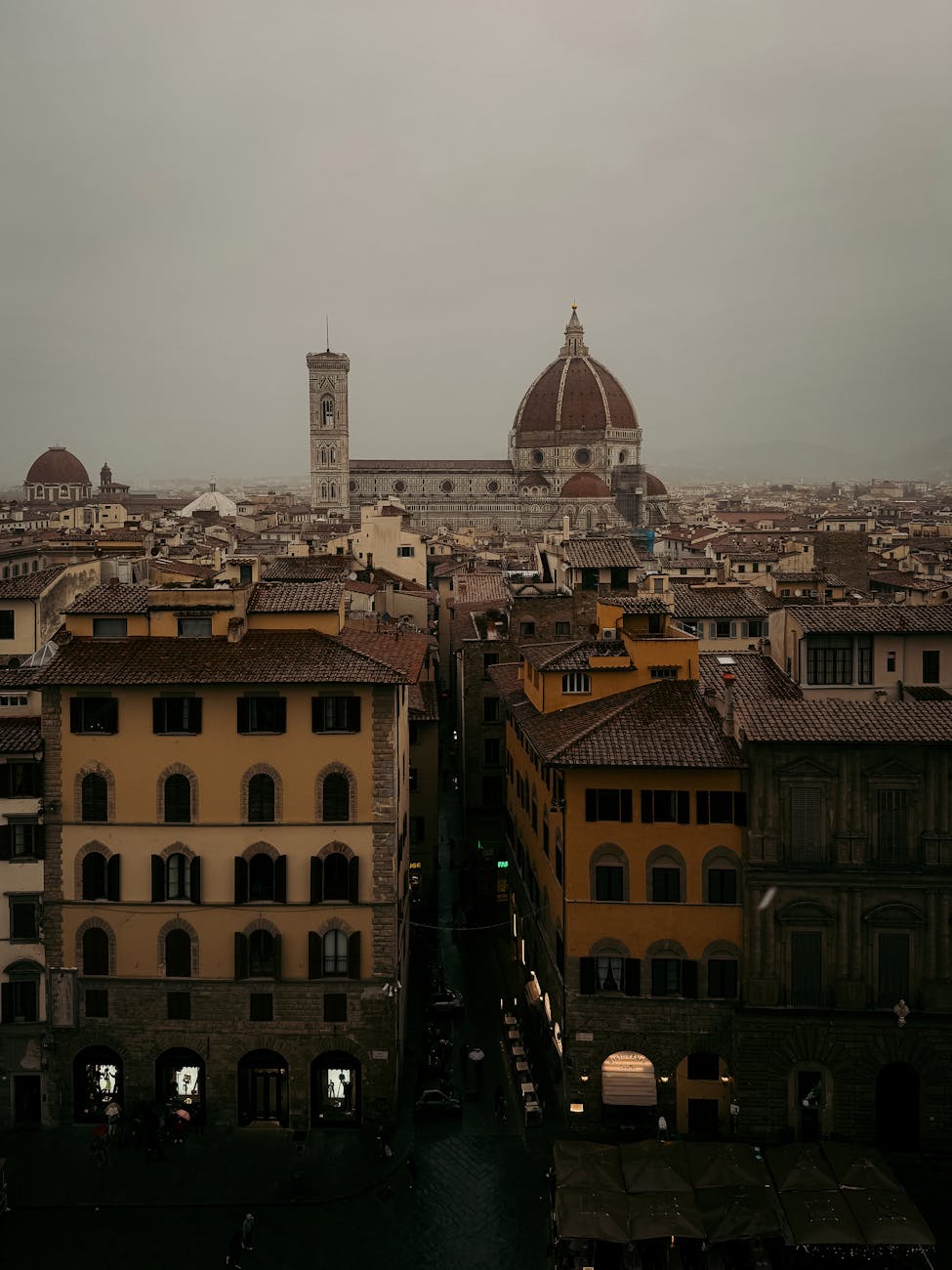
Firenze’s centre is compact and best explored on foot. Choosing the right neighborhood means balancing convenience for museums and transfers with the atmosphere you want: artisan workshops, market life, quiet boulevards, or riverside sunsets. This page supports our main 3-day Firenze itinerary by focusing on where to base yourself for efficient sightseeing and meaningful local experiences.
What This Page Helps You Decide
This guide helps you pick a neighborhood and accommodation type that fit: – Trip length and connection needs (day trips to Siena, Lucca, Montecatini-Terme, Prato, Arezzo) – Desired vibe: tourist-centre convenience vs local artisan neighborhoods – Budget trade-offs: short walk to main sites vs quieter, cheaper streets – Practical needs: families, mobility, luggage, and car access – Sustainable priorities: locally run B&Bs, guesthouses, and low-impact stays Use the neighborhood notes to align your lodging with the 3-day Firenze itinerary and planned day trips.
Top Recommendations
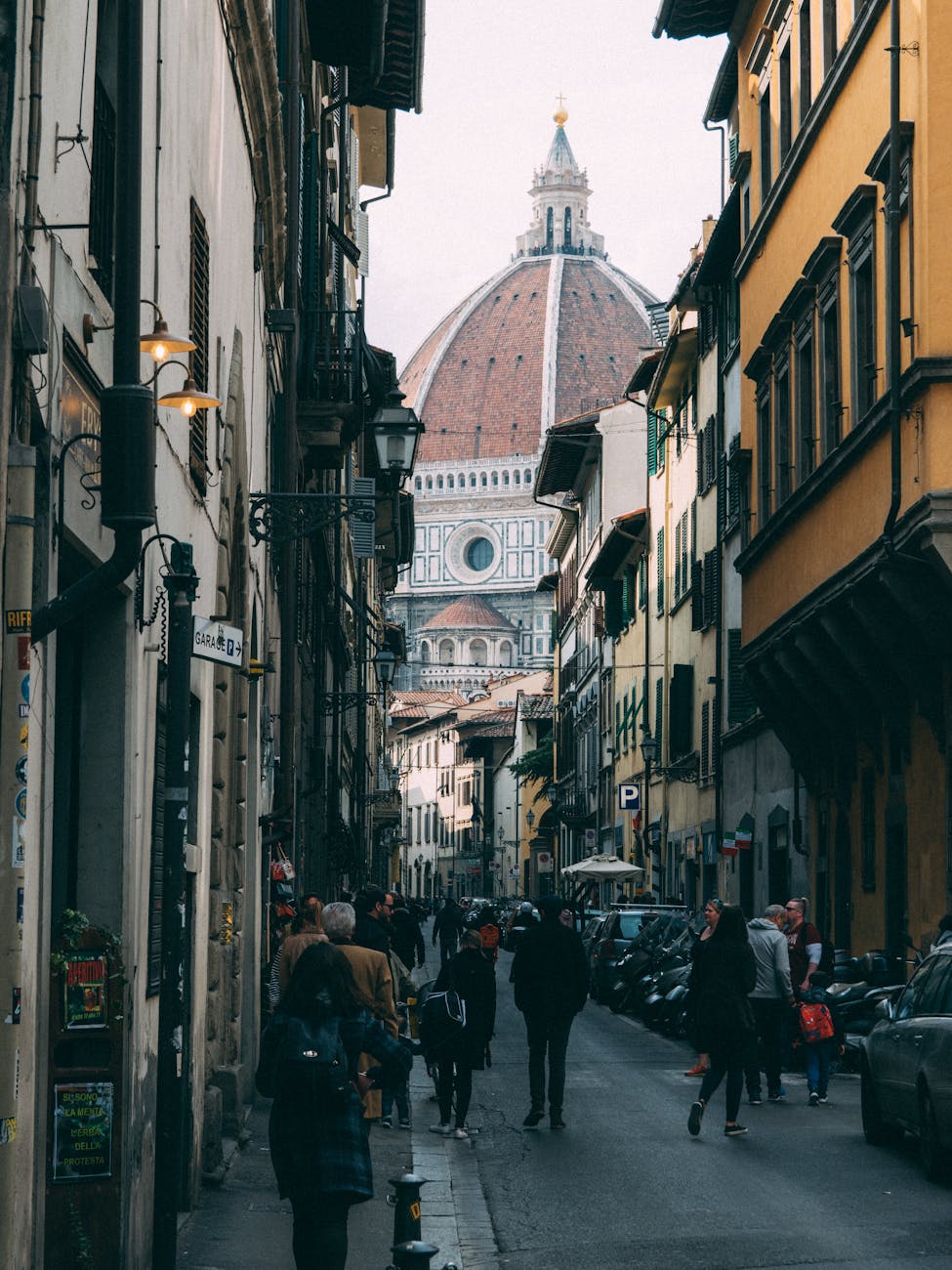
Santa Maria Novella / Historic Centre (best for first-time visitors) – Why: Closest to the main train station and tram to the airport; walking distance to Duomo and Uffizi. – Good for: convenient arrivals/departures and short stays. – Watch for: higher prices and tourist foot traffic. Oltrarno (Santo Spirito, San Niccolò) – Why: Artisan workshops, neighborhood restaurants, quieter evenings across the river. – Good for: couples, repeat visitors, craft shopping that supports local makers. – Watch for: some streets are hilly and uneven. Duomo / Centro Storico (Via Tornabuoni, Piazza della Signoria) – Why: At the heart of the museums and landmarks. – Good for: maximum sightseeing walkability for a 1–3 day visit. – Watch for: noise and premium rates. Santa Croce / Sant'Ambrogio – Why: Lively markets, food-focused streets, more reasonably priced rooms. – Good for: food lovers and budget-conscious travelers who still want central access. San Lorenzo / Mercato Centrale – Why: Food market, quick eats, bargain shopping. – Good for: solo travelers and food-focused short stays. Firenze Novoli / Campo di Marte (for longer stays or cars) – Why: More space, lower prices, easier parking; good train links for day trips. – Good for: families, budget longer stays, and those with rental cars. – Watch for: longer walks to central museums or a short bus/tram ride.
Local Context
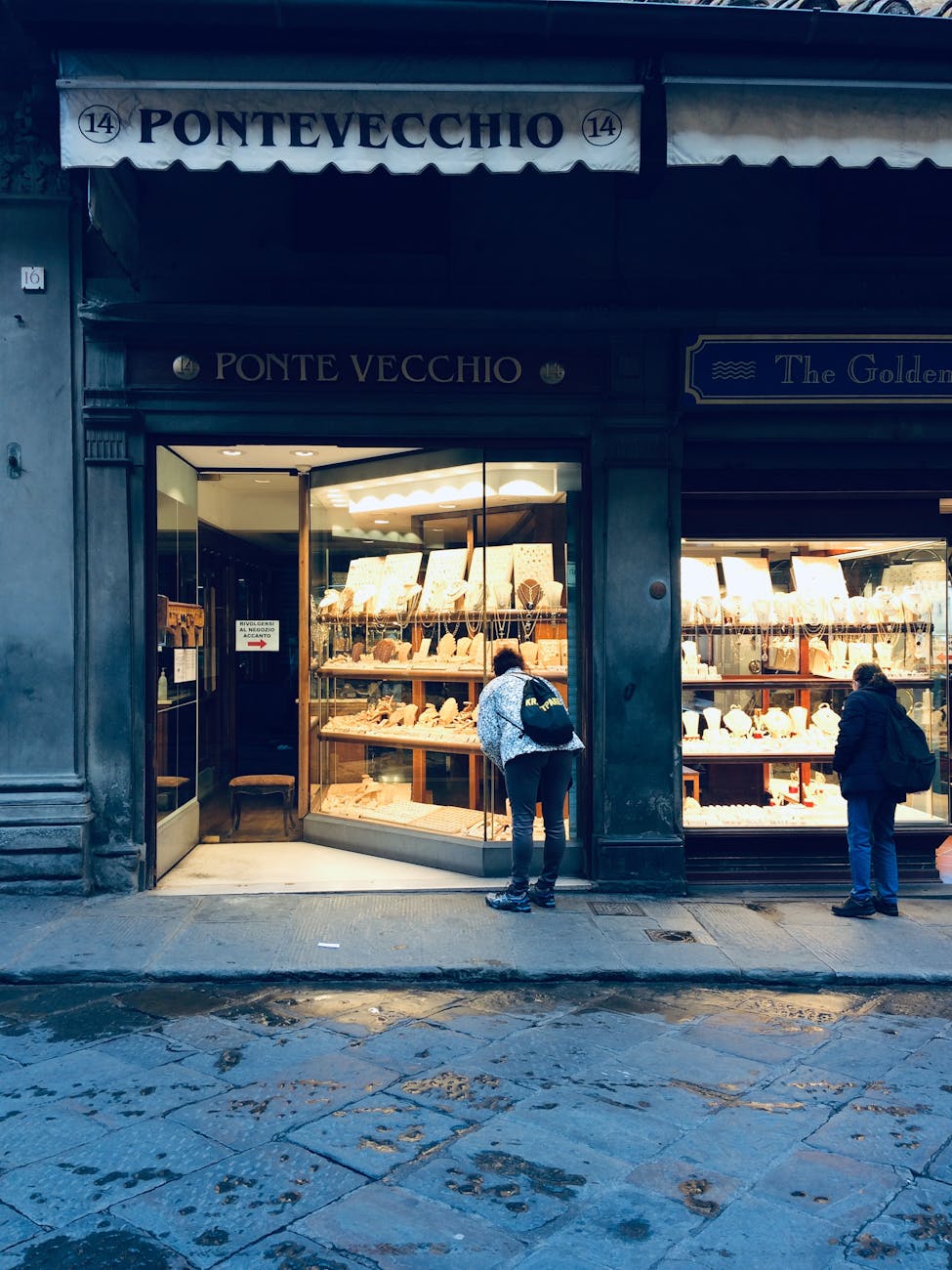
City layout: Firenze’s historic centre is compact—most major sites fit inside a 20–30 minute walk. The Arno river divides the Oltrarno from the eastern historic core. ZTL and transport: Expect restricted-traffic zones (ZTL). Cars without permits risk fines; speak to your accommodation about arrival logistics. Santa Maria Novella station is the main rail hub for regional trains to Siena, Lucca, Arezzo, Montecatini-Terme, and Prato. Taxis are limited and expensive; buses (ATAF) and one tram line serve the city. Seasonal patterns: High season runs June–August with peak crowds and heat. Shoulder months (April–May, September–October) offer lower impact travel, better light, and more available local experiences. August can see business closures; plan ahead.
How to Choose Well
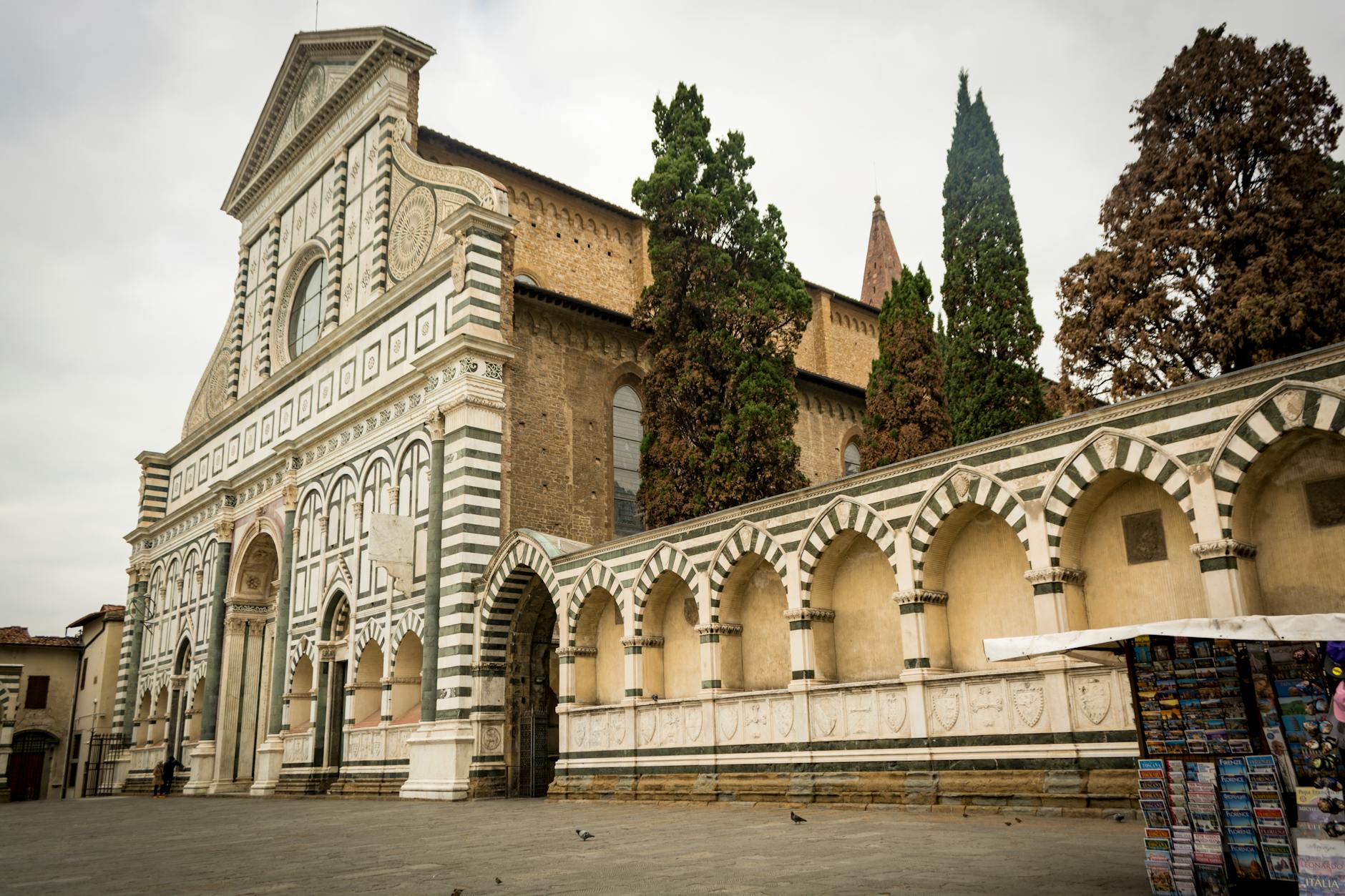
Practical checklist: – Trip length: For a 3-day visit follow our 3-day Firenze guide and stay central (Duomo / Santa Maria Novella). – Day trips: If planning Siena, Lucca, or Arezzo, pick a hotel near SMN station. – Mobility: Avoid steep Oltrarno streets if you have mobility limits; request ground-floor rooms or elevators. – Budget: Trade a 10–20 minute walk for lower prices in Sant'Ambrogio or Novoli. – Arrival by car: Book a place that helps with ZTL permits or park outside the centre and take public transit. Booking tips: – Reserve places with free cancellation for shoulder or unpredictable travel windows. – Prebook popular museum time slots (Uffizi, Accademia) since proximity won’t guarantee entry. – Ask hosts about early check-in, luggage storage, and arrival logistics through the ZTL. – Check whether breakfast is included and whether the kitchen is available for low-impact meals. Sustainable choices: – Favor small family-run guesthouses, B&Bs, and locally owned hotels. – Look for places that disclose water and energy measures or hold green certifications. – Prioritize stays that encourage walking and use of public transport.
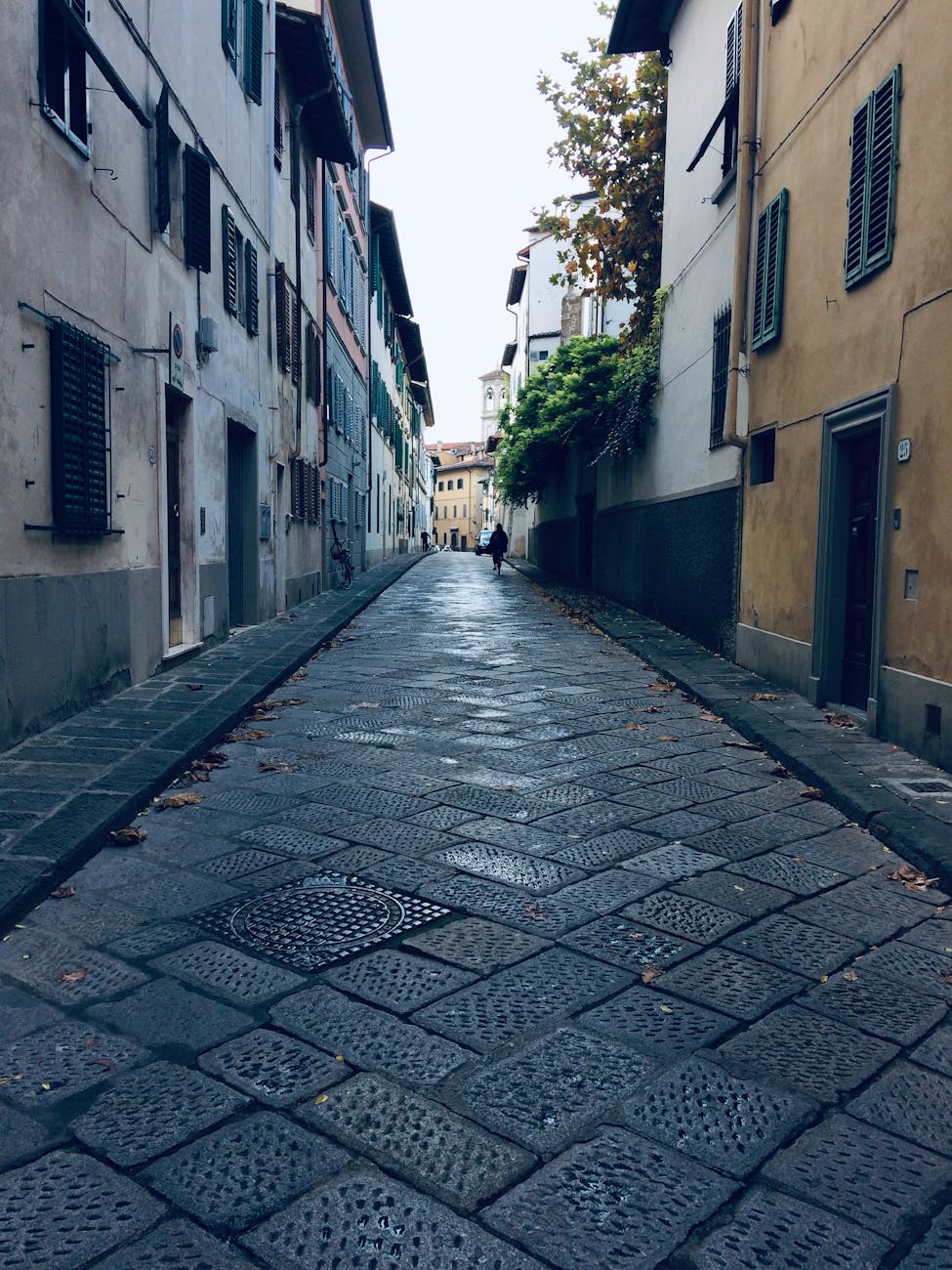
Responsible and Local-First Tips
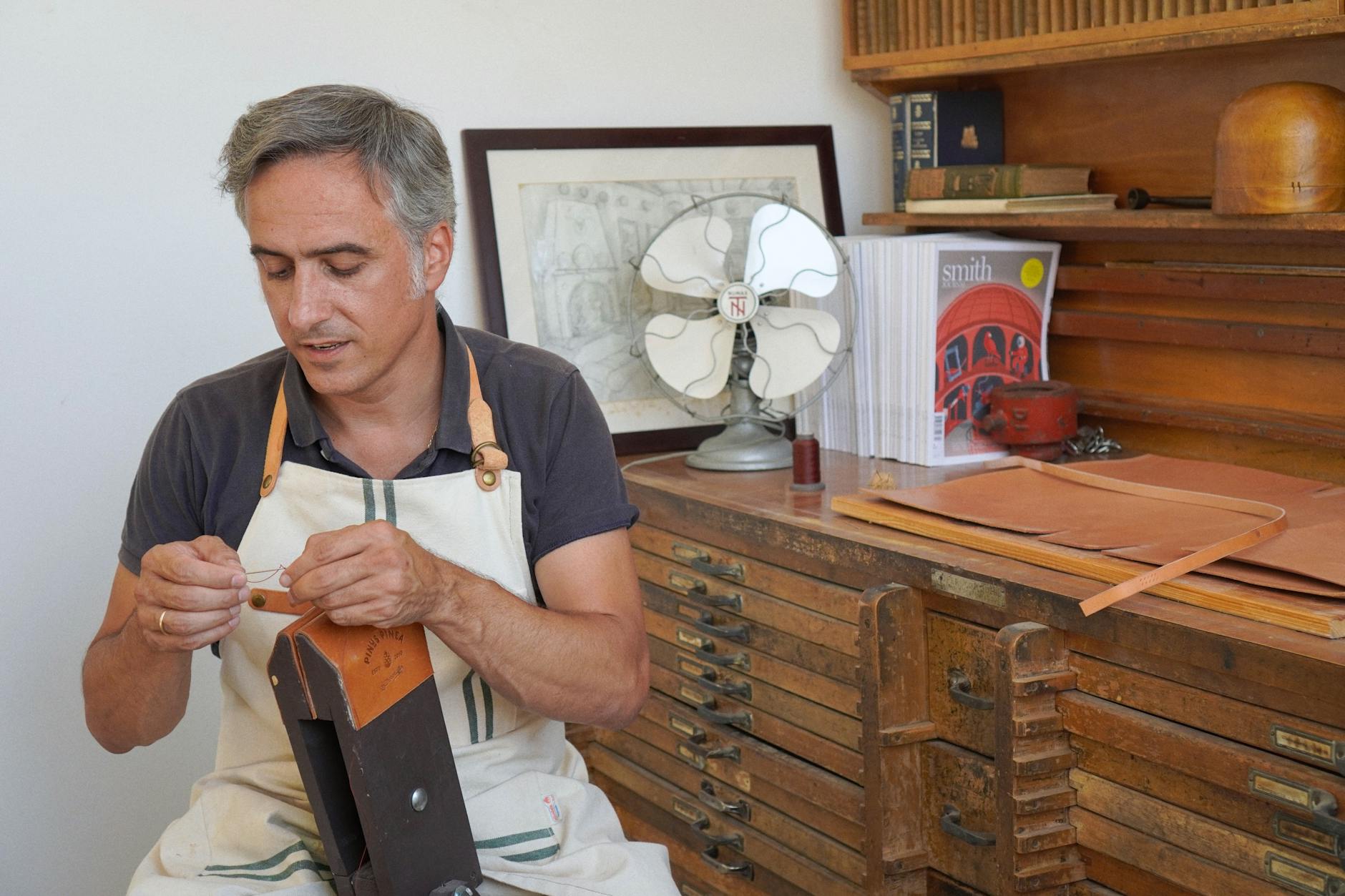
Support local businesses: – Book guesthouses and small hotels owned by Florentines or local families. – Eat at neighborhood trattorie, the mercato, and bakeries rather than only tourist restaurants. Low-impact options: – Carry a refillable bottle—Florence has public drinking fountains. – Use the tram, regional trains, or walk; avoid short taxi rides when possible. Cultural respect and etiquette: – Dress modestly when visiting churches and religious sites. – Speak softly in piazzas at night and respect residential quiet hours. Shop thoughtfully: – Buy handcrafted items from Oltrarno artisans and avoid mass-produced 'Florence' souvenirs. – Ask about materials and provenance for leather and textile purchases. Seasonal stewardship: – Visit during shoulder months to reduce peak-season pressure and to support year-round local businesses.
Common Mistakes to Avoid
Ignoring the ZTL and driving into the centre—expect fines. Overvaluing proximity to the Duomo—higher cost and noise with marginal time savings. Booking without checking arrival logistics—taxi drop-off points and ZTL permit needs. Underestimating cobblestones—rolls and small wheels struggle, use protective luggage. Not prebooking museums during short stays—tickets can sell out and waste precious time. Choosing global chains over local options when you want an authentic, sustainable stay.
FAQ
Which neighborhood is best for a 3-day Firenze itinerary?
For a 3-day visit, stay near Santa Maria Novella or the Duomo to minimize transit time between museums and to follow our 3-day Firenze guide efficiently.
Is it better to stay in Oltrarno or the historic centre?
Oltrarno offers a quieter, craft-focused atmosphere and better evening dining for locals. The historic centre places you right by major museums. Choose Oltrarno for a local feel and the centre for logistics and sightseeing speed.
Can I drive into Florence and park near my hotel?
Driving into the historic centre is discouraged because of ZTL zones and scarce parking. If you must drive, reserve a garage in advance and confirm ZTL entry permits with your hotel. Consider parking outside the centre and using public transit.
What about staying near the train station for day trips?
Staying near Santa Maria Novella is convenient for day trips to Siena, Lucca, Arezzo, Montecatini-Terme, and Prato. The station area offers quick regional connections and tram access to the airport.
How can I find eco-friendly accommodations in Firenze?
Look for family-run B&Bs, guesthouses, and hotels that list sustainability practices—energy conservation, recycling, or green certifications. Ask hosts about local sourcing for breakfast and measures to reduce single-use plastics.
When is the best time to visit to avoid crowds?
Visit in April–May or September–October (shoulder seasons) for lower crowd levels and pleasant weather. Early mornings are the calmest inside major sites.
Conclusion
Choose where to stay in Firenze by balancing convenience, atmosphere, and sustainable impact. For a short, museum-focused trip, base yourself near Santa Maria Novella or the Duomo and follow our 3-day Firenze itinerary. If you want craft workshops and a neighborhood pace, book in Oltrarno. For day trips to Siena, Lucca, Arezzo, Montecatini-Terme, or Prato, prioritize rail connections. Small, locally run accommodations and shoulder-season travel both help spread tourism benefits across the year and support Florence’s communities.
How this guide was prepared
This guide was prepared through a structured research that combines destination research, geographic context, itinerary planning logic, and content review.