

3 Days in Firenze: Practical 72-Hour Itinerary and Tips
A frank 3-day Firenze guide with timed museum plans, transit tips, food picks, seasonal notes and a realistic walking itinerary for a weekend in Tuscany.
A no-nonsense 72-hour plan for Firenze that balances the Uffizi and Duomo with neighbourhood exploring, transit logistics, dining pointers and what to skip when short on time.
First impressions are sensory and compact: narrow medieval streets, stone facades with Renaissance façades, motor scooters threading between tourists and locals. The centre is intensely visited between late morning and early evening; quiet stretches are found early morning in the Oltrarno and at dawn at Piazzale Michelangelo. Many visitors arrive assuming every museum can be seen quickly; the reality is that Uffizi and Accademia require timed entry and often need a full morning each if lines are avoided. The city suits people who prefer concentrated cultural experiences, walkable neighbourhoods and meals taken slowly; those who want mountain walks, long beach days or relaxed, low-key nights will feel constrained. Practicalities shape the stay: ZTL limits driving, tram links are the fastest airport connection, and many artisan shops keep irregular hours.
Is 3 days in Firenze enough?
Yes — three days allows a focused look at the Duomo area, the Uffizi and Accademia, a day for Oltrarno and Pitti/Boboli, plus a relaxed market stroll. Expect to skip slower museum visits or day trips to Siena or Pisa unless an extra day is added.
Who This Guide Is For
Best for first-time art and food-focused visitors who can walk 4–7 km a day and tolerate crowds; less suitable for slow travellers, full museum devotees, or those needing wheelchair-accessible routes to every stop.
Local Tips for Firenze
Practical details that most travel sites skip — specific to Firenze.
- Buy the Firenze Card (72 hours, around €95) only if planning three paid major museums; it requires online activation for timed entry at Uffizi and Accademia.
- Tramvia Linea T2 connects Aeroporto Amerigo Vespucci (Peretola) to Firenze Santa Maria Novella in roughly 20–25 minutes; single tram tickets are valid on ATAF buses for 90 minutes.
- Mercato Centrale: the ground-floor wholesale/produce market closes around 14:00, while the second-floor food hall typically serves until late evening — plan fresh-produce shopping for the morning.
- Oltrarno workshops on Via dei Serragli and around Santo Spirito often close Monday mornings and reopen mid-afternoon; plan artisan visits for late afternoon when more makers are at work.
- Most sit-down trattorie add coperto (bread/cover) of about €1–3 per person—check the menu before ordering and expect service charge only in a few tourist square restaurants.
How This Guide Was Prepared
This guide treats Firenze as a working city with very popular monuments rather than an exhibition. Many guides compress every major museum into a single day and ignore neighbourhood rhythms; this plan staggers timed entries, uses public transit and Oltrarno workshops to show how a traveler can see the essentials without constant lines. Honest trade-offs are given so time is spent on memorable experiences rather than ticking boxes. This guide was prepared through a structured research that combines destination research, geographic context, itinerary planning logic, and content review.
Plan Your Stay in Firenze
Use these planning pages to compare areas to stay, expected costs, seasonal timing, and local transport before booking.
Why Visit
The art is compact and accessible: Uffizi concentrates Renaissance painting within a short walking radius, and Accademia holds Michelangelo's David within a single building. Architectural landmarks are within easy walking distance: the Duomo complex (cupola, baptistery and campanile) requires minimal transit time to move between sites. The Oltrarno neighbourhood offers working craft workshops and less-tourist cafés around Santo Spirito and Via Romana, giving a contrasting, more local feel to the tourist-heavy historic centre. Finally, the city makes a convenient base for short Tuscan excursions to Siena, Lucca or Arezzo by regional train from Santa Maria Novella without wasting a full travel day.

Quick Planning Tips
Arrival: from Aeroporto Amerigo Vespucci take Tramvia Linea T2 to Firenze Santa Maria Novella in about 20–25 minutes, or use the Volainbus shuttle in 20–30 minutes depending on traffic. Payment: carry small euro notes and coins for market stalls; contactless works widely but many small bakeries are cash-favouring. Museum timing: pre-book timed tickets for Uffizi and Galleria dell'Accademia at least 2–3 weeks ahead in high season to avoid long queues. Planning mistake to avoid: building an itinerary that expects to do both major museums and a full Pitti/Boboli visit in a single afternoon — travel times and lines make that unrealistic.

Day 1
Morning: Start at Piazza del Duomo to see the Cattedrale di Santa Maria del Fiore, climb Brunelleschi's cupola or Giotto's Campanile (reserve tickets; cupola climb can take 1–1.5 hours). Expect security checks and plan 1.5–2 hours for interior, baptistery and climb combined. Walk (5–10 minutes) to Piazza della Signoria to view Palazzo Vecchio's exterior and the Loggia dei Lanzi sculptures; allow 30–45 minutes for photos and the square. Midday: Lunch at Trattoria da Mario (around €12–18 for a pasta) near Mercato Centrale — arrive early as it fills. Afternoon: Book a timed entry for Galleria degli Uffizi; spend 2–3 hours seeing Botticelli, Leonardo and Carracci rooms. After Uffizi, cross Ponte Vecchio (5–10 minutes) and stroll to the Oltrarno bank for sunset views. Evening: Dine in Santo Spirito at Trattoria 13 Gobbi or a trattoria on Via de' Bardi; night walk to Piazzale Michelangelo takes 25–30 minutes uphill from the river or 10 minutes by bus.

Day 2
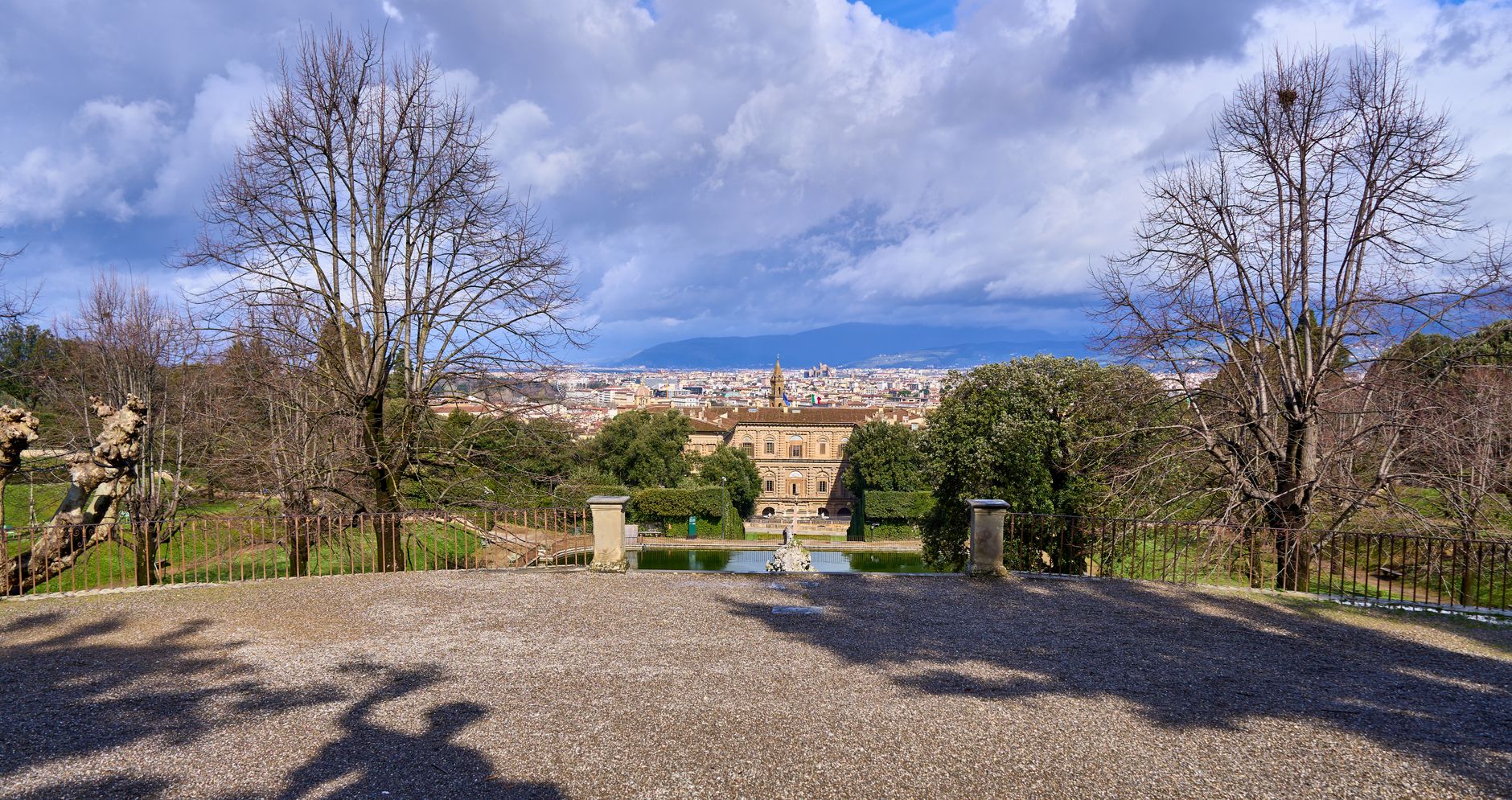
Morning: Start in Oltrarno with a visit to Palazzo Pitti and Giardino di Boboli—plan 2–3 hours to walk the gardens and the Palatine rooms, or longer for the costume and textile collections. Travel: walk or take ATAF bus 13/14 from Ponte alle Grazie; the walk is 15–20 minutes from Ponte Vecchio. Lunch: Eat at Mercato delle Cascine on Tuesdays (if schedule fits) or return to Mercato Centrale for a quick pane e lampredotto sandwich from a street stall (€4–6). Afternoon: Explore artisan workshops on Via dei Serragli and Via Romana, visit the Museo Nazionale del Bargello for sculpture (allow 1–1.5 hours). Late afternoon: Cross to Santa Croce (10–15 minute walk) to see the basilica and leather school stalls nearby; expect the church visit to take 45–60 minutes. Evening: Try a wine bar in Santa Croce or a casual osteria in Santo Spirito; many bars offer cicchetti-style plates and regional wines.
Day 3
Morning: Reserve Galleria dell'Accademia timed entry for early morning to see Michelangelo's David before crowds; the visit usually takes 45–90 minutes. After Accademia, walk (10–15 minutes) to Mercato Centrale for a coffee and a quick browse of the ground-floor stalls; buy snacks for the afternoon. Midday: Visit Museo dell'Opera del Duomo if interested in original sculptures and the Duomo museum (allow 1–1.5 hours). For travelers catching afternoon flights, return to Santa Maria Novella station or the tram stop at Unità with at least 2 hours buffer. Afternoon/late options: climb the Torre di Arnolfo in Palazzo Vecchio (timed entry) or relax with a riverbank walk near Lungarno degli Acciaioli. Evening: If departure is later, book an early-apertif on a terrace near the Arno; otherwise head to the train station 30–40 minutes before scheduled departure to account for ticket lines and luggage.

Best Local Experiences
San Lorenzo and Mercato Centrale: morning produce stalls and the upstairs food court for focused regional tasting sessions. Oltrarno artisan circuit: leather shops on Via San Giuseppe, wood-turners near Santo Spirito and goldsmiths on Via de' Tornabuoni; watch makers at work late afternoon. Aperitivo on Lungarno: riverside bars between Ponte Vecchio and Ponte alle Grazie offer classic aperitivi with a view. Festa della Rificolona (September) and Scoppio del Carro (Easter Sunday) are local events with strong civic traditions—check dates before travelling. Hidden marketplaces: Mercato delle Pulci near Ponte Vecchio is a small flea market for antiques and prints; the Sant'Ambrogio market (morning) is less touristed than San Lorenzo and good for local food purchases.

Where to Stay
Centro Storico (around Duomo and Piazza della Signoria): Suits first-time visitors who want walking access to major museums and restaurants. Expect nightly rates roughly €120–€250 (EUR) / $130–$270 (USD) for mid-range hotels in season. Santa Maria Novella / Santa Croce: Good for train access and a mix of local cafés; this area suits people who plan day trips by rail. Prices typically range €90–€180 / $100–$195 per night for mid-range options. Oltrarno / Santo Spirito: Best for those who prefer artisan shops, smaller guesthouses and evening neighbourhood life; it is quieter after museum hours but active at night. Expect €80–€160 / $85–$175 per night for mid-range B&Bs. Prices vary sharply in July–August and during big exhibitions; check for ZTL access and luggage drop-off rules when booking.
Food and Drink
Breakfast: Caffè e cornetto at a local bar (cappuccino and pastry) costs about €2–4; try a cafe near Piazza della Repubblica in the morning. Street food: Lampredotto sandwich is a slow-cooked beef tripe sandwich served in a bun; best found at stands near Mercato Centrale or along Piazza del Mercato Centrale for about €3–6. Pasta/dinner: Bistecca alla Fiorentina is a T-bone steak grilled rare, served in bisteccarias like Trattoria dall'Oste; expect €30–60 for a serving for two. Dessert: Cantucci with Vin Santo—almond biscuits dipped in sweet Tuscan dessert wine—served in many osterie for €5–8. Wine: Chianti Classico by the glass is widely available; a decent glass costs €4–8 in enoteche. For dinner recommendations, book an osteria in Oltrarno or a trattoria near Santa Croce to avoid tourist-price inflation in Piazza del Duomo.
Getting Around
Public transport: ATAF buses cover local routes and Tramvia lines T1 and T2 connect suburbs, the main station and airport respectively. Tickets: a single ATAF/Tramvia ticket is €1.20 (valid 90 minutes); a 24-hour urban pass is around €5. Local apps/cards: use the ATAF Mobile app or the Tabnet/Go? app for contactless ticketing and route planning; many digital ticket options are accepted by inspectors. Taxi and airport: an airport taxi fare to the centre is typically €20–€30 depending on luggage and time of day; pre-booking by phone or app recommended to avoid surge at peak times. Walking: the historic centre is compact and most major sites are within 20–30 minutes on foot of each other.
Best Time to Visit
Spring (April–June): Mild temperatures (15–25°C) and busiest for daylight and flowers; museums fill early, so book ahead for late April to June. High summer (July–August): Hot days (25–35°C) and heavy tourist crowds; prices spike and outdoor walking is harder midday—early mornings and late evenings work best. Shoulder season (September–October): Often the best balance of weather (15–24°C) and fewer crowds; good value on accommodation in October. Winter (November–February): Colder (5–12°C) and quieter, with lower prices and occasional rain; some artisan shops may reduce hours in January. For value and manageable crowds, September–October and late March–May are recommended.
Budget and Practical Tips
Daily budget estimate (mid-range traveler) per day: accommodation €100–€160 / $110–$175, food €30–€60 / $35–$65, local transport €3–€8 / $3.50–$9, entry fees €15–€30 / $16–$33. Typical museum fees: Uffizi around €20–€25 with timed entry, Accademia about €12–€15; prices vary with temporary exhibitions. Tipping: round up small bills for cafe/bar service and leave 5–10% for sit-down meals only for very good service; large service charges will be listed on the menu. Money: ATMs are widespread but use bank branches for large withdrawals; credit cards are accepted at most businesses, but many small stalls and bakeries prefer cash. Practical tip: beware ZTL restricted hours marked on signs—deliveries and resident permits are enforced by cameras and fines arrive to the rental agency.
FAQ
Is three days enough to see the main sights?
Yes; three days covers Duomo, Uffizi, Accademia and an Oltrarno day, but museum visits will be brisk and day trips to Siena or Lucca require extra time.
Is Firenze safe for solo travellers?
The centre is generally safe in daylight; exercise usual caution at night in crowded tourist areas and on bridges—watch for pickpockets at busy sites like Ponte Vecchio.
Should a Firenze Card be bought for three days?
The Firenze Card (72 hours) can save money and skip lines if planning three or more paid museum visits, but timed reservations and limited slots still require pre-booking for top sites.
How do I get from the airport to the centre?
Tramvia Linea T2 runs from Aeroporto Amerigo Vespucci to Santa Maria Novella in about 20–25 minutes; Volainbus shuttles and taxis are alternatives depending on luggage and schedule.
Are museums wheelchair accessible?
Major museums like Uffizi and Accademia have accessibility info online but older buildings and some museums have limited access; contact sites ahead to request elevators or assistance.
Is it worth visiting Piazzale Michelangelo?
Yes for panoramic views of the Arno and skyline, best early morning or after sunset to avoid peak pedestrian crowds.
Can the ZTL be ignored if staying in the centre?
No—driving into the Zona a Traffico Limitato without a permit leads to fines; arrange hotel drop-off with the property and use pedestrianised access on foot.
Best app for public transport routes?
ATAF Mobile provides tickets and route info; Google Maps and Moovit work for schedules but buy tickets in-app or at tabacchi before boarding.
Conclusion
Three days yields a concentrated, practical experience of the major sights while allowing time to understand neighbourhood rhythms and food culture. Visitors will most likely remember the startling proximity of Renaissance art to everyday street life, the Oltrarno workshops, and the view from Piazzale Michelangelo. If time gets tight, prioritise an early Accademia slot and a timed Uffizi visit — those two deliver the clearest single-day art overview and free up time for walking and eating on the other days.
How this guide was prepared
This guide was prepared through a structured research that combines destination research, geographic context, itinerary planning logic, and content review.