
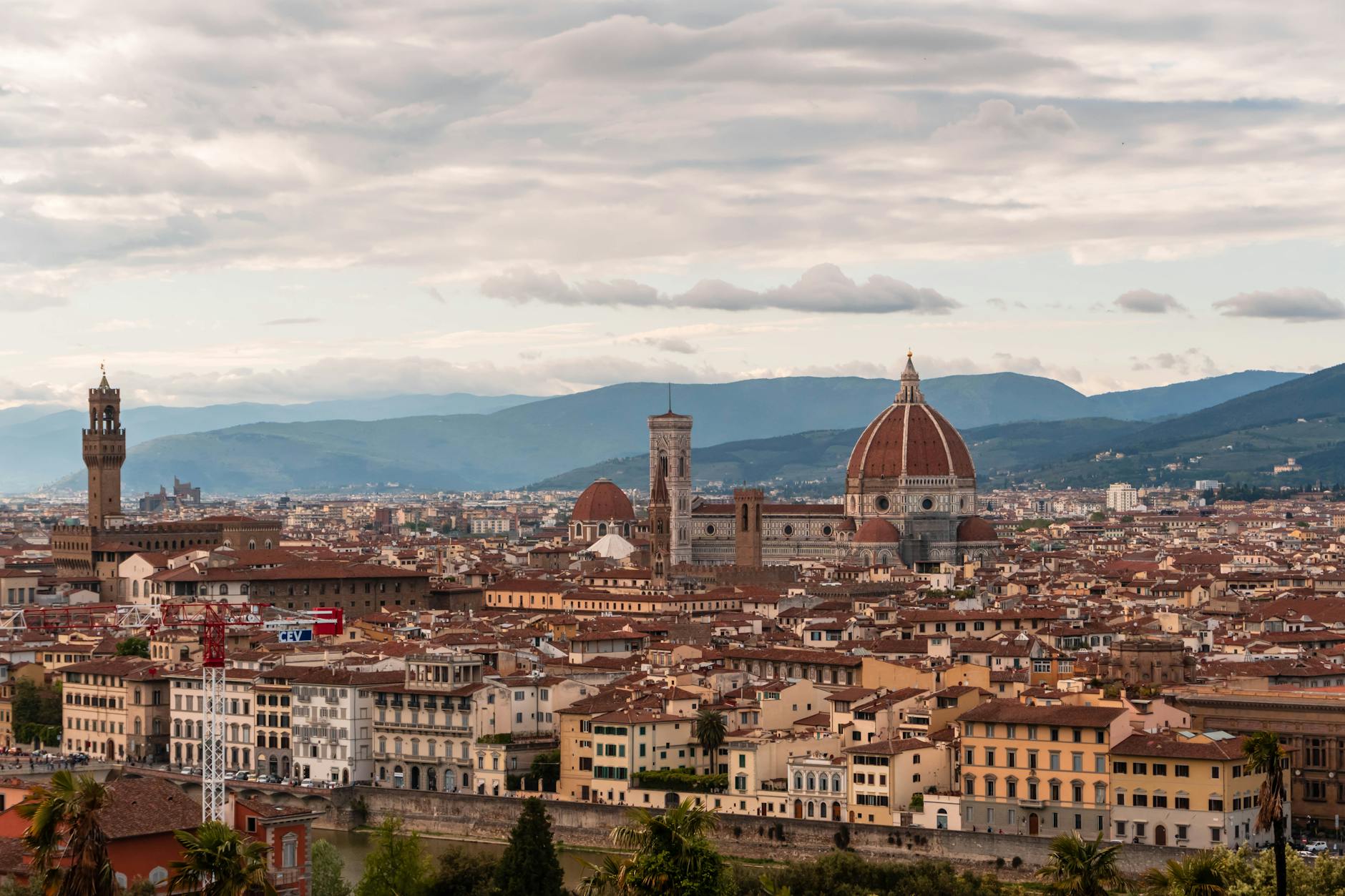
Best Things to Do in Firenze (Florence) — Practical, Local-First Guide
Curated, practical guide to the best things to do in Firenze: top museums, neighborhoods, markets, gardens, and low-impact day trips to Siena, Lucca, Prato and Montecatini. Booking tips, ZTL and transit advice, seasonal guidance, and local-first recommendations that pair with our 3 days in Firenze itinerary.
A compact, walkable city of masterpieces and neighborhoods. Use this page to pick the activities that fit your energy, time, and interest in supporting local businesses and low-impact travel while you follow our main 3-day itinerary.
Quick Answer
A compact, walkable city of masterpieces and neighborhoods. Use this page to pick the activities that fit your energy, time, and interest in supporting local businesses and low-impact travel while you follow our main 3-day itinerary.
Who This Page Is For
This page is for travelers planning a stay in Firenze who want clearer decisions about things to do, local logistics, timing, budgeting, and practical trip planning.
How This Page Was Prepared
This page was prepared through a structured editorial workflow that combines destination research, geographic context, and practical travel-planning review.
Plan the Rest of Your Trip
Use this page together with the full itinerary and the related planning pages below to make better booking, timing, transport, and budget decisions.
Top picks for limited time or low-impact travel:
– Morning: climb Brunelleschi's Dome or book a timed ticket for the Duomo complex early to avoid midsummer heat and crowds.
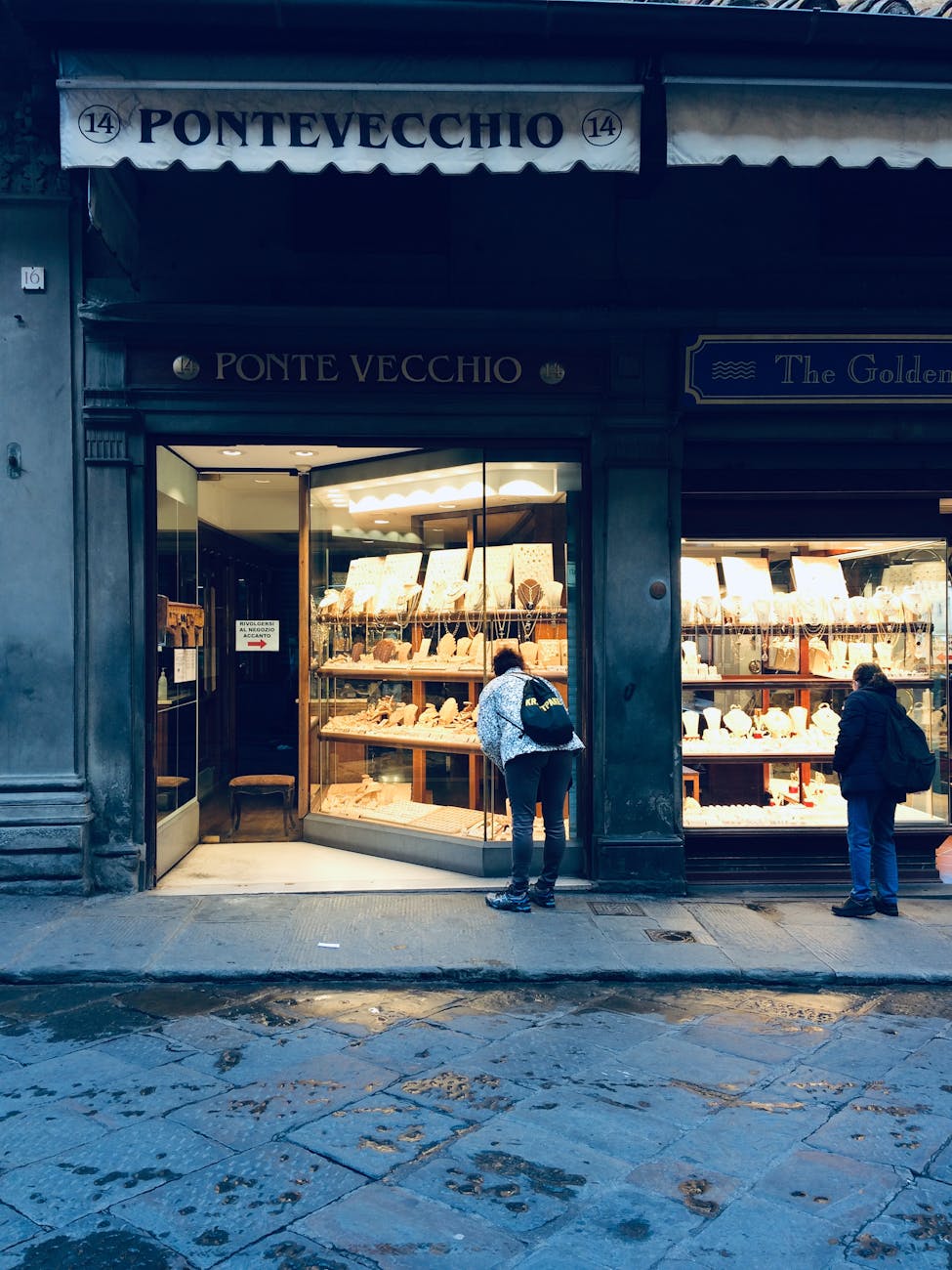
– Midday: Uffizi Gallery pre-booked timed entry; stroll the Arno and cross Ponte Vecchio at quieter times (early morning or after sunset).
– Afternoon: wander Oltrarno (Santo Spirito, artisan workshops) and visit Boboli or Bardini gardens for open-air respite.
– Day trips: take regional trains to Lucca or Prato, or a regional train/bus combo to Siena. Avoid car travel into the ZTL; trains are lower-impact.
See the 3 days in Firenze itinerary for a ready plan that folds these into a day-by-day route.
Firenze (Florence) is compact, rich in Renaissance art, and best explored on foot. This support page focuses on the most rewarding things to do that pair well with our main 3-day Firenze itinerary: a mix of museums, neighborhood walks, markets, and sustainable day trips to nearby towns such as Siena, Lucca, Prato, Montecatini-Terme, and Arezzo. Expect cobbles, narrow streets, strong sun in summer, and many timed-entry museums — planning ahead saves time and stress.
What This Page Helps You Decide
Use this page to choose activities that match your time, mobility, and interest in local culture. It helps you decide:
– Which museums to pre-book (Uffizi, Accademia, Duomo complex).
– Which neighborhoods to prioritize by mood—Duomo/San Lorenzo for landmarks, Oltrarno for crafts and restaurants, Sant'Ambrogio for markets.
– When to visit to reduce crowds (shoulder seasons April–May, September–October; early mornings or late afternoons in high season).
– Which nearby towns make practical low-impact day trips (Lucca and Prato by regional train; Siena by train + bus or direct bus).
This page complements the 3-day guide by giving options you can swap in depending on weather, interest, and sustainable choices.
Top Recommendations
Essential experiences and practical tips:
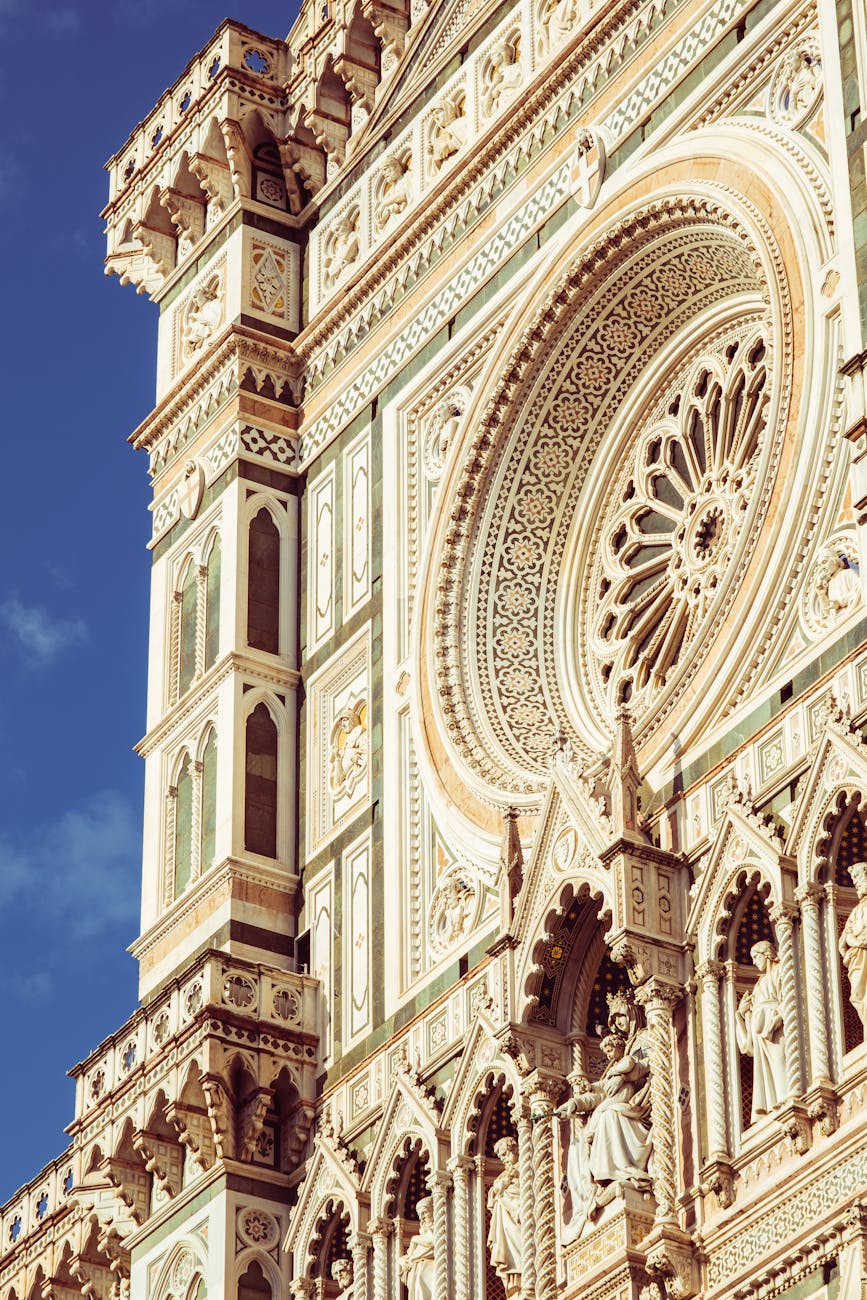
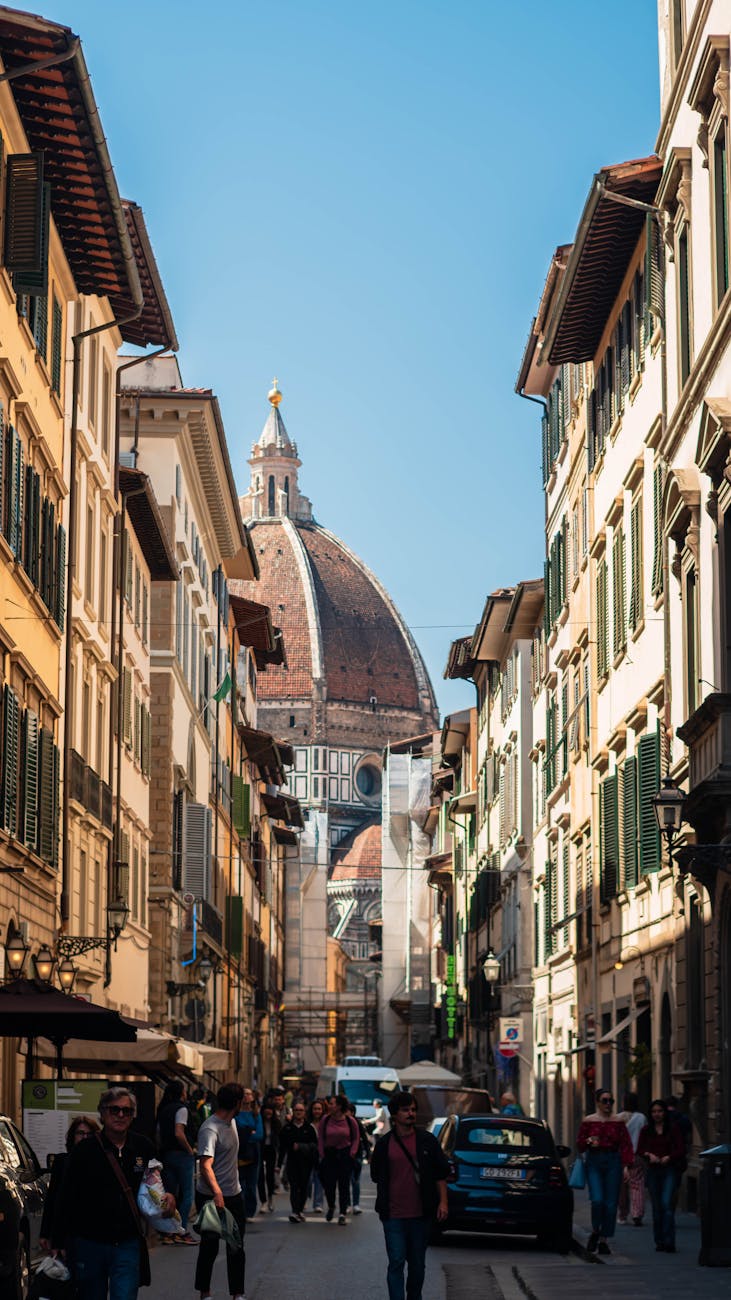
– Duomo Complex (2–3 hours): Book climb and baptistery/duomo tickets ahead. The cathedral itself may have restricted entry; timed slots prevent long lines.
– Uffizi Gallery (2–3 hours): Reserve timed-entry tickets weeks ahead in high season. Consider a guided small-group tour focused on highlights to avoid fatigue.
– Accademia (1 hour): Book in advance for David. Visit early or late to avoid crowds.
– Oltrarno and Santo Spirito (2–4 hours): Explore artisan workshops, independent bookstores, and evening aperitivo in a neighborhood that benefits directly from tourism spending.
– Boboli & Bardini Gardens (1–2 hours): Outdoor, lower-density alternatives to museum time; combine with Pitti Palace if interested.
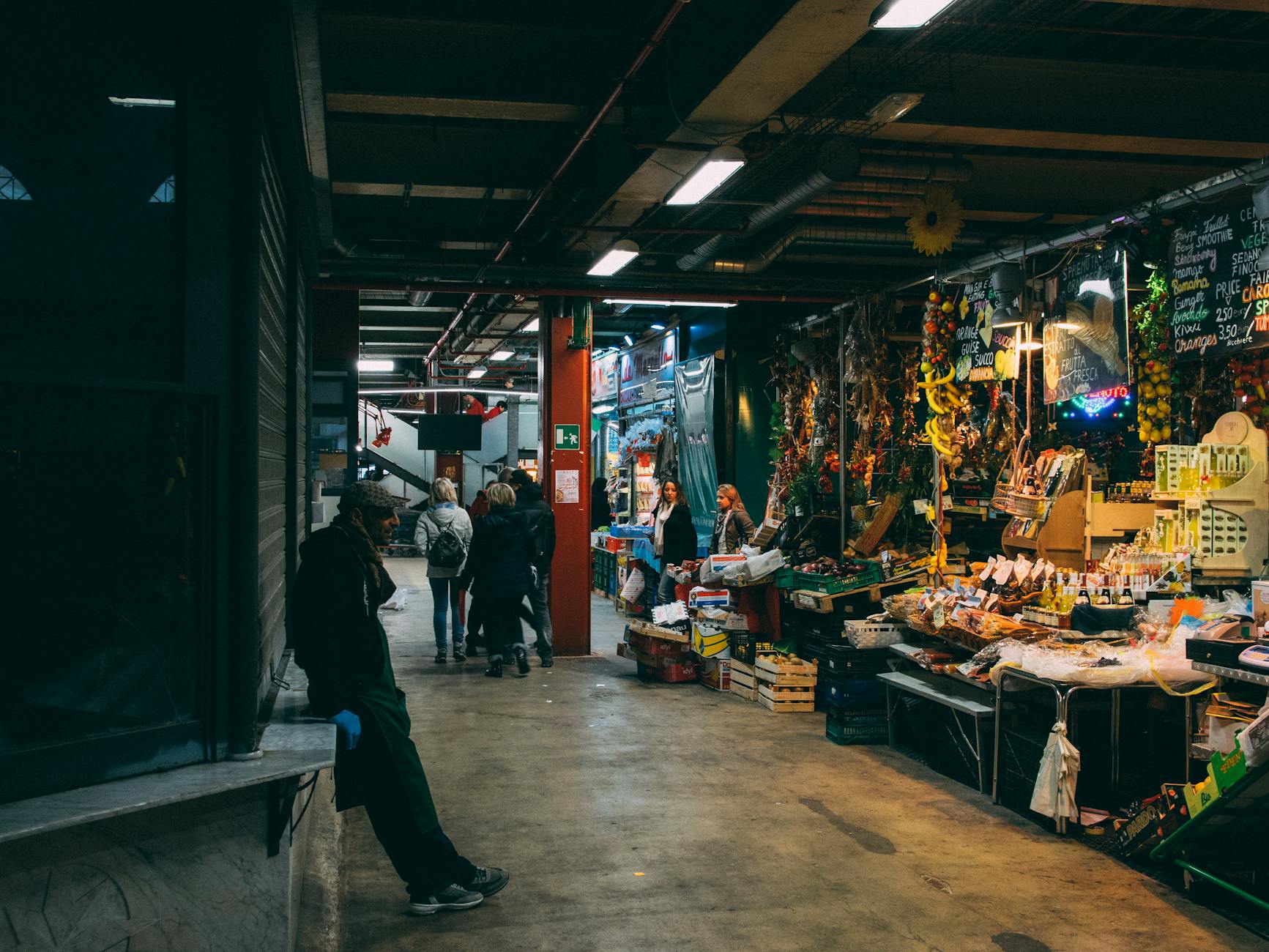
– Markets and food: Mercato Centrale for food stalls, Sant'Ambrogio for a neighborhood market and local produce. Eat at family-run osterie rather than tourist traps.
– Day trips: Lucca (walkable walls), Siena (Piazza del Campo, cathedral), Prato (textile heritage), Montecatini-Terme (thermal town), Arezzo (antique markets). Use regional trains or reputable coach services.
Time estimates assume walking between sites; Florence is dense and most central sites are within 20–30 minutes on foot.
Local Context
Neighborhoods and patterns:
– Centro Storico and Duomo: highest visitor density; mornings and evenings are best for photos.
– Oltrarno (south of the Arno): craftsmen, small ateliers, and local dining—support these businesses when possible.
– Santa Croce and Sant'Ambrogio: lively markets and authentic restaurants; Sant'Ambrogio is less touristy than Mercato Centrale.
Seasonal realities:
– High season: June–August brings heat and crowds; book museum slots weeks in advance and plan indoor museum time midday.
– Shoulder seasons: April–May and Sept–Oct offer better weather and fewer crowds.
Transport realities and ZTL:
– Florence is best explored on foot. Motor traffic is restricted within the ZTL (limited-traffic zone). If you drive, park outside the zone and walk or take public transit.
– Firenze Santa Maria Novella (SMN) is the main rail hub—regional trains for Lucca, Prato, and Arezzo depart frequently. Buses and regional trains connect to Siena (often via Empoli) and Montecatini-Terme.
– The tram connects key hubs and the airport; tickets must be validated before boarding.
Local etiquette and practicalities:
– Dress respectfully when visiting churches. Speak softly in sacred spaces.
– Tipping is modest; rounding up or leaving a small amount is customary for good service.
– Cobblestones are ubiquitous: wear supportive shoes and carry a lightweight daypack.
How to Choose Well
Match your choices to time, energy, and values:
– If you're museum-focused: prioritize Uffizi and Accademia with pre-booked slots. Consider a Firenze Card only if you plan many museums over 72 hours.
– If you prefer neighborhood life: allocate more time to Oltrarno, Sant'Ambrogio market, and evening dining at small trattorie.
– If you want low-impact days: favor walking tours, gardens, markets, and regional trains for day trips.
Booking and pacing tips:
– Book Uffizi and Accademia at least 2–4 weeks ahead for spring/summer; same-day tickets are rare in high season.
– Reserve Duomo dome climb separately—slots fill quickly in peak months.
– Leave flexible slots in your 3-day plan to rest or enjoy a leisurely meal.
Accessibility:
– Many historic sites have limited accessibility due to stairs; check official sites for elevators or alternative access, and contact venues ahead for assistance.
Responsible and Local-First Tips
Practical, sustainable choices that support local communities:
– Choose locally owned restaurants and family-run osterie over chain outlets. Ask staff about house specialties and source of ingredients.
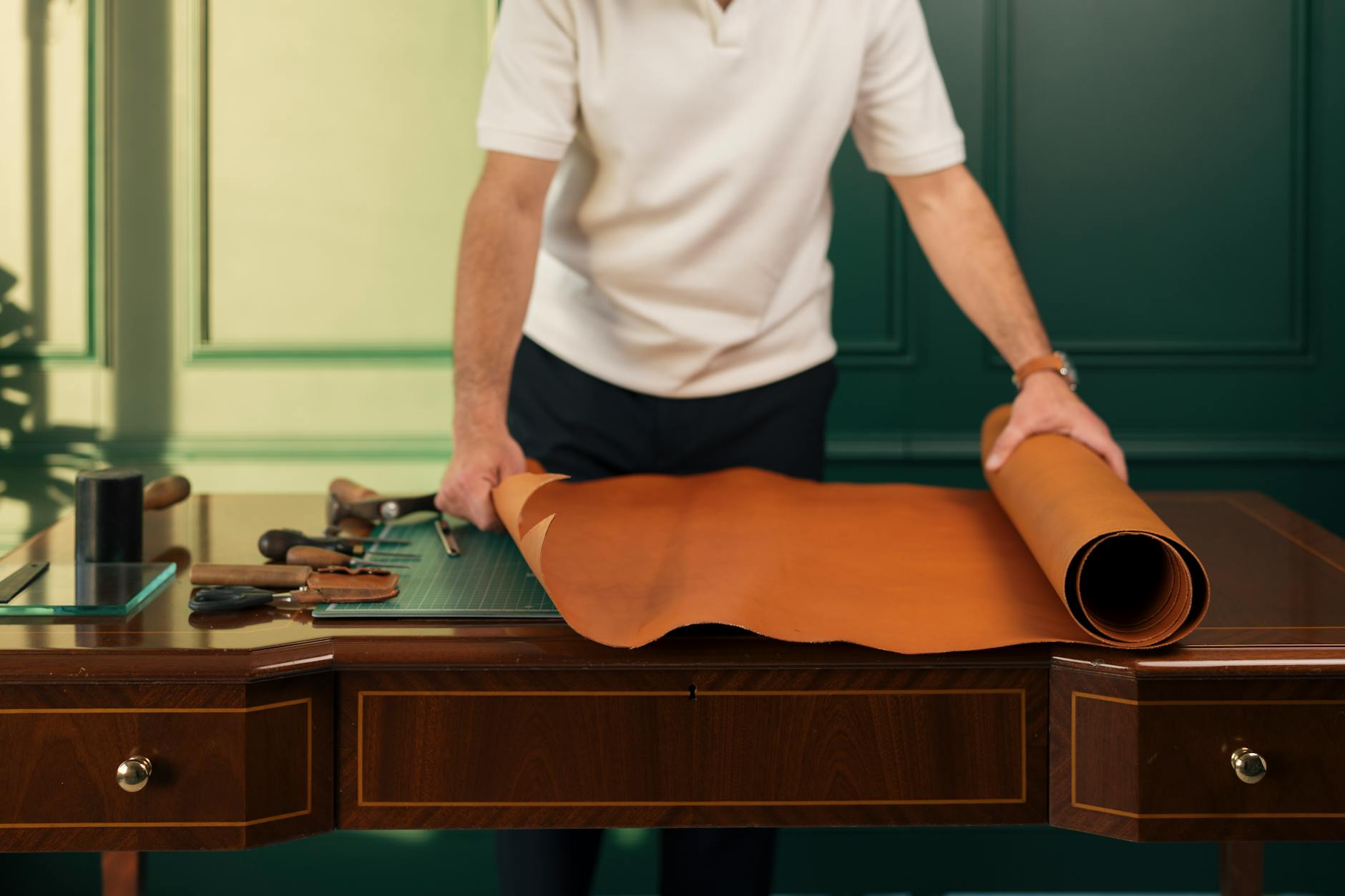
– Buy crafts from Oltrarno ateliers or certified cooperatives; avoid mass-produced leather goods from unauthorized street sellers.
– Use regional trains and buses for day trips to reduce emissions. Book tickets on official railway or coach sites.
– Travel off-peak where possible: mornings in museums, shoulder-season visits, and late-afternoon strolls along the Arno.
– Minimize single-use plastics—bring a refillable bottle and use public drinking fountains.
– Respect residential neighborhoods in the evenings: keep noise down and follow local signage.
– When joining tours, prefer small-group operators that hire local guides and give a fair share to the community.
Common Mistakes to Avoid
Mistakes that waste time or money:
– Trying to see everything in one day: Florence rewards slow travel; split big museums across mornings and quieter afternoons.
– Driving into the ZTL: fines are automatic and can be costly. Park outside and take public transit.
– Skipping reservations for Uffizi, Accademia, and the Duomo climb: you may be turned away or face long waits.
– Eating on main tourist streets without checking menus or provenance: opt for places where locals eat.
– Ignoring museum closing days: many are closed or have reduced hours on Mondays or specific holidays—check before you go.
– Relying only on guidebook highlights: leave room for neighborhoods like Sant'Ambrogio or a local market visit; they often create the most authentic memories.
FAQ
Do I need to pre-book tickets for the Uffizi and Accademia?
Yes. Timed-entry tickets for the Uffizi and Accademia are highly recommended, especially April–October. Book through the official gallery websites or authorized vendors several weeks in advance for best dates.
Is Florence walkable and how far apart are the main sights?
Extremely walkable. Most central sights are within 10–30 minutes on foot of each other. Plan for cobbles and stairs; allow extra time for narrow streets and photo stops.
Is a Firenze Card worth it?
The Firenze Card can be worth it if you plan to visit many museums intensively over 72 hours and want skip-the-line access. It’s less valuable for a relaxed 3-day visit focused on neighborhoods and a couple of museums.
What are good low-impact day trips from Florence?
Lucca (train ~1–1.5 hours) for bike-friendly city walls; Prato (short regional train) for textile heritage; Siena (train + bus or direct coach) for medieval centers; Montecatini-Terme for a spa day. Prefer regional trains or reputable coaches over rental cars.
How do I avoid tourist traps when eating?
Look for places with menus in Italian, posted prices, and locals dining there. Ask a hotel or B&B host for recommendations. Avoid restaurants with aggressive street touts and those advertising menus in multiple languages on sandwich boards.
Are there public water fountains?
Yes—Florence has public drinking fountains. Bring a refillable bottle and refill at designated fountains or inside markets like Mercato Centrale where permitted.
Conclusion
Choose a mix of must-see museums and neighborhood time to get the fullest, most sustainable experience in Firenze. Pre-book the big museum slots, walk between neighborhoods, support local artisans in Oltrarno, and consider trains for nearby towns. For a ready-made plan that puts these suggestions into a day-by-day flow, see our main 3 days in Firenze itinerary and the linked pages on Siena, Lucca, Prato, Montecatini-Terme, and Arezzo for efficient day-trip options.
How this guide was prepared
This guide was prepared through a structured research that combines destination research, geographic context, itinerary planning logic, and content review.