
Best things to do in Marbella
Practical, honest guide to the best things to do in Marbella: Old Town, Puerto Banús, beaches, museums, hikes and local markets with realistic costs and timing.
Concrete, local-first suggestions for spending a day or more in Marbella: where to go, what to pay, and how to choose between beaches, Old Town and day trips.
Best things to do in Marbella?
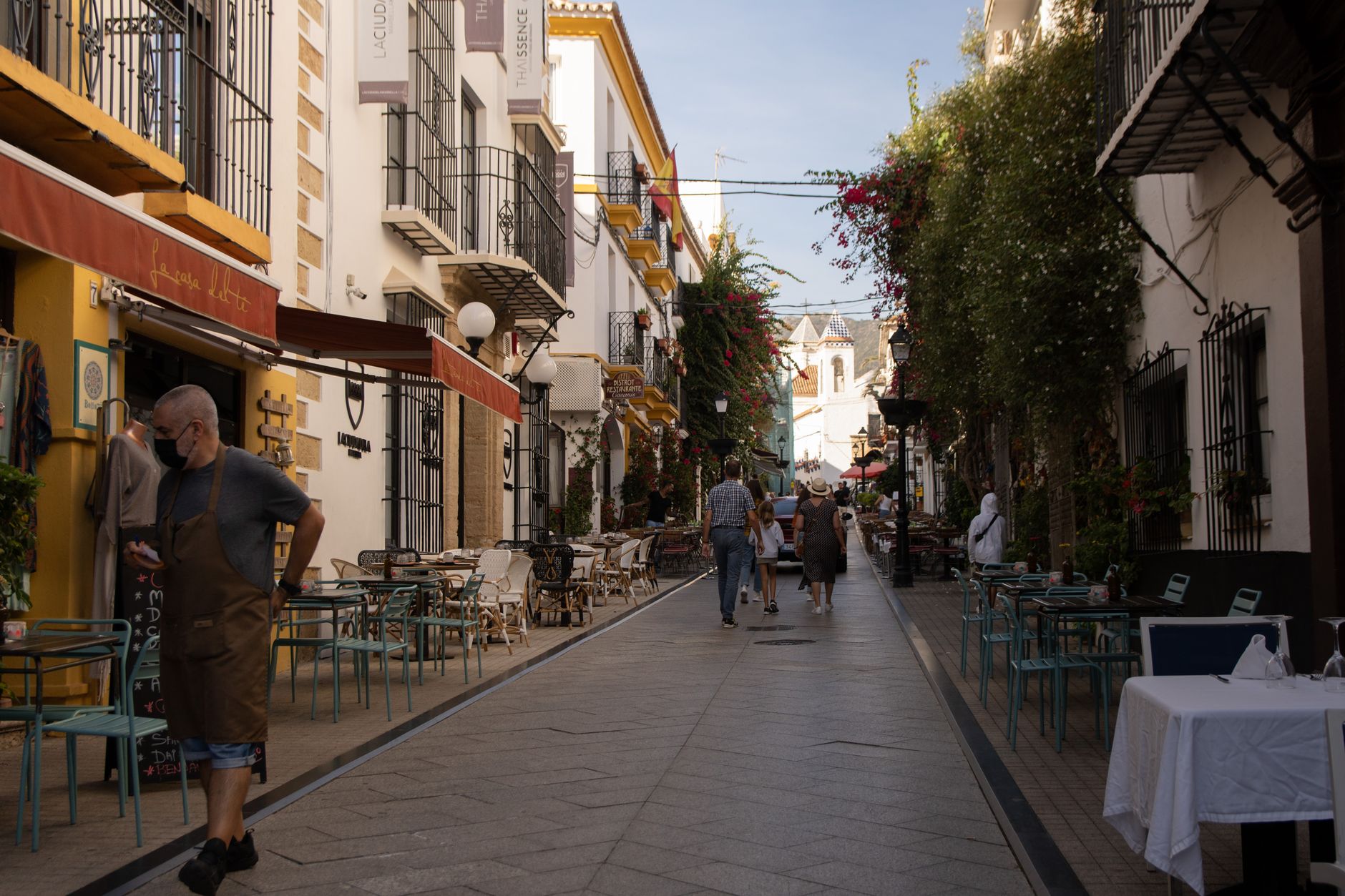
Start in Marbella Old Town (Plaza de los Naranjos and Avenida del Mar) and budget roughly €10–€15 for local transit and market snacks; expect to pay about €0–€5 to enter small museums like Museo del Grabado Español Contemporáneo. If arriving from Málaga airport, the Avanza airport bus costs about €8–€10 one-way.
Who This Page Is For
This page is for travellers planning day visits or short stays who want practical, cost-aware options in Marbella. It is less useful for luxury-only travellers seeking private yachts, or for visitors who already have a full, guided luxury itinerary arranged.
Key Takeaways for Marbella
- Visit Plaza de los Naranjos in Marbella Old Town — plan 30–60 minutes for the square and nearby streets.
- Walk Avenida del Mar to see the Dalí bronzes; free and allow 20–40 minutes.
- Take the Avanza bus from Málaga airport to Marbella for about €8–€10 one-way (≈$9–$11).
- Budget €3–€5 (≈$3.5–$5.5) for Museo del Grabado Español Contemporáneo or use free entry at Museo Ralli in Puerto Banús.
How This Page Was Prepared
This page was prepared through a structured editorial workflow that combines destination research, geographic context, and practical travel-planning review.
Plan the Rest of Your Trip
Use this page together with the full itinerary and the related planning pages below to make better booking, timing, transport, and budget decisions.
Start in Marbella Old Town (Plaza de los Naranjos and surrounding lanes) and allow 2–4 hours if combining a market visit and a relaxed lunch. Add Puerto Banús for marina views and window shopping; walking the marina is free but expect to pay to park or for a boat trip (€25–€40). If arriving from Málaga airport, use Avanza buses at about €8–€10 one-way or a taxi for roughly €70–€90 depending on time of day.
For museums, budget €3–€5 for Museo del Grabado Español Contemporáneo and plan 45–75 minutes; Museo Ralli in Puerto Banús has free entry and takes 30–60 minutes. For an outdoor option, hike La Concha from Marbella or drive to start points and allow 3–5 hours round-trip depending on pace.
This page answers a single practical question: what to do in Marbella without wasting time or money. Many visitors assume Marbella is only yachts and designer shops and miss the Old Town, local markets and nearby natural options. Transport expectations often cause problems: there is no Cercanías train into Marbella, so plan bus, taxi or car. Seasonal peaks in July and August raise prices and crowd beaches; shoulder months change the feel and availability of services.
Recommendations here focus on concrete places, typical costs and realistic time budgets. Short, scannable suggestions make it possible to pick a half-day, full day, or a flexible 3-day base (see the linked 3 days in Marbella itinerary). This guide highlights major sights, quieter local experiences, and at least one reliable indoor option for bad weather.
What This Page Helps You Decide
Choose which neighbourhoods to prioritise: Old Town for compact walking and local food, Puerto Banús for the marina and nightlife, or the western beaches for quieter sand. Decide whether to budget for a car (parking costs and times) or rely on buses and taxis; a rental car helps reach La Concha trailheads and nearby Ronda but adds parking and fuel costs.
Pick the right mix of experiences for the weather and group: museums and shopping are suitable for overcast or rainy days, beaches and boat trips for sunny days. This page helps allocate time realistically across major sights and local experiences, with explicit cost examples and timing so readers can slot items into a half-day, full-day, or multi-day plan.

Top Recommendations
Old Town (Casco Antiguo)
– Plaza de los Naranjos: central square with orange trees, cafes and municipal buildings. Time: 30–60 minutes. Cost: free. Good for a coffee and people-watching before wandering the lanes.
– Iglesia de la Encarnación and surrounding streets: brief visit to the church and small shops. Time: 30–45 minutes. Cost: donation/€1–€3 if small museum displays are open.
Avenida del Mar and Paseo Marítimo
– Avenida del Mar: open-air promenade with several Dalí bronzes. Time: 20–40 minutes. Cost: free. Good as a link between Old Town and the promenade.
– Paseo Marítimo / Playa de la Fontanilla: classic promenade for a beach walk and chiringuitos. Time: 60–120 minutes. Cost: beach access free; sunbed/chiringuito prices vary (€10–€20 for sunbeds in peak season).
Puerto Banús and Marina
– Puerto Banús: luxury marina, window shopping and people-watching. Time: 60–120 minutes. Cost: free to walk; expect paid parking (€1–€2/hour) and boat trips from €25–€40 ($28–$44).
– Museo Ralli (Puerto Banús): modern and Latin American art museum. Time: 30–60 minutes. Cost: free entry.
Museums and bad-weather options
– Museo del Grabado Español Contemporáneo: solid small museum for prints and graphic arts. Time: 45–75 minutes. Cost: €3–€5 (≈$3.5–$5.5).
– Centro Comercial La Cañada: large shopping centre with restaurants and cinema — safe indoor option on rainy days. Time: 90–180 minutes. Cost: free entry; activities priced separately.
Outdoor and viewpoints
– Hike La Concha (start from Juanar or Puerto Rico de Marbella approach): iconic ridge above Marbella. Time: 3–5 hours round-trip depending on route and fitness. Cost: free; allow transport or parking costs.
Local, lower-key experiences
– Mercado Municipal de Marbella (near Plaza de Toros): buy fresh produce, seafood and bite-sized tapas from stalls. Time: 45–90 minutes. Cost: snacks €2–€6 per item.
– Evening tapas crawl on Calle Ancha and Plaza de los Naranjos area: sample local espetos, boquerones and fried fish. Time: 2–3 hours. Cost: €2–€6 per tapa, expect €15–€30 for a modest tapas meal.
Transport and day trips
– Day trip to Ronda by Avanza bus: direct and scenic, one-way about €8–€15 depending on time and booking; plan 2–3 hours each way. Time in Ronda: full day recommended.
Grouping by area helps: Old Town and Avenida del Mar are walkable together; Puerto Banús is a short drive or local bus from central Marbella; La Cañada is a quick taxi ride for shopping or a rainy afternoon.
Local Context
Marbella's tourism pattern peaks in July and August, when beaches and promenades fill and prices for restaurants and sunbeds rise. Shoulder seasons (May–June and September–October) usually give warm sea temperatures and fewer crowds; many local businesses reduce hours in November–March but remain open for residents and off-season visitors.
Public transit options focus on buses. Avanza runs intercity services to Málaga, Fuengirola and Estepona; use the Avanza app or buy tickets at the bus station. There is no Cercanías train to Marbella — the nearest line ends in Fuengirola (C1) so trains can be combined with buses or taxis for transfers.
Old Town (Casco Antiguo) streets are narrow and largely pedestrian, so plan on comfortable shoes and allowance for slow walking. Shops usually close for a midday break (roughly 14:00–17:00) during low season; restaurants serve late and dinner commonly starts after 20:00. Taxis operate under Radio Taxi Marbella and fares can surge at night or during events.

How to Choose Well
Decide by trade-offs between proximity and experience: staying near Playa de la Fontanilla keeps beach time easy but requires a 10–20 minute walk or short taxi into Old Town for evening options. Staying near Avenida Ricardo Soriano places shopping and transit within walking distance but puts beaches a short walk away.
Choose transport by convenience versus cost: taxis from Málaga airport cost around €70–€90 and are faster door-to-door; Avanza buses cost about €8–€10 and are reliable but add walking or local transfer time. Renting a car provides flexibility for La Concha hikes and day trips to Ronda, but factor in summer parking costs (€1–€2/hr) and peak-season traffic.
Pick activities by weather: on hot sunny days prioritise beaches, boat trips from Puerto Banús (€25–€40) or late-afternoon Old Town walks. On overcast or rainy days prioritise Museo del Grabado (€3–€5) or Centro Comercial La Cañada for indoor options. For food choices, choose a well-rated chiringuito on the promenade for espetos if the budget allows, or Mercado Municipal for lower-cost local eats.
Responsible and Local-First Tips
Support local businesses by buying food and pastries at Mercado Municipal de Marbella and eating at family-run restaurants in the Old Town rather than only chain outlets. Order local dishes: espetos (sardine skewers), pescaíto frito (fried small fish) and porra antequerana in tapas portions — these keep food spending inside the local economy.
Avoid single-use plastics on the beach by carrying a refillable bottle; many bars and restaurants refill for free. Respect local wildlife and beach rules: do not take shells or disturb dune areas and use the designated access points to avoid erosions.
Tip modestly for good service: 5–10% in restaurants is appreciated but not mandatory. When booking services like boat trips or taxis, prefer licensed operators (ask for documentation or book via official office counters) to ensure local regulation compliance and fair pay for staff.

Common Mistakes to Avoid
Mistake: assuming all beaches are the same. Some beaches east of central Marbella (Playa de la Fontanilla) have more local chiringuitos and family crowds, while Nagüeles and Puerto Banús beaches attract wealthier visitors and higher sunbed prices. Check which beach suits the budget and the mood desired.
Mistake: relying on trains. There is no direct Cercanías service into Marbella; trains stop in Fuengirola (C1). Plan Avanza buses or taxis for transfers and build time for connections, especially if arriving or departing on tight schedules.
Mistake: underestimating midday closures and dinner timing. Small shops often close for siesta in low season and restaurants start dinner service late. Pack light snacks and confirm opening times for attractions before travel in shoulder months.
FAQ
How much does it cost to visit the main sights in Marbella?
Walking Old Town and Avenida del Mar is free; small museums like Museo del Grabado Español Contemporáneo cost about €3–€5. Boat trips from Puerto Banús typically run €25–€40 and Mercado Municipal snacks cost €2–€6 per item.
What is the best time of year to visit Marbella for fewer crowds?
May–June and September–October give warm weather, fewer crowds and better value. July–August is busiest and most expensive.
How to get to Marbella from Málaga airport and how long does it take?
Avanza buses run between Málaga airport and Marbella for about €8–€10; travel time is roughly 45–75 minutes depending on traffic. Taxis take about 40–60 minutes and cost roughly €70–€90.
Are there trains to Marbella?
No direct trains. The Cercanías C1 line stops in Fuengirola; from there take an Avanza bus or taxi to Marbella.
Is Puerto Banús worth visiting?
Yes for a marina stroll, window shopping and people-watching; allow 60–120 minutes. It costs nothing to walk but parking and activities like boat trips cost extra.
What should be done on a rainy day in Marbella?
Visit Museo del Grabado Español Contemporáneo (€3–€5), Museo Ralli (free) or Centro Comercial La Cañada for shopping and cinema.
Can La Concha be hiked in a half-day?
A fit hiker can do a direct route in about 3–4 hours round-trip; allow extra time for transport to the trailhead and slower descent if visibility or heat affects pace.
Conclusion
Marbella rewards a clear plan: prioritise Old Town and Avenida del Mar for an easy first day, add Puerto Banús and a beach walk on another, and reserve one day for La Concha or a Ronda day trip. The single most important thing to remember is to factor in transport realities — no Cercanías train, so allow time and cost for Avanza buses, taxis or a rental car.
For a practical way to structure these suggestions, consult the linked 3 days in Marbella itinerary which slots these recommendations into a realistic schedule with exact travel times and sensible groupings.
How this guide was prepared
This guide was prepared through a structured research that combines destination research, geographic context, itinerary planning logic, and content review.