
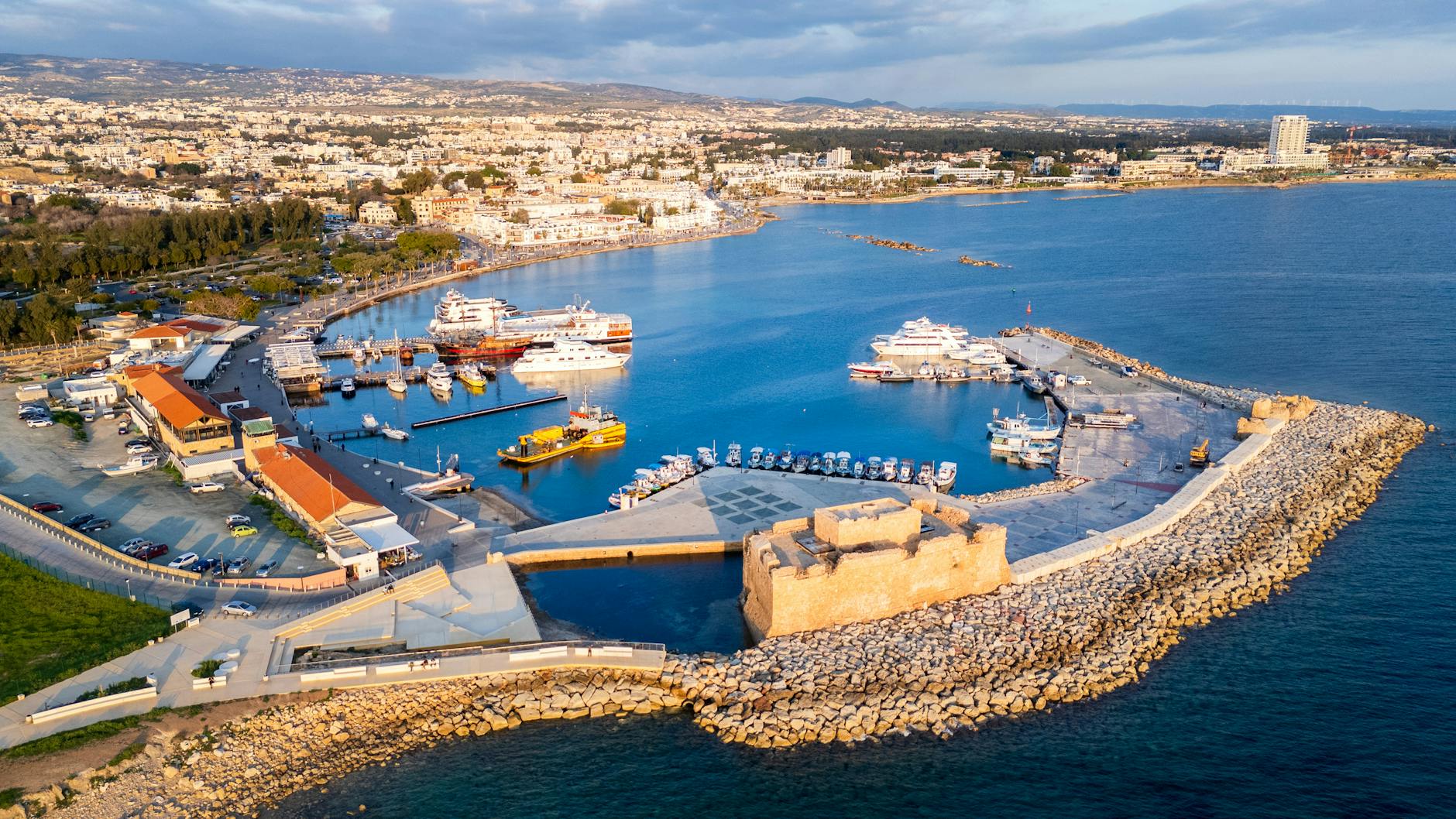
Where to Stay in Paphos: Neighborhoods, Practical Tips, and Sustainable Choices
Practical guide to choosing where to stay in Paphos: Kato Paphos harbour, Pano Paphos (Old Town), Coral Bay, Akamas access, transport, seasonality, and local-first tips to pair with our 3 days in Paphos itinerary.
Clear, practical advice on the best neighborhoods and accommodation types in Paphos for first-timers, families, couples and nature lovers — with sustainable, low-impact suggestions and booking tips to complement the 3 days in Paphos itinerary.
Quick Answer
Clear, practical advice on the best neighborhoods and accommodation types in Paphos for first-timers, families, couples and nature lovers — with sustainable, low-impact suggestions and booking tips to complement the 3 days in Paphos itinerary.
Who This Page Is For
This page is for travelers planning a stay in Paphos who want clearer decisions about where to stay, local logistics, timing, budgeting, and practical trip planning.
How This Page Was Prepared
This page was prepared through a structured editorial workflow that combines destination research, geographic context, and practical travel-planning review.
Plan the Rest of Your Trip
Use this page together with the full itinerary and the related planning pages below to make better booking, timing, transport, and budget decisions.
Best all-round base: Kato Paphos (harbour) — walkable to the Archaeological Park, restaurants and ferry/tour departures.
Best for beach time: Coral Bay — sandy shore, family-friendly hotels and short drive to Paphos town.
Best for culture and local life: Pano Paphos / Old Town and Geroskipou — small hotels, tavernas and local shops.
Best for nature and low-impact travel: stay in Peyia or a small guesthouse near the Akamas Peninsula and use guided walks to minimize impact.
If following our 3 days in Paphos itinerary, choose Kato Paphos or a centrally-located guesthouse to reduce daily transfers and maximise time at sites.
Paphos is compact on the map but diverse on the ground: seaside promenades, ancient ruins, quiet villages and wild coastal trails. Where you stay will shape how you spend your time — whether you want archaeology and restaurants within easy walking distance, a family-friendly beach base, or a quiet rural guesthouse for exploring the Akamas Peninsula.
This page helps you match neighborhoods, transport realities and sustainable choices to the style of trip you or your group want. It’s designed to support the 3 days in Paphos itinerary by pointing out lodging that saves travel time and keeps money in the local economy.
What This Page Helps You Decide
This page helps you pick an exact neighborhood and accommodation type that matches your priorities and the 3 days in Paphos itinerary.
You’ll be able to decide based on:
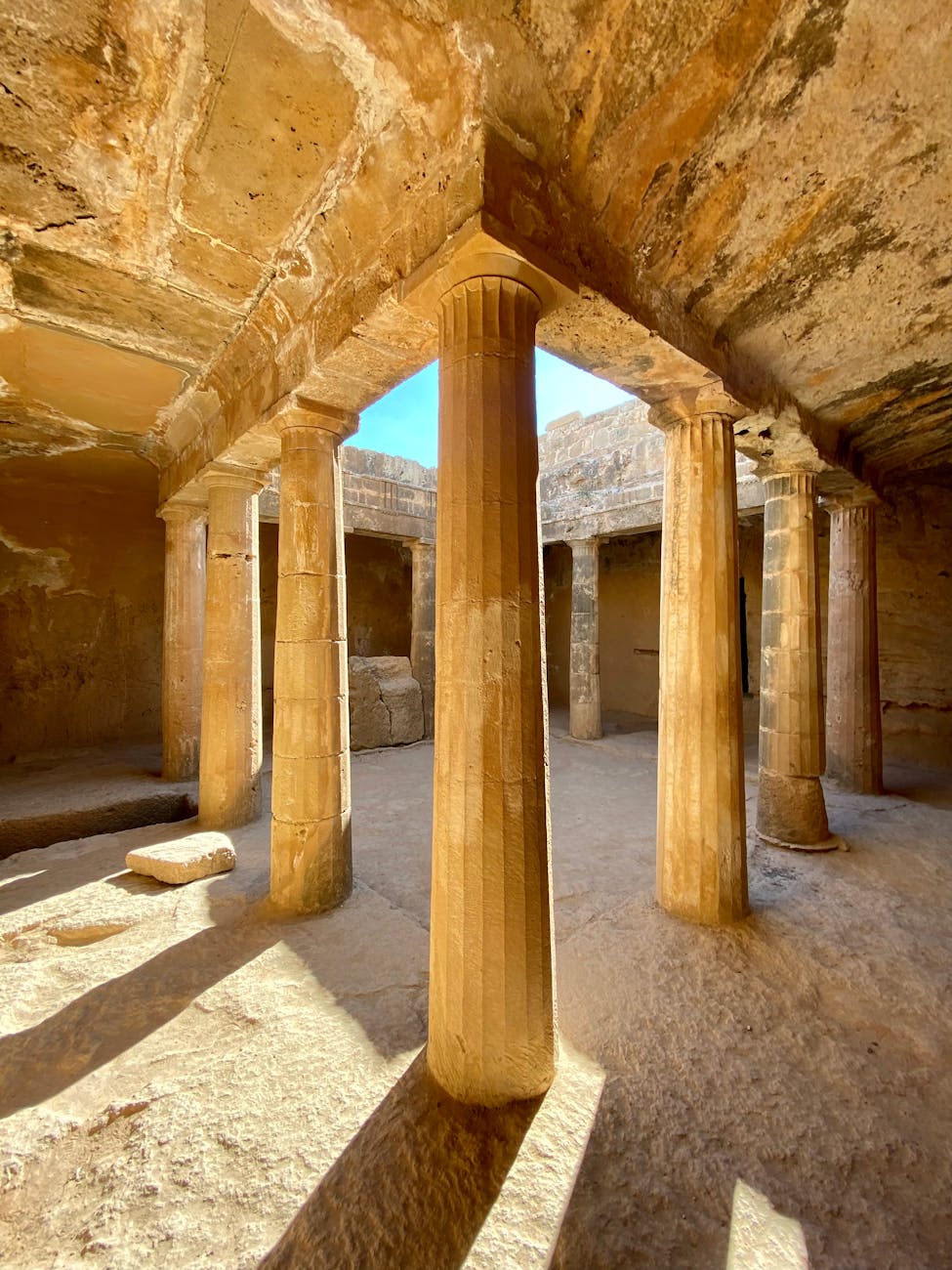
– proximity to archaeological sites and harbour activities mentioned in the itinerary
– whether you need a car to reach Akamas or nearby villages
– family-friendly amenities or quiet, romantic choices
– sustainable, locally-run guesthouses and tavernas that boost the local economy
It also points out sensible nearby city extensions (Limassol, Nicosia, Larnaca, Protaras) if you plan to combine destinations after Paphos.

Top Recommendations
Kato Paphos (Harbour)
– Who it suits: first-time visitors, couples, travellers without a car.
– Why: walking distance to Paphos Archaeological Park, harbour cafes, boat tours and evening dining.
– Booking tip: pick a small hotel or family-run pension facing the promenade for convenience; note some harbour-front properties can be noisy late in summer.
Pano Paphos / Old Town and Geroskipou
– Who it suits: culture-focused travellers and food lovers.
– Why: close to bakeries, local shops, the Byzantine church in Geroskipou and cheaper tavernas.
– Booking tip: stay in a converted guesthouse to support local owners and enjoy authentic breakfasts.
Coral Bay and Peyia
– Who it suits: beach-focused families and longer-stay visitors.
– Why: best sandy beach in the area and more resort-style options; still a short drive to Paphos town.
– Booking tip: self-catering apartments save money; hire a car if you plan to explore beyond the bay.
Akamas and Kouklia area
– Who it suits: walkers, snorkelers and low-impact travellers.
– Why: direct access to nature trails, quieter nights and local farms.
– Booking tip: choose guided small-group activities to protect sensitive habitats and support local guides.

Local Context
Paphos is both a town and the hub for a largely coastal tourism economy. Many businesses are family-run restaurants, guesthouses and small tour operators rather than large chains.
Seasonality and services
– Peak season: July–August — busiest, higher prices, some beaches crowded.
– Shoulder seasons: April–May and September–October — milder weather, quieter streets and better-value rooms.
– Winter: November–March — quieter, some seasonal hotels close; good for lower-impact visits and local interaction.
Transport realities
– Walking is easy around the harbour and Old Town but distances increase if you stay by Coral Bay or Akamas.
– Public buses connect the main points and intercity routes run to Limassol, Larnaca and Nicosia; expect slower frequencies on Sundays.
– Driving: Cyprus drives on the left. A rental car is useful for day trips, especially to Akamas or remote villages.
Local etiquette and practicalities
– Greet shopkeepers and hosts with a polite hello; a few Greek phrases go a long way.
– Dress modestly for visits to churches.
– Tipping is appreciated but not obligatory — small amounts in restaurants and for drivers are common.

How to Choose Well
Decide by these priorities:
– Proximity to sites: choose Kato Paphos for the Archaeological Park and harbour; pick Coral Bay for sand-and-sea days.
– Transport: if you won’t rent a car, stay in or near Kato Paphos or book tours that include transfers.
– Comfort vs authenticity: hotels by the promenade offer convenience; family-run guesthouses in Pano Paphos give a more local feel.
– Budget: self-catering apartments in Peyia and Coral Bay usually offer the best value for families.
Practical booking advice
– Book earlier for Easter and August; shoulder-season bookings can sometimes be changed at short notice.
– Ask hosts about cancellations, air-conditioning, and noise levels before booking.
– Consider contacting small hotels directly — they often offer the best local guidance, and direct bookings keep revenue within the community.
– Check sustainability credentials where listed (e.g., Green Key) and prefer properties with energy/water-saving practices.
Responsible and Local-First Tips
Support local businesses
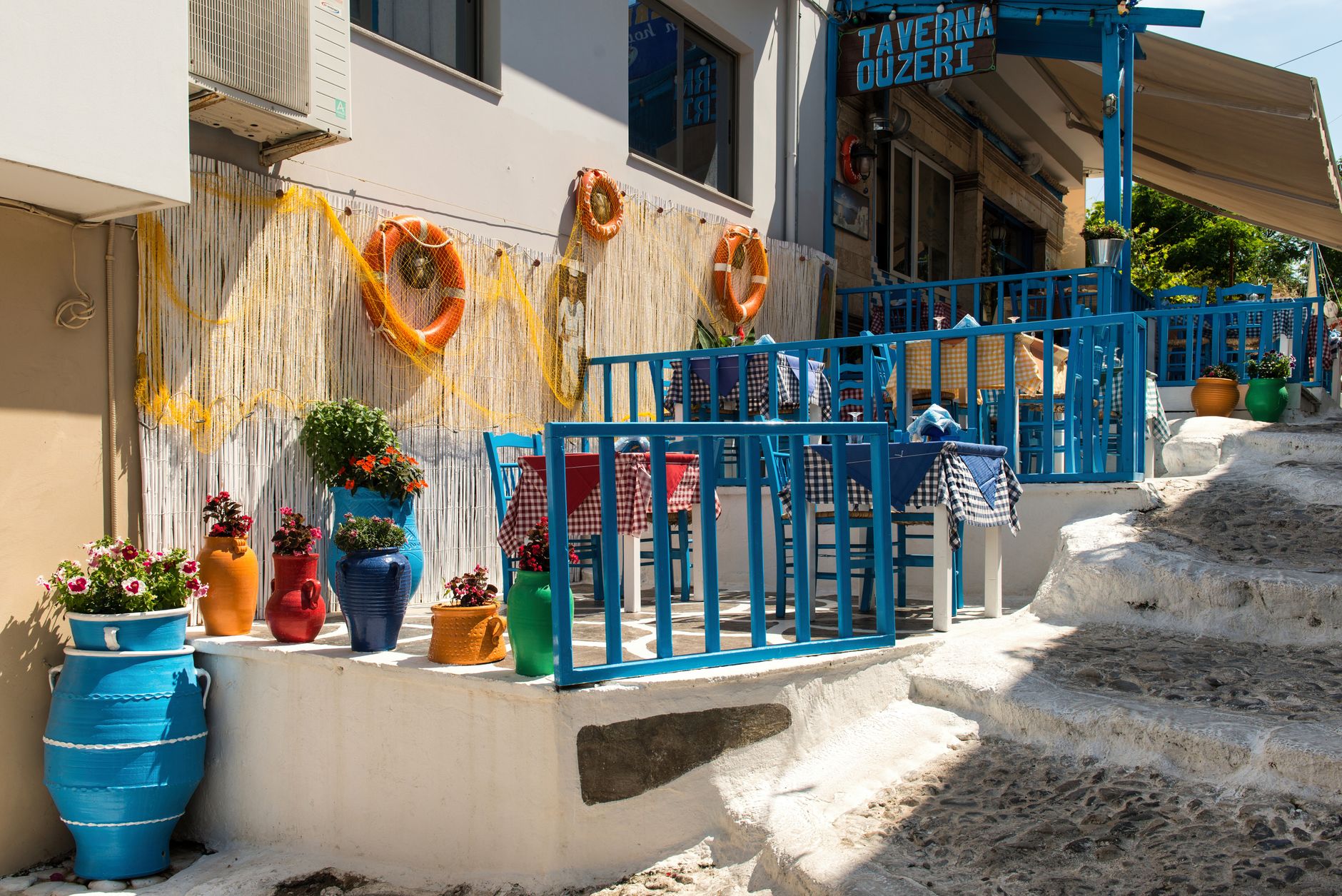
– Eat at family tavernas, buy pastries from local bakeries and choose locally guided tours.
– Prefer locally owned accommodation and book direct when possible.
Protect landscapes and wildlife
– Use marked trails in Akamas and never leave litter on beaches or paths.
– Choose small-group or certified guides for boat and snorkel trips to avoid disturbing marine life.
Low-impact daily choices
– Use buses or walk around the harbour rather than driving short trips.
– Bring a refillable water bottle and a reusable bag to reduce single-use plastics.
Respect cultural norms
– Ask before photographing people in village markets and dress appropriately inside religious sites.
Share benefits with the community
– Pick experiences that employ local guides, sellers, and artisans. Your spending will have the most impact in smaller towns like Geroskipou and Peyia.
Common Mistakes to Avoid
- Choosing an all-inclusive resort without visiting local tavernas — you miss authentic food and local income flows.
- Underestimating distances: Coral Bay and Akamas are a short drive but not always walkable from central Paphos.
- Booking a non-refundable stay during shoulder season without checking local opening patterns.
- Expecting frequent Sunday bus services — plan transfers ahead if you rely on public transport.
- Staying on the harbour promenade during high season if you need quiet evenings; seek side streets or Pano Paphos for quieter nights.
FAQ
Which area is best for a first-time visitor staying 3 days?
Kato Paphos (harbour) — it places you within walking distance of the Archaeological Park, restaurants, boat tours and the arrival points most itineraries use. This minimizes transit time on a short trip.
Do I need a car in Paphos?
Not strictly if you stay in Kato Paphos and focus on nearby sites. A car is highly recommended if you want to explore Coral Bay, the Akamas Peninsula, or rural villages at your own pace.
When is the best time to visit for milder weather and fewer crowds?
April–May and September–October are ideal for pleasant temperatures, quieter streets and better value rooms. Many local businesses are also easier to support in shoulder seasons.
Are there family-friendly areas and accommodations?
Yes. Coral Bay offers sandy beaches and playgrounds; many apartments and family-run hotels here are geared to kids. In Kato Paphos look for family rooms and easy access to amenities.
How do I reach Paphos from nearby cities like Limassol or Larnaca?
Intercity buses and private transfers connect Paphos with Limassol, Larnaca and Nicosia. Driving is straightforward and gives flexibility for stops in villages like Kouklia. If you plan day trips to Limassol or Nicosia, consider a base in Paphos with good parking or bus links.
Any safety or health tips?
Paphos is generally safe. Wear sun protection, carry water when hiking, and respect sea warnings. For protected coastal areas like Akamas, follow signage and guide advice.
Conclusion
Choose your Paphos base to match the experiences you value most: Kato Paphos for convenience and history, Coral Bay for beaches, Pano Paphos for local life, and Peyia or Akamas for nature. Favor small, locally run places when possible, travel in shoulder season for lower impact and better value, and use this page alongside the 3 days in Paphos itinerary to plan efficient days that keep your spending local. If you’re extending to Limassol, Nicosia, Larnaca, Protaras or Alanya, pick accommodation with easy access to intercity buses or a hire car to make the most of your route.
How this guide was prepared
This guide was prepared through a structured research that combines destination research, geographic context, itinerary planning logic, and content review.