

3-Day Paphos Itinerary: Archaeology, Coastline and Taverns
A practical 3-day Paphos guide with day-by-day plans, transport tips, entry fees and honest advice for archaeology, beaches and tavernas.
A realistic three-day plan to see Paphos’s mosaics, coastal walks and tavernas without overscheduling; includes transit tips, prices and evening options.
A first impression is of low-rise streets, limestone ruins close to the sea, and a port area that still looks like a working fishing spot. The mood shifts quickly from quiet morning markets to noisy tourist lunches along the promenade, then quieter again after 22:00. Expect small museums and archaeological sites to dominate daytime sightseeing rather than large shopping streets.
Visitors commonly assume everything is clustered; in reality the main archaeological park, Kato Paphos harbour and Ktima Old Town are walkable, but beaches and villages such as Coral Bay or Akamas need either a local bus or a hire car. This town suits travelers who accept short drives or boat trips and who want a balance of classical ruins, simple tavernas and a relaxed seaside pace.
Is 3 days in Paphos enough?
Yes — three days covers the main archaeological sites, a solid harbour and Old Town visit and a beach or short Akamas excursion. The honest caveat: there isn’t time for a full western Akamas circuit and extended boat trips from Latchi without skipping either more museums or extra beach time.
Who This Guide Is For
Best for culture-and-beach travelers who prefer compact town centres, short drives and tavernas; a poor fit for people who want full-day guided hikes in Akamas or those relying solely on late-night public transport.
Local Tips for Paphos
Practical details that most travel sites skip — specific to Paphos.
- Buy an entry ticket at the Paphos Archaeological Park office (around €4–€6) specifically to see the House of Dionysos mosaics; Tombs of the Kings has a separate ticket (around €2–€3) and both accept cards but bring small change for local bus fares.
- Catch bus 612 from Paphos Central Bus Station for Coral Bay; the ride is about 30–40 minutes and drivers prefer exact cash (€1.50–€2 single fare).
- Use Kapnos Airport Shuttle or Intercity Buses for transfers from Larnaca; Kapnos fares from Larnaca to Paphos are typically €8–€12 per person if prebooked online.
- Many tavernas and bakeries in Ktima (Old Town) close between roughly 15:00 and 19:00; plan a late lunch or reserve a table for evening service.
- Buy local Commandaria wine bottles in Kouklia or Old Town shops; a modest 375ml bottle usually costs €8–€15 and is an easy souvenir that keeps well in luggage.
How This Guide Was Prepared
This guide treats Paphos as a compact, low-rise seaside town where archaeological sites and working harbour life dominate the experience. Many guides overplay sunset myth-making and skip practical limits: distances to Akamas, public-transport gaps and afternoon closures of small tavernas. This guide was prepared through a structured research that combines destination research, geographic context, itinerary planning logic, and content review.
Plan Your Stay in Paphos
Use these planning pages to compare areas to stay, expected costs, seasonal timing, and local transport before booking.
Why Visit
Three reasons stand out: first, the concentration of Roman and Byzantine mosaics in the Paphos Archaeological Park, including the House of Dionysos and House of Theseus, is unusually accessible without long queues. Second, the harbour and castle area mixes an authentic working port with coastal promenades for short walks and seafood tavernas. Third, quick access to coastal day trips — Coral Bay and the Akamas Peninsula — makes this a good base for both archaeology and nature without long daily transfers.
A practical advantage: the compact centre means evening plans are doable on foot. Expect limited nightlife but good evening meals, and straightforward day-trip logistics to nearby Limassol or Larnaca if a longer itinerary is desired.

Quick Planning Tips
Fly into Paphos International for the shortest transfer to town (roughly 15–25 minutes by taxi to Kato Paphos) or use Kapnos/Intercity buses from Larnaca (75–90 minutes). For airport transfers, prebook Kapnos or allow €25–€35 for a metered taxi from Paphos airport to central areas.
Credit cards are widely accepted in hotels and tavernas, but smaller bus drivers and bakeries prefer cash; keep coins for €1.50–€2 local fares. Avoid the planning mistake of expecting late-night buses — transport frequency drops after 20:00 and on Sundays, so book onward travel or taxis in advance.

Day 1
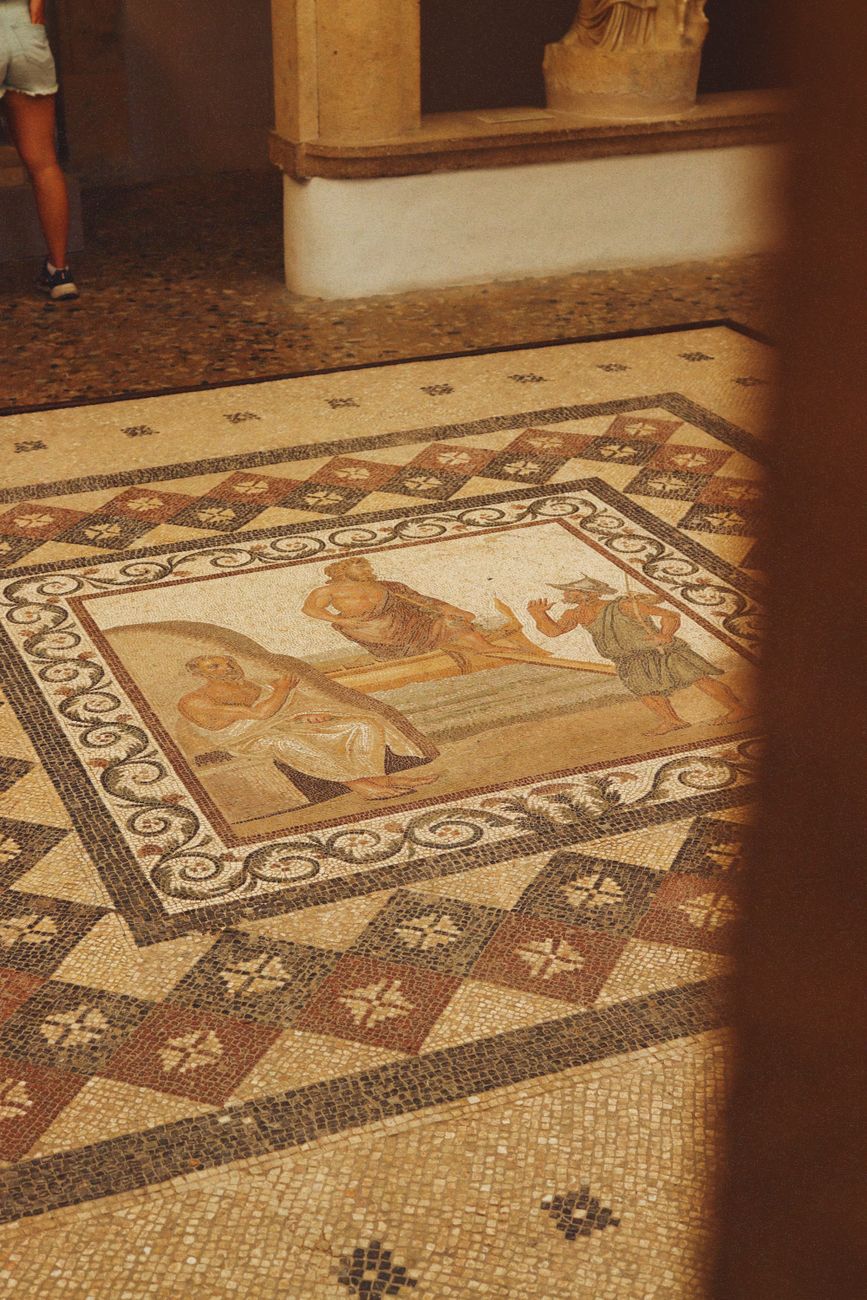
Start at Paphos Archaeological Park to see the House of Dionysos, House of Orpheus and the mosaics; budget 1.5–2.5 hours here. From the park, a 10–15 minute walk brings visitors along the coast to Paphos Castle at the harbour and the small fishing quay.
Walk the promenade to the medieval fort, then turn inland for a short 5–10 minute walk to the Archaeological Museum of Paphos on Griva Digeni Street to fill in Byzantine and pottery collections (allow 45–60 minutes). For lunch, head to a harbour-side taverna such as “Ficardo” or a similar fish restaurant on the quay for grilled fish or seabream — expect €12–€20 for a main.
After lunch, walk 15–20 minutes uphill to Ktima Old Town for a relaxed afternoon among local shops, coffee places and the municipal market area. Finish with a sunset stroll along the promenade and an evening meal in Kato Paphos; an honest evening recommendation is to book a table at a known taverna because the best small places fill up after 20:00.
Day 2
Spend the morning heading west to Coral Bay by bus 612 (30–40 minutes) or by rental car (20–30 minutes). Coral Bay offers a wide sandy beach and organized sunbeds; plan 2–4 hours for swimming and lunch at a beachfront taverna such as “Kiosky” or small local grill stands serving souvlaki and halloumi wraps (prices €5–€10).
Return mid-afternoon to base and prepare for a short drive or guided minibus trip to the Akamas Peninsula or the Baths of Aphrodite (Petra tou Romiou). If driving, allow 45–60 minutes each way for narrow roads; guided 4×4 or boat trips depart from nearby Latchi (one hour plus drive to Latchi). Activities include short coastal hikes, a stop at the Aphrodite Rock and, if time permits, a late afternoon swim at a quieter cove.
Evening can be quieter: try a Ktima taverna for meze, where a shared multi-course meal of small plates is common and typically costs €18–€30 per person depending on drinks.

Day 3
Reserve the final day for quieter cultural stops and travel logistics. Start in Ktima Old Town with a bakery breakfast — try bourekia or a loukoumades box — then walk to the Paphos Byzantine Museum for a focused hour on icons and ecclesiastical objects (45–60 minutes). From Old Town, take a short taxi or a 10–20 minute local bus to Ayios Neophytos Monastery (about 20–30 minutes by car) to see the cave chapel and its frescoes; plan 1.5–2 hours including the drive.
Return toward the harbour and add a stop at the medieval castle or the small art galleries near the promenade. For travelers checking out with an afternoon flight, arrange hotel luggage storage and time transfers: a taxi to Paphos International is roughly 20–25 minutes from Kato Paphos, and budget at least 60–90 minutes door-to-door for airport arrival. Finish with a late lunch in the harbour before departure if time permits.

Best Local Experiences
Five distinct local experiences to prioritize: walk the mosaic circuit inside Paphos Archaeological Park to see multiple Roman houses in one visit. Spend a morning at Ktima Old Town for bakeries, small produce stalls and tavernas where locals eat. Take a day to swim at Coral Bay and try simple beachside seafood grills.
Add a guided coastal hike or 4×4 trip in the Akamas Peninsula to reach quieter coves and the Ariadni or Blue Lagoon area (these require a full day or a boat departure from Latchi). Finally, visit Kouklia to see the Sanctuary of Aphrodite and its museum for a compact look at the medieval-to-classical pilgrimage site.

Where to Stay
Kato Paphos (Kato): suits visitors who want to be steps from the harbour, castle and archaeological park. Expect hotel rates roughly €60–€140 per night (about $65–$155) depending on season and rating. Ideal for short walks to main sites and evening promenades.
Ktima Old Town: suits travelers who prefer small guesthouses, local tavernas and bakeries; quieter at night and within 10–20 minutes on foot of the harbour. Typical guesthouse or boutique hotel prices range €45–€90 per night (about $50–$100).
Coral Bay/Chloraka area: suits beach-focused travelers and families who want easy access to sand and day-trip buses. Self-catered apartments and mid-range hotels run €50–€120 per night (about $55–$135). A rental car is useful from here for Akamas excursions.
Food and Drink
Halloumi: the cheese is grilled or fried and served in tavernas and breakfasts; try it at seaside tavernas or local markets for €3–€6 per serving. Souvlaki: skewered meat in pita with salad and tahini or tzatziki; street stalls and beach kiosks sell portions for about €3–€6.
Kleftiko: slow-roasted lamb typically served in village tavernas; order as a main in Ktima or Kouklia for €12–€20. Sheftalia: Cypriot pork or lamb sausages wrapped in caul fat, common at grill stalls and tavernas for €2.50–€5 as a snack or part of a meze. Loukoumades: small honeyed doughnuts for dessert, usually €3–€6.
Drinks: Commandaria is a local sweet wine to try with desserts or buy as a souvenir (€8–€20 per bottle). Zivania, a local pomace spirit, appears in many tavernas as a digestif and is strong; a small dram in a taverna is €2–€4. For breakfast, seek a local bakery for bourekia (cheese-filled pastries) and strong Cypriot coffee for around €1.50–€3.
Getting Around
No metro or tram exists; getting around relies on local buses, intercity coaches, taxis and rental cars. Local bus routes include numbers in the 600s connecting Coral Bay (612) and local suburbs with Paphos Central Bus Station. Intercity Buses link Paphos with Limassol, Larnaca and Nicosia.
Single local-bus fares are around €1.50–€2; there is no common city day pass in Paphos, so pay drivers directly for short trips. Use the Intercity Cyprus app or general transit apps such as Moovit and Google Maps for schedules. Taxi from Paphos International to Kato Paphos is roughly €25–€35 depending on time and luggage. Renting a car is common for Akamas and coastal exploration; expect €30–€60 per day outside peak summer.
Best Time to Visit
High season runs June to August with daytime temperatures typically 28–34°C and crowded beaches; expect higher hotel prices and limited parking at Coral Bay. Shoulder seasons April–May and September–October offer warm weather (20–28°C), fewer crowds and better value for accommodation and excursions.
Winter months November–March are cooler and wetter, temperatures often 10–16°C; museums and tavernas remain open but some seaside businesses reduce hours. Best value months for lower rates and pleasant weather are April and October, while July–August suits sun-seekers willing to accept crowds and higher prices.
Budget and Practical Tips
Sample daily budgets (per person): budget traveler €55–€75/day (accommodation €30–€45, food €15–€20, transport €3–€5, entries €5). Mid-range €100–€150/day (accommodation €60–€90, food €25–€35, transport €5–€10, entries €10–€15). Expect higher costs in July–August.
Most restaurants add a service charge rarely; tipping 5–10% in tavernas and rounding up for taxi drivers is normal. ATMs are common but use bank cards for larger purchases; small shops and buses prefer cash. For rental cars, check insurance excess limits and book fuel policies in advance to avoid surprise charges.
FAQ
Is Paphos safe for solo travelers?
Yes; daytime areas and main promenades are generally safe with low violent crime rates, but standard precautions apply for unattended belongings at beaches and busy tourist spots.
Are taxis available late at night?
Taxis operate late but are fewer after 22:00; prebook a hotel taxi or call a local company to avoid waits, especially on Sundays and in low season.
Is a Paphos city pass or card worth buying?
No unified city pass exists; buy individual tickets for major sites and use Intercity or Kapnos passes for airport transfers if offered.
Can public buses reach Akamas and the Blue Lagoon?
Public buses reach nearby villages and Coral Bay, but Akamas trails and the Blue Lagoon are best accessed by car, organized 4×4 tours or boat departures from Latchi.
What language is spoken and are English speakers common?
Greek is the official language, but English is widely spoken in tourist areas, hotels and most tavernas.
Are the beaches safe for families with children?
Coral Bay is a sheltered, sandy beach good for children; other coves can have rocky entries and stronger currents, so check local signs and lifeguard availability in high season.
Can major credit cards be used everywhere?
Cards work at hotels, larger tavernas and shops; small cafés, bakeries and local buses may require cash.
Conclusion
Three days provide a solid taste of archaeological sites, harbour life and a coastal day without rushing. Most travelers will remember the mosaics and a relaxed evening meal on the promenade. If time becomes tight, prioritize the Archaeological Park mosaics and one coastal excursion (Coral Bay or a short Akamas trip) and accept skipping extra museum stops for a more relaxed trip.
How this guide was prepared
This guide was prepared through a structured research that combines destination research, geographic context, itinerary planning logic, and content review.