

Best Time to Visit Budapest — When to Go for Weather, Crowds, and Local Life
Practical guide to the best times to visit Budapest: shoulder seasons, winter markets, summer festivals, transport tips, and sustainable choices to pair with a 3-day Budapest itinerary.
Best overall months: April–May and September–October. These shoulder-season windows offer mild weather, fewer tourists than midsummer, easier reservations for baths and restaurants, and lively local markets.
If you want festive atmosphere and shorter daylight: late November–December for Christmas markets and thermal baths. For warm weather and outdoor festivals: June–August, expect crowds and higher prices.
Budapest changes quickly through the year: warm, crowded summers; crisp, colorful shoulder seasons; and quiet, atmospheric winters. This page helps pick the right months for weather, fewer crowds, and authentic neighborhood experiences that fit a compact 3-day itinerary. Practical transport, booking, and local etiquette tips are included so your stay supports local businesses and keeps impact low.
What This Page Helps You Decide
Use this page to pick travel dates that match your priorities and to prepare a practical 3-day Budapest visit.
It helps you decide:
– When to book flights and accommodation relative to festivals and peak travel.
– Whether to plan thermal-bath time during cold weather or a late-afternoon soak in shoulder seasons.
– Which neighborhoods to base yourself in for convenience and quieter evenings.
– Which nearby day trips (Szeged, Pécs, Debrecen, Bratislava, Vienna) are easy by train for sustainable travel.

Top Recommendations
Plan by priorities:
– Best for fewer crowds and good weather: April–May and September–October.
– Best for thermal-bath atmosphere and lower travel costs: November–March (bring layers).
– Best for festivals and outdoor life: June–August (book early, especially around Sziget in August).
Neighborhood tips:
– Stay in District V (Belváros) or VI for central access to major sights and short walks to the Danube.
– Choose Buda (Castle, District I or II) for calmer evenings and views.
– Book in District VII (Jewish Quarter) if you want nightlife and quick access to ruin bars, but expect noise on weekend nights.
Practical bookings:
– Reserve tickets for Széchenyi and Gellért baths on busy days and evenings.
– Book river cruises and guided Parliament tours in advance in summer.
– For a 3-day itinerary, pair central lodging with one afternoon in a neighborhood market (Great Market Hall) to support local vendors.
Local Context
Weather and crowd patterns:
– Spring (Apr–May): Temperatures 10–20°C (50–68°F). Trees and parks bloom; less crowded than summer.
– Summer (Jun–Aug): 20–30+°C (68–86+°F). Peak tourist season and festivals; expect queues and higher prices.
– Autumn (Sep–Oct): 10–20°C (50–68°F). Clear days and early sunsets; excellent for walking and wine events.
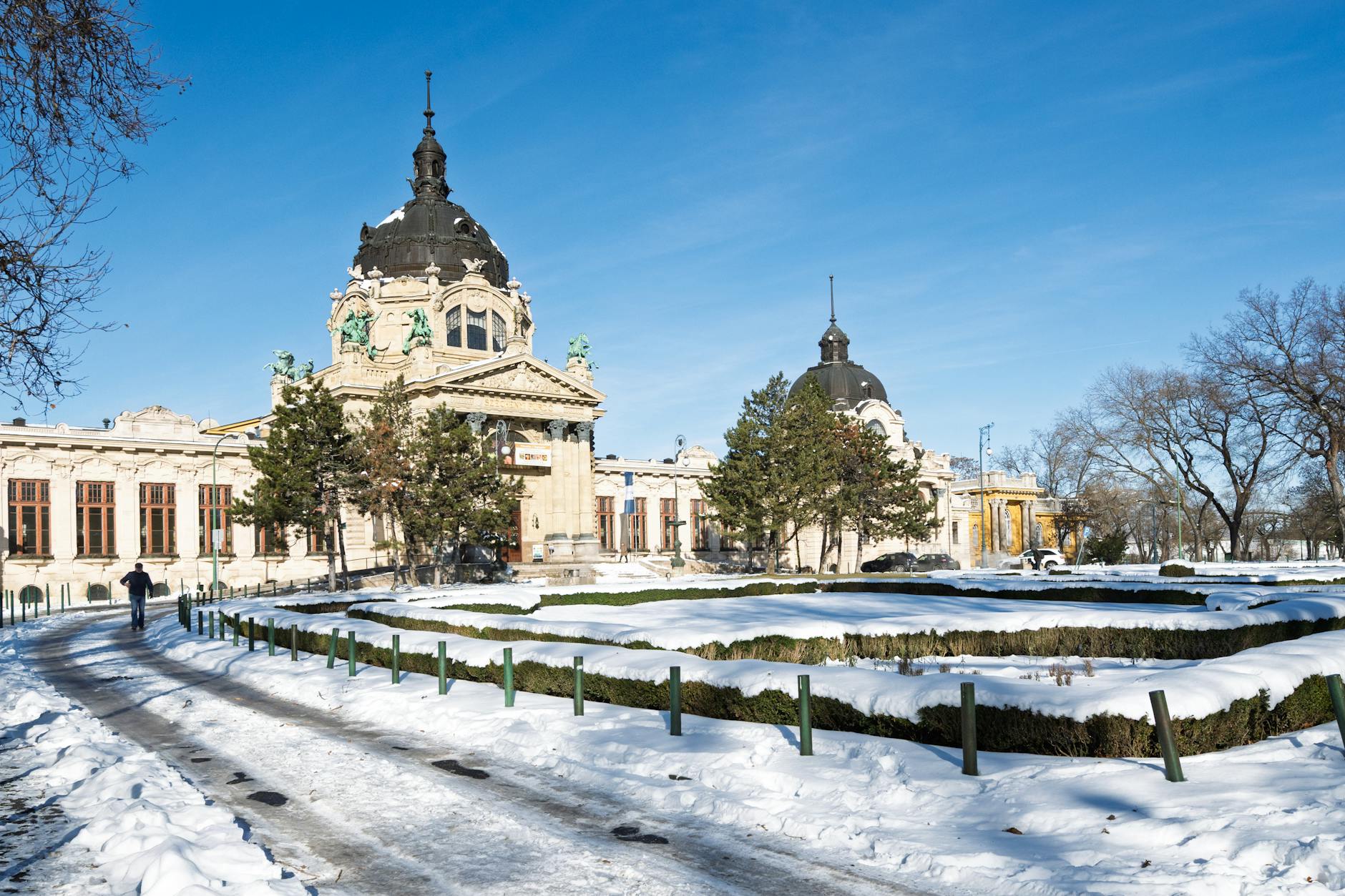
– Winter (Nov–Mar): 0–5°C (32–41°F) on average, colder nights. Christmas markets and cozy baths are highlights.
Transport realities:
– Budapest is compact and highly walkable; trams (particularly lines 4/6) and the M1 metro are convenient for central routes.
– Airport transfers: take the train + metro or shuttle bus for the most predictable, low-impact option.
– Day trips: trains to Szeged, Pécs, and Debrecen are frequent and usually 2–3 hours; Bratislava and Vienna are 2–3 hours by train or bus—train is the greener choice.
Local etiquette and money:
– Tipping: 10–15% in restaurants is customary when service charge isn't included.
– Greet shopkeepers and tour guides with a brief 'jó napot' for courtesy.
– Cards are widely accepted in the city center; carry some for markets and small vendors.

How to Choose Well
Match timing to the trip you want:
– If you value museums, architecture, and calmer streets: choose April–May or September–October.
– If you want spa culture with atmosphere: winter is ideal for night baths and shorter queues at museums.
– If festivals and nightlife matter: plan for July–August but expect crowds and higher prices.
Accommodation decision tips:
– For a 3-day plan, pick a central location to minimize transit time: Districts V, VI, or near Astoria/Deák Ferenc tér.
– Consider a Buda apartment for quieter nights and easy sunset views from Gellért Hill.
– Book refundable or flexible-rate rooms around known festival dates.
Transport and pacing:
– Use public transit passes for multi-day stays; it's cheaper and supports local systems.
– Walk between central sights — many are within 20–30 minutes on foot — and leave one afternoon for relaxed market or thermal-bath time.

Responsible and Local-First Tips
Favor neighborhood businesses and low-impact choices:
– Eat where locals go: daytime markets (Great Market Hall), small bistros in District VII, and bakery cafés in District VIII.
– Use trains for nearby day trips instead of flights; book regional tickets in advance to support local operators.
– Choose walking tours led by local guides or small independent operators rather than large chains.
– Visit thermal baths respectfully: follow local dress and hygiene rules and avoid peak times to reduce strain on facilities.
– Reduce waste by carrying a reusable water bottle; refill at cafés or public fountains.
Seasonal suggestions to spread visitor impact:
– Travel in shoulder months to help local businesses outside the high season and to find better availability at family-run guesthouses.
– Time visits to markets and small producers' stalls in the morning when fresh goods are available and local sellers benefit most.

Common Mistakes to Avoid
- Packing only for warm weather in summer: evenings on the Danube can be cooler, and indoor sites are air-conditioned.
- Expecting thermal baths to be quiet without booking: weekends and evenings fill quickly, especially in summer and winter holiday periods.
- Choosing overly noisy streets for accommodation without checking local nightlife: District VII can be lively late into the night.
- Underestimating walking time: allow 20–30 minutes between many central sights rather than assuming everything is immediately adjacent.
- Skipping train options for nearby cities: trains are frequent, fast, and often greener and more relaxing than buses or short flights.
FAQ
When is Budapest least crowded?
Late January–March (excluding Carnival or holiday weekends) and mid-week in shoulder seasons see the fewest tourists.
Is summer too hot to enjoy Budapest?
Summer can be hot (often 25–30°C/77–86°F). Early mornings and late evenings are best for walks; plan indoor museum or bath time midday.
Are thermal baths open year-round and do I need to book?
Most major baths are open year-round. Advance booking is recommended for Széchenyi and Gellért during weekends and peak season.
Which months are best for day trips to Vienna or Bratislava?
Spring (Apr–May) and autumn (Sep–Oct) offer pleasant travel conditions and fewer crowds on trains between cities.
How far in advance should I book accommodation for the main festivals?
For Sziget (August) and the Budapest Wine Festival (September), book at least 2–3 months ahead; earlier for limited family-run guesthouses.
Is public transport easy to use for a short stay?
Yes. A 72-hour travel pass covers most central travel and is usually the best value for a 3-day visit. Trams and metros are frequent and reliable.
Conclusion
For most travelers building a 3-day Budapest itinerary, April–May and September–October strike the best balance of weather, local life, and manageable crowds. Winter offers unique charm if you prioritize thermal baths and holiday markets, while summer delivers festivals and long evenings but higher prices.
Plan with small local providers, favor trains for nearby trips (Szeged, Pécs, Debrecen, Bratislava, Vienna), and book baths and guided tours ahead during peak periods. For step-by-step timing and a suggested route, see the companion 3 days in Budapest guide to turn your chosen dates into a practical daily plan.
Plan the Rest of Your Trip
This page works best alongside the main itinerary and the other planning pages for Budapest.