

Best Things to Do in Ubud, Bali — Practical, Responsible Guide
Local-first guide to the best things to do in Ubud: rice terraces, temples, walks, markets, wellness, and day trips with sustainable, practical advice.
A concise, low-impact guide to Ubud’s top experiences — walks, markets, temples, rice terraces, and wellness — with transport tips, seasonal notes, and links to our 3 days in Ubud itinerary.
Quick Answer
A concise, low-impact guide to Ubud’s top experiences — walks, markets, temples, rice terraces, and wellness — with transport tips, seasonal notes, and links to our 3 days in Ubud itinerary.
Who This Page Is For
This page is for travelers planning a stay in Ubud who want clearer decisions about things to do, local logistics, timing, budgeting, and practical trip planning.
How This Page Was Prepared
This page was prepared through a structured editorial workflow that combines destination research, geographic context, and practical travel-planning review.
Plan the Rest of Your Trip
Use this page together with the full itinerary and the related planning pages below to make better booking, timing, transport, and budget decisions.
If you have limited time, prioritize: 1) a morning walk on Campuhan Ridge, 2) the Sacred Monkey Forest and Ubud Market, 3) a rice-terrace visit at Tegalalang or a community rice walk, and 4) a short yoga or spa session in central Ubud. For a complete plan, see our 3 days in Ubud itinerary which sequences these with low-impact travel and local spending tips.
Ubud is Bali’s cultural and wellness heart: compact, verdant, and best explored slowly. This page is built to support a main 3 days in Ubud itinerary while offering extra options, sustainable choices, and practical details for travelers who want to spend money locally and minimize impact. Expect narrow lanes, morning markets, daily offerings at temples, and a strong emphasis on arts, rice landscapes, and yoga.
What This Page Helps You Decide
Use this page to choose: which Ubud activities fit your pace, how to layer wellness and cultural visits into a 1–4 day stay, and which day trips make sense. It helps you decide by focusing on:
- Time: quick highlights vs deeper local experiences.
- Impact: low-traffic alternatives (community rice walks, local warungs) vs tourist-heavy spots.
- Logistics: best neighborhoods for lodging and transit realities.
If you’re following our 3 days in Ubud guide, this page gives expanded options and sustainable swaps.
Top Recommendations
Best, practical activities ranked for first-time and repeat visitors:
- Campuhan Ridge Walk: do this at sunrise or early morning to avoid crowds. Wear good shoes and bring water.
- Sacred Monkey Forest Sanctuary: arrive early, watch signs, don’t feed or tease monkeys; pay the entrance fee to support conservation.
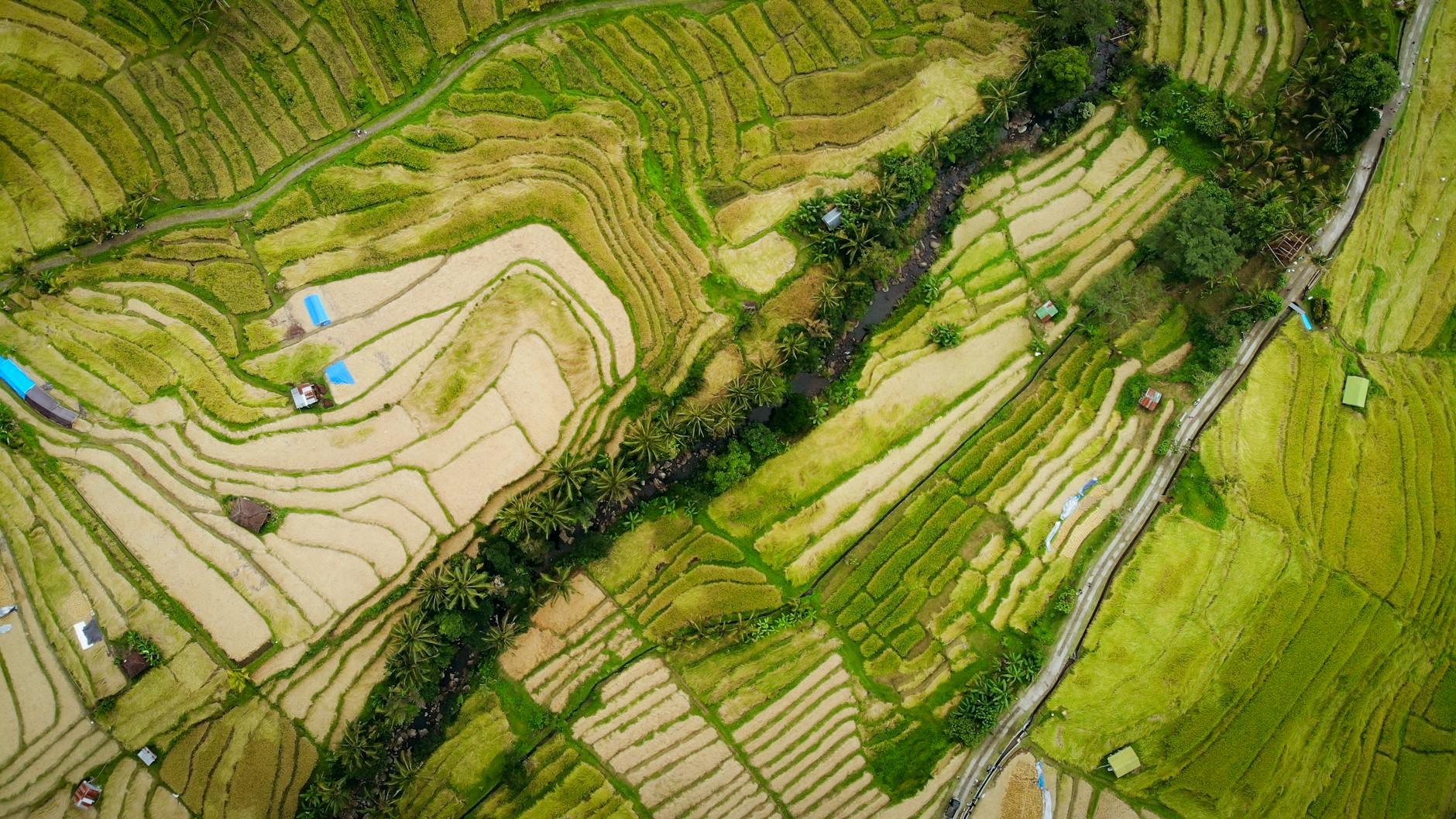
- Tegalalang Rice Terrace: visit midweek or late afternoon; consider joining a community-guided walk rather than just viewing from the main viewpoints.
- Traditional Ubud Market & Ubud Palace: shop from artisan cooperatives and avoid single-use plastics when carrying purchases.
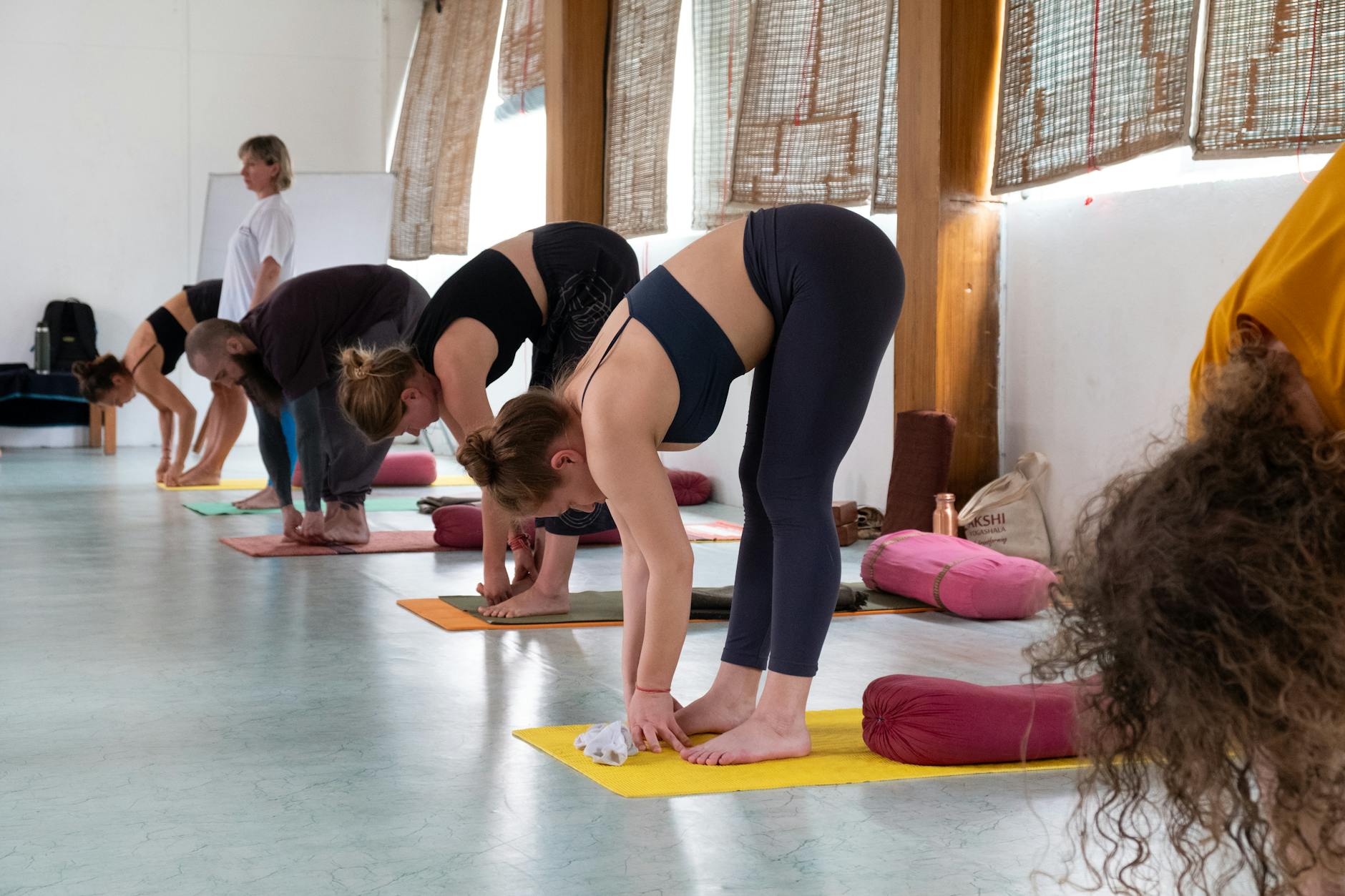
- Yoga & spas in central Ubud: book smaller studios or community classes that share revenue locally.
- Goa Gajah and Pura Tirta Empul: temple visits require modest clothing and sarongs; rent or bring your own to reduce waste.
- Art museums and studios (ARMA, Blanco): favor smaller galleries and artist-run spaces — entry fees often support local programs.
For side trips, combine with Kintamani/Mount Batur sunrise treks (book licensed guides) or a cultural half-day to Tampaksiring and Pura Tirta Empul. See nearby travel suggestions toward the end for connections to Kuta, Yogyakarta, and Surabaya.

Local Context
Neighborhoods and seasonal notes:
- Central Ubud (Jalan Raya Ubud): best for markets, restaurants, and booking tours. It’s busier and has the most ride-hailing coverage.
- Penestanan and Sayan: quieter, with cafes and rice-view guesthouses; good for evening walks and local art studios.
- Tegallalang area: terrace access and elephant-ear viewpoints but busier with coach groups.
Seasonality and practicalities:
- Dry season (April–October) is driest and busiest. Shoulder months (April–May, September–October) offer fewer crowds and lower prices while still good weather.
- Rainy season (November–March) brings short heavy showers; mornings are often usable for walks.
- Transport: roads are narrow. Scooter hire is common but only for experienced riders. Private drivers for half- or full-day trips are a safer and often affordable option; negotiate a clear price and include parking fees.
- Connectivity: GoJek/Grab work well around central Ubud but can be limited to certain lanes and times; plan pick-up points on larger roads.

How to Choose Well
Match activities to your interests and impact preferences:
- Short on time: focus on Campuhan Ridge + Monkey Forest + Market. Reserve one evening for a local cultural performance near the palace.
- Into photography and landscapes: sunrise at Campuhan or a dawn visit to a quieter section of Tegalalang; consider hiring a local guide familiar with lesser-known terraces.
- Wellness-focused: pick community-taught yoga classes and family-run spas; ask about cleaning products and water use to make lower-impact choices.
- Families or less mobile travelers: choose central attractions to reduce transfers; many museums and galleries are wheelchair accessible but check ahead.
Booking tips:
- Reserve popular activities (Mount Batur trek, sunrise tours, workshops) at least 24–72 hours in advance in high season.
- Book directly with small operators where possible: this keeps more revenue local and often provides more authentic experiences.
- For transport, compare a daily driver rate vs per-trip prices; a driver can double as a local guide and help with flexible schedules.
Responsible and Local-First Tips
Practical ways to support local economies and keep your footprint low:
- Eat locally: favor family-run warungs, fresh fruit stalls, and cafés that source Balinese produce.
- Buy craft directly: visit artist cooperatives and ask about provenance; avoid mass-produced souvenirs from outside Bali.
- Reduce plastic: bring a refillable bottle (many accommodations provide filtered water) and a tote for market purchases.
- Respect temples: wear a sarong and sash where required; always be mindful around offerings and sacred spaces.
- Wildlife and nature: do not feed monkeys, and keep distance. Stick to marked paths in rice terraces and avoid trampling crops.
- Choose low-impact transport: walk where possible, hire a driver for consolidated trips, and avoid short motorized jaunts that increase congestion.
Small changes help maintain Ubud’s culture and landscapes for the people who live here.

Common Mistakes to Avoid
Avoid these common errors that reduce enjoyment and harm local communities:
- Trying to cram too much into a single day: Ubud rewards slow exploration.
- Riding a scooter beyond your comfort: roads are narrow and drivers aggressive at times; accidents are common among renters.
- Feeding or posing with monkeys: this stresses animals and can lead to bites; follow sanctuary rules.
- Assuming all temples are tourist attractions: many are active worship sites — behave respectfully and follow local guidance.
- Booking only large, international operators: this funnels money out of the community and often creates busier, less authentic visitor patterns.
A little patience and respect go a long way in Ubud.
FAQ
How many days do I need in Ubud?
2–4 days covers core experiences comfortably. Use one full day for rice terraces and a nearby temple, another for markets and cultural sites, and a half-day for a slow walk and a wellness session. See our 3 days in Ubud itinerary for a practical daily plan.
When is the best time to visit Ubud?
Dry season (April–October) offers the most consistent weather. Shoulder months like April–May and September–October balance fewer crowds and good conditions. Rainy season has short heavy showers but fewer tourists and lower prices.
Is Ubud suitable for walking everywhere?
Central Ubud and Campuhan Ridge are very walkable. Many attractions outside the center require a short drive. Wear good shoes, and be prepared for uneven paths and occasional steep alleys.
Can I rent a scooter in Ubud?
Yes, but only if you’re experienced. Roads are narrow and sometimes steep. For most visitors, hiring a local driver is safer and supports the local economy.
Are the rice terraces accessible without joining a tour?
Yes — areas like Tegalalang have public viewpoints and walking paths, but consider a community-guided walk for deeper context and to support local farmers.
How much should I tip and how do I support local artisans?
Tipping is appreciated but not mandatory. Small tips for drivers, guides, and service workers are useful. For artisans, buy directly from the maker or cooperatives and ask about how pieces were made.
Conclusion
Ubud is best experienced slowly, with attention to local rhythms, seasonal timing, and low-impact choices. Prioritize walks, community-led rice experiences, small studios and warungs, and book essential guided activities early. Use this page alongside our 3 days in Ubud itinerary to plan a visit that supports local livelihoods while letting you discover the area’s quiet beauty. If you plan regional travel, consider logical links to Kuta for beaches, or to Yogyakarta and Surabaya for longer cultural routes.
How this guide was prepared
This guide was prepared through a structured research that combines destination research, geographic context, itinerary planning logic, and content review.