
Split in 3 Days — Honest 72-Hour Travel Plan and Costs
A no-nonsense 3-day Split guide with transit tips, realistic costs, timed routes, where to eat, and exactly what to skip if time is tight.
A practical, realistic 72-hour plan for Split that prioritizes walking the old town, a hill walk for views, and one island trip. Includes transit, costs, and where most visitors waste time.
Expect a compact historic core framed by a busy waterfront and a rosemary-covered hill. The immediate impression is narrow alleys, stone facades, and a heavy tourist presence around the Peristyle in daytime; the city loosens up by late afternoon when locals spill onto the Riva and cafés refill after siesta hours. Noise and deliveries are common on side streets, so earplugs help light sleepers. Crowds concentrate on a few streets, while Varoš and Meje offer calm residential lanes and local bakeries.
Arrival tends to split visitors into two types: those who stay inside Diocletian's Palace boundaries and those who use Split as a base for islands. The best short visits balance both: a solid walk through palace cellars and back alleys, a climb to Marjan for views, an evening meal away from the busiest cafés, and one island trip. This approach avoids overdoing museums and underestimating how much ground is covered on foot.
Is 3 days in Split enough?
Three days in Split is enough to see Diocletian's Palace, climb Marjan Hill, sample Dalmatian seafood, and take one short island ferry to Brač or Hvar. The honest caveat: there won't be time for another full island (like Vis) or a slow, in-depth museum marathon.
Who This Guide Is For
Best for active walkers who like compact historic cores, short boat trips, and seafood. Poor fit for travelers wanting a slow beach resort week or those needing a lot of accessible, car-based touring.
Local Tips for Split
Practical details that most travel sites skip — specific to Split.
- The main ferry operator is Jadrolinija; buy Split–Hvar tickets at the Jadrolinija kiosks by Trajektna luka or online in high season to avoid queues.
- The waterfront promenade is called Riva; many bars add a 'cover' (stočno) charge in peak summer—check the menu price before sitting.
- Bačvice beach is famous locally for the ball game picigin; bring water shoes for the shallow rocky sand and arrive early in high heat.
- The fish market (Ribarnica/Peškarija) sits next to Trajektna luka and opens early — go before 10:00 to see daily catch and reasonable prices.
- Buses in Split are run by Promet Split; buy single tickets from kiosks (cheaper) or a driver (slightly higher); find timetables and route info in the Promet Split app.
How This Guide Was Prepared
Split rewards people who accept its tight old-town streets and maritime rhythm rather than those expecting a resort town or a museum district. Many guides over-emphasize only the palace perimeter or day trips; what gets skipped is how local life spreads uphill to Marjan and east toward the fish market and ferry port. This guide was prepared through a structured research that combines destination research, geographic context, itinerary planning logic, and content review.
Plan Your Stay in Split
Use this itinerary as your starting point, then compare areas to stay, transport options, seasonal timing, and realistic daily costs before booking.
Why Visit
Diocletian's Palace is a living monument where people actually live above ancient basements; that juxtaposition is rare and worth seeing in person rather than just in photos. The waterfront Riva provides one of the most practical sea promenades in the region: it connects the ferry port, fish market, and main bus station in a short walk.
Marjan Hill offers immediate nature—pine trails, small coves, and viewpoints like Vidilica—without leaving the urban area. Local gastronomy focuses on simple seafood and island wines: try black risotto (crni rižot) and grilled Adriatic fish with a glass of Pošip. Finally, the ferry links (Jadrolinija and fast catamarans) make Split an efficient base for day trips to Brač, Hvar, or Vis, so a short stay can include both urban and island experiences.

Quick Planning Tips
Fly into Split Airport (SPU) and take the airport shuttle to Autobusni kolodvor (main bus station) or the Riva; buses run frequently in summer but check timetables in low season. Taxis from the airport to the Riva typically cost about €35–€50 depending on luggage and time of day; ride-sharing apps operate in town as well.
Currency is euro; most places accept cards but small konobas and markets often prefer cash for small purchases. Buy local bus tickets before boarding at kiosks or use the Promet Split app to avoid higher on-board fares.
Avoid the planning mistake of squeezing two full islands into a single day; choose one island and allocate at least six hours ashore to justify travel time. Reserve ferry return tickets on busy summer weekends and check weekend bus frequency if catching an early train or coach out.

Day 1
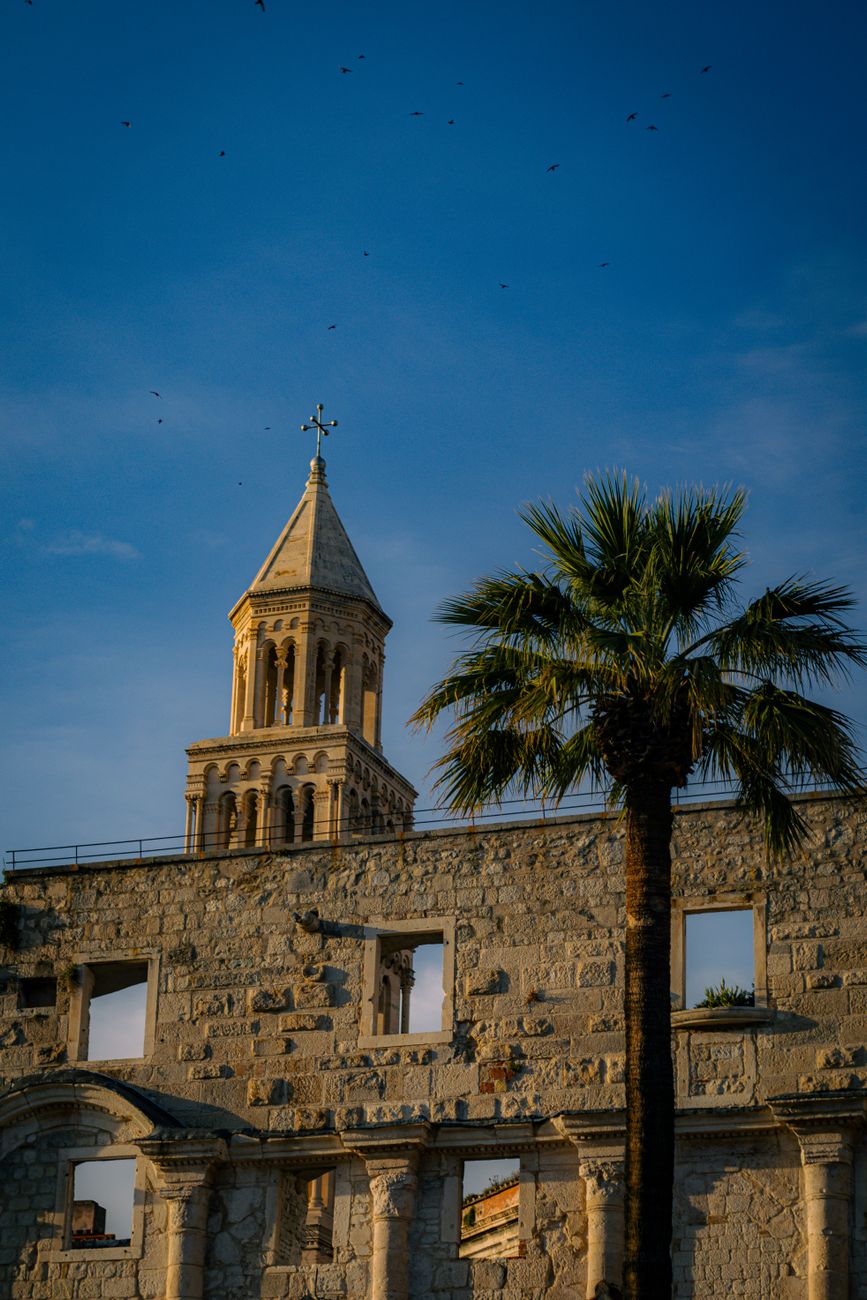
Morning: Start at Diocletian's Palace and Peristyle. Walk through the cardo and decumanus streets, enter the Cathedral of St. Domnius (tower access ticket around €3–€6) and explore the Roman basements (Podrumi) where an entry fee usually applies. Allow 2–3 hours inside the palace complex and nearby alleys.
Midday: Walk 5–10 minutes along the Riva to the Fish Market (Peškarija) and Pazar green market behind the palace. Lunch at Konoba Fife or Konoba Matejuška for traditional Dalmatian plates—expect €8–€18 for mains. Walking between Peristyle and the fish market takes under 10 minutes.
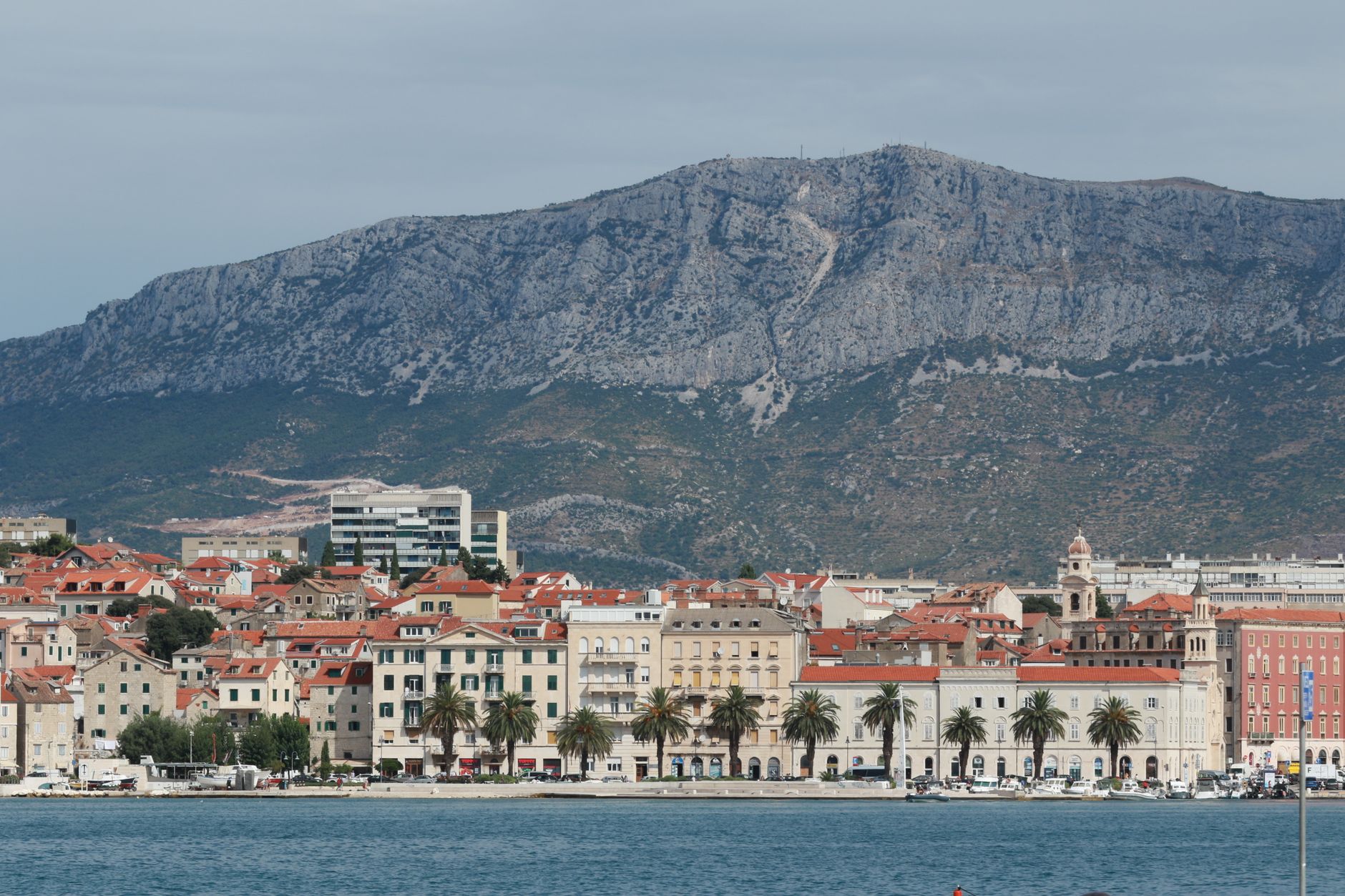
Afternoon: Head east along the waterfront to the ferry port (Trajektna luka) to check schedules for island trips and admire incoming boats. From there, stroll 15 minutes to Sustipan or further to Marjan's lower paths if time allows. If museums are a priority, fit the Archaeological Museum Split or the Mestrovic Gallery this afternoon (entry fees usually €4–€7).
Evening: Return to the Riva for sunset; choose a dinner spot a block inland from the waterfront to avoid high service surcharges. A calm end to the day is a slow walk through Varoš lanes and an after-dinner espresso at a local kafic.

Day 2
Morning: Climb Marjan Hill from the south end (park at Bačvice or walk from the Riva). Follow trails to Vidilica and the small church of St. Jerome; allow 1.5–2 hours round-trip for steady walking and photo stops. The climb offers relief from the plaza crowds and access to small coves like Bene.
Midday: Descend toward the Bačvice area for lunch—try a beachfront konoba or the popular pizzeria Galija for casual seafood and pizzas. Walking from Vidilica down to Bačvice is 20–30 minutes depending on route; buses also connect if legs are tired.
Afternoon: Explore the neighborhoods of Varoš and Meje, where narrow streets, bakeries, and small galleries are less crowded. Visit the Mestrovic Gallery by bus or a 25-minute walk from the center; admission is modest and the gardens are pleasant in warm months.
Evening: For nightlife, choose a bar near the Riva or the junction of Marmontova and the seafront; if beach time is the priority, Bačvice remains active into the evening. Finish with a glass of local Pošip or a Maraschino digestif at a quiet wine bar inland.
Day 3
Morning: Take an early ferry to Brač (Bol) or Hvar (Stari Grad) depending on preference; Split ferry port has morning catamarans that take 50–90 minutes. Book return tickets in advance for July–August. Choose Bol if a beach day at Zlatni Rat is the priority; choose Hvar for a mix of beaches and old town exploration.
Midday: Spend at least 3–5 hours on the chosen island—renting a scooter on Brač or walking Hvar town's harbor. Lunch on the island typically ranges €12–€25 depending on seafood choices and location.
Afternoon: Return to Split by mid-afternoon to allow time for last-minute shopping near the Pazar and a final walk through the palace cellars if missed earlier. If catching a late flight, leave luggage at the bus station lockers or at the airport and plan transport time; buses to the airport take 30–40 minutes from Autobusni kolodvor.
Evening (if still in town): Choose a quieter dinner away from the Riva—try a konoba in Varoš or the area around Uje Oil Bar for olive oil tastings. Practical note: if flights depart the next day, confirm shuttle times the evening before to avoid early-morning surprises.

Best Local Experiences
Pazar (green market) behind Diocletian's Palace — a compact daily market for fruit, spices, and local snacks; best before noon. Fish Market (Peškarija) by Trajektna luka — watch early morning auctions and buy fresh fish directly from boats.
Marjan Hill trails and Vidilica viewpoint — short hikes and sea views within walking distance of the center. Picigin at Bačvice — a shallow-water ball game played on the sand; watch in the morning or join if experienced locals invite newcomers.
Evening aperitivo on the Riva during sunset — more local when seated a block inland for better prices. A one-way catamaran to Hvar or a car-ferry to Supetar on Brač — short trips that feel like mini-escapes and reveal different coastal rhythms.
Also consider an early-morning visit to Sustipan cliffs for a quiet sea-air walk and a stop at Uje Oil Bar for a quick olive oil tasting paired with local bread.

Where to Stay
Old Town / Diocletian's Palace: Suits those who want immediate access to historic sites and nightlife. Rooms here range from private apartments to small hotels; expect €120–€250 per night in high season (€130–€270 USD). Noise from bars and deliveries is common.
Bačvice / Firule: Suits travellers wanting beach access and mid-range options. A short walk to the Riva and Marjan, prices generally €70–€150 per night (€75–€165 USD). Close to Bačvice beach and local bakeries, with a livelier daytime crowd.
Varoš and Meje (near Marjan): Suits people who prefer local neighbourhood feel and quieter evenings. Many guesthouses and apartments; expect €60–€130 per night (€65–€145 USD). Good for walkers who want access to Marjan trails and bakeries.
If arriving late or departing early by coach, consider staying near Autobusni kolodvor or the Port for convenience, though these areas are more functional than scenic.
Food and Drink
Burek (breakfast pastry) — a layered pastry with cheese or meat; available at bakeries and kiosks like Pekara Pave, typically €2–€3. Espresso and Croatian coffee culture — single espressos are widely available for about €1.20–€2 in small cafés.
Crni rižot (black risotto) — rice cooked with cuttlefish or squid ink; find good versions at Konoba Matejuška or Bokeria Kitchen & Wine; expect €10–€16. Peka (meat or octopus cooked under a bell) — a slow-roasted dish available at konobas such as Konoba Fife or Konoba Mate; portions for two often cost €25–€45.
Grilled Adriatic fish (orada or brancin) — fresh fish grilled simply; order by weight at the fish market restaurants or konobas, roughly €18–€35 per main. Fritule — small fried dough balls sold at stalls in winter and festivals, about €2–€4.
Drink: Pošip (white wine from nearby islands) and local Maraschino liqueur for a digestif; glasses or small bottles range €3–€6 at wine bars like Uje or independent konobas. For a budget dinner, expect €10–€20 per person at casual konobas, and €25+ at nicer restaurants.
Getting Around
No metro exists; local transport is mainly Promet Split buses and ferries. Key bus hub is Autobusni kolodvor; frequent lines run to neighborhoods and Poljud stadium. Single bus tickets are cheapest when bought at kiosks or from the Promet app; expect around €1.50–€2 for a single ride if bought ahead and slightly higher on board. A 24-hour ticket is typically in the €4–€6 range.
Promet Split operates most routes; use the Promet Split or Split Transit apps for timetables. For island travel, Jadrolinija runs car ferries and catamarans; Krilo (Kapetan Luka) and other private fast-boat operators run seasonal catamarans. Taxi from Split Airport to the Riva costs roughly €35–€50; Uber and local apps work in town for shorter trips.
Walking is the most efficient way inside the core. For longer day trips, rent a car or use intercity buses from Autobusni kolodvor to reach Trogir, Zadar, or Dubrovnik with scheduled services.
Best Time to Visit
High season (July–August): Hot, crowded, and expensive. Temperatures often 26–32°C and ferries plus island day-trips can sell out; expect higher accommodation and restaurant prices. Shoulder seasons (May–June and September–early October): Best balance of weather and crowd levels. Daytime temperatures usually 20–27°C, water warm enough for swimming, and services run at near-peak frequency but with fewer crowds.
Late autumn and winter (November–March): Cooler, quieter, many coastal restaurants close or reduce hours. Temperatures average 7–15°C. Good value for lower prices and empty streets, but limited ferry schedules and some museums or konobas with reduced hours make planning necessary.
For best value with decent swimming conditions, target late May–early June or September. For lower prices and quieter exploration of museums and neighborhoods, aim for November–March and check ferry timetables carefully.
Budget and Practical Tips
Daily budget (moderate traveler): Accommodation €70–€150, food €25–€45, transport €4–€10, entry fees €6–€15; total roughly €105–€220 per day (approx. $110–$235 USD). Cheaper backpacker budgets can aim for €50–€80 per day by using hostels, street food, and walking.
Accommodation: expect a big seasonal variance—high-season nightly rates can be double shoulder-season prices. Street food and bakeries reduce meal costs; sit-down meals near the Riva add service charges and can be significantly pricier.
Tipping: Service is often included in the bill; leaving 5–10% for good service at sit-down restaurants is customary but not obligatory. Small change for café or bar service is appreciated. Watch for per-person 'cover' charges on menus at some waterfront cafés and ask before ordering.
Safety: Split is generally safe but pickpocketing can occur in crowded spots like the Peristyle and on ferries; keep wallets secure. Carry a photocopy or photo of passport and have a printed ferry timetable if travelling in low season.
FAQ
Is Split safe for solo travelers?
Yes; Split is generally safe for solo travelers in daytime and most evenings. Standard precautions against pickpockets in crowded areas like the Peristyle, Riva, and ferries are recommended.
What is the best way to get from Split Airport to the city center?
Take the airport shuttle bus to Autobusni kolodvor or the Riva for the cheapest option; taxis cost about €35–€50. Book departures in summer ahead when buses are busy.
Is a Split city card worth buying?
A local Split Card can be useful if it matches the specific museums and transport used; for most visitors, buying individual museum tickets and a 24-hour bus ticket is more flexible unless planning several museum entries.
Can one visit Hvar and Brač in a single day?
Only one island is realistic in a day; both together are too rushed because of ferry schedules and time ashore. Choose one and plan at least 6–8 hours on the island.
Are ferry schedules reliable in high season?
Generally yes, but popular routes sell out. Book return tickets in advance for July–August weekends and public holidays.
How much walking should be expected around the old town?
Expect several kilometers of walking each day on stone streets and steps. Comfortable shoes are essential.
Conclusion
A three-day visit will be remembered for the contrast between palace alleys and sea views from Marjan. Prioritise a solid walk through Diocletian's Palace, a hillside viewpoint, and one island to avoid travel fatigue. If time runs short, skip an interior-heavy museum day and allocate that time to a slow sea-side lunch and a short Marjan hike—those moments capture the local pace and coastal flavor best.
How this guide was prepared
This guide was prepared through a structured research that combines destination research, geographic context, itinerary planning logic, and content review.