

3-Day Guadalajara Itinerary and Practical Weekend Planning Guide
A frank 3-day guide to Guadalajara with realistic itineraries, transit tips, costs, and neighbourhood advice to plan a straightforward weekend trip.
A no-nonsense, three-day plan for first-time visitors who want to see the historic core, Zapopan and Tlaquepaque, with clear transit and food advice.
First impressions are of a large regional capital with wide avenues, colonial blocks and abrupt changes between polished shopping areas and raw markets. The downtown core is noisy during daytime and quiet at night in many blocks; nightlife concentrates around Avenida Chapultepec and parts of Colonia Americana. Visitors often expect constant mariachi and tequila all over the centre; those experiences congregate in specific places such as El Parián or Plaza de los Mariachis and do not define the whole city. The place suits travellers who accept short transit rides between highlights and who want food markets, public art and accessible museums rather than a compact sightseeing stroll.
Is 3 days in Guadalajara enough?
Three days gives a solid introduction: the Centro historic zone, a day in Zapopan/Andares and a neighbourhood market day with an optional Tequila valley excursion. Expect to skip deeper museum visits and a full distillery tour unless an extra half-day is available.
Who This Guide Is For
Best for weekend travellers who like museums, markets, and food scenes and can handle some walking and transit; poor fit for travellers wanting a slow, immersive culinary apprenticeship or multiple distillery tours.
Local Tips for Guadalajara
Practical details that most travel sites skip — specific to Guadalajara.
- Buy a rechargeable SITEUR card at any metro/light-rail station turnstile for single rides (about 9 MXN) and top up at station kiosks to avoid cash at ticket booths.
- Mercado Libertad (a.k.a. Mercado San Juan de Dios) closes some stalls mid-afternoon on Sundays; go Saturday morning for the fullest selection and working craftspeople.
- Catch the Mi Macro Calzada BRT on Calzada Independencia to move quickly east–west; it connects Centro with trains at San Juan de Dios and nearby stations.
- The Hospicio Cabañas charges an entry fee (around 70 MXN for general admission); check opening hours before Saturday concerts at Teatro Degollado which can close galleries earlier.
- Airport taxis from Miguel Hidalgo y Costilla run a fixed-rate booth system (expect ~300–450 MXN to Centro); Uber is generally 20–40% cheaper but watch surge pricing at peak times.
How This Guide Was Prepared
This guide treats Guadalajara as a working metropolis with strong local rhythms rather than an attraction checklist. Many guides over-focus on mariachi and tequila day trips and gloss over how spread-out the good museums, markets and neighbourhoods are and how much transit time matters. This guide was prepared through a structured research that combines destination research, geographic context, itinerary planning logic, and content review.
Plan Your Stay in Guadalajara
Use this itinerary as your starting point, then compare areas to stay, transport options, seasonal timing, and realistic daily costs before booking.
Why Visit
Hospicio Cabañas contains Orozco murals that are an exceptional single attraction with UNESCO status. The market scene at Mercado Libertad (San Juan de Dios) offers food, crafts and the chaotic local shopping experience not replicated in nearby Puerto Vallarta. Zapopan and Andares provide an urban contrast: modern malls, the Basílica de Zapopan and leafy parks such as Bosque Los Colomos. The food scene mixes Jalisco specialities — tortas ahogadas, carne en su jugo, jericalla — with approachable street stalls clustered around key markets.

Quick Planning Tips
Fly into Miguel Hidalgo y Costilla airport (GDL) and use official taxi booths for a fixed rate or Uber for lower but variable fares; budget 30–60 minutes to Centro depending on traffic. Carry some cash (small bills and coins) for markets and street food; many stalls do not take cards and ATMs inside markets can run out. Avoid planning back-to-back activities on opposite sides of the metro; light rail and the Mi Macro BRT are efficient but wait and transfer times add up.

Day 1
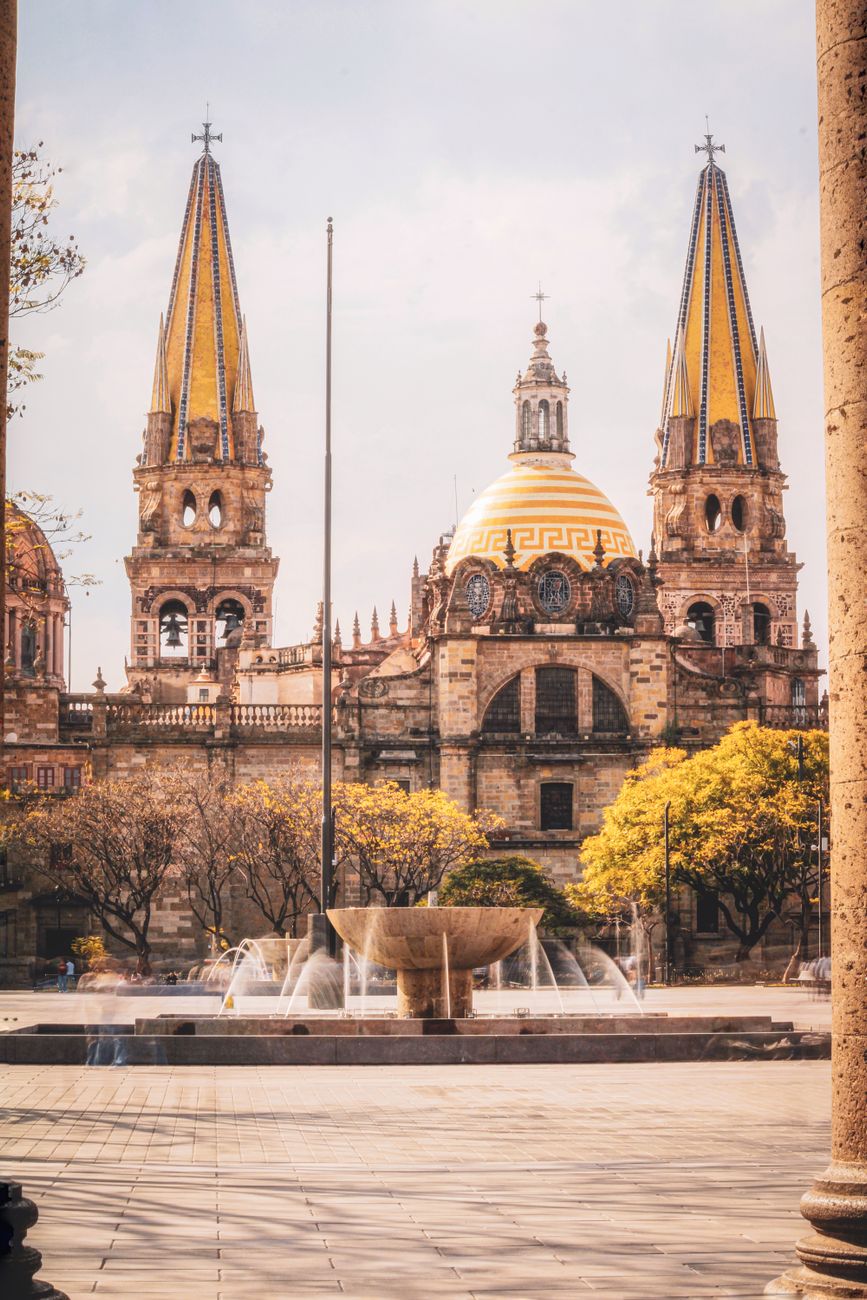
Start in Centro at Plaza de Armas and Catedral de Guadalajara; the plaza is a short walk from most central hotels and a good place to orient. Walk 5–10 minutes to Rotonda de los Jaliscienses Ilustres and then to Teatro Degollado for photos of the neoclassical facade; theatre tours or performances vary by schedule. From there walk 8–12 minutes to Hospicio Cabañas to see the Orozco murals; allow 1.5–2 hours for the building and permanent exhibitions. After the museum, take a short taxi or a 15–20 minute walk to Mercado Libertad (San Juan de Dios) for lunch — try tortas ahogadas and regional snacks in the food aisles. Late afternoon, cross to the nearby Plaza Tapatía and browse souvenir stalls before heading to Avenida Chapultepec for dinner; eat at Karne Garibaldi for carne en su jugo and fast service (expect 150–300 MXN per person). Evening recommendation: stay on Chapultepec for bars and live music or check Teatro Degollado's listings for a performance.
Day 2
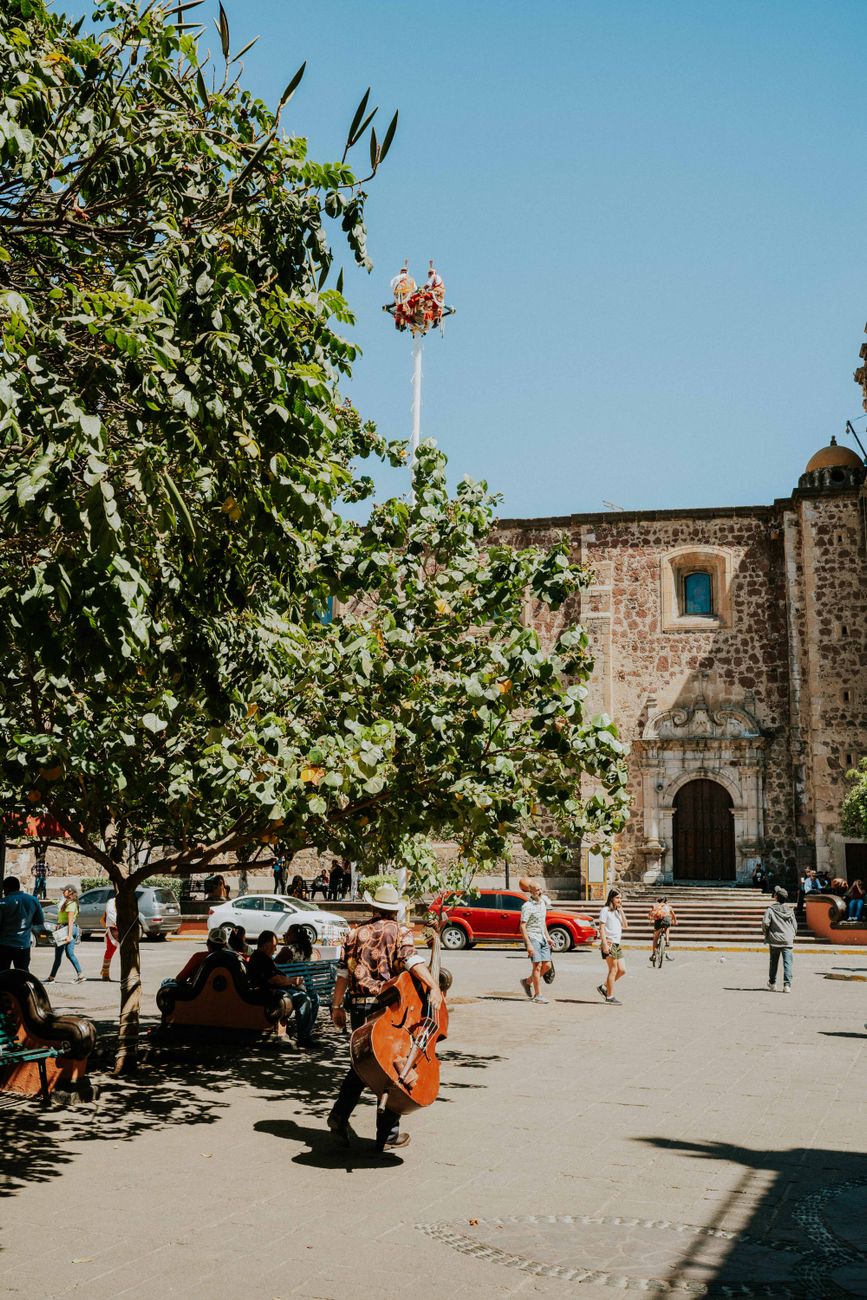
Spend the day in Zapopan and the western metro area. Take SITEUR Line 3 or a taxi to Basílica de Zapopan and the small plazas around it; visiting the basilica and its adjacent shops takes 45–60 minutes. Walk or take a short bus ride to Andares mall for a modern contrast — café breaks and window shopping are common here. In the afternoon visit Museo de Arte de Zapopan (MAZ) or Bosque Los Colomos for a quieter park walk; transit between these sites is 10–25 minutes by taxi or local bus. Dinner back in Colonia Americana or Providencia offers more contemporary restaurants; try a mid-range restaurant near Avenida Chapultepec with prices around 250–450 MXN. Evening recommendation: return to Plaza de los Mariachis or El Parián in Tlaquepaque for live mariachi if entertainment is the priority.
Day 3
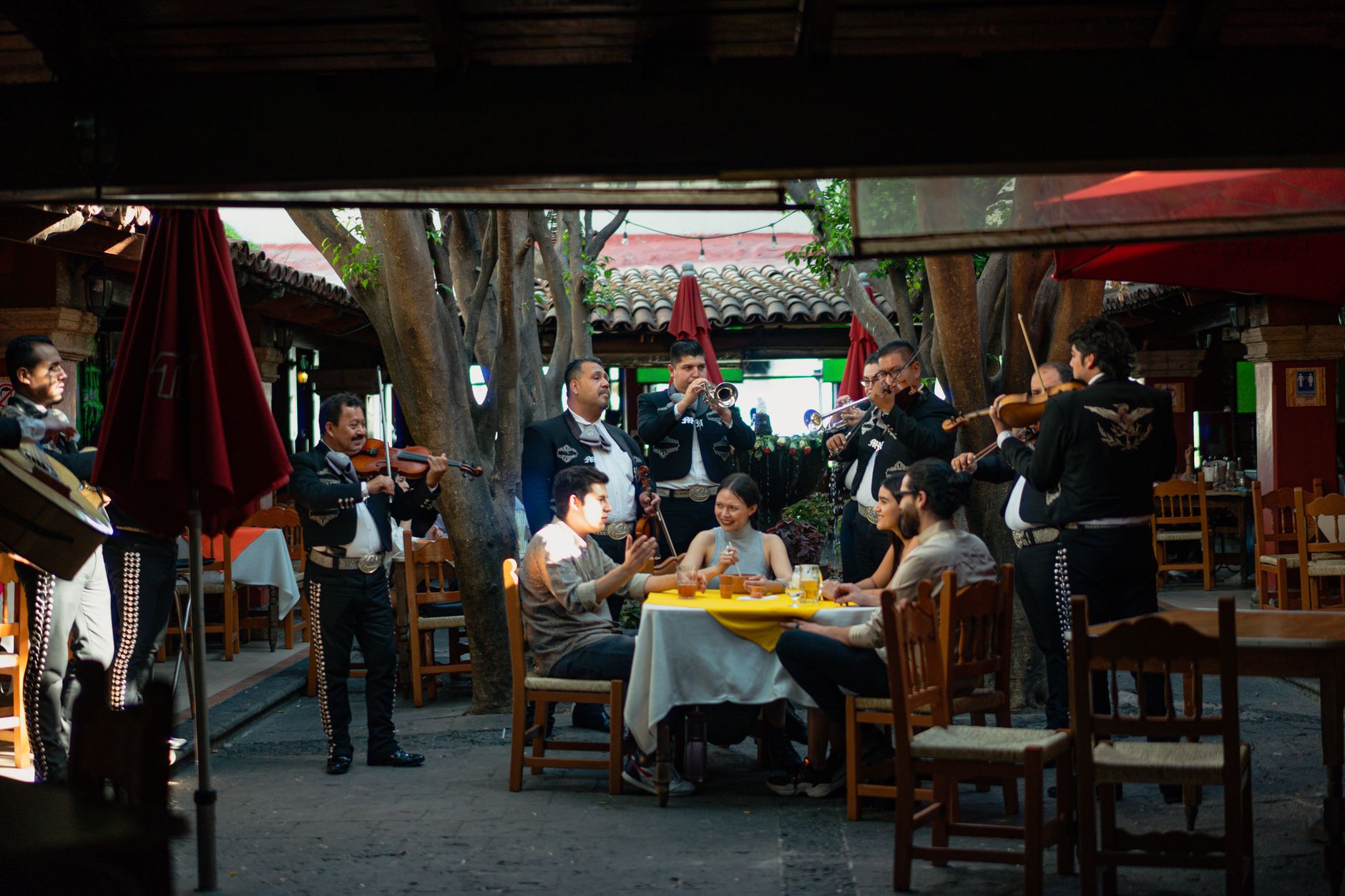
Dedicate the morning to Tlaquepaque for ceramics, galleries and El Parián; take an Uber or taxi (20–35 minutes from Centro). Browse Calle Independencia and the municipal gardens, and stop for lunch at one of the traditional restaurants around El Parián where mariachis play in the afternoon. If a Tequila valley day trip is preferred, take a COTÚR or ETN bus from the central bus terminal (about 1–1.5 hours each way) or a private tour; a distillery visit and tasting requires at least four hours. For travellers checking out midday and catching an afternoon flight, schedule the morning in Tlaquepaque, return to the hotel to collect bags and leave for the airport at least 2–2.5 hours before departure to account for traffic. Evening recommendation for later departures: a relaxed meal near the hotel and a final walk along Guadalajara’s Plaza de la Liberación.
Best Local Experiences
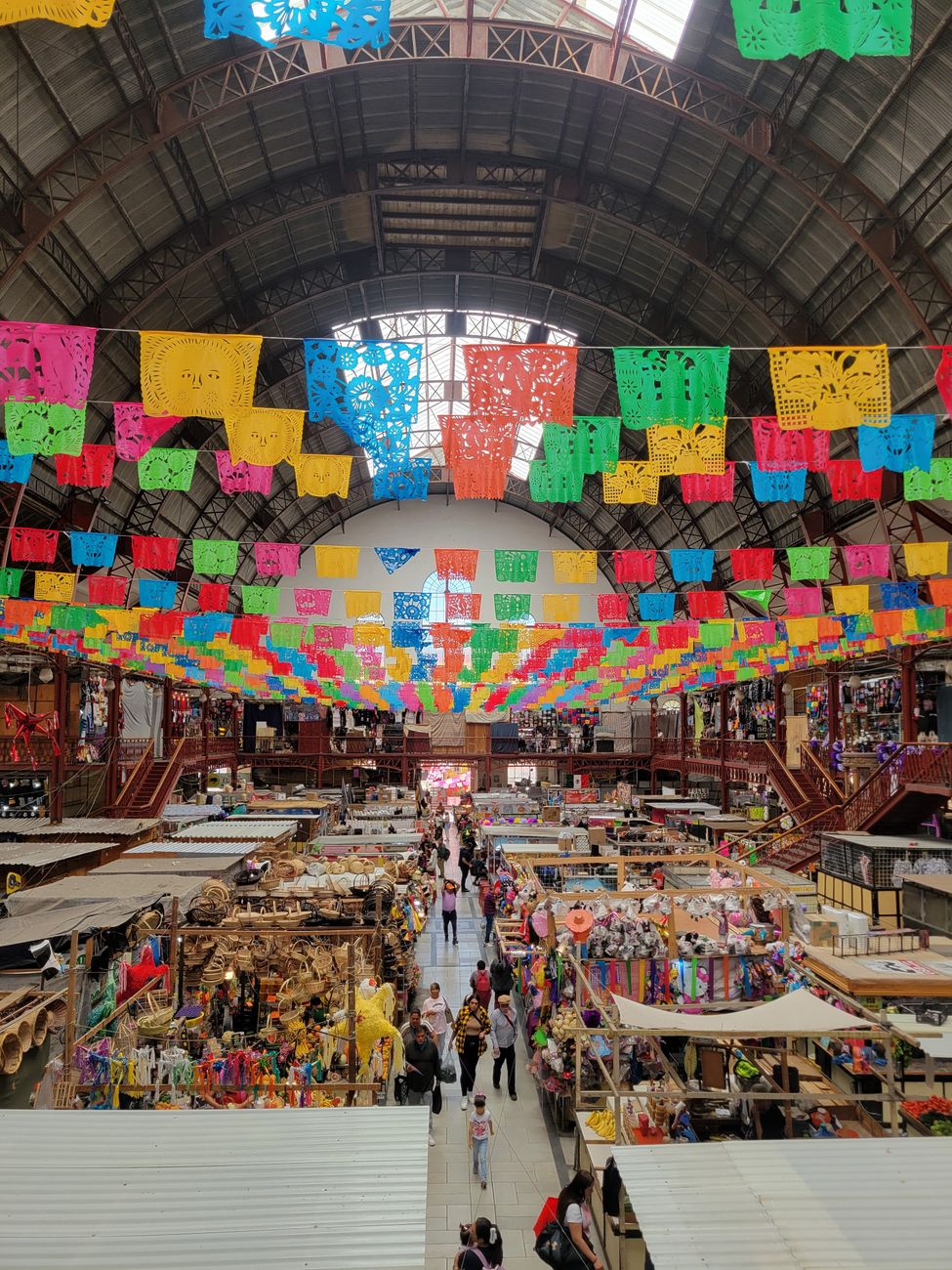
Mercado Libertad (San Juan de Dios) — the largest indoor market; listen for vendors calling prices and sample local snacks at counter stalls. El Parián de Tlaquepaque — an evening mariachi and ceramics courtyard where performances are scheduled and restaurants animate the square. Avenida Chapultepec — for bar hopping, casual restaurants and people-watching on weekend evenings. Hospicio Cabañas — arrive early to view Orozco murals without the largest tour groups. Bosque Los Colomos — a city park with Japanese garden sections and paved trails, good for a quiet hour away from traffic. Plaza de los Mariachis near Centro and the smaller singer clusters around Plaza de la Liberación provide scheduled mariachi sets at set prices. Andares mall and Plaza del Sol show the commercial face of the metro area and make for weather-proof shopping and dining options.
Where to Stay
Centro Histórico — suits first-time visitors who want walking access to Catedral, Teatro Degollado and Mercado Libertad. Expect simple hotels and boutique options from about 800–1,400 MXN per night (≈40–70 EUR/USD). Colonia Americana / Avenida Chapultepec — suits nightlife and dining; mid-range boutique hotels and apartments are common and offer easy access to bars and restaurants. Typical nightly rates 900–1,800 MXN (≈45–90 EUR/USD). Zapopan / Andares — suits travellers wanting modern shopping, safer-feeling streets and proximity to Basílica de Zapopan; hotels here run 1,200–2,500 MXN per night (≈60–125 EUR/USD).
Food and Drink
Tortas ahogadas — a pork sandwich drowned in spicy tomato sauce; best stalls around Mercado Libertad and El Parián, expect 60–120 MXN. Birria — Jalisco-style slow-cooked goat or beef served as stew or tacos; good options at local birrierías in Centro, price 120–220 MXN per serving. Carne en su jugo — small pan of beef with bacon and beans, served with onions and tomatillo; try Karne Garibaldi or regional fondas, 120–250 MXN. Tejuino — a fermented corn drink with lime and shaved ice, sold at street stands and markets for 20–40 MXN. Jericalla — a Jalisco custard dessert similar to crème brûlée, found at bakeries and cafes for 30–60 MXN. Breakfast option: chilaquiles and café at a local café in Colonia Americana, 90–160 MXN. Dinner recommendation: mid-range restaurant in Providencia serving regional tasting menus for 350–600 MXN per person.
Getting Around
Use SITEUR light rail (Lines 1, 2 and 3) for faster cross-city travel between Centro and Zapopan, and Mi Macro BRT services (Mi Macro Calzada and Mi Macro Periférico) for rapid bus corridor trips. Single-ride fares on rail and BRT are around 9 MXN; purchase and top up a rechargeable card at stations. Local buses fill in neighbourhoods but are slower; taxis and Uber are plentiful and often the most convenient between scattered sites. Recommended apps: Google Maps for routing and Uber for door-to-door trips; the SITEUR station kiosks sell cards and provide schedules.
Best Time to Visit
The dry season from November through April offers mild days (20–28°C) and cooler nights (10–15°C) with the least rain; November and February are good for lower hotel rates and manageable crowds. The rainy season runs June through September with regular afternoon thunderstorms and higher humidity; mornings are usable but plan indoor activities for afternoons. March through May can be warm (up to 30–33°C) and is popular with domestic travelers during school holidays; expect higher hotel rates on long weekends. For best value and comfortable walking weather choose late fall or early spring.
Budget and Practical Tips
Daily budget for a practical traveller: accommodation 800–1,500 MXN (≈40–75 EUR/USD), food and drink 300–600 MXN (≈15–30 EUR/USD), local transport 50–150 MXN (≈2.5–7.5 EUR/USD), entry fees 100–300 MXN (≈5–15 EUR/USD). Cash is useful for markets and street food; carry small bills (20, 50, 100 MXN) and coins. Tipping norms: table service typically 10–15% if service is not already included; round up taxi fares or add 10 MXN for short rides. Safety basics: keep valuables secure in busy market areas and prefer official taxi booths at the airport.
FAQ
Is Guadalajara safe for tourists?
Most visits are trouble-free in daytime and tourist areas; avoid poorly lit side streets at night, keep an eye on belongings in busy markets and use registered taxis or rideshares after dark.
How to get from the airport to the city centre?
Use the official taxi kiosks for a fixed-rate taxi (about 300–450 MXN to Centro) or request an Uber for lower fares when surge pricing is not active; allow 30–60 minutes depending on traffic.
Is a city card or pass worth buying?
No widely used single pass covers all museums and transit for short stays; buy a SITEUR rechargeable card for transit and pay museum fees individually.
Can a day trip to Tequila be done in one day?
Yes — buses and private tours run daily; expect 1–1.5 hours each way and reserve at least four hours on site to visit one distillery and return the same day.
Are English and Spanish both commonly spoken?
Spanish is dominant; English is spoken at hotels, some restaurants and tourist sites but learning a few phrases will help, especially in markets.
Where are good places to hear mariachi?
El Parián de Tlaquepaque and Plaza de los Mariachis in Centro schedule performances; many restaurantes around those squares also hire bands for an extra fee.
How much should transit cost per ride?
Light rail and BRT single rides are about 9 MXN with a rechargeable SITEUR card; taxis and Ubers vary by distance and time of day.
Is it necessary to carry cash?
Yes, carry cash for markets, street food and small purchases; ATMs are widely available but can charge fees.
Conclusion
A three-day visit will leave a clear impression of the city's public art, market culture and neighbourhood contrasts more than a comprehensive list of museums. Prioritise Hospicio Cabañas for the murals, a full market visit at Mercado Libertad and at least one neighbourhood evening on Avenida Chapultepec or El Parián. If time is short, skip a second museum and use the saved hours for Tlaquepaque or a short Tequila valley radius visit; those scenes often define what travellers remember most.
How this guide was prepared
This guide was prepared through a structured research that combines destination research, geographic context, itinerary planning logic, and content review.