

Arezzo in 3 Days — Practical Itinerary and Local Tips
A compact, practical 3-day guide to Arezzo with walking routes, transit options, museum prices, market days and realistic eating and lodging tips.
A three-day visit that balances medieval squares, Piero della Francesca’s frescoes, the monthly antique fair and short wine- or hill-town side trips without rushing.
Arezzo presents as a compact hill town where a single long square and a few churches define the visitor experience. The first impression is stone streets, steep approaches and a main square that demands attention: its slope and arcades shape how people move and where cafés cluster. Crowds are concentrated around Piazza Grande on market or festival days, but otherwise the centre can feel relaxed mid-morning and lively at aperitivo hour.
Is 3 days in Arezzo enough?
Yes — three days gives time to see Piazza Grande, the Basilica of San Francesco cycle, Casa Vasari and Fortezza Medicea, plus one relaxed neighbourhood and a short wine or hill-town outing. Expect to skip deep wine-tasting tours or multiple full-day excursions to Siena and Cortona without extending the trip.
Who This Guide Is For
Best for travellers who like walkable historical centres, fresco cycles and monthly markets; less suitable for visitors who want a base for long daily trips to multiple far-apart Tuscan towns.
Local Tips for Arezzo
Practical details that most travel sites skip — specific to Arezzo.
- Fiera Antiquaria fills Piazza Grande on the first Sunday of each month and the preceding Saturday — expect road closures and a much fuller experience if arriving early.
- Stazione di Arezzo is on the Firenze–Rome line; allow 15–25 minutes uphill walk to Piazza Grande or a short local bus (buy a €1.50 ticket at Tabacchi or via the Autolinee Toscane app).
- The Basilica of San Francesco hosts Piero della Francesca’s Legend of the True Cross cycle; viewing is free but the conservatory displays and guided interpretation in the Museo della Basilica may charge around €3–6.
- Casa Vasari (Vasari’s home) usually charges around €5–8 for entry and closes some weekday afternoons — check opening hours before planning a morning museum hop.
- Local bread is pane sciocco (unsalted); many restaurants assume it when serving bread, so check the menu if preferring salted bread or specific side breads.
How This Guide Was Prepared
Arezzo rewards slow, local-scale exploration: its main square and frescos require time and context more than a checklist. Many guides condense Arezzo into a half-day Florence add-on; this guide treats it as a stand-alone short break, with honest notes on walking hills, market days and when museums are closed. This guide was prepared through a structured research that combines destination research, geographic context, itinerary planning logic, and content review.
Plan Your Stay in Arezzo
Use this itinerary as your starting point, then compare areas to stay, transport options, seasonal timing, and realistic daily costs before booking.
Why Visit
Piero della Francesca’s fresco cycle in the Basilica of San Francesco is a primary reason: few medium-sized Italian towns host a work of that importance in so intimate a setting. Piazza Grande itself is architecturally unusual — sloped, arcaded and used for the monthly Fiera Antiquaria and for the medieval Giostra del Saracino joust. Vasari’s upbringing here left a concentration of Renaissance architecture and a preserved Casa Vasari that explains local art history. The town’s railway links make it an easy standalone base for a relaxed three-day stay without the constant turnover common in larger Tuscan cities.
Quick Planning Tips
Arrive by train to Stazione di Arezzo where regional services run from Firenze Santa Maria Novella and Roma Termini; book Trenitalia Regionale or Regionale Veloce tickets through the Trenitalia app. From the station to Piazza Grande expect a 15–25 minute walk uphill; buying a single AT bus ticket for about €1.50 at a Tabacchi or via the Autolinee Toscane app avoids a steep carry. Bring cash for small museum entrances and market stalls; cards are accepted widely but small vendors and some trattorie prefer cash. Avoid the mistake of planning multiple full-day side trips; pick one nearby hill town or a winery and leave time to actually sit in Piazza Grande.

Day 1
Morning: Start in Piazza Grande to absorb the space and arcades, then move to the Cathedral (Duomo di Arezzo, Piazza Duomo) for stained glass and the late-Gothic interior; walking time between the two is about 5 minutes. Midday: Walk down Via Guido Monaco to Casa Vasari (Casa Giorgio Vasari) for insights into local Renaissance architecture; allow 45–60 minutes for the house and its displays. Lunch: Dine at Trattoria il Saracino or Osteria del Teatro for Tuscan classics — expect main courses €12–€18. Afternoon: Cross to the Basilica of San Francesco to see Piero della Francesca’s fresco cycle; plan at least 60–90 minutes including the adjacent museum and interpretation. Early evening: Climb or walk to Fortezza Medicea for sunset views over the rooftops and a short walk in the bastion gardens; the approach from Piazza Grande is 10–15 minutes. Finish with dinner near Corso Italia at a casual enoteca or pizzeria and try cantucci with vin santo for dessert.

Day 2
Morning: Spend a relaxed morning at the Museo Archeologico Mecenate and the Museo Diocesano — both are a short 5–10 minute walk from Piazza San Francesco and give context to the Tuscan plain and diocesan collections; allow 90 minutes total. Late morning: Walk Corso Italia for shop windows and a street market if visiting on market day; from the museums it’s a 10–12 minute downhill stroll. Lunch: Try a trattoria near Piazza Guido Monaco for pici al ragù or pappardelle al cinghiale, portion prices typically €10–€16. Afternoon: Take a short local bus or a 10–15 minute drive to Villa Severi park (or Fortezza Medicea gardens if skipped previously) for a quieter green space and local jogging paths. Evening: Experience aperitivo on Via XX Settembre or an enoteca on Corso Italia; sample local wines like Chianti from nearby hills and a small plate of crostini di fegatini.
Day 3
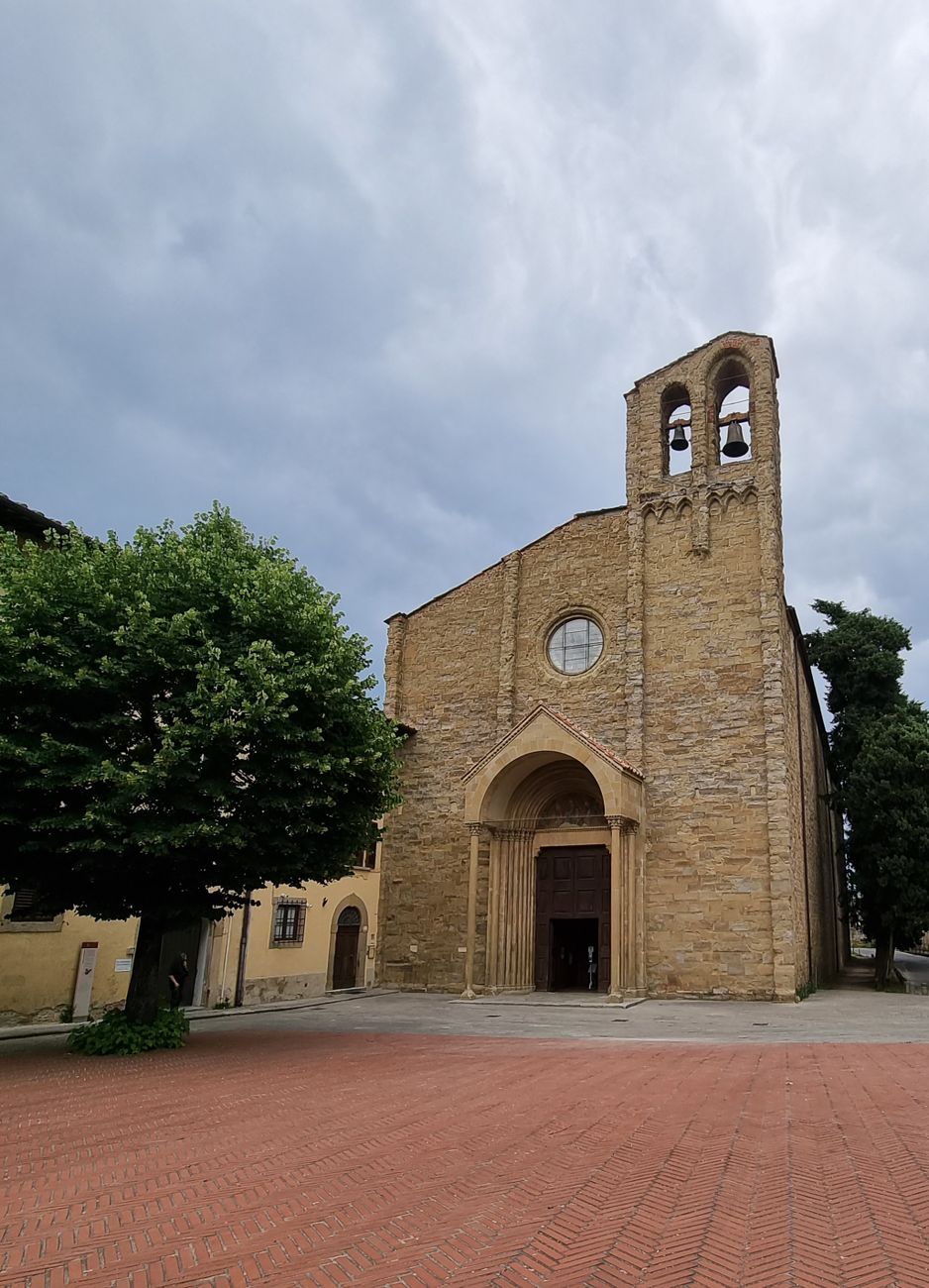
Morning: If the trip includes the monthly Fiera Antiquaria, start early in Piazza Grande and the adjacent lanes — the market works through most of the morning and includes antiques, books and vintage items. Alternative: Take a morning walk to the Romanesque Church of San Domenico to see local devotional art and quieter architecture; this is about a 7–10 minute walk from Piazza Grande. Lunch: Eat at a small osteria near Via Roma with a light lunch of bruschette or a ribollita bowl, prices €6–12. Afternoon: Reserve this time for a short side trip — either a 35–50 minute train to Cortona or a two-hour train ride to Siena, or book a local half-day vineyard tasting in the Arezzo hills; allow an extra 30–40 minutes to return to Stazione di Arezzo if catching a late-afternoon train. Practical checkout: hold luggage at your hotel or the station if the flight is late; taxis from the station to Arezzo–Basso roads cost more, so plan 1–2 hours margin for airport transfers.
Best Local Experiences
Fiera Antiquaria in Piazza Grande (first Sunday and preceding Saturday of each month) is essential for antique shopping and people-watching. Giostra del Saracino is the medieval joust held in Piazza Grande with two major editions (June and September) and includes parades and contrada competitions. An evening at Fortezza Medicea gardens gives local sunset perspectives used by residents. Casa Vasari provides a focused look at one Renaissance artist’s domestic and decorative choices. A market near Corso Italia or the weekly outdoor market (check municipal schedule) is the best place to sample local produce and household goods. Finally, a short train ride to Cortona or a half-day winery visit into the Valdarno or Chianti area adds a rural counterpoint to the town’s stone streets.

Where to Stay
Centro Storico (around Piazza Grande and Duomo) suits travellers who want walking access to all main sights and late-night dining; expect mid-range hotel rooms €80–€140/night (≈US$90–160). Near Stazione di Arezzo suits those arriving late or leaving early and planning day trips; rooms are often cheaper at €50–€90/night (≈US$55–100) and a 15–25 minute walk or short bus ride brings travellers into the centro. Corso Italia and Via Roma suit shoppers and those who want more local cafés and a lively street scene; small guesthouses and B&Bs here range €70–€120/night (≈US$75–130). Holiday apartments slightly outside the core can lower costs but require bus or taxi transfers.
Food and Drink
Cantucci and vin santo: almond biscuits dipped in sweet Vin Santo; find good versions at local pasticcerie and many trattorie; €3–6 per portion. Pappardelle al cinghiale: wide ribbons with wild boar ragù, typical in local osterie; main course €10–€16. Crostini di fegatini: toasted bread with chicken-liver spread, a common starter in classic trattorie; €3–€6. Ribollita: hearty Tuscan bread-and-vegetable soup, available at traditional lunch spots and markets; a bowl costs €5–€10. Breakfast: a cornetto and espresso at a bar on Corso Italia or near Piazza Grande will run €2–€4 and is the standard morning routine. For wine, bottles from nearby Chianti and Vino Nobile di Montepulciano appear on many restaurant lists; a glass typically €3–€6, a mid-range bottle €15–€30.
Getting Around
Rail: Stazione di Arezzo sits on the main Firenze–Roma corridor served by Trenitalia Regionale and Regionale Veloce trains; Florence is roughly 50–70 minutes and Rome about 90–120 minutes depending on service. Buses: Autolinee Toscane operates regional and local buses; single urban tickets are about €1.50 (buy at Tabacchi or via the Autolinee Toscane app), and day passes vary regionally (roughly €4–€6). Walking: the centro is compact but hilly and cobbled—allow 10–25 minutes between the station and Piazza Grande. Taxis: expect around €120–€150 from Florence Airport; from Perugia or Rome fares are higher. Use the Trenitalia app for trains and Autolinee Toscane for local buses; Google Maps gives reliable transit routing for the region.
Best Time to Visit
Spring (April–June) has mild temperatures 12–24°C and lower rainfall than early spring; crowd levels increase in May and during the Giostra del Saracino. Summer (July–August) brings high temperatures 25–35°C and local residents often leave for coastlines; August can feel quieter in daytime but busier in evenings. Autumn (September–October) offers harvest events, wine availability and comfortable 12–23°C temperatures, with good value and fewer tourists than high summer. Winter (November–March) is cooler, 3–12°C, with some museums reducing hours but hotel rates lower; avoid expecting late-night dining typical of coastal resorts in winter.
Budget and Practical Tips
Daily budget (per person, moderate) — accommodation €70–€120 (≈US$75–130), food €30–€50 (≈US$33–55), local transport €3–€6 (≈US$3–6), entries and extras €10–€25 (≈US$11–$28). Budget travellers can manage on €90–€120/day by using trains/buses, market lunches and B&Bs; mid-range travellers should budget €150–€220/day. Museum entry fees: Casa Vasari €5–8, Museo Archeologico €3–5, special exhibitions in the Basilica area €3–6. Tipping norm: rounding up for service or leaving 5–10% in restaurants where service is not included; small change for café staff is common practice. Carry some cash for market stalls and small trattorie, but cards are broadly accepted in hotels and larger restaurants.
FAQ
Is three days enough to see Arezzo?
Three days is enough to cover the core sites—Piazza Grande, Basilica of San Francesco, Casa Vasari—and one relaxed side trip, but not enough for multiple full-day trips to Siena and Florence.
How safe is the town at night?
The centre is generally safe with typical urban petty-theft risks; keep valuables secured and avoid poorly lit side streets late at night.
Is a city card or pass worth buying?
There’s no universal town pass widely promoted; buy individual museum tickets and use the Trenitalia/Autolinee Toscane apps for transport savings.
How to get from the airport to the town?
Best public option is train via Firenze Santa Maria Novella for Florence arrivals or direct Trenitalia services from Rome; taxis and private transfers are expensive for direct airport-to-town travel.
Are the frescoes free to view?
Viewing Piero della Francesca in the Basilica is normally free, but adjacent museum interpretation and conservation areas may have small charges of about €3–6.
Can Arezzo be a day trip from Florence?
Yes, frequent regional trains make it feasible as a long day trip, but that approach leaves little time to relax or visit museums fully.
Where to buy bus and train tickets?
Train tickets via the Trenitalia app or station machines; bus tickets at Tabacchi, some tobacconists, and on the Autolinee Toscane app — avoid boarding without a validated ticket.
When is the best time to see the Fiera Antiquaria?
The market occurs on the first Sunday of each month and the preceding Saturday; arrive early to avoid crowds and to see the best stalls.
Conclusion
A three-day stay emphasizes quality over quantity: time in Piazza Grande, a careful viewing of Piero della Francesca and a single nearby outing will leave most travellers satisfied. The detail that trips to Cortona or a Chianti winery add is worth prioritising over trying to check off multiple big-Tuscan towns. If time runs short, prioritise the Basilica of San Francesco frescoes and a slow drink on Piazza Grande; those two experiences encapsulate what visitors remember most.
How this guide was prepared
This guide was prepared through a structured research that combines destination research, geographic context, itinerary planning logic, and content review.