
3 Days in Asuncion: A Practical Itinerary
Plan 3 days in Asuncion with this practical itinerary covering major sights, neighborhoods, food, and transport.
A no-nonsense three-day plan for Asunción that balances museums, markets, riverside time and neighbourhood dining while flagging real transport and safety issues.
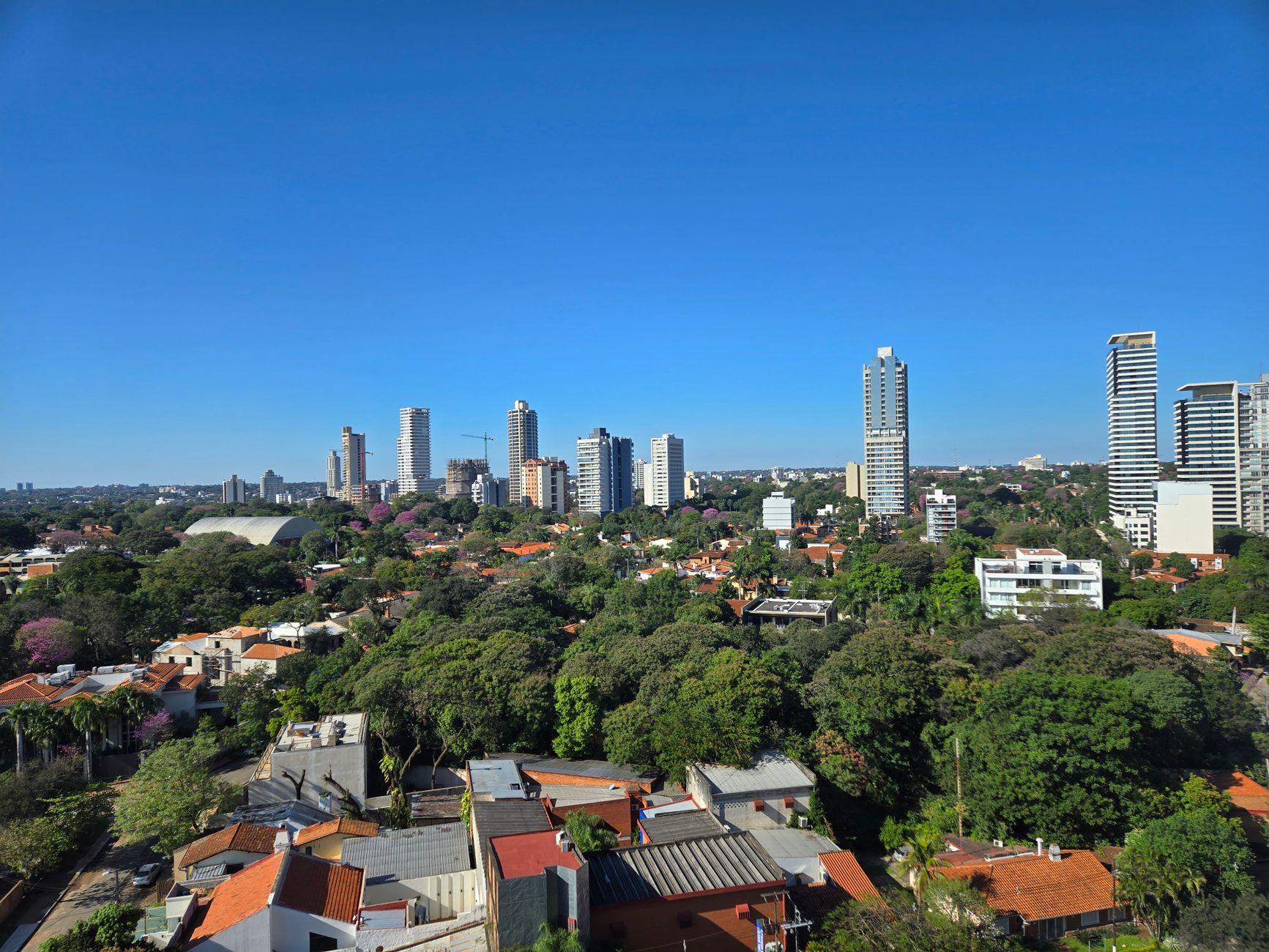
First impressions are often a mix of broad streets, low-rise buildings and a strong river presence along the Paraguay River. Traffic noise and persistent construction in parts of the centre give a working-city feel rather than polished tourism infrastructure.
Expect Spanish signage and friendly but direct service; English is uncommon outside hotels and upscale restaurants. Many visitors underestimate how much walking and short taxi rides are needed to link museums, markets and riverside promenades.
This city suits people who prefer short, locally focused days instead of ticking off wide geographic areas. Three days lets a traveller see the civic core, a major museum, the main market and two neighbourhoods with distinct dining options while keeping a relaxed pace.
Is 3 days in Asuncion enough?
Three days is enough to cover the Centro Histórico, the Costanera riverfront, Museo del Barro and two contrasting neighbourhoods (Villa Morra and Loma San Jerónimo). One honest caveat: there won't be time for a day trip to Presidente Hayes or extended riverboat trips—those require extra time.
Who This Guide Is For
Best for travellers who want cultural museums, markets and local food on a modest budget; less suitable for travellers seeking extensive nature excursions or a polished nightlife scene.
Local Tips for Asuncion
Practical details that most travel sites skip — specific to Asuncion.
- Mercado 4 (Av. República Argentina and Av. Teniente 1º Fernández) is the city's main wholesale market; go early (07:00–09:00) for produce and lower prices and avoid evenings when it gets chaotic.
- The Costanera de Asunción draws locals at sunset from about 17:30–19:30; vendors sell chipa and grilled meat near the Piedra Solidaria monument and it’s an easy short taxi from Villa Morra.
- Casa de la Independencia (Cerro Corá 1006) typically charges a small entry fee (about 10,000–20,000 PYG) and is usually closed Monday—confirm opening hours before planning a visit.
- Buses in Asunción accept cash on board (typical fare ≈ 3,000 PYG); bring small bills because drivers rarely give change and many routes are informal.
- Ride-hailing apps Uber and Bolt operate reliably in the city; download and set up accounts before arrival to compare prices with remises and metered taxis.
How This Guide Was Prepared
Asunción rewards people who plan for slow mornings, cheap but irregular buses, and neighbourhood-by-neighbourhood exploration. Many guides treat it like a quick stop between Iguazú and Buenos Aires; this guide shows how three days can feel coherent rather than rushed, and calls out daily practical obstacles such as limited museum hours, informal bus routes, and patchy evening services. This guide was prepared through a structured research that combines destination research, geographic context, itinerary planning logic, and content review.
Plan Your Stay in Asuncion
Use this itinerary as your starting point, then compare areas to stay, transport options, seasonal timing, and realistic daily costs before booking.
Why Visit
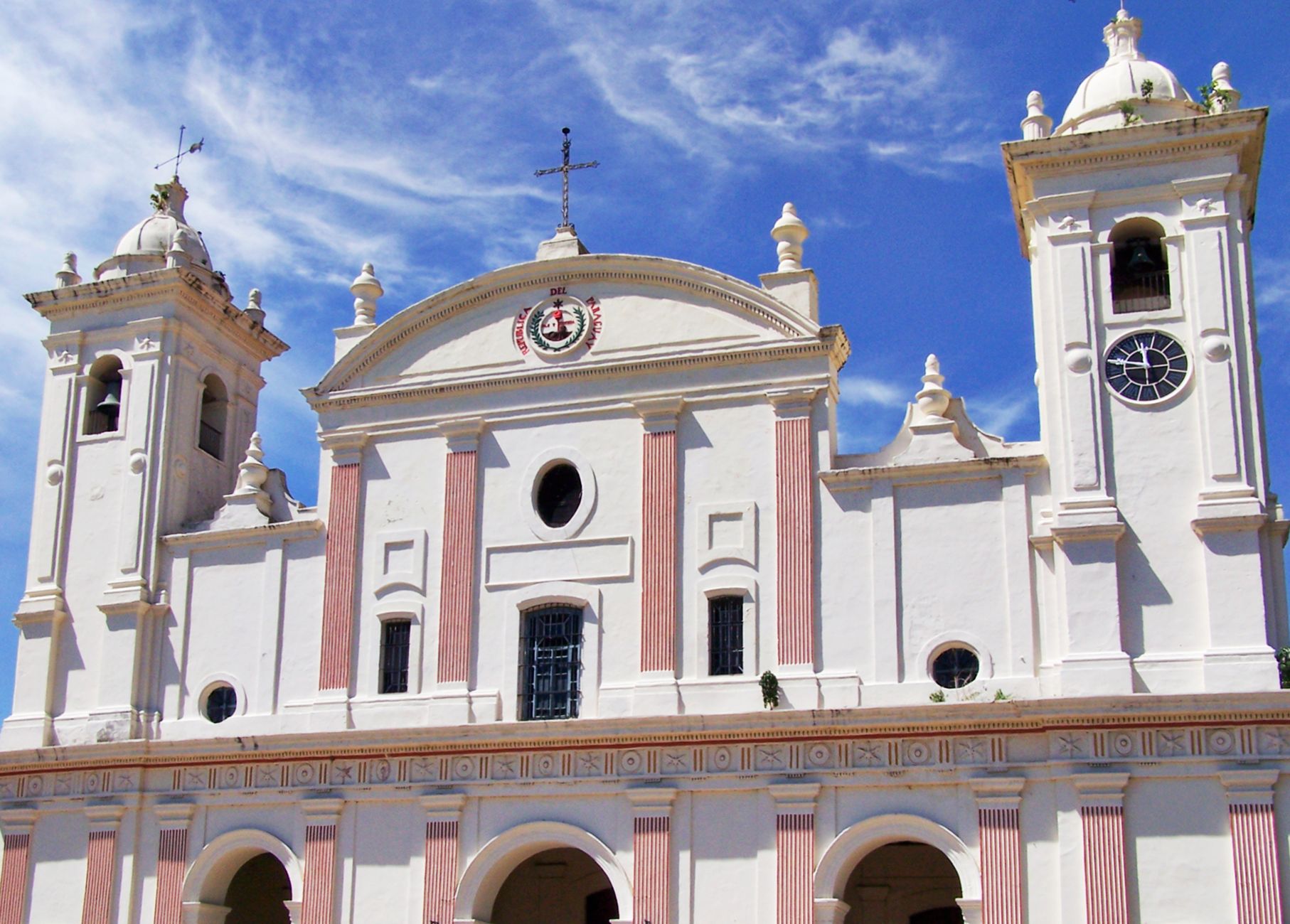
The Palacio de los López and Panteón Nacional de los Héroes offer a compact civic circuit that explains Paraguay’s political story without long transit times. Casa de la Independencia provides small, well-curated displays that anchor national identity to the streets of the Centro Histórico.
Museo del Barro holds a unique mix of indigenous and folk art plus modern collections that are hard to find elsewhere in the region. Mercado 4 is one of the liveliest wholesale markets in South America for shoppers who want bulk spices, yerba and local produce.
The riverfront Costanera provides easy evening life: short walks, food stalls and sunsets that locals make a ritual. Villa Morra and Carmelitas deliver concentrated restaurant and bar choices along a few avenues, so dinner planning is straightforward without long cab rides.
Quick Planning Tips
Fly into Silvio Pettirossi International Airport (ASU) and budget 30–50 minutes for a taxi or ride-hail to central hotels depending on traffic; expect longer at peak hours. The Terminal de Ómnibus de Asunción handles long-distance buses; buy tickets at official booths rather than on the pavement.
Bring small PYG notes and coins for bus fares (≈ 3,000 PYG per ride). Credit cards are accepted at malls and many restaurants in Villa Morra and Carmelitas, but small shops and markets are cash-only.
Avoid scheduling all museum visits for a single Monday since several museums close that day. Download Uber and Bolt beforehand; they will be the easiest way to guarantee a fixed fare after dark.
Day 1
Morning: Start in the Centro Histórico at Plaza de los Héroes to see Palacio de los López and the Panteón Nacional de los Héroes. Allow 45–60 minutes at the palace exterior and plaza, then 20–30 minutes inside the Panteón. From the plaza, walk about 7 minutes to Calle Estrella and Casa de la Independencia for a focused museum visit (plan 45–60 minutes).
Midday: Walk 8–12 minutes to Mercado 4 for lunch among food stalls; try sopa paraguaya and a plate of grilled meat from one of the market vendors. Expect lively crowds and keep bags zipped; allow 60–90 minutes to eat and browse groceries.
Afternoon: Take a short taxi (6–12 minutes) to Museo del Barro and spend 60–90 minutes on pre-Columbian, folk and modern collections. The museum sits near the Universidad Nacional area and rewards anyone who wants arts that mix indigenous motifs with modern painters.
Evening: Head to Villa Morra (10–15 minutes by taxi) for dinner on Avenida Mariscal López. Options range from parrilla joints to contemporary Paraguayan menus. After dinner, walk a block or two for a quiet bar or return to the Costanera for a sunset stroll if time and energy remain.
Day 2
Morning: Focus on Loma San Jerónimo and the adjacent barrio for a mix of house galleries, street art and coffee shops. Take a taxi from Villa Morra (about 10–15 minutes) and plan 60–90 minutes to stroll the steep streets and small shops.
Midday: Walk or taxi 8–12 minutes to Carmelitas for a leisurely lunch along Avenida Santa Teresa or Avenida España where several family-run restaurants serve local dishes. Allow 60–90 minutes for lunch and a short market browse on the nearby commercial streets.
Afternoon: Visit the Jardín Botánico y Zoológico for a relaxed couple of hours (taxi 12–20 minutes from Carmelitas). The gardens provide shade, a modest zoo area and a place to escape city noise; plan 90–120 minutes here.
Late afternoon: Return to Centro or the Costanera (20–30 minutes by taxi from the gardens) to spend the late afternoon at the riverfront. Walk along the riverside promenade, watch the river traffic and try street-sold chipa for a snack.
Night: For a different vibe than Day 1, pick a smaller parrilla or a chef-driven spot in Carmelitas or Villa Morra and expect to pay more than at market stalls; nightlife beyond 23:00 is compact and mostly bar-focused rather than club-oriented.
Day 3
Morning: Reserve the morning for Casa Rica or a specialty café in Villa Morra and, if needed, last-minute shopping at Shopping del Sol or Paseo La Galería (10–15 minutes by taxi from Centro). Allow 60–90 minutes depending on shopping needs.
Midday: Check out of accommodation and leave luggage with the hotel if catching an afternoon flight. Have an early lunch in Villa Morra or Carmelitas; cede time for transfer to Silvio Pettirossi Airport, which is 30–50 minutes by taxi from central hotels depending on traffic.
Afternoon: If flight time is late, build in a 60–90 minute visit to the Museo de Bellas Artes or the Centro Cultural Manzana de la Rivera, both of which are close to the riverfront and Centro Histórico. These are compact sites that fit into a half-day plan.
Practical note: For afternoon flights, allow at least 2.5 hours from a central hotel to airport check-in on weekdays and 3+ hours during Saturday afternoon due to heavier outbound traffic. If time is tight, prioritize Costanera sunset over a second museum visit.
Best Local Experiences
Mercado 4: buy yerba mate, fresh mandioca and try street snacks; going early avoids the busiest crowds. Costanera de Asunción: an evening ritual for local families and street vendors—go at sunset to see daily life.
Museo del Barro: the best place to understand Paraguay’s mixed indigenous and contemporary art currents. Casa de la Independencia: compact historic rooms that explain nation-forming events without a long museum route.
Barrio Carmelitas: a concentrated strip of restaurants and bars on a few blocks—good for evening choices without long transfers. Loma San Jerónimo: steep residential streets with small ateliers and views over the city; combine with coffee or a light lunch.
Shopping del Sol weekend craft stalls: buy local ceramics and textiles where vendors will bargain; expect Spanish-language haggling. Local football matches at Estadio Defensores del Chaco: noisy and social—check the schedule for weekday or weekend matches to experience local passion.
Where to Stay
Villa Morra: suited to travellers who want easy access to restaurants, mid-range hotels and shopping malls. Nightly rates typically run 350,000–700,000 PYG (≈ 45–95 USD / 40–85 EUR) depending on standard and season.
Carmelitas: fits those who prefer a compact dining strip and quieter evenings; small boutique hotels and guesthouses dominate. Expect 250,000–500,000 PYG per night (≈ 33–67 USD / 30–60 EUR).
Centro Histórico: ideal for history-focused visitors who want walking access to Palacio de los López and Casa de la Independencia. Accommodation ranges from budget hostels to modest hotels; nightly costs commonly sit at 200,000–450,000 PYG (≈ 27–60 USD / 25–55 EUR).
Choose Villa Morra for convenience and taxi access, Carmelitas for concentrated dining, and Centro for immersion in historic sights. Prices swell slightly during national holidays and long weekends.
Food and Drink
Sopa paraguaya: a dense corn-and-cheese cornbread, usually served as a side; find it at Mercado 4 stalls and small eateries for about 10,000–25,000 PYG. Chipa: a baked cheese bread sold by street vendors and bakeries; typical price 1,000–3,500 PYG each.
Majadito: a hearty rice, meat and mandioca meal common in parrillas and traditional restaurants; expect 35,000–70,000 PYG at a mid-range spot. Asado/parrilla: grilled meats are widely available—look for parrillas in Villa Morra or Carmelitas with prices from 60,000–150,000 PYG per person.
Tereré: cold yerba mate served with cold water and herbs; a local daily drink found everywhere and essentially free in social settings; buy a packet of yerba for 8,000–20,000 PYG. Desayuno (breakfast): a simple coffee and medialuna (croissant) at cafés in Carmelitas costs about 10,000–25,000 PYG.
For dinner, choose a parrilla in Villa Morra or a chef-driven restaurant in Carmelitas for a more refined take on Paraguayan ingredients. Street food and market stalls are the most reliable spots for cheap local flavours.
Getting Around
Main transport modes are city buses, remises (prepaid taxis), metered taxis and ride-hailing apps Uber and Bolt. Long-distance buses arrive and depart from Terminal de Ómnibus de Asunción (TOA).
Single bus fare is about 3,000 PYG per ride; buses accept cash on board and drivers rarely give change, so carry small bills. There is no universal official day pass for city buses—budget about 9,000–12,000 PYG for multiple trips in a day as a practical equivalent.
A taxi from Silvio Pettirossi International Airport to central hotels costs roughly 120,000–150,000 PYG (~16–20 USD / ~15–18 EUR), depending on traffic. Uber and Bolt are useful for price transparency; remises run fixed fares that should be agreed in advance.
Useful apps: Uber, Bolt and Google Maps for routing; hotels will often call a trusted remis service if preferred.
Best Time to Visit
High season runs from December to February when temperatures peak at 30–36°C and humidity is high; expect heavier local travel and higher hotel rates. April to June offers milder days (20–28°C) with fewer tourists and lower prices—good for comfortable sightseeing.
July to August brings cooler nights (15–22°C) but sunny days that suit walking. Avoid late January and early February if sensitive to heat and heavy city humidity. Overall value months are April–June when weather and crowds balance well.
Budget and Practical Tips
Daily budget (moderate): accommodation 350,000 PYG (≈ 45 USD / 40 EUR), food 90,000 PYG (≈ 12 USD / 10 EUR), transport 9,000 PYG (≈ 1.20 USD / 1.10 EUR), entry fees 30,000 PYG (≈ 4 USD / 3.50 EUR). A frugal traveller can aim for 200,000–300,000 PYG per day total; a comfortable spend is around 500,000–700,000 PYG.
Exchange: 1 USD ≈ 7,500 PYG and 1 EUR ≈ 8,000 PYG (use official rates at banks or ATMs for better conversion). Many neighbourhood restaurants accept cards; always carry cash for buses, markets and small vendors.
Tipping: round up or leave 5–10% in sit-down restaurants where service is good; small vendors do not expect tips. Safety: petty theft can occur, especially around busy markets—use a money belt, keep valuables out of back pockets and avoid poorly lit streets at night.
FAQ
Is Asunción safe for solo travellers?
Asunción is generally safe in daytime tourist areas but exercise normal precautions—avoid poorly lit streets at night, watch for petty theft in markets like Mercado 4, and keep valuables secured.
How do I get from Silvio Pettirossi Airport to the city centre?
The easiest options are an official taxi or ride-hail (Uber/Bolt). Expect 30–50 minutes depending on traffic and pay approximately 120,000–150,000 PYG by taxi.
Is public transport easy to use?
Buses are widespread but informal; fares are paid in cash on board (≈ 3,000 PYG). There is no single, official day pass, so plan in cash or use ride-hailing for convenience.
Are museums worth visiting and is a city card available?
Museums like Museo del Barro and Casa de la Independencia are worth a visit for their focused collections. There is no widely used tourist city card—most visitors pay per site.
Can English be relied upon in restaurants and hotels?
English is limited outside hotels and higher-end restaurants; basic Spanish helps and menus often include pictures or English at tourist-friendly spots.
Is it easy to visit Iguazú or Buenos Aires from here?
Long-distance buses and flights connect to Foz do Iguaçu and Buenos Aires; flights are fastest while buses are budget-friendly but take many hours—book tickets at official booths in the Terminal de Ómnibus.
Are credit cards widely accepted?
Cards are accepted at malls, many restaurants in Villa Morra and hotels, but small shops, markets and buses are cash-only—carry local currency.
Conclusion
A three-day visit will mostly be remembered for the riverfront evenings, the intense market atmosphere and the unexpected quality of Museo del Barro. Prioritise either the Costanera sunset or a longer museum visit if time is tight—those two experiences capture the city's social life and cultural outlook.
Accept small logistical annoyances—irregular bus change, short museum hours—and the trip will feel coherent rather than rushed. The single most worthwhile thing to do if short on time: spend an evening on the Costanera to see how locals close their day.
How this guide was prepared
This guide was prepared through a structured research that combines destination research, geographic context, itinerary planning logic, and content review.