

Three-Day Practical Guide to Oostende, Belgium — Itinerary & Tips
A frank 3-day plan for Oostende with transport advice, neighbourhood walks, seafood picks, and realistic budgeting for a weekend visit.
A compact, practical 72-hour plan for Oostende that prioritises efficient sightlines, reliable transit, and straightforward food options so time is used well rather than glamorised.
First impressions are usually seawind, a long concrete promenade, and a port mixed with leisure. Expect cargo cranes on one side and sunbathers and joggers on the other; the pace is neither fast city nor languid resort but an intermediate coastal rhythm. Many visitors underestimate the museum scene here — Mu.ZEE and the Mercator ship draw solid local crowds — and overestimate the nightlife: evenings are low-key outside peak summer weeks. This place suits people who like museums, maritime scenes, and eating fresh seafood early in the day, rather than those who want a rowdy beach party or a polished luxury resort.
Is 3 days in Oostende enough?
Yes: three days provides enough time to see the main museums (Mu.ZEE, Mercator), walk the seafront, visit Fort Napoleon on Oosteroever, and sample local seafood without rushing. Caveat: there won't be time for slow day trips to both Brugge and Gent unless willing to skip a museum or the full beach day.
Who This Guide Is For
Best for travellers who want a compact seaside city with museum and food focus and who are comfortable using regional trains and trams. Poor fit for travellers seeking an all-beach holiday or those wanting multiple long day trips packed into a single weekend.
Local Tips for Oostende
Practical details that most travel sites skip — specific to Oostende.
- Buy De Lijn tickets on the De Lijn app or the yellow ticket machines at Station Oostende; the coastal Kusttram stops at 'Kursaal' and 'Oostende Station' and runs roughly every 10–20 minutes in summer.
- NMBS/SNCB regional trains from Oostende station reach Brugge in about 18 minutes and Gent-Sint-Pieters in roughly 45–55 minutes; use the SNCB/NMBS app for real-time platforms and mobile tickets.
- The Visserskaai fish stalls open very early (often from 06:00–09:00); for the freshest sole or shrimp, arrive before 09:00 and expect small queues during summer weekends.
- Fort Napoleon sits on Oosteroever and is easiest reached by the seasonal shuttle boat from the marina or a short bus ride on De Lijn line that crosses the harbour; check Toerisme Oostende for seasonal ferry times.
- Many parking meters on the Zeedijk and in Parking Station Oostende accept Bancontact and contactless cards; parking near Kursaal can run around €2–€3 per hour during peak season so short walks save money.
How This Guide Was Prepared
Oostende is a working port with a seaside personality that mixes museum-going with early-morning fish trade and a long promenade. Many guides either treat it like a day trip from Brugge or oversell a glossy beach weekend; this guide treats it as a small city with specific rhythms — early fishmarkets, a distinct Oosteroever side, and a real modern-art scene — and gives concrete timing and transit details to make three days realistic. This guide was prepared through a structured research that combines destination research, geographic context, itinerary planning logic, and content review.
Plan Your Stay in Oostende
Use this itinerary as your starting point, then compare areas to stay, transport options, seasonal timing, and realistic daily costs before booking.
Why Visit
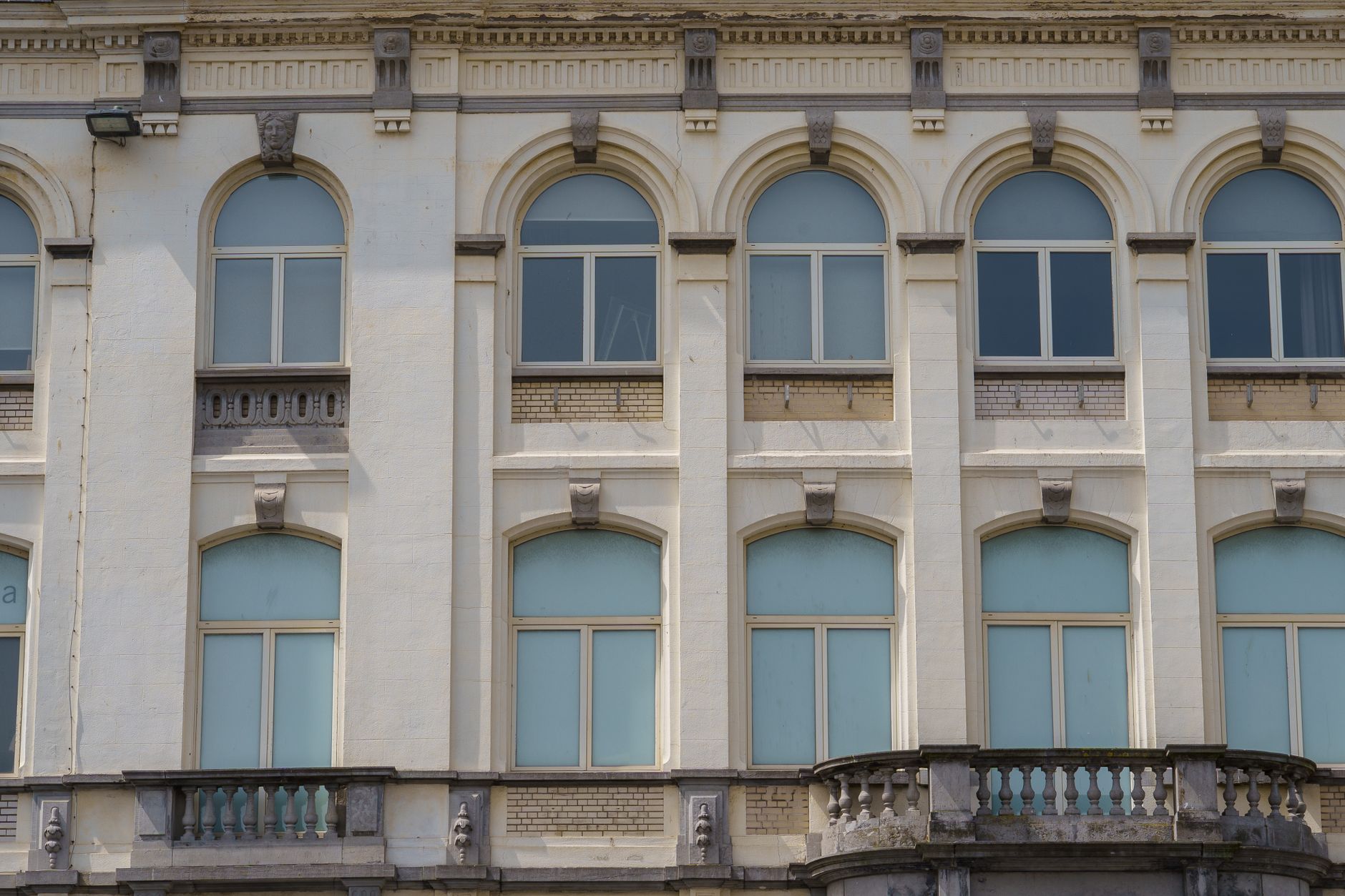
There is a concentrated museum cluster that rewards three days: Mu.ZEE for 20th-century Belgian art and the Mercator ship for maritime history. The seafront is long and walkable, with the Kursaal and Royal Galleries providing architecture and cafes without having to cross a vast resort. Fort Napoleon on Oosteroever is a small, intact Napoleonic fort with good vantage points and seasonal exhibitions. The fish trade on Visserskaai is unusually visible for a coastal city — a real morning market where local fishing crews sell directly and where moules and North Sea shrimp are very fresh. Finally, local transport connections are unusually quick to Brugge (around 18 minutes by train) so a timed half-day trip is feasible without losing the sense of the place.
Quick Planning Tips
Fly into Ostend-Bruges International Airport (OST) for quickest access; taxis cost roughly €15–25 to the city centre and take 10–15 minutes. Trains run into Station Oostende from Brussels and Brugge; buy tickets on the SNCB/NMBS app to avoid ticket-office queues. Currency is euro; most cafes and shops take Bancontact and contactless chip cards but small fish stalls on Visserskaai often prefer cash for small purchases. Avoid the planning mistake of assuming everything on the promenade stays open late — many museums and smaller eateries close earlier outside July–August, so use mornings for museums and afternoons for the beach.

Day 1
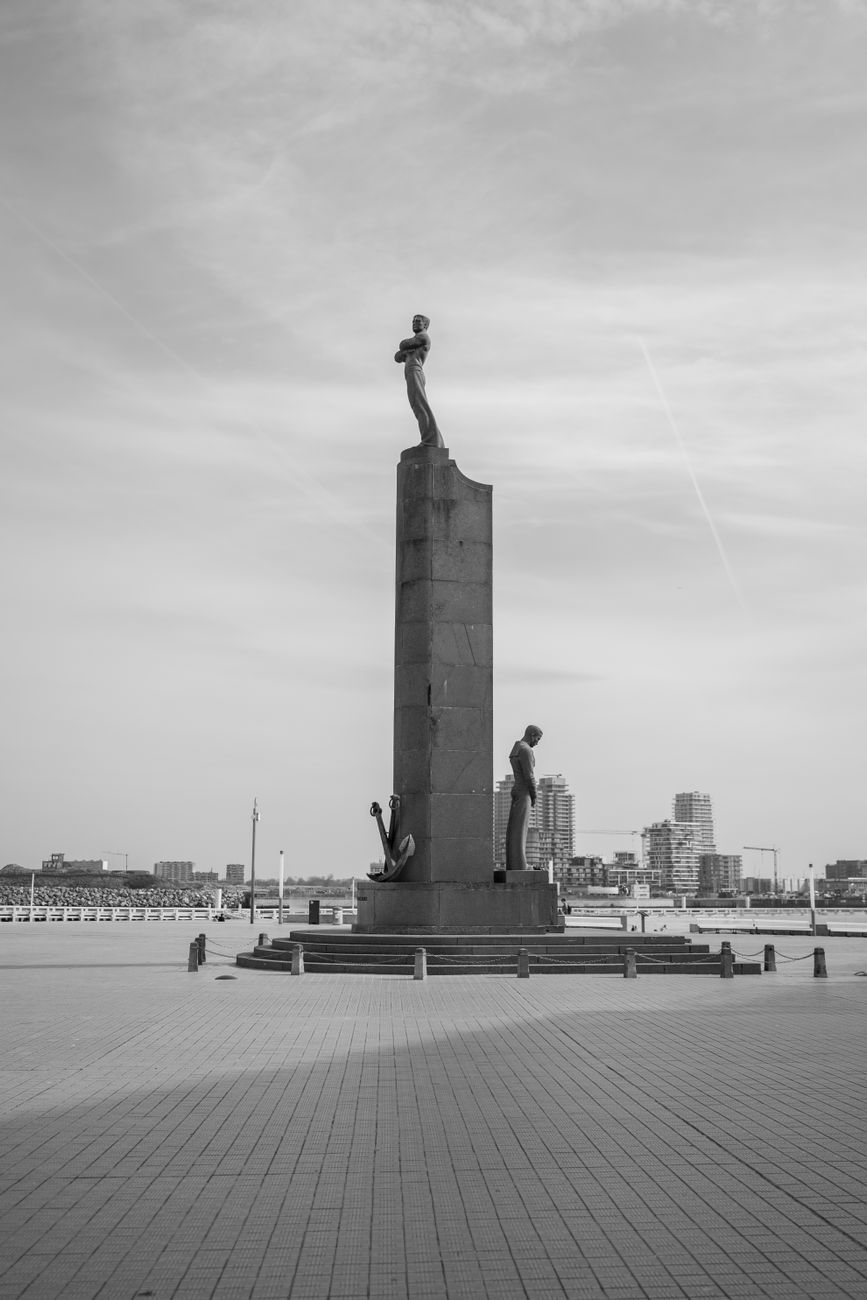
Start at Station Oostende and walk 5–10 minutes along Wellingtonstraat to Mu.ZEE (modern and contemporary Belgian art). Allow 90–120 minutes for Mu.ZEE; weekdays get quieter in the morning. From Mu.ZEE, a 6-minute walk leads to the Mercator ship at the marina — plan 45–60 minutes to tour the decks and small museum displays. Lunch near the Visserskaai fish stalls (5–8 minutes on foot from the Mercator) where moules-frites or grilled North Sea shrimp are practical, quick options served at nearby stands or small cafés; expect to pay around €12–€20 for a solid seafood lunch. After lunch, walk the seafront promenade west toward Kursaal (10–15 minutes) and take time to see the Royal Galleries; this stretch is good for a coffee and people-watching. In the late afternoon, cross into Leopoldpark (a 7-minute walk from Kursaal) for a calmer green space and the Sint-Petrus-en-Pauluskerk nearby, where short visits take 20–30 minutes. Dinner options around Kursaal are the most convenient; choose a restaurant on the Zeedijk for a view and expect main dishes in the €18–€30 range. Evening recommendation: a seaside stroll on the promenade to see the lights along the Kursaal and the North Sea after sunset.
Day 2
Spend the morning on Oosteroever. Reach the ferry or bus that crosses the harbour from the marina area; the shuttle boat is seasonal, otherwise take De Lijn bus over the bridge. Start with Fort Napoleon and allow 60–90 minutes for the fort circuit and any temporary exhibits. From the fort, walk along the Oosteroever shoreline to the small marinas and beach clubs; this side has broader sand and fewer tourists than the central seafront. Lunch at a café on Oosteroever; menus here lean toward seafood and simple Belgian plates and are often quieter than the main promenade. Return to the main city by mid-afternoon and visit De Grote Post cultural centre for rotating exhibitions or a short talk (10–15 minutes on foot from the station area). Next, head to the shopping axis on Kapellestraat and Wellingtonstraat for local stores and patisserie stops; expect a 7–10 minute walk between those sites. End the afternoon at a small local beer bar to sample a regional Ale or a Flemish saison before dinner. Evening recommendation: check the events calendar at Kursaal or De Grote Post for concerts or film screenings, which often start around 20:00.

Day 3
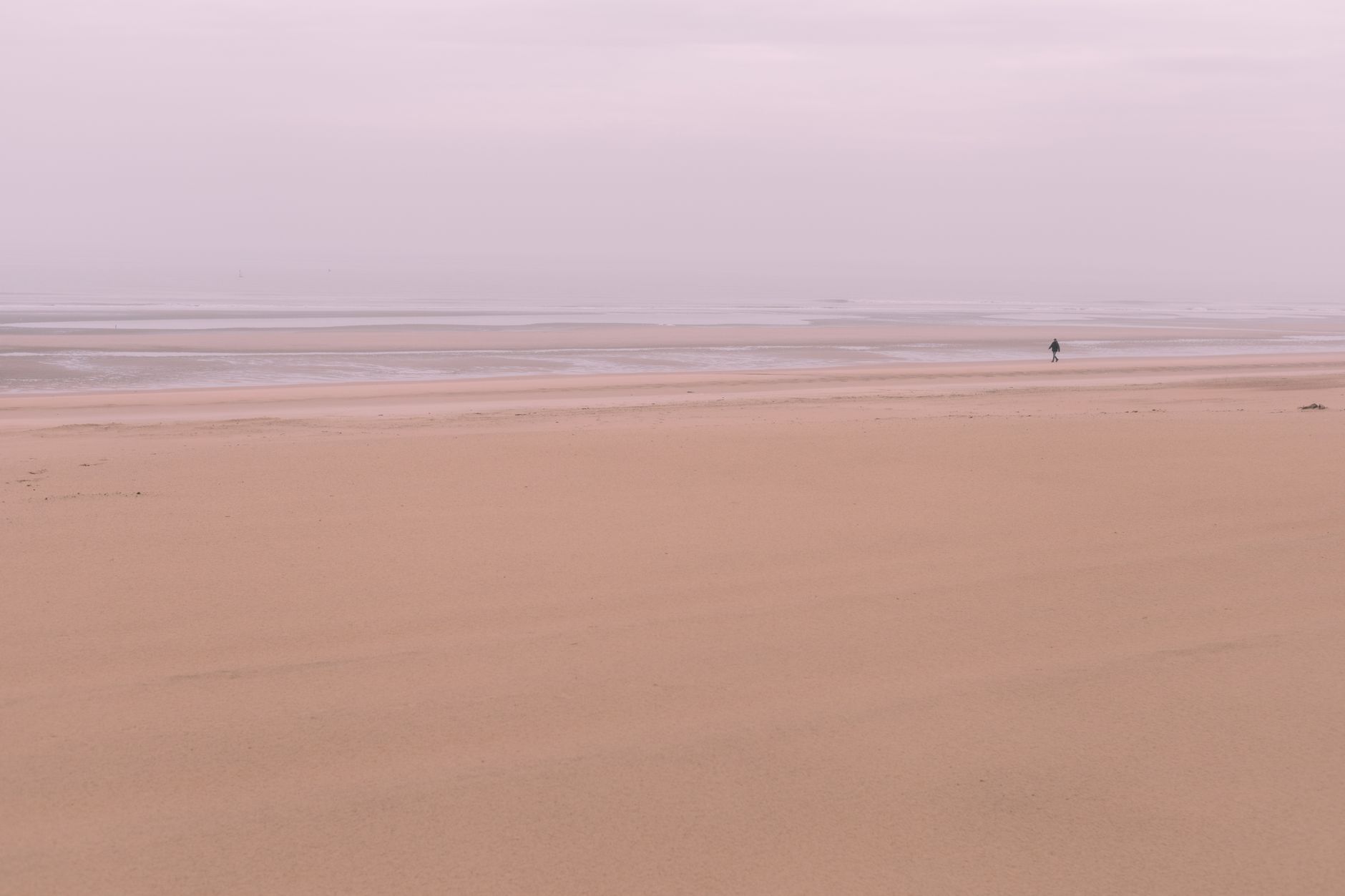
Use this day for a flexible mix: short museums, the beach, or a timed train to Brugge if desired. Morning option A: a relaxed beach hour and a walk to the far west end of the promenade where birdlife and quieter sand meet. Morning option B: a quick return to Visserskaai for early fish purchases or breakfast in a nearby café. After the morning activity, visit the Sint-Petrus-en-Pauluskerk or any small gallery missed earlier; both are within a 10–15 minute walk of the station. Lunch near Station Oostende, which has quick sandwich shops and bakeries if departure or a tram to another neighbourhood is planned. Practical note for departures: if checking out and catching an afternoon flight from OST, aim to leave the centre at least 90 minutes before flight check-in because local taxis and traffic can run slow in beach season; trains to Brugge or Brussels are frequent but factor in luggage handling time. If time allows before leaving, squeeze in De Schorre or a last-minute souvenir run along Kapellestraat.
Best Local Experiences
Visserskaai fish stalls: early-morning market for fresh shrimp and flatfish, best before 09:00. Kusttram ride: single-line coastal tram runs along the coast and is a practical, scenic hop to neighbouring towns; use for a short afternoon coastline trip. Fort Napoleon on Oosteroever: a compact military site with local exhibitions and good harbour views. Mercator tall ship: a moored museum ship by Kursaal that gives a tangible sense of North Sea navigation. Mu.ZEE: modern and 20th-century Belgian art with works by local painters; set aside at least 90 minutes. Additional activities: check the programme at De Grote Post for lectures and concerts, and time a beach walk at low tide for wider sand and better space for kite-flying. These experiences emphasize the working port character and the local food economy rather than a packaged beach resort offering.

Where to Stay
Kursaal / Station area: suits travellers who want immediate access to museums, the Mercator, and the rail link. Walks to most central attractions are under 15 minutes. Nightly costs are roughly €90–€160 (about $95–$170) for mid-range hotels in summer, cheaper off-season. Leopoldpark / Wellingtonstraat: suits those who prefer quieter evenings and green space near Sint-Petrus-en-Pauluskerk. This neighbourhood is 5–12 minutes on foot from the promenade and offers guesthouses and B&Bs; expect €75–€140 per night (€80–€150 / $85–$160). Oosteroever: suits people prioritising the fort and a wider beach with fewer crowds. It is quieter at night but requires the harbour crossing by shuttle or bus; nightly prices range €60–€120 (€65–€130 / $70–$140) for small hotels and apartments. These neighbourhoods cover most practical needs for a three-day visit without long daily commutes.
Food and Drink
Moules-frites: steamed mussels served with fries, a straightforward coastal staple; best at fish cafés on Visserskaai or near Kursaal, around €12–€20. North Sea shrimps (garnaal): small grey shrimp often sold peeled at Visserskaai stalls or as a shrimp croquette; expect €6–€12 for a small portion. Sole or plaice (steenbolk): flatfish grilled or pan-fried in simple butter and parsley; a restaurant main course is typically €18–€30. Belgian breakfast: a croissant or pain au chocolat with coffee at a bakery on Kapellestraat costs about €4–€6 and is a reliable quick start. Street food / quick option: a shrimp croquette or a difference of Belgian frites from a kiosk on the promenade, usually €3–€5 for a small cone. Dinner recommendation: choose a bistro near the Kursaal for seafood mains and local beers; expect to pay €20–€35 for a full meal. Beer and non-alcoholic drinks: regional pilsners and Belgian ales are widely available; a beer typically costs €3.50–€5.
Getting Around
Public transport is run by De Lijn (trams and buses) and NMBS/SNCB for trains. The Kusttram runs along the coast and stops at Kursaal and the station; use the De Lijn app to buy single-ride tickets. Typical single-ride fares on De Lijn are approximately €2.50–€3.50, and day passes start around €6–€8 depending on coverage; buy on the De Lijn app or at yellow machines. Train fares to Brugge are roughly €4–€7 one-way; use the SNCB/NMBS app for tickets and platform info. Taxis from Ostend-Bruges Airport to the centre are about €15–€25. Useful apps: De Lijn (for trams/buses), SNCB/NMBS (for trains), and Google Maps or Citymapper for walking and transit planning. Renting a bike is an option for short hops along the promenade, but expect bike rental desks to be busier in July–August.
Best Time to Visit
High season is July–August when temperatures average 18–22°C and the seafront is busiest; expect bigger crowds and higher accommodation prices. Shoulder months May–June and September offer milder weather (12–18°C) with fewer crowds and better value for hotels and restaurants. Winter months, November–March, are cold and windy (around 3–8°C) with many smaller cafés and museums on reduced hours, but hotel rates drop significantly. For a balance of weather and lower prices, aim for late May or September when beaches are usable and museums operate normal hours.
Budget and Practical Tips
Reasonable daily budget for a mid-range traveller: accommodation €80–€140 per night (€85–€150 / $90–$160), food €30–€50 per day (€32–€54 / $35–$58), local transport €6–€12 per day (€7–€13 / $8–$15), entry fees €6–€15 per museum visit. Expect Mu.ZEE entry around €10–€12, Mercator around €6–€8, and Fort Napoleon €6–€9 (seasonal prices). Tipping norms: service is often included in Belgian restaurant bills, but rounding up small amounts and leaving 5–10% for table service is appreciated for good service. Practical money tip: Bancontact is the preferred local card; most vendors accept contactless payments but carry a few euros for small fish stalls and bakery purchases. Pack a light windproof layer for the beach even in summer; winds off the North Sea cool temperatures quickly.
FAQ
Is Oostende safe for solo travellers?
Yes; serious crime is low. Normal precautions apply at night near busy bars and on crowded promenades.
How do I get from the airport to the city centre?
Ostend-Bruges Airport is 10–15 minutes by taxi (€15–€25) or a short shuttle/bus; check airline transfer options for exact schedules.
Is a city card or pass worth buying?
There is no single widely used all-in-one city card; De Lijn day passes and SNCB train tickets are more useful. A museum pass only pays off if visiting multiple paid sites in one day.
Can Brugge be visited as a day trip?
Yes; trains run about every 20–30 minutes and take roughly 18 minutes one-way, making a half-day or afternoon trip realistic.
What are the transit options for reaching Fort Napoleon?
Seasonal shuttle boats operate from the marina; otherwise use De Lijn buses that cross the harbour or a short taxi ride.
Are beaches crowded in summer?
July–August bring the largest crowds, especially on weekends; early morning or late afternoon avoids the busiest times.
Where can luggage be stored if staying beyond check-out?
Station Oostende has luggage lockers intermittently available and many hotels will hold bags for a few hours; check with the hotel or station office ahead of time.
Is English widely understood?
Yes; English is commonly spoken in shops, hotels and museums, though staff may prefer Dutch or French for brief exchanges.
Conclusion
Three days here rewards practical planning: early mornings at the fishmarket, focused museum visits, and at least one relaxed seafront walk. Travellers will most likely remember the contrast between harbour industry and leisure beach life, plus the freshness of North Sea seafood. If time gets tight, prioritise Mu.ZEE or the Mercator plus one seafront meal rather than trying to cram a full day trip and every museum into the same schedule.
How this guide was prepared
This guide was prepared through a structured research that combines destination research, geographic context, itinerary planning logic, and content review.