
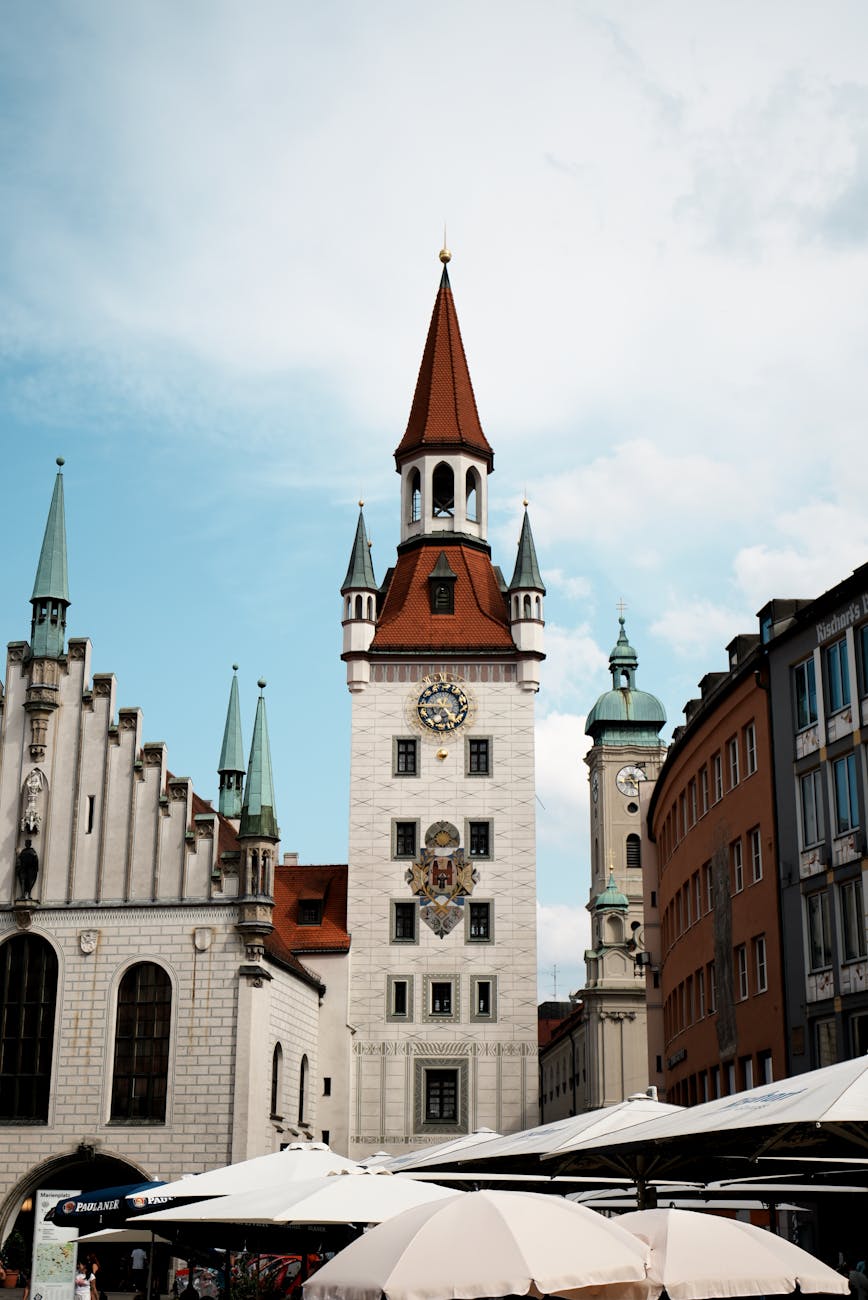
Responsible Travel in Munchen: Practical Advice for Low-Impact, Local-First Visits
Sensible, sustainable guidance for visiting Munchen: where to stay, how to get around responsibly, seasonal tips, local etiquette, and day-trip options from our 3 days in Munchen itinerary.
A compact, practical support page for travelers who want a low-impact, authentic visit to Munchen. Includes neighborhood choices, transport realities, sustainable tips, booking advice, and sensible day-trip options to nearby cities.
Quick Answer
A compact, practical support page for travelers who want a low-impact, authentic visit to Munchen. Includes neighborhood choices, transport realities, sustainable tips, booking advice, and sensible day-trip options to nearby cities.
Who This Page Is For
This page is for travelers planning a stay in Munchen who want clearer decisions about responsible travel, local logistics, timing, budgeting, and practical trip planning.
How This Page Was Prepared
This page was prepared through a structured editorial workflow that combines destination research, geographic context, and practical travel-planning review.
Plan the Rest of Your Trip
Use this page together with the full itinerary and the related planning pages below to make better booking, timing, transport, and budget decisions.
Prioritize public transport, walkable neighborhoods, and local markets. Stay near Altstadt-Lehel, Maxvorstadt, Schwabing, or Haidhausen for the most walkable access to sights and independent businesses. Visit in shoulder seasons (April–May, September–October) to avoid crowding and heavy festival demand. Use regional trains for day trips to Augsburg, Garmisch-Partenkirchen, Regensburg, Nurnberg, or Stuttgart to keep trips efficient and low-carbon.
This page supports the practical choices behind a short Munchen stay, focusing on low-impact, local-first travel. Use it alongside the main 3 days in Munchen itinerary to refine where you sleep, what you book in advance, how to get around, and which day trips make sense from a sustainability and local-economy perspective.
What This Page Helps You Decide
This page helps you choose:
- Where to stay for low-impact access to sights and local life.
- When to visit to avoid peak crowds and festival surges.
- Whether to book guided experiences and which operators favor local guides.
- How to plan sustainable day trips by regional train to nearby cities.
- Practical transport passes and bike-vs-transit trade-offs.
If you want a step-by-step visit plan, use this together with our 3 days in Munchen itinerary for timing and a suggested route each day.
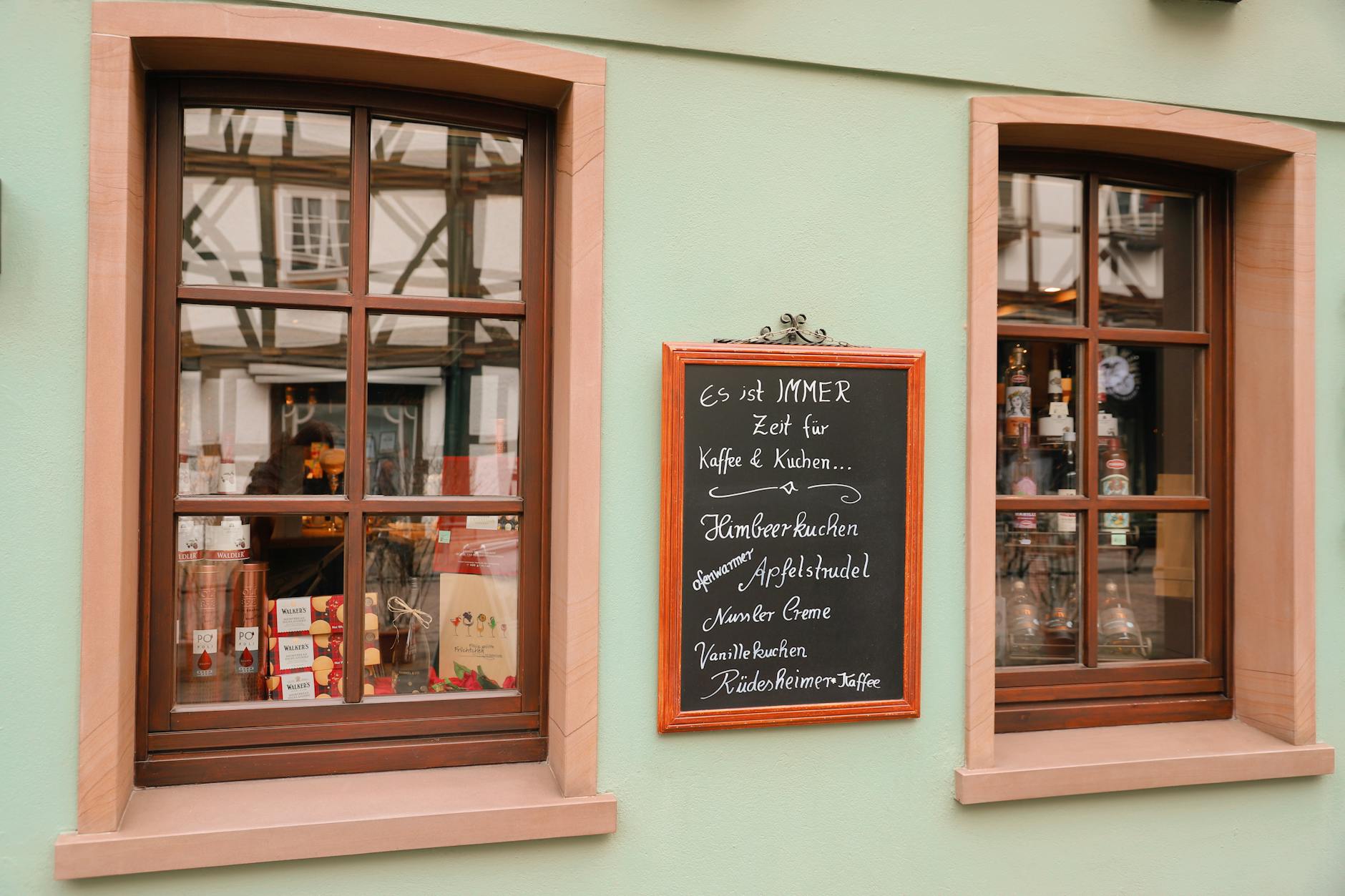
Top Recommendations
Neighborhoods: choose one of these for three nights or more:
- Altstadt-Lehel — central, easy walking distance to major sights; expect higher tourist footfall but minimal daily transit use.
- Maxvorstadt — museums and university cafés; family-run guesthouses and weeknight quiet.
- Schwabing — leafy streets, independent shops, good for evening dining away from main tourist corridors.
- Haidhausen — local restaurants, quieter at night, quick tram connections.
Markets & food:
- Shop at Viktualienmarkt for seasonal produce and small vendors.
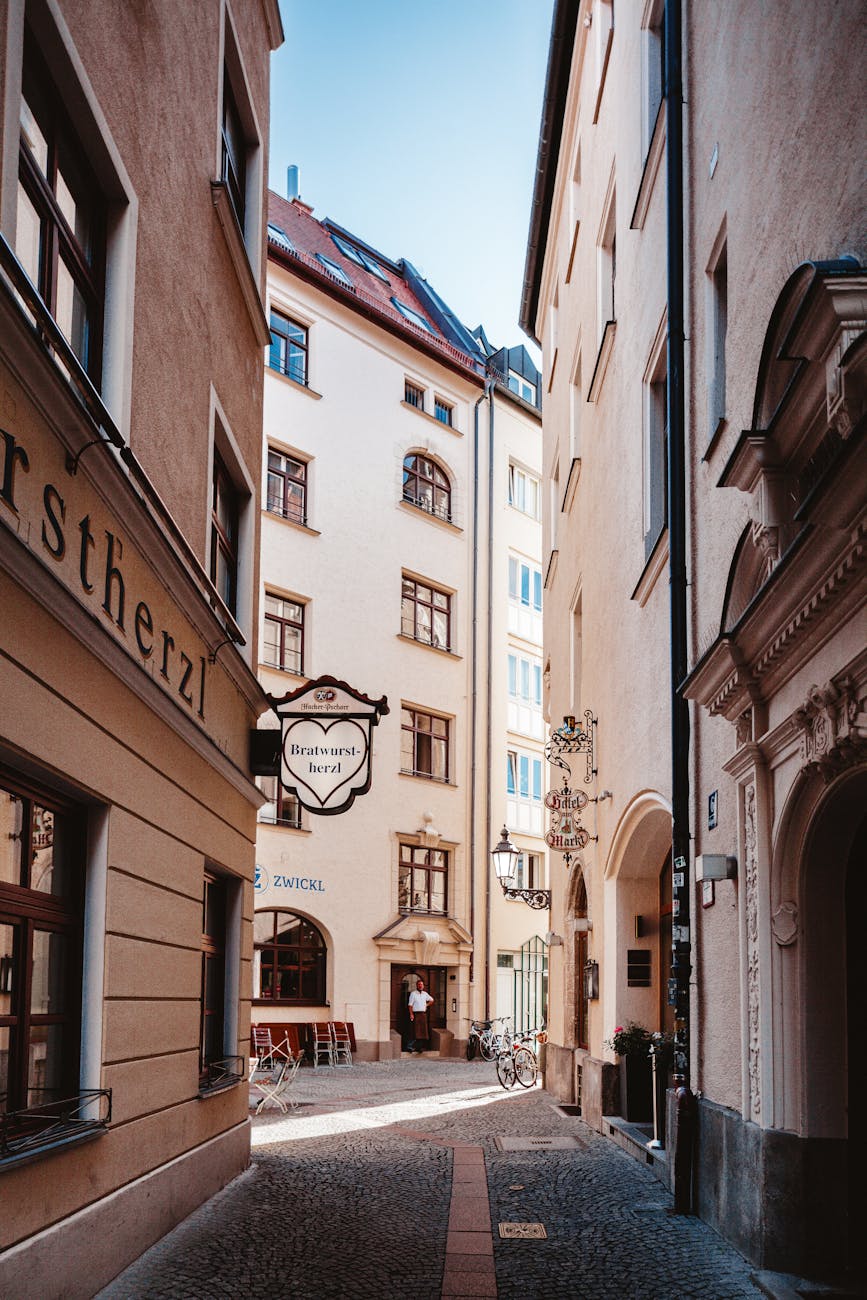
- Pick neighborhood “Wirtshaus” and small breweries (look for family-run places rather than tourist-centric beer halls).
Transport & bookings:
- Buy MVV day or multi-day passes for convenience; validate plans in the MVV app and carry a reusable bottle.
- Reserve trains early for weekend and festival periods; regional DB trains connect efficiently to Augsburg, Regensburg, Nurnberg, Garmisch-Partenkirchen, and Stuttgart.
Sustainable experiences:
- Book walking or bicycle tours with local guides or small co-ops.
- Visit smaller cultural venues in Maxvorstadt and Haidhausen to support local arts.
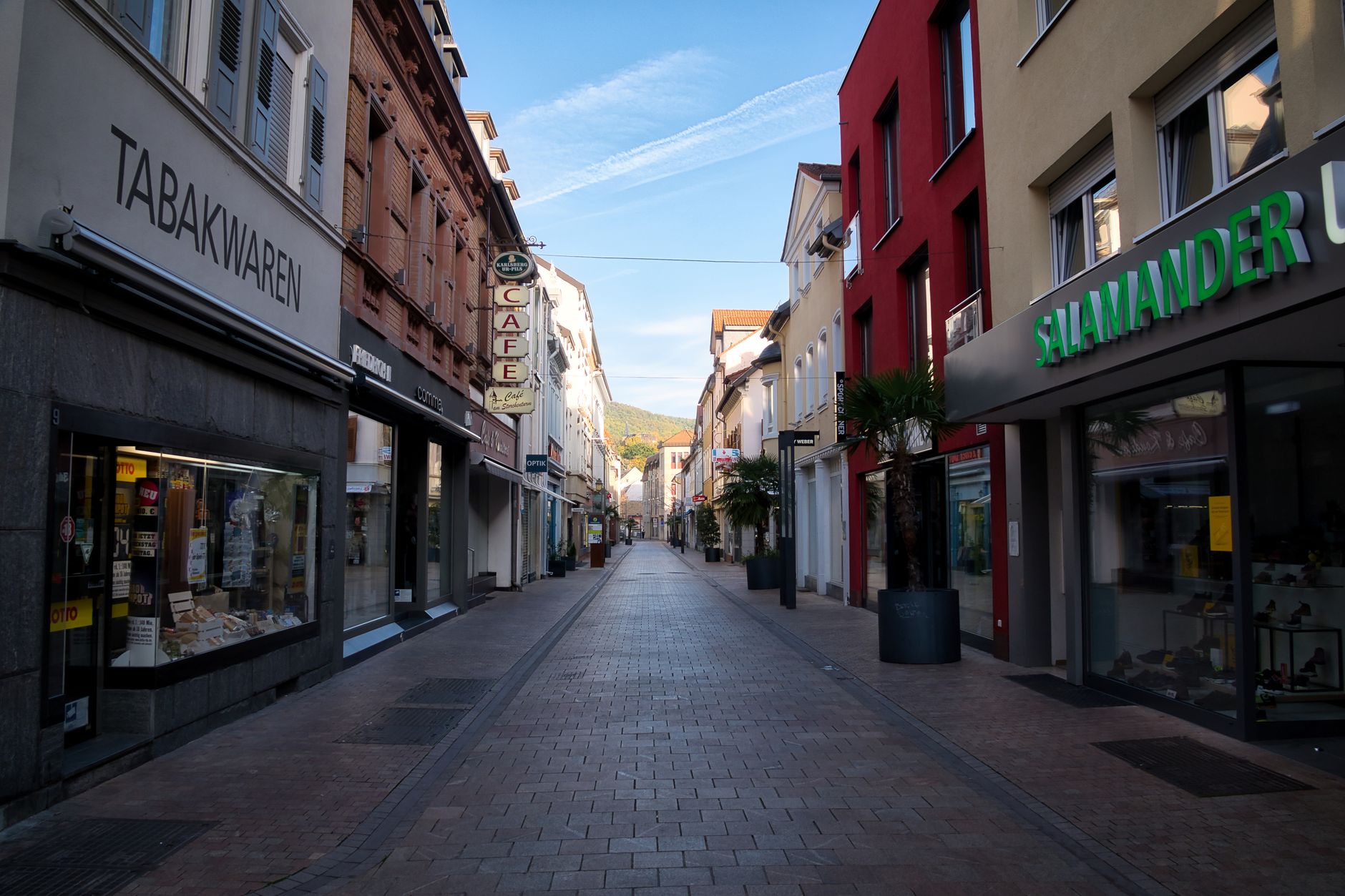
Local Context
Seasonality and events:
- Oktoberfest (late September–early October) fills hotels and raises prices across the city — avoid peak dates if you want low impact and local interactions.
- Christmas markets (late November–December) are atmospheric but crowded; shop local crafts and avoid single-use cups.
- Shoulder months (April–May, September–October) offer mild weather, fewer crowds, and more available local goods.
Transport realities:
- MVV (S-Bahn, U-Bahn, trams, buses) covers the city and suburbs; buy tickets before boarding and check zones for day trips.
- Central Station (Hauptbahnhof) is a hub but can be busy at night; plan arrival and departure times with safety and luggage storage in mind.
- Munich is bike-friendly with many dedicated lanes; use bike rental cooperatives where possible.
Local etiquette and rules:
- Observe quiet hours (usually 10pm–6am) and recycling rules; bring reusable bags and bottles.
- Respect beer garden customs: large shared tables, order at the counter if requested, and don't bring glass into protected green spaces.
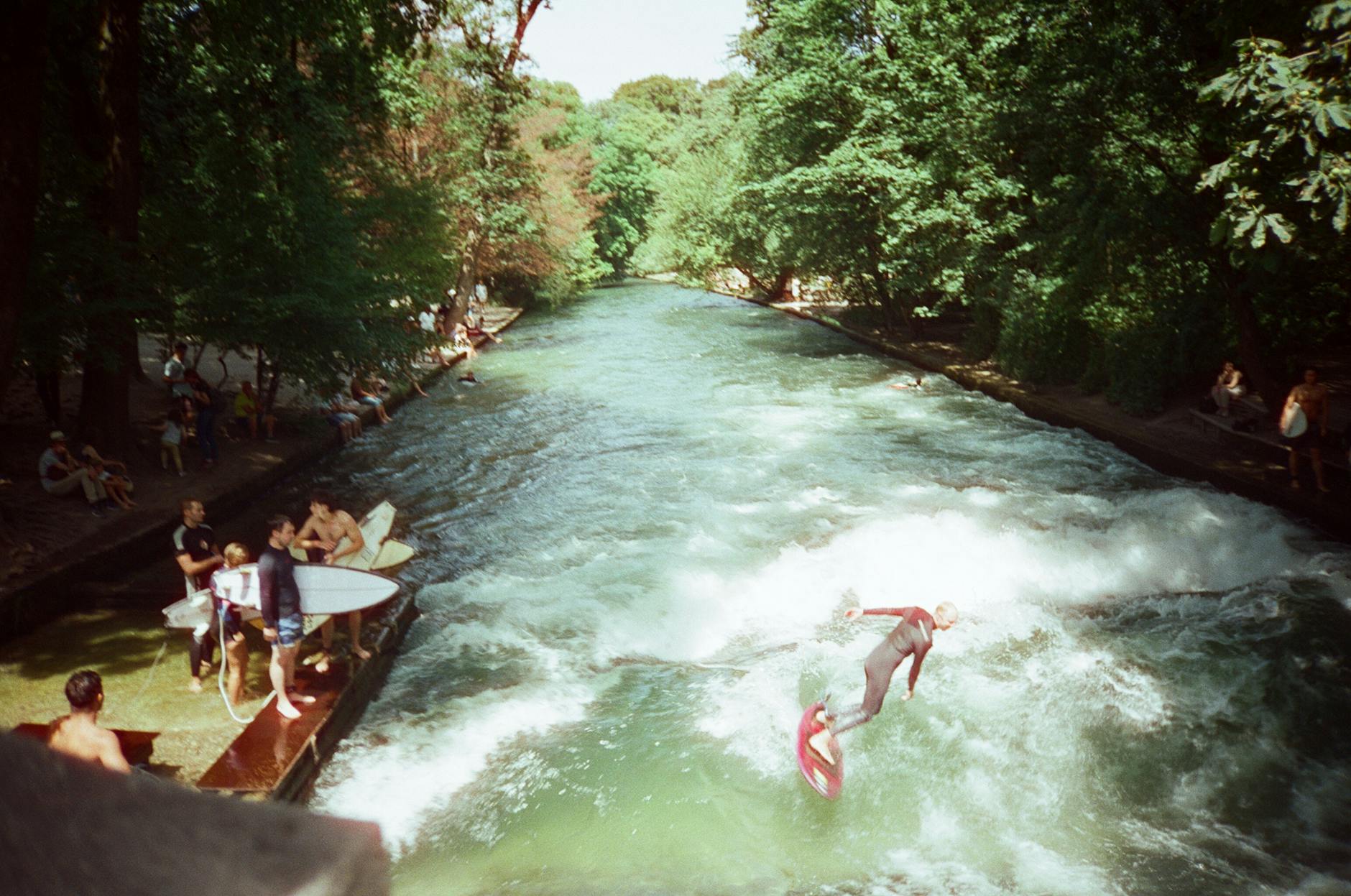
How to Choose Well
Accommodation:
- Prefer small guesthouses, family-run pensions, or eco-certified hotels over large chain properties. Look in Maxvorstadt, Haidhausen, or Schwabing for better local contact.
Tours and activities:
- Choose walking, cycling, or small-group tours led by Munich-based guides; ask operators about local hiring and fair pay.
Dining and shopping:
- Eat at neighborhood Wirtshäuser and market stalls. Avoid menus that target only tourists in central squares; check for German-language menus as a sign of local patronage.
Transport choices:
- For day trips, pick regional trains (DB Regional, Meridian) instead of flights or long drives. Reserve seats for popular weekend routes, especially to Garmisch-Partenkirchen in winter/ski season.
Booking tips:
- Book accommodations and key experiences well ahead of festival dates and national holidays. For a typical off-peak or shoulder season stay, shorter advance booking is fine but still check cancellation policies.
Responsible and Local-First Tips
Practical local-first actions:
- Spend at markets like Viktualienmarkt and small bakeries, craft butchers, and independent cafés.
- Favor local breweries and beer gardens in neighborhoods (Glockenbach, Au, Neuhausen) over tourist beer halls in the absolute center.
- Use MVV monthly/day passes and cycle; bring a refillable bottle to reduce waste.
- Choose experiences that employ local guides and support cultural spaces (small museums, community theatres).
Low-impact practices:
- Travel in shoulder seasons and avoid contributing to overtourism during Oktoberfest.
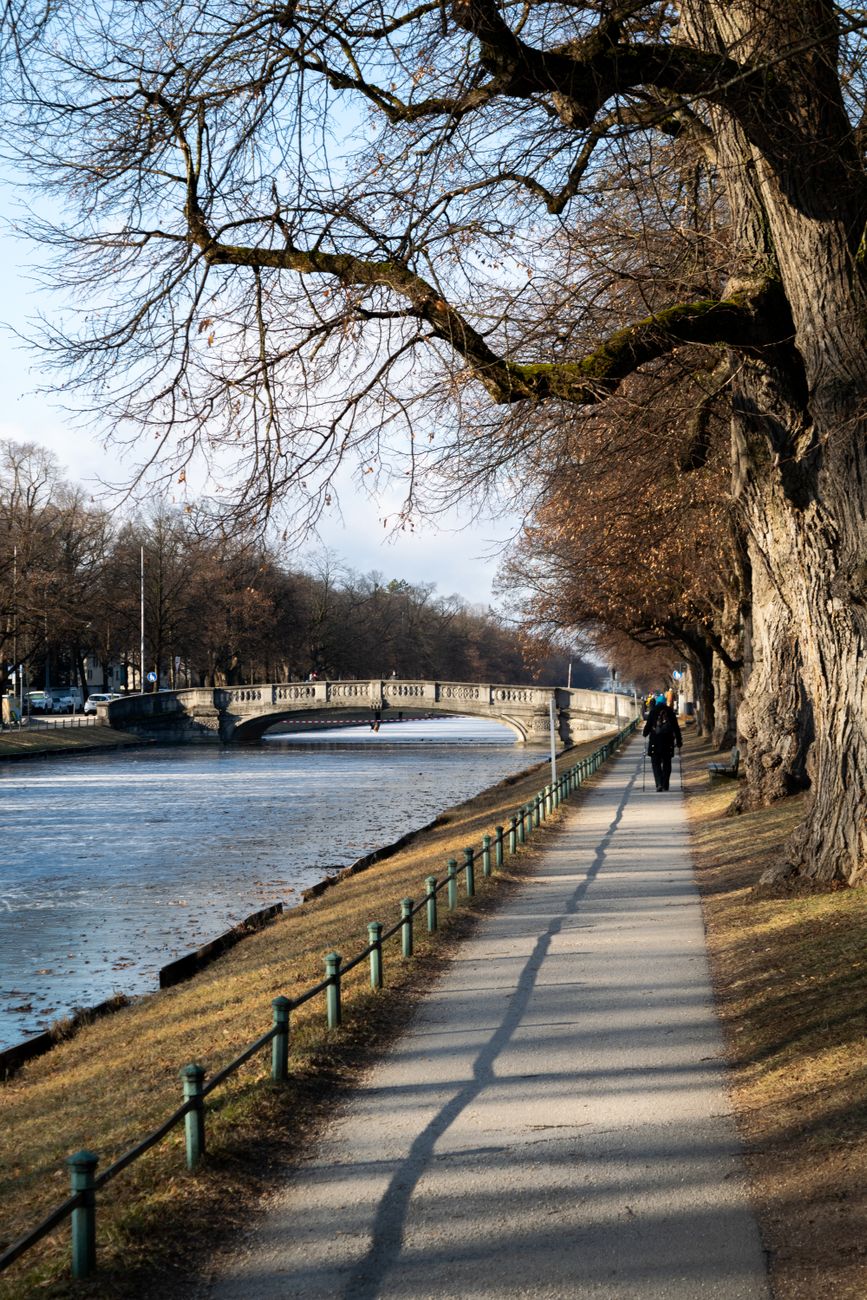
- Respect protected green spaces along the Isar: pack out what you bring in and follow signage about permitted activities.
Community respect:
- Learn a few German phrases and basic etiquette: hello (Guten Tag), please (bitte), thank you (danke).
- Follow noise and recycling rules and avoid taking photos where locals ask not to.
Common Mistakes to Avoid
Mistakes visitors often make:
- Booking around Oktoberfest without realizing prices and crowds; assume late September–early October is peak.
- Expecting all shops to be open Sundays — most retail stores close; use markets and restaurants instead.
- Relying on taxis for short distances — trams, U-Bahn, and bikes are faster, cheaper, and lower-impact.
- Staying only in the immediate center and missing neighborhood life — staying in Maxvorstadt, Haidhausen, or Schwabing brings more authentic food and shops.
- Underestimating train travel time for day trips — check regional DB timetables and reserve for busy routes to Garmisch-Partenkirchen and Nurnberg.
FAQ
When is the best time to visit Munchen to avoid crowds?
For lower crowds and pleasant weather, visit in April–May or September–October. Early spring and late autumn are quieter than the summer months and avoid the intense Oktoberfest period.
Is public transport easy to use and affordable?
Yes. MVV runs S-Bahn, U-Bahn, trams and buses. Buy single, day, or multi-day passes via ticket machines or the MVV app. Tickets must be purchased before travel; inspectors do spot checks.
Should I go to Oktoberfest?
If you want an authentic local experience, consider smaller neighborhood festivals or visit Oktoberfest on a weekday early in the day. If you prefer low-impact travel, avoid the peak festival dates and instead explore local beer gardens.
Which neighborhoods are best for a three-day stay?
Altstadt-Lehel for walking access to major sights; Maxvorstadt for museums and cafés; Schwabing for nightlife and independent shops; Haidhausen for quieter, local dining. See our 3 days in Munchen guide for a day-by-day plan.
Can I day-trip sustainably from Munchen?
Yes. Regional trains connect to Augsburg (30–40 min), Regensburg (90 min), Nurnberg (90–120 min), Garmisch-Partenkirchen (90–120 min), and Stuttgart (2–2.5 hours). Trains are efficient and lower-carbon than driving.
Any local etiquette tips?
Observe quiet hours, respect public recycling systems, avoid shouting in beer gardens, and be punctual for reservations. Tipping of 5–10% in restaurants is customary for good service.
Conclusion
Use these practical choices to shape a low-impact, locally beneficial visit to Munchen. Pair the neighborhood, transport, and booking recommendations here with the detailed daily plan in the 3 days in Munchen itinerary. For longer stays or easy regional visits, consider day trips by train to Augsburg, Garmisch-Partenkirchen, Regensburg, Nurnberg, or Stuttgart to spread impact and support nearby communities.
How this guide was prepared
This guide was prepared through a structured research that combines destination research, geographic context, itinerary planning logic, and content review.