
3-Day Ningbo Itinerary: Practical Weekend Guide and Tips
A frank, practical 3-day Ningbo itinerary with transport tips, neighbourhood plans, meal suggestions and realistic costs for planning a short stay.
A clear, realistic plan for a long weekend in Ningbo that balances central museums, waterfront streets, a lake escape and a nearby mountain village. Covers transit, budgets and where to skip the crowds.
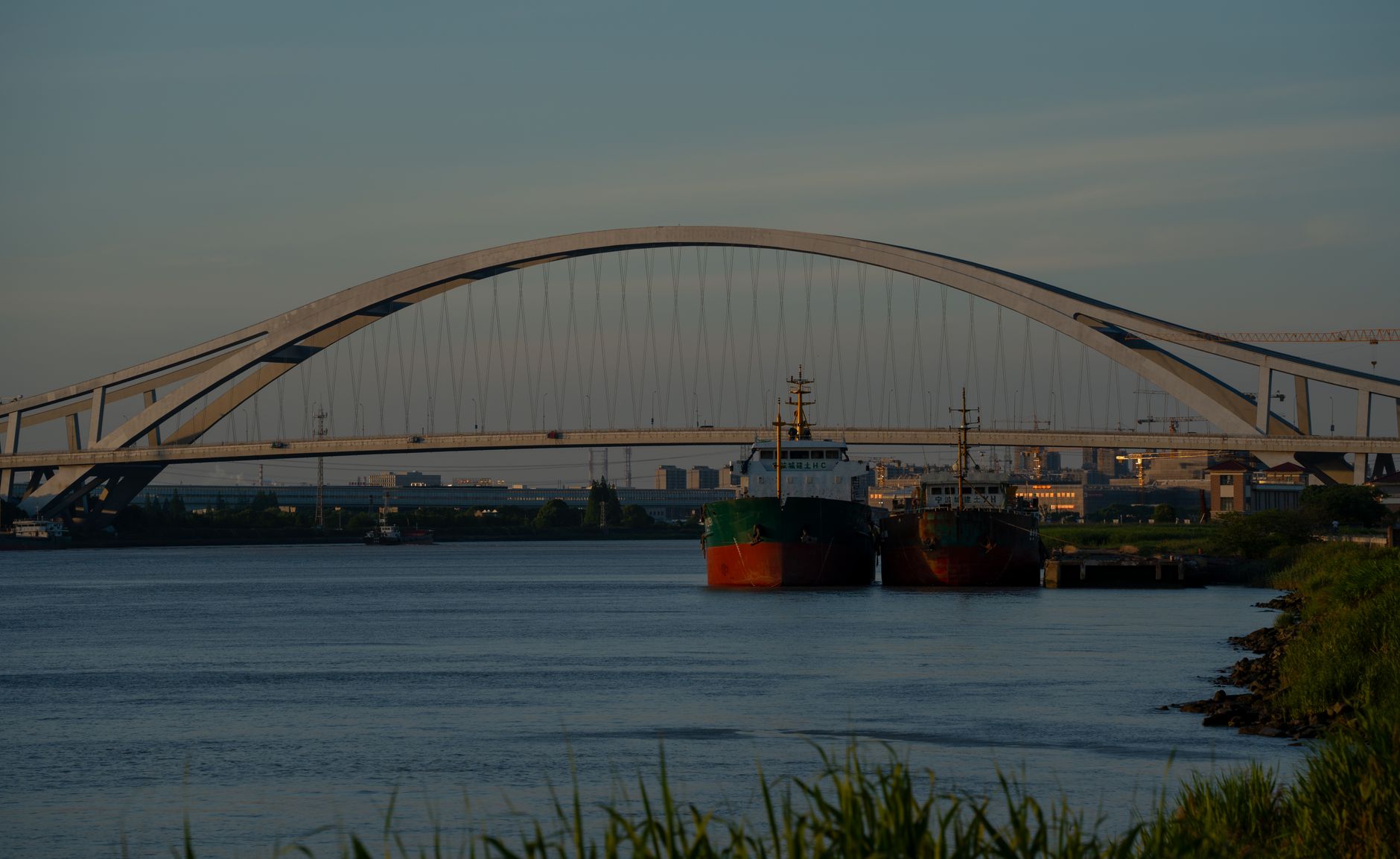
Expect a coastal port city where industry meets everyday urban life. Streets near the river show old warehouse fronts converted into cafés and seafood stalls alongside high-rise office blocks and active cargo quays. First impressions often surprise visitors who expected a purely tourist-focused centre; this place keeps working rhythms through the week and quieter pockets at night.
Crowds concentrate at the Old Bund and Tianyi Pavilion during holiday weekends, while residential districts and markets feel calm and direct. The city suits travellers who want museums with local curators, accessible regional seafood, and one nearby natural escape without committing to a long trip. Plan for limited English outside hotels, straightforward metro transfers, and compact walkable stretches rather than long pedestrian zones.
Is 3 days in Ningbo enough?
Three days is enough to see Tianyi Pavilion, the Old Bund, Ningbo Museum and do one short day-trip to Dongqian Lake or Xikou. The honest caveat: deep exploration of surrounding counties and every temple or island requires more time, so skip trying to pack more than one long day-trip.
Who This Guide Is For
Best for travellers who like museums, seafood and short nature escapes and who are comfortable using Chinese apps and local transit. Not ideal for visitors looking primarily for nightlife or English-led tours.
Local Tips for Ningbo
Practical details that most travel sites skip — specific to Ningbo.
- Buy a Ningbo Tong (甬行卡) at metro customer service desks or convenience stores; it stores metro/bus credit and avoids repeated QR purchases.
- Use the 宁波出行 (Ningbo Travel) app or the Ningbo Rail Transit app to check Lines 1–5 and S1 schedules and to buy single tickets when needed.
- Tianyi Pavilion (天一阁) standard entry is about ¥30; buy tickets online to get a timed slot and avoid afternoon queues on weekends.
- Dongqian Lake (东钱湖) scenic area tickets are roughly ¥70–¥100 depending on season and boat options; Golden Week prices rise and online booking is advised.
- High-speed trains from Ningbo Railway Station to Hangzhou East take about 1–1.5 hours; book seats on 12306 or Ctrip to secure morning departures.
How This Guide Was Prepared
This guide treats Ningbo as a working port city with long local layers rather than a polished tourist showcase. Many guides over-sell a single 'classic' day; this one separates central heritage, modern riverfront life, and a rural or lakeside escape so three days feel cohesive. It focuses on how locals move, where spending quickly adds up, and specific sights that actually close early or require prebooking. This guide was prepared through a structured research that combines destination research, geographic context, itinerary planning logic, and content review.
Plan Your Stay in Ningbo
Use this itinerary as your starting point, then compare areas to stay, transport options, seasonal timing, and realistic daily costs before booking.
Why Visit
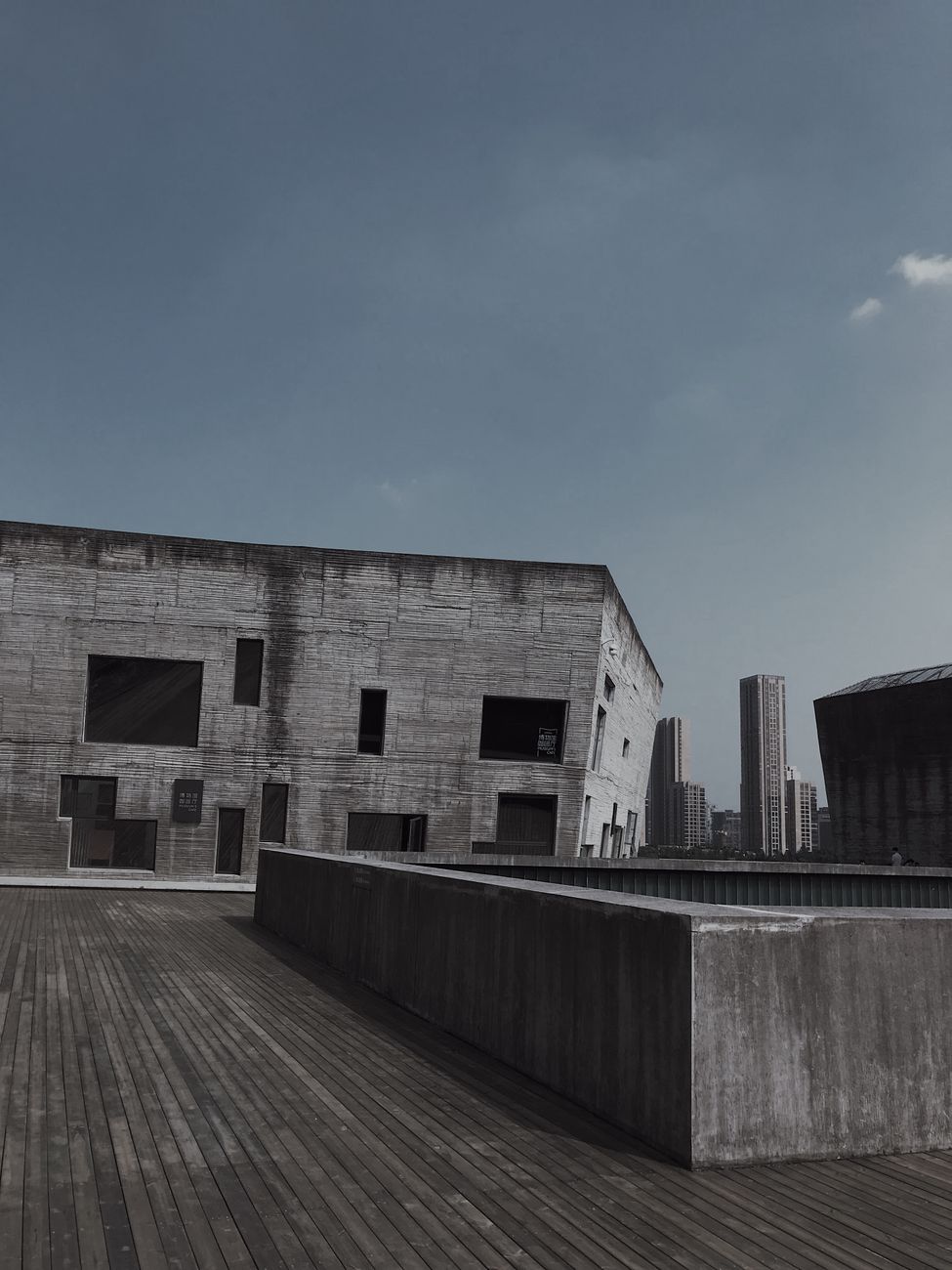
There are concentrated cultural sites like Tianyi Pavilion, one of the oldest private libraries in China, which gives a clear sense of local intellectual history without a long museum crawl. Architecture ranges from Wang Shu's Ningbo Museum building to the low-rise timber temples such as Baoguo Temple, offering variety in one compact area.
The riverfront Old Bund offers a real look at how a Chinese port retools older warehouses for restaurants and bars, making it a practical place to combine food and a short stroll. Dongqian Lake gives a quick nature contrast with boat rides and shoreline paths under an hour from the centre. Finally, transport links to Hangzhou and Shanghai are efficient enough that Ningbo works as a self-contained stop or as a practical hub for a short regional loop.
Quick Planning Tips
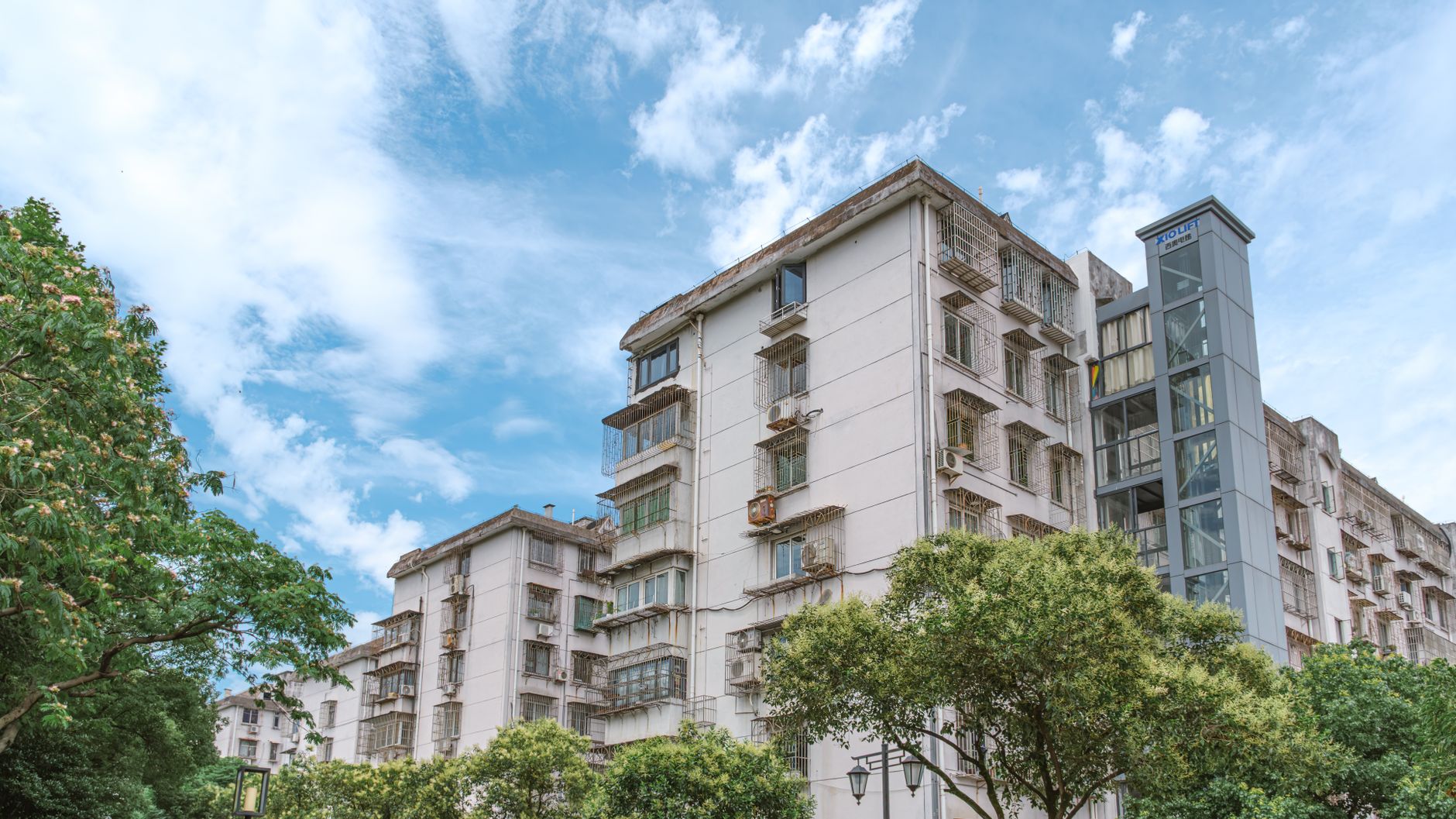
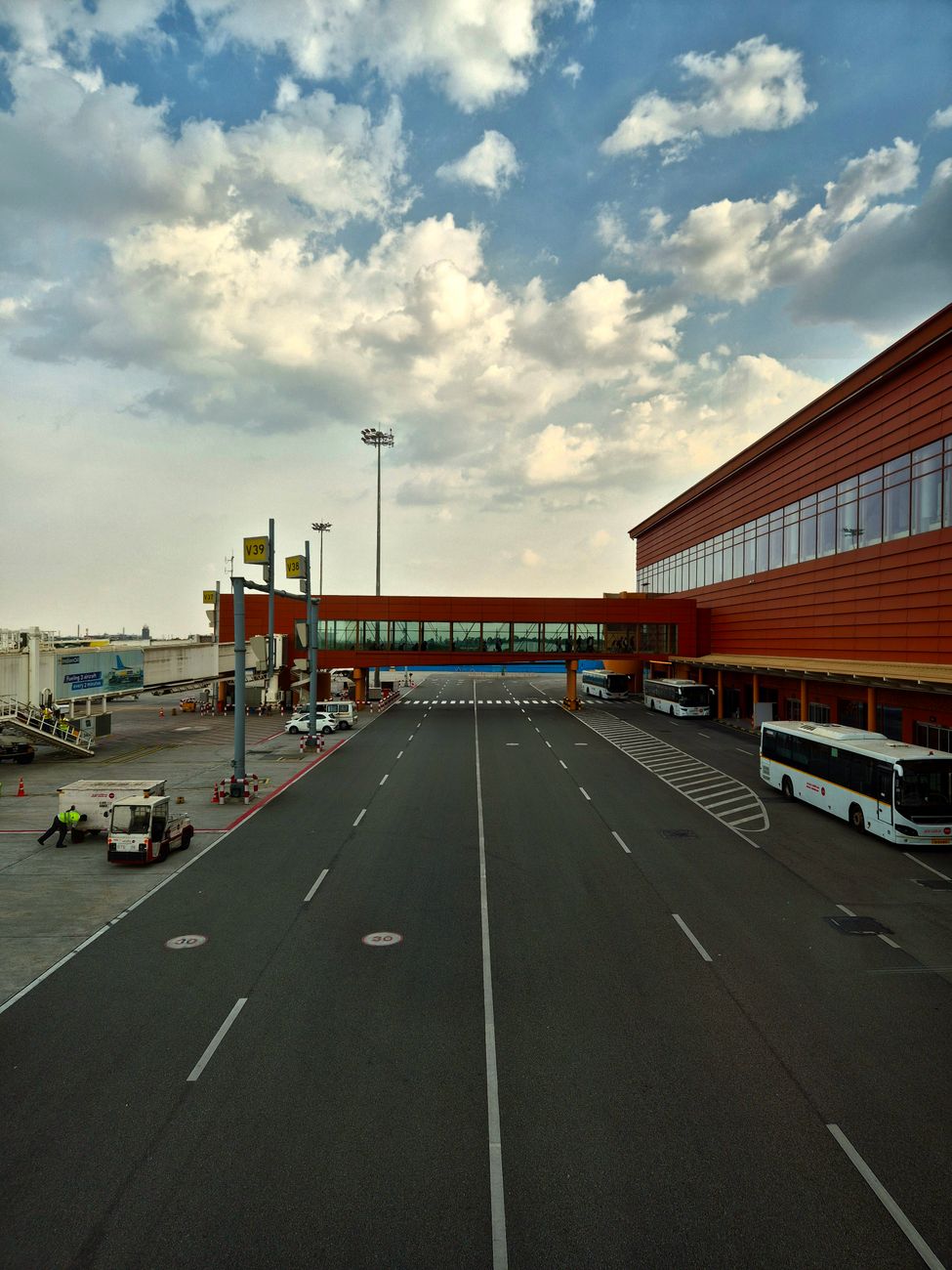
Fly into Ningbo Lishe International Airport and take the Airport Line bus or a taxi; the airport bus to the city centre runs frequently and costs about ¥15–¥25. If arriving by rail, Ningbo Railway Station connects to high-speed lines to Hangzhou and Shanghai; a taxi from the station to central Haishu District is usually ¥15–¥30 depending on time of day.
Carry some cash because small markets and older taxis prefer notes or mobile pay. Buy a Ningbo Tong card for metro and bus convenience; it saves time compared with buying single paper tickets. Avoid booking all museum visits on the same afternoon; Tianyi Pavilion and Ningbo Museum both get busiest after 14:00 on weekends and some require booked time slots.
Day 1
Morning: Start at Tianyi Pavilion (天一阁). Allocate 1.5–2 hours to walk the gardens, see the ancient stacks and small exhibition rooms. Purchase a timed entry ticket in advance to avoid waiting on weekend afternoons.
Late morning: Walk 10–20 minutes from Tianyi Pavilion to Tianyi Square for a quick coffee and people-watching at street level. The pedestrian streets around Zhongshan Road are nearby and useful for souvenir markets; expect a 5–15 minute walk between those spots.
Lunch: Head to the Old Bund (老外滩) on the Yong River around midday where seafood stalls and small restaurants line the riverside. Pick a riverside stall for local shellfish and steamed small fish; budget ¥40–¥100 for a decent seafood plate. After lunch, stroll the riverfront promenade for photos and local life.
Afternoon: Take a short taxi (10–15 minutes) or metro ride to Ningbo Museum. Allow 1.5–2 hours for the building, which is a contrast in modern local architecture and displays on Ningbo’s maritime past. From the museum, a 15–25 minute taxi will return to the Haishu centre if needed.
Evening: Return to the Old Bund or head to a small lane around Yaojiang Road for dinner. Finish with a riverside walk; lights come on after sunset and small bars open, but expect moderate crowding on holiday nights.
Day 2
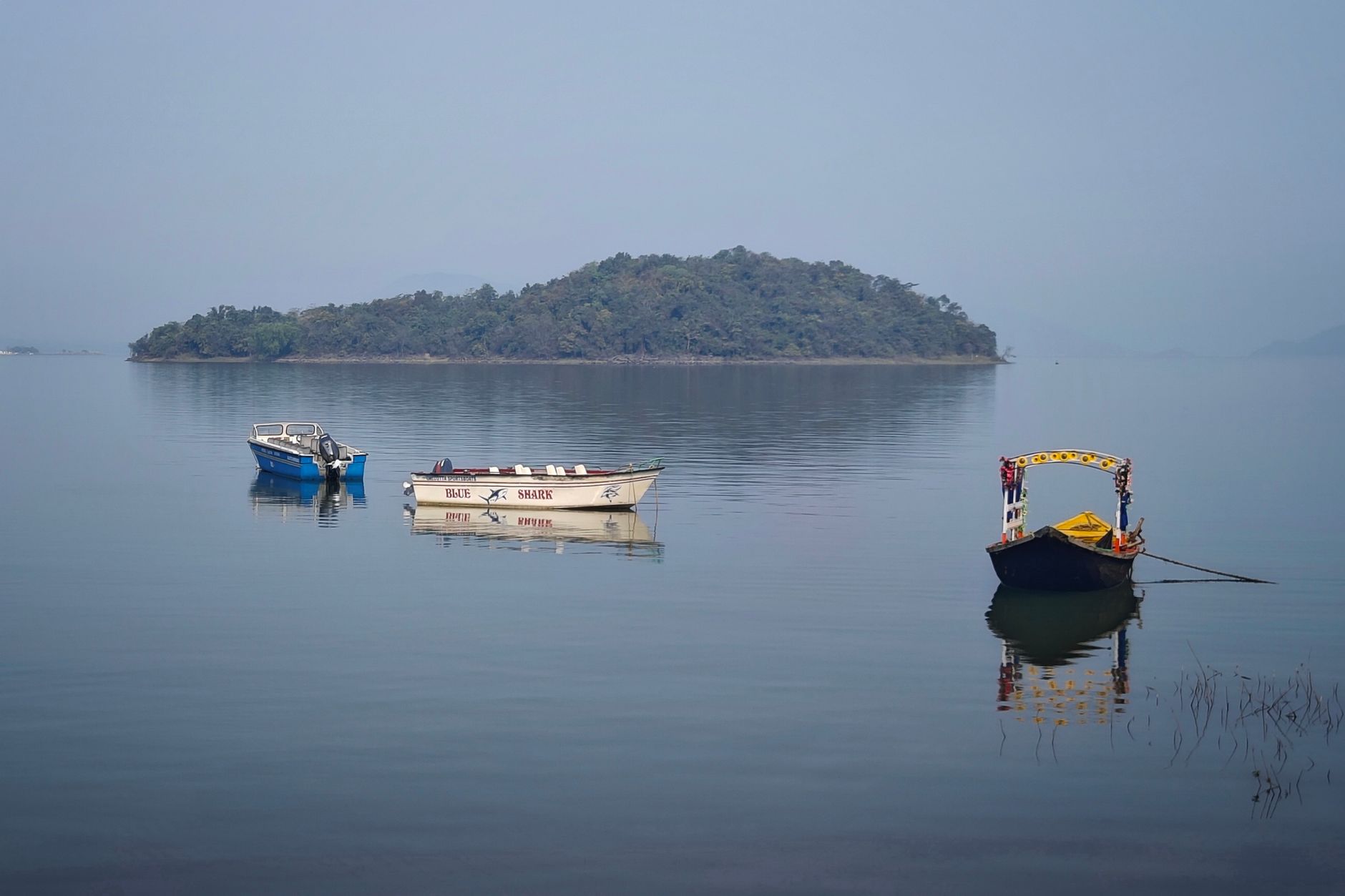
Morning: Take a half-day trip to Dongqian Lake (东钱湖). Public buses and tourist shuttles run from the city; travel time is approximately 40–60 minutes depending on traffic. Buy a day ticket for the scenic area; include a short boat ride for views of the islands and lakeshore.
Lunch: Eat at a small lakeside restaurant offering freshwater fish and local vegetables. Expect plated shared dishes priced ¥60–¥150 depending on selection. Local stalls near the main pier also sell simple noodles and stuffed buns for ¥10–¥30.
Afternoon: Return to the city and visit Baoguo Temple (保国寺) near the city edge for a quieter temple visit away from the main tourist loop. From the temple, a 20–30 minute taxi or a connecting bus will take travellers back to central neighbourhoods.
Evening: Explore a neighbourhood food street such as Nanmen or parts of Yinzhou where small family-run restaurants and dumpling shops operate late. Try steamed dumplings or a seafood porridge; expect modest queues but affordable prices. This day contrasts the central historical arc with natural lakeside calm and quieter local diners.
Day 3
Morning: Travel to Xikou Scenic Area (溪口) in Fenghua District for mountain temples and the former residences around the valley. Buses run from the coach station and travel time is roughly 60–90 minutes each way. Spend the morning walking the valley paths and visiting memorial houses.
Lunch: Have a village-style meal in Xikou or return to central Ningbo for a late lunch; local countryside dishes use seasonal vegetables and simple freshwater fish, often priced ¥30–¥80 per person.
Afternoon: If catching an afternoon flight or train, schedule return to the city with a buffer. From central hotels allow 1–1.5 hours to Ningbo Lishe Airport or 30–60 minutes to Ningbo Railway Station depending on traffic. For those staying longer, use the afternoon to visit small markets like the near-century-old Huaishu market or a final walk along Zhongshan Road.
Evening: If not leaving, finish with a casual dinner on a side street near your hotel and a short stroll along the river. Travelers checking out should confirm luggage storage with hotels; many will hold bags for a modest fee or gratis for guests.

Best Local Experiences
Tianyi Pavilion and its book stacks — a specific spot for historic private collections with a measurable entry queue that fills midday. Old Bund riverside dining — eat at small shellfish stalls and watch cargo barges pass on the Yong River. Dongqian Lake boat ride — hire a short tour around the islands to see reed beds and lakeside temples.
Xikou Scenic Area in Fenghua — valley walks and Chiang Kai-shek family sites give a rural counterpoint within easy reach. Ningbo Museum by Wang Shu — the building itself is a local architecture stop; exhibits focus on maritime trade and local craft. Morning wet markets like the one on Zhongxing Road show fish stalls and preserved seafood sold by local names and prices. Evening street-food alleys in Haishu District deliver local porridge, dumplings and small seafood plates.
Where to Stay
Haishu District: Central, close to Tianyi Pavilion, Tianyi Square and Zhongshan Road. Suits visitors who want walkable access to museums and the Old Bund. Nightly midrange hotels cost roughly ¥300–¥600 (≈€40–€80 / $45–$85).
Jiangdong / Yinzhou area near Ningbo Museum and commercial centres: Good for museum visits and quieter evenings away from the riverfront. Suits families or those wanting chain hotels. Expect ¥350–¥700 per night (≈€45–€95 / $50–$105).
Fenghua District (for Xikou access): Best for travellers planning an early start to the scenic valley or pastoral day trips. Smaller guesthouses and boutique inns are common; budget ¥150–¥400 per night (≈€20–€55 / $20–$60).
Food and Drink
Ningbo Tangyuan (汤圆): Glutinous rice balls often in a light sweet broth; find them at street stalls and traditional tea shops for ¥8–¥20 per bowl. Seafood porridge (海鲜粥): A simple congee with local fish and shellfish, common at breakfast stalls; expect ¥15–¥40.
Steamed river shrimp (清蒸小河虾): Small steamed or stir-fried freshwater shrimp served in many local restaurants; typical plate ¥30–¥80. Hairy crab in season (大闸蟹): Autumn specialty sold at markets and restaurants, price varies widely from ¥80 to ¥300 depending on size and restaurant.
Pickled or salted small shrimp (虾米 / 虾皮): A regional condiment used in many Ningbo dishes; buy packets in markets for ¥10–¥30. Dinner recommendation: riverside seafood on the Old Bund for a selection of simply prepared fish and shellfish; budget a shared meal at ¥80–¥200 for two depending on choices.
Getting Around
Metro: Ningbo Rail Transit Lines 1, 2, 3, 4 and 5 plus suburban S1 connect main districts and some suburbs. Fares start at about ¥2 and rise with distance; buy single rides or use a Ningbo Tong card. Buses: Extensive local network with many routes charging ¥1–¥2 for standard trips; a Ningbo Tong card speeds boarding.
Taxi and ride-hailing: Taxis start around ¥10–¥12 in the day; a taxi from Lishe Airport to city centre typically costs about ¥80–¥120 depending on traffic. Use Didi for app-based rides; have the destination written in Chinese if the driver doesn’t speak English.
Apps and cards: Use the Ningbo Rail Transit app or 宁波出行 for schedules and QR-ticketing. Ningbo Tong (甬行卡) is the local transport card for metro and bus top-ups and is available at stations and convenience stores.
Best Time to Visit
Spring (March–May): Temperatures typically 12–22°C, moderate rain, comfortable for walking and lake trips; spring offers good value outside the Qingming holiday. Summer (June–August): Hot and humid with temperatures 25–35°C and frequent rain; expect higher prices during July–August school holidays and regional travel peaks.
Autumn (September–November): Temperatures 15–25°C and usually the best balance of weather and crowds; early October Golden Week gets very busy and prices spike. Winter (December–February): Cooler 3–10°C range; fewer tourists and lower hotel rates but some outdoor attractions feel colder and windier along the river. Best value months are March–May and late October–November outside Golden Week.
Budget and Practical Tips
Typical daily budget (per person): Budget traveller: Accommodation ¥150–¥300, food ¥50–¥100, transport ¥10–¥30, entries ¥0–¥50; total roughly ¥210–¥480 (≈€27–€65 / $30–$70). Midrange traveller: Accommodation ¥300–¥600, food ¥100–¥250, transport ¥20–¥60, entries ¥30–¥120; total roughly ¥450–¥1,030 (≈€58–€135 / $65–$145).
Entry fees: Tianyi Pavilion about ¥30, Dongqian Lake scenic area ¥70–¥100, Ningbo Museum may charge a small fee for special exhibitions. Tipping: Not a local custom for everyday service; rounding up small amounts is acceptable but not expected. Carry cash for small markets and older taxis; WeChat Pay and Alipay are widely accepted in restaurants, shops and ride apps.
FAQ
Is Ningbo safe for solo travellers?
Yes. Most central districts are low-crime and well-lit; standard precautions against petty theft apply in crowded areas.
How do I get from Lishe Airport to the city centre?
Use the airport shuttle bus (¥15–¥25) or a taxi (roughly ¥80–¥120); Didi is also available if the app is set up.
Is a Ningbo city card or pass worth buying?
A Ningbo Tong transport card is worth getting for three days to simplify metro and bus rides, but an all-attraction city pass is not commonly necessary for typical short visits.
Are there English audio guides or tours at major museums?
Limited English options exist; Ningbo Museum and Tianyi Pavilion may offer brief English signage but bring a translation app or join a local guided tour for in-depth explanations.
Can day trips be made to Hangzhou or Shanghai?
Yes. High-speed trains connect to Hangzhou in about 1–1.5 hours and to Shanghai in roughly 2–2.5 hours; start early to maximize time at the destination.
What are peak crowd times to avoid?
Golden Week around October 1 and Chinese New Year see the heaviest domestic crowds; weekend afternoons at Tianyi Pavilion and the Old Bund also get busy.
Is English widely spoken on public transport?
No. Metro signs usually have English names, but ask for help using translation apps when buying tickets or reading local-only bus timetables.
Are markets and attractions cash or mobile payment friendly?
Most places accept WeChat Pay and Alipay; small stalls may prefer cash. Keep small change for market purchases.
Conclusion
A three-day visit will leave a clear sense of this city's practical mix of museums, riverfront eating and a nearby natural escape. The most memorable elements are the quiet, specific details: an old private library, a riverside that still shows port activity, and a lake or valley that contrasts with the central blocks. If time runs short, prioritise Tianyi Pavilion plus an Old Bund meal and one nearby museum—those three elements combine history, local life and food in a compact schedule.
How this guide was prepared
This guide was prepared through a structured research that combines destination research, geographic context, itinerary planning logic, and content review.