
Three Days in Trieste: Practical 72-Hour City Guide
A practical 3-day plan for Trieste with neighbourhood routes, transit tips, realistic budgets and where to eat, aimed at travelers who want local advice.
A clear, realistic 72-hour plan for Trieste that balances main sights, coastal walks, coffee-house culture and short hikes on the Carso.
Arriving gives the first impression of a port with wide European squares, coffee houses that still feel like meeting places, and abrupt limestone cliffs to the north. The mood shifts with the wind: calm and glassy mornings on the Gulf, sudden gusts of Bora that clear the air and send people into cafés. Streets near the port are flat and easy, while the Carso plateau above the city is stony and requires proper shoes.
Travelers often underestimate how much Austro-Hungarian architecture and Central European café culture define daily life here; expecting only Italian seaside town traits leads to disappointment. The place suits people who enjoy walks that mix water views, museums and short hikes, plus those who like lingering in historic cafés over a proper espresso. It does not suit travelers who want long sandy beaches or nonstop nightlife — evenings are quieter and focused on restaurants and late cafés.
Is 3 days in Trieste enough?
Yes—three days are enough to cover Piazza Unità, Castello di Miramare, a walk along Barcola and a Karst hike plus one decent museum. One honest caveat: there is not enough time to do a thorough day trip across the border to Piran or cover every Karst trail.
Who This Guide Is For
Best for travelers who like compact cities with a mix of architecture, cafe culture and brisk seaside walks; less suitable for people seeking long beach stays, high-energy nightlife, or slow-paced island hops.
Local Tips for Trieste
Practical details that most travel sites skip — specific to Trieste.
- Take the historic Opicina tramway (Tranvia Opicina) from Piazza Oberdan to Villa Opicina; the top section is run with a funicular-style cable and costs a regular Trieste Trasporti ticket (about €1.30).
- Buy the Trieste Card at the Tourist Information office in Piazza Unità or online — short passes (24–72 hours) often include free entry to Museo Revoltella and Miramare discounted entry and local bus travel.
- Use the ATVO airport shuttle from Trieste–Friuli Venezia Giulia Airport (TRS) to Trieste Centrale; one-way fare is about €6.50 and the trip takes roughly 45 minutes depending on traffic.
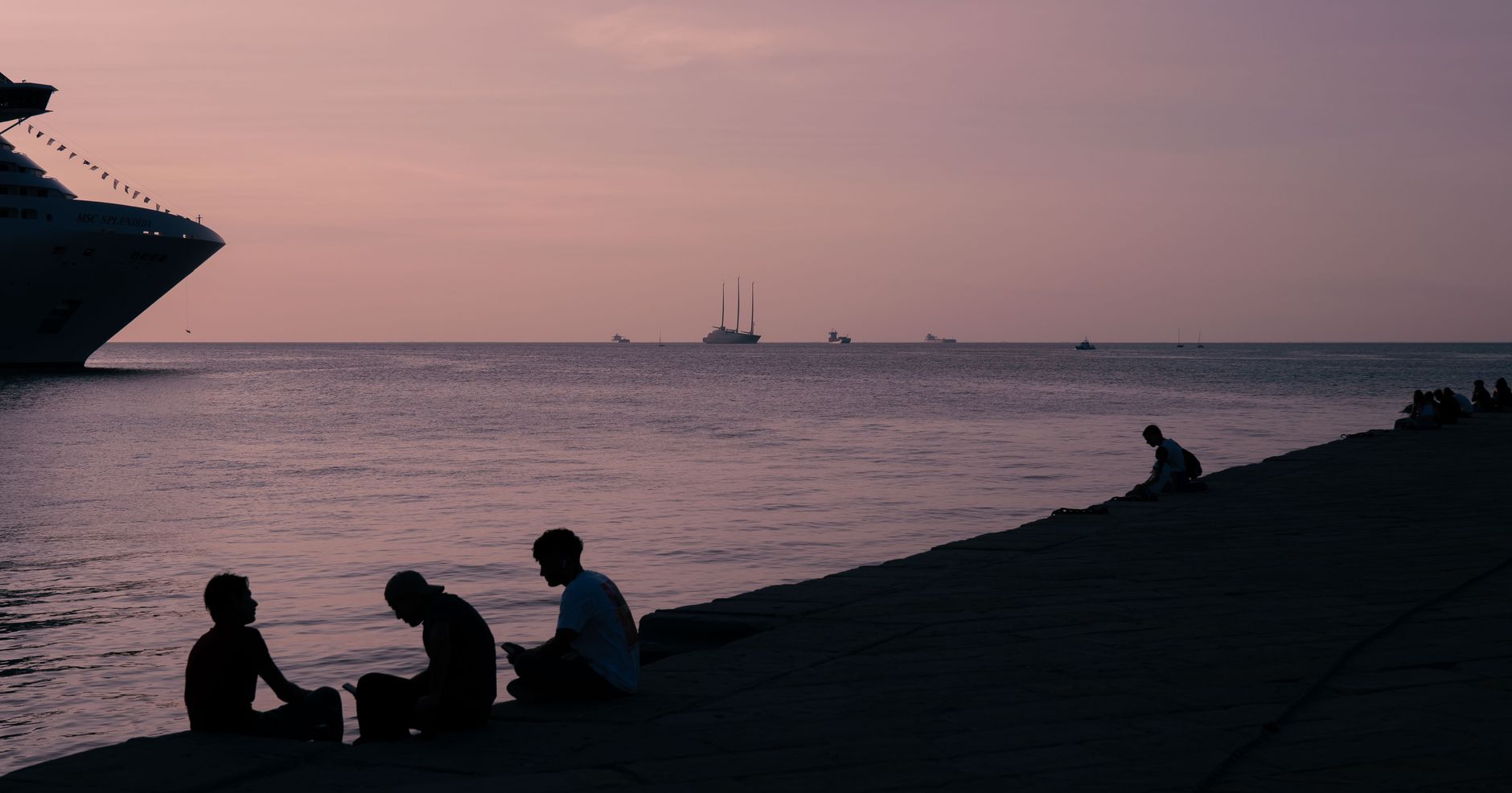
- Barcola is the local sunning strip along Riva Tommaso Gulli where people bring fold-up chairs and bring their own food; there are no lifeguards and services thin out after early evening.
- Grotta Gigante tours depart on a schedule and require a guided ticket (around €10–12); check the posted times at Borgo Grotta Gigante before heading out because afternoon slots often sell out at weekends.
How This Guide Was Prepared
Trieste behaves like a Central European port town with Austro-Hungarian layers layered over Italian seafront life; coffee houses, the working harbour and the Karst plateau shape how the city feels. Many guides focus only on Piazza Unità and Miramare and skip the everyday textures: the Opicina tram, the Barcola seafront ritual, the local jota and frico, and how the Bora wind affects plans. This guide was prepared through a structured research that combines destination research, geographic context, itinerary planning logic, and content review.
Plan Your Stay in Trieste
Use this itinerary as your starting point, then compare areas to stay, transport options, seasonal timing, and realistic daily costs before booking.
Why Visit
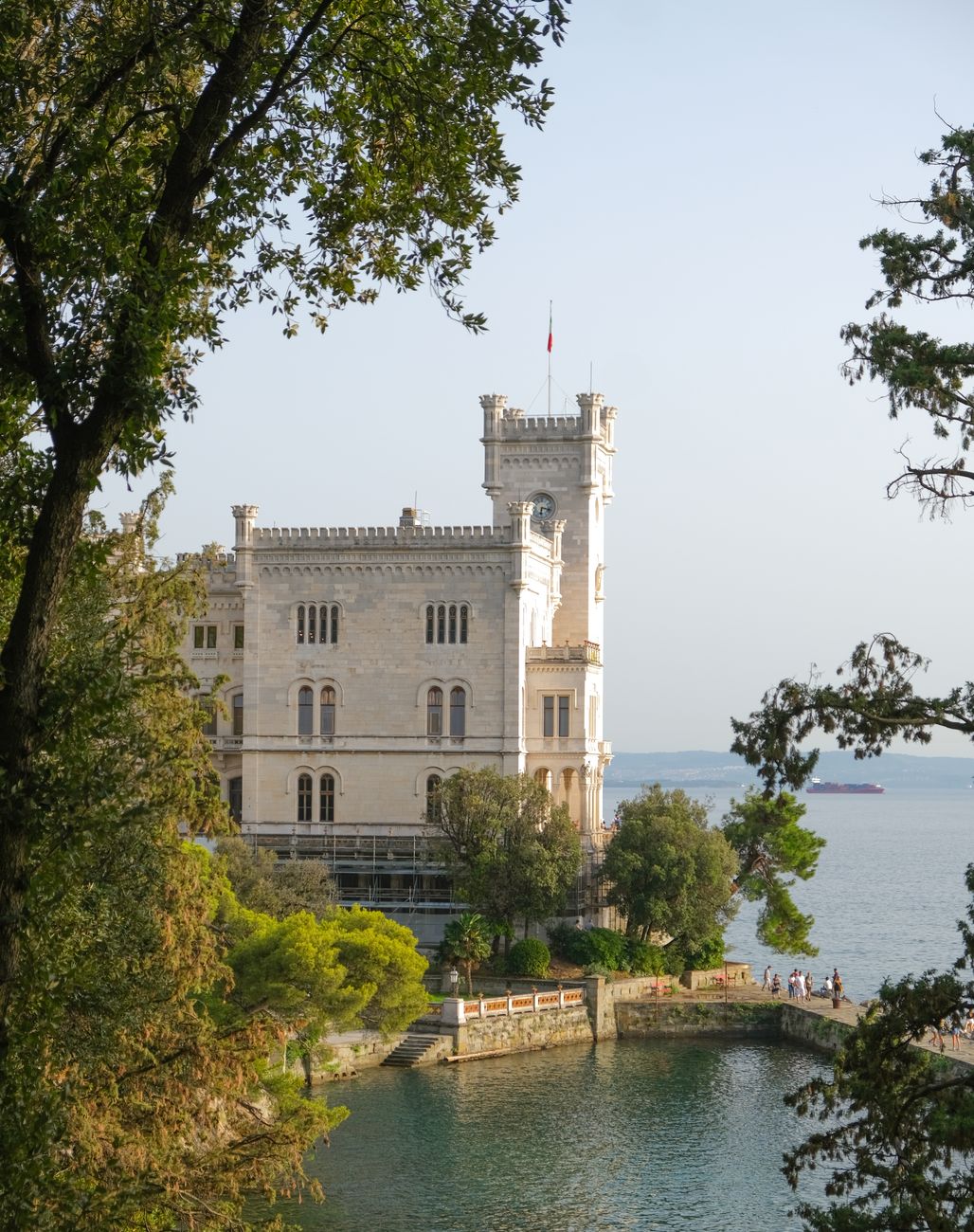
The main square, Piazza Unità d'Italia, offers an architectural experience where grand municipal buildings meet the sea edge; that single open space gives a clear sense of the city's port identity. Castello di Miramare sits on a promontory with gardens dropping to the water, an accessible historic house-museum and coastal viewpoints within easy reach of the city.
The Opicina tramway and the Karst (Carso) plateau provide physical contrast: one moment in a café on Corso Italia, the next on limestone trails with sea views and World War I remnants. Coffee-house culture is serious here; places like Caffè San Marco remain social centres where newspapers, printed menus and long conversations persist. For short excursions, Grotta Gigante and the Val Rosandra gorge are unusual natural sites minutes from the city centre, offering controlled cave tours and short canyons that feel different from Italy’s usual seaside attractions.
Quick Planning Tips
Fly into Trieste–Friuli Venezia Giulia Airport (TRS) and take the ATVO airport shuttle to Trieste Centrale; expect about 40–50 minutes and roughly €6.50 one way. Trains arrive at Trieste Centrale from Venice and Udine; a taxi from the station to central square should be under €10 off-peak but check luggage rules.
Carry some euros in coins for small bus purchases and market stalls; contactless payments are widely accepted in cafés and shops but smaller dive bars sometimes prefer cash. Download the Trieste Trasporti app or use ATVO’s app for timetables and mobile tickets; local bus drivers do not sell day passes on board. Avoid the planning mistake of assuming museums run late; many close by 17:00 and some close one weekday, so book key museum slots or check opening days in advance.

Day 1
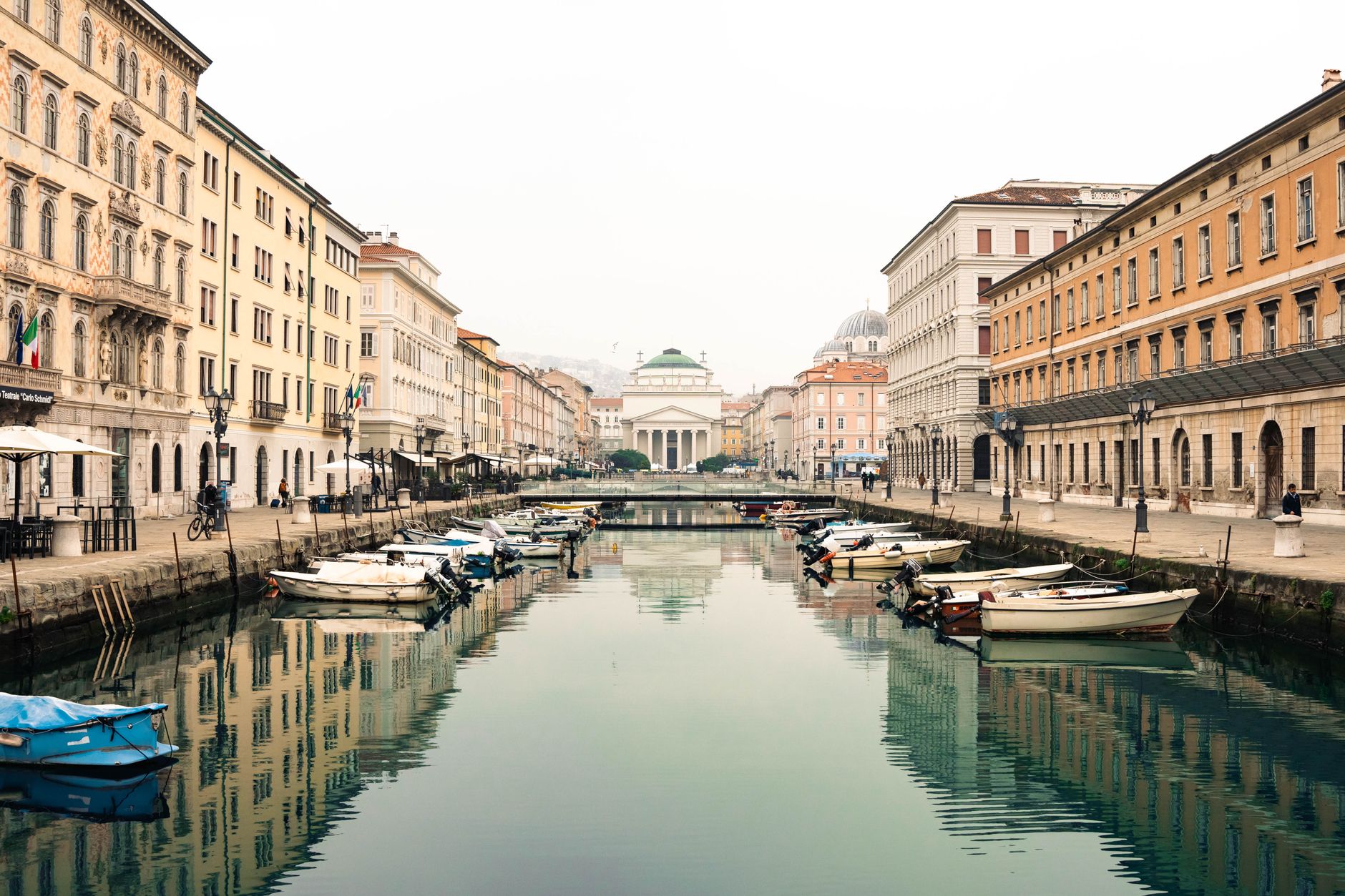
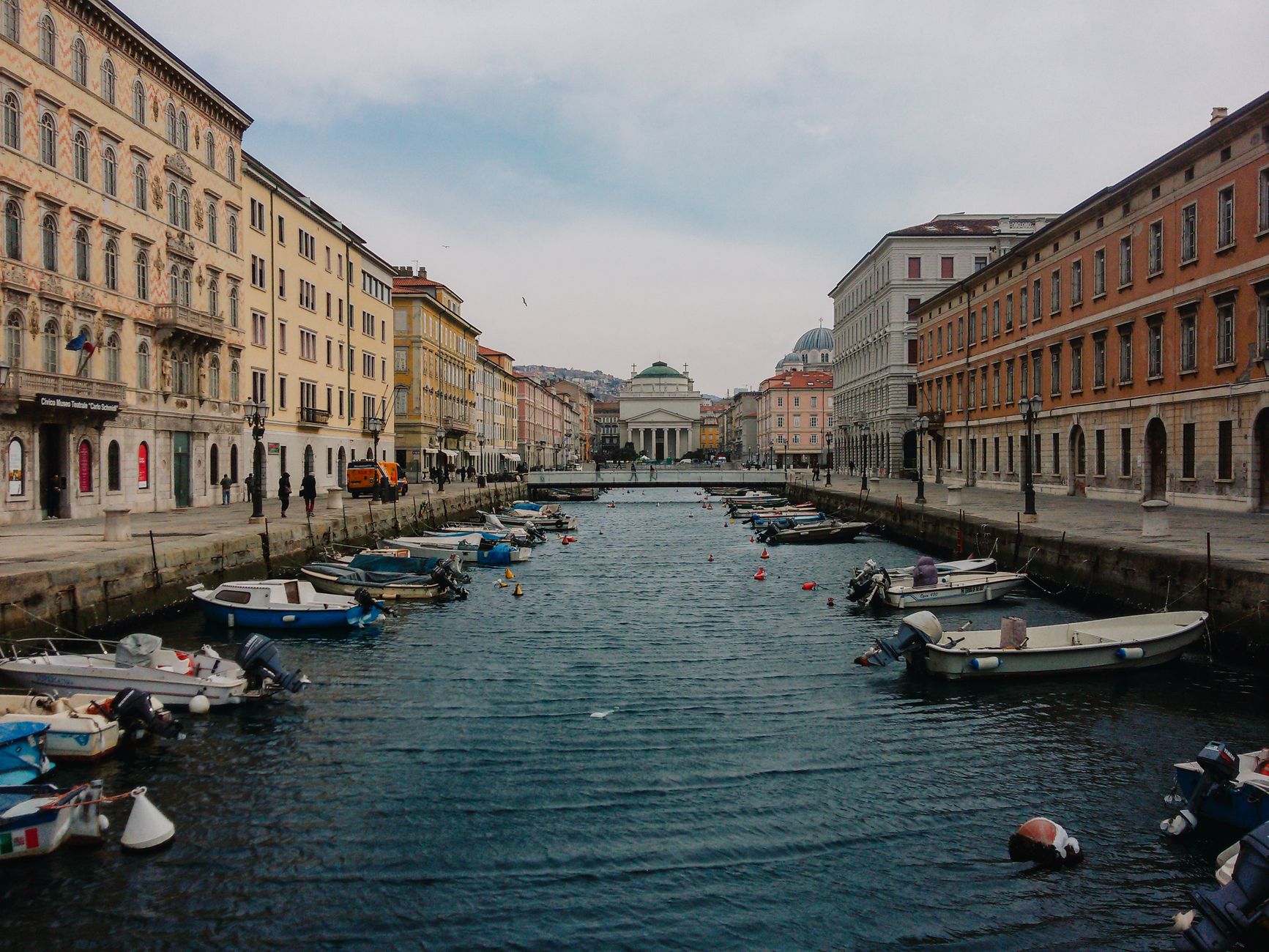
Morning: Start in Piazza Unità d'Italia to take in the sea-facing façades and, if open, step into Caffè degli Specchi for a quick espresso. From the square, walk 5–10 minutes to the Canal Grande to see the smaller Venetian-influenced waterfront and Santa Maria Maggiore nearby.
Late morning: Walk up to Castello di San Giusto and the adjacent Cattedrale di San Giusto; expect 15–20 minutes uphill from the Canal Grande with stairs and steeper streets. The castle offers views over the harbour and the fortress area.
Lunch: Return toward Via Roma and choose an open trattoria or the historic Caffè San Marco for a relaxed meal of frico with polenta or a seafood plate—allow 45–60 minutes. After lunch, walk (10–15 minutes) to Museo Revoltella on Corso Italia for modern art and a compact collection; entry is about €6–8 (check current price).
Afternoon: Spend the afternoon strolling Corso Italia toward the seafront, pausing at small shops and the Molo Audace. Walk along Riva Nazario Sauro for photos of ships and then continue to the Barcola seafront (20–30 minutes on foot from Piazza Unità or a short bus ride) to see how locals use the rocks and ramps.
Evening: For dinner pick a seafood restaurant near the harbour or a trattoria in the Old Town; finish the night with an evening coffee in one of the historic cafés near Piazza Unità. Expect an easy 6–8 km total walking if following this loop, or shorten by using buses between the main points.
Day 2
Morning: Take the Opicina tramway from Piazza Oberdan to Villa Opicina; the scenic ascent takes about 20–30 minutes and offers abrupt changes in terrain and views back to the Gulf. Explore Villa Opicina and the start of the Carso trails for a short walk along limestone paths.
Late morning: Return by tram and head to the train or bus stop for Grotta Gigante near Borgo Grotta Gigante; the guided tour lasts about 45 minutes and total travel time from central areas is roughly 30–40 minutes by bus. Booking ahead avoids waiting for the limited English tours.
Lunch: Have a casual meal in the village near Grotta Gigante (simple trattoria or sandwich shop) or back in the city at a seafood osteria near the port—allow 45–60 minutes.
Afternoon: Visit Castello di Miramare in the later afternoon; the castle and gardens are best approached by bus or a 30–40 minute walk along the seafront promenade from Barcola. Allow 90–120 minutes here to tour the house and park. Return to the city center via the same coastal route.
Evening: Choose a restaurant near Piazza Unità or sample wine at a small enoteca; Malvasia istriana and local white wines pair well with seafood. Expect a day with a mix of transit (tram + bus) and walking; wear shoes suitable for both urban streets and rocky trails.

Day 3
Morning: Start with a shoreline walk from Riva Tre Novembre toward the Molo Audace and then to the small harbour area around the Canal Grande; this is a good light morning route if checking out later. Stop at the fish market area for a quick look if it’s open; most stalls wrap up before midday.
Midday: Visit Teatro Romano and the area around Borgo Teresiano, then make a controlled ascent to the Carso edge near Via del Fanciullo for short panoramic views. The uphill walk from Teatro Romano to the Carso edge takes 15–25 minutes depending on pace.
Lunch: If catching an afternoon train or flight, have a focused lunch near the station or in the central market to save time; order a plate (jota or frico) and a coffee and allow 40 minutes. After lunch, if time permits, visit Museo Teatrale Carlo Schmidl or a final short stroll along Corso Italia.
Practical note for departures: Allow at least 90 minutes to reach TRS Airport using the ATVO shuttle from Trieste Centrale, or 30–40 minutes to reach Trieste–Ronchi dei Legionari by taxi depending on traffic. If catching an afternoon flight, schedule Miramare only in the morning and head back to collect bags before boarding transport.

Best Local Experiences
Barcola mornings: locals bring chairs and picnic items to sunbathe on the rocks along Riva Tommaso Gulli; join for a morning stroll or late-afternoon people-watching. Opicina tramway ride: the ascent from Piazza Oberdan to Villa Opicina mixes urban and rural landscapes and is a local ritual for weekend walkers.
Miramare gardens: the castle park has formal beds, exotic trees and coastal cliffs—take the coastal path down toward the harbour if time allows. Grotta Gigante tour: the cave's main chamber is one of the largest accessible show caves in the world and the guided tour explains karst geology.
Carso walking: short marked routes from Prosecco or Basovizza lead past erosion formations, memorials and dry-stone walls; these are popular with locals for short hikes. Morning coffee at Caffè San Marco: long-running literary café where newspapers and conversation remain central to the experience.
Where to Stay
Centro/Piazza Unità: Suits travelers who want immediate access to the waterfront, main cafés and evening restaurants. Expect midrange hotel prices roughly €90–150 per night (about $100–160) for a decent double in high season.
Borgo Teresiano/Canal Grande: Suits people who want a quieter feel with easy walking access to sights and the old port. Small guesthouses and midrange hotels here commonly run €70–110 per night (about $75–120).
Opicina/Villa Opicina (outsiders call it Opicina): Suits walkers and people who like early access to the Carso trails or who don't mind a 10–20 minute tram ride into the centre. Expect B&Bs and pensions from €50–90 per night (about $55–95); value improves outside July–August.
Pick accommodation based on mobility: the centre is flat but many sights require short uphill walks; choose a place near Piazza Unità or Canal Grande for shortest daily walking. Booking in late spring and early autumn often yields better rates than July–August.
Food and Drink
Jota: A bean-and-sauerkraut soup with pork and potatoes typical of the Karst; find a well-made version at traditional osterie in Borgo Teresiano for about €6–10. Frico: Fried cheese-and-potato pancake or layered bake from Friuli; order as a starter or main at older cafés like Caffè San Marco for €6–12.
Brodetto/seafood stew: Local coastal fish stews appear on menus near the port; expect €12–20 depending on portion size. Prosciutto di San Daniele and local cheeses: served at enoteche and markets as a sharing plate for €8–15.
Gubana: A sweet spiral cake from the Friuli area, sold in bakeries for €2–4—good for breakfast or an afternoon snack. Coffee culture: Try an espresso at Caffè degli Specchi or Caffè San Marco; expect €1–2 at the counter and table service slightly higher. For wine, sample Istrian Malvasia or local whites by the glass at enoteche for about €3–6.
Getting Around
Transit is based on Trieste Trasporti buses and the historic Opicina tramway. Key bus corridors serve Piazza Unità, Trieste Centrale and Miramare; the Opicina tram links Piazza Oberdan with Villa Opicina and the Carso. ATVO runs airport shuttles between TRS and Trieste Centrale.
Single urban bus tickets are about €1.30 (check latest fare) and are valid for a set time on the network; a 24–48 hour Trieste Card or regional day pass may be available and can reduce per-ride costs if taking multiple trips. The Trieste Trasporti app and ATVO app allow mobile ticket purchases and timetables. Taxis are available and an airport taxi to central areas runs roughly €40–€55 depending on traffic; trains connect Trieste Centrale to Venice and Udine with reasonable frequency.
Best Time to Visit
Late spring (May–June) and early autumn (September) balance warm weather and fewer crowds; daytime temperatures generally range from 18–25°C in these months. July–August is warm (24–30°C) and busiest; seaside areas fill, and prices peak.
Winter (December–February) is cooler with daytime temperatures around 3–10°C and frequent Bora wind gusts that can be strong and gusty; many attractions stay open but hours shorten and some cafés close early. If interested in lower rates and brisk hiking on the Carso, late autumn and early spring offer better value but pack windproof layers.
Budget and Practical Tips
Daily budget guideline (per person): Budget traveler: accommodation €40, food €25, transport €4, entries €8 = ~€77/day (about $80). Midrange traveler: accommodation €90, food €40, transport €6, entries €20 = ~€156/day (about $170). Splurge: accommodation €150+, food €80+, transport €10+, entries €30+ = €270+ ($290+).
Typical museum entry fees range from €6–12 for local museums; Miramare Castle often charges around €6–8 and Grotta Gigante about €10–12. Tipping: small service charges are often included; a few euros for restaurant service or rounding up taxi fares is normal rather than mandatory. Practical tip: bring a light windbreaker for sudden Bora gusts and sturdy shoes for Karst trails; some paths are rocky and muddy after rain.
FAQ
Is Trieste safe for solo travelers?
Yes; central areas and promenades are generally safe during daylight and early evening. Standard street-smarts apply near busy transit hubs and at night.
How do I get from the airport to the city centre?
Use the ATVO shuttle to Trieste Centrale (about 40–50 minutes, ~€6.50) or a taxi; prebooked airport transfers are available for groups.
Is a Trieste city card worth buying?
A short-duration Trieste Card can be worth it if planning to visit Miramare, Museo Revoltella and use buses multiple times; calculate based on which museums are included and how many transport trips are planned.
Can Venice be done as a day trip?
Yes—trains run to Venice Santa Lucia (change at Mestre on some services) and travel time is around 1.5–2 hours; an early start is required and expect a long day.
Are buses reliable and frequent?
Main corridors are frequent, but suburban and weekend services run less often; check the Trieste Trasporti app for exact times.
Is English widely spoken?
English is common in hotels, larger restaurants and museums but less so in small neighbourhood cafés; a few Italian phrases help.
What about accessibility for people with reduced mobility?
Waterfront and main square are accessible, but historic streets, uphill routes to San Giusto and many Carso paths are steep and uneven; check individual museum accessibility in advance.
What should be avoided when visiting?
Avoid assuming taxis are the cheapest option during peak hours and avoid scheduling tight museum visits and natural excursions on the same afternoon.
Conclusion
A well-paced 72-hour plan leaves a clear memory of the sea-facing Piazza Unità, Miramare’s gardens and the limestone Carso trails rather than a long list of every museum. If time is tight, prioritise a coastal walk from the Molo Audace to Miramare or a combined morning at Piazza Unità plus a coffee at Caffè San Marco; those moments convey the city's distinctive mixture of port life, café culture and nearby karst landscapes. Practical checks—bus times, museum opening days and ATVO shuttle schedules—keep the trip fluid and avoid wasted hours.
How this guide was prepared
This guide was prepared through a structured research that combines destination research, geographic context, itinerary planning logic, and content review.