
Chania in 3 Days: Practical Itinerary and Local Tips
A no-nonsense 3-day plan for Chania with transit tips, realistic budgets, neighbourhood routes, and must-see harbour, markets and beaches to prioritise.
Clear, realistic 72-hour plan to see Chania’s harbour, markets, top museums and nearby beaches without wasting time or money.
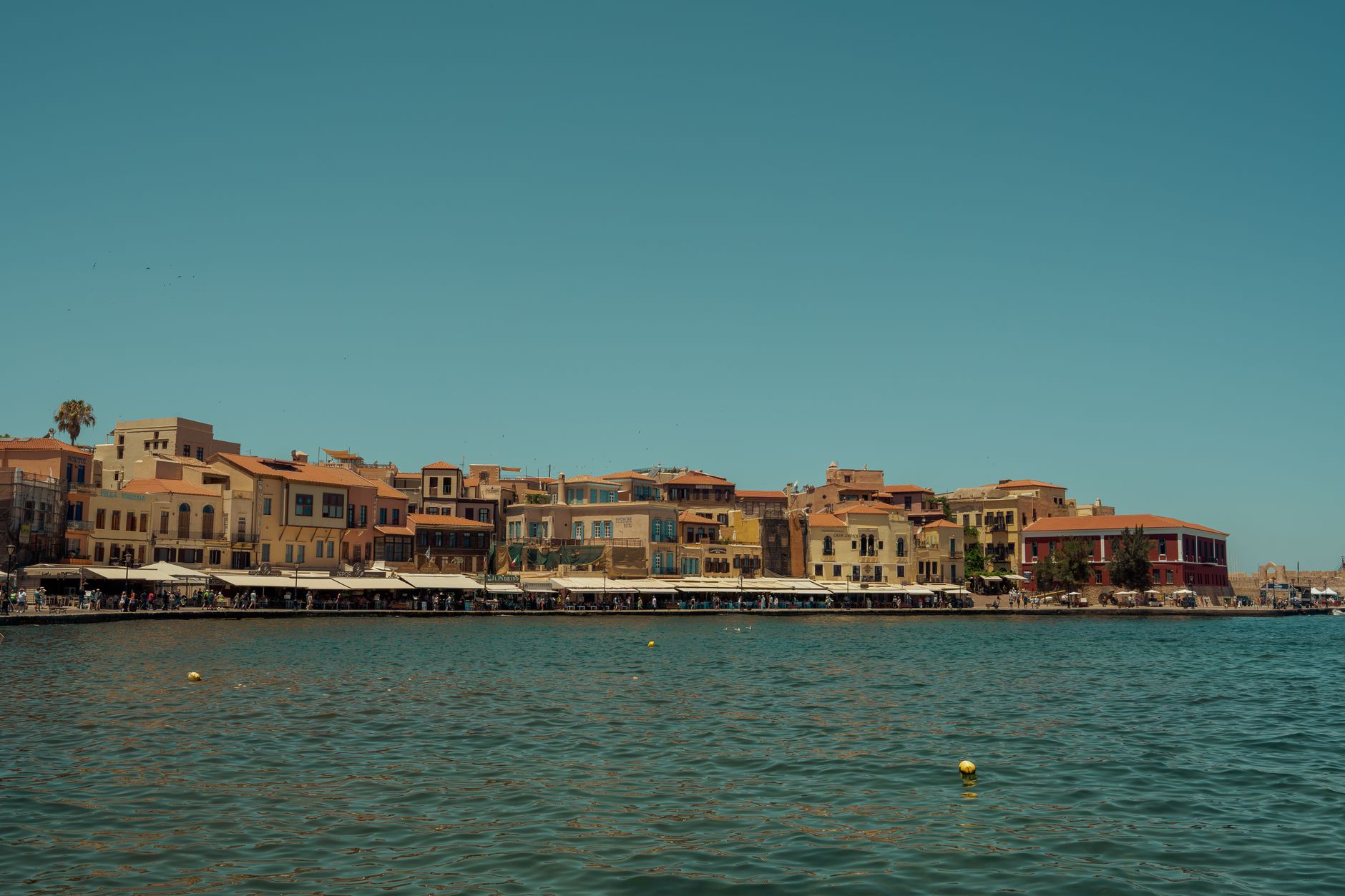
Expect a compact coastal town where the harbour shapes most first impressions: morning fishing boats, waterfront cafés and layers of Venetian and Ottoman architecture. Pace swings between slow mornings at the market and noisy high-season evenings on the waterfront; crowds concentrate at the Old Venetian Harbour and the main pedestrian streets, while neighbourhoods a few blocks inland feel calmer.
This place suits people who want short walks, seafood dinners and one or two coastal day trips rather than long inland hikes. Many visitors assume car hire is essential; it helps for remote beaches, but a careful three-day plan using KTEL buses and a single organised boat trip covers the main sights without renting a car.
Is 3 days in Chania enough?
Yes, three days gives a solid feel for the Old Venetian Harbour, the municipal market, a main museum and one nearby beach or lagoon. The honest caveat: there isn't time for both Balos and Samaria Gorge unless long day trips or extra transport are added.
Who This Guide Is For
Best for travellers who prefer a mix of walkable city sightseeing, seafood and one or two coastal excursions; less suitable for those who want to hike Samaria or see much of western Crete without extra days.
Local Tips for Chania
Practical details that most travel sites skip — specific to Chania.
- Catch the blue shuttle bus from Chania International Airport (CHQ) to Chania central bus station; a one-way ticket costs around €3–€4 and runs on arrival/departure schedules.
- Buy intercity KTEL tickets at the main KTEL Chania bus station (KTEL Chania) for trips to Kissamos (Balos) and Rethymno — buses to Kissamos take about 1h30 and cost roughly €7–€10.
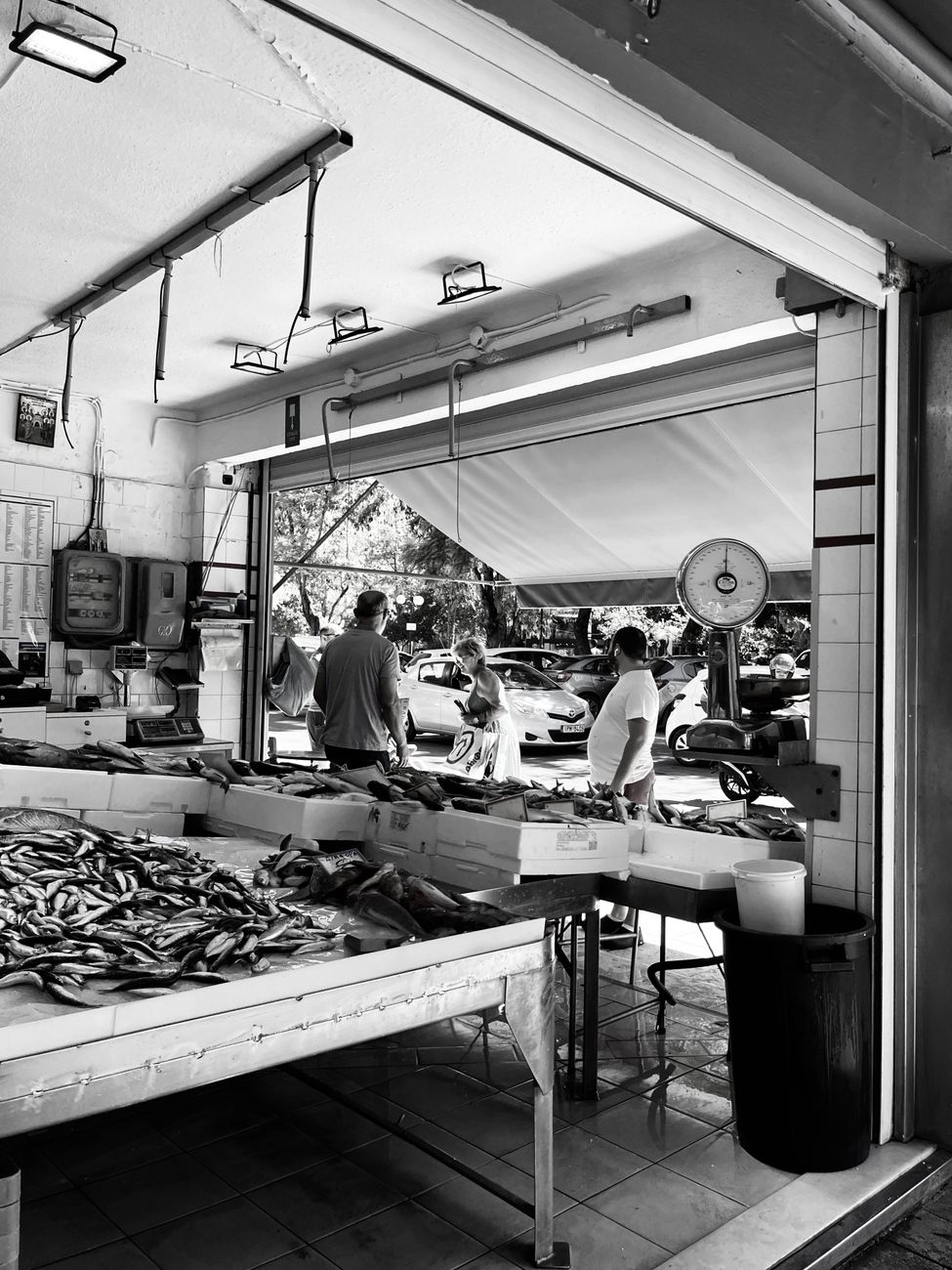
- The Municipal Market (Agora) on Skoufon / Chalidon area is busiest 09:00–13:00; many shops close two hours after siesta in summer, so buy fresh produce in the morning.
- The Nautical Museum of Crete is inside Firkas Fortress at the harbour entrance and often charges around €3; check opening hours because winter times shrink.
- Nea Chora beach is a five- to ten-minute walk west along Akti Kountourioti from the harbour and has boardwalk seafood tavernas where grilled fish plates run €12–€18.
How This Guide Was Prepared
Three days in Chania reward people who accept a compact visit: the old harbour, a market day and a quick beach or lagoon trip. Most guides overpromise full-island coverage; this plan keeps the pace local and honest, showing how to use local buses and short boat rides to make each day feel complete without a rental car. This guide was prepared through a structured research that combines destination research, geographic context, itinerary planning logic, and content review.
Plan Your Stay in Chania
Use this itinerary as your starting point, then compare areas to stay, transport options, seasonal timing, and realistic daily costs before booking.
Why Visit
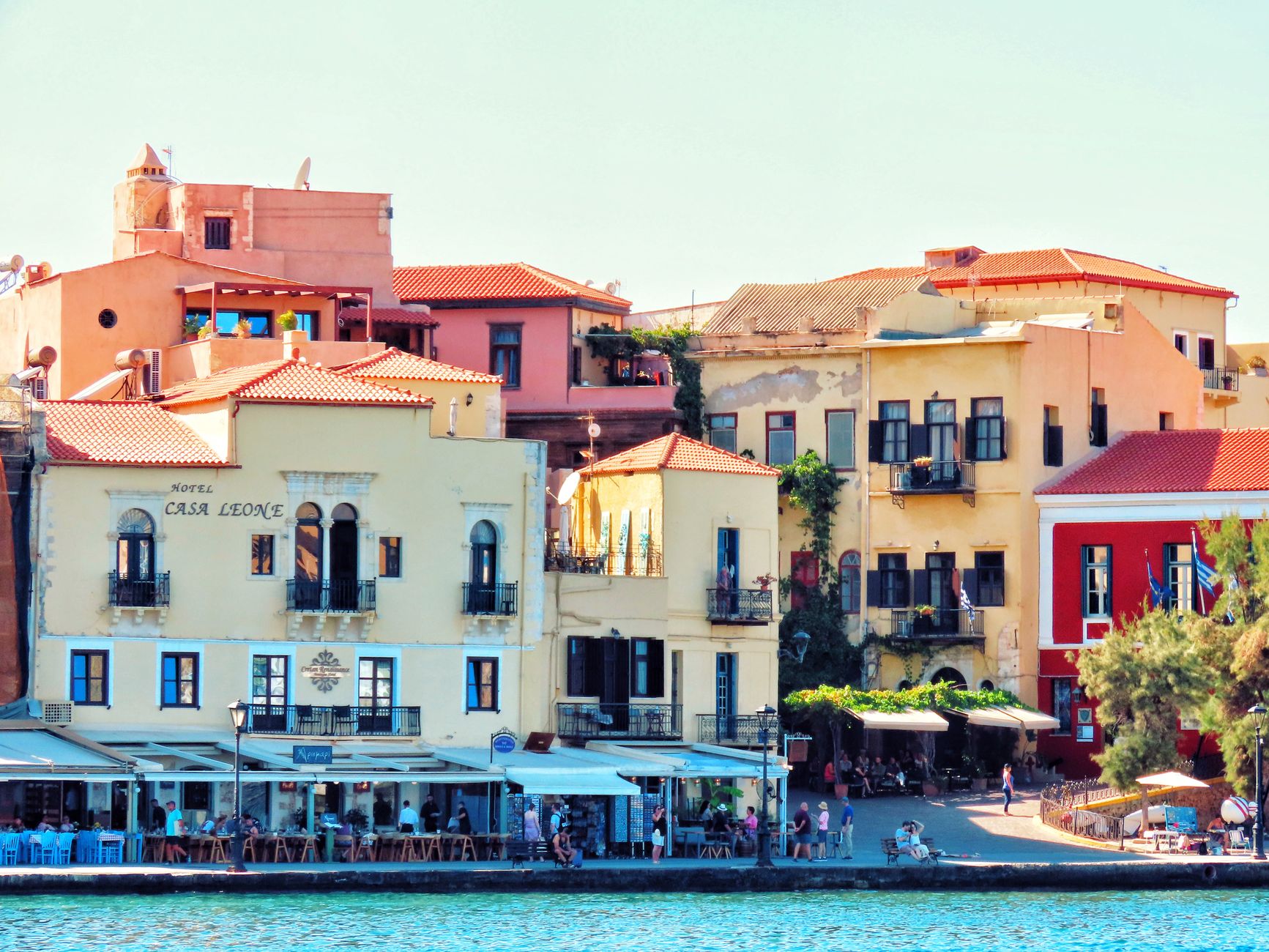
The Old Venetian Harbour and Firkas Fortress offer dense, walkable history concentrated along a single waterfront, so a short stay yields plenty of sights in close proximity. The Municipal Market gives an accurate taste of local food culture: goat cheese (mizithra), local olive oil and Cretan herbs to sample and buy.
The coastal choices are unusually accessible: Nea Chora beach is a five-minute walk from the harbour and Balos lagoon is a day trip reachable by KTEL to Kissamos or by organised boat from the port. Maritime history is well represented at the Nautical Museum of Crete, which sits at the harbour’s tip and explains local naval connections without requiring a long museum day.
Logistics benefit short visits: Chania International Airport is under 20 km away and KTEL intercity buses link directly to Rethymno and Kissamos, so a three-day plan can include one coastal excursion without long transfers.
Quick Planning Tips
Arrive via Chania International Airport (CHQ); the airport bus to the central bus station is the cheapest option at about €3–€4 and drops close to the Old Venetian Harbour. Taxis from the airport to the harbour generally run €25–€35 depending on time and luggage.
Carry euros for market stalls and small tavernas; many places accept cards but smaller producers or seaside kiosks prefer cash. Avoid planning both Balos and Samaria in a compact three-day schedule — Balos or a closer beach is a realistic single coastal addition.
Book an organised Balos boat or a KTEL seat to Kissamos for the lagoon day: space fills in July–August. Check museum opening hours before arrival; many close one weekday or shorten winter hours.

Day 1
Morning: Start at the Old Venetian Harbour and walk the seawall to Firkas Fortress and the Nautical Museum of Crete (allow 1.5–2 hours to take photos and visit the small museum). The fortress sits at the harbour mouth and is a good orientation point.
Late morning: Head to the Municipal Market (Agora) and the covered stalls nearby for olives, mizithra and a coffee; expect a ten-minute walk from the harbour. Market browsing and a light tasting stop take 1–1.5 hours.
Lunch: Eat at a seafood taverna on Akti Kountourioti or at a recommended spot in Nea Chora — grilled fish plates run €12–€18. From the market to Nea Chora is a flat 10–15 minute walk along the waterfront.
Afternoon: Walk through Topanas and along Splantzia square — check the Ottoman-era churches and the narrow alleys off the harbour (allow 1–2 hours). Pop into the Archaeological Museum of Chania for Bronze Age and Roman collections (plan 45–60 minutes).
Evening: Return to the harbour for sunset and dinner; book a waterfront table if visiting in July–August to avoid long waits. End the night with a short stroll along the lit seawall.
Day 2
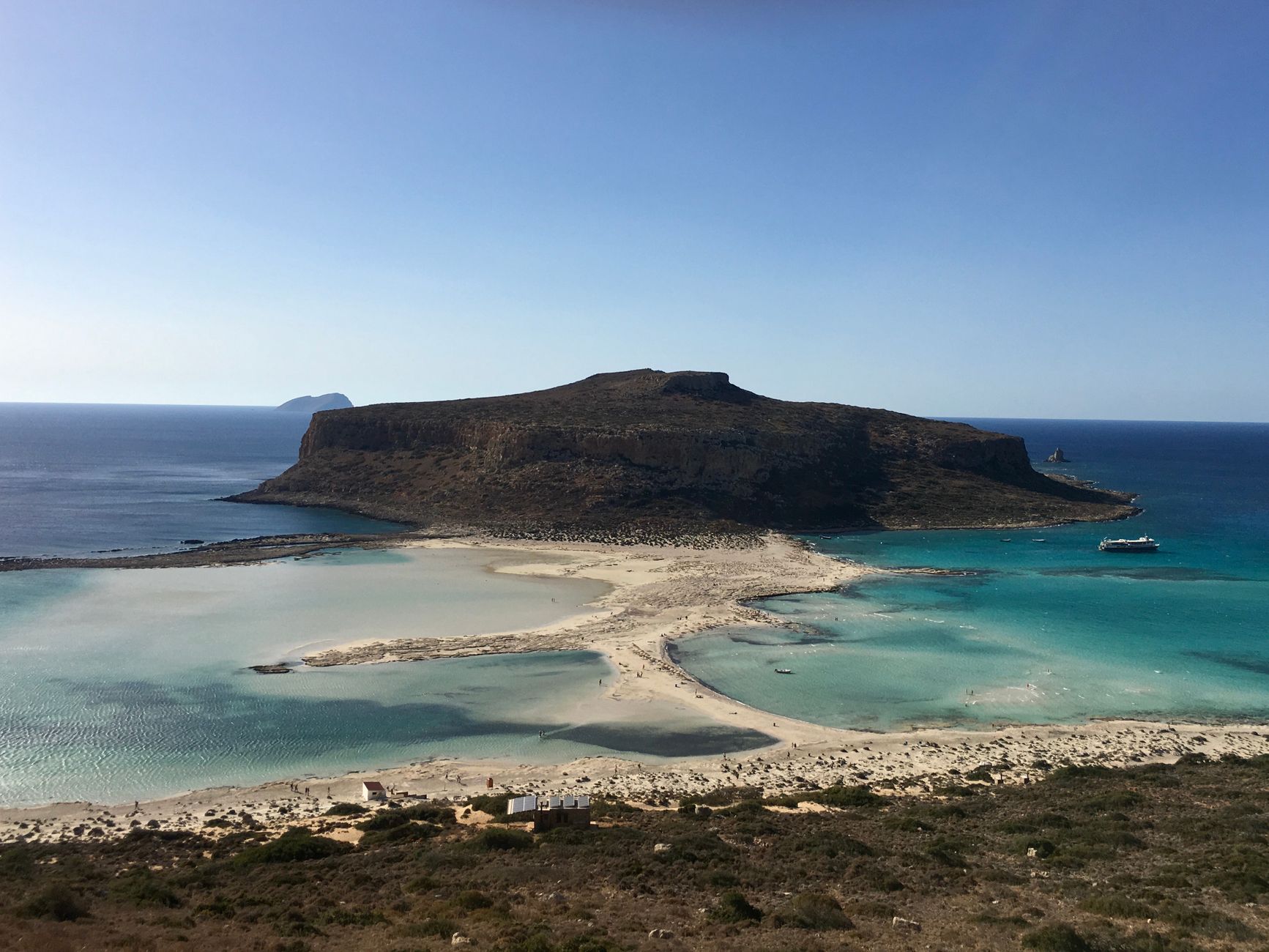
Morning: Take a KTEL bus from the central station to Kissamos for Balos lagoon (bus 122 or seasonal service — check KTEL Chania schedule); travel time about 1h30. Alternatively, book a morning boat from Kissamos port; the boat drops passengers near the lagoon and Gramvousa island.
Late morning into afternoon: Spend time at Balos — expect shallow turquoise water and sand bars. Bring water and sun protection; facilities are minimal. Return by late afternoon to Kissamos and catch the bus back to Chania, arriving in 1.5–2 hours depending on traffic.
Lunch: Pack provisions from the Municipal Market or eat at Kissamos taverna on the harbour; grilled local fish or stuffed calamari are common and cost €10–€16.
Evening: Back in town, explore Koum Kapi for a quieter seafood experience away from the main harbour; Koum Kapi has seaside tavernas popular with locals and a more relaxed late-evening atmosphere.
Day 3
Morning: Begin with a relaxed breakfast near Splantzia, then walk to the Maritime Museum of Crete at Firkas if missed on day one, or visit the Folklore Museum on Halidon Street for local ceramics and costumes (morning visit 1–1.5 hours).
Midday: Take a short bus or taxi to Nea Chora beach for swimming and a beachside lunch; the walk from the harbour takes 10–15 minutes. If checking out of accommodation, store luggage at the main KTEL station or use hotel luggage hold before noon.
Afternoon option for departure-day travellers: If the flight or ferry is in the afternoon, keep activities within 20–30 minutes of the central bus station—Stivanadika and the Jewish Quarter views are a short walk and won’t risk missing transport. For an afternoon flight from CHQ, allow 60–90 minutes buffer for transfer and security.
Evening: For later departures or an extra night, finish with a sunset drink on the harbour breakwater and a final seafood meal in Topanas or Halepa.
Best Local Experiences
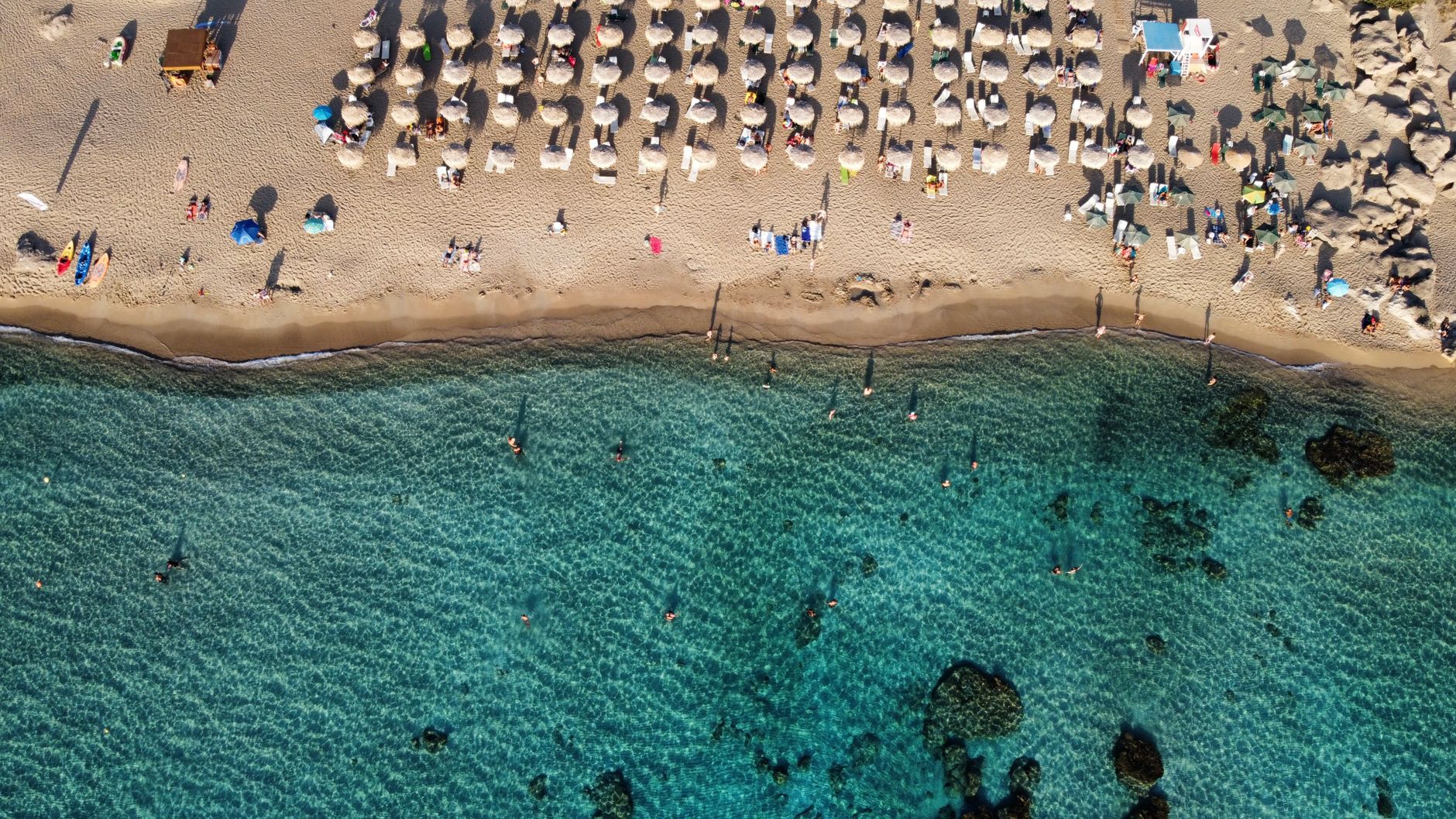
Morning market run at the Municipal Market (Agora) for olives, mizithra and local herbs — market stalls are concentrated between Chalidon and Skoufon. A short boat trip to Balos Lagoon from Kissamos or an organised tour from Souda gives the classic Cretan lagoon view.
An evening seafood dinner in Koum Kapi away from the main harbour crowds showcases local family-run tavernas. A walk through Splantzia square and the surrounding Ottoman-era lanes reveals small kafeneia and bakeries selling sfakianopita.
A boat trip or short drive to Souda Bay for naval history and, seasonally, ferry connections. Visit Halepa to see late 19th-century mansions and Eleftherios Venizelos’s old neighbourhood for a quieter architectural walk.
Where to Stay
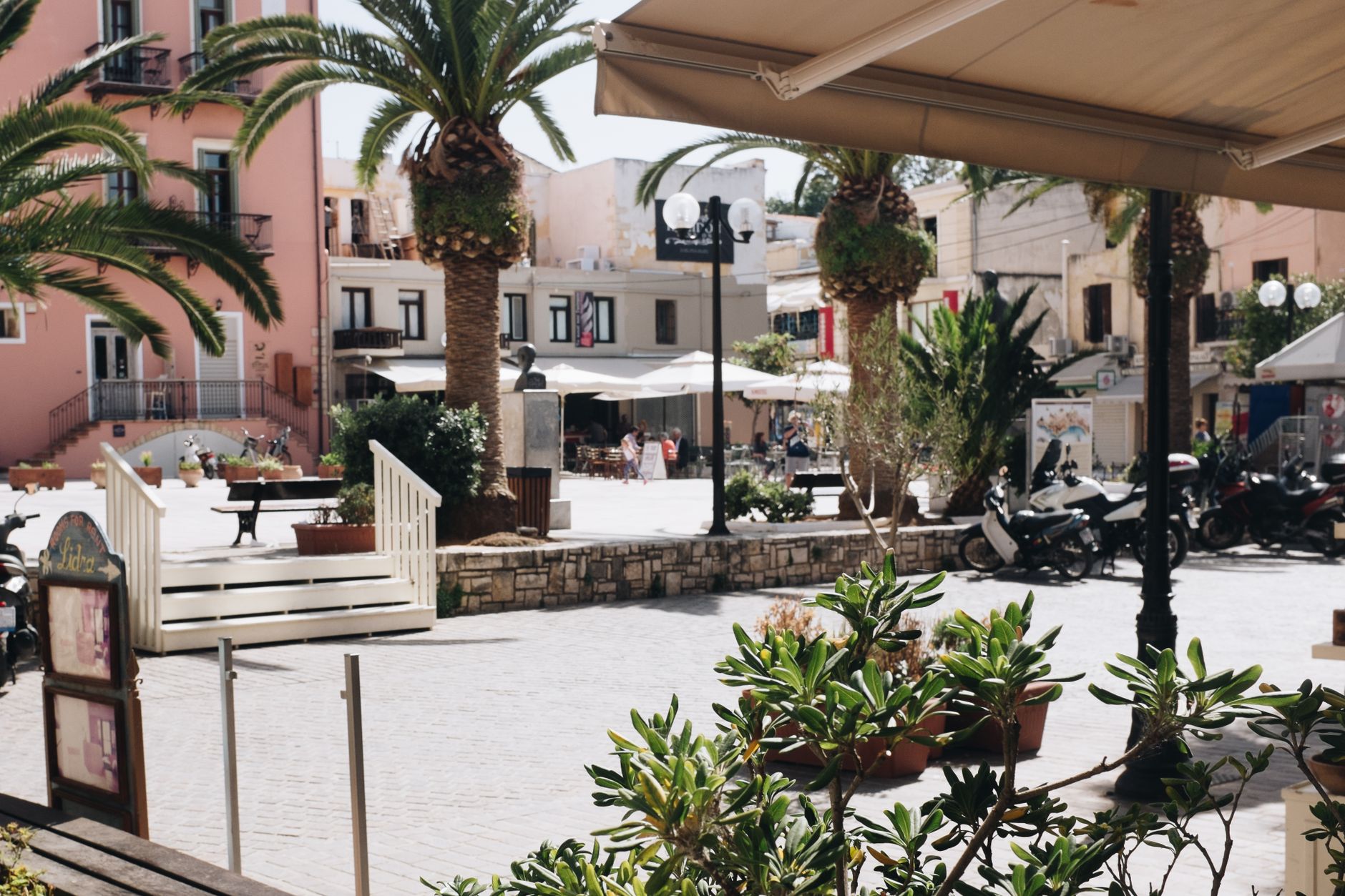
Old Town / Harbour area: Suits visitors who want immediate access to museums, restaurants and waterfront views. Expect €70–€150 per night in summer (≈€70–€150 / $75–$160). Rooms here are compact; nightlife and crowds run late in peak months.
Nea Chora / Seafront: Suits beach-first visitors and families who want a short walk to the harbour and quiet after dinner. Expect €50–€100 per night year-round (≈€50–€105 / $55–$110). Short walking distance to Nea Chora beach and seafood tavernas.
Halepa / Upper Town: Suits people who prefer quieter streets, period houses and a local neighbourhood feel while still being a 10–20 minute walk from the harbour. Expect €60–€120 per night (≈€60–€125 / $65–$135). This area is good for longer stays or travellers wanting a calmer base.
Food and Drink
Dakos: A barley rusk topped with grated tomato, olive oil and mizithra or feta — find excellent versions at local tavernas near the harbour for €4–€7 as a starter.
Sfakianopita: A thin pancake filled with mizithra and drizzled with honey, typical of Sfakia region and commonly sold at bakeries in Splantzia; price around €1.50–€3.
Grilled fish and seafood: Locally caught options (sea bream, octopus, grilled sardines) are available on Akti Kountourioti and Koum Kapi; expect €12–€22 per main plate.
Raki (tsikoudia): Strong pomace brandy served after meals in tavernas; small pours are usually complimentary at family-run places or cost about €1–€2 when ordered.
Street food / casual: Souvlaki or gyro stands in the city centre provide quick lunches for €2.50–€5. For a local breakfast try koulouri (sesame bread ring) with coffee for under €3 at bakeries near the market.
Getting Around
Public transport in and from town is dominated by KTEL intercity buses; the main hub is the KTEL Chania bus station adjacent to the centre. Buses run to Kissamos (for Balos), Rethymno and Heraklion — Kissamos takes about 1h30 and costs roughly €7–€10.
Within town many places are walkable; short taxi trips are common and taxis can be flagged or booked by phone. Airport transfers by bus cost about €3–€4; expect taxi fares CHQ to harbour around €25–€35.
There is no metro or tram. Buy single-ride KTEL tickets at the station or from the bus driver; approximate single-ride urban prices are €1.20–€1.80 depending on route, and intercity fares vary by distance. Use the KTEL Chania website, the pan-Hellenic KTEL app and Moovit or Google Maps for schedules and platform information.
Best Time to Visit
May–June and September–October: best balance of warm sea temperatures (20–25°C / 68–77°F), fewer cruise crowds and still full services for boat trips. July–August: busiest, hot days (28–33°C / 82–92°F) and packed beaches; prices peak and booking ahead is essential.
Winter (November–March) is quiet with cooler, rainy weather (8–15°C / 46–59°F) and many small businesses closing or reducing hours; good for low-cost stays but limited beach options. April and October offer shoulder-season value and open museums with shorter queues.
Budget and Practical Tips
Daily budget estimates per person (moderate): Accommodation €60–€120 (≈$65–$130), food €25–€40 (≈$27–$44), local transport €5–€10 (≈$5–$11), entry fees €8–€20 (museums and small attractions). A realistic three-day low-to-moderate total: €160–€300 per person excluding flights.
If on a tighter budget, use KTEL buses, buy market produce and choose simple tavernas where main plates cost €8–€12. Tipping is appreciated but not compulsory: leave 5–10% in restaurants if service was good; small change for cafe tables is normal.
Carry small-denomination euros for market purchases and rural buses; credit cards cover most restaurants and hotels but less-common vendors will ask for cash. Confirm museum prices before entering; some sites give reduced rates for EU students or seniors.
FAQ
Is Chania safe for solo travellers?
Yes; the central areas are generally safe by daytime and into the evening. Standard precautions against pickpocketing in crowded harbour areas and markets are advised.
How do I get from Chania Airport (CHQ) to the harbour?
Use the airport shuttle bus to the central KTEL station for about €3–€4 or take a taxi for roughly €25–€35 depending on luggage and time.
Is a car necessary for three days?
No. A car helps for remote western beaches, but using the KTEL to Kissamos or an organised boat covers Balos and keeps the itinerary compact without a rental.
Are there ferry connections from Souda port to nearby islands?
Some seasonal ferries and excursion boats operate from Souda; schedules are limited in shoulder months so check Souda Port Authority or local operators before planning.
Is a city card or tourist pass worth buying?
No widely used city card exists for three-day visitors; buying single museum tickets and paying KTEL fares is usually more flexible and cheaper for short stays.
What are the typical museum entry costs?
Expect about €6–€8 for the Archaeological Museum of Chania and around €3 for the Nautical Museum of Crete, though summer and winter rates can vary.
Can Balos be visited without a boat?
Yes: take KTEL to Kissamos and then the local road to the Balos parking/viewpoint with a short walk; the road is rough and the beach is still a 20–30 minute walk from the main parking area.
Is it easy to day-trip to Rethymno or Agios Nikolaos?
Rethymno is an easy intercity bus ride of about 1–1.5 hours by KTEL. Agios Nikolaos and eastern Crete require longer travel and are better as overnight trips.
Conclusion
A focused three-day stay produces a strong sense of place: the Old Venetian Harbour, a lively market morning, a seafood dinner and one coastal excursion. The most memorable things tend to be the harbour atmosphere at sunset and the taste of specific Cretan dishes like dakos and fresh grilled fish.
If time runs short, prioritise the harbour walk, the Municipal Market and a nearby beach such as Nea Chora; these capture the town’s feel without risky long transfers or costly day trips. With that sequence, three days will feel purposeful and complete.
How this guide was prepared
This guide was prepared through a structured research that combines destination research, geographic context, itinerary planning logic, and content review.