
Three Full Days in Utrecht: Practical 72-Hour Itinerary
A candid, practical 3-day Utrecht guide with timed visits, transit tips (Uithoflijn tram 22, OV-chipkaart), entry fees, and realistic daily costs.
A no-nonsense 72-hour plan for Utrecht that prioritizes walking the wharf cellars, a Domtoren climb, a Science Park tram ride, and honest costs so a weekend actually fits.
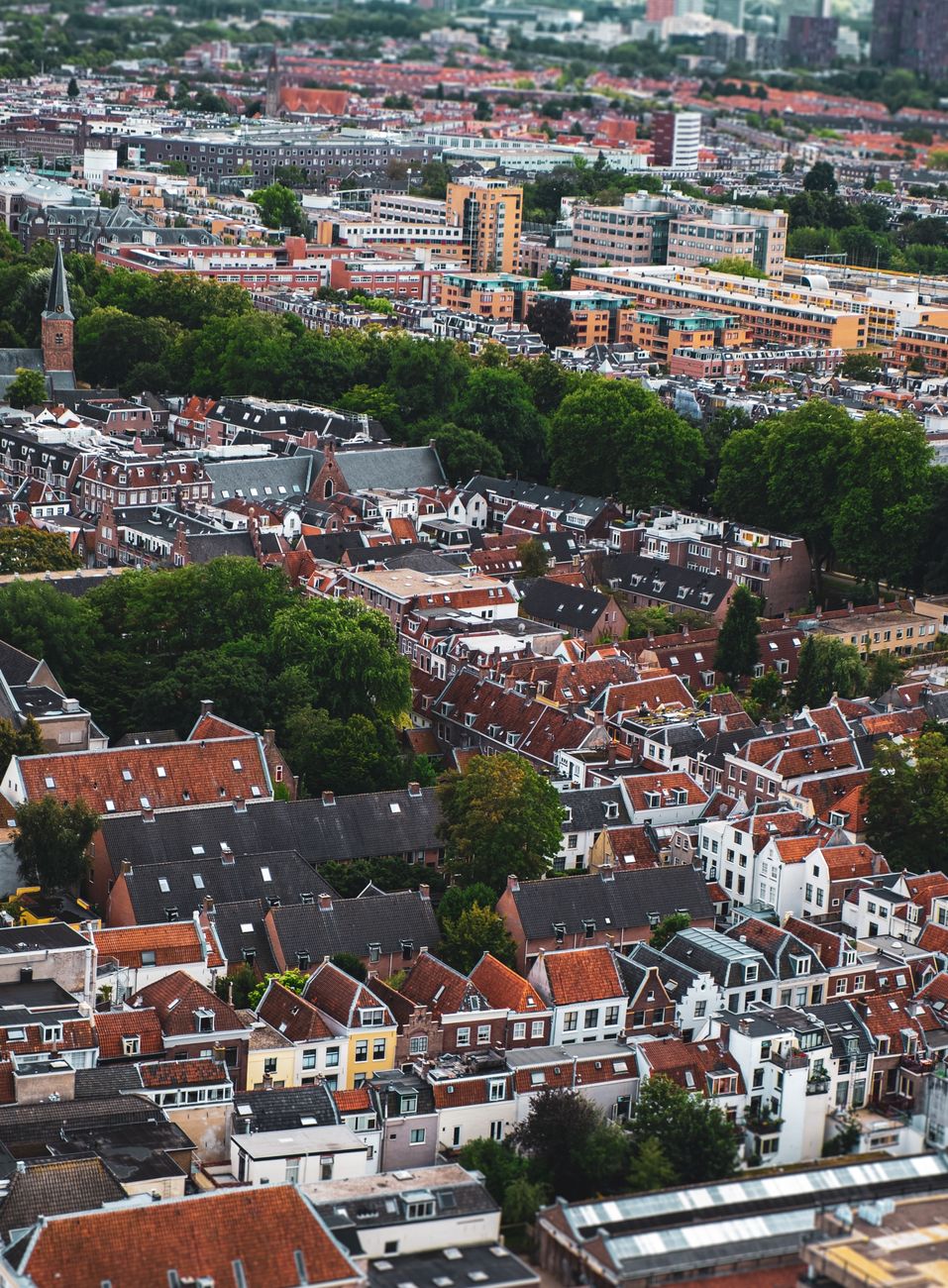
A visitor first notices the long, stepped wharf cellars that run alongside the Oudegracht and how shops and cafés sit on two levels; that immediately sets the city's rhythm. Streets radiate from the Domplein and Utrecht Centraal feels like a genuine transport hub rather than a single tourist centre, so moving between neighbourhoods is fast. Expect a mixture of university energy around the Science Park, quiet residential canals in Neude and student bars near Ledig Erf. Many outside guides treat this as 'just another canal city' and ignore the specific transit links (tram 22) and market days that shape a practical three-day plan.
Is 3 days in Utrecht enough?
Yes — three full days are enough to see the core: Domtoren, Centraal Museum, Museum Speelklok, a canal wharf walk and the Utrecht Science Park area. Caveat: deeper museum hops or a relaxed day trip to nearby towns will need extra time or a fourth day.
Who This Guide Is For
Best for walkers who like compact cities, canal-side cafés, and museums; suitable for short culture trips and families. Less suitable for travelers wanting a late-night club scene or someone who prefers to move at a very slow pace.
Local Tips for Utrecht
Practical details that most travel sites skip — specific to Utrecht.
- From Schiphol take an NS Intercity to Utrecht Centraal: 26–30 minutes and one-way costs about €7–9 when paid with contactless or OV-chipkaart.
- Tram 22, the Uithoflijn, runs from Utrecht Centraal to Utrecht Science Park/De Uithof every 7–10 minutes; use it to reach the Universiteitsmuseum, Botanische Tuinen and Rietveld Schröderhuis.
- Domtoren timed climbs are ticketed (about €13 online) with fixed start times; book a morning slot to avoid crowds and allow afternoon flexibility.
- Vredenburgmarkt (Vredenburg square) hosts the main city market on Wednesdays and a larger market on Saturdays; come early (about 09:00) for the full produce and cheese selection.
- Use the OV-chipkaart or contactless bank card for buses and trams; install 9292 or NS Reisplanner Xtra for accurate departures and platform changes at Utrecht Centraal.
How This Guide Was Prepared
Utrecht rewards slow, route-focused visits: three days lets a traveler move beyond quick photos on the Oudegracht and actually feel how the canals, university precinct and neighbourhood markets connect. Many guides flatten the city into a single 'canal' experience and skip practical details like timed Domtoren slots, tram 22 connections to the Science Park, and the weekday market rhythm that changes museum opening hours. This guide was prepared through a structured research that combines destination research, geographic context, itinerary planning logic, and content review.
Plan Your Stay in Utrecht
Use this itinerary as your starting point, then compare areas to stay, transport options, seasonal timing, and realistic daily costs before booking.
Why Visit
There is a concentrated collection of museums within walkable distance: Centraal Museum, Museum Speelklok and the Rietveld Schröderhuis offer very different experiences within a short radius. The canal structure is unique because the wharf cellars are functional streets with cafés and businesses at water level, which makes walking along the water feel different from other Dutch cities. Transit connections make short excursions easy: a quick NS train ride reaches Amersfoort or Amsterdam, and tram 22 connects central stations to university gardens and modern architecture at the Science Park. Markets and neighbourhoods such as Lombok and Twijnstraat provide a real-life shopping and eating scene rather than a tourist-only strip.

Quick Planning Tips
Arrive by train to Utrecht Centraal whenever possible; it is faster and drops travellers directly into the centre. From Schiphol, an NS Intercity is the simplest option (about 30 minutes) and typically cheaper than taxis; a taxi can cost €75–95 and takes 40–50 minutes depending on traffic. Use an OV-chipkaart or contactless bank card for trams and buses — anonymous cards are available at machines in the station but loading requires a debit/credit card. One planning mistake to avoid is buying open-ended museum tickets on-site: Domtoren and Rietveld Schröderhuis use timed-entry tickets that sell out on weekends.

Day 1
Start at Domplein and climb the Domtoren in the morning (book a timed slot; climb about 465 steps, allow 1–1.5 hours). From there walk 3 minutes to the Oudegracht; descend to the wharf cellars and stroll east along the canal for cafés and canal-level terraces. Continue 10–12 minutes on foot to Museum Speelklok, where self-guided or small guided tours play mechanical instruments; allocate 1–1.5 hours and expect entry around €12–14. Lunch recommendation: try Broodje Mario or a wharf-level café on the Oudegracht for a sandwich or kroket (expect €8–13). After lunch walk 10 minutes to Centraal Museum to see local art and the Miffy collection; plan 1.5–2 hours and a ticket around €13–16. Late afternoon cross to Ledig Erf for a coffee and, if interested, a canal boat tour departing near Achter Clarenburg (45–75 minutes, €12–18). For dinner head to Neude square for restaurants and terrace dining along Lange Jansstraat. Evening recommendation: check the program at TivoliVredenburg for midweek concerts or weekend shows; the venue is a short 7–10 minute walk from Neude.

Day 2
Dedicate this day to neighbourhoods and the Science Park. Morning: take tram 22 (Uithoflijn) from Utrecht Centraal to the Universiteitsmuseum stop (about 12 minutes). Visit Universiteitsmuseum and the adjacent Botanische Tuinen Utrecht (allow 1.5–2 hours total). Walk or tram one stop to the Rietveld Schröderhuis (timed tickets required; guided visits last about 40 minutes). Return by tram 22 to Lombok district around Kanaalstraat for a late lunch; Kanaalstraat and the shops on Kanaalweg offer Indonesian, Surinamese and Turkish groceries and cheap eateries where rijsttafel plates or rijsttafel-style meals cost €10–18. Afternoon: explore Twijnstraat and the smaller independent shops heading back toward the centre (about 10–15 minutes on foot from Lombok). Stop at Vredenburg square to sample the market (if it’s a market day) and then head to the Spoorwegmuseum near the station for interactive exhibits (20 minutes by tram or a 20–25 minute walk; entry €17–19). Evening: have dinner near the station or try Biltstraat or Voorstraat for local bistros, then a relaxed canal-side walk to see the cellars lit after dark.

Day 3
Keep the last day flexible for either a slower neighbourhood day or a short excursion. Morning option for a relaxed start: breakfast on Twijnstraat or at a café on Nobelstraat, then a slow walk through the Wilhelminapark (15–20 minutes from the centre) and a visit to smaller galleries near Voorstraat. If checking out midday and catching an afternoon train or flight, store luggage at Utrecht Centraal lockers (short-term rates vary €4–6) and schedule museum visits in the morning: Centraal Museum or a return to Museum Speelklok for a final listen. Afternoon option for a short trip: take a 16–20 minute intercity to Amersfoort for medieval streets and Mondriaan exhibitions, or 25–30 minutes to Amsterdam if plan changes dictate. For a final meal, pick a wharf cellar restaurant near the Domplein or a canal-side terrace on the Oudegracht to avoid rushed travel to the station. Practical note: allow 30–40 minutes to reach Utrecht Centraal from most central spots and 26–30 minutes from Schiphol by train if catching an evening flight.

Best Local Experiences
Canal wharf cellar cafés along the Oudegracht offer a two-level street experience that is uniquely practical for people-watching and quick canal access. Attend a market morning at Vredenburgmarkt (Wednesdays and Saturdays) for cheese, fish stalls and seasonal produce. Ride tram 22 to the Science Park to see modern university architecture, the Universiteitsmuseum and the botanical gardens in one route. Take an evening concert at TivoliVredenburg for a modern venue with varied programming that regularly features Dutch acts. Book a small sloop or shared canal cruise from Achter Clarenburg or near Ledig Erf to learn canal history and see the wharves from the water. Explore Kanaalstraat in Lombok for Indonesian groceries and rijsttafel restaurants, and browse Twijnstraat for independent Dutch design shops.

Where to Stay
Binnenstad / City Centre: best for first-time visitors who want minutes from Domtoren, Oudegracht and TivoliVredenburg; expect mid-range hotels or private apartments from about €110–€180 per night (EUR ~€110–180 / USD ~€120–200 depending on season). Utrecht Noord or Lombok: suits travellers who want more local life, cheaper eateries, and quick tram or bike access to the centre; guesthouses and small hotels tend to run €80–€130 per night (EUR ~€80–130 / USD ~€85–140). Utrecht Science Park / De Uithof: good for university visitors or those attending congresses; modern hotels and university guest rooms are available from €90–€150 per night (EUR ~€90–150 / USD ~€95–165), and tram 22 links directly to the station. For budget travellers, check P+R areas or hostels near Centraal station and remember that staying slightly outside the inner ring usually saves €20–50 per night while remaining 10–15 minutes by tram or bike from the centre.
Food and Drink
Breakfast option: 'broodje' with coffee at a café on Twijnstraat or Neude costs around €6–10; for a lighter Dutch breakfast look for ontbijtbroodjes and filter coffee. Street food: stroopwafel fresh from a market stall at Vredenburg costs roughly €2–3; regular markets also sell poffertjes (small pancakes) for €3–5 per portion. Snack/Classic Dutch: bitterballen served in pubs near Ledig Erf or Neude, typically €6–9 for a plate. Dinner recommendation: try a rijsttafel in Lombok on Kanaalstraat for shared dishes (expect €18–30 per person for a modest rijsttafel) or a canal-side wharf restaurant on the Oudegracht for a €20–35 main course. Local drink: 'Jopen' or regional craft beers from nearby breweries are widely available in bars around the station and TivoliVredenburg; pints cost about €4.50–6. For dessert, try local Dutch apple pie (appeltaart) at a city-centre café for €3.50–5.
Getting Around
Main modes: NS Intercity and Sprinter trains, U-OV trams (notably tram 22), and U-OV buses. Single tram or bus rides using OV-chipkaart or contactless bank card within the city typically cost about €3–3.50 per journey; day passes sold by some operators range roughly €7–9 depending on the provider. For longer regional trips use NS tickets or contactless payment; check the NS app or NS Reisplanner Xtra for realtime departures. For planning door-to-door journeys, use 9292.nl or the 9292 app. Taxi from Schiphol to central Utrecht is about €75–95 and takes 40–50 minutes; a taxi within the city centre for a short ride is often €10–€20 depending on time of day. Consider renting a bike for short distances; expect €8–15 per day from local rental shops.
Best Time to Visit
Spring (April–May): temperatures usually range 8–18°C and offer the best balance of mild weather and smaller crowds outside school holidays. Summer (June–August): warmer, 17–25°C, busiest time and higher accommodation prices — expect more tourists and booked timed-entry museum slots. Autumn (September–October): 10–18°C with fewer visitors and lower hotel rates; good for market photography and weekday quiet. Winter (November–March): colder, 0–7°C, museums and cafés offer refuge and prices are lowest, but expect short daylight hours and more closures on holidays. Best value months are late March–April and September when hotel prices drop but transit and attractions remain fully operational.
Budget and Practical Tips
Sample daily budget (mid-range traveler): accommodation €110–€160 per night (EUR €110–160 / USD $120–175), food €30–€50 (three modest meals), transport €6–12 (two tram rides plus occasional train), entry fees €15–30 (one or two paid attractions). For a tighter budget, expect accommodation €60–€90 and daily food €20–€35. Tipping: service charges are not automatic; round up or leave 5–10% in restaurants for good service, and small change for café staff is common. Carry a debit or contactless card for most purchases; some smaller market stalls accept cash only. Bring comfortable shoes for cobbled streets and narrow cellar steps; many wharf cafés have stairs and limited accessibility.
FAQ
Is Utrecht safe for tourists? A: Yes—most visits are trouble-free; normal urban precautions apply (watch for pickpockets in crowded spots and keep valuables secure on canalside evenings).
How do I get from Schiphol to the city centre? A: Take an NS Intercity direct to Utrecht Centraal (about 26–30 minutes) or a taxi for €75–95 and 40–50 minutes depending on traffic.
Is a city card or pass worth buying? A: There is no single city pass that covers everything; timed-entry museum tickets and a day OV pass can make sense if planning multiple paid entries and public transport in one day—compare prices in advance.
Can everything be done on foot? A: The centre is very walkable but tram 22 and short bus rides save time to the Science Park and Lombok; expect 10–20 minute walks between most main sites.
Are museums open every day? A: Several museums close on Mondays or have limited hours; always check Centraal Museum, Rietveld Schröderhuis and Museum Speelklok opening times before visiting.
Where to buy boat tours or sloop rentals? A: Look for operators near Achter Clarenburg and Ledig Erf; small shared cruises are €12–18 while private sloop hires start higher depending on duration.
Conclusion
Three days allows a balanced mix: climbing the Domtoren, walking the wharf cellars, visiting two or three museums and riding tram 22 to the Science Park. The most memorable aspects are the wharf-level canal streets and the contrast between the historic centre and the university precinct. If time gets short, prioritize a Domtoren climb plus a canal wharf walk with one museum — together they capture the city's layout, local rhythm and why transit connections matter for efficient sightseeing.
How this guide was prepared
This guide was prepared through a structured research that combines destination research, geographic context, itinerary planning logic, and content review.