

3 Days in Calella: A Relaxed Costa Maresme Itinerary
Three-day Calella itinerary for beaches, coastal walks, local food and an easy day trip to Barcelona. Ideal for a relaxed weekend on the Costa Maresme.
A compact 3-day guide to Calella: beaches, old town charm, coastal walks and quick links to Barcelona and nearby resorts. Practical tips, where to eat and how to get around.
Calella is a classic Catalan coastal town on the Costa Maresme with long sandy beaches, a compact old town and an easygoing seaside vibe. It suits beach lovers, families and travelers who want a low-key base with good train links to Barcelona. Three days is ideal: one day to settle in and enjoy the main beach and promenade, one to explore local history, parks and coastal walks, and one for a relaxed day trip or extra beach time. The scale of the town makes it easy to see the highlights without rushing. You'll finish with a clear feel for the town, its food and the sea.
Why Visit
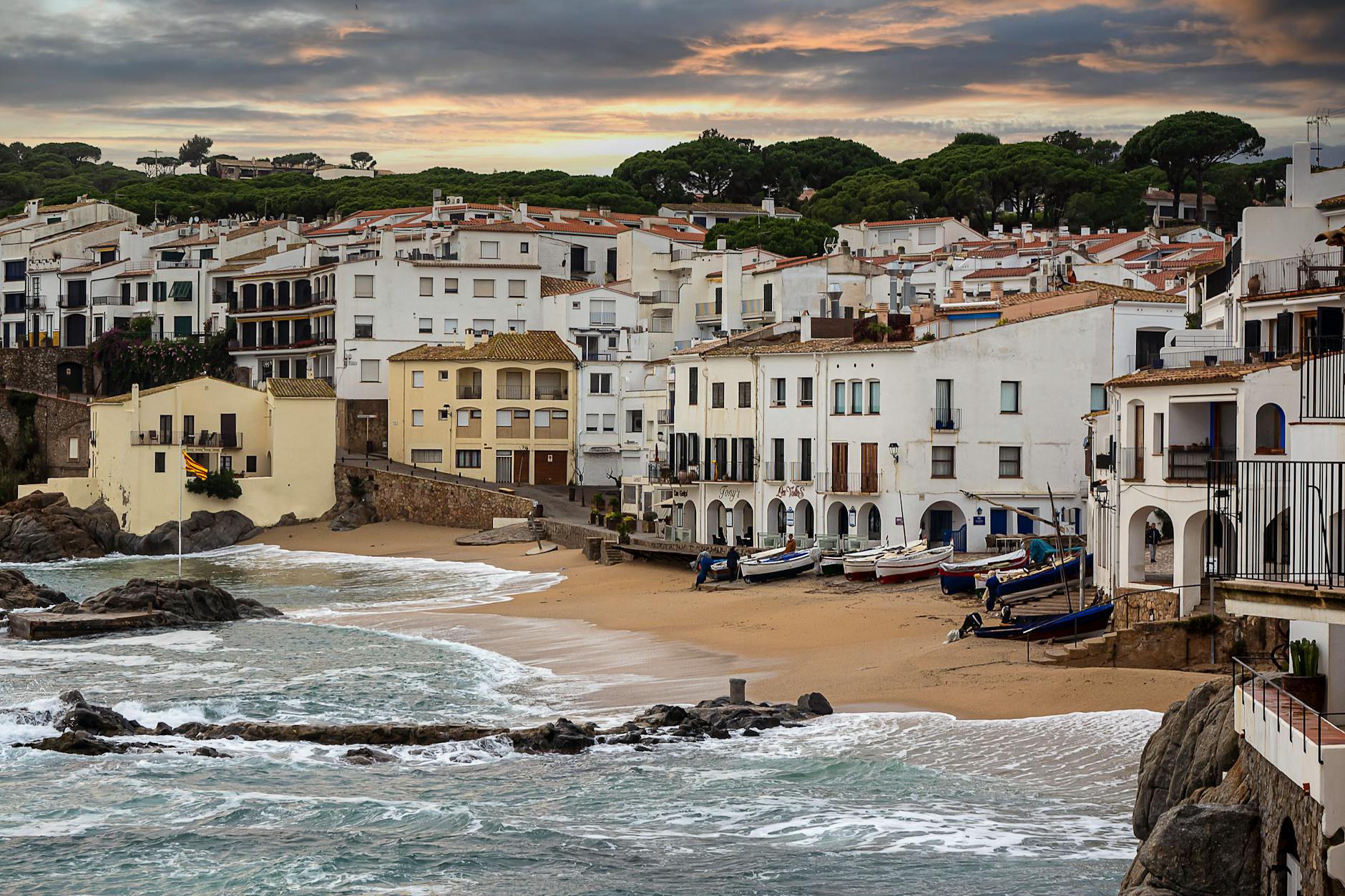
Long sandy shores and a lively seafront make this a simpler, less crowded alternative to the Costa Brava summer hotspots. The town blends family-friendly facilities with bar and restaurant choices along the promenade.
It's also a handy base for short excursions: regional trains connect to Barcelona and nearby coastal towns, so you can combine beach days with museums or nightlife without changing hotels.
Expect Catalan seafood, local bakeries and a relaxed pace — perfect if you want sunshine and seaside walks rather than a fast-city break.
Quick Planning Tips
Book seafront or old-town lodging early for summer weekends. Trains on the R1 line run frequently to Barcelona; buy a T-10/zone ticket if you plan multiple trips.
Pack sunscreen, a light jacket for sea breezes and walking shoes for the coastal path. Peak season is busy from June to August; late spring and September give warm weather with fewer crowds.
If you want to rent a car for excursions, reserve online in advance; otherwise the town is best explored on foot, by bike or by local bus.

Day 1
Morning: Start at Platja Gran for sun and a swim. Walk the seafront promenade to get your bearings and grab coffee at a beachfront cafe.
Lunch: Choose a seafood restaurant near the promenade for a paella or grilled fish.
Afternoon: Stroll through Parc Dalmau and the Old Town. Explore pedestrian streets, small shops and the local church area for photos and people-watching.
Evening: Walk out to the Calella Lighthouse for sunset views along the coast. Finish with tapas in a low-key tavern close to the shore.
Day 2
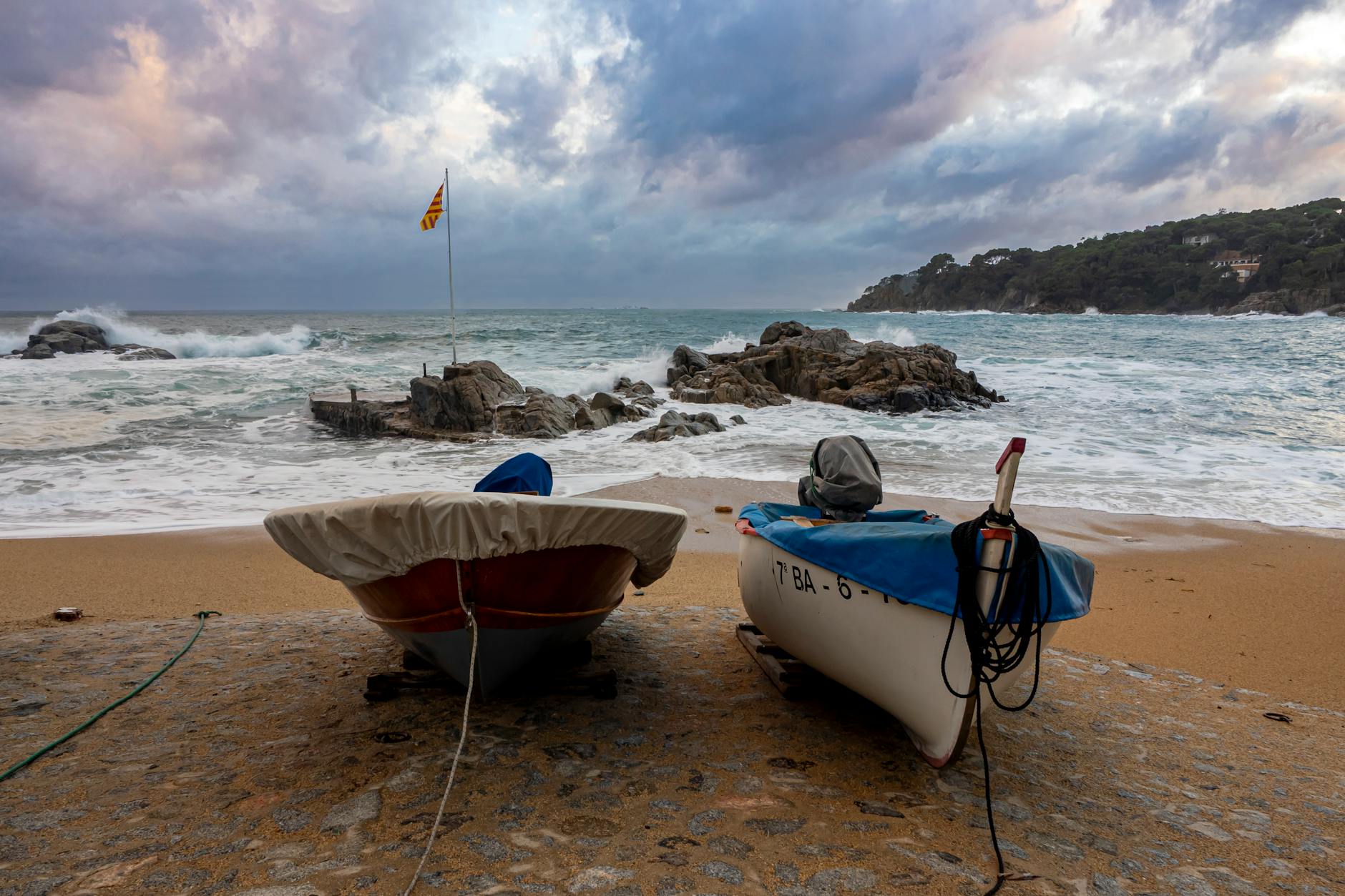
Morning: Follow a section of the GR-92 coastal path north toward nearby coves for a scenic walk. You can turn back or continue toward Malgrat de Mar for longer hikes.
Lunch: Picnic on a quieter cove or return to town for a seaside restaurant.
Afternoon: Visit local cultural spots—look for small museums or seasonal exhibitions advertised at the tourist office. Spend time in the shopping streets for local products and bakery treats.
Evening: Sample evening life on the promenade with a drink at a xiringuito (beach bar) or a traditional Catalan dinner.

Day 3
Option A: Day trip to Barcelona. Regional trains take roughly 1–1.5 hours; focus on a couple of highlights like the Gothic Quarter and a Gaudí site.
Option B: Explore nearby resorts—Lloret de Mar for lively beaches or Malgrat de Mar for a quieter seafront and small-town charm.
If you stay local: rent a bike, try paddleboarding, or relax on a quieter beach section. Finish with a late stroll through the Old Town and a final seafood dinner.

Best Local Experiences
Walk the seaside at sunrise and the coastal trail for dramatic Mediterranean views. Try a beachside xiringuito for casual seafood and local wines.
Join a local market morning to buy fresh fruit, cheeses and breads; look for markets near the train station or town center depending on the day of the week.
If visiting in summer, check the town’s festival calendar for live music and cultural events. For families, the wide sand and shallow waters make the main beach safe and easy.

Where to Stay
Seafront: Choose a hotel or apartment along the promenade for beach access and sunset views.
Old Town: Stay in the Barri Antic to be close to restaurants and evening atmosphere.
Near the station: Practical for day trips and trains to Barcelona. Many mid-range hotels and guesthouses cluster here.
Book early for summer; offseason deals can include breakfast and parking bundles.
Food and Drink
Seafood dominates: look for grilled fish, shellfish and paella menus. Try local tapas bars for small plates and Catalan dishes like suquet (fisherman’s stew).
Breakfast: small bakeries with ensaimadas and fresh coffee. Lunch: seaside restaurants and casual menus del día in town center.
Evening: tapas crawl along the promenade or in the Old Town. For a local touch, order a Catalan wine or a vermouth aperitif before dinner.
Getting Around
Walking is the best way to explore the town center and beaches. Short taxi rides cover late-night returns.
Trains: Rodalies R1 connects to Barcelona and nearby coastal towns; trains run regularly and are the simplest day-trip option.
Buses: local buses serve short routes; timetables are posted at the station. If you rent a car, remember parking is easier inland than directly on the seafront.
Best Time to Visit
Late spring (May–June) and early autumn (September) offer warm weather, fewer crowds and better value. July and August are busiest with peak beach activity.
Winter is quiet and cheaper but cooler; some seasonal businesses close. For festivals and a lively atmosphere choose high summer, and for relaxed strolls pick shoulder seasons.
Budget and Practical Tips
Currency: euro. Bring a small wallet of cash for markets; cards are widely accepted at restaurants and hotels.
Tipping: small tips for good service are appreciated but not mandatory. Emergency number: 112.
Language: Catalan and Spanish are spoken; basic English works in tourist places. Plug type: European two-pin outlets (Type C/E).
FAQ
How long does the train to Barcelona take?
Regional trains take roughly 1 to 1.5 hours depending on service; check the Rodalies R1 timetable for exact times.
Is the main beach family friendly?
Yes. Platja Gran has wide sand, gentle entry and lifeguards in peak season, making it suitable for families.
Can I do a day trip to Lloret de Mar or Malgrat de Mar?
Absolutely. Both towns are short train or bus rides away and make easy half- or full-day visits.
Are there good seafood options near the promenade?
Yes. The seafront and Old Town have many restaurants serving fresh fish, shellfish and paella.
Conclusion
Three days here gives a balanced mix of beach time, coastal walking and a taste of Catalan seaside life. Use the town as a calm base for a day in Barcelona or nearby resorts, and leave with relaxed rhythms and good meals. Pack comfortable shoes, leave room for seafood, and plan one morning for the coastal path—it's the best way to remember the sea.
How this guide was prepared
This guide was prepared through a structured research that combines destination research, geographic context, itinerary planning logic, and content review.