

3 Days in Sitges: A Perfect Coastal Itinerary
Spend 3 days in sun-drenched Sitges: beaches, Old Town charm, museums, nightlife and easy day trips from Barcelona. Practical itinerary and transit tips.
A compact three-day plan combining beaches, Cau Ferrat and Maricel museums, Aiguadolç marina, Garraf walks, and evening tapas—ideal for a Barcelona weekend escape.
Sitges is a compact, sunlit Catalan coastal town with golden beaches, a winding Old Town, lively bars, and a surprising arts scene. It suits couples, beach lovers, LGBTQ+ travelers, and culture-minded short-breakers who want a beach-city blend with an easy train hop from Barcelona. Three days is ideal: you can enjoy the main beaches and promenade, visit the Cau Ferrat and Maricel museums, explore the marina and Terramar neighborhood, and still leave time for a coastal walk or a relaxed evening sampling seafood and local bars. The town's small scale makes exploration effortless and rewarding.
This guide gives a neighborhood-focused, searchable 3-day itinerary with transit tips, food recommendations, where to stay, and practical budgeting advice so you can plan quickly and confidently.
Why Visit
A seaside town with surprising cultural depth. Beaches are excellent for sun and swimming, the Old Town offers narrow lanes and photogenic stairways, and two small but rich museums showcase local modernist art and maritime history. The marina and Terramar provide a quieter, upscale side; the nightlife and restaurant scene are lively without the scale of a big city.
Events add appeal: Carnival is flamboyant and the Sitges Film Festival draws international crowds. Proximity to Barcelona makes it a low-effort escape for a long weekend or a curated three-day stay.

Quick Planning Tips
Arrive by train from Barcelona: R2 commuter trains take about 30–40 minutes from Estació de França, Sants or Passeig de Gràcia. Buy a Rodalies ticket or use integrated transport apps.
Pack a light layer for sea breezes and comfortable shoes for cobbled streets. Many shops and museums close midday on Mondays; check opening hours in advance. If traveling by car, reserve parking in Aiguadolç or Terramar during high season.
Book popular restaurants and museum time slots in summer and festival periods to avoid disappointment.

Day 1
Morning: Arrive and settle in. Start with a walk along the Passeig de la Ribera, grab coffee beside the sea, and relax on Platja de la Ribera or Platja de la Fragata.
Afternoon: Head into the Old Town to visit the Church of Sant Bartomeu i Santa Tecla for photos, then explore the Cau Ferrat and Museu Maricel—both compact and ideal for a first-day cultural overview.
Evening: Dine in the Old Town—try fresh seafood or xató (local salad) at a terrace restaurant. Finish with a sunset stroll on the promenade and a drink on Carrer del Pecat, a lively small street of bars.

Day 2
Morning: Breakfast near Aiguadolç Marina, then explore the marina and its waterfront restaurants. Walk the coastal path toward Terramar for quieter beaches and modernist villas.
Afternoon: Take a gentle hike into Garraf Natural Park or rent a bike to follow coastal tracks. Alternatively, relax on Platja de Sant Sebastià for a more local beach vibe.
Evening: Return to town for tapas and try a vermouth bar. If visiting during festival season, look for live music or late-night bars that stay lively after midnight.

Day 3
Morning: Visit any museums or shops you missed. If you prefer a day trip, the 30–40 minute train to Barcelona opens options for Gaudí and major museums.
Afternoon: For a local alternative, book a short wine tour in the Penedès region or spend a relaxed afternoon trying local dishes and pastries. Farmers markets and food stalls in town are worth a mid-day visit.
Evening: Finish with a long dinner and a final walk along the lit promenade—an easy, elegant close to three days by the sea.

Best Local Experiences
Watch a sunset from the steps by the Church of Sant Bartomeu i Santa Tecla for one of the town's most iconic photos. Explore the Cau Ferrat collection of Casas i artworks and the Museu Maricel's galleries for local modernist highlights.
Sample xató, fideuà, and local cava at an outdoor terrace. Wander the marina at Aiguadolç, join a coastal hike into Garraf Natural Park, and if your dates align don't miss Carnival or the Sitges Film Festival for lively, local atmosphere.

Where to Stay
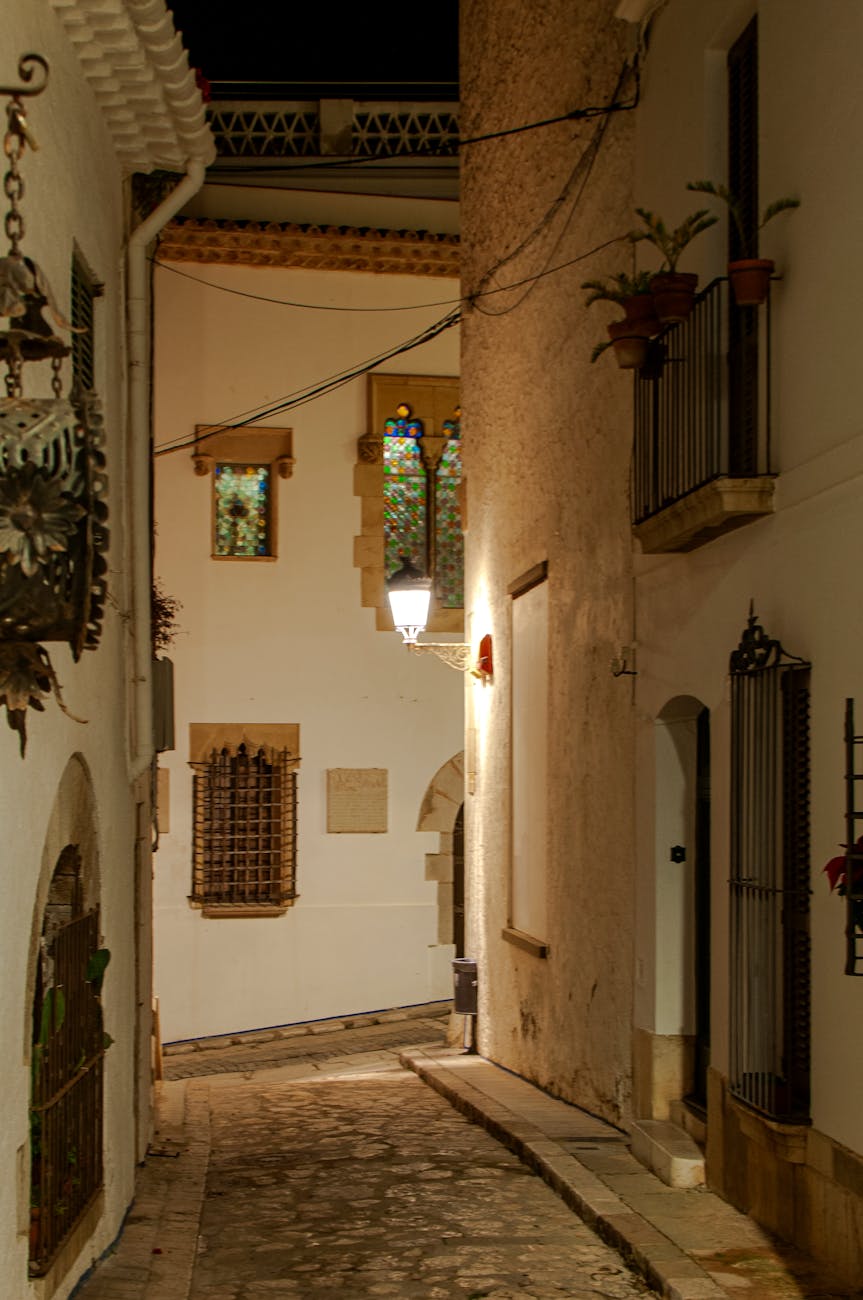
Old Town (Casco Antiguo): Best for atmosphere and walking access to beaches, museums, and restaurants. Expect narrow streets and charming small hotels.
Aiguadolç Marina: Upscale, quieter, great for romantic stays and waterfront dining. Terramar: Calmer neighborhoods with larger villas and easy beach access.
Near the train station: Practical for quick arrivals and day trips; look for family-run guesthouses and apartments to maximize value.
Food and Drink
Start with seaside breakfasts and café con leche on the promenade. Local specialties: xató (endive, salt cod, anchovy and romesco), fideuà (noodle paella), grilled seafood and fresh sardines.
Dine along the Passeig de la Ribera or in the Old Town for terraces and views. For tapas and nightlife try Carrer del Pecat and the streets around Plaça Cap de la Vila. Don't miss a vermouth on tap and local cava from the Penedès region.
Getting Around
Most of the center is walkable; plan 10–30 minute walks between beaches, museums and restaurants. Trains (Rodalies R2) connect directly to Barcelona every 20–30 minutes; the ride is roughly 30–40 minutes depending on origin.
Local buses serve neighborhoods like Terramar and Aiguadolç; taxis are easy to find but pricier. Bike rentals are widely available for short coastal rides. If driving, reserve parking in high season and expect narrow streets in the Old Town.
Best Time to Visit
Late spring (May–June) and early autumn (September) balance warm weather, manageable crowds, and open restaurants. July and August are busiest with higher prices and fuller beaches.
If you want festivals: Carnival (usually February/March) is exuberant and gay-friendly; the Sitges Film Festival in October draws cinephiles. Off-season offers quieter streets and lower rates but some shops may close.
Budget and Practical Tips
Expect mid-range prices: beachside lunches and tourist restaurants are pricier than small tapas bars. Sample budgeting: breakfasts €5–10, lunches €12–20, dinners €20–40 depending on restaurant.
Carry a card and some euros for small purchases; most places accept cards but smaller bars may prefer cash. Tipping is modest—round up or leave 5–10% for good service. Museums have combined tickets and occasional free-entry times—check ahead to save.
FAQ
How do I get to Sitges from Barcelona?
Take the Rodalies R2 commuter train from Barcelona Sants, Passeig de Gràcia or Estació de França; journey time is about 30–40 minutes. Buy tickets at machines or with transport apps.
Which beaches are best for families or swimming?
Platja de la Ribera is the main, family-friendly beach with services; Platja de Sant Sebastià is quieter and good for a calmer swim.
Are museums open every day?
Many Sitges museums close one weekday (often Monday) and have reduced hours in winter. Check individual museum websites for exact times.
Is the town LGBTQ+ friendly?
Yes—Sitges is internationally known as gay-friendly with welcoming bars, events and a tolerant atmosphere year-round.
Can I day-trip to Barcelona and return the same day?
Absolutely. Frequent trains make a day trip simple; plan museum visits or a focused Gaudí tour for a realistic half- or full-day itinerary.
Is it safe to walk at night?
Sitges is generally safe; standard precautions apply—watch belongings on busy streets and avoid dim, unlit areas late at night.
Conclusion
Three days in this coastal Catalan town give you a pleasing mix of beaches, culture, good food, and easy access to larger cities. Follow the neighborhood tips and day-by-day plan to maximize time without rushing, and leave a little room for spontaneous café stops, coastal walks, and local festivals. It's an ideal short escape from Barcelona with personality and pace.
How this guide was prepared
This guide was prepared through a structured research that combines destination research, geographic context, itinerary planning logic, and content review.