
3-Day Saskatoon Itinerary: Practical Weekend Plan
A concise 3-day plan for Saskatoon covering museums, Meewasin trails, Wanuskewin and local dining with transit tips and realistic costs.
A pragmatic, no-nonsense 72-hour plan for Saskatoon focused on riverfront walking, Indigenous heritage at Wanuskewin, Remai Modern, neighbourhood food and realistic transit options.
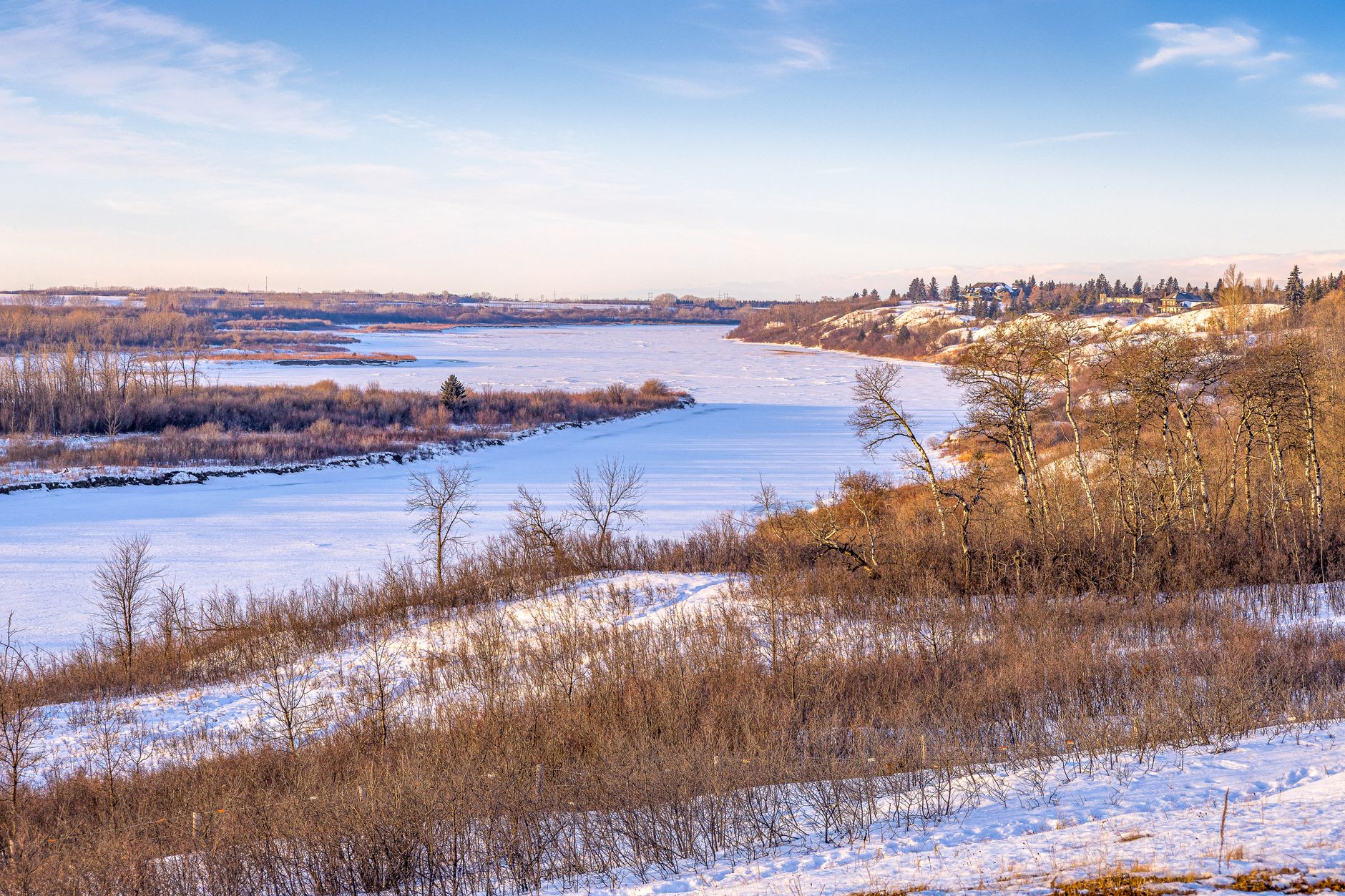
A first impression is often river and prairie: a long stretch of the South Saskatchewan River cuts through a low-rise city, framed by parks and university buildings. The mood is measured rather than hurried; many visitors describe the place as calm and easy to walk, with hubs of activity clustered around River Landing, Broadway and Riversdale.
Expect wind along the river in shoulder seasons and quieter evenings once museums close. Common preconceptions that get out of hand include assuming a busy nightlife or a wide array of late-night dining; in reality the best food and cultural life centers on a few streets and early-evening schedules.
This guide suits travellers who like deliberate walking days, museums, Indigenous cultural sites and neighbourhood food. Those seeking nonstop nightlife or long wilderness excursions from base should plan additional days or different priorities.
Is 3 days in Saskatoon enough?
Yes — three days are enough to cover downtown highlights (Remai Modern, Meewasin Trail), a neighbourhood exploration (Broadway/Nutana or Riversdale), and Wanuskewin. The honest caveat: there isn’t time for long day trips outside the metro area or multiple full-day wilderness excursions.
Who This Guide Is For
Best for travellers who enjoy museums, walking along river trails, Indigenous cultural sites and mid-sized-city food scenes. Not a good fit for people seeking a packed club/nightlife scene or multi-day wilderness adventures.
Local Tips for Saskatoon
Practical details that most travel sites skip — specific to Saskatoon.
- Buy Remai Modern timed-entry tickets online for exhibitions (adult around CAD 18); weekend afternoon slots for special shows can sell out.
- Wanuskewin Heritage Park sits about 10 km north of downtown off Highway 11; allow 2–3 hours and expect adult admission around CAD 16–18.
- Saskatoon Transit fares are cash-friendly but bring a card or use the Saskatoon Transit app; a single adult ride is roughly CAD 3.50 and day passes (app) are about CAD 7–8.
- Broadway Avenue (20th Street East) meters and private lots charge roughly CAD 1.50–2.50 per hour; evenings can be easier but enforce hours end at 6–8pm downtown.
- Book a taxi or ride-share from John G. Diefenbaker International Airport (YXE) to downtown for about CAD 30–40, since there’s no direct rail link into the city.
How This Guide Was Prepared
This guide treats Saskatoon as a mid-sized river city where the river and Indigenous sites define the experience more than nightlife or big attractions. Many guides focus only on downtown museums and miss the importance of Meewasin Valley, Wanuskewin and the distinct neighbourhood characters of Nutana and Riversdale; this guide lays out a workable route and timing for three days and calls out real costs, transit quirks and seasonal limits. This guide was prepared through a structured research that combines destination research, geographic context, itinerary planning logic, and content review.
Plan Your Stay in Saskatoon
Use this itinerary as your starting point, then compare areas to stay, transport options, seasonal timing, and realistic daily costs before booking.
Why Visit
The riverfront and Meewasin Valley provide a clear, walkable spine that local life gravitates to; the Remai Modern anchors contemporary art on River Landing and gives a good hour-plus for permanent and rotating shows. Wanuskewin Heritage Park is a short drive away and offers one of the most intact presentations of Northern Plains Indigenous archaeology and living culture near an urban centre.
Broadway Avenue in Nutana and nearby Riversdale show different neighbourhood characters: Broadway has independent shops, a cinema and cafés while Riversdale leans into experimental restaurants, murals and community arts. The University of Saskatchewan campus is pleasant for a stroll—stone buildings, statue-lined quads and the Diefenbaker Canada Centre add academic and political context to the visit.
Practical advantage: distances are short compared with larger provinces, so a well-planned three-day stay covers museums, a major heritage site and two distinct neighbourhoods without full-day transfers.
Quick Planning Tips
Arrive via John G. Diefenbaker International Airport (YXE); taxis and ride-share are the fastest ways to downtown and cost roughly CAD 30–40. There is no passenger rail link to the downtown core, so budget for road transfer time and fares.
Bring a bank card for most restaurants and museums; smaller farmers' stalls at weekend markets prefer cash. If visiting in winter, pack layers and windproof outerwear — wind chill makes short outdoor visits much colder than the thermometer suggests.
Avoid the planning mistake of scheduling Wanuskewin on the same short morning as an exhibit-heavy museum day; Wanuskewin deserves 2–3 hours. Also check museum hours in advance: some weekday closings and seasonal hours affect exhibition access.

Day 1
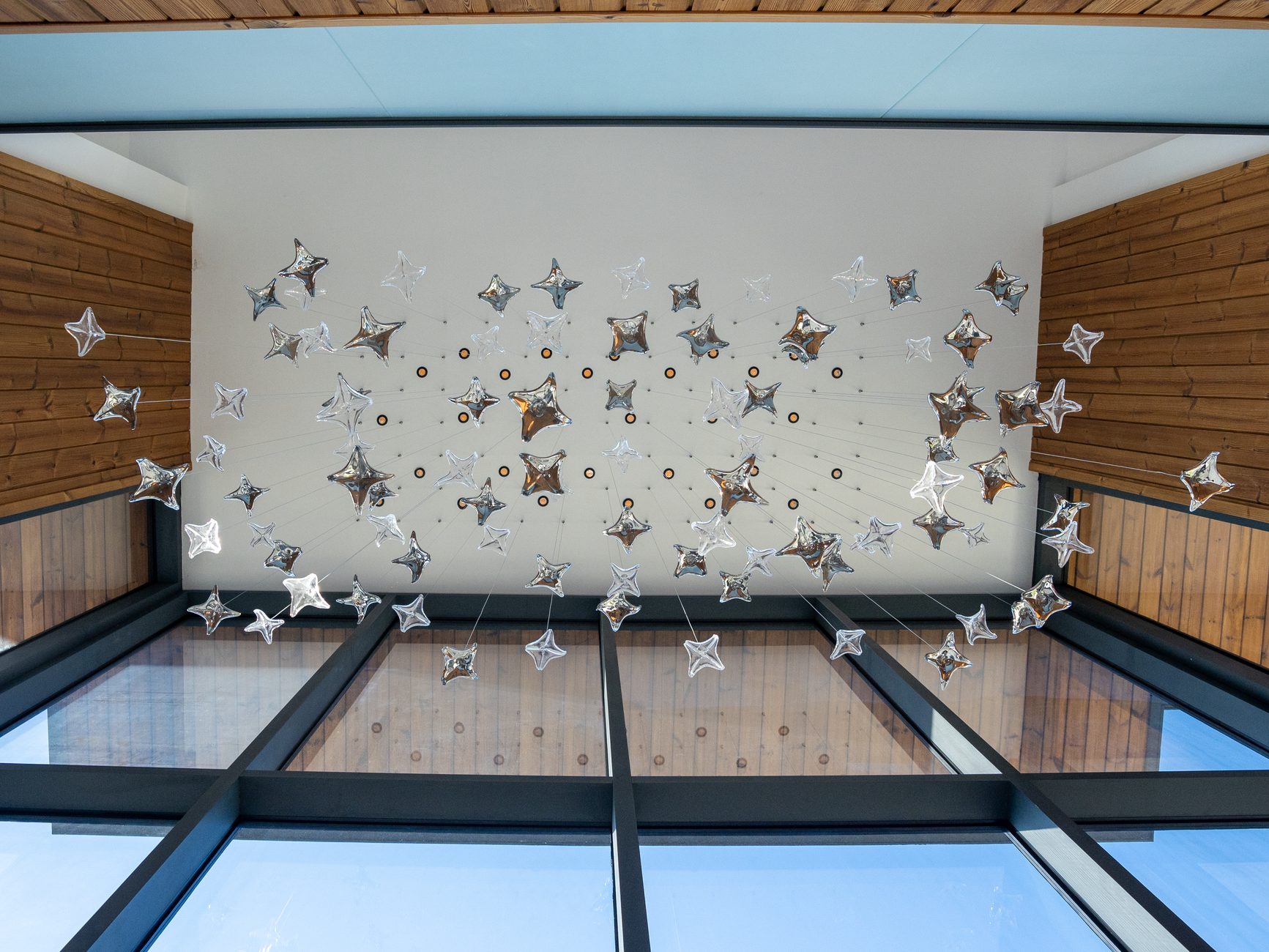
Start at Remai Modern on River Landing in the morning; allow 1.5–2 hours for the permanent collection and any temporary shows. The building sits on the river and provides immediate context for the Meewasin Valley walk.
From the museum, walk the Meewasin Valley Trail along the river toward Kiwanis Memorial Park and Kinsmen Park — the stroll to the Broadway Bridge takes about 20–30 minutes at an easy pace. The boardwalks and viewpoint platforms are good photo stops and let visitors get a sense of the city’s relationship with the river.
Cross the Broadway Bridge to reach Broadway Avenue (20th Street East). Browse independent stores and stop for lunch at a neighbourhood bistro or café on Broadway; expect a casual lunch in the CAD 15–25 range. After lunch, walk (10–15 minutes) or take a short transit ride to the University of Saskatchewan campus to see the Diefenbaker Canada Centre and the stone buildings along Campus Drive; allow 1–1.5 hours.
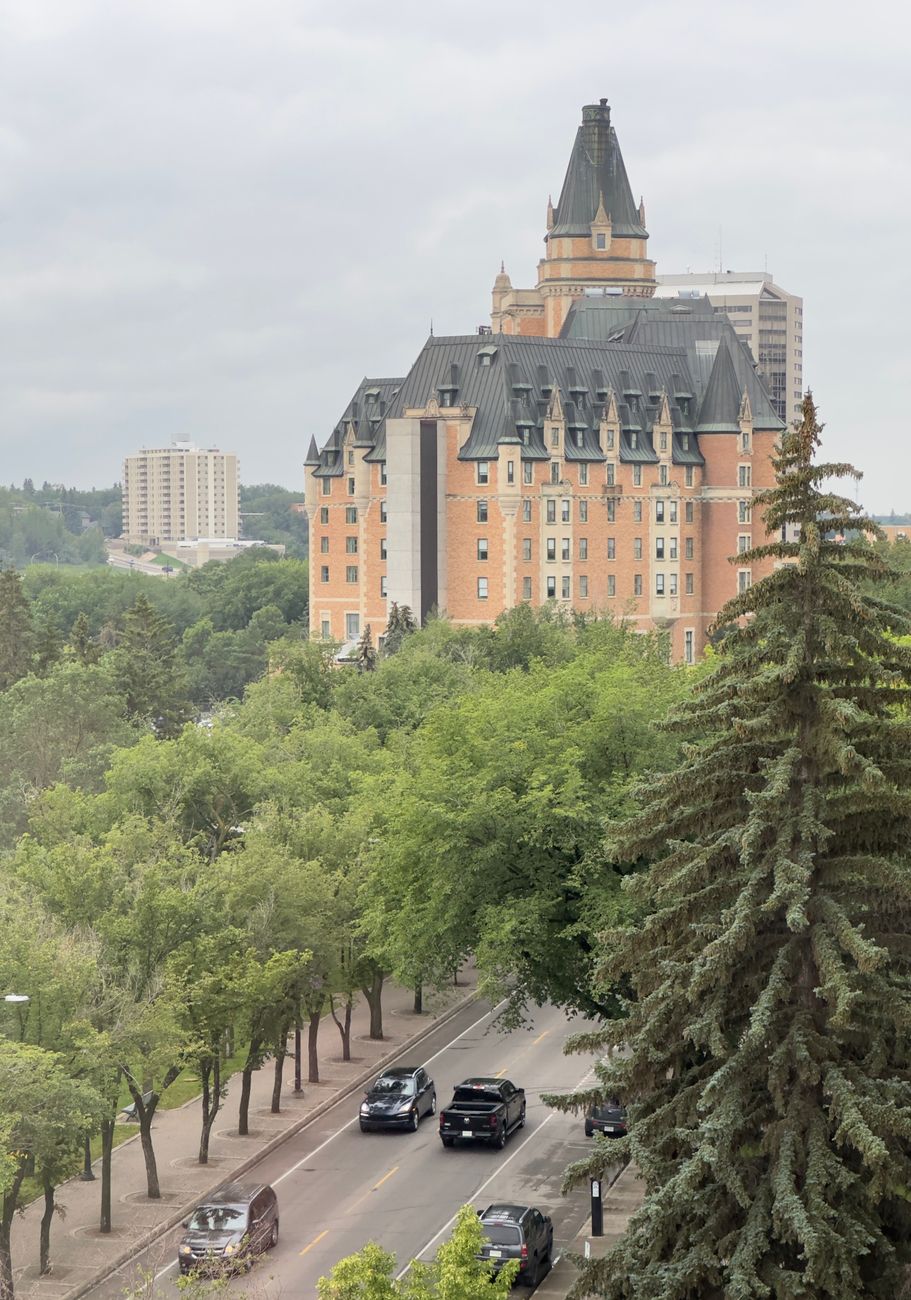
Late afternoon options include a quick visit to the Vimy Memorial in the Meewasin Valley or a short taxi to the Delta Bessborough hotel to see the historic terrace. Eat dinner at Ayden Kitchen & Bar or a similar downtown restaurant for plated regional food with mains around CAD 25–40. For an evening recommendation, check showtimes at the Broadway Theatre or a local performance space; many theatres host early-evening shows that fit into a three-day schedule.
Day 2
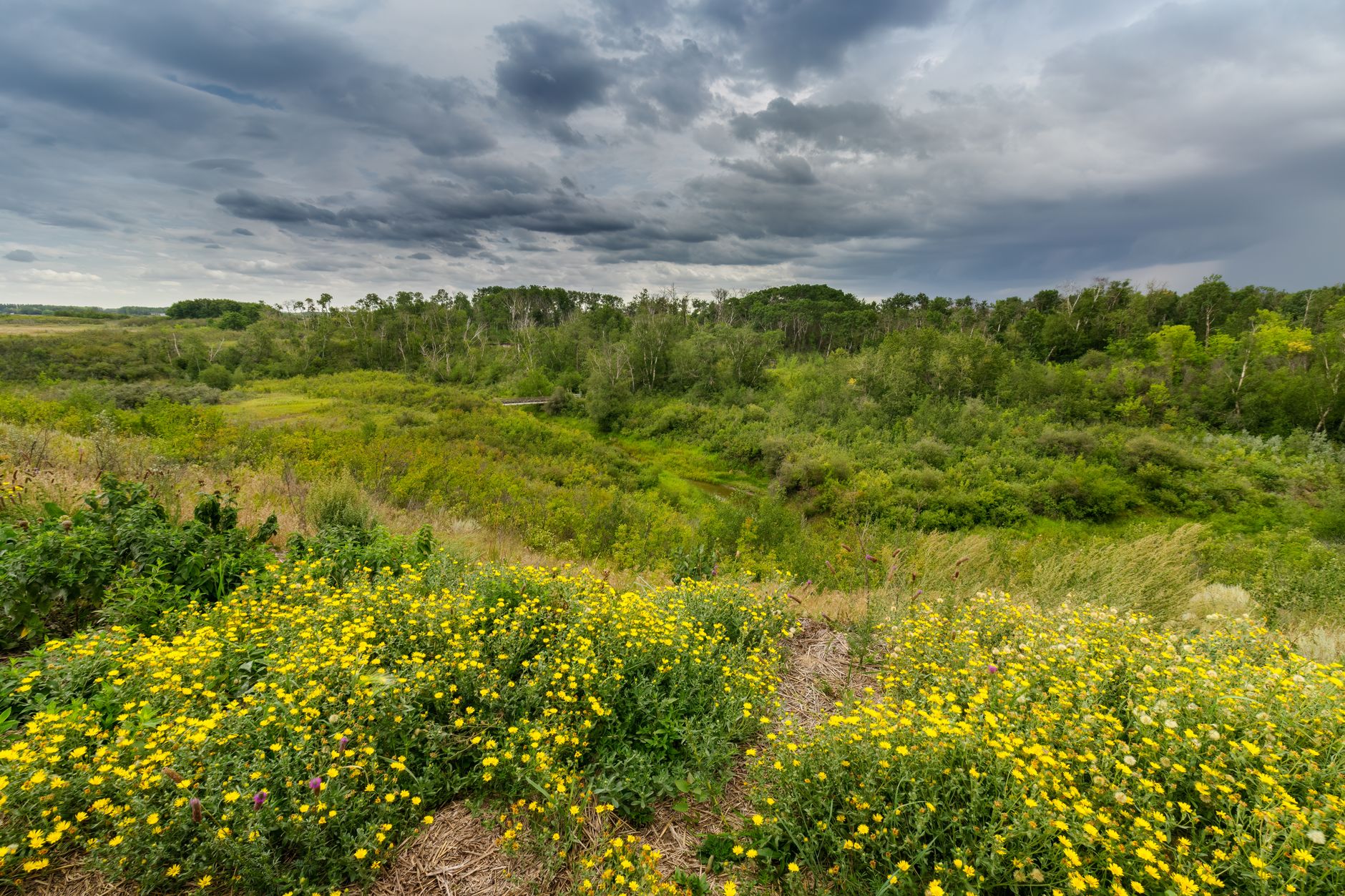
Dedicate this day to Wanuskewin Heritage Park and nearby outdoor attractions. Drive or take a 20–30 minute taxi/transit trip to Wanuskewin; the site is about 10 km north of downtown and paths take visitors across interpretive plazas, archaeological displays and viewpoint ridges. Plan 2–3 hours for guided exhibits, trails and the interpretive centre; check for scheduled cultural programming or interpretive walks.
After Wanuskewin, return to the Riversdale neighbourhood for a contrast in pace and culinary choices. Riversdale is known for murals, small galleries and experimental restaurants; walk 15–20 minutes along 20th Street West to sample coffee and light plates. For lunch try a local café offering sandwiches and regional fare (CAD 12–20).
In the afternoon visit the Western Development Museum (Saskatoon), which focuses on prairie settlement and transportation; expect an hour or so to see exhibits on agricultural history and vintage vehicles. Transit or taxi between Riversdale and the museum takes about 10–20 minutes depending on traffic.
Evening recommendation: Riversdale’s restaurant scene is most active on weekends — pick a place with local beer or craft cocktails and plan for mains around CAD 20–35. End the night with a short walk along the river if weather allows; evening riverfront lighting gives a different perspective than daytime.
Day 3
Use the final day to tie up any missed museums, markets and a relaxed neighbourhood walk. Start at the Saskatoon Farmers' Market on a weekend morning to browse local producers, baked goods and crafts; expect to spend 60–90 minutes and bring small bills for stalls. If not a market day, use the morning for the Forestry Farm Park & Zoo — a compact zoo with local and domestic species, allowing 1–2 hours.
Midday head to the Nutana neighbourhood for a leisurely lunch and time to shop independent bookstores or boutiques; Nutana’s main drag is walkable from the river and shows a residential-meets-retail character. After lunch, visit any museum missed earlier — Remai Modern or the Western Development Museum — or take a slow Meewasin walk if the weather is pleasant.
Practical note for travellers catching afternoon flights: allow 45–60 minutes travel time to John G. Diefenbaker International Airport by taxi and factor in early check-in if flying domestic. If leaving later in the evening, pack a light dinner and plan for public transit schedules; evening bus frequency drops after 9–10pm on weekdays.
Best Local Experiences
Walk the Meewasin Valley Trail from River Landing to the Broadway Bridge for a continuous riverfront experience that connects parks and viewpoints. Spend time at Remai Modern for contemporary art and Picasso linocuts in the permanent collection.
Visit Wanuskewin Heritage Park for archaeology displays, tipi circles and Indigenous-led programming; check the calendar for drum festivals and craft workshops. Browse Broadway Avenue for independent cafés, the Broadway Theatre programming and storefronts that reflect local retail.
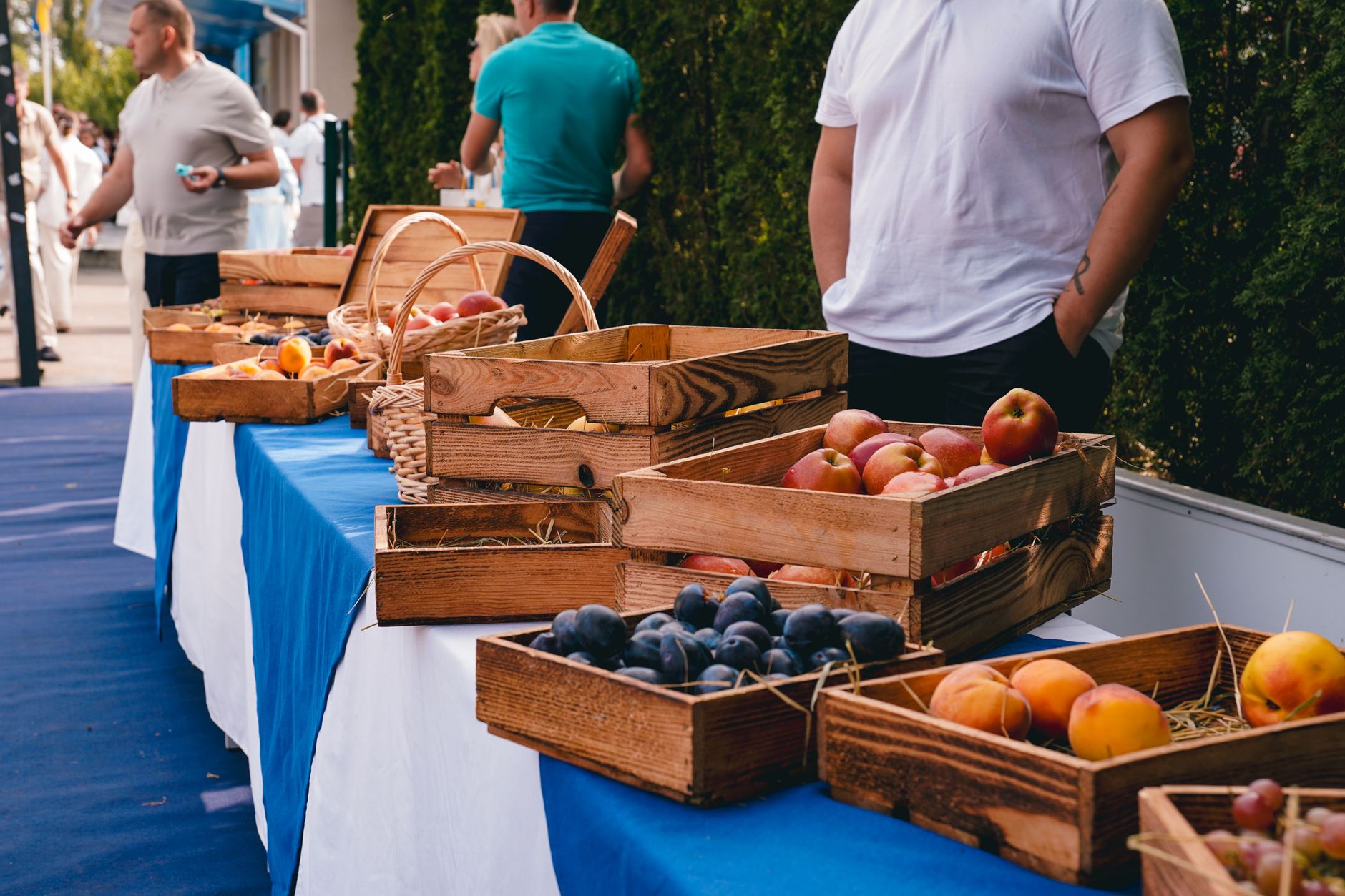
Explore Riversdale’s mural walks and experimental restaurants on 20th Street West; late afternoons are best for catching gallery hours. Weekend mornings at the Saskatoon Farmers' Market are social and practical: fresh produce, baking and local artisans appear and visitors can assemble a picnic to eat on the riverbank.

Where to Stay
Downtown/River Landing: Suited for first-time visitors who want immediate access to Remai Modern, River Landing paths and restaurants. Rooms in mid-range hotels or boutique options generally run CAD 140–220 per night (about USD 105–165 / EUR 95–140). Expect riverside views and walking access to major sites.
Nutana/Broadway: Best for people who prefer neighbourhood cafés, independent shops and a quieter evening scene. Small B&Bs and boutique hotels here average CAD 110–170 per night (USD 85–130 / EUR 77–115). This area suits those who want daytime river access and evening neighbourhood dining.
Riversdale/West-side: Good for travellers looking for experimental dining and mural walks; accommodation ranges from budget motels to mid-range hotels, typically CAD 90–150 per night (USD 70–115 / EUR 63–100). Choose riverside options if proximity to parks is a priority.
Food and Drink
Bannock: A pan-fried quick bread with Indigenous roots; find good bannock at Wanuskewin events or at Indigenous cafés and festival stalls for CAD 4–8. Saskatoon berry pie: Sweet-tart pies and preserves made from local Saskatoon berries; try at the farmers' market or bakery stands for CAD 4–7 per slice.
Perogies and Ukrainian dishes: Reflecting prairie-settlement cuisine, available at diners and the Western Development Museum special events; expect a plate for CAD 10–15. Local craft beer: Prairie breweries and taprooms in Riversdale and downtown offer local pale ales and lagers; pints run CAD 6–9.
Breakfast option — neighbourhood café breakfast: egg dishes, bannock additions or skillets in Broadway or Nutana for CAD 10–18. Street food — food truck sandwiches and poutine-style offerings appear at River Landing and markets; expect CAD 8–12. Dinner recommendation — a respected downtown restaurant such as Ayden Kitchen & Bar offers plated mains using regional ingredients (CAD 25–40), suitable for a more formal final night.
Getting Around
Transit is provided by Saskatoon Transit, a numbered-bus network serving downtown, university and neighbourhoods. Single adult fares are about CAD 3.50 cash; day passes or app purchases are roughly CAD 7–8 and can be bought through the Saskatoon Transit app. Students use a U-Pass program on campus; check university terms for eligibility.
No light-rail system exists; most visitors rely on buses, taxis and ride-share. Key hubs are downtown and the university; bus frequency drops in evenings and on Sundays, so plan early departures if relying on transit. Taxis and ride-share are convenient for short hops or airport transfers (airport to downtown about CAD 30–40). Apps: Saskatoon Transit app for fares and schedules, and standard ride-share apps for taxi or private hire.
Best Time to Visit
Late spring to early fall (May through September) offers the most reliable weather for riverfront walking and outdoor programming; daytime highs range from about 12–25°C and evenings cool down. Summer months (June–August) bring festivals, fuller restaurant hours and the most daylight; expect higher hotel rates and busier museum weekends.
Shoulder seasons (May, September) often provide better value on hotels and fewer crowds, though weather can be changeable and windy. Winter (November–March) is cold with frequent sub-zero temperatures and heavy winds; outdoor sites like Wanuskewin and trail sections have limited access or shorter hours. Visit in July for the fullest cultural calendar, and in May or September for lower costs.
Budget and Practical Tips
Typical daily budget (midrange): Accommodation CAD 140–200 (USD 105–150 / EUR 95–135), food CAD 40–80 (USD 30–60 / EUR 27–54), local transport CAD 7–15 (bus passes or taxis), entry fees CAD 15–25 for museums. Total daily midrange about CAD 220–320 (USD 165–240 / EUR 150–205).
Lower-budget travellers can find hostels or budget hotels around CAD 70–100 per night and eat market or food-truck meals for CAD 8–12. Families should budget extra for zoo or museum admissions (Forestry Farm Park & Zoo and Remai Modern each charge admission; zoo around CAD 12–15 per adult). Tipping norm: 15–20% in restaurants and cafés, round up taxi fares, and small tips for tour guides if service was good.
Carry a bank card and some cash for weekend market stalls. Winters require extra budget for warmer clothing and possible paid parking near riverfront sites.
FAQ
How safe is Saskatoon for tourists?
Most central areas are safe for daytime walking; standard urban cautions apply after dark in some neighbourhoods, and keep valuables out of sight. Ask locals or hotel staff about streets to avoid late at night.
Is there a city card or pass worth buying?
No universal city card covers all attractions; buy Remai Modern or Wanuskewin tickets separately and use a Saskatoon Transit day pass for local travel if planning multiple bus trips.
What is the best way to get from the airport to downtown?
Taxi or ride-share is fastest and costs roughly CAD 30–40; there is no direct rail link and public bus options require transfers and more time.
Are buses frequent enough to rely on for a three-day stay?
Buses cover main corridors and get you to Remai Modern, university and neighbourhoods, but frequency drops evenings and Sundays; factor in taxi rides for late returns.
Can Wanuskewin be visited in winter?
Wanuskewin has reduced trail access and limited programming in deep winter; check seasonal hours and guided program availability before visiting.
Are museums child-friendly and suitable for families?
Yes — Remai Modern and the Western Development Museum have family-friendly exhibits; Forestry Farm Park & Zoo is a strong pick for younger children.
Are there good options for vegetarian or gluten-free diets?
Many cafés and restaurants on Broadway and downtown list vegetarian and gluten-free options; mention dietary needs when ordering to confirm preparation.
What should be packed for a shoulder-season visit?
Layered clothing, windproof jacket and comfortable walking shoes; mornings can be cool while afternoons warm quickly.
Conclusion
A three-day visit will most likely be remembered for river walks on the Meewasin Trail, a concentrated art visit at Remai Modern and a memorable cultural experience at Wanuskewin. Prioritise one indoor museum visit and one extended outdoor or heritage site to keep travel times manageable.
If time becomes tight, prioritise the riverfront walk plus either Remai Modern or Wanuskewin depending on interest: art and city context versus Indigenous cultural landscape. These two choices capture the city’s strongest threads within a short stay.
How this guide was prepared
This guide was prepared through a structured research that combines destination research, geographic context, itinerary planning logic, and content review.