

3-Day Alghero Itinerary: Coastal Old Town, Capo Caccia & Food
Practical 3-day guide to Alghero with day-by-day plans, public transport tips, food picks and realistic budgets to plan a Sardinian weekend.
A realistic, walkable 72-hour plan for Alghero that balances the Old Town, Capo Caccia and local food — with transit tips, budget numbers and timing advice.
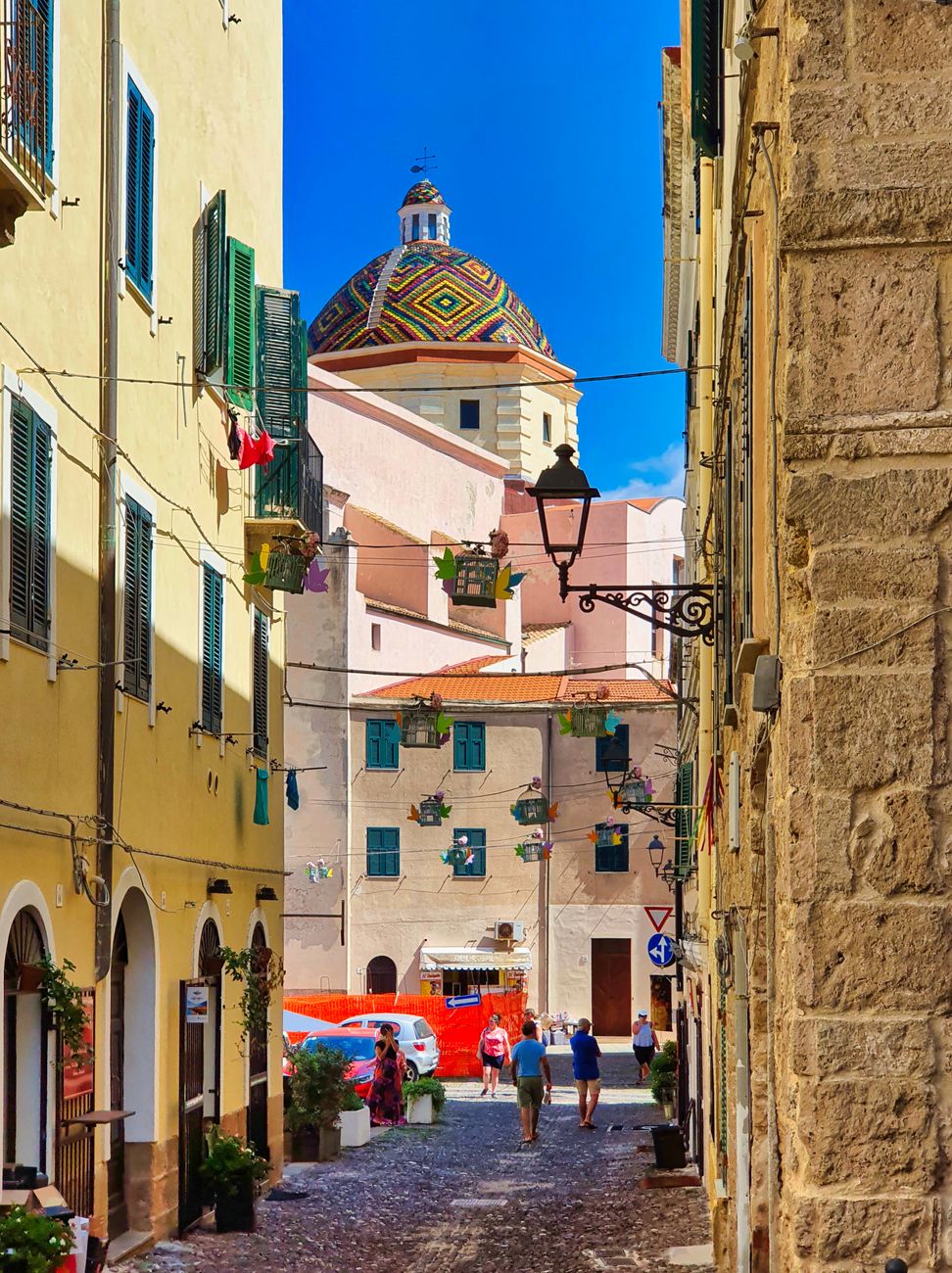
Old stone streets, a harbourfront promenade and limestone cliffs define the initial impression. The core is walkable: a compact medieval centre ringed by seventeenth-century walls connects directly to the marina and to the Lido beaches. The town feels paced for daytime visitors and families rather than late-night revelers.
Expect noise from early boat tours and café terraces in summer; narrow streets can get hot and crowded between 11:00 and 15:00. Many travellers assume this is a resort only for sunbathing; in reality the local character combines Catalan-influenced Catalan-Algherese dialect, coral workshops and working fish markets. That mix rewards people who plan a few walking loops, an early market visit and at least one coastal viewpoint.
Good for walkers, food-focused travellers and those who like short drives to cliffs or smaller towns. Less suitable for people who need rapid intercity rail links or a packed nightlife schedule. Accommodation is concentrated in the Old Town, the Lido strip and Fertilia near the airport, which makes short transfers straightforward.
Is 3 days in Alghero enough?
Yes: three days is enough to see the Old Town, walk parts of the ramparts, visit Grotta di Nettuno (Neptune's Grotto) and spend relaxed time at a Lido. The main cave, a longer coastal hike or a slow daytrip to Bosa will need more time and are best left for a return visit.
Who This Guide Is For
Best for travellers who like compact coastal towns, seafood and walking; not ideal for nightclubs or travellers needing fast public-transport links. Midrange budgets suit most visitors; car renters get more freedom for hinterland trips.
Local Tips for Alghero
Practical details that most travel sites skip — specific to Alghero.
- Buy urban and regional bus tickets at a tabacchi or newsstand before boarding; drivers rarely sell single tickets — expect a single-ride urban ticket around €1.30.
- Neptune's Grotto (Grotta di Nettuno) can be reached by boat from Porto di Alghero (seasonal, about €13–€16 return) or by the Escala del Cabirol stairway (654 steps) from Capo Caccia — check tide and wind conditions before planning.
- Mercato Civico on Via Catalogna opens early (fish and vegetables best between 07:00–09:30) and vendors often close by early afternoon; plan market visits for the morning.
- Red coral shops cluster along Via Carlo Alberto and Largo San Francesco; compare hallmark stamps (corallo rosso, 800/925 silver settings) and ask for a certificate for pieces over €100.
- During July–August many Lido beaches charge umbrella and sunbed fees (roughly €10–€25 per day); free stretches exist but arrive early for a good spot.
How This Guide Was Prepared
Three days here rewards people who like compact historic centres, limestone coastlines and seafood markets rather than high-octane nightlife. Most guides overemphasize half-day boat rides and under-explain the walk-and-transfer logistics between the airport, Lido beaches and Capo Caccia. This guide was prepared through a structured research that combines destination research, geographic context, itinerary planning logic, and content review.
Plan Your Stay in Alghero
Use this itinerary as your starting point, then compare areas to stay, transport options, seasonal timing, and realistic daily costs before booking.
Why Visit
Clear sea, a walkable Old Town and accessible coastal limestone scenery give this place a distinct profile compared with larger Sardinian ports. Capo Caccia and Grotta di Nettuno are geological highlights reachable without a long drive, offering dramatic cliff views and a show of stalactites in the grotto's main hall.
The Old Town streets off Via Carlo Alberto and Largo San Francesco combine coral workshops, seafood restaurants and small civic museums such as the Museo del Corallo. Local produce and seafood patterns are visible in Mercato Civico on Via Catalogna, where fishermen sell catch directly in the morning.
Short drives or regional buses put archaeological sites like Nuraghe Palmavera and the colourful riverside town of Bosa within a half- to two-hour reach, making daytrips feasible without changing base. Those who want a compact, coastal Italian town with clear day structures get the best value here.

Quick Planning Tips
Fly into Alghero-Fertilia Airport for the shortest transfer; taxis to the Old Town run about €15–€20 and take 10–15 minutes. Porto Torres and Olbia are regional ferry and flight alternatives if connections to larger hubs are needed.
Buy bus tickets at tabacchi or newsstands before boarding urban buses; expect a single urban ride to cost around €1.30 and a 24-hour option near €4–€5. Use the ARST website or local timetables for regional buses and Moovit for real-time route help.
Avoid booking Grotta di Nettuno for the same morning as a late flight; cancellations from wind or tides happen and the boat operator may suspend trips. Also avoid assuming all restaurants take cards after 20:00; keep some cash for smaller trattorie and market purchases.

Day 1
Morning: Start in the Old Town at Torre di Porta Terra and walk the seafront ramparts along Lungomare Dante. The ramparts offer immediate orientation and several viewpoints over Porto di Alghero. From Torre di Porta Terra to Cattedrale di Santa Maria is a 5–10 minute walk.
Late morning: Visit Cattedrale di Santa Maria (check for a small entrance donation) and then stroll Via Carlo Alberto to browse coral shops and artisan silverwork. Allow 60–90 minutes for the cathedral, a short museum stop and shopping.
Lunch: Eat at a seafood trattoria near Piazza Civica — try a plate of local raw or lightly cooked seafood (such as mixed crudi) or a bottarga-topped pasta. Expect a mid-range seafood lunch to cost €18–€30 per person.
Afternoon: Walk west along Via Don Minzoni to the small Museo del Corallo and then continue to the Marina for a boat tour option. Short harbour cruises that circle the bay take 30–45 minutes and cost around €10–€15.
Evening: Return to the Old Town for aperitivo on Largo San Francesco and dinner at a kitchen serving fregola with clams. After dinner, a short walk along Lungomare Dante at sunset gives a calmer view of the marina. Nighttime streets are quieter than daytime, so reservations for dinner in July–August are recommended.

Day 2
Morning: Head to Capo Caccia and Grotta di Nettuno. From the Old Town take a regional bus or drive (about 20–30 minutes). Boats to the grotto leave from Porto di Alghero (summer schedule) and take roughly 20 minutes; alternative access is the Escala del Cabirol stairway from Capo Caccia (654 steps). Check weather and crossings; allow a half-day for transit and the visit.
Lunch: Pack a light lunch or eat at a small café near Capo Caccia when available; options are limited near the headland, so bring water and snacks if self-guiding.
Afternoon: Return toward Lido di Alghero for beach time on Lido or Maria Pia. Beachwalking and shallow swims are ideal here; the Lido area has beach clubs with umbrellas and free public stretches. From Capo Caccia to Lido is about 25–35 minutes by car or bus.
Late afternoon: Visit the pine dunes and freshwater springs near Maria Pia for a quieter coastal walk. A short detour to Nuraghe Palmavera toward Fertilia is possible before dusk if archaeological sites are of interest — it's roughly a 15–20 minute drive from Lido.
Evening: Dine on the waterfront at a place offering grilled fish or porceddu if available; expect dinner prices €25–€40 per person at sit-down seafood restaurants. Finish the evening with gelato near Piazza Sulis in the Old Town.

Day 3
Morning: Early visit to Mercato Civico on Via Catalogna for fish, bread and local produce. Market activity is best between 07:00–09:30; from the Old Town the market is a 5–10 minute walk. Pick up pane carasau, local cheese and fresh fruit for a picnic or quick snack.
Late morning: Walk the Old Town’s narrow lanes toward Bastioni and photo points around Torre Sulis. Allow 60–90 minutes to move slowly, visit small shops and stop at a café for espresso and a cornetto.
Lunch: Eat at a small osteria offering culurgiones (filled pasta) or seadas for dessert; these are typically available in town and cost €8–€15 for a main dish.
Afternoon: For travellers with an afternoon flight, keep the afternoon light: a short beach stop at Lido or a last walk along Lungomare Dante. Taxi to Alghero-Fertilia Airport takes 10–15 minutes; allow at least 90 minutes between leaving the Old Town and flight check-in on domestic connections. If staying longer, consider a half-day trip to Bosa by car or bus (around 1–1.5 hours each way).
Evening: If not leaving, end with a relaxed seafood dinner near the harbor and a final promenade on the ramparts, watching boats come in. For those catching late flights, plan a simple nearby meal and a taxi reservation rather than relying on spontaneous transport.
Best Local Experiences
Morning fish shopping at Mercato Civico di Via Catalogna — buy small quantities of freshly caught fish and watch dealers prepare orders for restaurants. Many stalls close midday.
Boat trips from Porto di Alghero around the bay and to Grotta di Nettuno — short cruises (30–45 minutes) and grotto crossings (seasonal) show the coastal geology and are the most common sea experience.
Coral workshop visits along Via Carlo Alberto and Largo San Francesco — observe coral carving and ask for a certificate for pieces; compare prices and silver settings before buying.
Walking the Escala del Cabirol from Capo Caccia for a demanding coastal descent (654 steps) and dramatic viewpoints above sea caves — allow good shoes and sunscreen.
Sunset and aperitivo on Lungomare Dante or Piazza Civica — sunset light on the bastioni is ideal for photos, and several bars serve local Vermentino by the glass.
Daytrip to Nuraghe Palmavera for a concise look at nuragic architecture and to the riverside town of Bosa for coloured houses and a different urban feel; both are accessible within a 1–1.5 hour drive or by regional bus.
Where to Stay
Old Town (Centro Storico): Suits walkers and first-time visitors who want immediate access to the cathedral, coral shops and the harbour. Expect narrow streets and limited parking. Nightly cost: €90–€180 (≈USD 100–200) for mid-range hotels in high season.
Lido di Alghero / Lungomare area: Suits beachgoers and families wanting sand access and longer promenades. It's busier in summer but offers more parking and larger hotels. Nightly cost: €80–€160 (≈USD 90–175) mid to high season.
Fertilia (near the airport): Suits those with early flights or people hiring cars; quieter and close to Nuraghe Palmavera. Nightly cost: €60–€120 (≈USD 65–135) depending on apartment or budget hotel.
Choose Old Town for short on-foot logistics, Lido for beach focus and Fertilia for airport convenience. Booking two or three months ahead is advised for July–August.
Food and Drink
Fregola with clams: Small toasted pasta pearls cooked with clams or seafood broth; a top local plate found at trattorie near the harbour for €10–€18.
Bottarga di muggine: Cured mullet roe, served grated over pasta or with olive oil and lemon. Small servings in restaurants cost €3–€8 as an antipasto or topping.
Porceddu: Slow-roasted suckling pig, a Sardinian speciality often found at agriturismi and selected restaurants; expect €18–€30 for a portion suitable for sharing.
Seadas: A dessert of fried semolina pastry filled with pecorino and drizzled with honey; typically €4–€7 in pastry shops and restaurants.
Pane carasau and local pecorino: Thin flatbread and sheep’s cheeses sold at Mercato Civico and bakeries; pane carasau is often €1–€3 per pack, cheeses vary by size.
Drinks: Vermentino (local white) and Cannonau (local red) are widely available by the glass (€3–€6) and by bottle (€12–€25). Finish with Mirto, a bitter-sweet myrtle liqueur served in small measures (€2–€4).
Breakfast option: Espresso and cornetto at a pasticceria, roughly €2.50–€4. Street food: fried fish panini from a market stall or fish shop near the marina, about €5–€8. Dinner recommendation: a seafood tasting consisting of crudi, a shellfish pasta and a shared grilled fish at a harbor-side restaurant for €30–€45 per person.
Getting Around
Walking covers most of the Old Town and harbour; many streets are pedestrianised. Urban buses and regional ARST services link the Lido, Fertilia and nearby towns — check ARST timetables for regional routes and use the ARST mobile site or Moovit for live times.
Urban bus numbers include short-run circulators linking Piazza Sulis, Via Catalogna and the Lido; buy tickets at tabacchi, newsstands or authorised kiosks before boarding. Single urban ticket ~€1.30, 24-hour passes around €4–€5, and regional tickets vary by distance (expect €3–€8 for nearby towns).
Taxis: From Alghero-Fertilia Airport to the Old Town about €15–€20. Taxis are limited after 22:00; call local companies or use the main rank at Piazza Civica. Car hire is common for those planning trips to Bosa or inland sites; small cars handle narrow streets best.
Bike rental is available seasonally along the Lido strip. For ferry connections and longer regional travel, check schedules at Porto di Alghero and nearby Porto Torres connections by ARST bus or private transfer.
Best Time to Visit
Late spring (May–early June) and September offer the best balance of weather, lower crowds and service availability. Daytime temperatures in May–June typically range 18–25°C; sea temperatures warm enough for swimming by late June.
High summer (late June–August) brings hot sun, busy beaches and higher prices; expect 25–32°C and a lively daytime tourist crowd. Book accommodation and grotto boat trips well in advance for July–August.
Shoulder season (October) is quieter with cooler days (15–22°C) and more limited tourist services; some seasonal restaurants close but rates drop. Winter months have many closures and cool, windy days but are cheapest for accommodation and OK for off-season walks.
Budget and Practical Tips
Sample daily budget per person (midrange): Accommodation €90–€140 (≈USD 100–155), food €30–€50 (≈USD 35–€55), local transport €5–€10 (≈USD 6–12), entry fees and activities €10–€30 (≈USD 12–35). Total approximate midrange daily: €135–€230 (≈USD 150–255).
Cheaper travellers can reduce accommodation to €50–€80 per night (≈USD 55–90) using guesthouses or apartments and eat market snacks and street food. Premium travellers should budget €180+ per night for upgraded hotels and private transfers.
Museum and attraction fees: Grotta di Nettuno entrance and boat combined roughly €13–€16; small civic museums typically €3–€6. Carry local currency for small purchases; many places accept cards but small vendors and market stalls prefer cash.
Tipping norms: Service is often included with a coperto or service charge; leaving a small tip (€1–€5) for good table service is appreciated but not mandatory. For taxis, round up to the nearest euro or add a few euros for luggage assistance.
FAQ
Is Alghero safe for solo travellers?
Yes; daytime areas and the Old Town are generally safe with low violent crime. Watch for pickpockets in crowded market areas and on busy beaches during high season.
How to get from Alghero-Fertilia Airport to the centre?
Taxi is fastest (≈€15–€20, 10–15 minutes). Some hotels offer transfers; check schedules for the occasional shuttle. Buses run to the town if timed with arrivals.
Is there a useful city card or tourist pass?
No comprehensive city card covers most attractions. Buying combined tickets for Grotta di Nettuno and boat crossings or choosing a guided tour can be useful in high season but a general card is not commonly offered.
Can Grotta di Nettuno be visited year-round?
Access by boat is seasonal and weather-dependent; the stairway is open but strenuous. In strong wind or rough seas boat trips are cancelled — plan flexibility.
Are there good public transport options for daytrips to Bosa or Sassari?
Regional ARST buses connect to Bosa and Sassari; schedules are slower than driving and less frequent on Sundays. Check ARST timetables and allow extra travel time.
Is hiring a car necessary?
Not strictly for a 3-day stay focused on the Old Town, Lido and Capo Caccia. A car is useful for visiting Nuraghe Palmavera, Bosa or quieter beaches away from the Lido.
What about language and local customs?
Italian is the main language; Catalan-Algherese expressions appear on signs and in older residents' speech. A few words of Italian help in markets and smaller shops.
Conclusion
Three days lets travellers combine the Old Town, a grotto or cliff visit and relaxed beach time without rushing. What will be most memorable is the pairing of marine-focused cuisine with short coastal walks and coral craftwork in the centre.
If time runs short, prioritise a morning Old Town walk, a seafood lunch and an afternoon boat or viewpoint at Capo Caccia — that sequence delivers the town’s main contrasts in one compact day.
How this guide was prepared
This guide was prepared through a structured research that combines destination research, geographic context, itinerary planning logic, and content review.