

3 Days in Cuenca: A Relaxed Itinerary for Culture, Food and Andes Nature
Spend 3 days in Cuenca exploring the UNESCO historic center, markets, El Cajas, and riverside neighborhoods. A compact, walkable Ecuador weekend itinerary.
A relaxed three-day plan that balances the colonial center, museums, local food, and a nature day in El Cajas—ideal for first-time visitors and culture lovers.
A charming Andean city with broad riverside promenades, red-tiled roofs and a compact UNESCO historic center, Cuenca suits curious travelers who want culture, easy walking and nearby mountain escapes. It’s excellent for couples, solo explorers, museum fans and food lovers who prefer a slower, more local pace than the big coastal cities. Three days is ideal because it gives two full days to explore neighborhoods, cathedrals, markets and museums while reserving one day for a scenic outing—either a highland lake circuit in El Cajas or the pre-Inca ruins at Ingapirca—without feeling rushed.
Quick Answer
A relaxed three-day plan that balances the colonial center, museums, local food, and a nature day in El Cajas—ideal for first-time visitors and culture lovers.
Who This Guide Is For
This guide is best for first-time visitors, couples, solo travelers, and anyone planning 3-day city break, cultural, outdoor in Cuenca with a balance of highlights, local character, and reasonable spending.
How This Guide Was Prepared
This guide was prepared through a structured editorial workflow that combines destination research, geographic context, itinerary planning logic, and practical travel review.
Plan Your Stay in Cuenca
Use this itinerary as your starting point, then compare areas to stay, transport options, seasonal timing, and realistic daily costs before booking.
Why Visit
Heritage and light-filled plazas: the historic core mixes colonial churches, artisan shops and museums. The food scene is intimate—markets, bakeries and local restaurants serve hearty Andean fare. Nature is minutes away: páramo lakes, hiking trails and birding in El Cajas make a quick day trip compelling. The city’s compact scale means you cover a lot on foot, yet you have enough cultural depth—crafts, museums and neighborhoods—to justify a full weekend.

Quick Planning Tips
Fly into Mariscal Lamar Airport (CUE) or take intercity buses to the Terminal Terrestre. Pack layers—days are mild, evenings cool at ~2,500–2,600 m elevation. Bring comfortable walking shoes for cobblestones and river paths. Exchange cash or withdraw USD from ATMs; Ecuador uses the US dollar. Download an offline map; many streets are narrow and walking is faster than short taxi rides during peak times. Reserve a morning for El Cajas if you plan that day trip—trailheads are higher and weather is clearer early.

Day 1
Morning: Start at Parque Calderón to orient yourself and photograph the cathedral towers. Walk the adjacent streets of the historic center—Calle Larga and Calle Simon Bolivar—peeking into boutiques and jewelry shops known for Panama-style hats and silverwork.
Lunch: Head to Mercado 10 de Agosto for hearty soups, mote and roasted meats; try a local jugo de mora (blackberry juice).
Afternoon: Visit the New Cathedral (climb one tower if open), then Pumapungo Museum and archaeological ruins to learn precolonial history.
Evening: Dine in El Barranco along the Tomebamba River for riverside views and relaxed cafes.

Day 2
Morning: Explore artisan neighborhoods—Calle Larga’s galleries and the Hat Museum if interested. Visit boutique workshops to see traditional weaving and jewelry making.
Lunch: Try a traditional almuerzo (set lunch) in a fonda near the central plaza.
Afternoon: Museum hop—Museum of Aboriginal Cultures and the Contemporary Art Museum offer compact, high-value visits. Stroll Paseo del Río Tomebamba and cross the small bridges to photograph the colored facades.
Evening: Sample Ecuadorian-Andean cuisine at a locally recommended restaurant; look for seco de chivo or cuy if you want regional specialties.

Day 3
Option A—El Cajas National Park: Depart early for a 40–60 minute drive. Hike to Lagunas Toreadora or Llaviuco for highland lakes and birdwatching; bring waterproof layers and altitude-aware snacks.
Option B—Ingapirca Ruins: Drive about 1.5–2 hours south to explore Ecuador’s largest Inca site, with its distinctive Temple of the Sun.
Back in town: Spend a relaxed late afternoon at Mirador de Turi for panoramic sunset views and a final stroll through any missed neighborhoods.

Best Local Experiences
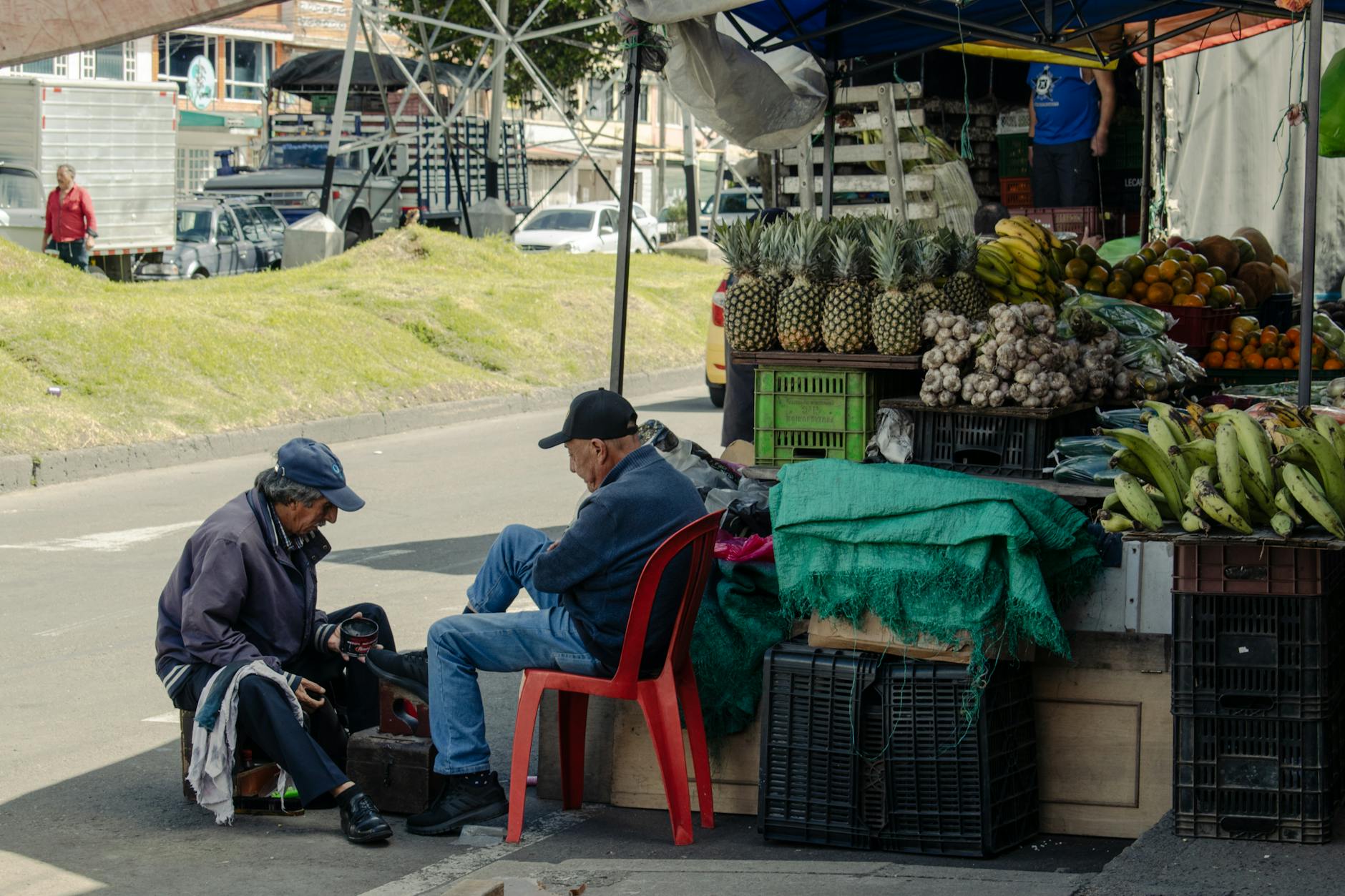
Walk the river promenades early to see locals exercising and street vendors setting up. Visit Mercado 10 de Agosto for fresh fruit, cheeses and empanadas. Book a small workshop tour to watch hat weaving or silver filigree. Take a short evening paseo in El Barranco for baroque facades, small galleries and live music nights. If you’re here on a market day, check for mobile handcraft markets outside the center for pottery and textiles.
Where to Stay
Choose a hotel or guesthouse in the historic center for walkability—around Parque Calderón, El Centro and Calle Larga. For quieter, scenic stays, book an El Barranco riverside hotel or a boutique guesthouse near Turi. Most places are small, family-run and include breakfast. Confirm if your lodging offers airport transfers; taxis to the airport are short but roads can be busy.
Food and Drink
Start days with local bakeries—pan de yuca and empanadas are staples. For lunch, choose a fonda for soups like caldo de gallina or locro de papa. Mercado 10 de Agosto and Calle Larga have great street and sit-down options. Try local cheeses and chocolates from artisan producers. Cafés in El Centro roast local Andean beans—order a tinto or espresso. For a special dinner, book a restaurant that highlights Andean ingredients with modern techniques.
Getting Around
The historic center is very walkable; most landmarks are within 15–25 minutes on foot. Use local buses for longer routes—ask drivers for stops. Yellow taxis are inexpensive; agree on a price for short rides or insist on the meter. For day trips, book a shared tour or private driver—roads to El Cajas and Ingapirca are paved but can be winding. Download local transit apps or keep small bills for fares.
Best Time to Visit
Dry season (June–September) offers clearer skies and better conditions for El Cajas hikes and highland day trips. Shoulder months (April–May, October–November) can be pleasant with fewer crowds and lower prices. Expect cool evenings year-round due to the 2,500+ m altitude—pack a warm layer. Festivals and local events occur throughout the year; check dates if you want to time a cultural celebration.
Budget and Practical Tips
Currency: US dollars. ATMs are common in the center; carry small bills for markets. Tipping: 10% is standard in restaurants if service isn’t included. Language: Spanish is primary; basic phrases help and some vendors speak limited English. Safety: the city is generally safe—use common-sense precautions at night and watch belongings in crowded markets. Health: stay hydrated and avoid heavy exertion on your first day to acclimate to altitude. Power: Ecuador uses 120V electrical outlets with North American plugs.
FAQ
Is Cuenca safe for tourists?
Yes; the historic center is generally safe during the day. Use standard precautions at night and keep valuables secure.
How much walking should I expect?
Moderate walking on cobblestones and river paths—plan 3–6 miles per day depending on your itinerary.
Do I need altitude medication?
Most visitors acclimate in 24–48 hours; bring altitude-aware snacks and rest if you feel lightheaded. Consult a doctor for medication if you have health concerns.
Can I do a day trip to El Cajas without a car?
Yes—book a shared tour or private driver through local operators; public buses also run but tours save time.
Is English widely spoken?
Not widely; tourist spots and hotels have English-speaking staff, but basic Spanish helps.
What currency is used?
The US dollar is Ecuador’s official currency.
Conclusion
Three days here gives you a satisfying mix: colonial streets and museums, lively markets and cafés, plus a day in the highlands. Leave room for slow meals, a few artisan purchases and a sunset from Turi. With compact neighborhoods and easy day-trip options, this itinerary will help you experience the city’s best without rushing.
How this guide was prepared
This guide was prepared through a structured research that combines destination research, geographic context, itinerary planning logic, and content review.