

Daytona Beach: A Practical 3-Day Itinerary and Guide
A practical 3-day plan for Daytona Beach covering the Boardwalk, Daytona International Speedway, Ponce Inlet Lighthouse, transport tips, and realistic budgets.
A direct, day-by-day plan for three days in Daytona Beach focused on practical transit, realistic timing, and local pitfalls to avoid so time isn’t wasted.
Expect a coastal place where the ocean-facing strip and the river side feel like different towns. The oceanfront is loud at peak season and during events, with boardwalk arcades, sunbathers, and cars on sand; the Halifax River side has narrow streets, low-rise houses, small parks, and quiet seafood restaurants. The initial impression is often that the whole area is beach-entertainment; that is accurate for Atlantic Avenue and Main Street, but misleading for visitors who want calmer streets and local art museums.
Seasonal spikes from motorcycle rallies and major races change hotel availability and noise levels dramatically. This place suits travelers who want short drives, museums that open mid-morning, and easy beach access; it is a poorer fit for visitors expecting frequent late-night public transit or dense pedestrian urbanism. Plan time for slow traffic on International Speedway Boulevard during events and for multiple small parking lots rather than a single central garage.
Is 3 days in Daytona Beach enough?
Three days is enough to see the Boardwalk, climb Ponce Inlet Lighthouse, take a Speedway tour, and sample Halifax River neighborhoods. The caveat: multiple race- or festival-week events will make traffic and prices blow out, so skip major events if the priority is relaxed sightseeing.
Who This Guide Is For
Best for travelers who want sun, short drives, and a mix of museum and beach time; not ideal for those expecting dense urban nightlife or reliable frequent transit. Budget travelers who plan to rent a car get more out of three days.
Local Tips for Daytona Beach
Practical details that most travel sites skip — specific to Daytona Beach.
- Daytona Beach International Airport (DAB) is a short drive from the Boardwalk; expect taxi or rideshare fares to downtown around $15–25 depending on terminal and time of day.
- VOTRAN buses serve Halifax Avenue, International Speedway Boulevard (US-92), and the Beachside area; use the VOTRAN RealTime app to check schedules for routes that stop near Main Street Pier and Seabreeze Boulevard.
- Driving on hard-packed sand is legal along large stretches of the beach; pay attention to metered beach parking zones near Main Street Pier and the Boardwalk and obey posted beach-driving restrictions.
- Daytona International Speedway offers guided tours including the Pit Road and FanWalk; Speedway tour tickets often start in the low $20s for non-race days but jump during Speedweeks and special events.
- Ponce Inlet Lighthouse is officially the Ponce de Leon Inlet Light Station; the site requires climbing 203 steps to reach the top and has limited afternoon hours, so plan that visit earlier in the day.
How This Guide Was Prepared
This guide treats Daytona Beach as a place with two distinct personalities: the Atlantic-facing beach and the river/old-town side. Many guides overfocus on the Speedway and the beachfront without explaining the quieter Halifax River neighborhoods, practical transit limits, or how beach driving and seasonal events reshape traffic and prices. This guide was prepared through a structured research that combines destination research, geographic context, itinerary planning logic, and content review.
Plan Your Stay in Daytona Beach
Use this itinerary as your starting point, then compare areas to stay, transport options, seasonal timing, and realistic daily costs before booking.
Why Visit
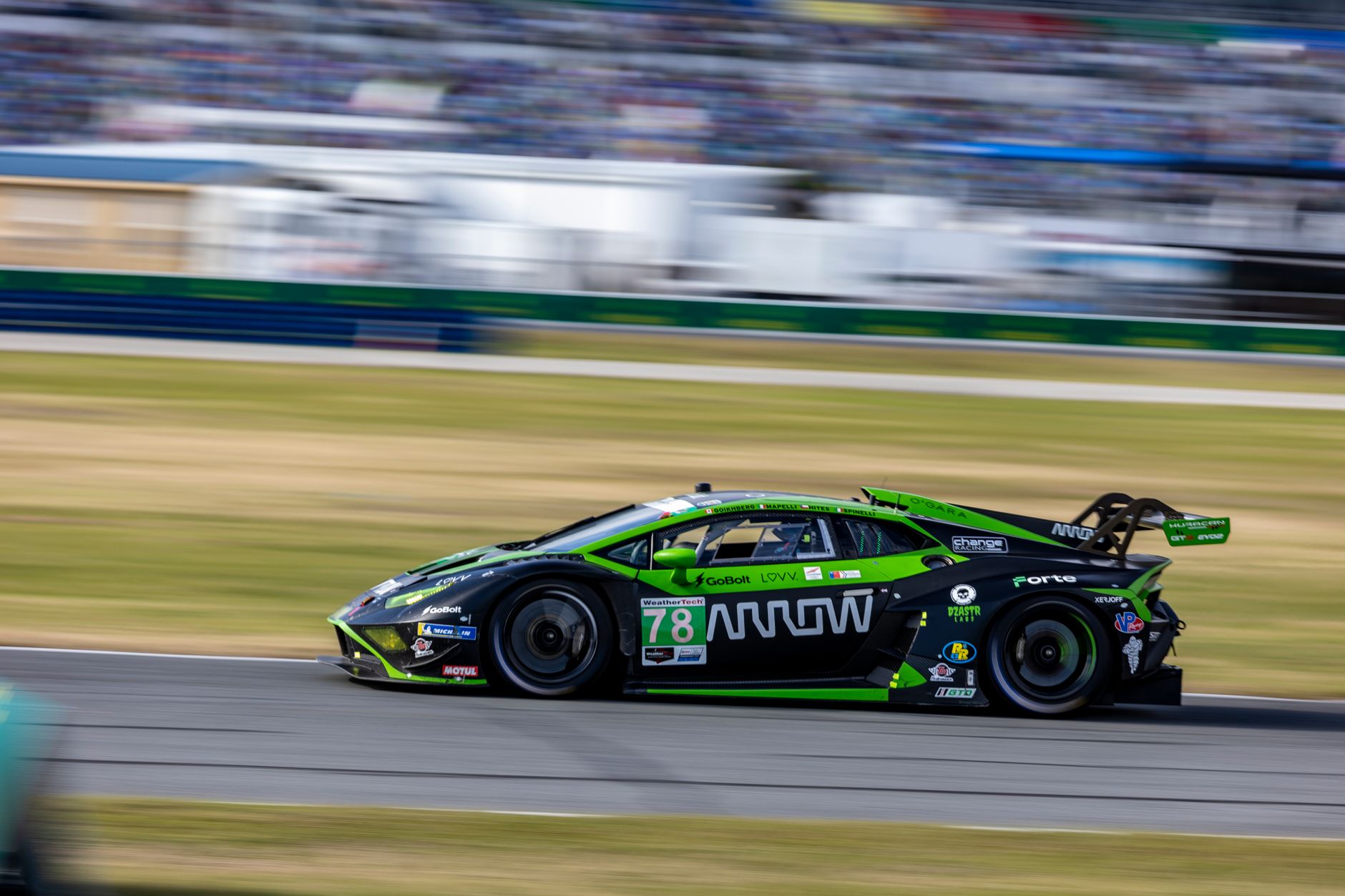
The Speedway and motorsport culture are unique draws: the Daytona International Speedway museum and track tours give a behind-the-scenes look not available in many beach towns. The coastline itself allows driving on packed sand in designated stretches, which is an uncommon beach experience for drivers who plan ahead.
A compact museum scene includes the Museum of Arts and Sciences (MOAS) with a local collection and rotating exhibitions and the Halifax Historical Museum focused on local maritime and aviation history. Ponce Inlet Lighthouse provides a steep climb and panoramic views and sits at the mouth of the Halifax River for easy wildlife spotting. The riverfront neighborhoods and small craft marinas provide different flavors of dining and quieter waterfront walks, so a three-day visit can show both surf and low-key local life.
Quick Planning Tips
Fly into Daytona Beach International Airport (DAB) for the shortest transfer to the Boardwalk, or use Orlando MCO if seeking more flight choices with a 1–1.5 hour drive. Rideshare pickup is allowed at DAB terminals; taxis are usually metered and slightly cheaper for short downtown runs. Reserving a rental car pays off unless plans stay entirely within a small walkable area near the Boardwalk.
Carry a physical card or screenshot of your VOTRAN ticket or download the VOTRAN RealTime app before arrival; bus frequency can be low outside peak hours. A common planning mistake is assuming all attractions are open late; many museums and the lighthouse close by late afternoon, so schedule them before evening.

Day 1
Morning: Start at the Boardwalk and Main Street Pier. Walk the wooden boardwalk, watch surfers, and photograph the pier. Allow 1–2 hours here to walk the shoreline, visit a beach concession, and see the bandshell area. Main Street Pier and the beach parking lot are adjacent, so factor in a short walk from the car or drop-off point.
Late morning: Walk or short drive (5–10 minutes) to the Daytona Lagoon water park or the Daytona Beach Bandshell area for a look at summer concerts and public events. If interested in local history, the Halifax Historical Museum on North Beach Street is a 7–10 minute drive from the Boardwalk; plan 45–60 minutes for exhibits.
Lunch: Head to Caribbean Jack’s on the Halifax River for seafood with a river view; expect mains $12–22. Afternoon: Drive 15–20 minutes to the Museum of Arts and Sciences (MOAS) to see folk art collections and the Root Family Museum exhibits. MOAS often has timed entries for special exhibitions, so book ahead for busy weekends.
Evening: Return to Atlantic Avenue or Main Street for dinner at a beachfront grill and stay for sunset. If staying out late, check event calendars at the Daytona Beach Bandshell or Peabody Auditorium for performances.

Day 2
Morning: Dedicate the morning to Daytona International Speedway. Allow 2–3 hours for the museum, FanZone exhibits, and a guided Speedway tour if available. The Speedway sits off International Speedway Boulevard (US-92); allow extra time for parking and security lines, especially if a race or testing session is scheduled.
Late morning: Drive 10–15 minutes east toward the beachside neighborhoods and stop at the Jackie Robinson Ballpark if there is a game or a public event. The ballpark is near City Island Park and Riverfront Park along the Halifax River.
Lunch: Eat on Beach Street or at a riverfront café near Riverfront Park; expect sandwiches and seafood in the $10–18 range.
Afternoon: Cross Seabreeze Boulevard and take a short drive south to the Ormond Beach area for a quieter stretch of sand and the Rockefeller Gardens Park on Ocean Shore Boulevard. Ormond Beach is a 15–20 minute drive north if seeking a calmer afternoon or a short walk from the Granada Boulevard corridor for boutique shops.
Evening: Choose a waterfront restaurant on the river side to avoid beachfront crowds; watch for live music schedules at local bars and check the Peabody Auditorium calendar. If nightlife is the aim, Atlantic Avenue’s bars are within a quick drive but expect lines on weekends.

Day 3
Morning: Drive south to Ponce Inlet and climb the Ponce de Leon Inlet Lighthouse early to avoid afternoon heat and crowds; the climb is 203 steps so plan for water and steady shoes. After the climb, visit the Lighthouse Keepers’ exhibits and the small marine science displays on site. Ponce Inlet sits about a 20–25 minute drive south of the Boardwalk depending on traffic.
Late morning: Explore the Ponce Inlet Marine Science Center or take a short riverfront walk along Lighthouse Point Park. Wildlife viewing at the inlet often includes shorebirds and occasional manatees near the marina.
Lunch: Try a seafood shack in Ponce Inlet or return toward Daytona Beach for a casual lunch at a riverfront spot on Bay Street or near Mary McLeod Bethune Boulevard.
Afternoon: For those checking out or catching an afternoon flight, schedule a 60–90 minute stop at the shops along Seabreeze Boulevard or a quick visit to the Museum of Arts and Sciences if missed earlier. If the flight is late, a final beach walk at the Boardwalk or a short stop at the Daytona Flea & Farmers Market (check open days) provides affordable souvenirs.
Departure note: Allow extra time for traffic on International Speedway Boulevard during peak event days and add 30–45 minutes to usual travel times to DAB if leaving during evening rush.

Best Local Experiences
Attend a Speedway tour or a public FanWalk to see pit lane and paddock areas during non-race days; timing varies by event. Climbing the Ponce de Leon Inlet Lighthouse and visiting the keepers’ buildings offers one of the clearest coastal views and a different pace from the Boardwalk.
Walk the Halifax Riverwalk and visit Riverfront Park for morning photographers and small-boat traffic. Visit the Museum of Arts and Sciences (MOAS) for its American and folk-art displays and the Root Family Museum for local artifacts. Spend an early morning on the beach driving stretches where vehicle access is allowed — that experience is unusual and requires checking posted signs and paying any parking meters.
Other specific activities include a catching a game at Jackie Robinson Ballpark, visiting the Daytona Beach Bandshell during a scheduled concert, and a short drive north to Rockefeller Gardens in Ormond Beach for quieter coastal strolls.

Where to Stay
Boardwalk / Main Street area: Suited to visitors who want immediate beach access, arcades, and nightlife. Close to Main Street Pier and the Bandshell. Expect nightly rates from about $110–220 USD (≈€100–200) for mid-range hotels in peak season; off-season deals are common.
Downtown / Riverfront (Beach Street, City Island): Suited to people prioritizing museums, river walks, and quieter restaurants. Close to Riverfront Park, MOAS, and Jackie Robinson Ballpark. Expect $90–180 USD (≈€80–165) per night for modest motels and boutique options.
Daytona Beach Shores and Ponce Inlet: Suited for quieter mornings, family-style condos, and easy access to Ponce Inlet Lighthouse. These areas are a 10–25 minute drive from the Boardwalk. Expect $100–200 USD (≈€90–185) nightly for beachfront condos and small hotels, with higher rates during race weeks.
Booking tip: During Speedweeks, Bike Week, and major concerts, expect steep price increases and limited availability across all neighborhoods.
Food and Drink
Breakfast: Grown on A1A or a local diner like The Cellar or local beachfront cafés serve breakfast sandwiches and coffee for about $6–12. Expect simple egg plates and pancakes at midrange diners.
Street food/snack: Boardwalk corn dogs, fried seafood baskets from concession stands, and shaved ice treats are common; a typical snack will run $4–8. Sample fresh grouper or shrimp tacos at casual stands near the pier.
Dinner: Seafood is the practical focus — steamed shrimp, blackened grouper, and stone-crab season offerings. Try Caribbean Jack’s on the Halifax River for local fare (mains $12–28). For a fancier dinner, a waterfront restaurant near the marina offers entrees $20–40.
Local dishes/drinks to try: blackened grouper (grilled and spiced Gulf fish), fried shrimp dinners with fries and coleslaw, conch fritters at seafood shacks, key lime pie as a common dessert offering, and regional craft beers from nearby brewpubs. Prices vary by venue but expect $12–28 for main seafood plates at casual to midrange restaurants.
Getting Around
Public buses: VOTRAN is the county bus service. Major corridors include International Speedway Boulevard (US-92) and Seabreeze Boulevard; routes connect the Boardwalk, downtown, and nearby malls. Use the VOTRAN RealTime app to see route numbers and live locations.
Rideshare and taxis: Uber and Lyft operate throughout the area; plan for surge pricing during major events. Taxi fares from Daytona Beach International Airport (DAB) to the Boardwalk typically run $15–25. Renting a car is the most flexible option for visiting Ponce Inlet or Ormond Beach.
Tickets and apps: Single bus fares are low; expect day passes to be the most cost-effective for multiple rides. Buy passes via the VOTRAN app or on board where allowed. For maps and routing, use Google Maps alongside the VOTRAN RealTime app for schedules and connections.
Best Time to Visit
Winter (December–February): Cooler temperatures often 55–72°F (13–22°C), pleasant for walking and museums; holidays and event weekends can still be busy. Spring (March–May): Warm days 65–80°F (18–27°C) and some of the best weather, but March hosts major racing and motorcycle events that raise prices.
Summer (June–August): Hot and humid 75–90°F (24–32°C) with afternoon storms; expect families and higher noise near the Boardwalk. Fall (September–November): Warm temperatures 70–85°F (21–29°C) with lower humidity and fewer crowds, but watch for hurricane season disruption from August through October.
Best value months are late fall (November excluding holidays) and early December when rates drop and weather remains mild. Avoid major event weekends unless attending those events specifically.
Budget and Practical Tips
Typical daily budget (moderate traveler) in USD and approximate EUR/USD conversions: Accommodation $90–160 USD (≈€85–150), Food $30–60 USD (≈€28–55), Transport $10–30 USD (≈€9–28), Entry fees and activities $20–60 USD (≈€18–55). A basic daily total runs about $150–310 USD (≈€140–290) depending on lodging and activities.
Tipping norms follow US standards: restaurants 15–20% of the pre-tax bill, $1–2 per drink at bars, $2–5 for valet or bell service, and rounding up taxi fares is common. Parking: expect meter rates along Atlantic Avenue and paid lots near the Boardwalk; factor parking into beach visits. Bring sun protection and a refillable water bottle; parking lots and boardwalk vendors charge for bottled water and shade rentals.
FAQ
Is Daytona Beach safe for tourists?
Most areas frequented by visitors are generally safe during daylight hours; exercise standard city precautions at night, avoid poorly lit side streets, and watch belongings on crowded beachfront areas.
What is the best way to get from Orlando to Daytona Beach?
Driving via I-4 east to I-95 north or US-92 is the fastest option (about 1–1.5 hours depending on traffic); rideshare or shuttle services are available but costly for single travelers.
Is there a city card or pass worth buying?
No universal city pass covers all local attractions; buying individual tickets for MOAS, the Lighthouse, or Speedway tours is usually the better value unless a bundled event package is offered.
Can visitors drive on the beach and do they need a permit?
Beach driving is allowed only on designated stretches of hard-packed sand; obey posted rules and parking meters, and do not drive on dune areas.
Are public transit and buses frequent enough to rely on for a full itinerary?
VOTRAN buses cover main corridors but runs are infrequent outside peak hours; a rental car or rideshare gives far more flexibility.
What should be avoided during major events like Speedweeks or Bike Week?
Avoid last-minute hotel booking, expect closed or full parking lots near the Speedway and Boardwalk, and allow double or triple normal travel times on major routes.
Conclusion
A three-day visit will leave a clear sense of two sides: the Atlantic-facing activity strip with its Boardwalk and beachfront arcades, and the quieter Halifax River neighborhoods with museums and marinas. Most travelers will remember the contrast between a loud event atmosphere and calm riverfront evenings.
If time is short, prioritize the Boardwalk/Main Street Pier and the Ponce Inlet Lighthouse or a Speedway tour depending on interests; those two experiences together encapsulate the coastal and motorsport sides of the area.
How this guide was prepared
This guide was prepared through a structured research that combines destination research, geographic context, itinerary planning logic, and content review.