

Responsible Travel in Beijing: Practical, Low-Impact Tips
Practical, sustainable advice for visiting Beijing: best seasons, neighborhoods, transport, booking, and local-first tips to support your 3 days in Beijing itinerary.
A concise, practical guide to low-impact travel in Beijing—when to go, where to stay, how to move around, what to prebook, and how to support local communities and conservation while using our 3 days in Beijing itinerary.
Quick Answer
A concise, practical guide to low-impact travel in Beijing—when to go, where to stay, how to move around, what to prebook, and how to support local communities and conservation while using our 3 days in Beijing itinerary.
Who This Page Is For
This page is for travelers planning a stay in Beijing who want clearer decisions about responsible travel, local logistics, timing, budgeting, and practical trip planning.
How This Page Was Prepared
This page was prepared through a structured editorial workflow that combines destination research, geographic context, and practical travel-planning review.
Plan the Rest of Your Trip
Use this page together with the full itinerary and the related planning pages below to make better booking, timing, transport, and budget decisions.
Top actions for responsible travel in Beijing:
- Visit in shoulder seasons (April–May or September–October) for better air and fewer crowds.
- Use the subway and bike-share; avoid taxis in rush hours to reduce emissions and time lost in traffic.
- Book time-ticketed sites (Forbidden City, Summer Palace) in advance under your passport name.
- Stay in a locally run guesthouse in Dongcheng or a courtyard (siheyuan) to keep tourist spending local.
- Choose less-crowded Great Wall sections (Mutianyu early morning) and small-group, certified guides.
These choices pair naturally with the 3 days in Beijing plan: they reduce stress, save time, and keep your impact local-first.
This page is a compact, practical companion to our 3 days in Beijing itinerary focused on low-impact, locally beneficial travel. It explains when to visit, which neighborhoods and transport modes reduce your footprint, what to prebook, and how to prioritize local vendors and conservation-minded operators. Use it to refine each day in the main itinerary and to plan sensible extensions to nearby cities like Tianjin or Qingdao.
What This Page Helps You Decide
This support page helps you choose:
- When to go: balance air quality, crowds, and weather.
- Where to stay: neighborhood trade-offs between convenience and local impact.
- How to get around: subway lines, bike routes, train vs plane for nearby cities.
- Which attractions to prebook and how to avoid peak-time congestion.
- Sustainable extras: local markets, responsible Great Wall visits, and ethical souvenirs.
Use the guidance here to tweak the pacing and booking details in the 3 days in Beijing itinerary or to plan a rail extension to Tianjin, Jinan, Taiyuan, Dalian, or Qingdao.
Top Recommendations
Practical, high-impact choices:
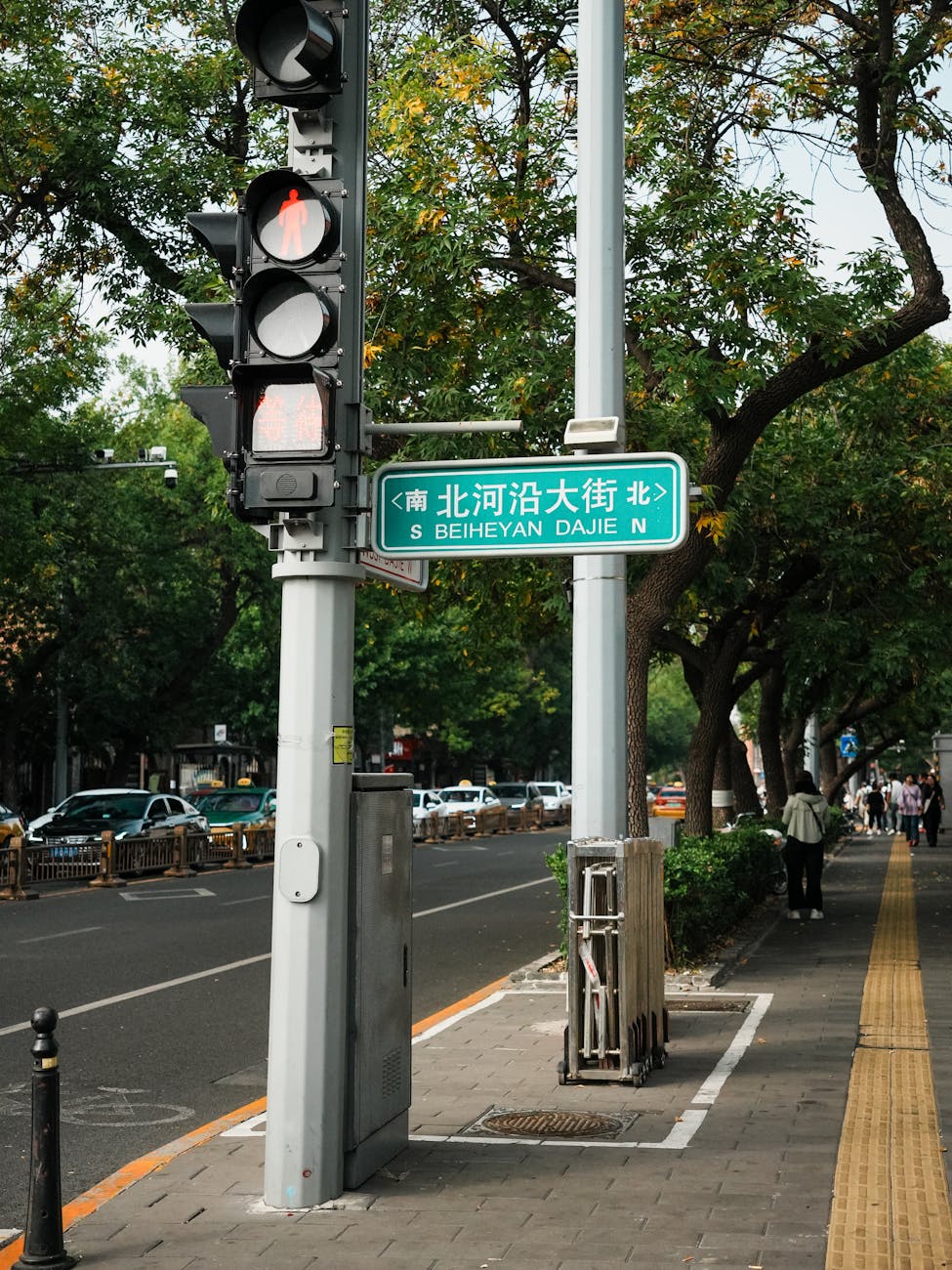
- Book key tickets early: Forbidden City (Palace Museum) releases timed slots; buy them through the official site or an authorized agent and register names.
- Buy a Beijing transportation card (Yikatong) or use a bank card on the subway for convenience and fewer paper receipts.
- Favor walking and cycling within Dongcheng and Xicheng for short museum-to-hutong transfers; bring a refillable water bottle.
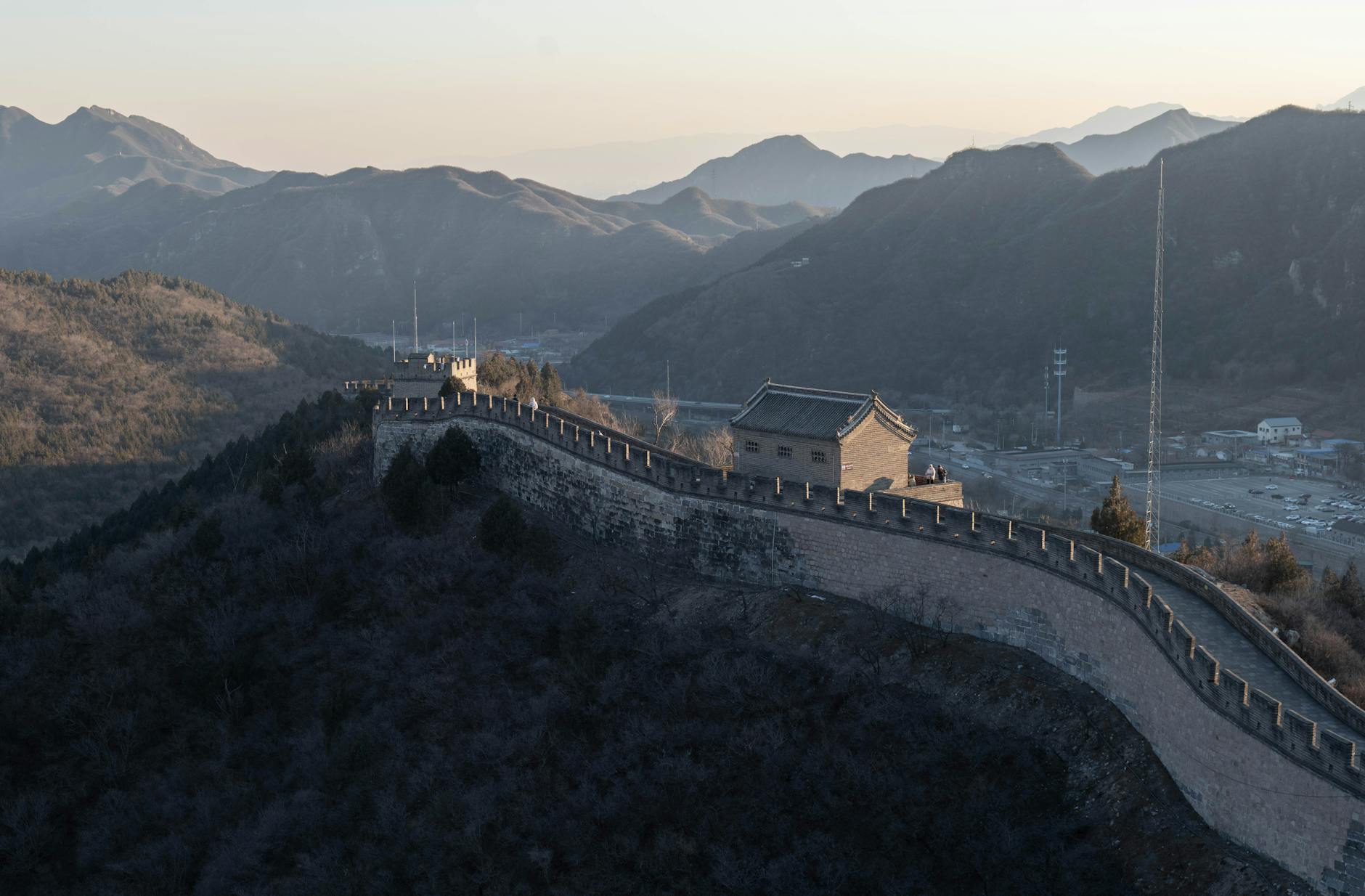
- Schedule Great Wall visits at Mutianyu early (before 09:30) and return by late afternoon to avoid tour-bus peaks.
- Eat at family-run neighborhoods restaurants and food markets (e.g., Liulichang, Ghost Street in moderation) rather than international chains.
- Choose small, certified local guides for cultural sites and day trips; they keep revenue local and provide richer context.
These priorities keep your visit efficient, reduce environmental impact, and maximize benefit to local communities.
Local Context
Neighborhoods and rhythms:
- Dongcheng and Xicheng: best for historic core access—Forbidden City, Temple of Heaven, hutongs. Great for walking, guesthouses, and small restaurants.
- Chaoyang: embassy and modern district with expat restaurants and 798 Art District; busier at night and more international options.
- Sanlitun and Gulou/Nanluoguxiang: nightlife and shopping hubs—expect crowds and higher prices.
Seasonal realities:
- Spring (Mar–May): pleasant weather but watch for occasional north China dust storms in March.
- Summer (Jun–Aug): hot and humid, heavy July–August rains; plan morning outdoor activities.
- Autumn (Sep–Oct): best combination of air quality and colors; peak visitor season.
- Winter (Nov–Feb): cold with central heating-related smog in some years; fewer tourists and lower prices.
Transport and practicalities:
- The subway is fast, extensive, and usually the best option; stations and trains have English signage.
- Expect security checks and bag scans at most cultural sites and subway entrances; have your passport handy.
- Mobile payments (WeChat Pay, Alipay) dominate. Carry some cash and ensure your card works for top-ups or use a visitor-friendly transit card.
- Distances are large: Beijing looks compact on a map but trips across ring roads can take time in traffic. Prefer rail/subway for intercity travel via Beijing South or West.
How to Choose Well
Decision tips by category:
Accommodation
– Pick locally managed guesthouses or small hotels in Dongcheng or Xicheng to channel spending into neighbourhood businesses.
– If accessibility is a priority, confirm elevator access and room layouts before booking.
Transport
– Buy a Yikatong or use a transit-enabled card on arrival; it simplifies transfers and reduces single-use cards.
– For nearby cities use high-speed trains from Beijing South (Tianjin in ~30–35 minutes) instead of regional flights to cut carbon and travel time.
Tours and guides
– Ask for certifications and reviews; prefer local, small-group operators who use public transport where possible.
– Avoid large coach tours to the Great Wall that drop hundreds of people at once—request Mutianyu early-access or local hiking options.
Food and shopping
– Eat at small neighborhood restaurants and markets; ask hosts for family-run places to sample authentic dishes.
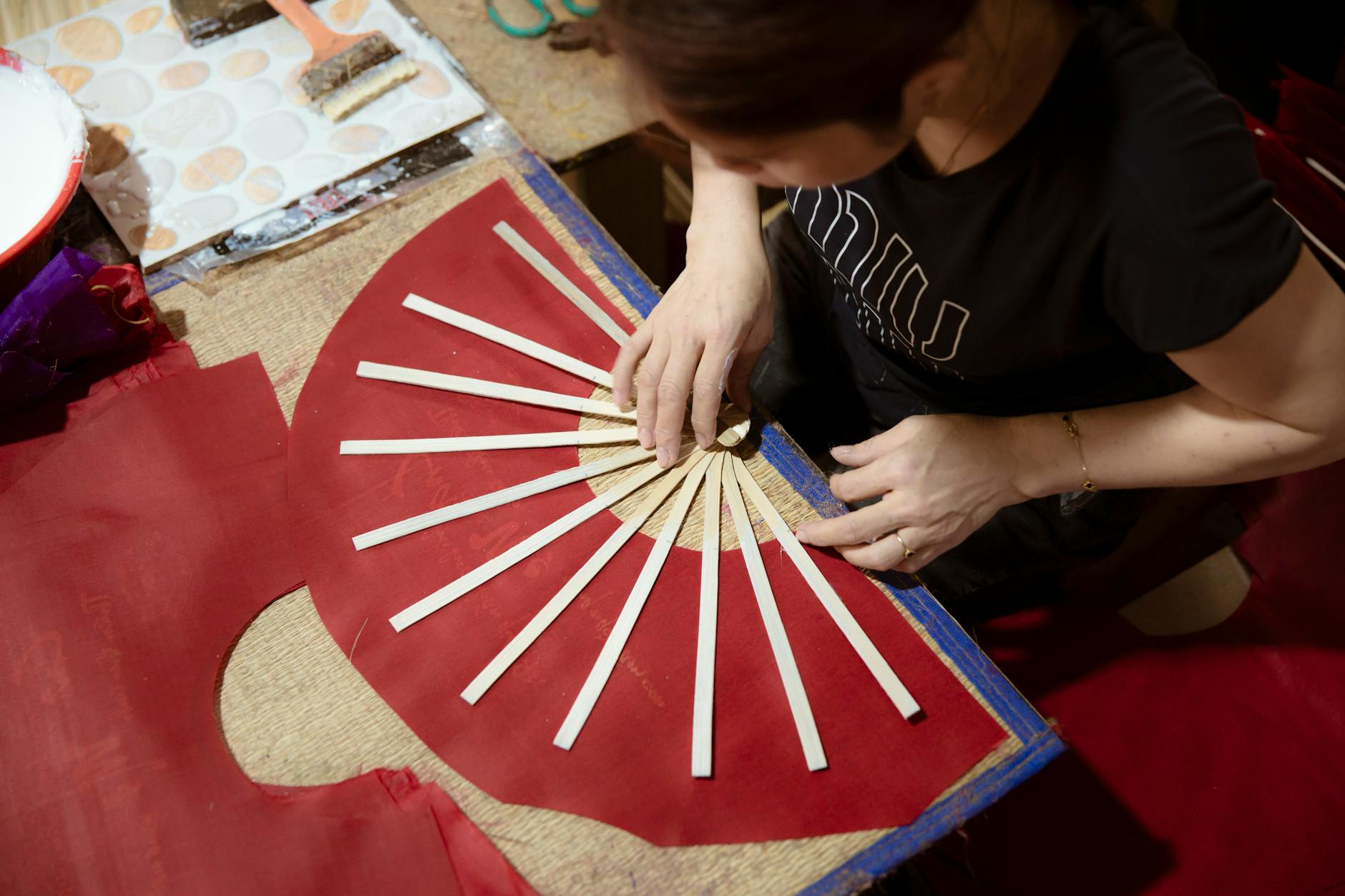
– Buy handicrafts directly from artisans or co-ops rather than mass-produced souvenirs.
Timing and booking
– Reserve time-ticketed attractions (Forbidden City, Summer Palace) several days to weeks ahead during high season.
– Start outdoor sites in the early morning for cooler temperatures and lighter traffic.
Responsible and Local-First Tips
Actions that benefit people and place:
- Prioritize local guides, artisans, and family restaurants; ask where profits go and prefer businesses with visible local staff.
- Use public transit, e-bikes, or walk short distances; avoid private car pickups for short legs.
- Reduce waste: carry a refillable water bottle, bring reusable utensils, and decline single-use plastic bags.
- Respect cultural norms at religious and historic sites: dress modestly for temples, speak softly, and follow photography rules.
- Support conservation: choose Great Wall operators that avoid damaging restoration practices and consider a small donation to local preservation groups.
- Learn a few Mandarin phrases and basic etiquette; it improves interactions and shows respect for hosts.
Small choices add up: a locally owned guesthouse, a subway ride, and artisan purchases support Beijing’s neighborhoods more than large international chains.
Common Mistakes to Avoid
Frequent errors and how to skip them:
- Underestimating time: Beijing’s ring roads and security checks add minutes to every transfer—pad schedules and avoid tight connections.
- Waiting to book the Forbidden City or other timed entries: these can sell out on high-demand days.
- Relying only on taxis during rush hour: traffic can double trip times; use the subway instead.
- Choosing the most famous, busiest Great Wall spot without checking alternatives: Badaling is convenient but crowded; Mutianyu or Jinshanling offer lower-impact visits.
- Ignoring air-quality forecasts: on heavy-smog days prefer indoor museums and parks with better airflow.
- Overlooking local payment methods: many small vendors accept mobile payments only—plan how to top up transit cards or get small cash.
Avoiding these traps makes the 3 days in Beijing itinerary more relaxed and keeps your impact lower.
FAQ
When is the best time to visit Beijing for fewer crowds and better air?
Aim for April–May and September–October for mild weather, clearer skies, and shoulder-season crowds. Late autumn can be good for lower visitor numbers; winter has fewer tourists but can have higher pollution on cold spells.
Do I need to prebook the Forbidden City and other attractions?
Yes. The Palace Museum uses timed tickets with real-name registration; book in advance through the official site or an authorized seller. Summer Palace and some temple sites also use timed entries during peak season.
How should I get to nearby cities like Tianjin or Qingdao?
High-speed rail is efficient: Tianjin is about 30–35 minutes from Beijing South. For Qingdao, Jinan, Taiyuan and Dalian, check trains from Beijing South or West (travel times vary). Trains are lower-carbon and often faster than flights for these distances.
Is air pollution a major concern and how should I prepare?
Air quality varies. Check AQI apps before outdoor plans. On poor-air days prefer indoor museums, wear an N95 mask if sensitive, and shorten strenuous outdoor activities.
Should I tip guides and drivers?
Tipping is not customary in most mainland China contexts, but small gifts or a modest tip is appreciated for exceptional service on private tours. For restaurants and taxis, tipping is generally unnecessary.
How do I pay for things if I don't have WeChat or Alipay?
Many smaller vendors prefer mobile payments, but cash still works in markets and modest restaurants. Major shops and subway stations accept international cards; carry some RMB to top up a transit card if needed.
Any etiquette I should know when visiting temples and neighborhoods?
Dress modestly for religious sites, remove hats during prayer, speak softly, and avoid touching altars or statues. In hutongs, be respectful of residents—keep noise low and ask before photographing people at close range.
Conclusion
Use these practical, responsible choices to make your visit to Beijing smoother, lower-impact, and more beneficial to local communities. Pair them with our 3 days in Beijing itinerary to set daily timings, prebook must-see attractions, and plan sensible day trips to Tianjin or Qingdao by high-speed rail. Small decisions—picking a neighborhood guesthouse, taking the subway, booking early access to the Great Wall—add up to a better trip for you and for Beijing.
How this guide was prepared
This guide was prepared through a structured research that combines destination research, geographic context, itinerary planning logic, and content review.