

Hyderabad 3-Day Itinerary: Practical Guide for First-Timers
A focused, realistic 3-day plan for Hyderabad covering Charminar, Golconda, markets, metro tips and food — with exact transit and timing advice.
Three days that mix Old City sightseeing, a fort and the modern tech corridor, with practical transit and food tips for realistic planning.
First impressions are a mix: a congested Old City with narrow lanes, a skyline interrupted by minarets and mosques, then a sudden change to wide roads, malls and glass towers in HITEC City. Noise, traffic and heat are constant features; colors and smells—spices, frying oil and baking dough—arrive quickly. Expect vendors, tuk-tuks and frequent honking in older districts and a more ordered, car-dominated pace in the tech corridor.
Most visitors underestimate how different the two halves feel. The Old City asks for patience and bargaining; the new districts expect cards, apps and reservation-based dining. This split suits culture-seekers who like markets and monuments and those who want a modern dining scene in the evenings. Those wanting quiet, easy walking without traffic or heat may find the pace exhausting.
Is 3 days in Hyderabad enough?
Yes—three days are enough to cover Charminar and Laad Bazaar, Golconda Fort, Salar Jung Museum and a taste of HITEC City. Expect to skip a day trip to Ramoji Film City or a relaxed all-day shopping spree if short on time.
Who This Guide Is For
Best for travelers who want a dense mix of monuments, bazaars and local food and can handle heat, traffic and loud streets. Not ideal for those wanting a slow, beach-style holiday or a single focused museum trip.
Local Tips for Hyderabad
Practical details that most travel sites skip — specific to Hyderabad.
- Pushpak Airport Liner (TSRTC) runs scheduled buses from Rajiv Gandhi International Airport to Secunderabad and key hubs; fares are around ₹150–250 and it is the cheapest reliable option to avoid surge taxi fares.
- Buy or top up a Hyderabad Metro smart card at any Ameerpet, Hitec City or Secunderabad metro counter to save on repeated token lines; single tokens are fine for one-off trips but queues form at peak hours.
- Laad Bazaar (near Charminar) is loud and busiest after 4pm; many jewellery and bangle shops close by 8:30–9pm so plan evening shopping in that window.
- Golconda Fort’s walk-to-the-top takes 30–45 minutes from the main entrance; wear closed shoes and bring water—light-and-sound shows have separate tickets and run after dusk most days.
- Salar Jung Museum has a distinct tearoom and a low entry fee for Indian citizens; expect to spend 1.5–2 hours to see highlights like the Veiled Rebecca and astrolabe collection.
How This Guide Was Prepared
Three days here split sharply between the Old City’s bazaars and monuments and the newer tech and dining districts; that contrast is the point. Many guides flatten the experience into scenery and food lists and skip the transport headaches, timing issues for monuments and when markets are actually open. This guide was prepared through a structured research that combines destination research, geographic context, itinerary planning logic, and content review.
Plan Your Stay in Hyderabad
Use this itinerary as your starting point, then compare areas to stay, transport options, seasonal timing, and realistic daily costs before booking.
Why Visit
There are clear, specific reasons to spend three days here. First, the Old City around Charminar and Laad Bazaar offers direct access to traditional crafts, pearls and a living market rhythm that still operates as it did decades ago. Second, the Qutb Shahi architecture—Golconda Fort and the Qutb Shahi Tombs—shows a regional style distinct from north Indian forts and can be climbed for city views.
Third, museums like Salar Jung hold major collections (European sculptures, Indian miniature paintings and early clocks) that reward a focused visit. Fourth, the food scene—Hyderabadi biryani, haleem in season, Irani chai and bakery snacks—reflects a culinary fusion tied to the Deccan courts and city trade routes. These reasons combine monument visits, hands-on market shopping and a distinct regional cuisine within a tight area that can be realistically covered in three days.
Quick Planning Tips
Fly into Rajiv Gandhi International Airport (RGIA) and expect a 35–60 minute transfer to most central hotels; use the TSRTC Pushpak Airport Liner for the cheapest fixed fare or pre-paid airport taxi counters for door-to-door service. If arriving by train, Secunderabad and Hyderabad Deccan (Nampally) stations put most city areas within a 15–40 minute taxi or metro ride.
Carry cash for Old City markets but use UPI or cards in malls and restaurants; many small sellers will not accept cards and often give better prices for cash. Avoid scheduling a major museum and Charminar on the same morning; heavy midday crowds and heat make long walking days unpleasant. Book timed entries such as Golconda’s light-and-sound show in advance during peak season and check opening days for museums—some close one weekday for maintenance.

Day 1
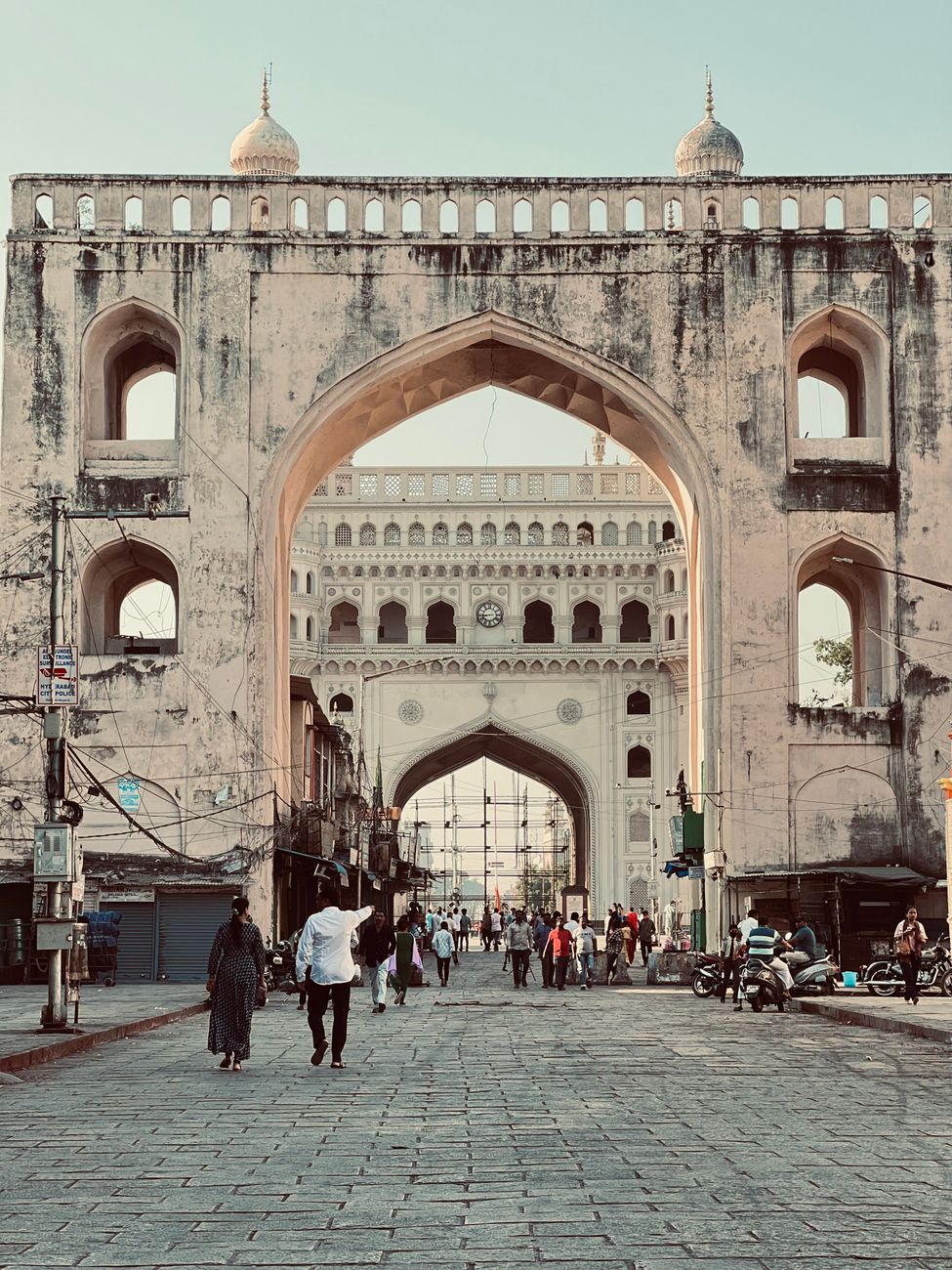
Morning: Start in the Old City at Charminar. Arrive before 9am to avoid the largest crowds and photograph the monument from the east and west sides. Spend 45–75 minutes at the monument itself and allow another 30–45 minutes walking the immediate lanes of Laad Bazaar for bangles and pearls.
Late morning: Walk five minutes to Mecca Masjid to view the mosque exterior and then head 7–10 minutes on foot to Chowmahalla Palace. A focused visit to Chowmahalla takes 60–90 minutes; the palace reflects the Nizam’s court rooms and offers shaded courtyards.
Lunch: Eat at Shadab Restaurant or Nimrah Cafe (near Charminar) for classic biryani or Irani chai and Osmania biscuits; expect ₹250–600 per person. After lunch, take a 15–25 minute auto to Salar Jung Museum on Afzal Gunj Road. Allocate 90–120 minutes to see highlights: Veiled Rebecca, the musical clock and miniature paintings.
Afternoon: From Salar Jung, a 15–20 minute auto or 10–15 minute metro ride (to Necklace Road or Khairatabad, depending on where staying) leads to Hussain Sagar Lake and the massive Buddha statue. If energy remains, walk part of Necklace Road or take a short boat trip to the statue (boat times variable).
Evening: Head to Banjara Hills or Jubilee Hills for dinner where contemporary restaurants and rooftop bars are clustered; expect a 20–40 minute drive from Necklace Road depending on traffic. Finish with a relaxed dinner and plan early rest—the next day has a larger walking section.

Day 2
Morning: Allocate the morning for Golconda Fort. Take an early 30–50 minute taxi or bus ride to Golconda to avoid midday heat. Spend 1.5–2.5 hours exploring the ramparts and the acoustic points; the climb to the top takes 30–45 minutes walking from the main gate. Buy a combined ticket if available for the light-and-sound show later.
Late morning: A short 10–15 minute drive takes you to the Qutb Shahi Tombs on the same complex; expect 45–60 minutes to walk the restored gardens and tombs. From there, head 20–30 minutes by taxi to HITEC City/Madhapur.
Lunch: Eat in HITEC City—options range from fast Hyderabadi biryani joints to multi-cuisine food courts in Forum Sujana Mall or Inorbit; expect ₹300–700 per person. Post-lunch, visit Shilparamam (a 10–20 minute drive from central HITEC City) for crafts and scheduled live performances; allow 60–90 minutes.
Afternoon: Explore the tech corridor: walk past Cyber Towers and the PTI area, or visit a contemporary gallery if open. If shopping is the aim, choose one mall (GVK One or Forum) rather than hopping between several.
Evening: Jubilee Hills/Banjara Hills offer evening dining and bars; pick a place with a reservation. If energy allows, drive to the rooftop restaurants near Jubilee Hills Check Post. For a quieter cultural evening, return to Golconda for the light-and-sound show (check start times and buy separate tickets).

Day 3
Morning: Pick a lighter plan depending on departure. If staying through the afternoon, begin with a visit to Koti/Abids for bookshops and old-school stationery stores; it’s 20–30 minutes by auto from Banjara Hills. Alternatively, visit the State Museum at the Public Gardens (near Nampally) for 60–90 minutes if interested in archaeology and local displays.
Midday: Try an Irani cafe experience and Osmania biscuits at Nimrah or Karachi Bakery branches for a late breakfast or early lunch; allow 45–60 minutes. If market shopping remains, Begum Bazaar and Sultan Bazaar are the main wholesale markets for textiles and brassware—expect bargaining and carry small change.
Afternoon (flexible): For those with extra time and no flight, opt for Ramoji Film City (a full-day excursion 45–60 minutes drive from the city and often 6–8 hours on site). If catching an afternoon flight, plan a taxi to RGIA that departs your hotel 3 hours before international flights and 2–2.5 hours before domestic departures; buffer extra time for peak-hour traffic.
Evening (if staying): A final relaxed dinner in Banjara Hills or along Necklace Road offers a chance to sample Mirchi ka Salan with leftover biryani; pick a place where payment by card is accepted if packing light on cash. Check-out times vary—ask hotels about luggage hold to squeeze a few extra hours out of the day.

Best Local Experiences
Charminar and Laad Bazaar: early morning photos and evening shopping for bangles and pearls; watch for closing times around 8:30–9pm. Golconda Fort climb and the evening light-and-sound show: the acoustic design and panoramic views reward an early visit and an optional evening performance.
Salar Jung Museum: close study of specific exhibits such as European sculptures and the clock room offers the best museum payoff here. Shilparamam in HITEC City: an arts and crafts village that runs scheduled performances and weekend craft stalls, useful for local handicrafts without haggling in Old City markets.
Irani cafes and bakeries: Nimrah Cafe (near Charminar) for chai and Osmania biscuits; Karachi Bakery outlets for take-home biscuit boxes. Hussain Sagar boating to the Buddha statue: short boat rides run from Tank Bund and Sanjeevaiah Park; timings vary by season.
Festivals and seasonal experiences: Ramzan evenings bring haleem vendors and special market energy around Charminar; Bonalu (local festival) sees processions in July–August in select neighbourhoods—attend only with local guidance for safety and crowd navigation.
Where to Stay
Banjara Hills: Suits travelers who want mid- to upmarket dining, bars and a central base for evenings. Close to Jubilee Hills and a 20–30 minute drive to Charminar in typical traffic. Nightly mid-range costs: ₹3,500–7,000 (≈ €38–77 / $42–84).
HITEC City / Madhapur: Suits business travelers and visitors who want easy access to restaurants and malls in the tech district. Convenient for evening work events and airport transfers when traffic is light. Nightly mid-range costs: ₹2,500–6,000 (≈ €28–66 / $30–72).
Old City (near Charminar / Nampally): Suits travelers focused on monuments, markets and budget stays. Expect noise and narrow streets but immediate access to Charminar, Mecca Masjid and Laad Bazaar. Nightly budget to mid-range costs: ₹800–2,500 (≈ €9–28 / $10–30).
Secunderabad / Abids: Suits those arriving by train at Secunderabad station or wanting more affordable hotels with easy connectivity by metro and bus. Hotels in Abids give quicker access to central museums and public gardens. Nightly costs: ₹1,000–3,500 (≈ €11–38 / $12–42).
Prices fluctuate with season and festivals; booking a hotel with secure pickup and a flexible check-out helps on departure days.
Food and Drink
Hyderabadi Biryani (Kacchi and Pakki styles): Long-grain basmati layered with marinated meat and saffron. Good places: Paradise, Bawarchi, and Shadab in Old City. Price range: ₹200–700 per plate depending on restaurant and portion (≈ €2.50–8 / $2.50–9).
Haleem: A slow-cooked wheat-and-meat porridge served mainly during Ramzan but available in some outlets year-round. Seek out eateries like Pista House during the season. Price in season: ₹100–300 per bowl (≈ €1–3.50 / $1–4).
Mirchi ka Salan: A spicy peanut-and-tamarind curry with large chilies, usually ordered alongside biryani. Found in Old City restaurants and many Hyderabad-style restaurants; portion with biryani ₹80–200 extra (≈ €1–2.50 / $1–2.50).
Bagara Baingan: Baby eggplants cooked in a sesame-coconut-tamarind gravy common in Nizam-era cookery. Served at traditional Hyderabadi restaurants; expect a vegetable dish portion ₹80–200 (≈ €1–2.50 / $1–2.50).
Irani chai and Osmania biscuit: Strong milky tea served in Irani cafes (Nimrah Cafe near Charminar recommended) with distinct biscuits from Karachi Bakery or local Osmania bakeries. Tea around ₹20–60 and biscuits per piece or packet ₹20–200 (≈ €0.25–2 / $0.25–2.50).
Street food breakfast option: Pesarattu or dosas sold at local breakfast stalls in Koti and Abids; expect ₹40–120 (≈ €0.50–1.50 / $0.50–1.50). Dinner recommendation: try a mid-range restaurant in Banjara Hills for a relaxed evening meal with biryani, salan and desserts like Double ka Meetha (₹300–800 for two).
Getting Around
Major modes: Hyderabad Metro (three color-coded corridors: Red, Blue and Green) connects stations such as Ameerpet, Secunderabad, Hitec City and LB Nagar. MMTS suburban trains serve Secunderabad, Nampally (Hyderabad Deccan), Kacheguda and Falaknuma routes. TSRTC runs city buses and the Pushpak Airport Liner to RGIA.
Ticketing: Single metro tokens vary by distance (roughly ₹10–₹60). Metro smart cards are available at stations and reduce queuing for repeat trips; check the Hyderabad Metro Rail app for balance top-up and route maps. MMTS fares are low (roughly ₹10–₹40 depending on distance). Taxi/ride-hailing: Ola and Uber operate widely; expect a 35–60 minute airport ride to central hotels costing ₹700–1,200 depending on time of day.
Useful apps: Hyderabad Metro Rail app for metro timetables and top-ups, Google Maps for routing, and Ola/Uber for taxis. For MMTS schedules, use Google Maps or time-table PDFs from South Central Railway and double-check platforms at Secunderabad.
Best Time to Visit
Winter (October–February) is the most comfortable period with daytime highs around 25–30°C and cooler nights near 14–18°C; crowds rise during December and around major festivals. Monsoon (July–September) brings humidity and occasional heavy rain with daytime highs 28–32°C; travel costs are lower and fewer tourists visit monuments.
Summer (March–June) is hot and dry; daytime highs frequently reach 38–43°C in April–May and outdoor sightseeing is uncomfortable unless scheduled early morning or late afternoon. For best balance of weather and value choose November–February; for lower hotel rates but greater humidity choose July–September, avoiding the hottest months if uncomfortable with heat.
Budget and Practical Tips
Typical daily budget (per person, mid-range): Accommodation ₹3,000 (≈ €33 / $36), food ₹800 (≈ €9 / $9.5), local transport ₹300 (≈ €3.3 / $3.6), entry fees and extras ₹400 (≈ €4.5 / $4.8). Total daily mid-range: ≈ ₹4,500 (≈ €50 / $54).
Budget travelers can aim for ₹1,200–2,000 per day (₹800–1,400 accommodation in hostels/guesthouses, ₹300–500 food, ₹100–200 transport). Luxury travelers should budget ₹8,000+ per day for hotels and private drivers.
Tipping: Service charges sometimes appear on bills; if not, leaving 5–10% in restaurants is normal. Tip hotel porters ₹50–200 per bag and round up autorickshaw fares by small amounts. Bargain in Old City markets but be polite; check product quality and ask about gst invoices in larger stores when needed.
FAQ
Is Hyderabad safe for solo travelers?
Generally yes in tourist areas during daytime; usual urban precautions apply—avoid poorly lit lanes at night and keep belongings secure in crowded bazaars.
How to get from RGIA to the city center?
Use the TSRTC Pushpak Airport Liner for a reliable budget option (₹150–250) or pre-paid airport taxis and app cabs (₹700–1,200 to central areas depending on traffic).
Is a Hyderabad city card or pass worth buying?
There is no single comprehensive city card covering all attractions; purchase a Hyderabad Metro smart card for repeated metro use and buy attraction tickets individually—some museums offer combined tickets on-site.
What’s the best way to visit Charminar without crowds?
Arrive before 9am on a weekday and enter from the east side. Avoid Fridays during prayer times and festival evenings when crowds swell.
Are taxis and ride-hailing apps reliable?
Ola and Uber are widely available and reliable for most trips; check estimated fares before accepting and allow extra time during peak hours.
When is haleem available?
Haleem is most widely available and best during the Ramzan season; some restaurants do sell it year-round but quality and availability peak during Ramadan.
Can the Old City be explored on foot?
Yes for short stretches around Charminar and Laad Bazaar, but wear closed shoes and be prepared to weave through crowds; use short auto rides for longer transfers.
Do museums accept cards?
Major museums accept card payments but small ticket counters may only take cash—carry small notes for quick entry lines.
Conclusion
Three days provide a disciplined but satisfying visit: a morning in Charminar and its bazaars, a morning climb at Golconda, a museum visit and a shift to HITEC City for contemporary dining. The most memorable elements are usually the contrast between Old City bazaar life and the modern dining/tech districts, plus the food—biryani, salan and Irani tea. If time runs short, prioritize Charminar/Laad Bazaar for the old-city atmosphere and one major monument (either Golconda or Salar Jung) rather than trying to see everything.
How this guide was prepared
This guide was prepared through a structured research that combines destination research, geographic context, itinerary planning logic, and content review.