
3-Day Grand Junction Itinerary and Practical Travel Guide
A practical 3-day Grand Junction guide with transit tips, day-by-day routes, costs, outdoor highlights and honest planning advice.
A frank, walkable 3-day plan that balances downtown, Colorado National Monument, Palisade wineries and Fruita trails with realistic costs and transit advice.
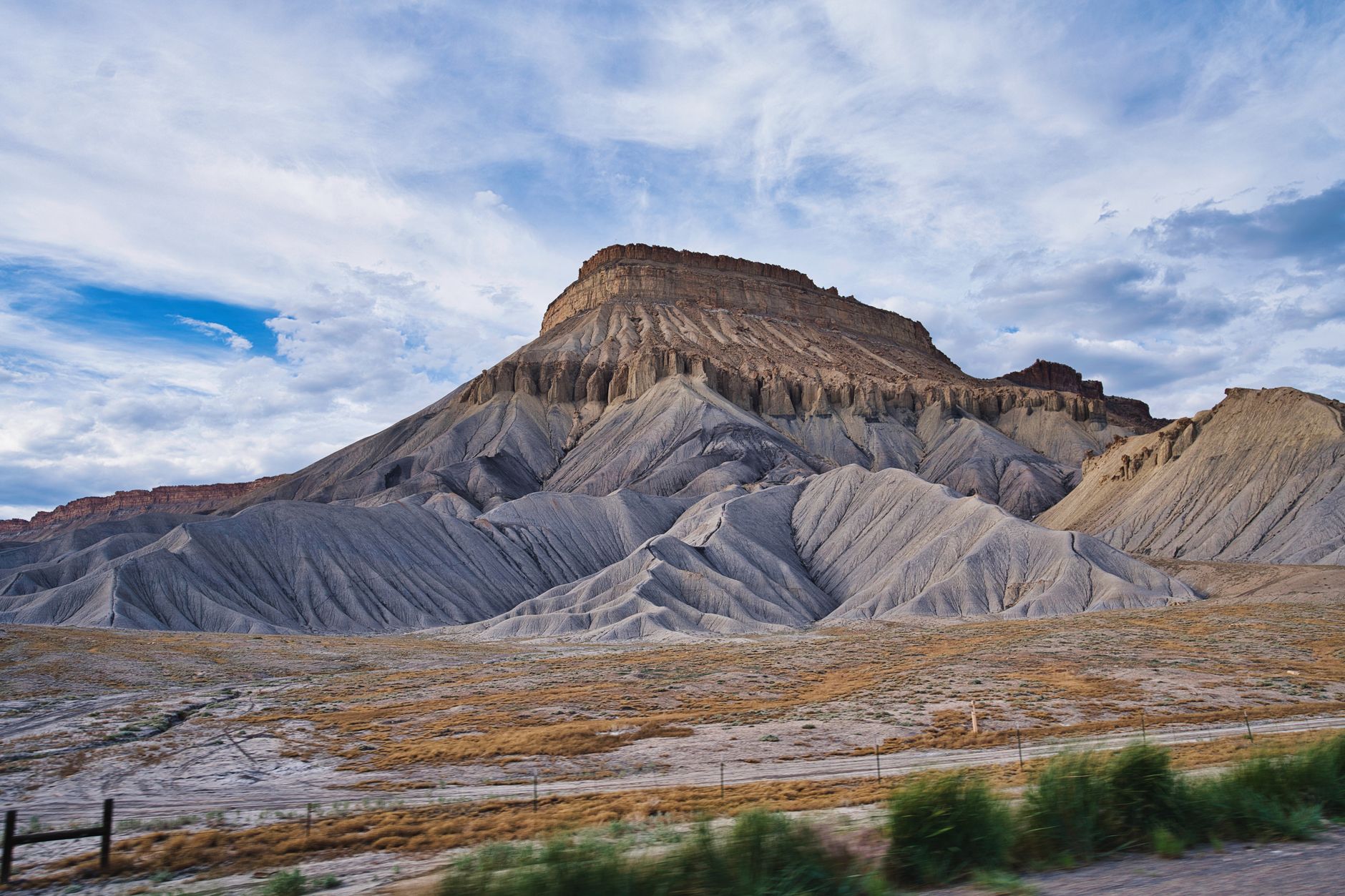
Expect a compact city set along the Colorado River with a workaday downtown and immediate access to dramatic red-rock rims. The first impression is practical: low-rise streets, service businesses, and a Main Street that serves both locals and visitors rather than one long tourist strip. Weather and light change fast here; bright sun in summer, cold winds in winter and spectacular late-afternoon colors on the Rim Rock cliffs frequently define a visit. Many visitors arrive thinking of it as merely a freeway stop; spending three days shows how the valley’s orchards, riverfront parks and nearby trail networks form a coherent small-city experience.
Is 3 days in Grand Junction enough?
Three days is enough to cover downtown, a drive and short hike on Rim Rock Drive at Colorado National Monument, a Palisade winery loop, and a half-day split between Fruita bike trails and local museums. The main caveat: there won't be time for a full Grand Mesa daytrip or to ride every Fruita trail — those require extra days.
Who This Guide Is For
Best for active travelers who prioritize outdoor access, short drives, local produce and low-key nightlife. Less suited to visitors seeking big-city museums, late-night club scenes, or a single-base luxury resort experience.
Local Tips for Grand Junction
Practical details that most travel sites skip — specific to Grand Junction.
- Colorado National Monument charges about $25 per private vehicle for a 7-day pass at the Rim Rock Drive entrance (pay at the kiosk or use an annual pass).
- Palisade tasting rooms cluster along CO-6 and CO-9 near downtown Palisade; most tasting fees run $8–15 but many waive the fee with a bottle purchase.
- Grand Valley Transit (GVT) runs fixed-route buses across Mesa County and a Dial-a-Ride paratransit service; expect to pay around $1.50 per single ride or use the Transit app to view schedules and real-time arrivals.
- Dinosaur Journey Museum in Fruita (run by the Museum of Western Colorado) usually has adult admission around $14–16 and offers good hands-on exhibits for families.
- James M. Robb—Colorado River State Park (Connected Lakes and Island Acres units) has day-use vehicle fees (around $7) and is where locals kayak, fish, and paddleboard close to town.
How This Guide Was Prepared
This guide treats Grand Junction as a working mountain-valley hub rather than a postcard stop. Many guides present it as merely a gateway to other Western Colorado attractions; that misses the mix of riverfront parks, local wines from Palisade and serious bike culture in Fruita that reward time on their own. Practical details such as how long drives on Rim Rock Drive take, where tasting fees apply, and which neighborhoods close early are foregrounded rather than glossed over. This guide was prepared through a structured research that combines destination research, geographic context, itinerary planning logic, and content review.
Plan Your Stay in Grand Junction
Use this itinerary as your starting point, then compare areas to stay, transport options, seasonal timing, and realistic daily costs before booking.
Why Visit
Access to Colorado National Monument is the single most distinctive draw—Rim Rock Drive gives dramatic overlooks within a 15–20 minute drive of downtown. Close to that are Palisade’s orchards and tasting rooms, where fresh peaches and local wines are available, especially in late July and August. Fruita and the 18 Road/18 Road trails are a different draw: nationally known cross-country and singletrack riding without the long drives of larger mountain towns. Add compact downtown services, several dependable breweries and a low cost base compared with the Front Range, and the area becomes efficient for short stays. Practical advantages matter: airport transfers are short, most attractions are within a 30–40 minute drive, and there’s a concentration of outdoor options that don’t require long backcountry approaches.
Quick Planning Tips
Fly into Grand Junction Regional Airport (GJT) for the shortest transfers; a taxi or rideshare to downtown typically costs about $25–35 and takes 12–20 minutes depending on traffic. Renting a car is strongly recommended for flexibility — many trailheads and Palisade wineries are unreachable on useful schedules by bus. Bring cash or a debit/credit card that works nationally; some smaller tasting rooms and peach stands accept only cards or cash, and many charge tasting fees of roughly $8–15. Avoid the planning mistake of cramming Colorado National Monument into a 30-minute stop; budget at least two hours for the loop plus time for a short hike.
Day 1
Start on Main Street (Colorado Avenue) in downtown for coffee, bakery goods and to pick up maps at a local visitor center or the library. Walk the block from Main Street to the Avalon Theatre and the nearby shops; allow 45–90 minutes to browse local galleries like the Western Colorado Center for the Arts and the small boutique stores. From downtown drive 12–20 minutes west to Colorado National Monument’s Visitor Center; park at the Rim Rock parking area and walk short trails such as the Canyon Rim Trail (20–40 minutes) for immediate views. Plan 2–3 hours total at the monument if stopping at 3–4 overlooks and doing a short hike. Lunch options: return toward town and eat at Bin 707 Foodbar on North Avenue for a seasonal farm-driven menu (expect mains $15–30). After lunch, explore Riverfront Trail along the Colorado River or rent a stand-up paddleboard at James M. Robb—Colorado River State Park’s Connected Lakes unit; the trail along the river is an easy 1–2 hour outing. Dinner: try Kannah Creek Brewing Company in downtown for local beers and plates (pizzas, sandwiches, $12–20). For the evening, check the Avalon Theatre schedule or catch sunset back at Monument Canyon; sunset light on the rim is a common local highlight.
Day 2
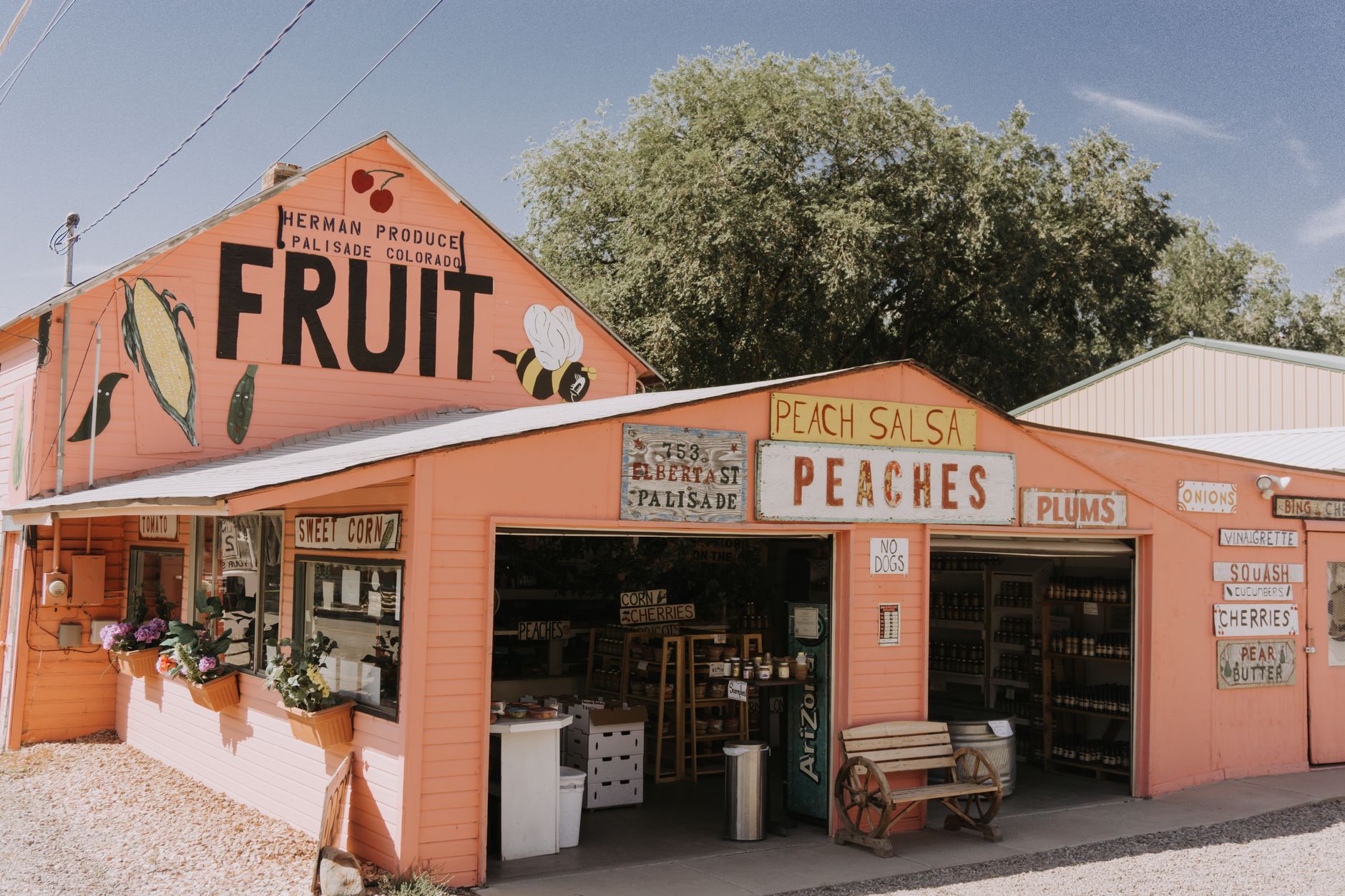
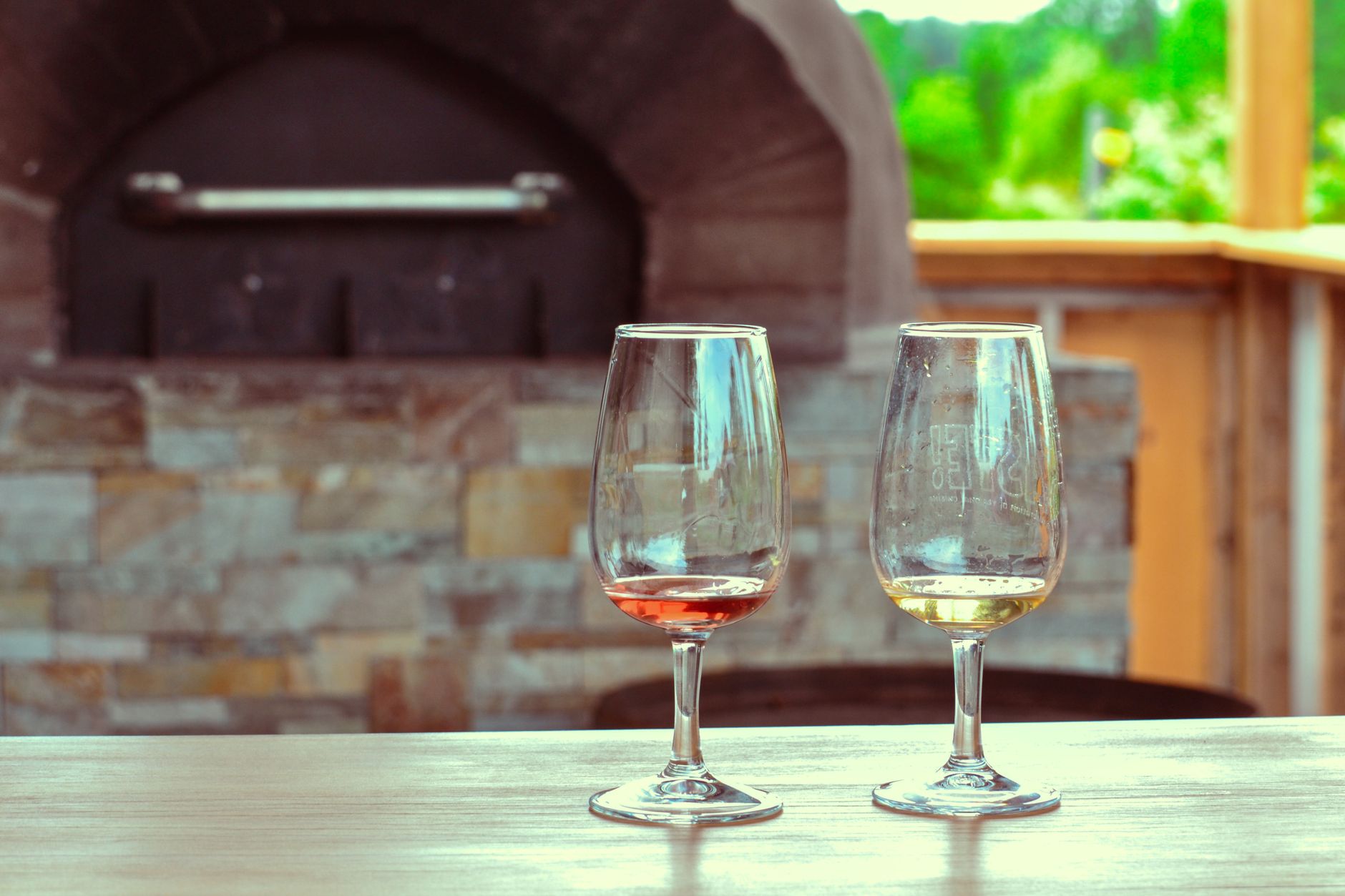
Spend a day east of town in Palisade and along the river corridor. Drive 15–25 minutes from downtown to arrive in Palisade; start at a tasting room cluster along West 3rd Street/Colorado Avenue, where small wineries and tasting rooms open mid-morning. Allow 3–4 hours for a tasting loop: sample 3–4 rooms, factor in $8–15 tasting fees and optional bottle purchases, and stop at a roadside peach stand for fruit when in season (July–August). For lunch, stop at a Palisade café or a winery that serves light plates; average lunch $12–20. In the afternoon, visit Cross Orchards Historic Site or ride a short stretch of the orchard roads by bike; the sight and smell of orchards is seasonal. Head back toward Grand Junction and stop at Two Rivers Park or Island Acres in James M. Robb—Colorado River State Park for paddleboarding or a riverside walk. Transport note: this day runs best by car; expect 15–25 minutes between downtown and Palisade plus short drives between wineries. Evening recommendation: pick a downtown spot that stays open later than Palisade; many Palisade tasting rooms close by 6–7pm.
Day 3
Dedicate this day to Fruita and the desert trails or choose a shorter Grand Mesa outing. For Fruita, drive 20–30 minutes from downtown to the 18 Road and Kokopelli trailheads; morning is best for riding or hiking to avoid midday heat. Visit Dinosaur Journey Museum in Fruita after a morning ride or walk; adult admission is typically in the mid-teens and the exhibits are family-friendly. For a gentler alternative, drive 40–60 minutes to the Grand Mesa scenic areas if interested in alpine lakes and cooler hiking; factor in an extra hour each way. If catching an afternoon flight, plan mid-morning activities close to downtown — a riverwalk, short brewery visit or museum — then return rental car, check out, and allow 30–45 minutes travel time to Grand Junction Regional Airport with a cushion for rental-car drop-off. Lunch options in Fruita: The Bird? Food trucks and cafes near the trailheads offer quick sandwiches and burritos (roughly $8–14). End with a relaxed final walk on Main Street or a brewery patio before heading to the airport.

Best Local Experiences
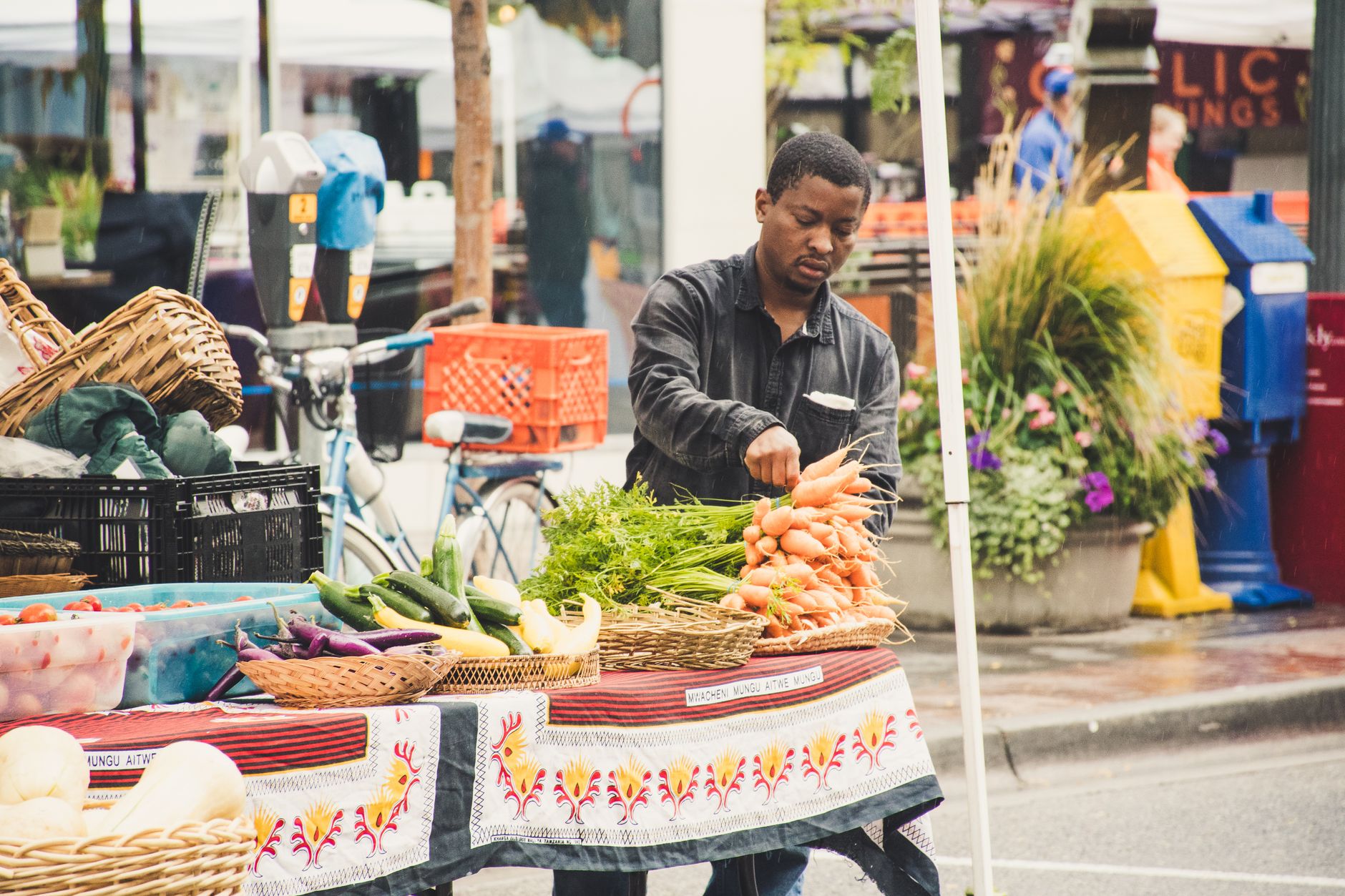
Main Street Farmers Market (seasonal, usually Saturdays) for local peaches, honey and prepared foods. Palisade Peach Festival in August is the main seasonal event for fruit lovers and local vendors. Colorado National Monument‘s Rim Rock Drive at sunrise or sunset offers dramatic canyon viewpoints without a long hike. Fruita’s 18 Road and Kokopelli trail network are a must for mountain-bike riders; rental shops and shuttles operate locally. The Grand Junction Off-Road or local bike races (check schedules) provide insight into the area’s cycling culture. James M. Robb—Colorado River State Park’s Connected Lakes unit hosts paddling and easy fishing that feel very local compared with more developed sites. Visit a tasting room crawl on CO-6 and Colorado Avenue in Palisade to sample Western Slope wines and learn about fundaments of the AVA from local vintners.
Where to Stay
Downtown/Main Street: best for first-time visitors who want walkable access to restaurants, breweries and the river trail. Most chain hotels and boutique inns are here; expect $110–200 USD per night (≈€100–185). Redlands (west of downtown): closer to Colorado National Monument and several trailheads, quieter at night; best for sunset drives and mountain-access; expect $90–150 USD per night (≈€85–140). Fruita: ideal for cyclists who want early access to trails and a more relaxed pace; smaller motels and vacation rentals dominate and cost about $80–140 USD per night (≈€75–130). Booking tip: wage and festival weekends (Palisade Peach Festival, local bike events) increase rates significantly, so reserve 6–8 weeks ahead if visiting in August or during race weekends.
Food and Drink
Palisade peaches: fresh stone fruit available at roadside stands in July–August; expect $3–6 per pound depending on variety. Green chile smothered burrito: New Mexico-style roasted green chiles appear on many breakfast and lunch menus; a restaurant serving one charges roughly $8–12. Farm-driven American plates at Bin 707 Foodbar on North Avenue serve seasonal vegetables and local meats; mains $15–30. Local craft beer: Kannah Creek Brewing Company in downtown offers year-round ales and seasonal releases; pints about $6–8. Street/quick food: food trucks near trailheads and parks sell breakfast burritos and sandwiches for $6–12. Dinner recommendation: pick a downtown brewpub or seasonal American bistro that sources Palisade fruit in desserts and salads; expect entrées in the $15–30 range. Breakfast option: a downtown bakery or coffeehouse for eggs, pastries and local jam; typical price $6–12.
Getting Around
Grand Valley Transit (GVT) runs fixed-route buses through Grand Junction, Redlands and Fruita plus Dial-a-Ride paratransit. Routes are numbered; consult the GVT website or use the Transit app for real-time arrivals and route maps. Expect a single-ride fare near $1.50 and a day pass around $3 (carry exact change or use the app where supported); Dial-a-Ride requires reservation windows. Taxis and rideshares (Uber/Lyft) operate out of Grand Junction Regional Airport; expect $25–35 to downtown by taxi and similar rideshare fares depending on surge. For most visitors a rental car offers the most flexibility; bicycle rentals are available in Fruita for trail access and around town for short trips.
Best Time to Visit
Spring (April–May): temperatures generally 50–75°F (10–24°C); shoulder-season crowds and good value for hotels, though late snow on higher trails is possible. Summer (June–August): warm to hot, often 85–95°F (29–35°C); busiest time for Palisade peaches and Fruita biking, but bring sun protection and hydrate. Early fall (September–October): comfortable 55–75°F (13–24°C), lower crowds, grape and peach harvest activity; often the best value for mild weather and open wineries. Winter (November–March): cool to cold, 25–50°F (-4–10°C), quieter and lower rates, but some trailheads and higher mountain roads can close or be icy. For the best balance of weather and fewer visitors, target late spring or early fall.
Budget and Practical Tips
Daily budget (per person, midrange): accommodation $90–160 USD (≈€85–150), food $35–70 USD (≈€32–65), local transport and incidentals $5–25 USD (≈€5–23), attraction fees $10–30 USD (≈€9–28). A three-day total for a midrange traveler typically falls in the $350–600 USD range excluding major shopping. Entrance fees: Colorado National Monument per-vehicle fee about $25 (7-day), Dinosaur Journey roughly $14–16 per adult, state park day-use fees around $7 per vehicle. Tipping norms follow standard U.S. practice: 15–20% at sit-down restaurants, $1–2 per drink at bars, and rounding up or $2–5 for taxi drivers depending on distance. Practical tip: bring a refillable water bottle and sunscreen for hikes; tap water is safe, and refill stations are available at parks and trailheads.
FAQ
How safe is downtown at night?
Downtown is generally safe with typical small-city issues; use normal precautions after midnight, stay on populated streets and avoid poorly lit side streets.
Is there a city pass or tourist card worth buying?
No widely used city card exists; buy park or museum tickets individually—Colorado National Monument and Dinosaur Journey sell separate passes.
Can public transit reach Colorado National Monument or Palisade wineries?
Buses serve parts of the valley but do not provide convenient, frequent service to the monument or many winery clusters; a car or bicycle is recommended.
Are bike rentals and shuttles available for Fruita trails?
Yes; several local shops rent mountain bikes and offer shuttle or taxi recommendations for trail access on 18 Road and Kokopelli sections.
How long should visitors plan for Colorado National Monument?
Plan at least 2–3 hours to drive Rim Rock Drive, stop at 3–5 overlooks and complete a short loop or trail.
Is Grand Mesa doable in a day from here?
A Grand Mesa daytrip is possible but requires an early start and adds 1–2 hours of driving each way depending on the chosen trailhead.
What is the best way to get from the airport to downtown?
Taxi or rideshare is fastest and most direct; fares typically run $25–35, and rental-car desks are at the terminal if more flexibility is needed.
Any altitude concerns?
Elevation is roughly 4,600–4,900 feet; most people adapt quickly but hydrate and avoid strenuous exertion on arrival if not acclimated.
Conclusion
Three days here lets visitors move beyond a highway stop and experience riverfront parks, a monument drive with short hikes, Palisade’s fruit and wine scene, and Fruita’s trail culture. The most commonly remembered elements are the Rim Rock overlooks at sunrise or sunset and the contrast between desert red-rock rims and irrigated orchards. If time runs short, prioritize Rim Rock Drive at Colorado National Monument and one winery or one Fruita trail session; those two experiences together convey what distinguishes the valley from Front Range destinations.
How this guide was prepared
This guide was prepared through a structured research that combines destination research, geographic context, itinerary planning logic, and content review.