

3-Day Practical Itinerary for Greensboro, North Carolina
A clear, practical 3-day plan for Greensboro that lists transit, meals, museums, and timing so visitors can see top sites without wasting time or money.
A straightforward 72-hour plan covering downtown museums, neighborhood walks, markets, and transit advice for first-time visitors.
Mid-size, walkable downtown blocks meet wide suburban stretches here. Expect tree-lined residential streets, a downtown core with independent museums and newer public spaces like LeBauer Park, and quieter commercial corridors outside the center.
Crowds are modest compared with larger regional cities; weekends bring locals to Elm Street, the farmers market, and parks rather than tour groups. Noise levels are reasonable but some streets near entertainment venues get loud after 9 p.m.
Visitors often misjudge distances: several major attractions require a short drive or a longer bus ride. This guide organizes three days to reduce back-and-forth transit and to show how neighbourhoods differ in character and offerings.
Is 3 days in Greensboro enough?
Yes — three days is enough to see downtown museums, a major garden or battlefield park, and one larger attraction like the science center or a full neighbourhood walk. One caveat: a relaxed schedule and a short drive or multiple bus rides are needed to cover the spread-out sites; squeezing everything in risks long transit waits.
Who This Guide Is For
Best for travelers who prefer museums, moderate walking, and local food rather than nightlife-centered trips. Less suitable for those wanting a packed festival calendar or high-end shopping — nearby Raleigh or Charlotte better serve those aims.
Local Tips for Greensboro
Practical details that most travel sites skip — specific to Greensboro.
- International Civil Rights Center & Museum sits in the former F.W. Woolworth on South Elm Street; buy timed-entry tickets online for busy weekend slots.
- Weatherspoon Art Museum at UNCG on Spring Garden Street offers free admission and rotates contemporary shows, making it a good short visit between other downtown stops.
- Greensboro Farmers Curb Market (Yanceyville Street) operates Saturdays early morning (roughly 6:30–12:30) with a smaller weekday market; arrive by 9 a.m. for the best produce and prepared foods.
- Greensboro Transit Agency (GTA) buses converge at the Downtown Transit Center on Foster Street; Token Transit app is accepted for mobile fares and real-time arrivals.
- Piedmont Triad International Airport (GSO) is west of downtown — expect a rideshare or taxi fare to central downtown of roughly $20–35 depending on time and surcharges.
How This Guide Was Prepared
This guide treats Greensboro as a mid-size American city with independent museums, Southern food culture, and green spaces rather than a condensed tourist trap. Many guides overemphasize a single attraction and ignore how spread out museums, parks, and the science center are; this plan organizes days by realistic travel time and opening hours. This guide was prepared through a structured research that combines destination research, geographic context, itinerary planning logic, and content review.
Plan Your Stay in Greensboro
Use this itinerary as your starting point, then compare areas to stay, transport options, seasonal timing, and realistic daily costs before booking.
Why Visit
Concrete reasons make a short trip worthwhile. First, the International Civil Rights Center & Museum on South Elm Street provides a focused museum experience about the 1960 Greensboro sit-ins in the original Woolworth building; it is a unique civic site with well-preserved primary exhibits.
Second, public green spaces and small specialty museums are concentrated but distinct: LeBauer Park and Bicentennial Garden offer short urban escapes while the Science Center and Wet 'n Wild Emerald Pointe provide family-oriented, all-ages attractions.
Third, a strong local food scene and weekly markets mean sampling regional barbecue, pimento cheese sandwiches, and seasonal produce is straightforward; downtown restaurants cluster near Elm Street and Spring Garden for evening options.
Finally, the city is a practical base for short drives to nearby Winston-Salem or Durham, making it a sensible stop on a Piedmont itinerary.

Quick Planning Tips
Piedmont Triad International Airport (GSO) is the closest airport; downtown runs about 20–30 minutes by car depending on traffic. Amtrak also stops at the Greensboro station on the Carolinian/Piedmont routes, which places downtown within a short taxi or bus ride.
Carry a small amount of US dollars and use contactless card payments widely accepted downtown; some farmers market vendors prefer cash. Purchase single bus fares or day passes via the Token Transit app to avoid exact change on board GTA buses.
Avoid planning back-to-back visits to the Science Center and Wet 'n Wild on the same afternoon unless using a car; traffic and parking can add 30–45 minutes between those locations and downtown.
Day 1
Morning: Start on South Elm Street at the International Civil Rights Center & Museum. Allow 60–90 minutes for the exhibits in the former Woolworth store and grab a coffee at a nearby Elm Street café. The museum sits within a short walking loop of downtown.
Late morning: Walk 5–10 minutes to the Greensboro History Museum on Summit Avenue or to LeBauer Park for a quick stroll and to see the seasonal food truck lineup (walk time 5–10 minutes from Elm Street). LeBauer Park is useful for a restroom break and short rest.
Lunch: Eat at a nearby downtown restaurant on Elm Street or at Lucky 32 Southern Kitchen for a Southern-style midday meal (both within a 5–10 minute walk). Expect $12–20 for lunch.
Afternoon: Head to the Weatherspoon Art Museum at UNCG, a 10–15 minute walk or a short GTA bus ride from LeBauer Park. Allow 45–60 minutes for the galleries. From there, walk across Spring Garden Street to tour sections of the UNCG campus.
Evening: Return to South Elm Street for dinner or a casual bar; evening crowds concentrate on this strip. If the schedule allows, catch any late museum hours or an evening concert listing at local venues. Expect 10–20 minutes each way if using rideshare.

Day 2
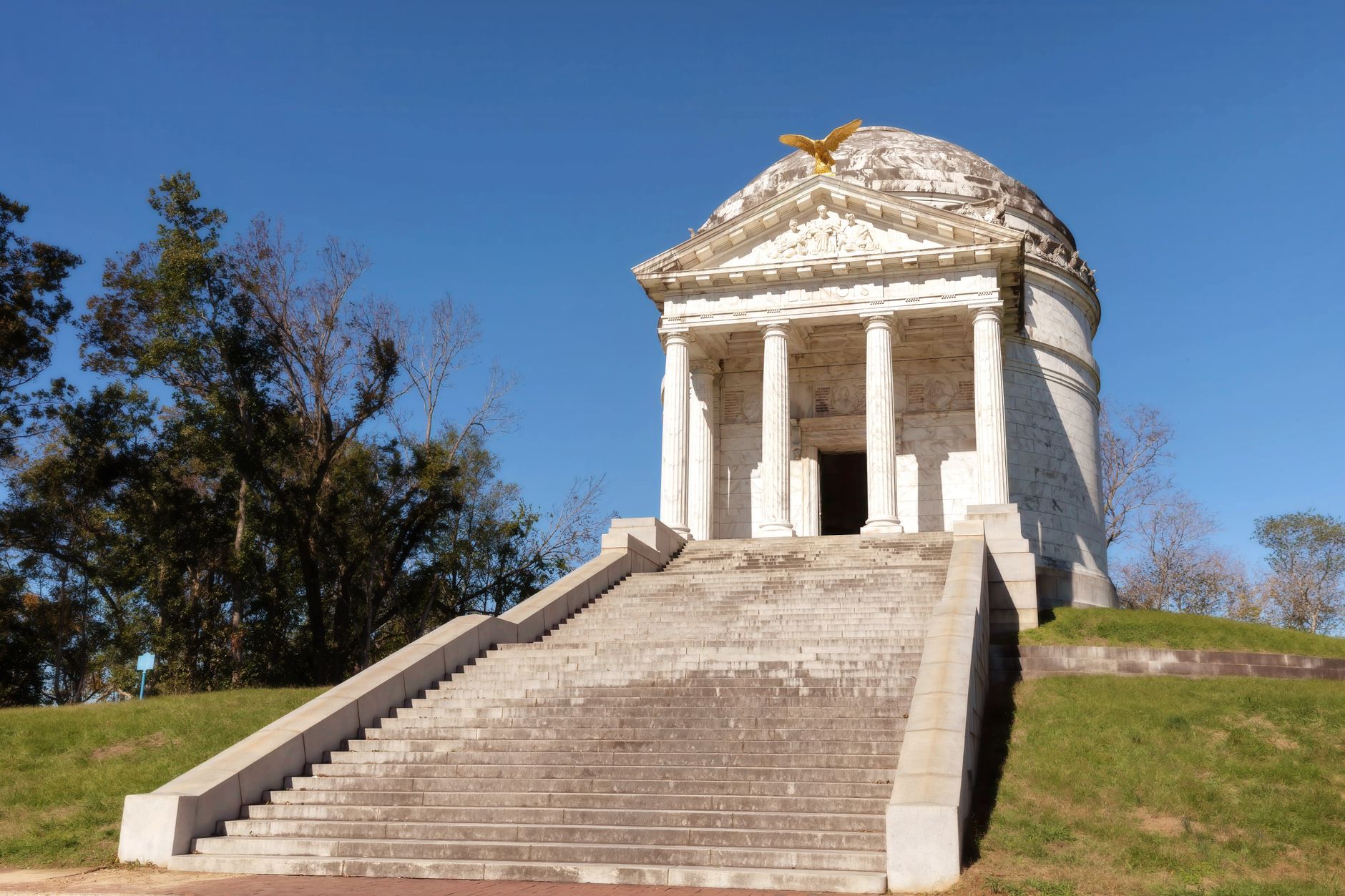
Morning: Start at Guilford Courthouse National Military Park for walking trails and battlefield markers. Allow at least 1.5–2 hours to follow the main loop and visit the visitor center. The park sits about a 10–15 minute drive from downtown; buses are sparse so rideshare or driving is the most efficient option.
Midday: After the park, head to the Bog Garden at Benjamin Park near downtown. The Bog Garden is a 10–15 minute drive back toward the center and offers boardwalks, birdwatching, and a quiet contrast to the battlefield visit. Plan 45–60 minutes here.
Lunch: Stop in the Lindley Park or Fisher Park neighborhood for a local café or sandwich shop; both neighbourhoods are a 5–10 minute drive from the Bog Garden and have small independent lunch spots.
Afternoon: Spend time in the Elsewhere arts complex if the installation fits the schedule; it offers artist studios and an experimental museum atmosphere. Elsewhere is a short drive from Lindley Park. Alternatively, visit the Greensboro Arboretum for another outdoor option.
Evening: Explore dinner choices along Spring Garden Street or on Friendly Avenue. These corridors host independent bars and restaurants and keep later hours than most neighbourhood cafés. Buses can connect these areas but check schedules for late service.
Day 3
Morning: Choose the attraction that needs the most time. For families, the Greensboro Science Center takes a half-day with aquarium, zoo exhibits, and a small natural history museum — plan 3–4 hours. For art-focused visitors, return to Weatherspoon or Elsewhere for a second visit.
Late morning: If checking out of accommodation, store bags at the hotel front desk or use a rideshare to the Science Center or Wet 'n Wild Emerald Pointe. Wet 'n Wild requires a full day in summer; if short on time, prioritize the Science Center.
Lunch: Eat on-site at the Science Center café or opt for a nearby restaurant on Coliseum Boulevard. Allow for 30–45 minutes; factor in parking and museum queuing.
Afternoon: If an afternoon flight or train is scheduled, head toward the Amtrak station or GSO with ample buffer. Expect 20–30 minutes drive time to GSO and 10–15 minutes to the Amtrak station from downtown, but allow extra time for traffic and security. If time permits, stop at the Greensboro Farmers Curb Market on Yanceyville Street (Saturdays) for last-minute local goods before departure.

Best Local Experiences
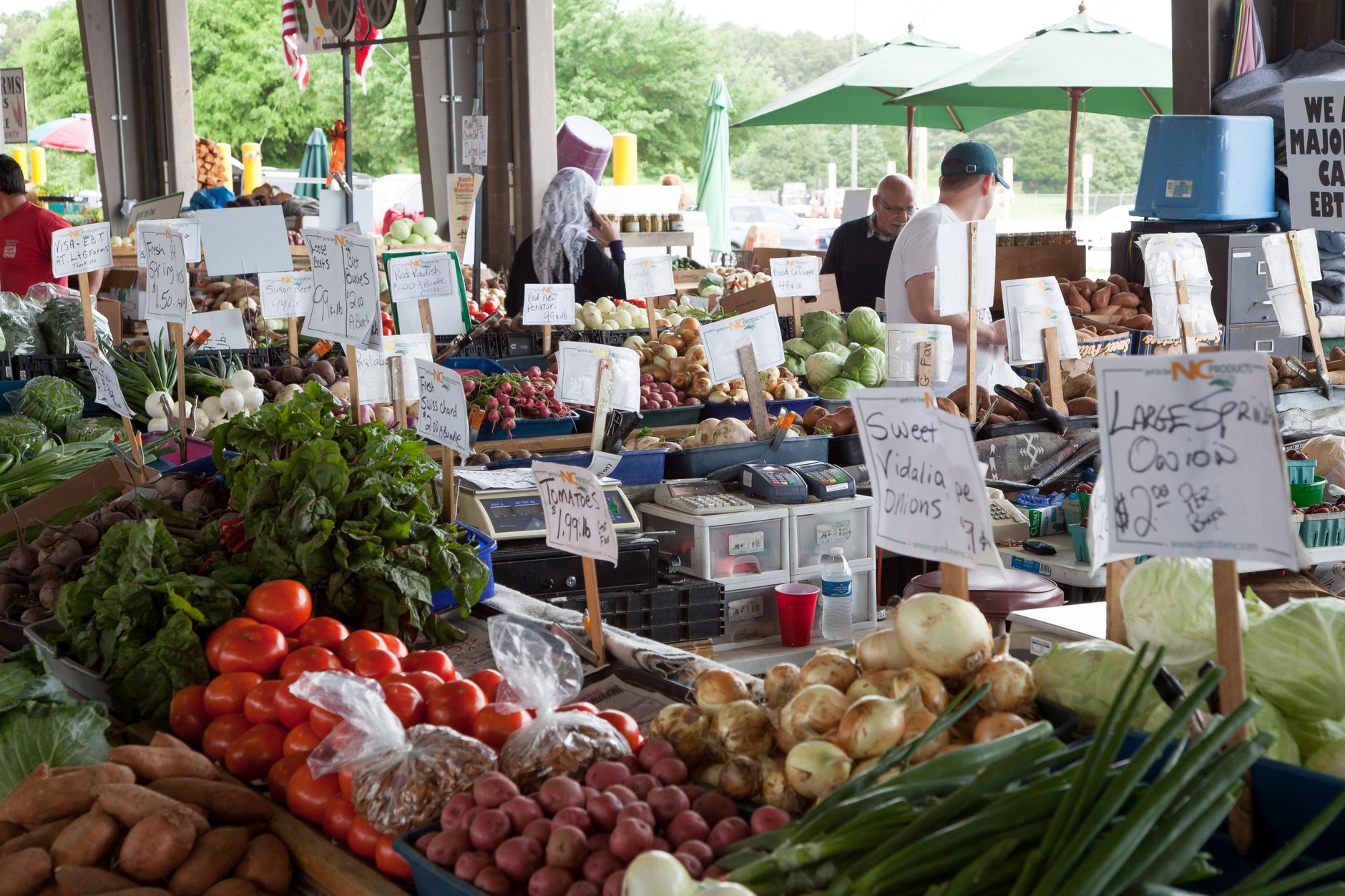
Greensboro Farmers Curb Market on Yanceyville Street — a Saturday morning market with local produce, honey, baked goods, and prepared foods. Arrive early for the best selection.
International Civil Rights Center & Museum sit-ins exhibit — a focused civic museum experience in the original Woolworth building that rewards 60–90 minutes of attention.
LeBauer Park plaza events and food trucks — check the park calendar for lunchtime concerts, weekly classes, and rotating vendors.
Bog Garden at Benjamin Park and the Greensboro Arboretum — two distinct green spaces offering short boardwalk trails and plant collections within a short drive of downtown.
Elsewhere arts complex — artist-run exhibits and installations; visits here feel different from standard museums and require checking current open hours.
First Friday programming and occasional street festivals on Elm Street — local arts and food vendors concentrate downtown on selected nights, making for an easy evening out without elaborate planning.
Where to Stay
Downtown (centered on Elm Street and Summit Avenue): Suits visitors who want walkability to museums, restaurants, and evening options. Hotels and boutique properties put most downtown sites within a 5–15 minute walk. Typical nightly rates: $100–160 USD (≈90–150 EUR) for mid-range options.
Fisher Park and Lindley Park: Best for a quieter neighbourhood feel with tree-lined streets and local cafés. These areas are 5–10 minutes from downtown by car and suit those who prefer residential walks and smaller restaurants. Typical nightly rates: $90–150 USD (≈80–140 EUR) for guesthouses or B&B-style accommodations.
Near Coliseum Boulevard / Airport corridor: Practical for families using the Greensboro Science Center, Wet 'n Wild, or catching early flights. These hotels offer lower nightly prices and free parking but require a 10–20 minute drive downtown. Typical nightly rates: $70–120 USD (≈65–110 EUR).
Choosing a downtown base reduces transit time for a 3-day itinerary, while neighbourhood stays give a better sense of daily life but add short drives or bus rides to major attractions.
Food and Drink
Pulled pork barbecue (North Carolina style): Often served with a vinegar- or tomato-based sauce depending on the vendor; good local spots include established barbecue shops and select diners — expect $8–14 for a plate.
Pimento cheese sandwich: A Southern staple often available at delis and downtown cafés; a deli sandwich runs $5–8 and makes a portable lunch for walking tours.
Shrimp and grits: A common dinner entrée in many locally owned restaurants; expect $12–22 depending on portion and restaurant.
Sweet tea and local craft beers: Sweet tea appears on most menus as an inexpensive non-alcoholic option; Greensboro has several microbreweries and taprooms downtown and in neighbouring areas — pints typically $5–7.
Breakfast recommendation: Seek a local café or bakery in Lindley Park or on Spring Garden Street for egg-and-biscuit plates or biscuits and gravy; expect $6–12.
Street food and food trucks: LeBauer Park and special events host rotating trucks and vendors; small meals $6–10.
Dinner recommendation: A mid-range downtown Southern or contemporary American restaurant will cost $18–35 per person. Reservations are useful for weekend evenings.
Getting Around
GTA buses (Greensboro Transit Agency) form the primary public transit network with routes that feed into the Downtown Transit Center on Foster Street. Token Transit app handles mobile fares and real-time arrivals for many routes.
Amtrak serves the city on the Carolinian and Piedmont lines at the Greensboro station; schedules link to Raleigh and Charlotte. Rideshare and taxi services fill gaps when bus frequency drops; expect modest surge pricing during special events.
Typical single bus fare runs roughly $1–2; day passes and stored-value options are available via Token Transit and at ticket locations. Airport taxi or rideshare to downtown usually costs about $20–35 depending on time and fees. Driving and rental cars are efficient for visiting dispersed sites like the Science Center and Guilford Courthouse Park.
Best Time to Visit
Spring (March–May): Mild temperatures generally ranging from 50–75°F (10–24°C) and peak bloom in public gardens. Weekends are busier from April onward due to local events and outdoor dining.
Summer (June–August): Hot and humid with highs around 85–95°F (29–35°C). Summer brings families to the Science Center and Wet 'n Wild; expect higher prices for weekend hotel stays and more crowded outdoor attractions.
Fall (September–November): Comfortable temperatures from 50–75°F (10–24°C) and lower humidity; shoulder-season rates and fewer crowds make this the best value period for museum visits and outdoor walks.
Winter (December–February): Temperatures usually 30–50°F (-1–10°C). Tourist traffic is light but some attractions have reduced hours. Avoid scheduling major outdoor activities on short winter daylight days.
Budget and Practical Tips
A practical daily budget for a mid-range traveler: Accommodation $90–160 USD (≈80–145 EUR), food $30–60 USD (≈27–55 EUR), transport $5–15 USD (≈5–14 EUR), attraction entries $10–30 USD (≈9–27 EUR). Expect higher costs for families or hotel upgrades.
Entry fees: International Civil Rights Center & Museum typically charges around $10–15 for adults; Greensboro Science Center adult admission is commonly in the $15–25 range depending on exhibits. Many university and small galleries offer free admission.
Tipping norms follow wider US practice: 15–20% at sit-down restaurants, $1–2 per drink at bars, and rounding up or $1–3 for taxi drivers. Cash is handy at farmers markets and smaller vendors, but card payments are widely accepted downtown.
Carry a reusable water bottle for summer days and check event calendars for LeBauer Park and the farmers market to catch local programming that can save money on paid entertainment.
FAQ
Is downtown safe to walk in at night?
Downtown is generally safe in daylight and early evening; after 10 p.m. some streets near nightlife venues get rowdy. Use common-sense precautions, stay on lit streets, and consider rideshare for late returns.
How do I get from Piedmont Triad International Airport (GSO) to downtown?
Rideshare or taxi are the fastest options (about 20–30 minutes). No frequent direct public shuttle runs; some hotels offer airport shuttles—confirm in advance.
Is a city pass or card worth buying?
There is no single universal city pass for all attractions; buy tickets individually. Weatherspoon is free, the Civil Rights museum has timed tickets, and the Science Center has its own ticketing—compare costs before bundling private tours.
Can the trip be done without a car?
Yes, with planning. Downtown and UNCG are walkable and GTA buses connect many areas, but rideshare will be needed for some sites like the Science Center or Guilford Courthouse for efficiency.
Are museums child-friendly?
The Greensboro Science Center and Wet 'n Wild are explicitly family-oriented. The Civil Rights museum and history museum have adult-focused content but can be visited by older children with adult supervision.
What are the best public transit apps to use?
Token Transit for GTA fares and a real-time arrival app (Transloc or the GTA official site) are useful. Rideshare apps fill service gaps for off-hour trips.
Is tipping expected at casual lunch spots and food trucks?
Casual cafés and food trucks often have a tip jar or QR tipping option; small tips of $1–3 are appreciated but not mandatory.
Conclusion
This 72-hour plan highlights a mix of civic museums, green spaces, and neighbourhood dining without packing in unrealistic transit. Most visitors will remember the sit-ins exhibit at the Woolworth building and the contrast between downtown parks and suburban attractions.
If time becomes tight, prioritize the International Civil Rights Center & Museum plus one outdoor site (Bog Garden or Guilford Courthouse) and one major attraction (Science Center or Elsewhere) so the trip balances history, nature, and local culture.
How this guide was prepared
This guide was prepared through a structured research that combines destination research, geographic context, itinerary planning logic, and content review.